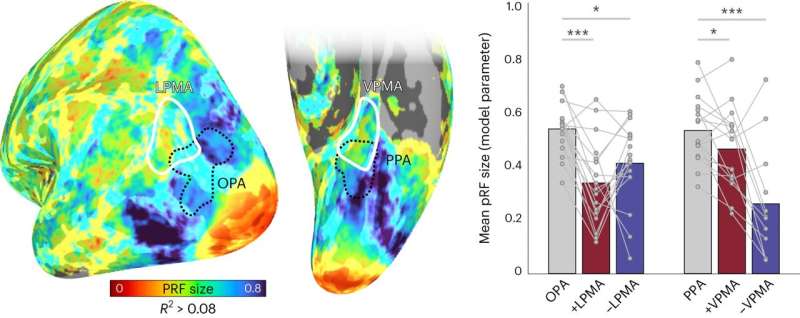
A new study has identified a neural coding mechanism that allows the transfer of information back and forth between perceptual regions to memory areas of the brain. The results are published in Nature Neuroscience.
Perceived time has a significant impact on the actual time it takes to heal physical wounds, according to new research.
Researchers have identified a wide range of risk factors for young-onset dementia. The findings challenge the notion that genetics are the sole cause of the condition, laying the groundwork for new prevention strategies.
Researchers have developed a groundbreaking synaptic transistor inspired by the human brain. This device can simultaneously process and store information, mimicking the brain’s capacity for higher-level thinking.
People who have more disrupted sleep in their 30s and 40s may be more likely to have memory and thinking problems a decade later, according to new research published in Neurology.
With help from an artificial language network, neuroscientists have discovered what kind of sentences are most likely to fire up the brain’s key language processing centers. The new study reveals that more complex sentences, either because of unusual grammar or unexpected meaning, generate stronger responses in these language processing centers. Very straightforward sentences barely engage these regions, and nonsensical sequences of words don’t do much for them either.
Finally this week, scientists have identified a molecular anchor that stabilizes mitochondria near synapses to support memory formation.
This video explores the storage, suppression, and rekindling of memories, drawing upon groundbreaking research from Trinity College Dublin.
In pursuit of perfect memory, we tend to categorize forgetfulness as a sign of cognitive weakness. However, emerging research suggests a paradigm shift in our understanding of memory and forgetfulness. In contrast to popular belief, forgetting is not a sign of a faulty memory, but rather the brain orchestrating a purposeful act to optimize our cognitive abilities.
This shift could revolutionize the way we perceive memory and its role in our daily lives. Instead of viewing forgetfulness as a shortcoming, it could be seen as a strategic mechanism, honed by evolution to filter and prioritize information. Imagine the implications this could have on education, where traditional methods often emphasize rote memorization. If forgetting is indeed a natural and adaptive process, educators might need to reconsider their approach to learning and information retention.
Furthermore, the understanding of forgetting and its purpose can hold profound implications for disciplines such as psychology and neurology. Expanding our comprehension of the mechanisms and functions of forgetting may serve to reshape the approaches taken toward memory-related disorders and therapeutic interventions. This, in turn, could potentially open up new avenues for research and treatment, propelling advancements in these crucial fields.
Neuroplasticity at Work Neuroplasticity, the brain’s ability to reorganize itself by forming new neural connections, plays a pivotal role in understanding the purposeful nature of forgetfulness. In a world where information overload is a daily reality, the brain must prioritize and organize data to function efficiently. This remarkable ability allows the brain to filter out irrelevant information and focus on what’s essential. The brain’s plasticity enables it to form new neural connections and reorganize existing ones, facilitating adaptation to new environments and learning new skills. Understanding the brain’s capacity for adaptation and prioritization sheds light on its incredible resilience and capability to thrive in diverse and demanding circumstances.
Learning from Mistakes Forgetfulness also serves as a valuable tool in learning from our mistakes. It allows us to filter out the less important information and retain only the most crucial lessons from our experiences. This process of selective forgetfulness aids in simplifying complex situations and extracting the key takeaways, ultimately contributing to a more refined learning process. By discarding superfluous details, our minds are better equipped to discern patterns and identify the core factors that contributed to specific outcomes. This, in turn, empowers us to make more informed decisions in the future and navigate similar situations more effectively. It’s fascinating to consider how our brains have evolved this adaptive mechanism to optimize the learning process and enable us to continuously improve our responses to various challenges.
The Role of Emotions Emotions play a significant role in the encoding and retrieval of memories. The brain tends to retain emotionally charged experiences more vividly, while less emotionally significant details may fade away. Forgetfulness, therefore, is not an indiscriminate process but rather a nuanced response influenced by the emotional context of our memories. This phenomenon highlights the interconnectedness of our emotional experiences and memory formation. The amygdala, a key player in processing emotions, is closely linked to the encoding and storage of emotional memories. When we encounter a particularly emotional event, the amygdala sends a signal to the hippocampus, a region crucial for forming new memories, enhancing the vividness and strengthening the imprint of that experience in our minds.
Understanding the impact of emotions on memory not only provides insight into the workings of the human mind but also has practical implications. For instance, educators can leverage emotionally charged experiences to enhance students’ retention of material. Similarly, in therapeutic settings, acknowledging the emotional context of memories is essential to address and process traumatic experiences effectively.
In reevaluating our understanding of forgetfulness, it becomes clear that our brains are not simply fallible machines prone to glitches. Instead, forgetfulness is a purposeful act orchestrated by our brains to optimize cognitive function in an ever-changing environment. When we consider the concept of forgetfulness in this light, we start to recognize the remarkable abilities of our brains to prioritize and adapt in response to the constant influx of new information and experiences. Rather than viewing forgetfulness as a shortcoming, we can appreciate it as a strategic process that allows our minds to maintain efficiency and relevance in a dynamic reality. This perspective invites us to explore the interplay between forgetting and remembering, shedding light on the delicate balance that sustains our cognitive prowess.
A team of international neuroscientists has obtained the first direct recordings of the human brain in the minutes before and after a brain hub crucial for language meaning was surgically disconnected. The results reveal the importance of brain hubs in neural networks and the remarkable way in which the human brain attempts to compensate when a hub is lost, with immediacy not previously observed.
A new study, published in Cell Reports, describes a novel molecular link between vitamin B12 and multiple sclerosis that takes place in astrocytes—important non-neuronal glial cells in the brain.
Australian researchers have flagged potential concerns over the use of social chatbots, calling for more studies into the impact of AI software on neurodiverse people and those who find human interaction difficult.
An exploratory study has shown that light, regular exercise can improve the cognitive as well as physical health of adults with Down syndrome.
Researchers at Linköping University, Sweden, have examined the brains of 16 patients previously hospitalised for COVID-19 with persisting symptoms. They have found differences in brain tissue structure between patients with persisting symptoms after COVID-19 and healthy people.
Scientists have discovered a new way a ribonucleic acid (RNA) impacts fear-related learning and memory.
Comparing PET scans of more than 90 adults with and without mild cognitive impairment (MCI), researchers say relatively lower levels of the so-called “happiness” chemical, serotonin, in parts of the brain of those with MCI may play a role in memory problems including Alzheimer’s disease.
A new study reveals a significant association between adverse childhood experiences and symptoms of muscle dysmorphia in adolescents and young adults.
Using electrochemical techniques and machine learning, scientists measured dopamine levels in real time during a computer game involving rewards and penalties. The findings shed light on the intricate role of dopamine in human behavior and could have implications for understanding psychiatric and neurological disorders.
A new study sheds light on the significant role of patients’ beliefs in the effectiveness of neurostimulation treatments for conditions like depression and ADHD. Analyzing five studies, the research team found that patients’ perceptions of receiving real or placebo treatments often had more impact on outcomes than the treatments themselves.
New research has found that smoking causes the brain to shrink and age prematurely, a condition not reversible even after quitting smoking.
Researchers have discovered a key player in alcohol addiction: pituitary adenylate cyclase-activating polypeptide (PACAP). This peptide, found in the “bed nucleus of the stria terminalis” (BNST), is linked to heavy alcohol drinking and withdrawal.
Finally this week, new research reveals that moderate exercise improves cognitive performance even under conditions of sleep deprivation and low oxygen levels.
Researchers have investigated the shared and unique neural processes that underlie different types of long-term memory: general semantic, personal semantic, and episodic memory, suggesting that these memory types all use the same network of the brain, rather than relying on different areas of the brain altogether. This questions a previous theory that characterizes general semantic and episodic memory as two distinct systems. Instead, the authors suggest that different long-term memory types could be viewed as a spectrum, where they rely on activating the same areas of the brain at differing magnitudes.
Using a specialized device that translates images into sound, neuroscientists have shown that people who are blind recognize basic faces using the part of the brain known as the fusiform face area, a region that is crucial for the processing of faces in sighted people.
People with long COVID exhibit patterns of changes in the brain that are different from fully recovered COVID-19 patients, according to new research.
What is the mechanism that allows our brains to incorporate new information about the world, and form memories? New work led by Dr. Tomás Ryan from Trinity College Dublin shows that learning occurs through the continuous formation of new connectivity patterns between specific engram cells in different regions of the brain.
New research indicates that acoustic stimulation of the brain may ease persistent symptoms in individuals who have experienced mild traumatic brain injury in the past.
Scientists have discovered that Alzheimer’s-related changes in brain networks extend beyond memory and attention, impacting sensory and motor circuits. These findings challenge previous assumptions about Alzheimer’s effects.
A pivotal discovery in addiction science has found a correlation between microstructural deficits in the prefrontal cortex-habenula tract and the development and maintenance of addiction.
Researchers have unveiled a pioneering technique for charting the intricate conversations occurring within our brains. Such insights are key to decoding behavioral alterations in neurological disease patients. The innovative tool, CaMPARI, allows scientists to witness brain activity in real-time, marking active neurons red and inactive ones green. This breakthrough could offer pathways to better treatments and understanding of diseases like Alzheimer’s.
A team of neuroscientists has found evidence suggesting that the neural development of babies still in the womb is impacted by the language they hear spoken by their mothers as they carry them.
A new study has discovered a link between a new gene pathway and structural brain anomalies in some people who stutter into adulthood, opening up promising research avenues to enhance the understanding of persistent developmental stuttering.
Finally this week, researchers have developed a tool that simplifies the identification of errors in neural networks used for image recognition.
A new study has provided the first clear picture of where language processes are located in the brain. The findings may be useful in clinical trials involving language recovery after brain injury.
Researchers have developed a model for studying one type of familial epilepsy, opening the door to understanding—and eventually targeting—the mechanisms that lead to the disorder and its associated fatalities.
A new study published in Nature Medicine sheds light on how biological sex influences brain function and its impact on the risk of various brain-related diseases.
A breakthrough technique developed by University of Oxford researchers could one day provide tailored repairs for those who suffer brain injuries. The researchers have demonstrated for the first time that neural cells can be 3D-printed to mimic the architecture of the cerebral cortex.
A research team has identified new potential treatments for children with rare genetic conditions of blood vessels, which cause severe, symptoms like seizures and impaired development.
Scientists have discovered new insights into how our brain stores episodic memories—a type of long-term, conscious memory of a previous experience—that could be critical to the development of new neuroprosthetic devices to help patients with memory problems, like Alzheimer’s disease and dementia.
A global blood test for concussion could be a step closer after a new study discovered specific proteins or biomarkers that can help diagnose concussions relatively quickly and accurately.
The brain circuitry that is disrupted in Alzheimer’s disease appears to influence memory through a type of brain wave known as theta oscillation, a team led by UT Southwestern Medical Center researchers report. The findings, published in Nature Communications, could help researchers design and evaluate new treatments for Alzheimer’s, a condition that affects millions of people around the globe and has no cure.
Finally this week, a new study reveals the role of vascular system cells—pericytes—in the formation of long-term memories of life events—memories that are lost in diseases such as Alzheimer’s disease.
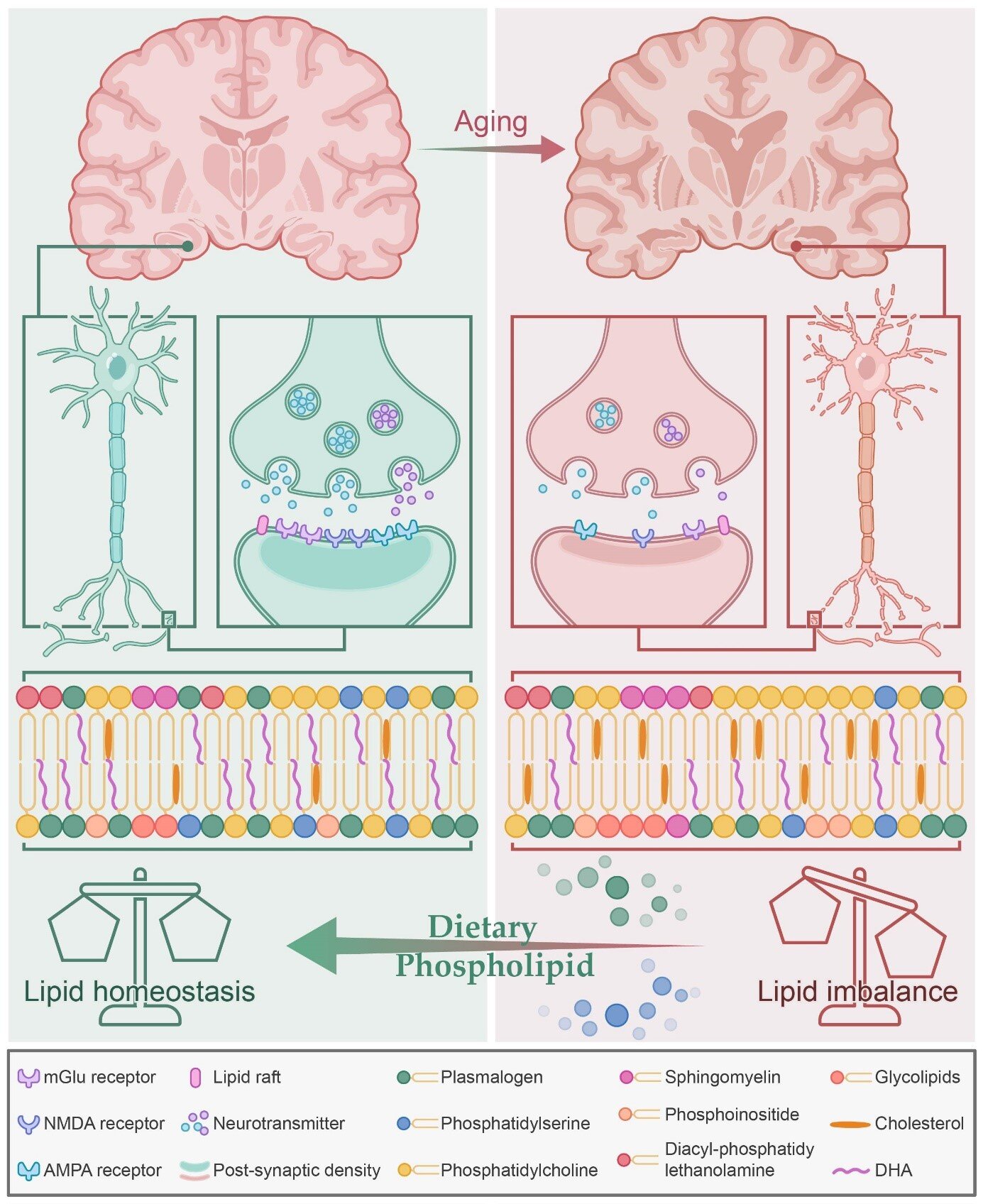
Dietary phospholipid intervention could prevent brain aging by maintaining lipid homeostasis and enhancing synaptic plasticity. Credit: Wei Xiong et al.
A new review highlights the significant role of dietary lipids in preventing brain aging and cognitive decline. As the global burden of aging-related brain diseases, particularly dementia, continues to rise, this research offers promising insights into potential nutritional interventions that could improve brain function during aging.
Cerebrospinal fluid (CSF) leaks may be one of the mechanisms that link traumatic brain injury (TBI) with dementia, according to a new hypothesis.
Short-term exposure to air pollution may be linked to an increased risk of stroke, according to a meta-analysis published in Neurology. Short-term exposure was defined as occurring within five days of the stroke.
People with a higher cumulative estrogen exposure throughout their life may have a lower risk of cerebral small vessel disease, according to a new study.
New research is painting a clearer picture of the early signs of multiple sclerosis (MS), showing that people are nearly twice as likely to experience mental illness in the years leading up to the onset of the disease.
Whether you are an early bird or a night owl, your internal clock plays a critical role in maximizing your mental performance, according to a recent study. This effect is so strong that it can significantly impact academic performance for adolescent students and the results of brain health assessments for older adults.
A new study suggests a common brain network exists among people with substance use disorder. By evaluating data from across more than 144 studies of addiction, the team found abnormalities across substance use disorders mapped to a common brain network across substances and lesion locations, suggesting a potential brain circuit to target with neurostimulation therapies.
Finally this week, people differ significantly in their memory performance and researchers have now discovered that certain brain signals are related to these differences.
A new study sheds light on the neural underpinning of subjective odor perceptions.
New research has found that cognitive behavioral therapy (CBT) can significantly reduce the burden of fibromyalgia in part by reducing pain-catastrophizing, a negative cognitive and emotional response that can intensify pain through feelings of helplessness, rumination and intrusive thoughts. This finding is backed by neuroimaging data, evidencing reduced connectivity between regions of the brain associated with self-awareness, pain and emotional processing.
Researchers have discovered how an active form of a gene present in 75% of the human population works to protect the brain against neurodegeneration.
A recent study provides new insight into the relationship between the release of the neurotransmitter dopamine and decision-making processes. The scientists found that when dopamine is released, decisions are made faster, but tend to be more inaccurate.
A new study recently published in JAMA Neurology provides insights into the complex and intricate relationship of contact sports and the risk of dementia.
A team of leading clinicians, engineers, and neuroscientists has made a groundbreaking discovery in the field of treatment-resistant depression. By analyzing the brain activity of patients undergoing deep brain stimulation (DBS), a promising therapy involving implanted electrodes that stimulate the brain, the researchers identified a unique pattern in brain activity that reflects the recovery process in patients with treatment-resistant depression.
Scientists have revealed how the effects of psychosis spread throughout the brain.
Researchers have identified new regions of the brain crucial to the formation of long-term memory, challenging the conventional notion that the hippocampus is central to memory consolidation, by demonstrating that a different set of brain networks play a role.
Finally this week, scientists have revealed the molecular structure of a type of receptor that’s crucial to brain development and function.
Scientists have made a ‘paradigm shifting’ discovery on the mechanisms required for learning and memory that could lead to new therapies for Alzheimer’s disease and potentially Down syndrome.
Researchers have analyzed which physiological indicators recorded when watching a movie can predict the audience’s assessment. It turned out that the activity of zygomaticus major (the “smiling muscle”), heart rate variability and EEG indicators can tell us most about the viewer’s impression of the movie.
The largest genetic study of its kind has discovered specific changes in our DNA that increase the risk of developing epilepsy.
Researchers found that the skin, not pre-existing genetic programming, instructs nerve cells on how to mature for specific sensory tasks. The findings showcase that skin cues determine whether nerve endings develop to detect sensations in hairy or hairless skin. If corroborated by further research, this discovery could pave the way for therapies to mend damaged nerves or better comprehend congenital neuropathies.
A new study has explored the link between infant birthweight, gestational age and future cognitive problems.
Researchers have successfully developed temporary, organic electrodes that can be seamlessly integrated into biological systems. The method opens up a future where bioelectronics can be implanted in and removed from the body without surgery.
A new study has found that, among a sample of 152 young athletes exposed to repetitive head impacts (RHI) who were under age 30 at the time of death, 41.4% (63) had neuropathological evidence of CTE, a degenerative brain disease caused by RHI.
New research supports the idea that the brains of older adults who maintain physical fitness by engaging in regular strenuous exercise more closely resemble those of younger adults.
Researchers have succeeded in transforming brain signals into audible speech. By decoding signals from the brain through a combination of implants and AI, they were able to predict the words people wanted to say with an accuracy of 92 to 100%. Their findings are published in the Journal of Neural Engineering.
Finally this week, a virtual reality study has revealed a link between a sense of presence and cognitive abilities.
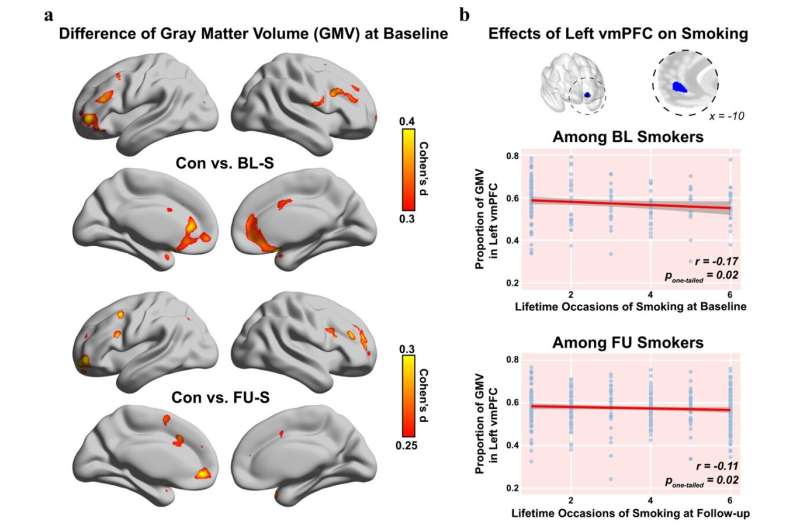
Smaller Left vmPFC was associated with future smoking. Credit: Nature Communications (2023)
Levels of gray matter in two parts of the brain may be linked to a desire to start smoking during adolescence and the strengthening of nicotine addiction, a new study has shown.
Researchers have enabled machine learning to accurately predict Parkinson’s disease subtypes using stem cell images. This breakthrough showcases computer models classifying four Parkinson’s subtypes, with top accuracies reaching 95%. This could revolutionize personalized medicine and aid in more targeted drug research for Parkinson’s.
A large international team of medical researchers has found that the severity of COVID-19 infections in children over the course of the pandemic varied by age and viral variant.
Researchers have illuminated how our brain maintains focus amidst distractions. Their study identifies “visual-movement” neurons in the lateral prefrontal cortex (LPFC) that use coordinated activity called “beta bursts” to suppress distracting stimuli and ensure attention remains on rewarding tasks. This discovery gives a deeper understanding of cognitive focus and offers insights into disorders like ADD and OCD.
More cases of children born with abnormal brain development may have genetic explanations than previously thought, according to a recent study published in JAMA Neurology.
Hearing impairment may cause difficulties in social interactions, but new research indicates that social struggles experienced by deaf individuals are likely not due to brain alterations, but rather due to non-supportive environments.
Scientists have identified a series of processes that help the brain adapt to damage caused by breakdowns in circuits that govern movement, cognition and sensory perception.
For the first time, researchers have discovered that the ventral tegmental area (VTA) of the brain—a key structure involved in motivation and reward appreciation—has altered connectivity patterns with specific brain regions in patients with obesity. Individuals with obesity have hyper-connectivity of the VTA with part of the ventral occipitotemporal cortex (visual processing for food images) and hypo-connectivity with the left inferior frontal gyrus (associated with cognitive control), according to a new study in Obesity.
Researchers have identified a key pathway, involved in inflammation, which appears to be activated in people with long COVID who have symptoms of “brain fog.”
Using a novel approach of precision neuroimaging and high-resolution functional magnetic resonance imaging (fMRI), a team of neuroscientists and physicists have discovered previously unknown cortical networks and shed light on the anatomical organization of the human memory system.
A pioneering scientific study has shown that the effects of multiple concussions in rugby players continue to have an impact on their brain even in retirement.
Researchers have coupled the measurements of brain waves associated with disorders of consciousness (DoC) with glucose usage in specific brain areas, identifying where in the brain the waves might be generated.
A breakthrough project mapping brain changes in nearly 1,300 people diagnosed with six different types of mental illness has revealed the extraordinary diversity of brain changes found in people with conditions like major depression and schizophrenia.
Neuroscientists have shown that adversities permanently change the functioning of the brain. Furthermore, an aberrant reaction of the brain to adversities is related to anxiety symptoms. This may have predictive value for the development of psychiatric disorders.
When we engage our working memory, we temporarily retain information in our brain. A team of researchers has now demonstrated that the key to understanding working memory relies not only on what one is storing in memory but also why – highlighting the “working” aspect of working memory, which underscores the purpose of storing information in the first place. Specifically, the study focuses on both how we store the visual properties of our memories in the occipital lobe, where our visual system resides, and on how the neural codes that store those memories change over time as people begin to prepare a response that depends on the memory.
In the study, the response simply required people to look where they remembered an object that disappeared several seconds ago. This sheds light on the intricate interplay between memory formation and the cognitive processes that guide our actions. As you read this sentence, for example, your working memory holds the words temporarily, and this could influence how you interpret the information and potentially respond to it. The importance of working memory to many of our cognitive abilities is well known, but less clear are the neurological machinations driving this process.
According to conventional textbook theories, the encoding patterns within our working memory remain constant over time. This signifies that the neural activity pattern responsible for storing a specific visual memory remains unchanged from its initial encoding, regardless of whether it’s been a mere second or a substantial 10 seconds. These intricate neural activity patterns serve as the repositories of visual memories, effectively forming a temporal bridge that connects a past stimulus with a forthcoming memory-guided response.
However, recent investigations involving animals have revealed that the neural patterns responsible for memory are notably more fluid. In fact, the stability of memory codes has been brought into question, as they seem to exhibit perplexing changes over time.
To delve into this phenomenon, researchers Li and Curtis, known for their prior breakthroughs in deciphering the organization of our working memory within the brain, developed innovative techniques. Their goal was to not only quantify the shifting neural dynamics but also to render these dynamics intelligible. To achieve this, they projected intricate neural measurements onto a simple 2D plane, akin to the screen of a laptop or smartphone.
The accompanying video vividly illustrates the progression of neural activity during a working memory trial. Initially, a cluster of activity emerges, encoding the briefly presented visual target (depicted as a pink circle), evident in both the primary visual cortex (V1) and a higher-level visual area (V3AB). In V3AB, this activity cluster remains fixed at the target location throughout the memory retention period. However, within V1, a line of activity evolves during the delay period between the individual’s current gaze direction (indicated by a pink cross) and the intended eye movement after the delay.
The researchers posit that this evolving line represents the projected path of the intended gaze shift that individuals are mentally rehearsing but have yet to execute.
While prior research had documented the dynamic nature of neural activity during working memory, the underlying cause for these dynamics had remained enigmatic. The latest findings help shed light on this puzzle. They suggest that these dynamic neural patterns are manifestations of the transformation of past sensory experiences—what has recently been perceived—into anticipated behaviors guided by memory—what actions might be taken based on that memory.





 inside-the-brain.com