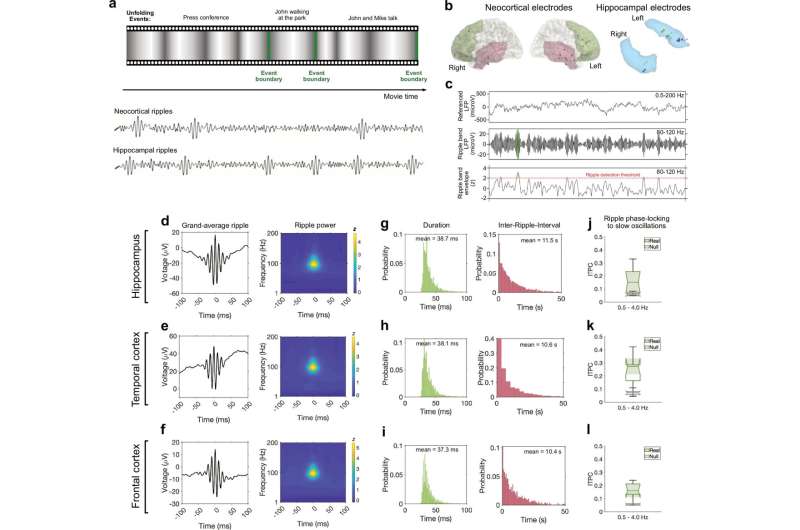
A research team has identified, for the first time in humans a key neurophysiological mechanism in memory formation: ripple-type brain waves—high-frequency electrical oscillations that mark and organize the different episodes or fragments of information that the brain stores as memories.
Scientists have discovered how a key protein helps maintain strong connections between brain cells that are crucial for learning and memory.
New research shows that signs of Alzheimer’s disease can already be detected in the blood of people as young as their 40s. Finnish scientists found elevated Alzheimer’s-related biomarkers in middle-aged adults, especially among those with maternal history or kidney disease.
A new study questions whether playing youth football leads to harmful protein buildup in the brain.
Receiving six or more prescriptions of the drug gabapentin for low back pain is associated with significantly increased risks of developing dementia and mild cognitive impairment, finds a large medical records study.
A large genetic study reveals that cannabis use disorder is strongly linked to increased risk for multiple psychiatric disorders, including depression, PTSD, ADHD, and schizophrenia.
A common sugar substitute, erythritol, widely used in “sugar-free” and low-carb products, may increase stroke risk by damaging brain blood vessel cells. A new study found that erythritol exposure reduced nitric oxide, increased vessel constrictors, impaired clot-busting abilities, and boosted free radical production in these cells.
Finally, this week, neuroscientists have discovered a signature ‘wave’ of activity as the brain awakens from sleep.
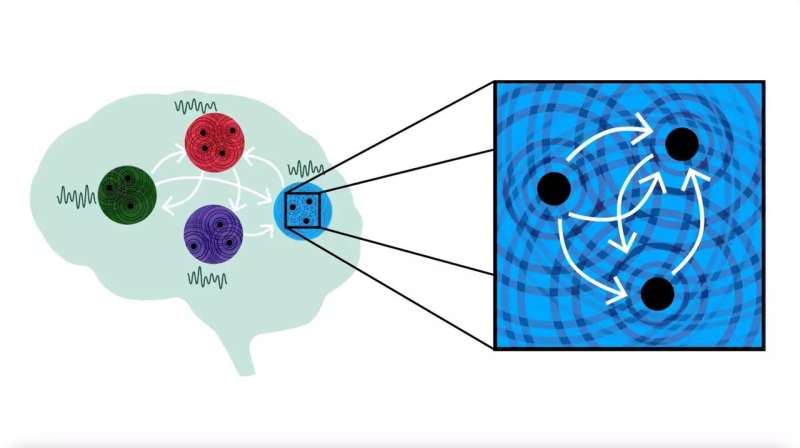
Schematic representation of the “Harmonic Oscillator Recurrent Network Model” (HORN). Credit: ESI
Researchers have made a new discovery in understanding fundamental brain processes. For the first time, the team has provided compelling evidence that the brain’s characteristic rhythmic patterns play a crucial role in information processing. While these oscillatory dynamics have long been observed in the brain, their purpose has remained mostly elusive until now.
Music has the best chance of providing pain relief when it is played at our natural rhythm, a McGill University research team has discovered.
Tiny plastic particles may accumulate at higher levels in the human brain than in the kidney and liver, with greater concentrations detected in postmortem samples from 2024 than in those from 2016, suggests a paper published in Nature Medicine. Although the potential implications for human health remain unclear, these findings may highlight a consequence of rising global concentrations of environmental plastics.
A team of scientists from the Center for Neuroscience Imaging Research (CNIR) at the Institute for Basic Science (IBS) has unveiled how the hippocampus orchestrates multiple memory processes, including encoding new information, forming memories, and retrieving them. The study ispublished in Nature Communications.
A recent study suggests that frequent treatment with intranasal oxytocin a hormone linked to empathy, may help address a key symptom in patients with frontotemporal dementia.
Could the key to easing anxiety be hidden in our gut? Scientists have discovered a crucial connection between gut microbes and anxiety-related behaviour.
People’s ability to interpret emotions or focus on performing a task is reduced by short-term exposure to particulate matter air pollution, potentially making everyday activities more challenging, according to a new study.
New research has revealed clear evidence that changes in the orchestration of brain oxygenation dynamics and neuronal function in Alzheimer’s disease contribute to the neurodegeneration.
Researchers are paving the way for the design of bionic limbs that feel natural to users. They demonstrate the connection between hand movement patterns and motoneuron control patterns. The study, published in Science Robotics, also reports the application of these findings to a soft prosthetic hand, which was successfully tested by individuals with physical impairments.
Occupational exposure to noise and/or vibrations is associated with the presence of vertigo, according to a study recently published in the Journal of Clinical Medicine.
A team of researchers recently carried out a study aimed at exploring the differences among patients with OCD. Their findings, publishedin Translational Psychiatry, allowed them to identify two broad OCD subtypes, which are associated with different patterns in gray matter volumes and disease epicenters.
A Canadian research team has revealed important new insights into the activation dynamics of neural stem cells (NSCs). These are the stem cells that build our central nervous systems and self-renew.
New research reveals that brain cells use a muscle-like signaling mechanism to relay information over long distances. Scientists discovered that dendrites, the branch-like extensions of neurons, contain a structured network of contact sites that amplify calcium signals—similar to how muscles contract. These contact sites regulate calcium release, activating key proteins involved in learning and memory.
Finally this week, a large study has found that heavy cannabis use, both recent and lifetime, is linked to reduced brain activity during working memory tasks in over 1,000 young adults.
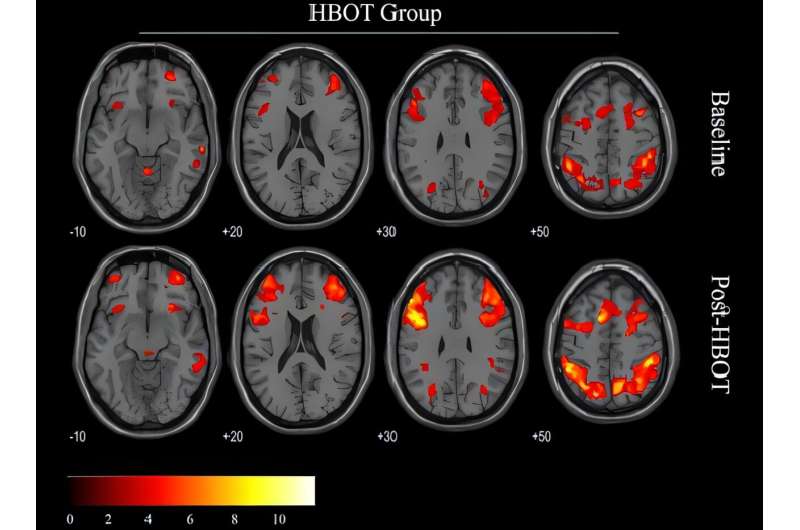
Functional MRI before and after HBOT. Credit: The Shamir Medical Center
Researchers have demonstrated that hyperbaric oxygen therapy (HBOT) improves the condition of PTSD sufferers who have not responded to psychotherapy or psychiatric medications.
Scientists have discovered for the first time a neural mechanism for memory integration that stretches across both time and personal experience. These findings, reported in Nature, demonstrate how memories stored in neural ensembles in the brain are constantly being updated and reorganized with salient information, and represent an important step in deciphering how our memories stay current with the most recently available information.
Neuroscientists have discovered brain cells that form multiple coordinate systems to tell us “where we are” in a sequence of behaviours. The findings help us understand the algorithms used by the brain to flexibly generate complex behaviors, such as planning and reasoning, and might be useful in understanding how such processes go wrong in psychiatric conditions such as schizophrenia.
New research finds that even single bouts of intense exercise can improve cognitive performance in young adults, particularly in memory, attention, and executive functioning.
By scanning the brains of people while they watched movie clips, neuroscientists have created the most detailed functional map of the brain to date. The fMRI analysis, published in Neuron, shows how different brain networks light up when participants viewed short clips from a range of independent and Hollywood films, including Inception, The Social Network, and Home Alone.
Asthma is associated with memory difficulties in children, and early onset of asthma may exacerbate memory deficits, according to a new study.
Older adults with significant fluctuations in cholesterol levels are at increased risk for dementia and cognitive decline, even without medication changes. Researchers studied nearly 10,000 older adults, tracking their cholesterol levels and cognitive function over six years. High variability in total and LDL (“bad”) cholesterol was associated with a 60% increase in dementia and 23% increase in cognitive decline.
Scientists have successfully reprogrammed astroglia, a type of brain support cell, into neurons that mimic specific interneurons critical for brain function.
Exercise has been shown to improve brain health and reduce the risk of cognitive decline and dementia over the long-term. But engaging in everyday physical activity has immediate benefits for brain health, according to a new study.
New research highlights neuroglia (or glia cells) as critical players in mental health, potentially influencing conditions like depression and schizophrenia. Glia cells, long considered “support cells” in the brain, have now been shown to communicate through unique calcium signaling, impacting neuronal function and stress responses. Studies suggest that compromised astrocyte function, a glial cell type, may relate to depressive symptoms and schizophrenia.
A study investigated how cannabis use influences metabolomic patterns linked to psychotic-like experiences in adolescents. Blood samples revealed that non-cannabis users showed inflammatory metabolic changes associated with hallucinations, while cannabis users exhibited shifts in energy-related metabolites tied to brain ketogenesis.
Finally this week, a new study links satellite data with brain imaging to reveal how environmental factors like light pollution, green spaces, and urban density affect the mental health and brain development of children.
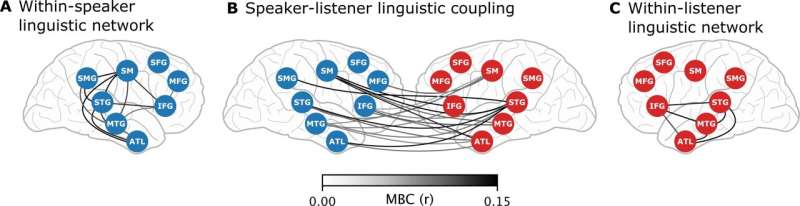
Coupling between speaker and listener brains. Credit: Neuron / Zada et al.
When two individuals interact, their brain activities tend to synchronize. Previously, it was uncertain how much of this “brain-to-brain coupling” resulted from linguistic information versus other factors like body language or tone of voice. However, researchers reported in the journal Neuron that this coupling during conversation could be modeled by considering the words used and the context of their use.
Worsening air quality and temperature extremes are linked to increased stroke burden, according to a new study.
A team of scientists has pinpointed how different areas of the neuron age differently, with a potential knock-on effect on healthy cell function and the development of neurodegenerative conditions. The paper is publishedin the journal Aging Cell.
The inflammatory activity in the body caused by rheumatoid arthritis is linked to specific cognitive impairments, finds a small comparative study.
An interdisciplinary team of scientists has found changes in the strength of neural pathways in an area of the brain involved in reward processing and movement coordination when someone has Parkinson’s disease.
New research links diets rich in vitamins and minerals, with low added sugar, to younger biological age.
For patients with major depressive disorder (MDD), seizure duration of 60 to 69 seconds induced by electroconvulsive therapy (ECT) is associated with the highest remission rates compared with seizure duration of less than 20 seconds, according to a study published in JAMA Network Open.
A new study reveals that the part of the brain that receives and processes visual information in sighted people develops a unique connectivity pattern in people born blind.
New research finds that specialized MRI scans can detect early brain changes that indicate a higher risk for Alzheimer’s disease (AD) before significant cognitive decline occurs. Researchers discovered that cortical microstructural changes in the brain closely resemble patterns seen in AD pathology.
A new report highlights that addressing 14 modifiable risk factors from childhood could prevent or delay nearly half of dementia cases. The study identifies high LDL cholesterol and untreated vision loss as new significant risks.
Researchers have developed a computer model that mimics how the hippocampus stores new episodic memories without erasing old ones. The findings reveal insights into how the brain organizes personal experiences and maintains stability despite constant updates. The model shows promise for enhancing our understanding of memory retention and cognitive processing.
Music and mindful music listening may help people who have suffered strokes recover their impaired cognitive abilities more effectively, new research suggests.
The loss of memory and cognitive function known to afflict survivors of septic shock is the result of a sugar that is released into the bloodstream and enters the brain during the life-threatening condition. This finding, published in the Proceedings of the National Academy of Sciences, explains the premature mental aging that follows septic shock and may shed light on memory loss in other diseases.
Researchers have identified a new autoimmune disease that causes muscle pain and weakness.
Scientists used brain signals recorded from epilepsy patients to program a computer to mimic natural speech–an advancement that could one day have a profound effect on the ability of certain patients to communicate.
Scientists have created a “neural decoder” that translates brain activity into speech.
Autism diagnosis becomes stable starting at 14 months of age, researchers report. The accurate diagnosis of ASD, four months earlier than previously believed, leads to more opportunities for early interventions.
A new two-tier diagnostic blood test which evaluates both amyloid beta and tau, can help detect Alzheimer’s disease in presymptomatic patients.
Researchers are officially defining a new brain disorder that mimics Alzheimer’s disease. The disorder will be known as LATE, which stands for limbic-predominant age-related TDP-43 encephalopathy.
Finally this week, a new deep learning algorithm can reliably determine what visual stimuli neurons in the visual cortex respond best to.
How quickly do we experience the benefits of exercise? A new study of healthy older adults shows that just one session of exercise increased activation in the brain circuits associated with memory – including the hippocampus – which shrinks with age and is the brain region attacked first in Alzheimer’s disease.
Using a unique computational framework they developed, a team of scientist cyber-sleuths has identified 104 high-risk genes for schizophrenia.
Reduced connectivity between the amygdala and ventrolateral prefrontal cortex has been identified in children on the autism spectrum who exhibit disruptive behaviors, compared to those on the spectrum who do not. Findingssuggest this distinct brain network could be independent of core autism symptoms.
A specially designed computer program can help diagnose post-traumatic stress disorder (PTSD) in veterans by analyzing their voices.
Using CRISPR-Cas9 gene editing, researchers identified actionable pathways responsible for the growth of glioblastoma stem cells. By reverse engineering brain cancer cells, multiple potential new targets for cancer treatments have been uncovered.
Obesity is associated with alterations in brain structure, including lower grey matter volume and smaller globus pallidus volume according to new research.
Researchers have found certain clues in the brain waves that show the reason why angry dreams occur when a person sleeps. The results of the study titled, “EEG Frontal Alpha Asymmetry and Dream Affect: Alpha Oscillations Over the Right Frontal Cortex During REM Sleep and Pre-Sleep Wakefulness Predict Anger in REM Sleep Dreams,” were published in the Journal of Neuroscience.
People with the specific genotype of the Cannabinoid receptor 1 gene may be more prone to cannabis use disorder.
A rapid memory system transition from the hippocampus to the posterior parietal cortex is stabilized as we sleep. Sleep and repeated rehearsal of memory jointly contribute to long-term memory consolidation.
A new study confirms that a simple blood test can reveal whether there is accelerating nerve cell damage in the brain.
Finally, this week, using a combination of movie clips and neuroimaging, researchers find people have positive biases to those they feel are more like them, even if they are unable to see the person’s face.
People aren’t very good at media multitasking, but do it anyway because it makes them feel good, a new study suggests. The findings provide clues as to why multitasking is so popular, even though many studies show it is not productive.
A team of Montreal scientists has identified a blueprint for how memories are encoded. The findings may lead to a better understanding of memory impairments, as well as therapies for such neurodegenerative disorders as Alzheimer’s.
Researchers at Harvard, Yale, and the Massachusetts Institute of Technology have found the first evidence that meditation can alter the physical structure of our brains. Brain scans they conducted reveal that experienced meditators boasted increased thickness in parts of the brain that deal with attention and processing sensory input.
Transcranial magnetic stimulation can minimize forgetfulness
Memory failure is a common occurrence yet scientists have not reached a consensus as to how it happens. However, according to a new study at Beth Israel Deaconess Medical Center, Transcranial magnetic stimulation (TMS) is able to minimize forgetfulness by disrupting targeted brain regions as they compete between memories.
A new study which will be published in an upcoming issue of Psychological Science, finds changes in brain activity after only five weeks of meditation training.
In an ongoing quest to map the brain, scientists have determined how the brain works to understand others. According to a new study, the brain generates empathy in one manner for those who differ physically and in another method for those who are similar. In a paper published online by Cerebral Cortex, researcher Dr Lisa Aziz-Zadeh, suggests empathy for someone to whom you can directly relate — (for example, because they are experiencing pain in a limb that you possess) — is mostly generated by the intuitive, sensory-motor parts of the brain. However, empathy for someone to whom you cannot directly relate relies more on the rationalizing part of the brain.
Many dementia patients being prescribed antipsychotic drugs could be better treated with simple painkillers, say researchers from Kings College, London, and Norway.
Brain damage can cause significant changes in behaviour, such as loss of cognitive skills, but also reveals much about how the nervous system deals with consciousness. New findings reported in the July 2011 issue of Cortex demonstrate how the unconscious brain continues to process information even when the conscious brain is incapacitated.
Years after a single traumatic brain injury (TBI), survivors still show changes in their brains. In a new study, researchers from the Perelman School of Medicine at the University of Pennsylvania suggest that Alzheimer’s disease-like neurodegeneration may be initiated or accelerated following a single traumatic brain injury, even in young adults.
It’s good that the brain gets some airtime every now and then and so it was last Thursday when I was a guest on the Limerick Today morning radio with Joe Nash. The topic was confusion and what we can do about it. The discussion during the show, ranged from confusion to the role of the brain in sleep, dreams, memories, the subconscious and the practice of mindfulness. I particularly enjoyed being able to respond to callers and their questions.
How to focus on being focussed
One thing became clear to me over the course of the show – the lack of awareness of mindfulness mediation as a drug free way to increase concentration. As a neuroscientist and teacher I have a keen interest in this area. During the show I mentioned to listeners that meditation exercises can be accessed for free on the internet. Click below for one of the best sources of free online meditations that I have found.
These exercises are a great way of sharpening your focus. They require little time and have no nasty side-effects. Try it! Your brain will thank you later.
In today’s weekly round-up..how memories take better hold during sleep, nature vs nurture, fake it til you make it, the nature of heroism, the pathology of Alzheimer’s, the neuroscience of fear and loathing, and more.
It appears from the latest research that the best way to hold onto a newly learned poem, card trick or algebra equation may be to take a quick nap, for the brain is better during sleep than during wakefulness at resisting attempts to scramble or corrupt a recent memory. The study, published in Nature Neuroscience, provides new insights into the complex process by which we store and retrieve deliberately acquired information.
Article in this week’s New York Times on a new brain scan technology to detect Alzheimer’s pathology in the brain.
How Perception Reveals Brain Differences explores the ways in which brains differ from one another and the ways in which we owners perceive the world accordingly.







 inside-the-brain.com