Weekly Neuroscience Update

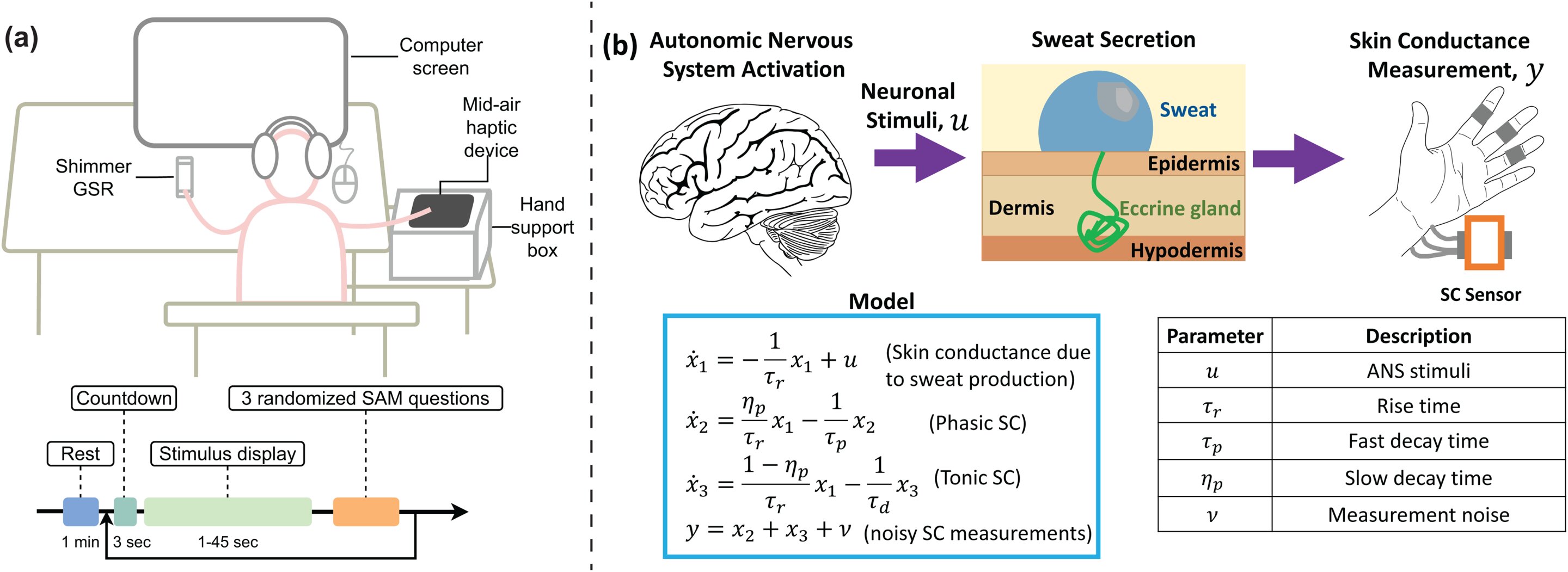
Credit: PLOS Mental Health (2025). DOI: 10.1371/journal.pmen.0000463

A recent study explores how physiological signals can reveal cognitive arousal—the level of mental alertness and emotional activation—without relying on subjective reporting.

New research reveals that women with long COVID show distinct biological disruptions — including gut inflammation, anaemia, and abnormal hormone levels — that may explain their heightened and persistent symptoms. These findings emerged from immune, biomarker, and genetic analyses in people one year after infection.

A new software enables brain simulations which both imitate the processes in the brain in detail and can solve challenging cognitive tasks. 

University of Auckland researchers report that an 8-week, twice-weekly LSD microdosing regimen for major depressive disorder was feasible and well-tolerated, with Montgomery-Åsberg Depression Rating Scale (MADRS) scores reduced by 59.5% at the end of treatment and sustained to six months.

Dance styles engage the brain in different ways depending on the movements, aesthetics, and emotions associated with the dance, according to a study published in Nature Communications.

New research shows that depression beginning before age 25 has a much stronger hereditary component than depression that emerges later in life. By analysing genetic data from over 150,000 people with depression, researchers identified distinct genetic regions linked specifically to early-onset cases.

Scientists have developed an innovative, non-invasive brain stimulation therapy to significantly improve visual function in stroke patients who have suffered vision loss following a stroke.

A rare intracranial brain-recording study revealed that tirzepatide, a GLP-1 and GIP receptor agonist, temporarily silences craving-related neural activity in a key reward circuit of the brain. Researchers observed that the drug initially shut down signaling in the nucleus accumbens of a patient with treatment-resistant obesity. However, after five months, both the “food noise” and the corresponding neural patterns returned, suggesting the effect was short-lived. The findings highlight how these metabolic drugs influence human brain circuits and underscore the need for more durable treatments targeting impulsivity in eating disorders.

Researchers report that ketogenic diets are associated with modest reductions in depressive symptoms in adults, while evidence for anxiety remains uncertain.

An international study has uncovered similar structural changes in the brains of young people diagnosed with anxiety disorders, depression, ADHD and conduct disorder, offering new insights into the biological roots of mental health conditions in children and young people.

A randomised, placebo-controlled trial shows that cannabis with active THC reduces immediate alcohol cravings and lowers drinking levels in heavy-drinking young adults.

New research shows that the brain distinguishes between “what an odour is” and “how it feels,” processing them at different times. After smelling, the brain sends a quick signal that identifies molecular features for differentiation.

“Drains” in the brain, responsible for clearing toxic waste in the organ, tend to get clogged up in people who show signs of developing Alzheimer’s disease, a new study shows.

Researchers have discovered how the brain keeps time for precise movements, revealing a neural “hourglass” mechanism between the motor cortex and striatum. The motor cortex sends timing signals that accumulate in the striatum until they reach a threshold that triggers action.

Finally this week, a new brain imaging study reveals that music activates the same chemical system in the brain that is responsible for the pleasure associated with food and social bonding. 

Weekly Neuroscience Update

A global research collaboration has revealed how certain gut cells switch on pain signals, which can linger long after the initial trigger has passed, potentially contributing to chronic pain in conditions like irritable bowel syndrome (IBS) and inflammatory bowel disease (IBD).

Researchers have identified specific neuronal cells that are essential to our understanding of other people.

A new study reveals that older adults experience the least attention difficulties when home temperatures remain between 68–75 ˚F (20–24 ˚C). Deviations beyond this range double the risk of attention lapses, highlighting how even current climate conditions may harm cognitive health. This risk is especially pronounced for low-income seniors who may lack the means to regulate indoor temperatures.

How the brain feels about the world around it is the subject of a new paper published in Proceedings of the National Academy of Sciences.

Striking brain similarities have been found in patients with long COVID and Myalgic Encephalomyelitis/Chronic Fatigue Syndrome (ME/CFS), in particular, a larger than normal hippocampus. The research also reported the hippocampal volume was associated with symptom severity in both patient groups.

A recent study suggests that first-time transient ischemic attacks (TIA) are associated with long-term cognitive decline.

A new international and multidisciplinary study has unveiled a novel framework for understanding the concept of time persistence in the human brain, shedding light on its essential role in brain functioning and cognition. This research, which explores how long the brain’s functional networks remain in a particular state before transitioning to another, opens new doors to our understanding of human cognition and behavior.

Stress hormones shift neuron types in the developing brain, a new study suggests.

Researchers have developed a new method for deep brain stimulation. The technique, called “DeepFocus,” uses transcranial electrical stimulation (TES) on the scalp and transnasal electrical stimulation (TnES) to achieve more accurate electrical stimulation in the brain.

A new study has found that a short-term, high-caloric diet impairs brain insulin responsiveness and increases liver fat in healthy-weight men, with effects extending beyond the consumption period.

Even when within the normal range, lower levels of vitamin B12 may contribute to cognitive decline, according to a new study that found that older adults with lower biologically active B12 had slower cognitive processing and more white matter.

Researchers have developed an AI that accelerates the identification of genes that contribute to neurodevelopmental conditions such as autism spectrum disorder, epilepsy and developmental delay.

A new study based on data from 18,740 dementia patients suggests that antidepressants may accelerate cognitive decline. Researchers found that patients taking antidepressants, particularly SSRIs like escitalopram, citalopram, and sertraline, experienced faster deterioration compared to those not on medication.

A decade-long study reveals how childhood adversity alters brain development, increasing risks for mental health disorders and substance use. 

The brain may play a role in helping the ear regulate its sensitivity to sound and compensate for hearing loss by sending a signal to a structure in the inner ear known as the cochlea, according to a study that was published in the Journal of Neuroscience.

The symptoms of schizophrenia vary greatly from person to person. A recent study shows how these differences manifest themselves in the structure of the brain.

Researchers have discovered a fundamental mechanism that affects the size of the pupil, namely our breathing. The study, published in the Journal of Physiology, shows that the pupil is smallest during inhalation and largest during exhalation—something that could affect our vision.

Finally this week, a large study found that people who engage in moderate to vigorous physical activity are less likely to develop dementia, stroke, anxiety, depression, and sleep disorders.

Weekly Neuroscience Update

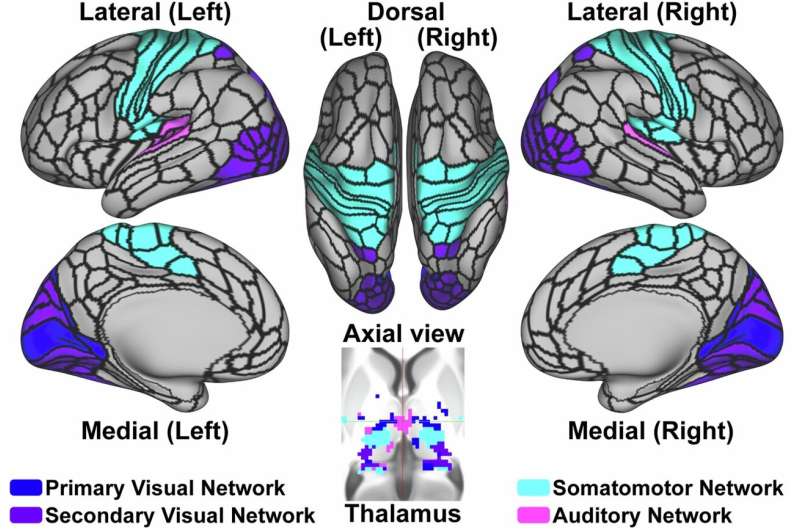
The four sensory networks of the brain network partition. The partition comprises four sensory networks, with the somatomotor network encompassing the somatosensory cortex. The thalamus contains parcels of each sensory network. Credit: Molecular Psychiatry (2024).

Researchers have uncovered a potential new biomarker for psychosis diagnosis.

A new approach to analyzing brain scans could help researchers better understand psychiatric illness using much smaller groups of patients than previously thought necessary, potentially accelerating the development of more precise mental health treatments.

A new study reveals how specific brain cells called interneurons can act as our in-built traffic controllers. The findings are published in the journal PLOS Biology.

Younger and middle-aged patients seem to be disproportionately affected by neurologic manifestations of post-acute sequelae of severe acute respiratory syndrome coronavirus 2 infection (Neuro-PASC), according to a study published in the Annals of Neurology.

Investigators have defined new biologic and clinical biomarkers for better identifying patients with different stages of Parkinson’s disease and Lewy body dementia.

Researchers have developed the most detailed 3D computational models of key brain regions, including the hippocampus and sensory cortices, to better understand their roles in memory formation and connectivity.

Healing the gut may be the key to improving long-term recovery in stroke patients, scientists at Texas A&M University have found.

New research provides critical insights into the role of sleep in motor learning for individuals recovering from traumatic brain injury (TBI). The study sheds light on how sleep, specifically a short nap, influences brain activity associated with motor skill improvement, with implications for optimizing rehabilitation strategies.

A recent study of high school football players found that concussions affect an often-overlooked but important brain signal.

Researchers have uncovered that stress changes how our brain encodes and retrieves aversive memories, and discovered a promising new way to restore appropriate memory specificity in people with post-traumatic stress disorder (PTSD).

Cognitive neuroscientists at Trinity College Dublin have published new research describing a brand new approach to making habit change achievable and lasting.

A new study uncovers constant communication between the human brain’s social cognitive network, responsible for understanding others’ thoughts, and the amygdala, known for processing fear and emotions. High-resolution brain scans revealed that this connection helps the brain integrate emotional importance into social interactions. This insight could lead to non-invasive treatments like transcranial magnetic stimulation (TMS) for anxiety and depression by targeting these regions. The findings highlight how evolutionary brain expansion enhances social understanding while linking it to ancient emotional processing centers.

Neuroscientists have demonstrated that dopamine and serotonin work in opposition to shape learning.

Researchers have identified a novel role for the brain’s ‘locus coeruleus’ in sleep and its disruptions. This brain region facilitates the transition between NREM and REM sleep states while maintaining an unconscious vigilance toward the external world. Stress disrupts its functions and negatively impacts on sleep quality.

A future treatment for Alzheimer disease may involve a nasal spray. 

A new method to profile gene activity in the living human brain has been developed by researchers at FutureNeuro, the Research Ireland Center for Translational Brain Science and RCSI University of Medicine and Health Sciences, in collaboration with international partners. This innovative approach, published in JCI Insight, opens new avenues for understanding and treating neurological conditions such as epilepsy.

A study led by the University of Glasgow has revealed differences in the brains of pediatric and adult patients that might explain the sometimes catastrophic outcomes seen in children following a traumatic brain injury.

Finally this week, new research has examined the relationship of emotion regulation to real-world responses to stress to better understand stress-related increases in suicide risk in depression.

Weekly Neuroscience Update

Crime films, action films, comedies, or documentaries? A person’s favourite film genre reveals a lot about how their brain works. This is the finding of a new study that compared data on film preferences with recordings of the brain activity of around 260 people.

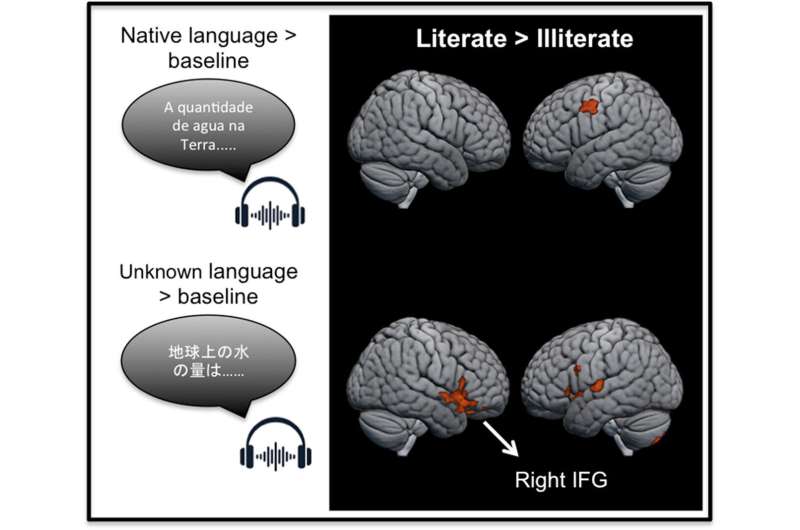
Using functional magnetic resonance imaging (fMRI), neuroscientists have identified several regions of the brain that are responsible for processing language.

Certain regions of the brain show changes during the early stages after quitting drinking that may contribute to increased anxiety and relapse rates in people attempting recovery from alcohol use disorder, according to a recent study.

A research team has found evidence suggesting that minor brain injuries that occur early in life, may have health impacts later on.

Scientists have discovered a mutation in SARS-CoV-2, the virus that causes COVID-19, that plays a key role in its ability to infect the central nervous system. The findings may help scientists understand its neurological symptoms and the mystery of “long COVID,” and they could one day even lead to specific treatments to protect and clear the virus from the brain.

Scientists have identified how gene variations lead to brain changes associated with essential tremor, a common movement disorder affecting over 60 million people worldwide.

A new study reveals that non-cognitive skills like motivation and self-regulation are as crucial as intelligence in determining academic success. These skills, influenced by both genetics and environment, grow increasingly important throughout a child’s education.

Researchers have developed an innovative device that can diagnose glioblastoma, an aggressive brain cancer, in under an hour using a novel biochip.

A recent study investigates how the brain reacts to different types of love, ranging from parental to romantic, through sophisticated imaging methods. The findings indicate that the love for one’s children elicits the strongest brain response, particularly within the reward system.

Researchers have developed a system that detects genetic markers of autism in brain images with 89-95% accuracy, potentially enabling earlier diagnosis and treatment.

In a small pilot study, researchers used a new closed-loop system to measure the electrical brain patterns of individual patients and then stimulate those patterns with a weak electrical current, resulting in significantly improved symptoms of major depressive disorder.

A deeper understanding of the communication inside the body when someone is going through opioid withdrawal has led to a new clinical trial at the University of Calgary.

Researchers have developed a brain-inspired AI technique that utilizes neural networks to model the complex quantum states of molecules, which are essential for technologies such as solar panels and photocatalyst.

Finally this week, a new finding could open doors to new treatments for a range of psychiatric and neurological disorders attributed to dysfunctions in specific dopamine pathways.

Weekly Neuroscience Update

Credit: Frontiers in Human Neuroscience (2024)

Scientists have determined that more than 60% of people who contracted COVID-19 have neurological symptoms that impact their cognitive function and quality of life, even two and three years after COVID-19.

Lip-read words can be decoded from the brain’s auditory regions similarly to heard speech, according to a new report that looked at how vision supports verbal perception.

Exercising is healthy, but not always appealing. Now research may have found a “switch” that activates the desire to get moving, as it shows that during exercise the muscle activates proteins which encourage further activity. The paper is published in Science Advances.

Researchers have demonstrated that a simple blood test that reflects brain health can predict which people are most at risk of suffering a stroke.

Our brain interprets visual information by combining what we see with what we already know. A study published in the journal Neuron, reveals a mechanism for learning and storing this existing knowledge about the world.

A newly developed brain-computer interface translates brain signals into speech with up to 97% accuracy, making it the most precise system of its kind.

Researchers have discovered that spontaneous brain activity during early development drives neural wiring before sensory experiences shape the brain. This spontaneous activity in neurons strengthens connections, following Hebb’s rule, where “cells that fire together wire together.”

According to new research, cognitive impairments in psychotic disorders, such as schizophrenia and bipolar disorder, are linked to brain network organization. 

A recently published study has unveiled significant findings that could enhance brain-computer interface (BCI) technologies, marking a crucial step towards more intuitive neuroprosthetic control and advanced rehabilitation therapies.

Researchers have discovered that the hippocampus stores multiple copies of a single memory, each within different neuron groups that develop at different stages.

Scientists have developed a promising preventative therapeutic approach against Alzheimer’s disease, targeting the amyloid beta biomolecule that typically triggers nerve cell hyperactivity in the early stages of the brain disease.

A new study finds that COVID-19 proteins left in the brain may lower cortisol levels, leading to heightened inflammation and an exaggerated response to stressors.

Through a large-scale brain imaging study, an international research team has identified five patterns of age-related degeneration in older people experiencing mental decline. In their study, the team conducted the multi-year study of thousands of MRI scans using machine learning applications to find patterns in brain degeneration as people age.

A new machine learning model, AutMedAI, can predict autism in children under two with nearly 80% accuracy, offering a promising tool for early detection and intervention.

Researchers have discovered the neurons responsible for “item memory,” deepening our understanding of how the brain stores and retrieves the details of “what” happened and offering a new target for treating Alzheimer’s disease.

Contrary to previous research, a new study of female participants finds no link between migraine and the risk of developing Parkinson’s disease.

Children who have persistently raised inflammation are at a higher risk of experiencing serious mental health disorders including psychosis and depression in early adulthood, according to a study published today in JAMA Psychiatry.

Researchers have identified a link between brain overgrowth and the severity of social and communication symptoms in children with autism spectrum disorder. 

People with multiple sclerosis (MS) are far less likely than those without the condition to have the molecular hallmarks of Alzheimer’s disease, according to new research. The discovery suggests a new avenue of research through which to seek Alzheimer’s treatment.

Scientists have discovered a new method to regulate the receptors responsible for the sense of touch, potentially leading to more effective treatments for chronic pain.

Researchers have found that nondeceptive placebos—placebos given with the full knowledge that they are placebos—can effectively manage stress, even when administered remotely. In a two-week randomized controlled trial, participants experiencing prolonged stress were divided into two groups: one group received nondeceptive placebos, while the other served as a control.

Return to work two years after a breast cancer diagnosis is associated with higher cognitive speed performance before and after treatment, according to a study published in JAMA Network Open.

Researchers have discovered a mutation in the SARS-CoV-2 spike protein that enhances its ability to infect the central nervous system, potentially explaining neurological symptoms and long COVID. The mutation was found to allow the virus to better infiltrate the brain, with implications for future treatments targeting COVID-19’s effects on the brain. 

Finally, this week, while everyone knows that a good night’s sleep restores energy, a new study finds it resets another vital function: memory.

Weekly Neuroscience Update

Findings from a mega-analysis of differences in seed-based subcortico-cortical connectivity in youths with attention deficit hyperactivity disorder (ADHD) and unaffected control subjects. Credit: American Journal of Psychiatry (2024). 

Researchers have discovered that symptoms of attention-deficit/hyperactivity disorder (ADHD) are tied to atypical interactions between the brain’s frontal cortex and information-processing centers deep in the brain.

A new study has identified a genetic mutation underlying a rare form of epilepsy and reveals novel molecular and cellular mechanisms by which the disorder manifests in patients.

For the first time, researchers have shown that non-invasive brain stimulation can change a specific brain mechanism directly related to human behavior. This is a major step forward for discovering new therapies to treat brain disorders such as schizophrenia, depression, Alzheimer’s disease, and Parkinson’s disease.

A test that shows how good or bad we are at perceiving the rhythm of language can predict the ability to acquire language, and may also help us understand individual differences in brain biology.

A new study reveals the mechanisms behind proprioception, our body’s innate ability to sense limb position and movement, critical for movement without visual cues. Utilizing musculoskeletal simulations and neural network models, researchers have advanced our understanding of how the brain integrates sensory data from muscle spindles to perceive bodily position and motion.

Specialized brain scans may accurately predict whether a psychotic patient will go on to develop treatment-resistant schizophrenia, Dutch researchers report.

Researchers have uncovered a significant correlation between social isolation and accelerated biological aging, indicating that individuals with limited social connections are at a higher risk of premature mortality.

Scientists have revealed new insights into how the brain processes speech and listening during conversations through advanced investigations using functional magnetic resonance imaging (fMRI).

A unique multicenter study, including about 3,500 youth between 10 and 25 years old from across the globe, shows that artificial intelligence—specifically machine learning—can identify individuals with anxiety disorders based on their unique brain structure.

Researchers have identified four distinct sleep patterns linked to long-term health outcomes, revealing the profound impact of sleep habits on chronic health conditions.

A new study uncovers the nuanced effects of spaced learning on memory, emphasizing the importance of the content’s variability and the intervals between learning sessions. The study contrasts the impact of learning identical content versus content with variations, across different timescales, on memory retention.

Finally, this week, spending quality time with dogs reduces stress and increases the power of brain waves associated with relaxation and concentration, according to a recent study.

Weekly Neuroscience Update

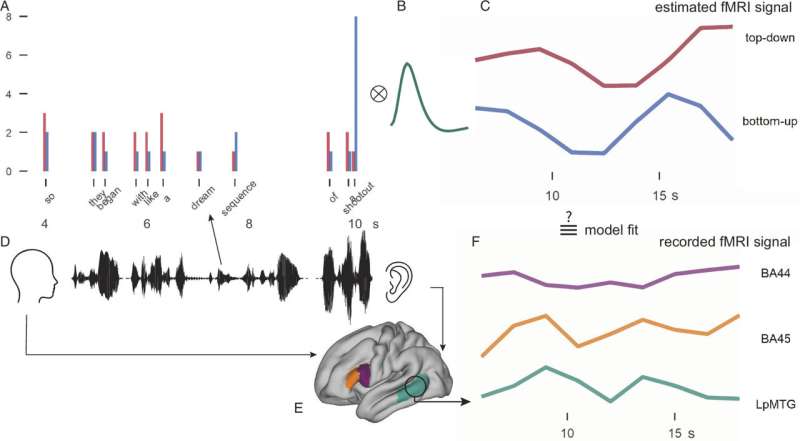
Graphical representation of the analysis procedure to relate word-by-word predictors of linguistic complexity to BOLD activity. Credit: Proceedings of the National Academy of Sciences (2024). 

How does the brain respond to sentence structure as we speak and listen? In a neuroimaging study published in PNAS, researchers investigated sentence processing during spontaneous speech for the first time.

A research team has achieved a breakthrough in stem cell research, offering tools that can be used for patients who require highly personalized care.

Researchers demonstrated promising results for PTSD treatment in military veterans by combining brain stimulation with virtual reality exposure therapy. The clinical trial showed significant reductions in PTSD symptoms among participants who received low electrical current brain stimulation during virtual reality sessions designed to simulate warzone experiences.

A new study involving participants from 15 countries, shed light on the universal preference for simple integer ratios in rhythms, revealing significant cultural variations in musical perception.

Researchers have uncovered a strikingly similar suite of changes in gene activity in brain tissue from people with schizophrenia and from older adults. These changes suggest a common biological basis for the cognitive impairment often seen in people with schizophrenia and in the elderly.

A new study reveals a direct correlation between adversities faced in childhood and adulthood with later psychiatric and cognitive decline.

A new study reveals a strong link between daytime physical activity and improved sleep quality among both children and adults. Analyzing the daily routines of over 2500 participants, the research highlights how higher levels of moderate to vigorous physical activity correlate with fewer sleep disturbances, less daytime tiredness, and overall better sleep quality.

In an innovative study published in Science Advances, researchers have unveiled new insights into the intricate relationship between emotion and perception.

Even people whose physical activity levels fall short of recommended guidelines, but who manage to do some during their leisure time, are likely to have a lower risk of stroke than their sedentary peers, suggests a pooled data analysis of the available evidence, published online in the Journal of Neurology, Neurosurgery & Psychiatry.

A recent study showcases a significant leap in the study of brain oscillations, particularly ripples, which are crucial for memory organization and are affected in disorders like epilepsy and Alzheimer’s. 

People who have headaches after experiencing concussions may also be more likely to have higher levels of iron in areas of the brain, which is a sign of injury to brain cells, according to a preliminary study that will be presented at the American Academy of Neurology’s 76th Annual Meeting taking place April 13–18, 2024.

The COVID-19 virus can persist in the blood and tissue of patients for more than a year after the acute phase of the illness has ended, according to new research.

Researchers identified sildenafil, known commercially as Viagra, as a promising candidate for treating Alzheimer’s disease. Leveraging artificial intelligence the team analyzed vast amounts of data, including insurance claims and brain cell observations, to highlight sildenafil’s potential benefits in reducing Alzheimer’s prevalence and neurotoxic proteins.

A new study provides some of the most detailed insights yet into the brain mechanisms that help people pay attention amid such distraction, as well as what’s happening when they can’t focus.

A new AI language model identifies clinical symptoms in medical summaries and links them to brain tissue from donors of the Netherlands Brain Bank. This yields new insights into the development of individual disease progression and contributes to a better understanding of common misdiagnoses of brain diseases. The model may, in the future, assist in making more accurate diagnoses.

Researchers have discovered a brain circuit that drives vocalization and ensures that you talk only when you breathe out, and stop talking when you breathe in.

For the first time, neuroscientists have established a link between shifts in our visual perception and the cadence of our steps while walking.

A new study examines the potential of artificial intelligence to shift chronic pain treatment from opioids to mindfulness-based stress reduction (MBSR). Utilizing machine learning to analyze extensive patient data, the study aims to predict which patients will benefit most from MBSR, a critical step toward personalized medicine.

Finally this week, new research reveals how the human brain processes vital signals from the heart and lungs, offering new insights into the complex brain-body integration essential for health and cognition.

Weekly Neuroscience Update

Synergetic framework. Credit: Trends in Cognitive Sciences

A new model for understanding the brain paves the way for more accurate diagnoses and treatments.

For people with drug-resistant epilepsy, having a dog companion trained in detecting seizures and other epilepsy-related tasks may reduce the amount of seizures they have, according to new research published in Neurology

New research shows that continued cocaine use disrupts communication between major brain networks.

Researchers are embarking on a pioneering study to uncover how genes associated with autism spectrum disorders (ASD) converge to affect brain neurons, particularly leading to heightened sound sensitivity. This research aims to identify common neural circuit mechanisms that may underlie the diverse genetic pathways contributing to ASD, focusing on auditory hypersensitivity, a condition that significantly impacts individuals’ lives.

Two new studies explore how closely attention and eye movements are linked and reveal how the brain coordinates the two processes.

A pioneering new study using virtual reality (VR) aims to identify early signs of Alzheimer’s disease through impaired spatial navigation in asymptomatic adults at risk. By testing 100 middle-aged adults with genetic, familial, or lifestyle risk factors for Alzheimer’s, the study discovered that spatial navigation difficulties in VR environments precede traditional cognitive decline symptoms. Notably, this impairment was more pronounced in men than women, suggesting a gender-specific vulnerability

Mounting research shows that COVID-19 leaves its mark on the brain, including significant drops in IQ scores.

A daily fiber supplement improved brain function in people over 60 in just 12 weeks. The study, published recently in Nature Communications showed that this simple and cheap addition to diet can improve performance in memory tests associated with early signs of Alzheimer’s disease.

A new study has found mutations in key brain cells among individuals with chronic opioid use that could shift how we think about treatment strategies for opioid use disorder.

According to a Mayo Clinic study published in Nature Neuroscience, the cells that act as the central nervous system’s first line of defense against harm also play a role in helping the brain awaken from anesthesia. This discovery could help pave the way for innovative methods that address post-anesthesia complications.

Scientists have trained a bank of AI models to identify patterns of brain activity that signal memory formation.

People who experience sleep apnea may be more likely to also have memory or thinking problems, according to a preliminary study that will be presented at the American Academy of Neurology’s 76th Annual Meeting taking place April 13–18, 2024.

Schizophrenia is associated with an increased risk of subsequent cardiovascular disease events, with the association stronger in women, according to a new study.

New research delves into the genetic underpinnings of language development in early childhood and its implications for later cognitive abilities and neurodevelopmental disorders such as Attention-Deficit/Hyperactivity Disorder (ADHD) and Autism Spectrum Disorder (ASD). Interestingly, the research highlights a developmental shift in the genetic associations with ADHD symptoms, suggesting that the role of genetics in language development and its impact on neurodevelopmental outcomes is complex and changes over time. This study underscores the importance of understanding the early linguistic journey as a window into a child’s future mental health and cognitive prowess.

Finally this week, a new neuroimaging study is the first to reveal how the brain gets to the creative flow state.

Weekly Neuroscience Update

A cell membrane is illustrated to show the surface in red. Blue objects are proteins, including ion channels, which can send electrical impulses into cells. Lipids, or fats, are in yellow. In this cross section, an ion channel associates with a lipid raft. The function of the lipid structures is regulated by cholesterol. Mechanical force can deplete the cholesterol and release the ion channel, changing activity within the cell. Credit: Scott Hansen, Ph.D., The Wertheim UF Scripps Institute

New research shows how physical pressure on cells can reduce pain signals, while excessive cholesterol clumps in cell membranes can interfere with that process.

Researchers have advanced our understanding of the neuronal basis of spatial memory. Their research reveals that during spatial memory tasks, different types of nerve cells activate in unison, coordinated by brain waves known as “ripples.”

Researchers have unveiled a pioneering technology capable of real-time human emotion recognition, promising transformative applications in wearable devices and digital services.

Children who lived in areas with higher levels of airborne lead in their first five years of life appeared to have slightly lower IQs and less self-control, with boys showing more sensitivity to lead exposure, according to a new study.

New research challenges the conventional picture of Parkinson’s disease.

A neurotransmitter previously thought only to calm neurons may also play a role in waking them up, according to a study published in the journal PLOS Biology, a discovery that challenges the textbook view of how neurons communicate with one another in the brain.

Researchers have achieved a breakthrough in mapping the brain’s ‘dysfunctome’—key dysfunctional circuits linked to disorders like Parkinson’s, dystonia, OCD, and Tourette’s syndrome.

Scientists have delved into the world of chemical neuromodulators in the human brain, specifically dopamine and serotonin, to reveal their role in social behavior. The study revealed a previously unknown neurochemical mechanism for a well-known human tendency to make decisions based on social context—people are more likely to accept offers from computers while rejecting identical offers from human players.

New research identifies nerve endings that shed light on gut-brain communication.

Live music significantly amplifies emotional responses in the brain compared to recorded tunes. By measuring amygdala activity, researchers found that live performances evoke stronger emotional reactions, fostering a deeper cognitive and affective processing throughout the brain.

A new study reveals that oxygenation levels in the placenta during the last trimester of pregnancy are a key predictor of the development of the cerebral cortex and likely childhood cognition and behavior.

Blood vessels that cross-connect adjacent arterial trees regulate blood flow to the brain in stroke patients. Researchers have now shown that these vessels prevent brain hemorrhage following treatment to remove blood clots.

Researchers have developed a simulator that enables artificial visual observations for research into the visual prosthesis.

A cross-cultural study has revealed that music universally influences bodily sensations and emotions, transcending cultural boundaries. Researchers from Western and East Asian backgrounds discovered that emotional and structural characteristics of music consistently evoke similar bodily sensations—such as changes in the chest, limbs, and head regions—regardless of cultural background.

A new study finds concussions alter connectivity among brain regions.

New research has unveiled a crucial role of sleep: brainwaves facilitate the cleansing of the brain by flushing out waste. This discovery not only underscores the brain’s non-dormant state during sleep but also highlights a sophisticated system where neurons’ synchronized activity powers the flow of cerebrospinal fluid, effectively removing metabolic waste and potentially neurodegenerative disease-causing toxins.

Finally this week, COVID-19 may have an impact on people’s cognitive and memory abilities that lasts a year or more after infection, according to a new study by Imperial College London researchers.

Weekly Neuroscience Update

Melodic pitch, pitch-change, and expectation modulate STG activity during music listening. (A) Three melodic features visualized for an example melody. (B) Electrodes across all participants (N = 8) plotted on a common brain. Color indicates the peak evoked high-frequency activity (HFA) averaged across all musical phrases. (C) Responses at three example electrodes demonstrating distinct tuning to pitch. Credit: Science Advances (2024)

Researchers have developed a precise map of what is happening in the cerebral cortex when someone hears a melody.

Scientists have made a groundbreaking discovery, identifying a rare lipid as a crucial factor in ferroptosis, a unique form of cell death. The findings provide new detail on how cells die during ferroptosis and could improve understanding of how to stop ferroptosis in contexts where it is harmfully occurring– in neurodegenerative diseases, for example– or induce it in contexts where it could be useful, such as using it to kill dangerous cancer cells.

Our brains are “programmed” to learn more from people we like – and less from those we dislike. This has been shown by researchers in cognitive neuroscience in a series of experiments.

An intensive meditation-based intervention (iMI) significantly improves positive symptoms, particularly refractory hallucinations and delusions, in male patients with schizophrenia, according to a new study.

Indigenous people may be more likely to have a stroke than non-Indigenous people, according to a systematic review that looked at populations around the world.

A new study highlights the critical link between sleep, circadian rhythms, and psychiatric disorders, suggesting that disturbances in sleep and internal body clocks can trigger or exacerbate mental health issues. The research underscores the prevalence of sleep-circadian disturbances across all psychiatric disorders, pointing to the need for holistic treatments that address these factors.

For individuals with post-COVID-19 condition, cognitive symptoms are common, according to a study published online Feb. 14 in JAMA Network Open.

Researchers have developed an artificial intelligence model that accurately determines the sex of individuals based on brain scans, with over 90% success. This breakthrough supports the theory that significant sex differences in brain organization exist, challenging long-standing controversies.

A new population-based study reveals the roles of maternal and fetal genes in the growth of a baby’s cerebral cortex.

A new study explains how dopamine influences movement sequences, offering hope for Parkinson’s disease (PD) therapies. Researchers observed that dopamine not only motivates movement but also controls the length and lateralization of actions, with different neurons activating for movement initiation and reward reception.

New research sheds light on what goes on inside people’s heads as they make decisions to obtain information about the future.

Moderate/severe and penetrating traumatic brain injury (TBI) are associated with an increased risk for subsequent development of brain cancer, according to a study published online Feb. 15 in JAMA Network Open.

For the first time, researchers have mapped out the proteins implicated in the early stages of motor neuron disease (MND).

In a study published in the Journal of Neuroscience, scientists demonstrated the effectiveness of using low-intensity focused ultrasound to modulate the activity in a critical region in the brain that processes and regulates pain signals.

Finally this week, new research shows how empathy can be socially transmitted.