
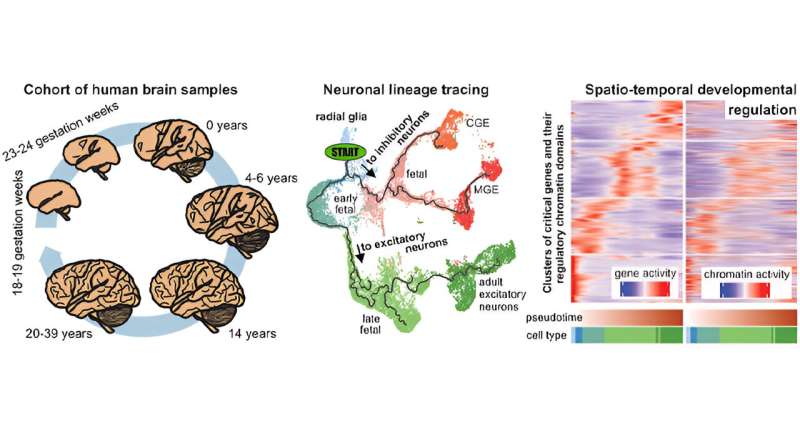
A team of researchers has created the first “multiome” atlas of brain cell development in the human cerebral cortex across six broad developmental time points from fetal development into adulthood, shedding new light on their roles during brain development and disease. “Multiome” refers to the simultaneous analysis of multiple types of genetic information within the same biological sample. They can include the genome, the DNA encoded in our cells; the transcriptome, the RNA copies that the cell makes from the genome; and the epigenome, chemical modifications and regulatory factors that determine the accessibility of chromatin.
Scientists have established how the activity of our brain during imaginary movement differs from that during real action.
A new study reveals ancestries around the world possess a shared genetic architecture for problematic alcohol use (PAU)—habitual heavy drinking, accompanied by harmful consequences. The findings, published in Nature Medicine, could help scientists understand the genetic basis of PAU, a major cause of health problems in many age groups.
Researchers have demonstrated that differences in the gut microbiome are associated with overall cognitive function and brain structure in healthy children.
In an innovative study, researchers have conducted the first systematic investigation of the effects of cognitive fatigue by using two different tasks across three distinct populations: multiple sclerosis, traumatic brain injury, and controls.
A new study details that markers of brain injury are present in the blood many months after COVID-19 infection, despite inflammation blood tests being normal.
Finally this week, new research investigates the impact of binaural beat (BB) on language skills. BB is a sound that occurs when two slightly mismatched pure tones are heard. There is a growing interest in using BB as a non-invasive neuromodulation to enhance cognitive performance.
 inside-the-brain.com