Weekly Neuroscience Update

A research collaboration has identified the specific nerve pathways responsible for relaying pain signals from the bowel to the brain, paving the way for new irritable bowel syndrome (IBS) and inflammatory bowel disease (IBD) treatments.

Game-based training improves not only the cognitive abilities of people with initial signs of developing dementia, but also leads to positive changes in the brain, according to two new studies.

A next-generation neuroprosthetic hand that restores a sense of touch is moving into a pivotal home-use clinical trial. The “iSens” system uses implanted electrodes to read muscle intent and stimulate nerves, relaying fingertip sensations to the brain so the prosthesis feels embodied.

A new breakthrough demonstrates how robots can now integrate both sight and touch to handle objects with greater accuracy, much like humans. 

Researchers have traced a neural mechanism that explains why humans explore more aggressively when avoiding losses than when pursuing gains. Their work reveals how neuronal firing and noise in the amygdala shape exploratory decision-making.

Scientists have found a way to stop brain cancer cells spreading by essentially ‘freezing’ a key molecule in the brain.

Researchers have developed an ultrasound device that can precisely stimulate areas deep in the brain without surgery, opening up new possibilities for neurological research and the treatment of disorders such as Parkinson’s disease.

Artificial intelligence can detect and interpret social features between people from images and videos almost as reliably as humans, according to a new study published in the journal Imaging Neuroscience.

A large study of nearly 13,000 adults found that consuming high levels of certain artificial sweeteners is associated with faster declines in memory and cognitive function over an eight-year period. The effect was particularly strong in people with diabetes and those under 60.  While the study does not prove causation, it raises concerns about the long-term brain health risks associated with common sugar substitutes.

Experiments have shown that AI can develop in-context learning abilities after extensive incremental practice, much like humans do.

A new study suggests that autism may be linked to the rapid evolution of brain cell types unique to humans. Researchers have found that outer-layer neurons in the human brain evolved significantly faster than in other apes, with notable changes in autism-associated genes.

A new study shows that brain iron levels, measured using a specialized MRI technique, can predict cognitive decline years before symptoms of Alzheimer’s disease appear.

People with chronic insomnia may experience faster declines in memory and thinking skills as they age—along with brain changes that can be seen on imaging scans—than people who do not have chronic insomnia, according to a study published in Neurology.

Researchers have discovered how the brain develops reliable visual processing once the eyes open.

Scientists discovered how the brain uses objects to anchor our sense of direction, solving part of the mystery of spatial navigation. Experiments in mice showed that cells in the postsubiculum fired strongly when facing an object, while cells in other directions were suppressed, sharpening orientation.

In adults aged 60 years and older, tinnitus, especially severe and prolonged tinnitus, is significantly associated with cognitive impairment, according to a study published in Brain Sciences.

A more precise and personalized form of electric brain stimulation may be a more effective and faster treatment for people with moderate to major depression compared to other similar treatments, according to a UCLA Health study.

Finally this week, researchers may have found a way to limit the debilitating damage strokes can cause.
Weekly Neuroscience Update

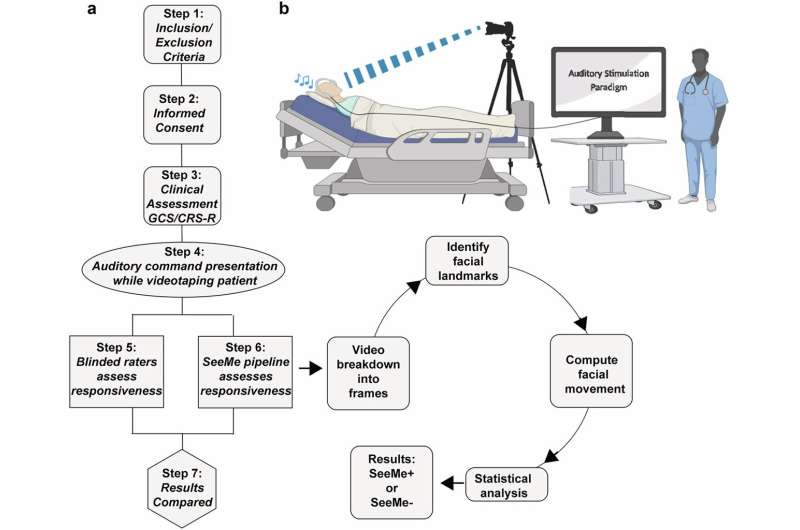
The study design and data processing pipeline for SeeMe. Credit: Communications Medicine (2025).

SeeMe, a computer vision tool, was able to detect low-amplitude, voluntary facial movements in comatose patients with acute brain injury days before clinicians could identify overt responses.

A new neuroimaging study reveals that child neglect alone, without other forms of abuse, can alter critical brain pathways. Researchers found abnormalities in white matter regions tied to movement, attention, language, and emotional regulation.

Scientists have identified a distinct neurochemical signature that distinguishes Parkinson’s disease from essential tremor.

A team of researchers has developed a simple, three-minute brainwave test called Fastball EEG that can detect early signs of memory impairment associated with Alzheimer’s disease. Unlike traditional memory tests, it is passive and requires no active participation, making it more objective and accessible.

A large-scale study with 600 participants shows that music can genuinely evoke feelings of companionship by sparking social imagination.

A toxic protein forms dynamic pores in the membranes of brain cells—and that may be the key to understanding how Parkinson’s disease develops. This is the conclusion of a new study from Aarhus University, where researchers have developed an advanced method to track molecular attacks in real time.

A hormone produced by the brain, orexin, may play a central role in the functioning of the brain’s glymphatic system, which clears waste, according to a new study.

Researchers at Johns Hopkins Medicine say they have revealed a possible molecular connection between air pollution and an increased risk of developing Lewy body dementia. The findings contribute to a growing body of evidence suggesting that environmental factors may trigger harmful protein changes in the brain, leading to neurodegeneration.

A new treatment offers hope to end the pain of neuropathy.

Two new papers from Clinical Gastroenterology and Hepatology and Gastroenterology shed light on how gut-brain interactions, influenced by both biology and life circumstances, shape eating behaviors. Together, they highlight the importance of multidisciplinary, personalized approaches to digestive health and nutrition.

Neuroscientsts have shown for the first time the precise timing of nerve signals determines how the brain processes information.

A new large-scale study shows that Alzheimer’s disease is marked by the erosion of epigenomic control, where brain cells lose the ability to maintain stable gene expression. Using a multi-region atlas of 3.5 million cells, researchers found that vulnerable cells in key memory regions such as the hippocampus suffer breakdowns in nuclear compartmentalization and lose their “epigenomic information.”

Individuals with an increased risk of dementia due to Alzheimer’s disease may have impaired spatial orientation skills.

UCLA engineers have developed a wearable, noninvasive brain-computer interface system that utilizes artificial intelligence as a co-pilot to help infer user intent and complete tasks by moving a robotic arm or a computer cursor.

Macquarie University hearing researchers have discovered how our brains learn to listen, and how this can help us understand speech in noisy, echo-filled spaces.

Some sugar substitutes may come with unexpected consequences for long-term brain health, according to a study published in Neurology. The study examined seven low- and no-calorie sweeteners and found that individuals who consumed the highest amounts experienced faster declines in cognitive function, specifically thinking and memory skills, compared to those who consumed the lowest amounts.

Finally this week, scientists studying ways of improving motion sickness have found that playing different types of music may help people recover more effectively. 

Weekly Neuroscience Update

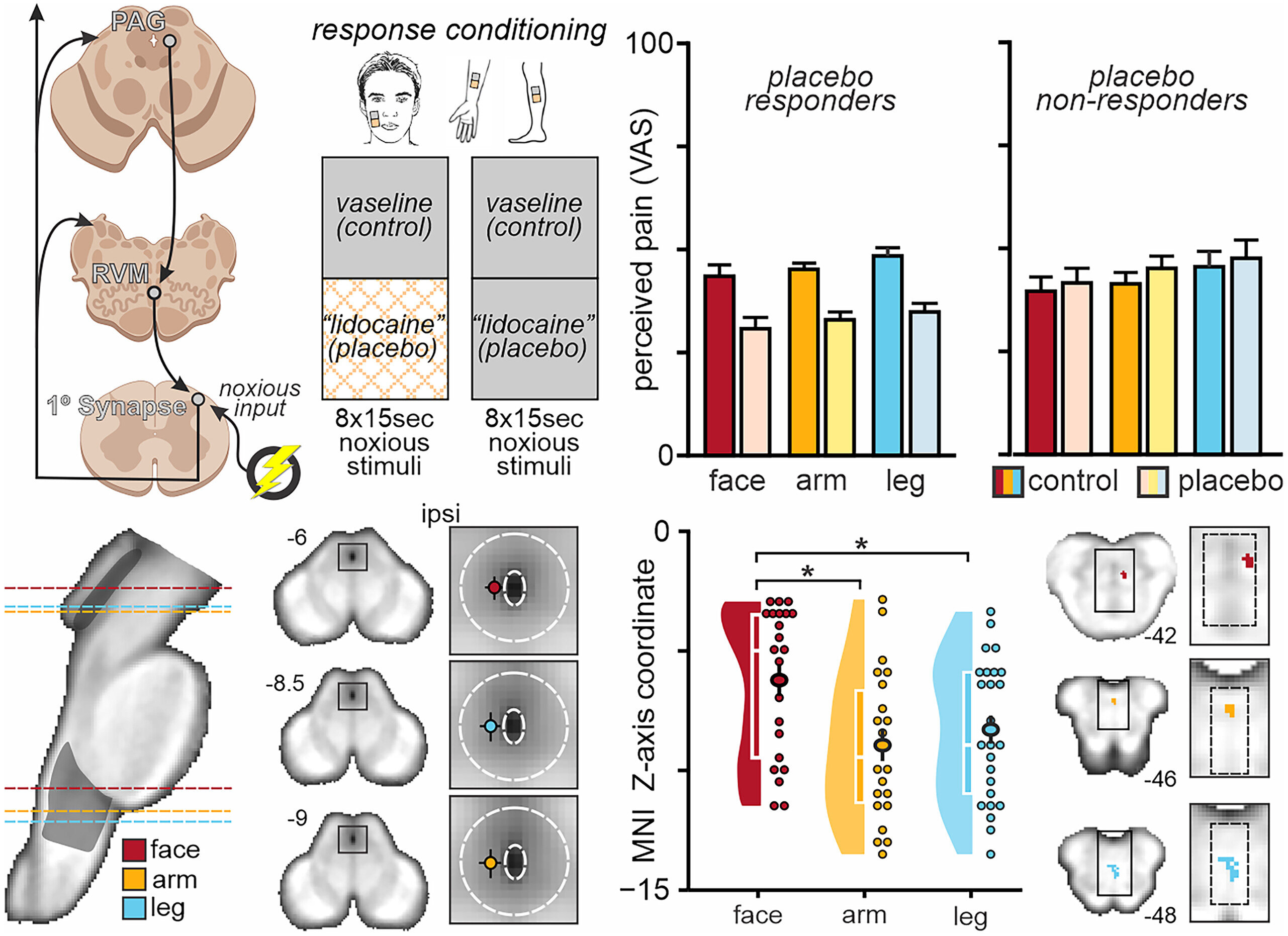
Credit: Science (2025)

Researchers have used placebo pain relief to uncover a map-like system in the brainstem that controls pain differently depending on where it’s felt in the body. The findings may pave the way for safer, more targeted treatments for chronic pain that don’t rely on opioids.

New research reports an association between taking GLP-1 receptor agonists and lower overall cancer risk in adults with obesity, with a reduced risk for ovarian cancer.

Some regions of the brain in people with Alzheimer’s reorganize more often while at rest than in people without the disease–– and in healthy people, this frequent reshuffling sometimes predicts who will develop the condition later, according to a new study.

Researchers have demonstrated for the first time that psychotherapy leads to measurable changes in brain structure by using cognitive behavioural therapy.

Listening to music while doing something can make that activity more enjoyable. But listening to music after an experience or activity can make it more memorable if you have the optimal emotional response while listening to it, according to new research.

A new study reveals that the brain employs two distinct mechanisms to drive exploration under conditions of uncertainty.

A team of scientists has discovered a built-in “brake” that controls when key brain cells mature. In multiple sclerosis (MS), this brake appears to stay on too long, leaving the cells unable to repair the damage the disease causes.

New research suggests a link between a history of traumatic brain injury (TBI) and the risk of developing a malignant brain tumour.

Breathwork while listening to music may induce a blissful state in practitioners, accompanied by changes in blood flow to emotion-processing brain regions, according to a study published in the journal PLOS One.

The type of estradiol-based hormone therapy taken during and after menopause, such as patches or pills, may be associated with differences in memory performance, according to a new study.

Researchers have identified two specific types of brain cells that are altered in people with depression. The study, published in Nature Genetics, opens the door to developing new treatments that target these cells and deepens our understanding of depression.

Finally, this week, a new AI framework can detect neurological disorders by analyzing speech with over 90% accuracy. 

Weekly Neuroscience Update

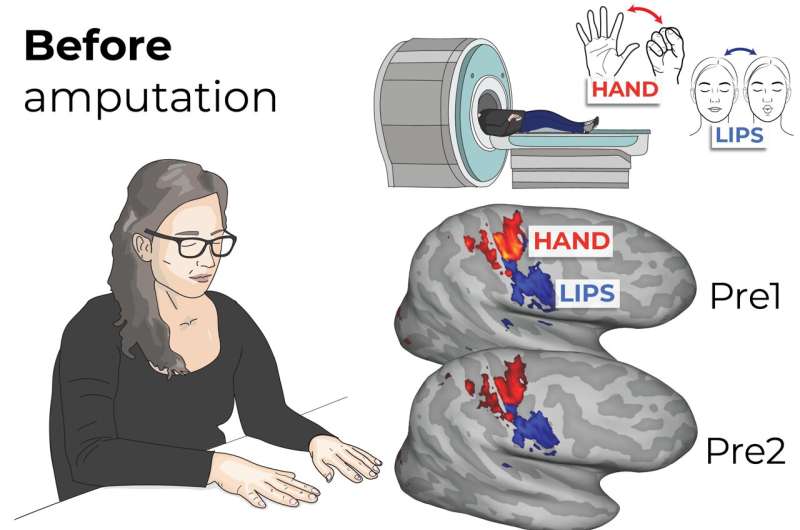
Brain activity maps for the hand (shown in red) and lips (blue) before the amputation (Pre1 and Pre2) and after amputation (three, six and 18 months post-amputation). Credit: Tamar Makin / Hunter Schone

The brain holds a “map” of the body that remains unchanged even after a limb has been amputated, contrary to the prevailing view that it rearranges itself to compensate for the loss, according to new research.

A fading sense of smell can be one of the earliest signs of Alzheimer’s disease even before cognitive impairments manifest. 

Scientists have developed a computational framework that maps how the striosomal compartment of the striatum governs everyday decision-making. By integrating biology, decision theory, and mathematical modeling, different levels of striosomal activity can push individuals toward impulsive, balanced, or overly complex decisions.

A recent study has shown that the brain leaves subtle traces of creativity minutes before an “aha!” moment.

New research has raised concerns about the safety of acetaminophen use during pregnancy, linking prenatal exposure to higher risks of autism and ADHD. While the evidence does not prove causation, it highlights biological mechanisms such as oxidative stress and hormone disruption that may affect fetal brain development. Researchers recommend cautious, time-limited use under medical supervision and call for safer treatment alternatives.

A new study has found that people who lived in areas with high levels of leaded gasoline emissions in the 1960s and ’70s are more likely to report memory problems today.

A multi-institution research team reports that gaze patterns can serve as a sensitive marker of cognitive decline, with associated reductions in explorative, adaptive, and differentiated visual sampling of the environment.

New research reveals that different types of music shape the emotional tone of the memories they evoke. 

A genetic study has identified more than 400 genes that drive different forms of unhealthy aging, from cognitive decline to metabolic problems. The findings show that frailty is not a single condition but multiple subtypes with distinct biological pathways.

Finally, this week, a new study suggests the brain may be a missing link in certain forms of high blood pressure or hypertension.

Weekly Neuroscience Update

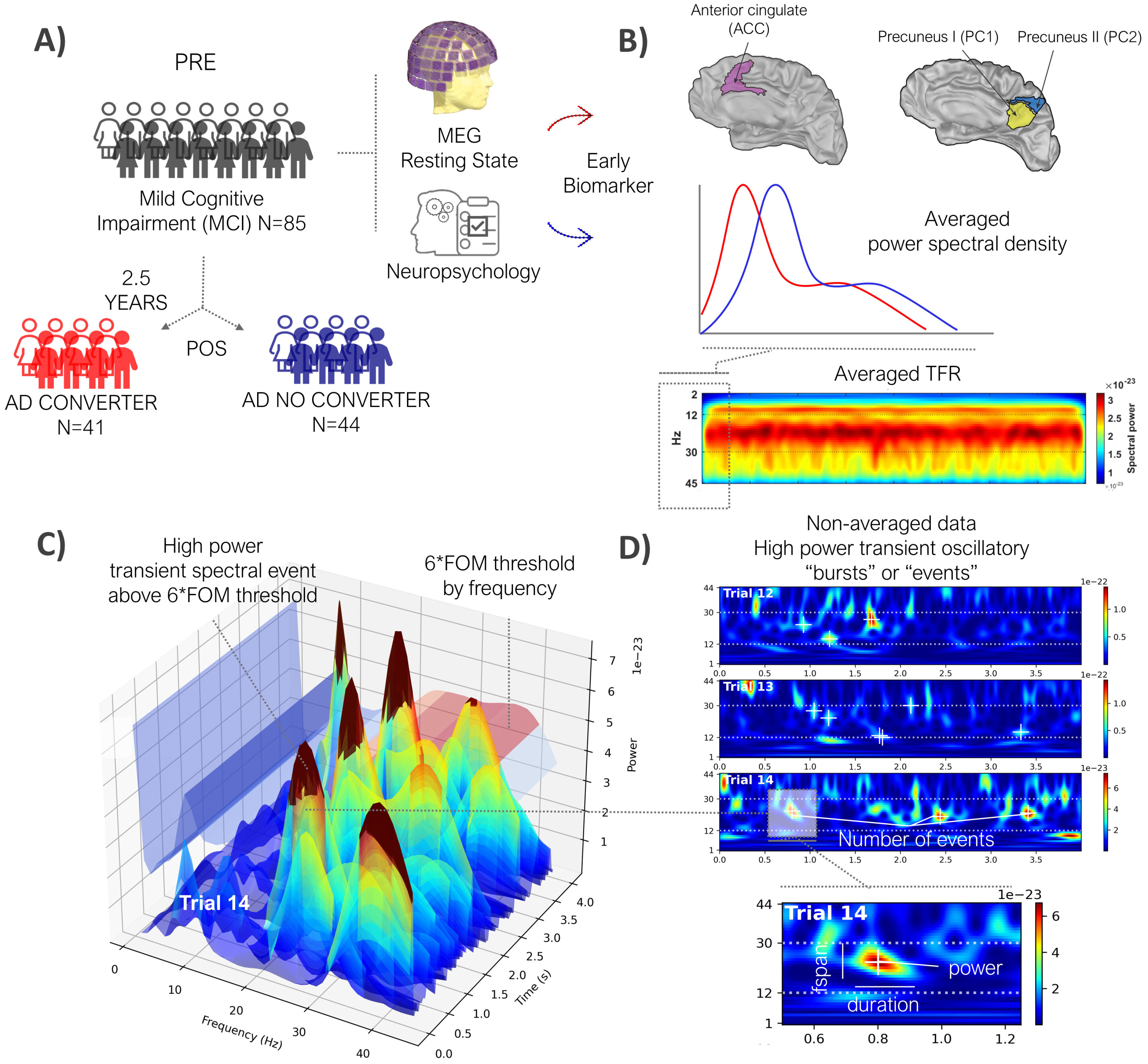
A) Illustration of the experimental design. B) Averaged power spectra and time–frequency representations (TFR) were extracted from two regions of interest. Credit: Imaging Neuroscience (2025)

Using a custom-built tool to analyze the electrical activity from neurons, researchers have identified a brain-based biomarker that could be used to predict whether mild cognitive impairment will develop into Alzheimer’s disease.

New research reveals neurocognitive correlates of testosterone in young men that shape generosity and self-worth.

By understanding differences in how people’s brains are wired, clinicians may be able to predict who would benefit from a self-guided anxiety care app, according to a new analysis from a clinical trial led by Weill Cornell Medicine and NewYork-Presbyterian investigators.

Novel imaging research indicates that young adults with a higher genetic risk for depression showed less brain activity in several areas when responding to rewards and punishments.

A new study reveals that long-term adaptive cycling can measurably reshape brain signals in people with Parkinson’s Disease, offering clues into how exercise relieves motor symptoms. Researchers used deep brain stimulation (DBS) implants to track neural activity before and after 12 sessions of dynamic cycling.

Scientists bring us closer to understanding how the body detects different sensations such as pain, itch, and touch.

A recent genetic study has identified neurological mechanisms as key drivers of chronic cough. The findings significantly advance our biological understanding of the condition, shedding light on potential avenues for new treatments.

A large-scale analysis of health records reveals that subtle signs of multiple sclerosis (MS) may appear more than a decade before diagnosis.

In a discovery that could guide the development of next-generation antidepressants and antipsychotic medications, researchers have developed new insights into how a critical brain receptor works at the molecular level and why that matters for mental health treatments.

Finally, this week, new research has found stress-controlling brain cells switch on and off in a steady rhythm about once every hour—even when nothing stressful is happening.

Weekly Neuroscience Update

A new study published in Scientific Reports has introduced a promising diagnostic tool that could dramatically shorten the long wait times many families face when seeking evaluations for autism and attention-related conditions. The research team used artificial intelligence to analyse subtle patterns in how people move their hands during simple tasks, identifying with surprising accuracy whether someone is likely to have autism, attention-deficit traits, or both. The method, which relies on wearable motion sensors and deep learning, could one day serve as a rapid and objective screening tool to help clinicians triage children for further assessment.

New research is investigating how childhood adversity rewires brain circuits that control emotion, memory, and attention, increasing the risk of impulsive and pathological aggression.

A groundbreaking study has revealed that genes linked to mental and neurodegenerative disorders, such as autism, depression, and Parkinson’s, begin influencing brain development during the earliest fetal stages. These genes are already active in neural stem cells—the progenitors that form the brain—long before symptoms arise.

Researchers at the University of Michigan have illuminated a complete sensory pathway showing how the skin communicates the temperature of its surroundings to the brain.

Patients with myalgic encephalomyelitis/chronic fatigue syndrome (ME/CFS) may be closer to personalized care, according to new research that shows how the disease disrupts interactions between the microbiome, immune system, and metabolism.

A new study using direct recordings from human brains reveals how the amygdala and hippocampus coordinate to form and retrieve emotional memories.

A personalised brain stimulation system powered by AI that can safely enhance concentration from home has been developed by researchers from the University of Surrey, the University of Oxford and Cognitive Neurotechnology. Designed to adapt to individual characteristics, the system could help people improve focus during study, work, or other mentally demanding tasks.

In the largest study of its kind, researchers linked irregular sleep patterns to elevated risk for 172 diseases.

Neuroscientists have grown a novel whole-brain organoid, complete with neural tissues and rudimentary blood vessels. This advance could usher in a new era of research into neuropsychiatric disorders such as autism.

Researchers have successfully mapped the entire neural circuit responsible for transmitting cool temperature signals from the skin to the brain.

A new brain imaging study reveals that how people expect pain relief—through visual cues or treatment explanations—can significantly influence how much pain they actually feel. External cues, like symbols signaling less pain, consistently reduced pain perception and altered brain regions tied to pain processing.

Finally this week, a new international study confirmed a significant post-pandemic rise in disorders of gut-brain interaction, including irritable bowel syndrome (IBS) and functional dyspepsia.

Weekly Neuroscience Update

Researchers at King’s College London have found that exposure to higher levels of air pollution during midlife is associated with slower processing speed, lower scores on a cognitive screening tool, and differences in brain structure later in life.

People who use psychedelic substances may think about themselves in a different way — not just psychologically, but also neurologically.

A large Danish study shows that most mental illnesses—like schizophrenia, bipolar disorder, and depression—occur in people with no close family history of the condition. Analyzing data from over 3 million individuals, researchers found that while heredity increases risk, most diagnosed individuals do not have affected relatives.

Living through the Covid-19 pandemic may have accelerated brain ageing, even in people who were never infected, a new study finds.

Scientists developed a computational “aging clock” that measures the biological age of brain cells and identifies compounds with rejuvenating potential. By analyzing gene activity from healthy and neurodegenerative brain tissue, they pinpointed 453 interventions predicted to reverse cellular aging.

Adolescents who use e-cigarettes or conventional tobacco products are significantly more likely to report symptoms of depression and anxiety than non-users, according to a recent study.

For the first time, researchers have identified what happens in neural networks deep within the brain during obsessive thoughts and compulsive behaviours. Using electrodes implanted in the brain, they observed how specific brain waves became active. These brain waves serve as a biomarker for obsessive-compulsive disorder (OCD) and are an important step towards more targeted treatments.

In a breakthrough that reimagines the way the gut and brain communicate, scientists have uncovered what they call a “neurobiotic sense.”

A new study reveals that a brain circuit driving negative emotions during cocaine withdrawal plays a key role in relapse. Researchers found that this “anti-reward” network becomes hyperactive during abstinence, amplifying distress and pushing users back toward the drug.

Researchers have made a significant breakthrough in understanding how the human brain forms, stores and recalls visual memories.

A new study finds that inflammation affects how cannabis impacts anxiety and sleep quality. Researchers observed no significant changes in inflammation levels after 4 weeks of cannabis use, but initial inflammation influenced the results.

Finally, this week, Alzheimer’s disease spreads unevenly through the brain, and novel mathematical modelling may help explain why.

Brain Matters: 6 Ways to Boost Brain Health for World Brain Day

On World Brain Day, take a moment to reflect on how you’re caring for your brain. Small, consistent choices today lay the foundation for lifelong neurological well-being.

Here are six evidence-backed ways to boost your brainpower and support long-term neurological health.

1. Move Your Body, Support Your Brain

Regular aerobic exercise has been shown to increase the volume of the hippocampus. In a landmark study published in PNAS (Erickson et al., 2011), older adults who engaged in moderate aerobic activity three times a week showed a 2% increase in hippocampal volume over one year. In contrast, a control group performing only stretching exercises experienced 1.4% hippocampal shrinkage, a common pattern with age. Notably, the exercise group also demonstrated improvements in spatial memory, directly correlating with brain growth.

Practical Recommendations

  • Aim for at least 3 sessions per week of moderate aerobic activity (e.g., brisk walking, cycling, swimming).
  • Sessions of 30–60 minutes appear most effective for cognitive benefits.
  • Long-term, regular exercise yields the greatest hippocampal and cognitive gains.

2. Prioritise Restorative Sleep

Restorative sleep is increasingly recognised as a core pillar of brain health—not just a luxury, but a biological necessity. It supports memory consolidation, mood regulation, and the brain’s glymphatic system, which clears neurotoxic waste, including beta-amyloid. Poor sleep has been linked to increased risk of Alzheimer’s disease, making sleep a modifiable risk factor for cognitive decline. A regular, high-quality sleep routine is as essential as exercise and nutrition in maintaining long-term neurological function.

Practical Recommendations

  • Maintain a regular sleep-wake cycle, even on weekends.
  • Aim for 7–9 hours per night for adults, as recommended by sleep experts.
  • Seek treatment for sleep disorders like insomnia or sleep apnea, which can impair brain function over time.

3. Keep Learning and Challenging Yourself

The brain thrives on novelty and complexity. Lifelong mental stimulation helps preserve cognitive flexibility and may delay or prevent the onset of dementia. Longitudinal studies, such as the Nun Study, show that individuals who engage in continuous intellectual activities throughout life enjoy better cognitive outcomes in older age. These activities promote cognitive reserve—the brain’s ability to adapt and find new pathways even in the presence of damage.

Practical Recommendations

  • Prioritise activities that are mentally challenging and unfamiliar, such as learning a new language, musical instrument, or strategic game (e.g., chess).
  • Combine learning with social interaction (e.g., group classes, book clubs), which has additional cognitive and emotional benefits.
  • Consistency matters; regular, incremental learning is more beneficial than sporadic activity.

4. Nourish Your Brain

What we eat profoundly shapes brain health. Diets rich in antioxidants, healthy fats, and low-glycaemic foods combat oxidative stress and neuroinflammation, both of which are implicated in neurodegenerative diseases. The MIND diet—an evidence-based hybrid of the Mediterranean and DASH diets—has been shown to reduce Alzheimer’s risk by up to 53% in those who follow it closely. Even moderate adherence is linked to slower cognitive decline.

Practical Recommendations

  • Increase consumption of berries, leafy green vegetables, nuts, beans, whole grains, fish, poultry, and olive oil.
  • Consider adopting dietary patterns consistent with the MIND, Mediterranean, or DASH diets for long-term brain support.
  • Combine nutritional improvements with other lifestyle strategies—synergy matters in neuroprotection.

5. Manage Stress Proactively

Prolonged stress harms both the structure and function of the brain. Elevated cortisol levels can impair memory, shrink the hippocampus, and interfere with emotional regulation. However, stress is not an inevitable decline—it can be managed. Mindfulness-Based Stress Reduction (MBSR) has been shown to increase grey matter density in regions linked to learning and emotional processing (Hölzel et al., 2011), offering a tangible tool for resilience.

Practical Recommendations

  • Just 10 minutes of focused breathing or mindfulness meditation can lower cortisol levels and calm the nervous system. Apps like Headspace or Calm offer easy guided sessions.
  • Physical activity, such as a brisk 10-minute walk, boosts mood-regulating endorphins and helps reduce stress hormones.
  • Create clear boundaries around screen time and work, especially in the evenings, to give your brain space to decompress and recover.

6. Stay Connected

Human connection isn’t just emotionally fulfilling—it’s biologically protective. Social interaction activates brain regions involved in memory, empathy, and executive function, while loneliness has been identified as a significant risk factor for cognitive decline. Research by Cacioppo and Hawkley (2009) found that frequent social engagement is associated with slower memory loss and better overall cognitive performance in older adults.

Practical Recommendations

  • Make time for meaningful conversations and shared experiences—these stimulate the brain more than passive interactions.
  • Join community activities, clubs, or volunteer groups to build social networks, particularly after major life transitions.
  • Prioritise quality over quantity—even a few close, supportive relationships offer substantial brain benefits.

Protecting Brain Health Is a Lifelong Investment

Your brain shapes how you move through the world—how you think, feel, connect, and remember. While some risk factors for neurological disease are beyond our control, many protective habits are not. As this evidence shows, brain health is something we can influence every day, through simple, sustainable choices that build resilience over time.


References

Erickson, K. I., et al. (2011). Exercise training increases size of hippocampus and improves memory. Proceedings of the National Academy of Sciences, 108(7), 3017-3022.

Ju, Y.-E. S., et al. (2013). Sleep quality and preclinical Alzheimer disease. JAMA Neurol., 70(5), 587-593.

Morris, M. C., et al. (2015). MIND diet associated with reduced incidence of Alzheimer’s disease. Alzheimer’s & Dementia, 11(9), 1007-1014.

Holzel, B. K., et al. (2011). Mindfulness practice leads to increases in regional brain gray matter density. Psychiatry Research: Neuroimaging, 191(1), 36-43.

Cacioppo, J. T., & Hawkley, L. C. (2009). Perceived social isolation and cognition. Trends in Cognitive Sciences, 13(10), 447-454.


Weekly Neuroscience Update

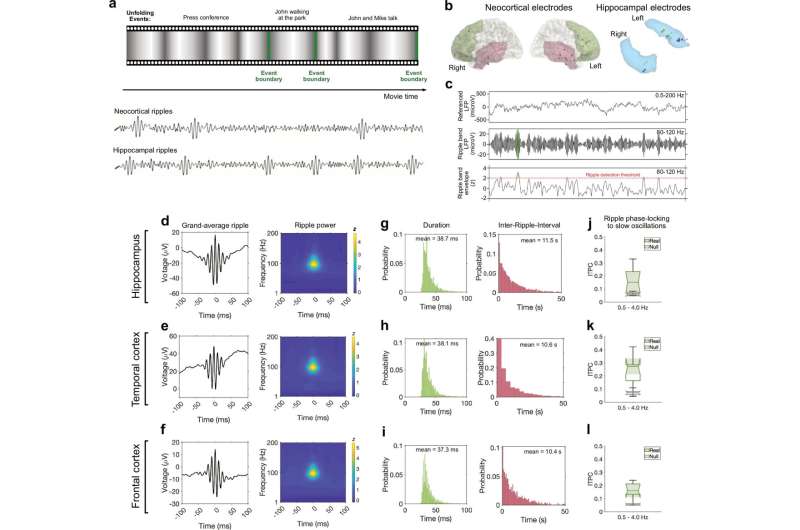
Experimental design, ripple detection, and ripple properties. Credit: Nature Communications (2025)

A research team has identified, for the first time in humans a key neurophysiological mechanism in memory formation: ripple-type brain waves—high-frequency electrical oscillations that mark and organize the different episodes or fragments of information that the brain stores as memories.

Scientists have discovered how a key protein helps maintain strong connections between brain cells that are crucial for learning and memory.

New research shows that signs of Alzheimer’s disease can already be detected in the blood of people as young as their 40s. Finnish scientists found elevated Alzheimer’s-related biomarkers in middle-aged adults, especially among those with maternal history or kidney disease.

A new study questions whether playing youth football leads to harmful protein buildup in the brain.

Receiving six or more prescriptions of the drug gabapentin for low back pain is associated with significantly increased risks of developing dementia and mild cognitive impairment, finds a large medical records study.

A large genetic study reveals that cannabis use disorder is strongly linked to increased risk for multiple psychiatric disorders, including depression, PTSD, ADHD, and schizophrenia.

A common sugar substitute, erythritol, widely used in “sugar-free” and low-carb products, may increase stroke risk by damaging brain blood vessel cells. A new study found that erythritol exposure reduced nitric oxide, increased vessel constrictors, impaired clot-busting abilities, and boosted free radical production in these cells.

Finally, this week, neuroscientists have discovered a signature ‘wave’ of activity as the brain awakens from sleep.

Weekly Neuroscience Update

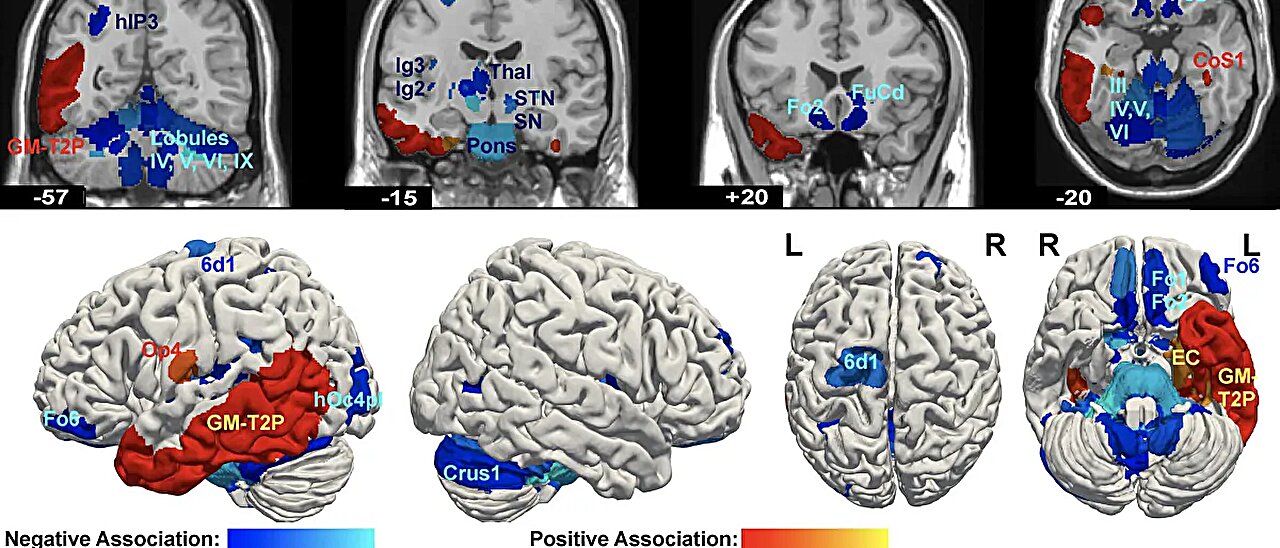
Coloured regions show where brain volume was associated with deviant lifestyle and antisocial behavior in individuals with psychopathic traits. Credit: European Archives of Psychiatry and Clinical Neuroscience (2025).

A recent study has shed light on the brain structure differences associated with psychopathy—a condition known to be one of the strongest predictors of persistent violent behaviour. The findings are published in the journal European Archives of Psychiatry and Clinical Neuroscience.

Researchers are using a new approach to brain imaging that could improve how drugs are prescribed to treat Parkinson’s disease.

An analysis of over 375 trials shows that structured exercise significantly reduces depression and anxiety in children and teens. Low-intensity resistance activities like light weights were most effective for easing anxiety, while moderate mixed-mode programmes worked best for depression, especially when lasting under 12 weeks.

A new technology that uses clinical MRI machines to image metabolic activity in the brain could give researchers and clinicians unique insight into brain function and disease.

Diets rich in phosphate additives, commonly found in processed foods, can increase blood pressure by triggering a brain signaling pathway and overactivating the sympathetic nervous system that regulates cardiovascular function, UT Southwestern researchers discovered. Their findings could lead to treatment strategies for patients with hypertension caused by overconsumption of foods containing high levels of phosphates.

The long-standing belief that left-handed people are more creative has been challenged by a new meta-analysis of over a century of research. 

New research proposes a unified theory of brain function based on criticality—a state where the brain teeters between order and chaos, allowing it to learn, adapt, and process information optimally. When the brain strays from this delicate balance, cognitive performance weakens, and neurological disorders such as Alzheimer’s may begin to take hold.

A drug used for Parkinson’s disease has been shown to be effective in reducing the symptoms of difficult to treat depression, according to a study led by the University of Oxford.

A recent study shows that older adults may compensate for age-related cognitive decline by enhancing activity in a specific brain region linked to attention—the locus coeruleus (LC). In a brain imaging study, older participants showed stronger LC responses when interpreting ambiguous facial expressions, compared to younger adults.

Individuals with versus those without tinnitus have significantly lower scores on cognitive function tests, according to a recent study published in Frontiers in Neurology.

New research shows how the brain navigates emotional transitions, using music as a tool to map changing neural patterns. Scientists found that emotional responses in the brain depend heavily on the listener’s prior emotional state.

A clinical trial has revealed that Ambroxol, a common cough medicine in Europe, may help slow cognitive decline in people with Parkinson’s disease dementia.

In a study of 200 former professional rugby players (aged 30–61 years old), researchers from Imperial College London, University College London and the UK Dementia Research Institute found no cases of early-onset dementia.

Finally this week, new research findings show how synaptic connections in the cerebral cortex can strengthen during sleep, offering insight into how the brain continues learning even while we rest.