Weekly Neuroscience Update

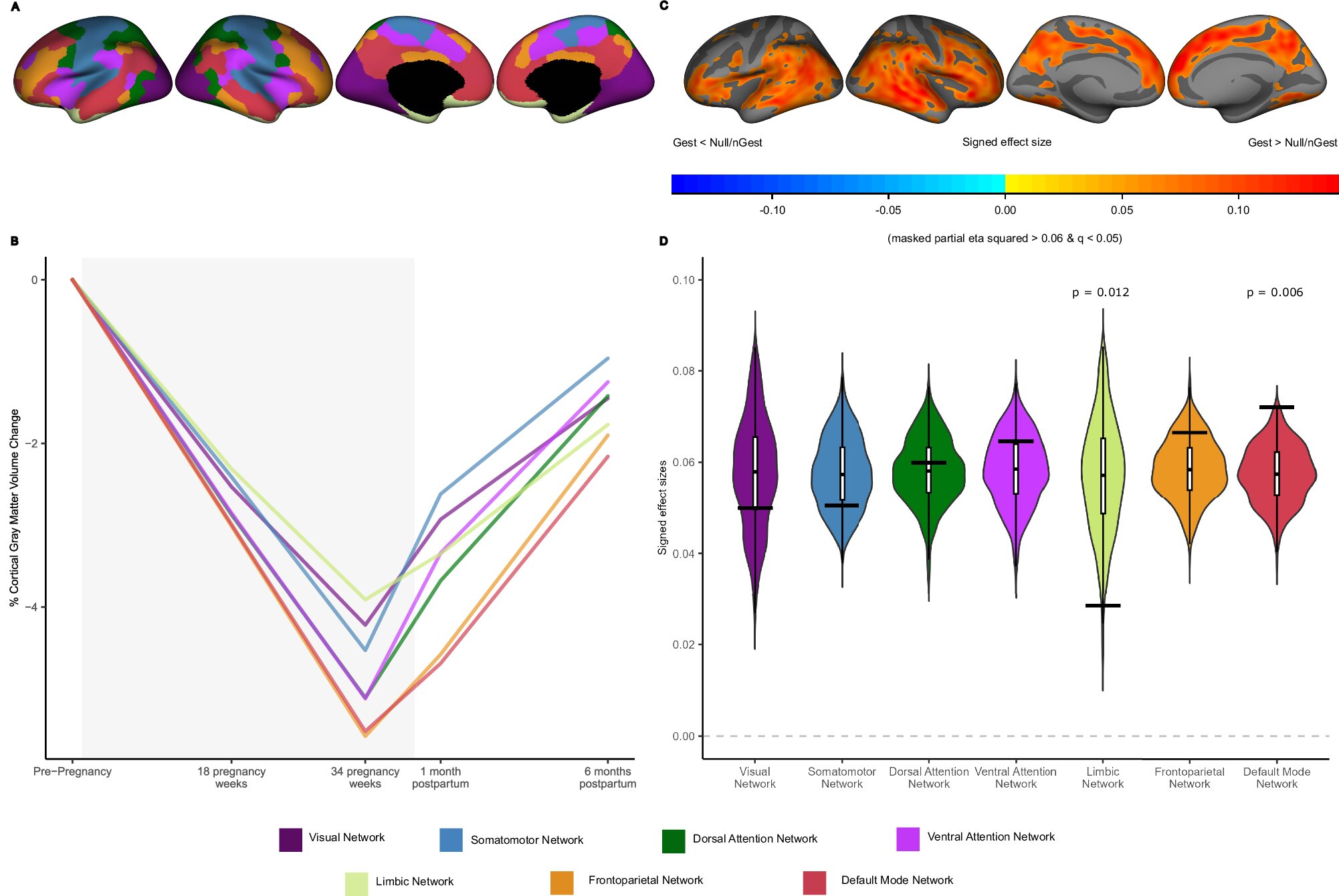
Cortical gray matter volume trajectories based on the functional location of the changes in gestational mothers (N = 179). Credit: Nature Communications (2025).

A new study has analyzed the brains of women during pregnancy for the first time using neuroimaging techniques. The research shows that there is a reduction and partial recovery of almost 5% of gray matter in 94% of the total gray matter volume of the brain, especially in regions linked to social cognition.

An international team has shown the relationship of activity of neurotransmitters to how humans process the emotional content of language.

More than half of 23-year-olds in a European study show restrictive, emotional or uncontrolled eating behaviours, according to new research led by the Institute of Psychiatry, Psychology & Neuroscience (IoPPN) at King’s College London. Structural brain differences appear to play a role in the development of these eating habits.

A new framework links brainwaves to individual cognitive states.

In a recent study, scientists have shown neurotransmitters in the human brain are active during the processing of the emotional content of language, providing new understanding into how people interpret the significance of words.

A new study shows stem cell therapy ‘jump-start’ brain repair after stroke.

Researchers have developed a flexible, biodegradable electrode capable of stimulating neural precursor cells in the brain, offering a safer and more precise alternative for neural repair. The electrode dissolves naturally after seven days, eliminating the need for surgical removal while promoting tissue regeneration.

Music supports babies in neonatal intensive care units, according to a recent neuroimaging study.

A study analyzing data from over 130 million individuals found that antibiotics, antivirals, vaccines, and anti-inflammatory medications are associated with a reduced risk of dementia. This supports the idea that infections and inflammation contribute to dementia and highlights the potential of repurposing existing drugs for prevention or treatment.

New research has uncovered psychological profiles associated with mental and brain health in middle-aged and older adults.

An experimental treatment for depression that triggers seizures with magnets significantly improved mental health in patients without some cognitive effects associated with electroconvulsive therapy (ECT), according to a clinical trial led by UT Southwestern Medical Center.

A research team has gathered new insight into the neural underpinnings of human cooperation.

A new study has identified three psychological profiles that influence brain health, cognitive decline, and dementia risk in aging adults. Profiles with high protective traits, like purpose and openness, show better cognition and brain integrity, while those with low protective traits or high negative traits face accelerated brain atrophy and mental health issues.

Stanford Medicine scientists are generating a periodic table of sorts for psychiatric disorders, providing a better understanding of these conditions and paving the way toward targeted treatment.

A study analyzing data from over 2 million veterans found that GLP-1 receptor agonists, popular weight-loss drugs like Ozempic and Wegovy, provide significant neurological and behavioral health benefits, including reduced risks of addiction, Alzheimer’s, and dementia. However, they also pose risks for pancreatitis and kidney conditions.

Finally, this week, a brain signal that lights up when we anticipate rewards may hold the secret to helping people overcome depression, and researchers are working to unlock its potential.
Weekly Neuroscience Update

A new study has shown neurotransmitters in the human brain are released during the processing of the emotional content of language, providing new insights into how people interpret the significance of words.

Researchers have identified how cerebrovascular disease disrupts brain connectivity, contributing to cognitive decline and neurodegeneration alongside Alzheimer’s disease. 

There may be a link between hearing impairment and an increased risk of developing Parkinson’s according to research led by Lancaster University.  Researchers analyzed data from over 159,000 individuals, finding that every 10-decibel increase in hearing loss corresponded to a 57% higher risk of Parkinson’s. While the findings highlight a strong association, the causality between hearing loss and Parkinson’s remains unclear.

A new systematic literature search has identified the highest priority clinical actions aimed at improving post-acute care for non-hospitalized traumatic brain injury.

Researchers are making strides in restoring touch sensations to prosthetic limbs through brain stimulation. By using electrodes in the brain’s touch center, they can evoke stable, precise sensations, even allowing users to feel the shape and motion of objects.

Increasing physical fitness levels has a causal link with better language comprehension, according to the first study to show this effect.

New research reveals that certain cells inactivate one parent’s copy of a gene, leading to a bias in gene activity that may explain why some individuals with disease-causing mutations remain symptom-free. This selective gene inactivation, known as monoallelic expression, affects about 1 in 20 genes and varies between cell types.

A new study from Karolinska Institutet and Mayo Clinic has revealed important insights into brain degeneration in dementia with Lewy bodies.

Tourette syndrome is currently diagnosed about three times more frequently in males than in females. A new study finds that females are less likely to be diagnosed with the syndrome, take longer to receive a diagnosis and are older when they are diagnosed than male individuals.

Finally this week, a new study has found that eating greater quantities of red meat, especially in processed forms, increases the risk for dementia.

Weekly Neuroscience Update

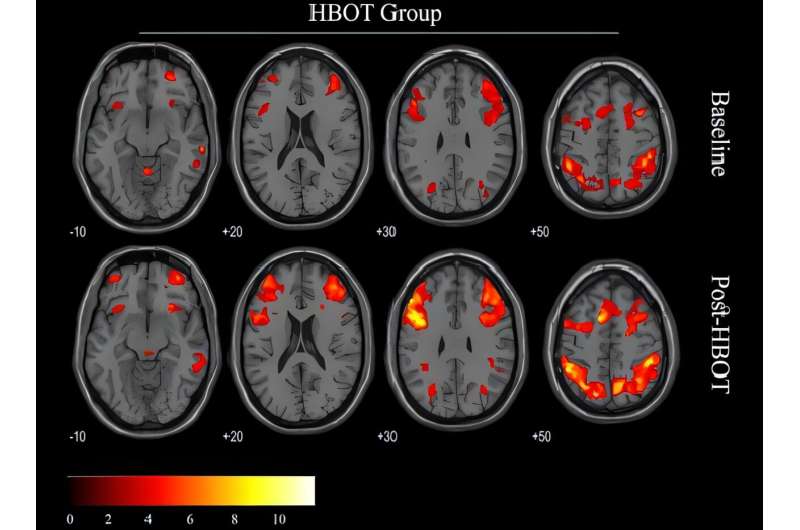
Functional MRI before and after HBOT. Credit: The Shamir Medical Center

Researchers have demonstrated that hyperbaric oxygen therapy (HBOT) improves the condition of PTSD sufferers who have not responded to psychotherapy or psychiatric medications.

Scientists have discovered for the first time a neural mechanism for memory integration that stretches across both time and personal experience. These findings, reported in Nature, demonstrate how memories stored in neural ensembles in the brain are constantly being updated and reorganized with salient information, and represent an important step in deciphering how our memories stay current with the most recently available information.

An international study has found frailty increases a person’s risk of dementia, but early intervention may be the key to prevention.

Neuroscientists have discovered brain cells that form multiple coordinate systems to tell us “where we are” in a sequence of behaviours. The findings help us understand the algorithms used by the brain to flexibly generate complex behaviors, such as planning and reasoning, and might be useful in understanding how such processes go wrong in psychiatric conditions such as schizophrenia.

New research finds that even single bouts of intense exercise can improve cognitive performance in young adults, particularly in memory, attention, and executive functioning. 

By scanning the brains of people while they watched movie clips, neuroscientists have created the most detailed functional map of the brain to date. The fMRI analysis, published in Neuron, shows how different brain networks light up when participants viewed short clips from a range of independent and Hollywood films, including Inception, The Social Network, and Home Alone.

Asthma is associated with memory difficulties in children, and early onset of asthma may exacerbate memory deficits, according to a new study.

Older adults with significant fluctuations in cholesterol levels are at increased risk for dementia and cognitive decline, even without medication changes. Researchers studied nearly 10,000 older adults, tracking their cholesterol levels and cognitive function over six years. High variability in total and LDL (“bad”) cholesterol was associated with a 60% increase in dementia and 23% increase in cognitive decline.

Scientists have successfully reprogrammed astroglia, a type of brain support cell, into neurons that mimic specific interneurons critical for brain function.

Exercise has been shown to improve brain health and reduce the risk of cognitive decline and dementia over the long-term. But engaging in everyday physical activity has immediate benefits for brain health, according to a new study.

A team of researchers has identified a potential biomarker of Parkinson’s disease progression.

New research highlights neuroglia (or glia cells) as critical players in mental health, potentially influencing conditions like depression and schizophrenia. Glia cells, long considered “support cells” in the brain, have now been shown to communicate through unique calcium signaling, impacting neuronal function and stress responses. Studies suggest that compromised astrocyte function, a glial cell type, may relate to depressive symptoms and schizophrenia.

Using deep brain stimulation techniques, neuroscientists are looking for early signals in the brain to help stop seizures.

A study investigated how cannabis use influences metabolomic patterns linked to psychotic-like experiences in adolescents. Blood samples revealed that non-cannabis users showed inflammatory metabolic changes associated with hallucinations, while cannabis users exhibited shifts in energy-related metabolites tied to brain ketogenesis.

Finally this week, a new study links satellite data with brain imaging to reveal how environmental factors like light pollution, green spaces, and urban density affect the mental health and brain development of children.

Weekly Neuroscience Update

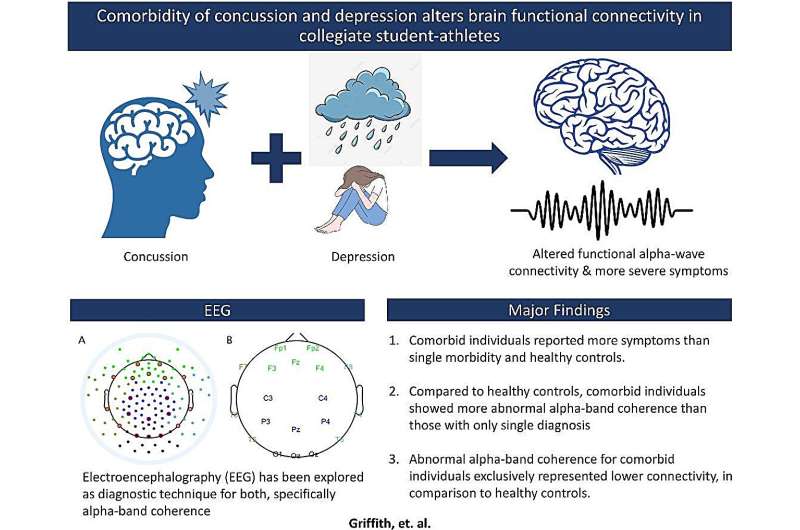
Credit: Brain Research (2024)

Researchers have demonstrated that the co-occurrence of depression and concussion was associated with significantly worse symptoms for both conditions. 

A recent study has mapped how molecules in food interact with gut bacteria, revealing why people respond differently to the same diets. By examining 150 dietary compounds, researchers found that these molecules can reshape gut microbiomes in some individuals while having little effect in others. This breakthrough could enable personalized nutrition strategies to better manage health risks. The findings offer a deeper understanding of the gut microbiome’s role in health and disease.

Scientists have independently validated a new blood test platform that can simultaneously measure more than a hundred biomarkers of Alzheimer’s disease.

A new computer simulation of how our brains develop and grow neurons has been built by scientists from the University of Surrey. Along with improving our understanding of how the brain works, researchers hope that the models will contribute to neurodegenerative disease research and, someday, stem cell research that helps regenerate brain tissue.

Brain endurance training (BET), a combined cognitive and exercise approach, has been shown to significantly improve cognitive and physical performance in older adults.

New research demonstrates that learning a second language enhances brain connectivity, particularly when started in childhood. Scientists found that bilingual individuals have more efficient communication between brain regions, notably between the cerebellum and left frontal cortex.

In a new study evaluating meditation for chronic lower back pain, researchers have discovered that men and women utilize different biological systems to relieve pain. While men relieve pain by releasing endogenous opioids, the body’s natural painkillers, women rely instead on other, non-opioid based pathways.

New research explores how traumatic brain injury may be linked to Alzheimer’s disease.

A study has identified mutations arising during brain development that may contribute to schizophrenia. Unlike inherited genes, these somatic mutations occur after conception and were found more frequently in schizophrenia patients’ brain tissue.

There is an imbalance in the gut flora of patients with epilepsy compared with healthy controls, according to a study published in the Journal of Health, Population and Nutrition.

Researchers have developed a breakthrough technology using magnetic fields to control specific brain circuits non-invasively, potentially transforming treatments for conditions like Parkinson’s and depression. This technique, termed “magnetogenetics,” delivers gene therapy to target neurons and uses magnetic fields to activate or inhibit them, allowing precise manipulation without invasive implants.

Bursts of exercise boost cognitive function according to new research.

A recent study reveals that specific brain cells respond not only to smells but also to images and written words related to those scents, providing deeper insight into human odour perception. Researchers found that neurons in the olfactory cortex and other brain regions, like the hippocampus and amygdala, distinguish between different smells and associate them with visual cues.

A collaborative study has identified genetic mutations that occur during brain development and may contribute to the development of schizophrenia.

A research team has published a randomized clinical trial demonstrating for the first time that a multidisciplinary approach integrating specific physiotherapy and cognitive-behavioral therapy is effective in improving the symptoms and physical aspects of the quality of life of patients with functional movement disorders.

Finally this week, scientists have discovered an unexpected link between genes involved in human brain evolution and developmental disorders.


Weekly Neuroscience Update

Variant definition, splitting and classification as border or ectopic. Credit: Nature Neuroscience (2024)

A new study has revealed brain differences that may explain why humans demonstrate a variety of cognitive abilities and behaviors. The research shows that two forms of individual differences may predict cognitive abilities, explain behavioral differences and even pinpoint biomarkers of brain disease.

A team of neuroscientists has found that so-called superagers maintain memory as they grow older because they do not experience a decline in the integrity of their white brain matter.

Researchers have developed an artificial intelligence technique that can effectively estimate an individual’s brain age based on electroencephalogram (EEG) brain scans. The technology could help to make early, regular screening for degenerative brain diseases more accessible.

A simple blood test could allow doctors to determine whether a person may be at higher risk for stroke or cognitive decline during their lifetime, according to a new study.

A brief episode of anger triggered by remembering past experiences may negatively impact the blood vessels’ ability to relax, which is essential for proper blood flow, according to new research published in the Journal of the American Heart Association.

Using neuroimaging, researchers have identified a brain network crucial to human consciousness. 

An individual’s experience of pain from medical treatment can be heightened by witnessing other people’s responses to the same treatment, with this negative experience subsequently spreading to others, scientists have discovered.

Listening to music benefits older adults’ cognitive health, even if it’s music they haven’t heard before or don’t enjoy very much, according to a new study.

Researchers have found a way to better control the preclinical generation of key neurons depleted in Parkinson’s disease, pointing toward a new approach for a disease with no cure and few effective treatments.

An international research team led by Karolinska Institutet has mapped the early genetic development of the brain and can now present an atlas of embryonic development between weeks 6 and 13.

Researchers have identified a key mechanism in brain stem cells that prevents identity conflicts during gene expression. This mechanism allows the cells to retain stemness while being primed for neuronal differentiation. The discovery includes finding that keeping neuronal gene messengers within the nucleus, while allowing stem cell gene messengers to be translated, avoids premature differentiation.

A new study demonstrates the potential of virtual reality in treating major depressive disorder.

Exercise prompts muscles to release molecular cargo that boosts brain cell function and connection, but the process is not well understood. Now new research has found that the nerves that tell muscles to move also prompt them to release more of the brain-boosting factors.

A pattern of brain activity that helps prevent us from getting lost has been identified in a new study, published in Nature Human Behaviour.

A new study highlights a novel mechanism of brain plasticity involving chondroitin sulfate clusters outside nerve cells. Researchers identified these cartilage-like structures as crucial for the brain’s ability to adapt and store information.

Finally this week, a new computer model may have cracked the code on helpful memory cues.

Weekly Neuroscience Update

Exercise can improve your cognitive and mental health — but not all forms and intensities of exercise affect the brain equally. The effects of exercise are much more nuanced, as specific intensities of exercise over a long period of time are associated with different aspects of memory and mental health, according to a new study.

A research team has shown for the first time that non-invasive stimulation of the vagus nerve at the ear can strengthen the communication between stomach and brain within minutes.

A mutation in a newly discovered small protein is connected to a significant increase in the risk for Alzheimer’s disease, expanding the known gene targets for the disease and presenting a new potential avenue for treatment, according to a new study.

A new report highlights the advances and challenges in prevention, clinical care, and research in traumatic brain injury, a leading cause of injury-related death and disability worldwide.

Neurons in an area of the brain responsible for memory (known as the entorhinal cortex) are significantly larger in SuperAgers compared to cognitively average peers, individuals with early-stage Alzheimer’s disease, and even individuals 20 to 30 years younger than SuperAgers — who are aged 80 years and older, reports a new study.

Children who were infected with COVID-19 show a substantially higher risk of developing type 1 diabetes (T1D), according to new research.

Researchers have discovered a biological mechanism that increases the strength with which fear memories are stored in the brain. The study provides new knowledge on the mechanisms behind anxiety-related disorders, and identifies shared mechanisms behind anxiety and alcohol dependence.

Finally this week, a new study demonstrates how an AI algorithm can estimate biological age with high accuracy based on brain scan images.

Weekly Neuroscience Update

Researchers have presented new findings which found after one session of aerobic exercise people showed reduced cravings for alcohol, lower levels of stress, and improvements in mood.

When our eyes move during REM sleep, we’re gazing at things in the dream world our brains have created, according to a new study. The findings shed light not only into how we dream, but also into how our imaginations work.

Measuring how the eyes’ pupils change in response to light—known as the pupillary light reflex—could potentially be used to screen for autism in young children, according to a new study.

Researchers have made an important discovery about the way our brains process the sensations of sound and touch. They found that sensory systems in the brain are closely interconnected, with regions that respond to touch also involved when we listen to specific sounds connected to touching certain objects.

A study into the effect of surprise on our memory has inadvertently discovered a method that might help us to perform better in exams.

Scientists have uncovered how dopamine connects subregions of the striatum essential for habit formation, findings that may change the overall understanding of how habits are formed—and could be broken.

New research finds the brains of people playing online video games synchronize, even when there is a physical distance between the players.

By estimating people’s brain age from MRI scans using machine learning, a team of researchers has identified multiple risk factors for a prematurely aging brain. They found that worse cardiovascular health at age 36 predicted a higher brain age later in life, while men also tended to have older brains than women of the same age, as they report in The Lancet Healthy Longevity.

Young people with 22q11.2 Deletion Syndrome have distinct and marked EEG differences in brain activity during sleep, which could influence psychiatric symptoms.

Tight control of blood sugar in teens with Type 1 diabetes may help reduce the disease’s damaging effects on the brain, effects which have been shown even in younger children, according to a study published in Nature Communications.

Tests of the brain’s electrical activity have revealed fentanyl’s effects over time and indicated that the drug stops people’s breathing before other noticeable changes and before they lose consciousness.

A newly developed artificial intelligence model can detect Parkinson’s disease by reading a person’s breathing patterns. The algorithm can also discern the severity of Parkinson’s disease and track progression over time.

A new study reveals how a molecule produced by astrocytes interferes with normal neuron development in a range of neurodevelopmental disorders.

People with an obsessive urge to constantly check the news are more likely to suffer from stress, anxiety, as well as physical ill health, finds a new study published in the peer-reviewed journal Health Communication.

Finally this week, the impact of breathing diesel exhaust fumes may be more severe for females than males, according to new research.

Weekly Neuroscience Update

For the first time, a team of international scientists has studied the development of the main immune cell population residing in the human brain, called microglia, on human tissue.

Scientists have uncovered a molecular pathway that distills threatening sights, sounds and smells into a single message: Be afraid. A molecule called CGRP enables neurons in two separate areas of the brain to bundle threatening sensory cues into a unified signal, tag it as negative and convey it to the amygdala, which translates the signal into fear. The research, published in Cell Reports on August 16, 2022, may lead to new therapies for fear-related disorders such as post-traumatic stress disorder (PTSD) or hypersensitivity disorders such as autism, migraines and fibromyalgia.

Researchers have identified a new type of retinal ganglion cell, the neurons in the retina that encode the visual environment and transmit information back to the brain.

Children who sleep less than 9 hours per night have significant differences in brain regions associated with memory, intelligence, and well-being compared to their peers who sleep 9 or more hours per night. Less sleep in children was also associated with increased risks of depression, anxiety, and impulsive behaviors.

A new study finds that Alzheimer’s disease disrupts at least one form of visual memory by degrading a newly identified circuit that connects the vision processing centers of each brain hemisphere.

Leisure activities, such as reading a book, doing yoga and spending time with family and friends may help lower the risk of dementia, according to a new meta-analysis published in the August 10, 2022, online issue of Neurology.

Finally this week, a novel study reports the dynamics of consciousness may be understood by a newly developed conceptual and mathematical framework.

Weekly Neuroscience Update

New research shows that moderate physical activity was linked to increased volume in brain areas associated with memory, especially in older adults.

The biological changes that occur as a result of aging could be a mechanism behind why older adults with depression do not have a full resolution of symptoms following taking antidepressants. The persistence of depressive symptoms becomes a source of depleted psychological well-being, increased disability, accelerated cognitive decline, and premature aging in older adults.

Researchers have identified a pathway that begins in the gut and ends with a pro-inflammatory protein in the brain that appears to contribute to the development of Alzheimer’s disease.

A new study looks at the brains of black women who reported having experiences with racial discrimination. The goal of the study was to determine whether racial discrimination could affect the brain. After doing MRI scans on the women’s brains, the researchers found changes in their white matter.

The smell of fresh cut grass or blooming flowers appears to have a positive effect on a person’s overall well-being, a new study reveals.

A new study proposes a new learning method for people with autism that may accelerate the learning process and even significantly improve capabilities in terms of visual perception. According to the researchers, improving the perceptual capacity of people with autism is often a challenge, which usually requires long and tedious training alongside additional learning challenges that characterizes autism, such as the ability to generalize learning to new situations.

The unique features of an individual adolescent’s brain can help predict their risks of developing mental health problems later in life.

The effects of COVID-19 infection on neurological health are becoming more apparent. A new study reveals COVID-19 can predispose people to irreversible neurological conditions, accelerate brain aging, and increase the risk of stroke and brain bleeds.

Finally this week, researchers have found that transcranial brain stimulation can improve the age-related impairment in learning new motor skills.

Weekly Neuroscience Update

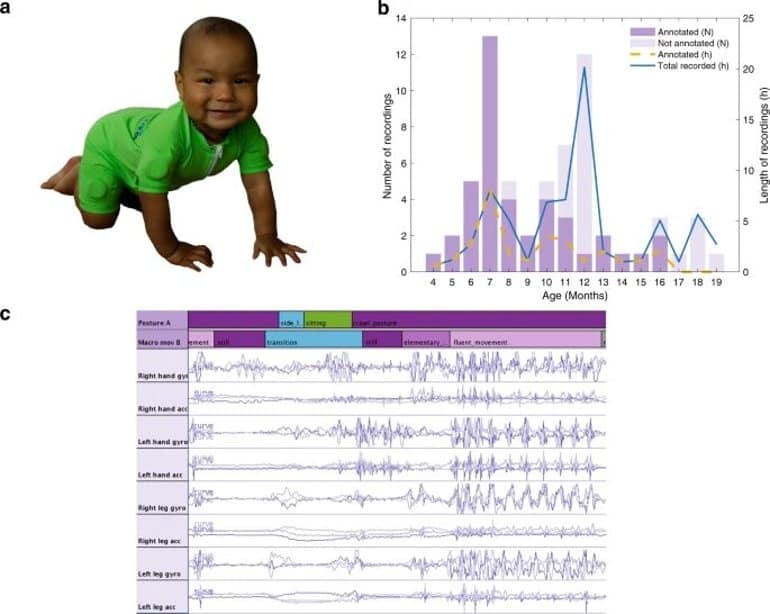
A newly designed baby jumpsuit that monitors motor development carries the possibility for assessing overall neurodevelopment in infants. It is now commonly accepted that the motor development of a young child is not independent of all other neurocognitive development. The strong innate drive of the child to move has emerged from a clear need: the child must move a lot to gain experience and learn from the surrounding environment. It is now commonly accepted that the motor development of a young child is not independent of all other neurocognitive development. The strong innate drive of the child to move has emerged from a clear need: the child must move a lot to gain experience and learn from the surrounding environment.

A new brain mapping study finds damage to one part of the brain changes connections between neurons across the entire brain.

A recent study, published in Neurology, shows that social isolation is linked to changes in brain structure and cognition – the mental process of acquiring knowledge – it even carries an increased risk of dementia in older adults.

Measuring the electrical activity of the retina in response to light stimulus could be a biomarker for ADHD and autism, researchers report.

A large international team of researchers has found 69 unique genetic variants linked to the ability to keep time to a beat. In their paper published in the journal Nature Human Behavior, the group describes their genetic study involving more than 600,000 volunteers.

Researchers have identified the exertion level where aerosol particle emission increases exponentially, offering an explanation as to why exercise intensity may be linked to the transmission of infections.

New research reports girls and boys show similar rates of concern for autism spectrum disorder and identifies several biases contributing to the inflated sex ratio for autism diagnosis. The findings could help with the early identification of girls on the autism spectrum.

Finally this week a new study has identified potential targets to develop a therapy that could prevent Alzheimer’s disease.