Weekly Neuroscience Update

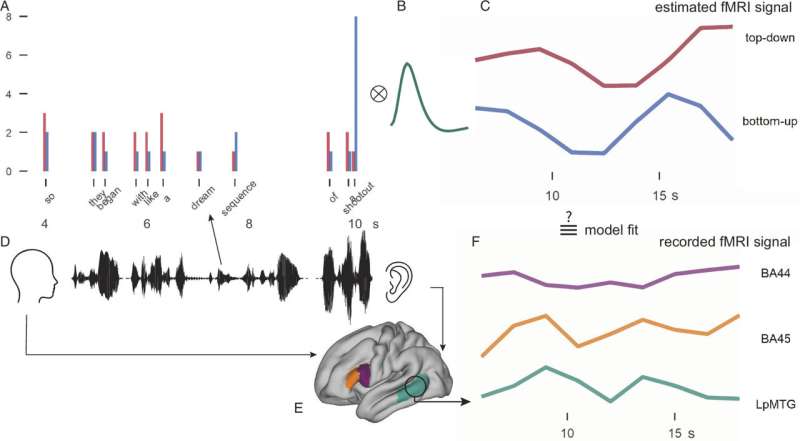
Credit: Nature Communications (2023). DOI: 10.1038/s41467-023-42088-7

A team of international neuroscientists has obtained the first direct recordings of the human brain in the minutes before and after a brain hub crucial for language meaning was surgically disconnected. The results reveal the importance of brain hubs in neural networks and the remarkable way in which the human brain attempts to compensate when a hub is lost, with immediacy not previously observed.

A new study, published in Cell Reports, describes a novel molecular link between vitamin B12 and multiple sclerosis that takes place in astrocytes—important non-neuronal glial cells in the brain.

Australian researchers have flagged potential concerns over the use of social chatbots, calling for more studies into the impact of AI software on neurodiverse people and those who find human interaction difficult.

An exploratory study has shown that light, regular exercise can improve the cognitive as well as physical health of adults with Down syndrome.

Researchers at Linköping University, Sweden, have examined the brains of 16 patients previously hospitalised for COVID-19 with persisting symptoms. They have found differences in brain tissue structure between patients with persisting symptoms after COVID-19 and healthy people.

Scientists have discovered a new way a ribonucleic acid (RNA) impacts fear-related learning and memory.

Comparing PET scans of more than 90 adults with and without mild cognitive impairment (MCI), researchers say relatively lower levels of the so-called “happiness” chemical, serotonin, in parts of the brain of those with MCI may play a role in memory problems including Alzheimer’s disease.

A new study reveals a significant association between adverse childhood experiences and symptoms of muscle dysmorphia in adolescents and young adults.

Using electrochemical techniques and machine learning, scientists measured dopamine levels in real time during a computer game involving rewards and penalties. The findings shed light on the intricate role of dopamine in human behavior and could have implications for understanding psychiatric and neurological disorders.

Researchers have identified a potential treatment target for a genetic type of epilepsy.

A new study sheds light on the significant role of patients’ beliefs in the effectiveness of neurostimulation treatments for conditions like depression and ADHD. Analyzing five studies, the research team found that patients’ perceptions of receiving real or placebo treatments often had more impact on outcomes than the treatments themselves.

New research has found that smoking causes the brain to shrink and age prematurely, a condition not reversible even after quitting smoking.

Researchers have discovered a key player in alcohol addiction: pituitary adenylate cyclase-activating polypeptide (PACAP). This peptide, found in the “bed nucleus of the stria terminalis” (BNST), is linked to heavy alcohol drinking and withdrawal.

Finally this week, new research reveals that moderate exercise improves cognitive performance even under conditions of sleep deprivation and low oxygen levels.

Decoding Human Existence: How Neurons Map Time and Space Dimensions

Two studies conducted by UCLA investigators provide fresh perspectives on how neurons in the human brain encode the fundamental elements of consciousness—time and space. These are the cornerstone dimensions of our experience, enabling us to recollect the past and imagine the future.

By employing specialized depth electrodes, the researchers examined epilepsy patients, uncovering “place cells” related to spatial awareness and “time cells” involved in understanding temporal aspects.

One of the studies demonstrated the independent yet simultaneous functioning of these cells during navigation tasks. Another study revealed that specific neurons maintained consistent temporal patterns regardless of the speed of external stimuli.

Two crucial sets of findings emerged:

  1. The human brain encompasses specialized cells such as “place cells” and “grid cells” for spatial mapping and “time cells” for tracking temporal sequences. Notably, during navigation in a virtual environment, place cells exhibit a consistent pattern, while time cells demonstrate variability based on the task at hand. This suggests a notable separation between the neuronal dimensions of time and space.
  2. The discovery of temporally periodic cells (TPCs) reveals distinct periodic behavior across various time scales. This unique behavior potentially serves as a metric for understanding both temporal and spatial representations within the brain.

Weekly Neuroscience Update

Study summary graphic. Credit: Mount Sinai Health System

A team of researchers has created the first “multiome” atlas of brain cell development in the human cerebral cortex across six broad developmental time points from fetal development into adulthood, shedding new light on their roles during brain development and disease.

A new study links rhythmic oscillations in ovarian hormone levels in women during the menstrual cycle to changes in brain structure.

Researchers at Monash University have identified a new way of mapping ‘phosphenes’—the visual perception of the bright flashes we see when no light is entering the eye—to improve the outcome of surgery for patients receiving a cortical visual prosthesis (‘bionic eye’).

newly published atlas offers the most detailed maps yet of the location, structure, and, in some cases, function of more than 3,000 types of brain cells.

Researchers have analyzed more than a million human brain cells to produce detailed maps of gene switches in brain cell types and revealed the links between specific types of cells and various common neuropsychiatric disorders.

A new study shows that teenagers with OCD experience deficits in decision-making and behavioral control. This is linked to abnormal activity in an area of the brain called the orbitofrontal cortex (OFC).

Severe inflammation in early childhood is a clinically known risk factor for developing autism and schizophrenia. Now, for the first time, scientists have discovered that inflammation alters the development of vulnerable brain cells, and this could have mechanistic links to neurodevelopmental disorders. This finding could lead to treatments for many different childhood-onset neurodevelopmental disorders.

Scientists have discovered widespread differences in metal levels in the brains of patients with Huntington’s disease, a type of dementia, compared to a control group with healthy tissue.

In two parallel projects, researchers have been involved in creating the most comprehensive atlases of human brain cells to date. The two studies provide clues on different brain diseases and give hope for medical advancements in the future, such as new cancer drugs.

In a suite of new studies, a large consortium of researchers shares new knowledge about the cells that make up our brains and the brains of other primates.

The brains of people who reduce their drinking, as well as of people who quit drinking entirely, have greater volume in certain regions than people who drink more heavily, according to a new study of adults treated for alcohol use disorder. 

Sleeping patterns and stress hormones could be the key to understanding how and when people with epilepsy are likely to experience seizures, a new study reveals.

New research has found molecular evidence highlighting important sex differences in the brains of people with major depressive disorder, with evidence of changes occurring specifically in the female brain, but not in males.

Finally this week, new research has found that MRI scans can reveal the parts of the brain that are involved in responding to fatty foods.

Weekly Neuroscience Update

 Credit: Institute for Basic Science

In a groundbreaking review paper published in Nature Reviews Neuroscience, scientists have shed new light on the role of GABA, a key signaling molecule in the brain.

Maternal structured lifestyle interventions during pregnancy based on a Mediterranean diet or mindfulness-based stress reduction (MBSR) improve child neurodevelopmental outcomes at age 2 years, according to a study.

A new study supports widespread use of brain research probes in epilepsy patients.

Researchers who previously developed the first 3D human cell culture models of Alzheimer’s disease (AD) that displays two major hallmarks of the condition—the generation of amyloid beta deposits followed by tau tangles—have now used their model to investigate whether the exercise-induced muscle hormone irisin affects amyloid beta pathology.

Among people with benign recurrent vertigo (BRV), Meniere disease (MD), or vestibular migraine (VM) who have persistent vertigo attacks, there is no change in attack frequency over time, according to a new study.

Researchers have developed a molecular test to identify the presence of brain tumors by measuring abnormal genetic material shed by tumors and circulating in cerebrospinal fluid (CSF). 

A study of twins shows that having a concussion early in life is tied to having lower scores on tests of thinking and memory skills decades later as well as having a more rapid decline in those scores than twins who did not have a concussion, or traumatic brain injury (TBI). 

Scientists have detailed how the activity of tactile neurons in the fingertip in response to an applied force is influenced by the fingertip’s mechanical memory of previous forces.

A paper published in Nature Communications shows that when neurons are given information about the changing world around them (task-related sensory input) it changes how they behave, putting them on edge so that tiny inputs can then set off “avalanches” of brain activity, supporting a theory known as the critical brain hypothesis.

Finally, this week, a new finding published in the journal JAMA Pediatrics, shows that the amount of screen time spent by one-year-olds is associated with developmental delays.

Weekly Neuroscience Update

Credit: Nature (2023)

A new study has identified the link between memory and appetite.

Scientists have made a ‘paradigm shifting’ discovery on the mechanisms required for learning and memory that could lead to new therapies for Alzheimer’s disease and potentially Down syndrome.

Researchers have analyzed which physiological indicators recorded when watching a movie can predict the audience’s assessment. It turned out that the activity of zygomaticus major (the “smiling muscle”), heart rate variability and EEG indicators can tell us most about the viewer’s impression of the movie.

The largest genetic study of its kind has discovered specific changes in our DNA that increase the risk of developing epilepsy.

Researchers found that the skin, not pre-existing genetic programming, instructs nerve cells on how to mature for specific sensory tasks. The findings showcase that skin cues determine whether nerve endings develop to detect sensations in hairy or hairless skin. If corroborated by further research, this discovery could pave the way for therapies to mend damaged nerves or better comprehend congenital neuropathies.

A new study has explored the link between infant birthweight, gestational age and future cognitive problems.

Researchers have successfully developed temporary, organic electrodes that can be seamlessly integrated into biological systems. The method opens up a future where bioelectronics can be implanted in and removed from the body without surgery.

New research shows wildfire smoke impacts on the brain.

A new study has found that, among a sample of 152 young athletes exposed to repetitive head impacts (RHI) who were under age 30 at the time of death, 41.4% (63) had neuropathological evidence of CTE, a degenerative brain disease caused by RHI.

New research supports the idea that the brains of older adults who maintain physical fitness by engaging in regular strenuous exercise more closely resemble those of younger adults.

Researchers have succeeded in transforming brain signals into audible speech. By decoding signals from the brain through a combination of implants and AI, they were able to predict the words people wanted to say with an accuracy of 92 to 100%. Their findings are published in the Journal of Neural Engineering.

Finally this week, a virtual reality study has revealed a link between a sense of presence and cognitive abilities.

Weekly Neuroscience Update

Credit: Nature Communications (2023). DOI: 10.1038/s41467-023-38248-4

Scientists have found that the gut microbiome holds Parkinson’s disease markers and may indicate a method of early diagnosis.

Deep sleep, also known as non-REM slow-wave sleep, may help reduce memory loss in older adults facing a heightened burden of Alzheimer’s disease. The research indicates that superior amounts of deep sleep can act as a protective factor against memory decline in those with existing high amounts of Alzheimer’s disease pathology, potentially helping to alleviate some of dementia’s most devastating outcomes.

Researchers have discovered new genetic risk factors for non-Alzheimer’s dementia, specifically Lewy body dementia (LBD) and frontotemporal dementia (FTD).

Scientists have made strides in uncovering the mechanisms underlying memory formation and consolidation in the brain during rest or sleep. A new study focuses on the role of the hippocampus, a brain region important for memory, and its place cells which “replay” neuronal sequences. The researchers built an artificial intelligence model to better understand these processes, discovering that sequences of experiences are prioritized during replay based on familiarity and rewards. The AI agent was found to learn spatial information more effectively when replaying these prioritized sequences, offering valuable insight into the way our brains learn and process information.

New research finds that the brains of otherwise healthy military personnel who are exposed to explosions show an abnormal brain accumulation of amyloid-beta protein—a protein that plays a role in the development of Alzheimer’s disease.

A new study has found that people with a genetic risk for psychosis have an imbalance of glutamate and GABA neurotransmitters in their brains, specifically in the hippocampus. This imbalance is associated with hippocampal atrophy, which may lead to the development of psychotic symptoms.

Researchers have developed human brain organoids that contain microglia, the immune cells of the brain. These organoids allow researchers to study how microglia develop and function in a more realistic setting than previous models.

Researchers used artificial intelligence to analyze speech in Parkinson’s disease patients, revealing distinct patterns. The AI found Parkinson’s patients used more verbs but fewer nouns and fillers in their speech, even before cognitive decline typically associated with PD was evident.

A research team has found that the risk of long COVID and its symptoms present very differently across diverse populations.

A new study sheds light on the potential role of diet in preventing dementia. The analysis explored the relationship between gut health and Alzheimer’s disease, uncovering a strong link between specific types of gut bacteria and the likelihood of developing dementia. The findings highlight the significance of gut microbiota in brain health and provide insights into the underlying mechanisms of Alzheimer’s disease.

Finally this week, researchers have created a revolutionary device that emulates the human eye’s ability to see colour.


Weekly Neuroscience Update

Viewing interactive art online can improve our mood and reduce anxiety. People reported significant improvements in mood and anxiety after just a few minutes of viewing an interactive Monet Water Lily art exhibition.

The way our senses adjust while playing virtual reality (VR) games affects the severity of cybersickness experienced. Researchers measured how participants perceived the orientation of vertical lines before and after playing two VR games, one high-intensity, and one low-intensity. They found that those who experienced less sickness were more likely to have the largest change in the subjective visual vertical following exposure to VR. The findings could be useful for VR designers and developers in creating more comfortable and enjoyable experiences.

In a new study, scientists have discovered anatomical changes that occur in the brains of patients after their sight is restored.

Scientists have explored the links between three measures known to independently predict healthy aging: nutrient intake, brain structure and cognitive function. Their analysis adds to the evidence that these factors jointly contribute to brain health in older adults. 

Young men with cannabis use disorder are more likely to develop schizophrenia, according to a new study.

A new study challenges conventional thinking on the role of short and long-term memories in relearning motor skills. Researchers found that fleeting short-term memories, rather than long-term ones, are responsible for rapid motor learning, indicating the existence of mechanisms for regulating the learning rates for memories that are distinct from the memories themselves.

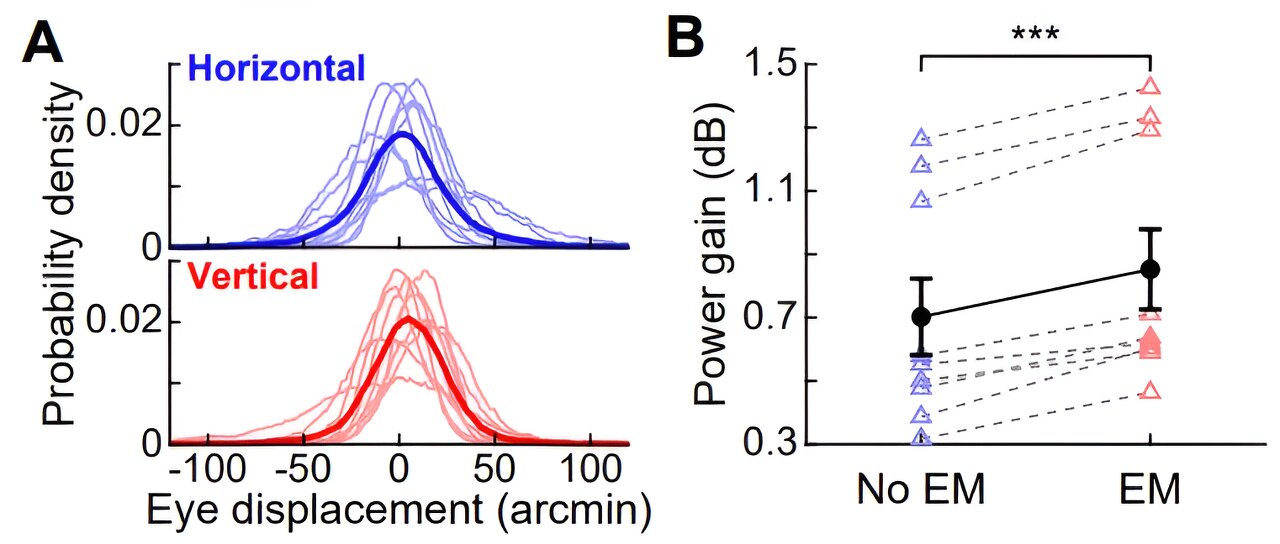
Researchers have identified spatial and temporal abnormalities in spontaneous fixational saccades as a potential biomarker for cognitive and positive symptoms in schizophrenia.

Poor verbal memory may increase the risk of psychiatric hospitalization for patients diagnosed with bipolar disorder or depression. The severity of the illness was previously thought to have an impact on poor memory, but new research shows that poor memory may also have an impact on the risk of being hospitalized.

Researchers have uncovered crucial findings regarding Long COVID, discovering significant immune system and nervous system changes that could explain the neurological symptoms experienced by patients.

A new study from Aarhus University indicates that certain types of epilepsy medication taken during pregnancy may increase the risk of severe psychiatric disorders in children.The research found a worrying link between the antiseizure medication valproate and the child’s risk of developing psychiatric disorders such as autism, ADHD and intellectual disability.

Finally this week, scientists have recently identified a unique form of cell messaging occurring in the human brain that’s not been seen before. Excitingly, the discovery hints that our brains might be even more powerful units of computation than we realized.

Weekly Neuroscience Update

The place-memory network of the human brain, compared with the brain areas that process visual scenes (white). Credit: A.Steel et al.

Researchers have identified three areas of the posterior cerebral cortex that bridge the brain’s perception and memory systems.

A new study reveals that being overweight or obese significantly reduces blood flow in the brain. The study also shows that increased physical activity can positively modify, or even negate, this reduction in brain blood flow.

Soccer players who feel anxious at the thought of kicking a penalty kick and who miss the goal show more activity in the prefrontal cortex. Overthinking the shot, researchers say, could play a role in missing a goal.

Non-invasive neuromodulation delivered via low-intensity focused ultrasound can have cell-type-specific selectivity in manipulating neurons.

People born into families with members who live longer lives show better cognitive performance and a slower decline in cognitive processing speed as they age.

A new neuroimaging technique captures the brain in motion in real-time, generating a 3D view and with improved detail. The new technology could help clinicians to spot hard-to-detect neurological conditions.

Researchers found in a recent study that modulation of map-like representations in our brain’s hippocampal formation can predict contextual memory retrieval in an ambiguous environment.

A new study reports on an association between specific gut bacteria species and the manifestation of neurodegenerative disorders.

New research reveals why sleep can put people with epilepsy at increased risk of sudden death.

A new study uncovers the genetic architecture of progression and prognosis, identifying five genetic locations (loci) associated with progression. The team also developed the first risk score for predicting progression of PD over time to dementia (PDD), a major determinant of quality of life.

A newly developed artificial intelligence algorithm can accurately and reliably assess unconsciousness in patients under anesthesia based on brain activity.

Damage to highly connected regions of white matter in the brain following injury is more predictive of cognitive impairment than damage to highly connected gray matter hubs.

The cerebellum underwent evolutionary changes that may have contributed to the development of language, culture, and tool use in humans, a new study reveals.

A new study sheds light on how highly sensitive people process information. After experiencing something emotionally evocative, brain activity displayed a depth of processing while at rest. Depth of processing is a key feature of high emotional sensitivity.

Researchers have uncovered molecular clues that help explain what makes some neurons more susceptible than others in Alzheimer’s disease.

Finally this week tking a daily prebiotic supplement improves general wellbeing, reduces symptoms of anxiety, and promotes better gut health, a new study reports.

Weekly Neuroscience Update

protein-synapse-imaging-neurosciencenews

MIT engineers have developed a technique that allows them to rapidly image many different proteins within a synapse.

A new rapid imaging technique allows researchers to view synaptic proteins at high resolution.

There may be some good news for people with vestibular migraine, a type of migraine that causes vertigo and dizziness with or without headache pain. A small, preliminary study suggests that non-invasive nerve stimulation may show promise as a treatment for vestibular migraine attacks, a condition for which there are currently no approved treatments.

New research uses artificial intelligence to identify patterns of brain activity that make people less responsive to certain antidepressants.

A new study challenges the belief that epileptic seizures can be predicted by brain wave patterns. Researchers report they have found no evidence that specific brain wave patterns can be a predictive indicator of seizure onset.

New research shows prepartum and postpartum physical and mental health was associated with persistent severe sleep problems in their babies.

In a first-of-its-kind study, researchers have pieced together a road map of typical brain development in children during a critical window of maturation. The study shows how a “wave of brain maturation” directly underlies important social and behavioral changes children develop during the transition from childhood to adolescence.

Finally, this week, a new study highlights the role estrogen plays in the differences in the progression of Parkinson’s disease between men and women.

Weekly Neuroscience Update

reading-925589_960_720.jpg

A new brain mapping experiment shows that whether you read or listen to a book, the same parts of the brain are stimulated to help you understand and respond to the meaning of the words

Poor oral health has been linked to cognitive decline and increased symptoms of stress.

The brains’ of first degree relatives of those with schizophrenia and bipolar disorder differ from those with no family history of the disorders. Relatives of those with bipolar disorder tend to have larger intracranial volume, while those who had a relative with schizophrenia had smaller brain volume.

Minute-to-minute fluctuations in human brain activity, linked to changing levels of dopamine, impact whether we make risky decisions, finds a new study.

Meditation and yoga practice is associated with smaller right amygdala volume, a brain region involved in emotional processing, according to research published in Brain Imaging and Behavior.

Tiny changes in the microscopic structure of the human brain may affect how patients respond to an emerging therapy for neurological problems.

The brains of people with epilepsy appear to react to music differently from the brains of those who do not have the disorder, a finding that could lead to new therapies to prevent seizures.

Major depressive disorder has been linked to at least 22 distinct diseases, including asthma, coronary heart disease, and an increased risk of E. coli infection.

Researchers have identified a specific area of the brain responsible for auditory verbal hallucinations in people with schizophrenia. The researchers were able to control the hallucinations with the help of transcranial magnetic stimulation.

A new study challenges the existing theory that testosterone levels are linked to reduced cognitive empathy.

Finally this week, new research provides insights into what happens in our brains when curiosity is piqued. The findings could help scientists find ways to enhance overall learning and memory in both healthy individuals and those with neurological conditions.