Why Keeping New Year’s Resolutions Is All in the Mind: A Neuroscientific Perspective

As the clock strikes midnight on January 1st, millions around the world set ambitious resolutions to transform their lives. Yet, research shows that most resolutions fail within a few weeks. Why is it so difficult to stick to our goals? Let’s turn to the workings of the brain for some possible answers.

The Burden of Cognitive Load

The prefrontal cortex, the brain region responsible for decision-making, planning, and self-control, has limited cognitive resources. Think of it as a battery that can be depleted with overuse. Every time we make a decision, resist a temptation, or even remember something trivial, we drain these resources. This phenomenon is known as cognitive load.

When cognitive resources are stretched thin, such as after a long day of work or when juggling multiple tasks, the brain struggles to exert self-control. Stress hormones like cortisol exacerbate this effect. High cortisol levels impair the prefrontal cortex’s function, making it harder to resist temptations or make rational decisions. This is why people often abandon their resolutions in moments of stress or fatigue.

Willpower and the Dopamine Connection

Willpower is not just a matter of grit; it’s deeply rooted in the brain’s reward system. The neurotransmitter dopamine plays a pivotal role in motivation and self-control. Engaging in self-disciplined behavior—such as sticking to a resolution—releases dopamine, which reinforces the behavior and provides a sense of accomplishment.

However, dopamine levels fluctuate based on our physical and emotional state. When we’re tired or stressed, dopamine levels drop, weakening our resolve and making it harder to resist temptations. This is why maintaining energy and managing stress are crucial for sustaining willpower.

Habits: The Brain’s Shortcut

Habits are automated behaviors that bypass the prefrontal cortex, conserving cognitive resources. They rely on established neural pathways in the brain. Forming new habits involves creating and strengthening these pathways, which makes desired behaviors more automatic over time.

For instance, brushing your teeth every morning doesn’t require conscious effort because it’s a well-formed habit. Similarly, turning your resolutions into habits reduces reliance on willpower and increases the likelihood of long-term success.

Practical Strategies for Success

To harness the power of neuroscience in achieving your New Year’s resolutions, consider these strategies:

1. “Exercise” Willpower in Small Ways

Willpower, like a muscle, can be strengthened with practice. Here are some simple ways to build it:

  • Resist the urge to check your phone during a meeting.
  • Complete a challenging task without procrastination.
  • Skip a sugary snack in favor of a healthier option.

Each small victory trains your brain to exert self-control, making it easier to tackle bigger challenges over time.

2. Leverage the Power of Habits

Building habits is key to reducing cognitive load and sustaining resolutions. Try these techniques:

  • Habit stacking: Link a new habit to an existing one. For example, “After I brush my teeth, I will meditate for 5 minutes.”
  • Use cues and triggers: Set up reminders or environmental prompts. For example, place a water bottle on your desk to encourage hydration.

3. Focus on Intrinsic Motivation

Intrinsic motivation, driven by genuine personal desires, is more sustainable than external rewards. Reflect on why your resolution matters to you. For example:

  • If your goal is to exercise more, focus on how it boosts your mood and energy levels rather than just losing weight.

Engaging in activities that align with your values and bring you joy releases dopamine, reinforcing positive behavior and making it easier to stay motivated.

The “Why” Behind Resolutions

Understanding the underlying motivations for your resolutions can make all the difference. Ask yourself:

  • Are you pursuing this goal because of external pressures or because it aligns with your genuine aspirations?

For example, resolving to eat healthier might stem from a desire to feel more energetic and vibrant rather than societal expectations. Connecting with the deeper “why” increases intrinsic motivation and improves the likelihood of success.


Keeping New Year’s resolutions is not just about willpower; it’s about working with your brain’s natural tendencies. By managing cognitive load, leveraging dopamine, and building habits, you can turn fleeting resolutions into lasting changes. Remember, the path to success lies not in perfection but in persistence. With small, consistent steps, you can rewire your brain and make your goals a reality.

Weekly Neuroscience Update

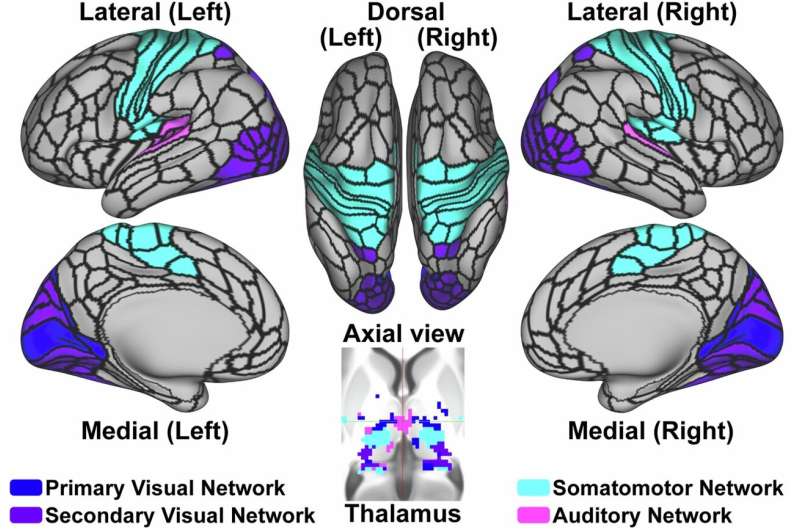
The four sensory networks of the brain network partition. The partition comprises four sensory networks, with the somatomotor network encompassing the somatosensory cortex. The thalamus contains parcels of each sensory network. Credit: Molecular Psychiatry (2024).

Researchers have uncovered a potential new biomarker for psychosis diagnosis.

A new approach to analyzing brain scans could help researchers better understand psychiatric illness using much smaller groups of patients than previously thought necessary, potentially accelerating the development of more precise mental health treatments.

A new study reveals how specific brain cells called interneurons can act as our in-built traffic controllers. The findings are published in the journal PLOS Biology.

Younger and middle-aged patients seem to be disproportionately affected by neurologic manifestations of post-acute sequelae of severe acute respiratory syndrome coronavirus 2 infection (Neuro-PASC), according to a study published in the Annals of Neurology.

Investigators have defined new biologic and clinical biomarkers for better identifying patients with different stages of Parkinson’s disease and Lewy body dementia.

Researchers have developed the most detailed 3D computational models of key brain regions, including the hippocampus and sensory cortices, to better understand their roles in memory formation and connectivity.

Healing the gut may be the key to improving long-term recovery in stroke patients, scientists at Texas A&M University have found.

New research provides critical insights into the role of sleep in motor learning for individuals recovering from traumatic brain injury (TBI). The study sheds light on how sleep, specifically a short nap, influences brain activity associated with motor skill improvement, with implications for optimizing rehabilitation strategies.

A recent study of high school football players found that concussions affect an often-overlooked but important brain signal.

Researchers have uncovered that stress changes how our brain encodes and retrieves aversive memories, and discovered a promising new way to restore appropriate memory specificity in people with post-traumatic stress disorder (PTSD).

Cognitive neuroscientists at Trinity College Dublin have published new research describing a brand new approach to making habit change achievable and lasting.

A new study uncovers constant communication between the human brain’s social cognitive network, responsible for understanding others’ thoughts, and the amygdala, known for processing fear and emotions. High-resolution brain scans revealed that this connection helps the brain integrate emotional importance into social interactions. This insight could lead to non-invasive treatments like transcranial magnetic stimulation (TMS) for anxiety and depression by targeting these regions. The findings highlight how evolutionary brain expansion enhances social understanding while linking it to ancient emotional processing centers.

Neuroscientists have demonstrated that dopamine and serotonin work in opposition to shape learning.

Researchers have identified a novel role for the brain’s ‘locus coeruleus’ in sleep and its disruptions. This brain region facilitates the transition between NREM and REM sleep states while maintaining an unconscious vigilance toward the external world. Stress disrupts its functions and negatively impacts on sleep quality.

A future treatment for Alzheimer disease may involve a nasal spray. 

A new method to profile gene activity in the living human brain has been developed by researchers at FutureNeuro, the Research Ireland Center for Translational Brain Science and RCSI University of Medicine and Health Sciences, in collaboration with international partners. This innovative approach, published in JCI Insight, opens new avenues for understanding and treating neurological conditions such as epilepsy.

A study led by the University of Glasgow has revealed differences in the brains of pediatric and adult patients that might explain the sometimes catastrophic outcomes seen in children following a traumatic brain injury.

Finally this week, new research has examined the relationship of emotion regulation to real-world responses to stress to better understand stress-related increases in suicide risk in depression.

Weekly Neuroscience Update

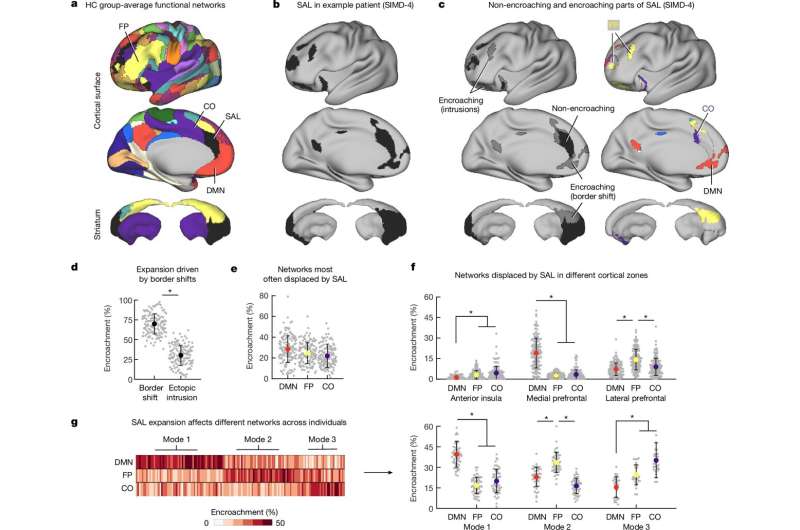
Three modes of salience network expansion in depression. Credit: Nature (2024)

By repeatedly scanning the brains of a small group of patients for a year and a half, researchers have identified a distinct pattern of neuronal interactions that appears to predispose some people to developing depression.

A new study reveals that higher levels of inequality—whether economic, environmental, or health-related—are associated with faster brain aging, particularly in countries with greater disparities

Researchers have published a new clinical protocol examining the combination of aerobic exercise and cognitive rehabilitation to improve learning and memory in individuals with multiple sclerosis (MS) who have mobility disability.

A new study reveals that the protein Tau – a key player implicated in several neurodegenerative conditions including Alzheimer’s disease – also plays a positive role in the brain.

Scientists have revealed new insights into the mechanisms behind cerebral small vessel disease, a condition that affects the smaller blood vessels in the brain and causes approximately half of all dementia cases.

Sports-related concussions may not be associated with long-term cognitive risks for non-professional athletes, a new study suggests.

Researchers have discovered that the Tau protein, often linked to neurodegenerative diseases like Alzheimer’s, also has a protective role in the brain. Tau helps combat oxidative stress by aiding in the formation of lipid droplets in glial cells, which sequester toxic lipids and protect neurons.

Scientists have developed an integrated optical sensor capable of detecting dopamine directly from an unprocessed blood sample.

A recent study has mapped genes linked to schizophrenia and uncovered a mechanism that disrupts synaptic plasticity in affected individuals. The researchers showed the role of three proteins in mediating the impairments of plasticity in schizophrenia. The findings may hold promise for the development of new treatments.

Finally this week, researchers have identified a protein called OSER1 that plays a key role in regulating longevity, offering new insights into why some people live longer than others. 

Weekly Neuroscience Update

Crime films, action films, comedies, or documentaries? A person’s favourite film genre reveals a lot about how their brain works. This is the finding of a new study that compared data on film preferences with recordings of the brain activity of around 260 people.

Using functional magnetic resonance imaging (fMRI), neuroscientists have identified several regions of the brain that are responsible for processing language.

Certain regions of the brain show changes during the early stages after quitting drinking that may contribute to increased anxiety and relapse rates in people attempting recovery from alcohol use disorder, according to a recent study.

A research team has found evidence suggesting that minor brain injuries that occur early in life, may have health impacts later on.

Scientists have discovered a mutation in SARS-CoV-2, the virus that causes COVID-19, that plays a key role in its ability to infect the central nervous system. The findings may help scientists understand its neurological symptoms and the mystery of “long COVID,” and they could one day even lead to specific treatments to protect and clear the virus from the brain.

Scientists have identified how gene variations lead to brain changes associated with essential tremor, a common movement disorder affecting over 60 million people worldwide.

A new study reveals that non-cognitive skills like motivation and self-regulation are as crucial as intelligence in determining academic success. These skills, influenced by both genetics and environment, grow increasingly important throughout a child’s education.

Researchers have developed an innovative device that can diagnose glioblastoma, an aggressive brain cancer, in under an hour using a novel biochip.

A recent study investigates how the brain reacts to different types of love, ranging from parental to romantic, through sophisticated imaging methods. The findings indicate that the love for one’s children elicits the strongest brain response, particularly within the reward system.

Researchers have developed a system that detects genetic markers of autism in brain images with 89-95% accuracy, potentially enabling earlier diagnosis and treatment.

In a small pilot study, researchers used a new closed-loop system to measure the electrical brain patterns of individual patients and then stimulate those patterns with a weak electrical current, resulting in significantly improved symptoms of major depressive disorder.

A deeper understanding of the communication inside the body when someone is going through opioid withdrawal has led to a new clinical trial at the University of Calgary.

Researchers have developed a brain-inspired AI technique that utilizes neural networks to model the complex quantum states of molecules, which are essential for technologies such as solar panels and photocatalyst.

Finally this week, a new finding could open doors to new treatments for a range of psychiatric and neurological disorders attributed to dysfunctions in specific dopamine pathways.

Decoding Social Decisions: The Role of Dopamine and Serotonin in Human Interaction

Neuroscience has always faced the monumental task of understanding the complexities of the human brain. A recent study has made significant progress in unraveling these complexities, focusing on the chemical neuromodulators dopamine and serotonin, and their roles in decision-making during social interactions.

The Study

The study involved Parkinson’s disease patients who were awake during brain surgery. These patients participated in the “ultimatum game,” a scenario that tests human decision-making in the face of varying monetary offers from both computers and humans. The findings revealed a fascinating insight: people are more inclined to accept unfair offers from computers than from human counterparts. This suggests a unique aspect of human social behavior, closely linked to the interaction between dopamine and serotonin in the brain.

Dopamine and Serotonin: The Dynamic Duo

Researchers found that dopamine levels fluctuate based on the comparison of current offers to previous ones, acting as a continuous tracking system. Meanwhile, serotonin focuses on the current offer’s value. This interaction becomes particularly pronounced in social settings, where the concept of fairness influences dopamine levels, indicating a higher value placed on human interactions over those with computers.

Technological Advancements

The use of advanced carbon-fiber electrodes allowed researchers to measure multiple neurotransmitters simultaneously, enabling the differentiation between dopamine and serotonin dynamics. This provides a clearer picture of how these chemicals influence decision-making in social contexts.

Implications of the Research

  • Parkinson’s Disease: For patients with Parkinson’s disease, this study opens new pathways to understanding the disease’s progression and its impact on social behavior. The interaction between dopamine and serotonin, especially in the context of Parkinson’s, could lead to better treatment options.
  • Psychiatry: This research has broader implications for the field of psychiatry and the treatment of psychiatric conditions. By adding precision and quantification to our understanding of neurotransmitter dynamics, the study paves the way for developing more effective treatments.

Weekly Neuroscience Update

Reading Pleasure and Pain from the Brain

Functional brain networks that are connected to the affective intensity and valence information. Left: The affective valence information is connected to the limbic and default mode networks, and the affective intensity information is connected to the ventral attention network. Right: The probability that the affective intensity and valence is connected to each of seven functional brain networks. Credit: Proceedings of the National Academy of Sciences (2024).

A team of researchers has revealed how the brain processes emotional information of sustained pain and pleasure.

Scientists have uncovered the inner relay of a molecular switch that protects the brain against the development of Parkinson’s disease. The research provides new potential strategies to develop drugs that may benefit patients with Parkinson’s.

Brain-to-brain technology boosts brain-computer interface performance, a new study demonstrates.

Researchers have identified, for the first time, disease-specific reduction in emotional expressivity in Lewy body dementia by quantifying vocal expression of emotions using deep neural network techniques. This reduction in vocal emotional expressions was associated with cognitive impairment and specific brain region atrophy and could serve as a distinguishing factor for individuals with Lewy body dementia.

A new study finds the timing of brain waves shapes the words we hear.

New research has given a precise picture of young children’s developing brains, using a wearable brain scanner to map electrical brain activity. The work opens up new possibilities for tracking how critical developmental milestones, like walking and talking, are underpinned by changing brain function, and how neurodevelopmental conditions like autism emerge.

A new AI technique can identify seizure types, including rare forms of epilepsy.

A new study reveals that a poor quality diet may lead to brain changes associated with depression and anxiety. Researchers found that unhealthy eating habits reduce grey matter and alter neurotransmitter levels in the brain.

Research sheds new light on the contribution of dopamine to reinforcement learning.

A new study uncovered neural mechanisms used in planning, revealing an interplay between the prefrontal cortex and hippocampus. The study shows how the brain imagines future outcomes to guide decisions.

Losing the ability to smell properly—a common sensory deficit as people age—may help predict or even contribute to the development of heart failure, new research suggests.

A new study reveals that the main psychoactive component in cannabis or marijuana disrupts the normal connections and activity of the brain’s prefrontal cortex, a region that is crucial for decision-making and self-control.

Finally this week, people tend to underutilize their visual working memory rather than maxing out its capabilities according to new research.

Weekly Neuroscience Update

Credit: eLife (2024)

Exposure to higher levels of light can help people feel more awake and increase cognitive performance, probably by influencing the activity of parts of a brain region called the hypothalamus, according to new research.

Researchers have developed a new tool to better understand how chemicals like dopamine and epinephrine interact with neurons.

Bursts of brain rhythms with “beta” frequencies control where and when neurons in the cortex process sensory information and plan responses. Studying these bursts would improve understanding of cognition and clinical disorders, researchers argue in a new review.

Why do we move slower the older we get? A new study delivers answers.

People with a history of cognitively stimulating occupations during their 30s, 40s, 50s, and 60s had a lower risk of mild cognitive impairment (MCI) and dementia after age 70, according to a new study. The findings highlight the importance of cognitive stimulation during midlife for maintaining cognitive function in old age.

An inpatient, epilepsy-related rehabilitation program shows lasting effects on several aspects of adaptation to epilepsy and quality of life, according to a study published in the journal Epilepsia.

A recent study reveals that high body mass index (BMI) is associated with changes in physiological brain pulsations. These pulsations play a crucial role in maintaining brain fluid circulation and the clearance of metabolic waste from the brain.

Researchers have discovered that a high single dose of dietary supplement creatine can temporarily improve cognitive performance that is reduced by sleep deprivation.

Engaging in conversation with others can activate various brain functions in socially isolated older adults, even if the interactions occur via the internet. This finding comes from a recent clinical trial conducted by Massachusetts General Hospital, with the results published in The Gerontologist.

A new study suggests a common brain network exists between heart rate deceleration and depression.

Neuroscientists have revealed that recency bias in working memory naturally leads to central tendency bias, the phenomenon where people’s (and animals’) judgements are biased towards the average of previous observations. Their findings may hint at why the phenomenon is so ubiquitous.

A new study has found that a brain network condition called “explosive synchronization” could be the cause of extreme pain crises in people with sickle cell disease.

Researchers have developed tiny, flexible devices that can wrap around individual nerve fibers without damaging them. These devices could be used for the diagnosis and treatment of a range of disorders, including epilepsy and chronic pain, or the control of prosthetic limbs.

Scientists have discovered the mechanism that allows adult brain stem cells to express genes that maintain their identity and those for neuronal differentiation without conflicts in cellular activity.

A new study aims to examine the role of napping in brain development among infants and preschoolers. By tracking changes in the hippocampus, the research aims to prove how critical naps are for memory retention and brain growth in young children.

Finally this week, neuroscientists have confirmed that different strategies are employed when choosing between primary and secondary rewards, with impulsivity being a key factor.

Weekly Neuroscience Update

Synergetic framework. Credit: Trends in Cognitive Sciences

A new model for understanding the brain paves the way for more accurate diagnoses and treatments.

For people with drug-resistant epilepsy, having a dog companion trained in detecting seizures and other epilepsy-related tasks may reduce the amount of seizures they have, according to new research published in Neurology

New research shows that continued cocaine use disrupts communication between major brain networks.

Researchers are embarking on a pioneering study to uncover how genes associated with autism spectrum disorders (ASD) converge to affect brain neurons, particularly leading to heightened sound sensitivity. This research aims to identify common neural circuit mechanisms that may underlie the diverse genetic pathways contributing to ASD, focusing on auditory hypersensitivity, a condition that significantly impacts individuals’ lives.

Two new studies explore how closely attention and eye movements are linked and reveal how the brain coordinates the two processes.

A pioneering new study using virtual reality (VR) aims to identify early signs of Alzheimer’s disease through impaired spatial navigation in asymptomatic adults at risk. By testing 100 middle-aged adults with genetic, familial, or lifestyle risk factors for Alzheimer’s, the study discovered that spatial navigation difficulties in VR environments precede traditional cognitive decline symptoms. Notably, this impairment was more pronounced in men than women, suggesting a gender-specific vulnerability

Mounting research shows that COVID-19 leaves its mark on the brain, including significant drops in IQ scores.

A daily fiber supplement improved brain function in people over 60 in just 12 weeks. The study, published recently in Nature Communications showed that this simple and cheap addition to diet can improve performance in memory tests associated with early signs of Alzheimer’s disease.

A new study has found mutations in key brain cells among individuals with chronic opioid use that could shift how we think about treatment strategies for opioid use disorder.

According to a Mayo Clinic study published in Nature Neuroscience, the cells that act as the central nervous system’s first line of defense against harm also play a role in helping the brain awaken from anesthesia. This discovery could help pave the way for innovative methods that address post-anesthesia complications.

Scientists have trained a bank of AI models to identify patterns of brain activity that signal memory formation.

People who experience sleep apnea may be more likely to also have memory or thinking problems, according to a preliminary study that will be presented at the American Academy of Neurology’s 76th Annual Meeting taking place April 13–18, 2024.

Schizophrenia is associated with an increased risk of subsequent cardiovascular disease events, with the association stronger in women, according to a new study.

New research delves into the genetic underpinnings of language development in early childhood and its implications for later cognitive abilities and neurodevelopmental disorders such as Attention-Deficit/Hyperactivity Disorder (ADHD) and Autism Spectrum Disorder (ASD). Interestingly, the research highlights a developmental shift in the genetic associations with ADHD symptoms, suggesting that the role of genetics in language development and its impact on neurodevelopmental outcomes is complex and changes over time. This study underscores the importance of understanding the early linguistic journey as a window into a child’s future mental health and cognitive prowess.

Finally this week, a new neuroimaging study is the first to reveal how the brain gets to the creative flow state.

Weekly Neuroscience Update

Melodic pitch, pitch-change, and expectation modulate STG activity during music listening. (A) Three melodic features visualized for an example melody. (B) Electrodes across all participants (N = 8) plotted on a common brain. Color indicates the peak evoked high-frequency activity (HFA) averaged across all musical phrases. (C) Responses at three example electrodes demonstrating distinct tuning to pitch. Credit: Science Advances (2024)

Researchers have developed a precise map of what is happening in the cerebral cortex when someone hears a melody.

Scientists have made a groundbreaking discovery, identifying a rare lipid as a crucial factor in ferroptosis, a unique form of cell death. The findings provide new detail on how cells die during ferroptosis and could improve understanding of how to stop ferroptosis in contexts where it is harmfully occurring– in neurodegenerative diseases, for example– or induce it in contexts where it could be useful, such as using it to kill dangerous cancer cells.

Our brains are “programmed” to learn more from people we like – and less from those we dislike. This has been shown by researchers in cognitive neuroscience in a series of experiments.

An intensive meditation-based intervention (iMI) significantly improves positive symptoms, particularly refractory hallucinations and delusions, in male patients with schizophrenia, according to a new study.

Indigenous people may be more likely to have a stroke than non-Indigenous people, according to a systematic review that looked at populations around the world.

A new study highlights the critical link between sleep, circadian rhythms, and psychiatric disorders, suggesting that disturbances in sleep and internal body clocks can trigger or exacerbate mental health issues. The research underscores the prevalence of sleep-circadian disturbances across all psychiatric disorders, pointing to the need for holistic treatments that address these factors.

For individuals with post-COVID-19 condition, cognitive symptoms are common, according to a study published online Feb. 14 in JAMA Network Open.

Researchers have developed an artificial intelligence model that accurately determines the sex of individuals based on brain scans, with over 90% success. This breakthrough supports the theory that significant sex differences in brain organization exist, challenging long-standing controversies.

A new population-based study reveals the roles of maternal and fetal genes in the growth of a baby’s cerebral cortex.

A new study explains how dopamine influences movement sequences, offering hope for Parkinson’s disease (PD) therapies. Researchers observed that dopamine not only motivates movement but also controls the length and lateralization of actions, with different neurons activating for movement initiation and reward reception.

New research sheds light on what goes on inside people’s heads as they make decisions to obtain information about the future.

Moderate/severe and penetrating traumatic brain injury (TBI) are associated with an increased risk for subsequent development of brain cancer, according to a study published online Feb. 15 in JAMA Network Open.

For the first time, researchers have mapped out the proteins implicated in the early stages of motor neuron disease (MND).

In a study published in the Journal of Neuroscience, scientists demonstrated the effectiveness of using low-intensity focused ultrasound to modulate the activity in a critical region in the brain that processes and regulates pain signals.

Finally this week, new research shows how empathy can be socially transmitted.

Weekly Neuroscience Update

Three experiments to test how dopamine affects cognitive performance during acute exercise. Credit: The Journal of Physiology (2024)

A study exploring the mechanisms behind why cognitive performance improves in response to exercise, has found that dopamine plays a key role.

Researchers have discovered that children with autism spectrum disorders (ASD) develop distinct attentional preferences compared to typically developing children, focusing more on non-social stimuli like objects and textures.

Brain structure predicts treatment response to antidepressant and placebo medications, according to a new study.

Recent research contrasts the learning mechanisms of the human brain with those of deep learning in AI. Despite having fewer layers and slower, noisier dynamics, the brain can perform complex classification tasks as effectively as AI with hundreds of layers.

A new study uncovers a unique aspect of human memory: our ability to recall events is sharper after experiencing negative emotions.

A major clinical trial has shown that by using MRI and tracking to guide the delivery of magnetic stimulation to the brains of people with severe depression, patients will see their symptoms ease for at least six months, which could vastly improve their quality of life.

New research reveals that coming off antidepressants like Prozac can cause not only physical symptoms but also emotional, cognitive, and social difficulties.

Through transcriptomic profiling of more than 300,000 cells in human substantia nigra, a part of the brain that helps control the body’s movements, a research team has identified a previously unreported neuron type with vulnerability in Parkinson’s disease. This novel finding could help explain the complexity of the disease symptoms and direct new therapeutics development.

Researchers have found evidence suggesting that children exposed to elevated levels of early life adversity exhibit an accelerated pattern of brain development during the preschool years.

New research for the first time reveals the function of a little-understood junction between cells in the brain that could have important treatment implications for conditions ranging from multiple sclerosis to Alzheimer’s disease, to a type of brain cancer known as glioma.

Finally this week, a third major study finds that multivitamin supplements improve memory and slow cognitive aging in older adults.