Weekly Neuroscience Update

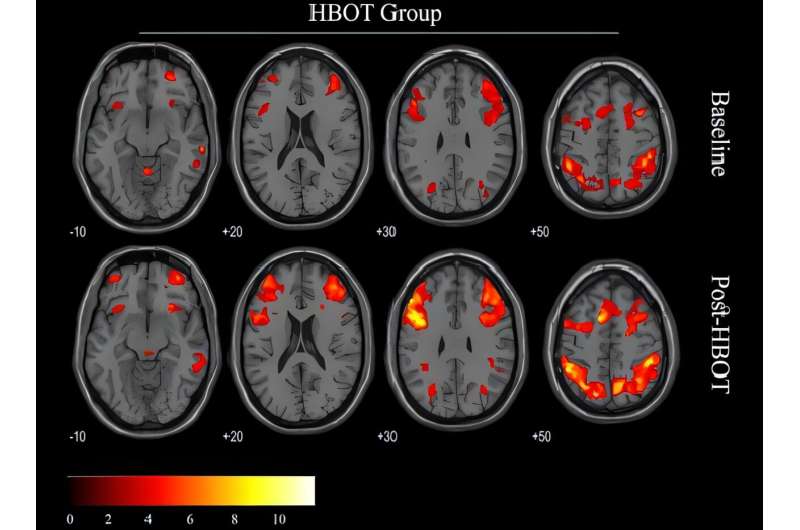
Functional MRI before and after HBOT. Credit: The Shamir Medical Center

Researchers have demonstrated that hyperbaric oxygen therapy (HBOT) improves the condition of PTSD sufferers who have not responded to psychotherapy or psychiatric medications.

Scientists have discovered for the first time a neural mechanism for memory integration that stretches across both time and personal experience. These findings, reported in Nature, demonstrate how memories stored in neural ensembles in the brain are constantly being updated and reorganized with salient information, and represent an important step in deciphering how our memories stay current with the most recently available information.

An international study has found frailty increases a person’s risk of dementia, but early intervention may be the key to prevention.

Neuroscientists have discovered brain cells that form multiple coordinate systems to tell us “where we are” in a sequence of behaviours. The findings help us understand the algorithms used by the brain to flexibly generate complex behaviors, such as planning and reasoning, and might be useful in understanding how such processes go wrong in psychiatric conditions such as schizophrenia.

New research finds that even single bouts of intense exercise can improve cognitive performance in young adults, particularly in memory, attention, and executive functioning. 

By scanning the brains of people while they watched movie clips, neuroscientists have created the most detailed functional map of the brain to date. The fMRI analysis, published in Neuron, shows how different brain networks light up when participants viewed short clips from a range of independent and Hollywood films, including Inception, The Social Network, and Home Alone.

Asthma is associated with memory difficulties in children, and early onset of asthma may exacerbate memory deficits, according to a new study.

Older adults with significant fluctuations in cholesterol levels are at increased risk for dementia and cognitive decline, even without medication changes. Researchers studied nearly 10,000 older adults, tracking their cholesterol levels and cognitive function over six years. High variability in total and LDL (“bad”) cholesterol was associated with a 60% increase in dementia and 23% increase in cognitive decline.

Scientists have successfully reprogrammed astroglia, a type of brain support cell, into neurons that mimic specific interneurons critical for brain function.

Exercise has been shown to improve brain health and reduce the risk of cognitive decline and dementia over the long-term. But engaging in everyday physical activity has immediate benefits for brain health, according to a new study.

A team of researchers has identified a potential biomarker of Parkinson’s disease progression.

New research highlights neuroglia (or glia cells) as critical players in mental health, potentially influencing conditions like depression and schizophrenia. Glia cells, long considered “support cells” in the brain, have now been shown to communicate through unique calcium signaling, impacting neuronal function and stress responses. Studies suggest that compromised astrocyte function, a glial cell type, may relate to depressive symptoms and schizophrenia.

Using deep brain stimulation techniques, neuroscientists are looking for early signals in the brain to help stop seizures.

A study investigated how cannabis use influences metabolomic patterns linked to psychotic-like experiences in adolescents. Blood samples revealed that non-cannabis users showed inflammatory metabolic changes associated with hallucinations, while cannabis users exhibited shifts in energy-related metabolites tied to brain ketogenesis.

Finally this week, a new study links satellite data with brain imaging to reveal how environmental factors like light pollution, green spaces, and urban density affect the mental health and brain development of children.

Weekly Neuroscience Update

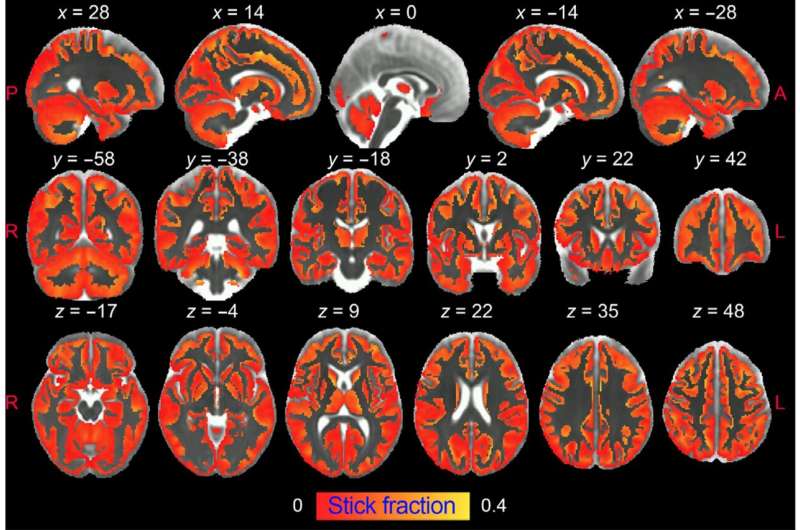
To the left of the figure, the red-yellow color denotes the regions that degenerate earlier than the rest of the brain, and are vulnerable to Alzheimer’s disease. These brain areas are higher-order regions that process and combine information coming from our different senses. To the right of the figure, each dot represents the brain data from one UK Biobank participant. The overall curve shows that, in these particularly fragile regions of the brain, there is accelerated degeneration with age. Credit: G. Douaud and J. Manuello.

In a new study published in Nature Communications, researchers investigated the genetic and modifiable influences on fragile brain regions by looking at the brain scans of 40,000 UK Biobank participants aged over 45.

Scientists have shown for the first time that a type of thinking that has been described for over a century as a developmental milestone of adolescence may grow teenagers’ brains over time.

A team of neurologists, stem cell specialists and molecular biologists affiliated with several institutions in the U.S. and led by a group at Stanford University School of Medicine has found evidence that the root cause of Alzheimer’s disease may be fat buildup in brain cells. The study is published in the journal Nature.

New research highlights the critical role of unique gut bacteria in newborns, producing serotonin to educate immune cells and prevent allergic reactions early in life.

People continuously exposed to bright, artificial light at night may be at increased risk of developing conditions that affect blood flow to the brain and having a stroke, according to research published in Stroke.

Researchers reveal new findings on the complexity of age-related memory decline and neural dedifferentiation, challenging existing theories on cognitive aging.

A new study has found that amyotrophic lateral sclerosis (ALS) and frontotemporal lobar degeneration (FTLD) exhibit strikingly similar cellular and molecular characteristics, despite affecting different brain regions and showing distinct clinical symptoms.

New research reveals how the human brain processes vital signals from the heart and lungs, offering new insights into the complex brain-body integration essential for health and cognition.

In a new study, AI processed text from health histories and neurologic examinations to locate lesions in the brain. The study, which looked specifically at the large language model called generative pre-trained transformer 4 (GPT-4), is published in the online issue of Neurology Clinical Practice.

New research shows that disturbed gut flora during the first years of life is associated with diagnoses such as autism and ADHD later in life.

Bilingualism may serve as a powerful tool against age-related cognitive decline, particularly in social cognition areas such as the theory of mind. A new study demonstrates that early bilingualism leads to beneficial structural changes in the brain, including increased gray matter volume and cortical thickness, which contribute to a stronger cognitive reserve.

In a study published in Nature Mental Health, scientists have found that individuals suffering from chronic musculoskeletal pain (CMP) may face a higher risk of brain aging.

A new analysis involving over 13,000 people has found changes to blood vessels in the brain that can increase the risk of stroke and dementia are common in people with a range of heart conditions, regardless of whether they have experienced a stroke.

A Canadian-led study has identified genes that may be partially responsible for the development of cerebral palsy.

Researchers have introduced a new, refined method for analyzing brain signals, enhancing our understanding of brain functionality. This research has the potential to improve treatments for neurological conditions such as Parkinson’s disease, pain, epilepsy and depression.

A study reveals that Lewy body disease, a major neurodegenerative disorder, may start developing in individuals as early as middle age, well before symptoms manifest.

Researchers have shown that the brain chemical GABA regulates activity in the retina of the eye in autistic and non-autistic individuals differently. Autistic people have larger responses to single light flashes in the retina of the eye and this new study shows that increasing GABA activity can reduce this response.

Finally this week, a study by the University of Sheffield has cast doubt on the efficacy of non-invasive brain stimulation techniques in improving visual working memory.

Weekly Neuroscience Update

Credit: Science Advances (2023). DOI: 10.1126/sciadv.adg3754

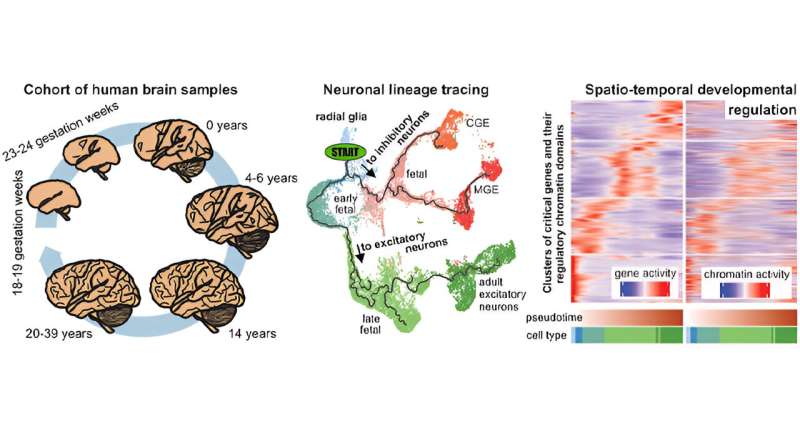
A team of researchers has created the first “multiome” atlas of brain cell development in the human cerebral cortex across six broad developmental time points from fetal development into adulthood, shedding new light on their roles during brain development and disease. “Multiome” refers to the simultaneous analysis of multiple types of genetic information within the same biological sample. They can include the genome, the DNA encoded in our cells; the transcriptome, the RNA copies that the cell makes from the genome; and the epigenome, chemical modifications and regulatory factors that determine the accessibility of chromatin.

Scientists have established how the activity of our brain during imaginary movement differs from that during real action.

A new study reveals ancestries around the world possess a shared genetic architecture for problematic alcohol use (PAU)—habitual heavy drinking, accompanied by harmful consequences. The findings, published in Nature Medicine, could help scientists understand the genetic basis of PAU, a major cause of health problems in many age groups.

Researchers have demonstrated that differences in the gut microbiome are associated with overall cognitive function and brain structure in healthy children.

In an innovative study, researchers have conducted the first systematic investigation of the effects of cognitive fatigue by using two different tasks across three distinct populations: multiple sclerosis, traumatic brain injury, and controls.

A new study details that markers of brain injury are present in the blood many months after COVID-19 infection, despite inflammation blood tests being normal. 

Finally this week, new research investigates the impact of binaural beat (BB) on language skills. BB is a sound that occurs when two slightly mismatched pure tones are heard. There is a growing interest in using BB as a non-invasive neuromodulation to enhance cognitive performance.

Weekly Neuroscience Update

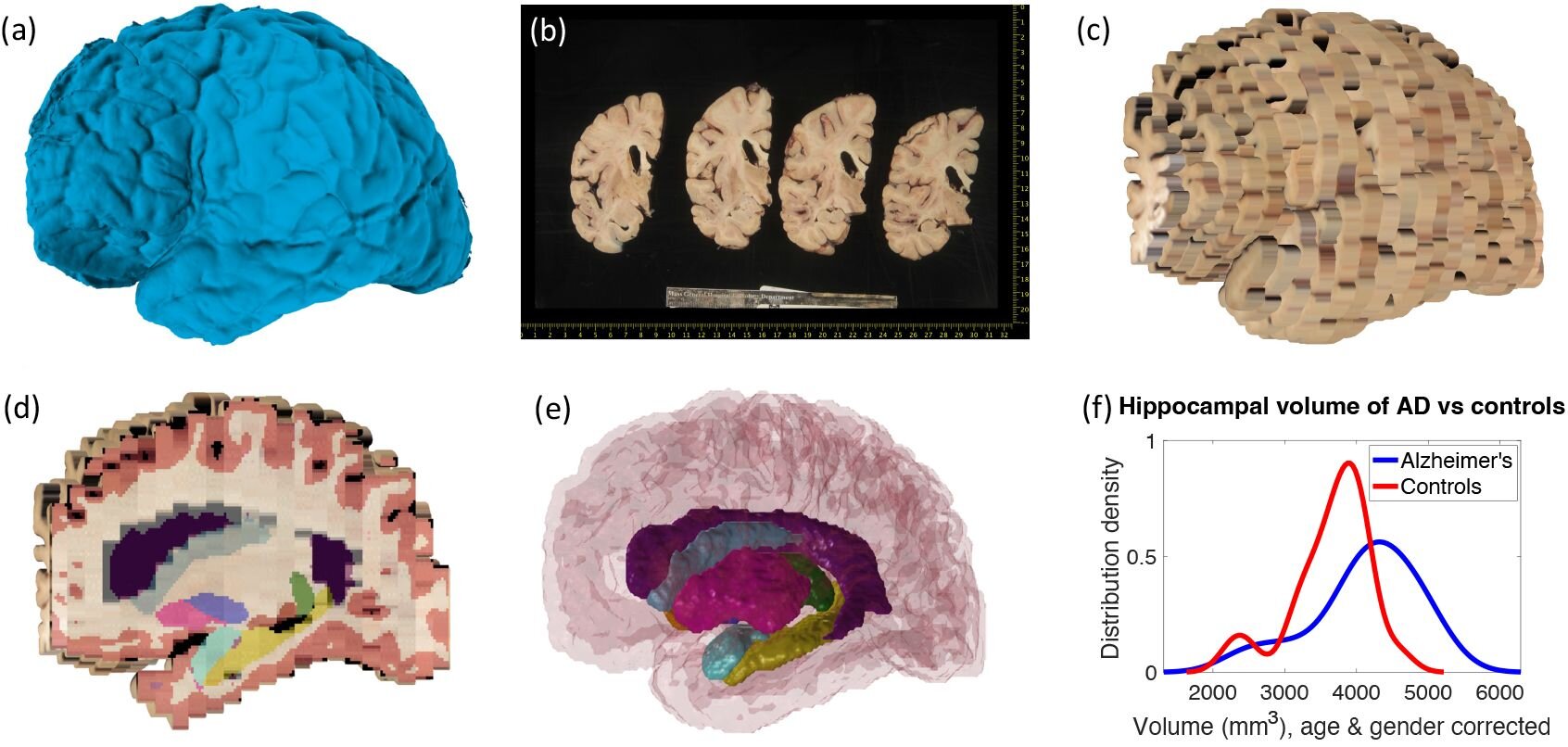
Examples of inputs and outputs from the MADRC dataset. 

Researchers have developed a suite of free tools for analyzing vast amounts of brain dissection photographs at brain banks worldwide to enhance understanding of neurodegenerative diseases.

A new study reveals a strong link between regular physical activity and enhanced brain health. Analyzing MRI scans from 10,125 individuals, researchers found that exercise, even moderate exercise like walking, is associated with increased brain volumes in crucial areas like gray matter, white matter, and the hippocampus. The study underscores exercise’s role in reducing dementia risk and maintaining brain size.

Scientists have discovered that a part of the brain associated with working memory and multisensory integration may also play an important role in how the brain processes social cues.

In a first-of-its-kind study published in Nature, researchers recorded activity from hundreds of individual neurons while participants listened to spoken sentences, giving us an unprecedented view into how the brain analyzes the sounds in words.

A new study has unveiled three distinct cognitive deficits contributing to reading difficulties in individuals with left-sided neglect dyslexia, a condition that often follows a right-hemisphere stroke.

Researchers have unveiled a significant similarity between AI memory processing and human hippocampal functions. This discovery, bridging AI and neuroscience, highlights a parallel in memory consolidation – a process crucial in transforming short-term to long-term memories – in both AI models and the human brain.

A new study highlights the significant role of imagination in evoking empathy and driving prosocial behaviour. 

A so-called pathological protein long associated with Parkinson’s disease has been found in a new study to trigger cells to increase protein synthesis, an event that eventually kills the subset of brain cells that die off in this neurodegenerative condition.

A new study presents a promising treatment for restoring the sense of smell in long-COVID patients.

Researchers have found that amyloid oligomers play a role in speeding up mitochondrial energetics during the early stages of Alzheimer’s, in contrast to what has been previously found in more advanced Alzheimer’s brain tissues. The results are published in Nature Communications.

Research led by the Karolinska Institutet, Sweden, has found an increased risk of cardiovascular disease associated with long-term ADHD medication use.

New research has uncovered a potential early marker for autism in infants: abnormally enlarged perivascular spaces (PVS) in the brain. The study found that infants with enlarged PVS had a 2.2 times greater chance of developing autism compared to those with the same genetic risk. The researchers followed infants with a higher likelihood of autism due to having an older sibling with the condition.

A pilot clinical trial has found electrical stimulation of the spinal cord is feasible, well-tolerated and shows therapeutic potential to treat depression.

Signs of injury to the brain’s white matter called white matter hyperintensities, as seen on brain scans, may be tied more strongly to vascular risk factors, brain shrinkage, and other markers of dementia in former tackle football players than in those who did not play football, according to a study published in Neurology.

Artificial intelligence, coupled with data from an iPad coloring game, could assist in early diagnosis of autism, a new study shows.

A review in the Journal of Internal Medicine explores the potential of non-invasive interventions such as light, sound, and magnets to stimulate gamma brain waves for the treatment of Alzheimer’s disease. Such strategies may be beneficial because Alzheimer’s disease is characterized by reduced fast brain oscillations in the gamma range (30–100 Hz).

Finally this week, researchers have made a significant breakthrough in understanding the genetic basis of anxiety disorders (ADs), which affect over 280 million people globally.

Weekly Neuroscience Update

Credit: Nature Communications (2023). DOI: 10.1038/s41467-023-42088-7

A team of international neuroscientists has obtained the first direct recordings of the human brain in the minutes before and after a brain hub crucial for language meaning was surgically disconnected. The results reveal the importance of brain hubs in neural networks and the remarkable way in which the human brain attempts to compensate when a hub is lost, with immediacy not previously observed.

A new study, published in Cell Reports, describes a novel molecular link between vitamin B12 and multiple sclerosis that takes place in astrocytes—important non-neuronal glial cells in the brain.

Australian researchers have flagged potential concerns over the use of social chatbots, calling for more studies into the impact of AI software on neurodiverse people and those who find human interaction difficult.

An exploratory study has shown that light, regular exercise can improve the cognitive as well as physical health of adults with Down syndrome.

Researchers at Linköping University, Sweden, have examined the brains of 16 patients previously hospitalised for COVID-19 with persisting symptoms. They have found differences in brain tissue structure between patients with persisting symptoms after COVID-19 and healthy people.

Scientists have discovered a new way a ribonucleic acid (RNA) impacts fear-related learning and memory.

Comparing PET scans of more than 90 adults with and without mild cognitive impairment (MCI), researchers say relatively lower levels of the so-called “happiness” chemical, serotonin, in parts of the brain of those with MCI may play a role in memory problems including Alzheimer’s disease.

A new study reveals a significant association between adverse childhood experiences and symptoms of muscle dysmorphia in adolescents and young adults.

Using electrochemical techniques and machine learning, scientists measured dopamine levels in real time during a computer game involving rewards and penalties. The findings shed light on the intricate role of dopamine in human behavior and could have implications for understanding psychiatric and neurological disorders.

Researchers have identified a potential treatment target for a genetic type of epilepsy.

A new study sheds light on the significant role of patients’ beliefs in the effectiveness of neurostimulation treatments for conditions like depression and ADHD. Analyzing five studies, the research team found that patients’ perceptions of receiving real or placebo treatments often had more impact on outcomes than the treatments themselves.

New research has found that smoking causes the brain to shrink and age prematurely, a condition not reversible even after quitting smoking.

Researchers have discovered a key player in alcohol addiction: pituitary adenylate cyclase-activating polypeptide (PACAP). This peptide, found in the “bed nucleus of the stria terminalis” (BNST), is linked to heavy alcohol drinking and withdrawal.

Finally this week, new research reveals that moderate exercise improves cognitive performance even under conditions of sleep deprivation and low oxygen levels.

Weekly Neuroscience Update

Credit: Communications Biology (2023).

Researchers have demonstrated the use of AI-selected natural images and AI-generated synthetic images as neuroscientific tools for probing the visual processing areas of the brain. The goal is to apply a data-driven approach to understand how vision is organized while potentially removing biases that may arise when looking at responses to a more limited set of researcher-selected images.

A first-line therapy for obsessive-compulsive disorder (OCD) reshapes connectivity of the brain, according to a new study

A new analysis of the brain activity of people with post-traumatic stress disorder (PTSD) is the first to reveal that traumatic memories are represented in the brain in an entirely different way than sad autobiographical memories.

Researchers have identified objective evidence of how the neck muscles are involved in primary headaches.

Optimal windows exist for action and perception during the 0.8 seconds of a heartbeat, according to research published in the open-access journal PLOS Biology. The sequence of contraction and relaxation is linked to changes in the motor system and its ability to respond to stimulation, and this could have implications for treatments for depression and stroke that excite nerve cells.

In a new study, researchers say they found high levels of a repair protein present long after a traumatic brain injury such as a concussion takes place.

A new study shows that individuals who report tinnitus, which presents as a ringing in the ears in more than 1 out of 10 adults worldwide, are experiencing auditory nerve loss that is not picked up by conventional hearing tests.

An international study group has identified how three novel genes cause neurodevelopmental disorders.

A new study has demonstrated that a novel treatment is effective in most patients with major depressive symptoms even after multiple failed courses of antidepressant medication. The treatment, repetitive transcranial magnetic stimulation (rTMS), may work even more rapidly than past findings have suggested, starting to alleviate symptoms as quickly as one week.

Finally this week, newborn babies can perceive the beat in music, new research has confirmed. 

Weekly Neuroscience Update

 Credit: Institute for Basic Science

In a groundbreaking review paper published in Nature Reviews Neuroscience, scientists have shed new light on the role of GABA, a key signaling molecule in the brain.

Maternal structured lifestyle interventions during pregnancy based on a Mediterranean diet or mindfulness-based stress reduction (MBSR) improve child neurodevelopmental outcomes at age 2 years, according to a study.

A new study supports widespread use of brain research probes in epilepsy patients.

Researchers who previously developed the first 3D human cell culture models of Alzheimer’s disease (AD) that displays two major hallmarks of the condition—the generation of amyloid beta deposits followed by tau tangles—have now used their model to investigate whether the exercise-induced muscle hormone irisin affects amyloid beta pathology.

Among people with benign recurrent vertigo (BRV), Meniere disease (MD), or vestibular migraine (VM) who have persistent vertigo attacks, there is no change in attack frequency over time, according to a new study.

Researchers have developed a molecular test to identify the presence of brain tumors by measuring abnormal genetic material shed by tumors and circulating in cerebrospinal fluid (CSF). 

A study of twins shows that having a concussion early in life is tied to having lower scores on tests of thinking and memory skills decades later as well as having a more rapid decline in those scores than twins who did not have a concussion, or traumatic brain injury (TBI). 

Scientists have detailed how the activity of tactile neurons in the fingertip in response to an applied force is influenced by the fingertip’s mechanical memory of previous forces.

A paper published in Nature Communications shows that when neurons are given information about the changing world around them (task-related sensory input) it changes how they behave, putting them on edge so that tiny inputs can then set off “avalanches” of brain activity, supporting a theory known as the critical brain hypothesis.

Finally, this week, a new finding published in the journal JAMA Pediatrics, shows that the amount of screen time spent by one-year-olds is associated with developmental delays.

Weekly Neuroscience Update

Credit: Nature (2023)

A new study has identified the link between memory and appetite.

Scientists have made a ‘paradigm shifting’ discovery on the mechanisms required for learning and memory that could lead to new therapies for Alzheimer’s disease and potentially Down syndrome.

Researchers have analyzed which physiological indicators recorded when watching a movie can predict the audience’s assessment. It turned out that the activity of zygomaticus major (the “smiling muscle”), heart rate variability and EEG indicators can tell us most about the viewer’s impression of the movie.

The largest genetic study of its kind has discovered specific changes in our DNA that increase the risk of developing epilepsy.

Researchers found that the skin, not pre-existing genetic programming, instructs nerve cells on how to mature for specific sensory tasks. The findings showcase that skin cues determine whether nerve endings develop to detect sensations in hairy or hairless skin. If corroborated by further research, this discovery could pave the way for therapies to mend damaged nerves or better comprehend congenital neuropathies.

A new study has explored the link between infant birthweight, gestational age and future cognitive problems.

Researchers have successfully developed temporary, organic electrodes that can be seamlessly integrated into biological systems. The method opens up a future where bioelectronics can be implanted in and removed from the body without surgery.

New research shows wildfire smoke impacts on the brain.

A new study has found that, among a sample of 152 young athletes exposed to repetitive head impacts (RHI) who were under age 30 at the time of death, 41.4% (63) had neuropathological evidence of CTE, a degenerative brain disease caused by RHI.

New research supports the idea that the brains of older adults who maintain physical fitness by engaging in regular strenuous exercise more closely resemble those of younger adults.

Researchers have succeeded in transforming brain signals into audible speech. By decoding signals from the brain through a combination of implants and AI, they were able to predict the words people wanted to say with an accuracy of 92 to 100%. Their findings are published in the Journal of Neural Engineering.

Finally this week, a virtual reality study has revealed a link between a sense of presence and cognitive abilities.

Weekly Neuroscience Update

Researchers from the UMH-CSIC Neurosciences Institute have developed an innovative strategy that allows imaging of microglial and astrocyte activation in the gray matter of the brain using diffusion-weighted magnetic resonance imaging (dw-MRI). Credit: IN-CSIC-UMH

Research has made it possible to visualize for the first time and in great detail brain inflammation using diffusion-weighted Magnetic Resonance Imaging. This detailed “X-ray” of inflammation cannot be obtained with conventional MRI, but requires data acquisition sequences and special mathematical models. Once the method was developed, the researchers were able to quantify the alterations in the morphology of the different cell populations involved in the inflammatory process in the brain.

A new study conducted at 38 schools in Barcelona suggests that traffic noise at schools has a detrimental effect on the development of working memory and attention in primary-school students.

People who can frequently recall their dreams tend to be more creative and exhibit increased functional connectivity in a key brain network, according to new research published in the journal Nature and Science of Sleep. The findings provide new insights into the neurophysiological correlates of dreaming.

Researchers have identified elevated levels of a biomarker in the blood that persists for months in long COVID patients who experience neuropsychiatric symptoms.

Plenty of people claim they can’t function without their morning coffee, but is there a neurological basis to it? A study published in Scientific Reports suggests that coffee does have beneficial effects on cognitive function, and it may do this by reorganizing brain functional connectivity.

Low exposure to gonadal hormones during early gestation and infancy predicts higher recalled childhood gender nonconformity in men, according to new research.

Researchers at Carnegie Mellon University have explored the regions of the brain where concrete and abstract concepts materialize. A new study now explores if people who grow up in different cultures and speak different languages form these concepts in the same regions of the brain.

Finally this week, new research will explore how psilocybin affects specific brain pathways in autistic adults and is the first-ever mechanistic study of psilocybin in autistic adults.

Weekly Neuroscience Update

Is music really a “universal language”? Two articles in Science support the idea that music all around the globe shares important commonalities, despite many differences.

Researchers studying six adults who had one of their brain hemispheres removed during childhood to reduce epileptic seizures found that the remaining half of the brain formed unusually strong connections between different functional brain networks, which potentially help the body to function as if the brain were intact. 

Excessive exposure to certain antibiotics can predispose a person to Parkinson’s disease, with a delay of onset of up to 15 years.

Findings debunk the common theory that attention is the only cognitive function affected by sleep deprivation. Lack of sleep also hinders a person’s ability to complete activities that require following multiple steps.

A new study reveals how the insular cortex helps assess and predict physiological states of the body. The findings shed light on the neural basis for interoception.

Finally this week, neuroscientists have discovered how the listening brain scans speech to break it down into syllables. The findings provide for the first time a neural basis for the fundamental atoms of language and insights into our perception of the rhythmic poetry of speech.