Weekly Neuroscience Update

 Credit: Radiological Society of North America

Low-level light therapy appears to affect healing in the brains of people who suffered significant brain injuries, according to a study published in Radiology.

An international team of clinicians and neuroscientists has published a new perspective on the process of neurodegeneration. Their findings review evidence for a mechanism upstream of amyloid including the key neurochemical driving this process.

A new study reveals the brain mechanisms behind speech impairment in Parkinson’s disease.

Researchers designed and implanted a transparent window in the skull of a patient, then used functional ultrasound imaging to collect high-resolution brain imaging data through the window. Their preliminary findings, published in Science Translational Medicine, suggest that this sensitive, non-invasive approach could open new avenues for patient monitoring and clinical research, as well as broader studies of how the brain functions.

New research finds that reports of cognitive decline from patients and their partners are linked to the accumulation of tau tangles, a hallmark of Alzheimer’s disease.

A new study finds a link between a diet high in ultra-processed foods and an increased risk of cognitive impairment and stroke. This association was particularly pronounced among Black participants. While more research is needed, the findings highlight the potential impact of food processing on brain health.

New research has found a distinct relationship between sleep duration, social media usage, and brain activation across brain regions that are key for executive control and reward processing.

For patients with chronic migraine, nerve decompression surgery effectively reduces the number of headache days—the outcome measure preferred by neurologists—along with other measures including the frequency and intensity of migraine attacks, reports a study in the June issue of Plastic and Reconstructive Surgery.

A new study uncovers a key biological process targeted by SSRIs, suggesting new clinical applications.

Researchers have reported that patients with Parkinson’s disease exhibiting sympathetic denervation in the major salivary glands and the heart tend to have more advanced non-motor symptoms as they age, suggesting that age plays an important role in disease progression.

An international study, published in Nature Communications, may facilitate the creation of new personalized treatments for people diagnosed with schizophrenia. 

A World Health Organization-commissioned systematic review finds that radio wave exposure from mobile phones does not affect learning, memory, attention span and other cognitive functions like coordination.

Researchers have leveraged the power of artificial intelligence analytical models to match a patient’s medical history to the most effective antidepressant, allowing patients to find symptom relief sooner.

A new study finds a strong association between teen cannabis use and a significantly increased risk of developing psychotic disorders. This risk appears to be age-dependent, with adolescents being particularly vulnerable to the effects of cannabis on their developing brains. While further research is needed, these findings raise concerns about early cannabis use and highlight the importance of prevention strategies.

Does sleep clear more toxins from the brain than when we’re awake? The latest research casts doubt on the theory.

A new study finds that urolithin A, a substance found in pomegranates, can improve memory and may help treat Alzheimer’s disease. This natural compound works by removing damaged mitochondria from the brain, similar to the effects of NAD supplements. While dosage is still being determined, this discovery offers promising potential for treating and preventing neurodegenerative diseases.

Finally this week, our willingness to help others is governed by a specific brain region pinpointed by researchers in a study of patients with brain damage to that region.

Weekly Neuroscience Update

Variant definition, splitting and classification as border or ectopic. Credit: Nature Neuroscience (2024)

A new study has revealed brain differences that may explain why humans demonstrate a variety of cognitive abilities and behaviors. The research shows that two forms of individual differences may predict cognitive abilities, explain behavioral differences and even pinpoint biomarkers of brain disease.

A team of neuroscientists has found that so-called superagers maintain memory as they grow older because they do not experience a decline in the integrity of their white brain matter.

Researchers have developed an artificial intelligence technique that can effectively estimate an individual’s brain age based on electroencephalogram (EEG) brain scans. The technology could help to make early, regular screening for degenerative brain diseases more accessible.

A simple blood test could allow doctors to determine whether a person may be at higher risk for stroke or cognitive decline during their lifetime, according to a new study.

A brief episode of anger triggered by remembering past experiences may negatively impact the blood vessels’ ability to relax, which is essential for proper blood flow, according to new research published in the Journal of the American Heart Association.

Using neuroimaging, researchers have identified a brain network crucial to human consciousness. 

An individual’s experience of pain from medical treatment can be heightened by witnessing other people’s responses to the same treatment, with this negative experience subsequently spreading to others, scientists have discovered.

Listening to music benefits older adults’ cognitive health, even if it’s music they haven’t heard before or don’t enjoy very much, according to a new study.

Researchers have found a way to better control the preclinical generation of key neurons depleted in Parkinson’s disease, pointing toward a new approach for a disease with no cure and few effective treatments.

An international research team led by Karolinska Institutet has mapped the early genetic development of the brain and can now present an atlas of embryonic development between weeks 6 and 13.

Researchers have identified a key mechanism in brain stem cells that prevents identity conflicts during gene expression. This mechanism allows the cells to retain stemness while being primed for neuronal differentiation. The discovery includes finding that keeping neuronal gene messengers within the nucleus, while allowing stem cell gene messengers to be translated, avoids premature differentiation.

A new study demonstrates the potential of virtual reality in treating major depressive disorder.

Exercise prompts muscles to release molecular cargo that boosts brain cell function and connection, but the process is not well understood. Now new research has found that the nerves that tell muscles to move also prompt them to release more of the brain-boosting factors.

A pattern of brain activity that helps prevent us from getting lost has been identified in a new study, published in Nature Human Behaviour.

A new study highlights a novel mechanism of brain plasticity involving chondroitin sulfate clusters outside nerve cells. Researchers identified these cartilage-like structures as crucial for the brain’s ability to adapt and store information.

Finally this week, a new computer model may have cracked the code on helpful memory cues.

Weekly Neuroscience Update

Credit: eLife (2024)

Exposure to higher levels of light can help people feel more awake and increase cognitive performance, probably by influencing the activity of parts of a brain region called the hypothalamus, according to new research.

Researchers have developed a new tool to better understand how chemicals like dopamine and epinephrine interact with neurons.

Bursts of brain rhythms with “beta” frequencies control where and when neurons in the cortex process sensory information and plan responses. Studying these bursts would improve understanding of cognition and clinical disorders, researchers argue in a new review.

Why do we move slower the older we get? A new study delivers answers.

People with a history of cognitively stimulating occupations during their 30s, 40s, 50s, and 60s had a lower risk of mild cognitive impairment (MCI) and dementia after age 70, according to a new study. The findings highlight the importance of cognitive stimulation during midlife for maintaining cognitive function in old age.

An inpatient, epilepsy-related rehabilitation program shows lasting effects on several aspects of adaptation to epilepsy and quality of life, according to a study published in the journal Epilepsia.

A recent study reveals that high body mass index (BMI) is associated with changes in physiological brain pulsations. These pulsations play a crucial role in maintaining brain fluid circulation and the clearance of metabolic waste from the brain.

Researchers have discovered that a high single dose of dietary supplement creatine can temporarily improve cognitive performance that is reduced by sleep deprivation.

Engaging in conversation with others can activate various brain functions in socially isolated older adults, even if the interactions occur via the internet. This finding comes from a recent clinical trial conducted by Massachusetts General Hospital, with the results published in The Gerontologist.

A new study suggests a common brain network exists between heart rate deceleration and depression.

Neuroscientists have revealed that recency bias in working memory naturally leads to central tendency bias, the phenomenon where people’s (and animals’) judgements are biased towards the average of previous observations. Their findings may hint at why the phenomenon is so ubiquitous.

A new study has found that a brain network condition called “explosive synchronization” could be the cause of extreme pain crises in people with sickle cell disease.

Researchers have developed tiny, flexible devices that can wrap around individual nerve fibers without damaging them. These devices could be used for the diagnosis and treatment of a range of disorders, including epilepsy and chronic pain, or the control of prosthetic limbs.

Scientists have discovered the mechanism that allows adult brain stem cells to express genes that maintain their identity and those for neuronal differentiation without conflicts in cellular activity.

A new study aims to examine the role of napping in brain development among infants and preschoolers. By tracking changes in the hippocampus, the research aims to prove how critical naps are for memory retention and brain growth in young children.

Finally this week, neuroscientists have confirmed that different strategies are employed when choosing between primary and secondary rewards, with impulsivity being a key factor.

Decoding Social Behaviour: The Neurotransmitter Perspective

This video examines the vital role of dopamine and serotonin in influencing our social behavior, featuring a groundbreaking study with Parkinson’s disease patients undergoing awake brain surgery.

Directed by computational neuroscientist Read Montague and a global team, the study reveals the complex interplay of neurotransmitters that shape our decision-making in social situations. By studying the role of dopamine and serotonin, we can gain a deeper understanding of the biochemical processes that influence our social behavior.

The insights gained from this study could lead to advancements in the treatment of neurological conditions like Parkinson’s disease. For instance, understanding how these neurotransmitters affect decision-making could help in developing more targeted therapies.

The research could also have significant implications for psychiatric conditions. Many psychiatric disorders, such as depression and anxiety, are linked to imbalances in neurotransmitters like dopamine and serotonin. A better understanding of these processes could lead to improved treatments.

Weekly Neuroscience Update

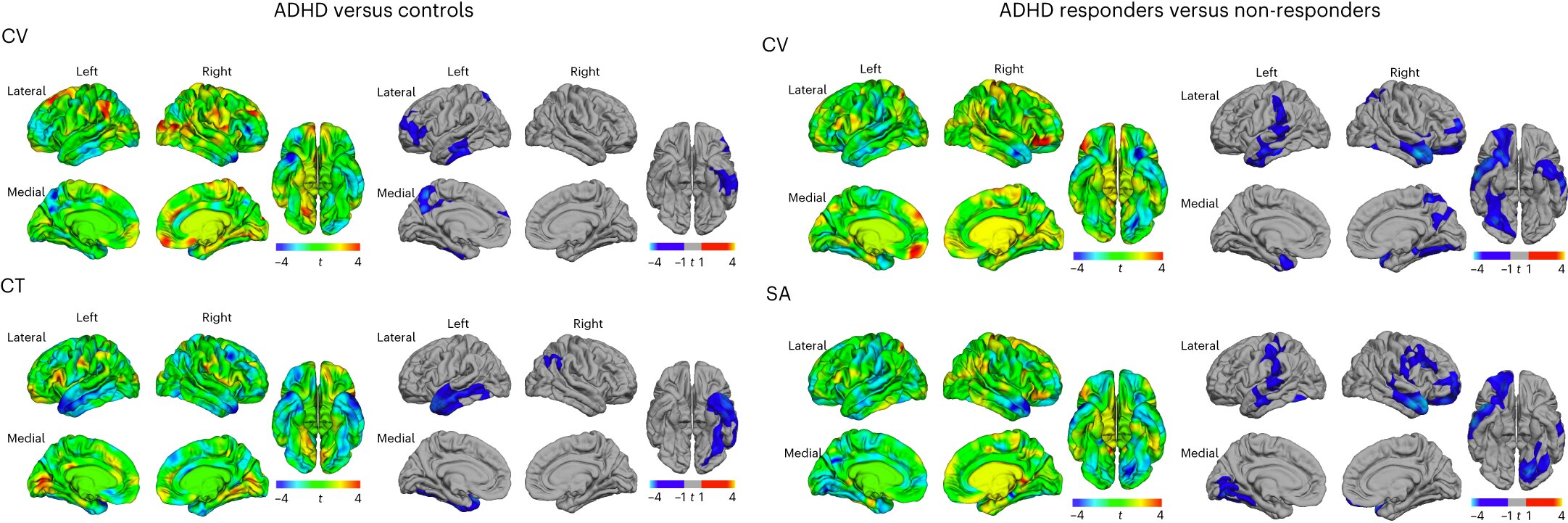
Vertex-wise comparisons between ADHD (N = 60) and controls (N = 23), and between ADHD responders (N = 42) and non-responders (N = 18). Credit: Nature Mental Health (2024).

New research has found that the effectiveness of ADHD medication may be associated with an individual’s neuroanatomy.

Although there are still some aspects pending confirmation for its use in the clinical setting, and its resolution needs to be improved slightly, a new study has shown that a method routinely used to carry out ophthalmological tests can also be used to monitor the neurodegeneration that occurs in Parkinson’s patients.

Scientists have uncovered a mechanism in the brain that allows cocaine and morphine to take over natural reward processing systems.

New research has identified a specific pattern of autoantibodies in the blood that precedes the clinical onset of multiple sclerosis (MS), potentially paving the way for early diagnosis and treatment. Their study found that 10% of MS patients displayed a unique set of autoantibodies against both human proteins and common pathogens like the Epstein-Barr Virus years before showing symptoms.

Researchers have identified a promising new approach to treating persistent neurological symptoms associated with Lyme disease.

A new study investigates why everyday actions like locking a door are often forgotten. The study revealed that while emotionally charged or unique events are initially memorable, even these can fade within 24 hours, particularly positive experiences. This research provides insight into the selective nature of memory and suggests that our brains prioritize and even forget information to manage cognitive load.

Managing a stroke patient’s blood sugar levels after they receive powerful clot-busting drugs might help them survive their health crisis, a new trial finds.

Researchers have created a thin film that combines an electrode grid and LEDs that can both track and produce a visual representation of the brain’s activity in real time during surgery. The device is designed to provide neurosurgeons with visual information about a patient’s brain to monitor brain states during surgical interventions to remove brain lesions including tumors and epileptic tissue.

A new study identifies a new metric for diagnosing autism.

New research has found a significant association between participating in low to moderate intensity exercise and reduced rates of depression.  However, this was not strongly observed for high-intensity exercise. Physical activity was also significantly associated with reduced risk of severe mental health conditions, including a reduction in psychosis/schizophrenia by 27%.

An international collaborative research team has discovered a novel mechanism underlying memory involving rapid changes in a specific DNA structure.

People who take acid-reducing drugs may have a higher risk of migraine and other severe headache than people who do not take these medications, according to a study published in the online issue of Neurology Clinical Practice

Finally this week, new research has highlighted the profound link between dietary choices and brain health.

Weekly Neuroscience Update

Eye movements associated with blinks and their consequences on luminance transients. (A) Distributions of blink-induced gaze displacements. Data represent the offsets in horizontal (top) and vertical eye position (bottom) between the times at which the eyelid starts moving and its return to normal opening. (B) Contributions of eye movements to the strength of the luminance modulations caused by blinks. Credit: Proceedings of the National Academy of Sciences

Scientists at the University of Rochester, in the U.S., have found that eye blinking does more than simply wet the eyes—it also helps to keep vision sharp by maintaining the strength of visual signals.

A new study investigates the brain’s mechanisms behind deep focus. The research employs fMRI to explore low-frequency fluctuations in brain networks during focused and less-focused states. The team discovered that certain brain networks synchronize and desynchronize, affecting an individual’s ability to maintain attention. This insight into the dynamic nature of brain activity could lead to better strategies for enhancing focus and attention in various cognitive tasks.

New research indicates that physical activity lowers cardiovascular disease risk in part by reducing stress-related signaling in the brain.

Researchers released new findings on how sex and gender influence cognitive abilities. The research found that while spatial cognition correlates more with biological factors such as sex at birth and hormones, verbal cognition is more influenced by sociocultural factors like gender identity.

Scientists have published a study in Neuron that identified two types of interneurons, the inhibitory neurons of the brain, as instructors of a key developmental process in the brain.

A new study involving jazz guitarists has explored the brain processes that enable creative flow. The research reveals that achieving flow requires a solid foundation of expertise, after which one must learn to relax conscious control to allow creativity to flourish.

Researchers have developed a groundbreaking approach using Diffusion MRI to explore the brain structures of individuals with autism spectrum disorder (ASD).

A new study emphasizes the importance of brain rhythms in understanding cognition. The research explores how rhythmic electrical fields, generated by neurons, influence and align neighboring neurons, enhancing cognitive function.

The harder your brain works at your job, the less likely you may be to have memory and thinking problems later in life, according to a new study published in Neurology.

Researchers have shed light on how individuals with treatment-resistant depression (TRD) process emotions differently due to abnormalities in the amygdala and prefrontal cortex. By using stereotactic electroencephalography (sEEG), they were able to observe how these brain regions react to positive and negative stimuli, revealing a significant imbalance in emotional processing.

A new study offers new insight into the development of the human forebrain.

Researchers have linked a region in the brain to how humans redirect thoughts and attention when distracted. The connection is important because it offers insights into the cognitive and behavioral side effects of a technique being used to treat patients with Parkinson’s disease.

Finally this week, some people with tough-to-treat epilepsy might benefit if doctors target a brain region newly linked to the disorder, a new study suggests.

Weekly Neuroscience Update

The proposed neural speech decoding framework. Credit: Nature Machine Intelligence (2024)

Scientists have been working on neural speech prostheses, special devices that can help people who have trouble speaking by translating brain activity into speech.

New research findings provide a novel understanding of how the human brain regulates emotions, distinguishing between emotion generation and regulation. By analyzing fMRI studies, researchers identified specific brain regions, including areas of the anterior prefrontal cortex, that are key to emotion regulation.

The sense of smell is highly influenced by the cues from other senses, while the sense of sight and hearing are affected to a much lesser extent, shows a new study in Journal of Neuroscience.

Researchers have uncovered a previously unknown source of two key brain waves crucial for deep sleep: slow waves and sleep spindles. Traditionally believed to originate from one brain circuit linking the thalamus and cortex, the team’s findings, published in Scientific Reports, suggest that the axons in memory centers of the hippocampus play a role.

Earlier menopause combined with a higher risk of cardiovascular disease is linked to an increased risk of thinking and memory problems later, according to new research.

A noninvasive brain stimulation treatment improved depression and anxiety symptoms among older adults in a new study. The findings, published in the journal Brain Stimulation, suggest the treatment, known as transcranial direct current stimulation, or tDCS, holds promise as a noninvasive, drug-free option to treat depression and anxiety symptoms, which affect 1 in 4 older adults.

A new study explores the influence of personalized music on cognitive arousal and performance.

Finally this week, new research has found human brains are getting larger. Study participants born in the 1970s had 6.6% larger brain volumes and almost 15% larger brain surface area than those born in the 1930s.

Weekly Neuroscience Update

Three experiments to test how dopamine affects cognitive performance during acute exercise. Credit: The Journal of Physiology (2024)

A study exploring the mechanisms behind why cognitive performance improves in response to exercise, has found that dopamine plays a key role.

Researchers have discovered that children with autism spectrum disorders (ASD) develop distinct attentional preferences compared to typically developing children, focusing more on non-social stimuli like objects and textures.

Brain structure predicts treatment response to antidepressant and placebo medications, according to a new study.

Recent research contrasts the learning mechanisms of the human brain with those of deep learning in AI. Despite having fewer layers and slower, noisier dynamics, the brain can perform complex classification tasks as effectively as AI with hundreds of layers.

A new study uncovers a unique aspect of human memory: our ability to recall events is sharper after experiencing negative emotions.

A major clinical trial has shown that by using MRI and tracking to guide the delivery of magnetic stimulation to the brains of people with severe depression, patients will see their symptoms ease for at least six months, which could vastly improve their quality of life.

New research reveals that coming off antidepressants like Prozac can cause not only physical symptoms but also emotional, cognitive, and social difficulties.

Through transcriptomic profiling of more than 300,000 cells in human substantia nigra, a part of the brain that helps control the body’s movements, a research team has identified a previously unreported neuron type with vulnerability in Parkinson’s disease. This novel finding could help explain the complexity of the disease symptoms and direct new therapeutics development.

Researchers have found evidence suggesting that children exposed to elevated levels of early life adversity exhibit an accelerated pattern of brain development during the preschool years.

New research for the first time reveals the function of a little-understood junction between cells in the brain that could have important treatment implications for conditions ranging from multiple sclerosis to Alzheimer’s disease, to a type of brain cancer known as glioma.

Finally this week, a third major study finds that multivitamin supplements improve memory and slow cognitive aging in older adults.

Weekly Neuroscience Update

Credit: Neuron (2023)

Researchers carried out a study exploring the impact of context on goal-directed decision-making. Their findings, published in Neuron, suggest that goal-seeking ‘compresses’ spatial maps in the hippocampus and orbitofrontal cortices in the brain.

Learning a second language strengthens neural connections in the language network, a new study shows.

A recent review highlights significant advancements in wearable electroencephalogram (EEG) technologies for non-invasive brain-computer interfaces (BCIs). This review is particularly valuable for researchers and clinicians new to BCI applications, offering insights into mainstream wearable non-invasive BCIs and the latest research reports.

New research may create some respite for patients of two medically unexplained fatigue-inducing conditions: myalgic encephalomyelitis/chronic fatigue syndrome (ME/CFS) and fibromyalgia (FM).

A new study has found that people with obesity who underwent bariatric surgery had stable cognition two years later suggesting that bariatric surgery may mitigate the natural history of cognitive decline expected in people with obesity.

New research has found an association between a reduction in gray matter in the brain and early-onset psychosis.

Researchers have discovered that a protein called phosphorylated α-synuclein, which is associated with several neurodegenerative diseases such as Parkinson’s disease and Lewy body dementia, is also involved in the normal processes of how neurons communicate with each other in a healthy brain.

Adults with posttraumatic stress disorder (PTSD) have smaller cerebellums, according to new research from a brain imaging study.

A recent study published in Molecular Psychiatry has identified previously unknown alterations in neural connectivity that promote psychomotor disturbance—a slowing or reduction in movement—in individuals with major depressive disorder.

Finally this week, new research explores the potential of aesthetic chills, intense emotional responses characterized by shivers and goosebumps, as a novel intervention for depression.

Weekly Neuroscience Update

Examples of inputs and outputs from the MADRC dataset. 

Researchers have developed a suite of free tools for analyzing vast amounts of brain dissection photographs at brain banks worldwide to enhance understanding of neurodegenerative diseases.

A new study reveals a strong link between regular physical activity and enhanced brain health. Analyzing MRI scans from 10,125 individuals, researchers found that exercise, even moderate exercise like walking, is associated with increased brain volumes in crucial areas like gray matter, white matter, and the hippocampus. The study underscores exercise’s role in reducing dementia risk and maintaining brain size.

Scientists have discovered that a part of the brain associated with working memory and multisensory integration may also play an important role in how the brain processes social cues.

In a first-of-its-kind study published in Nature, researchers recorded activity from hundreds of individual neurons while participants listened to spoken sentences, giving us an unprecedented view into how the brain analyzes the sounds in words.

A new study has unveiled three distinct cognitive deficits contributing to reading difficulties in individuals with left-sided neglect dyslexia, a condition that often follows a right-hemisphere stroke.

Researchers have unveiled a significant similarity between AI memory processing and human hippocampal functions. This discovery, bridging AI and neuroscience, highlights a parallel in memory consolidation – a process crucial in transforming short-term to long-term memories – in both AI models and the human brain.

A new study highlights the significant role of imagination in evoking empathy and driving prosocial behaviour. 

A so-called pathological protein long associated with Parkinson’s disease has been found in a new study to trigger cells to increase protein synthesis, an event that eventually kills the subset of brain cells that die off in this neurodegenerative condition.

A new study presents a promising treatment for restoring the sense of smell in long-COVID patients.

Researchers have found that amyloid oligomers play a role in speeding up mitochondrial energetics during the early stages of Alzheimer’s, in contrast to what has been previously found in more advanced Alzheimer’s brain tissues. The results are published in Nature Communications.

Research led by the Karolinska Institutet, Sweden, has found an increased risk of cardiovascular disease associated with long-term ADHD medication use.

New research has uncovered a potential early marker for autism in infants: abnormally enlarged perivascular spaces (PVS) in the brain. The study found that infants with enlarged PVS had a 2.2 times greater chance of developing autism compared to those with the same genetic risk. The researchers followed infants with a higher likelihood of autism due to having an older sibling with the condition.

A pilot clinical trial has found electrical stimulation of the spinal cord is feasible, well-tolerated and shows therapeutic potential to treat depression.

Signs of injury to the brain’s white matter called white matter hyperintensities, as seen on brain scans, may be tied more strongly to vascular risk factors, brain shrinkage, and other markers of dementia in former tackle football players than in those who did not play football, according to a study published in Neurology.

Artificial intelligence, coupled with data from an iPad coloring game, could assist in early diagnosis of autism, a new study shows.

A review in the Journal of Internal Medicine explores the potential of non-invasive interventions such as light, sound, and magnets to stimulate gamma brain waves for the treatment of Alzheimer’s disease. Such strategies may be beneficial because Alzheimer’s disease is characterized by reduced fast brain oscillations in the gamma range (30–100 Hz).

Finally this week, researchers have made a significant breakthrough in understanding the genetic basis of anxiety disorders (ADs), which affect over 280 million people globally.