Weekly Neuroscience Update

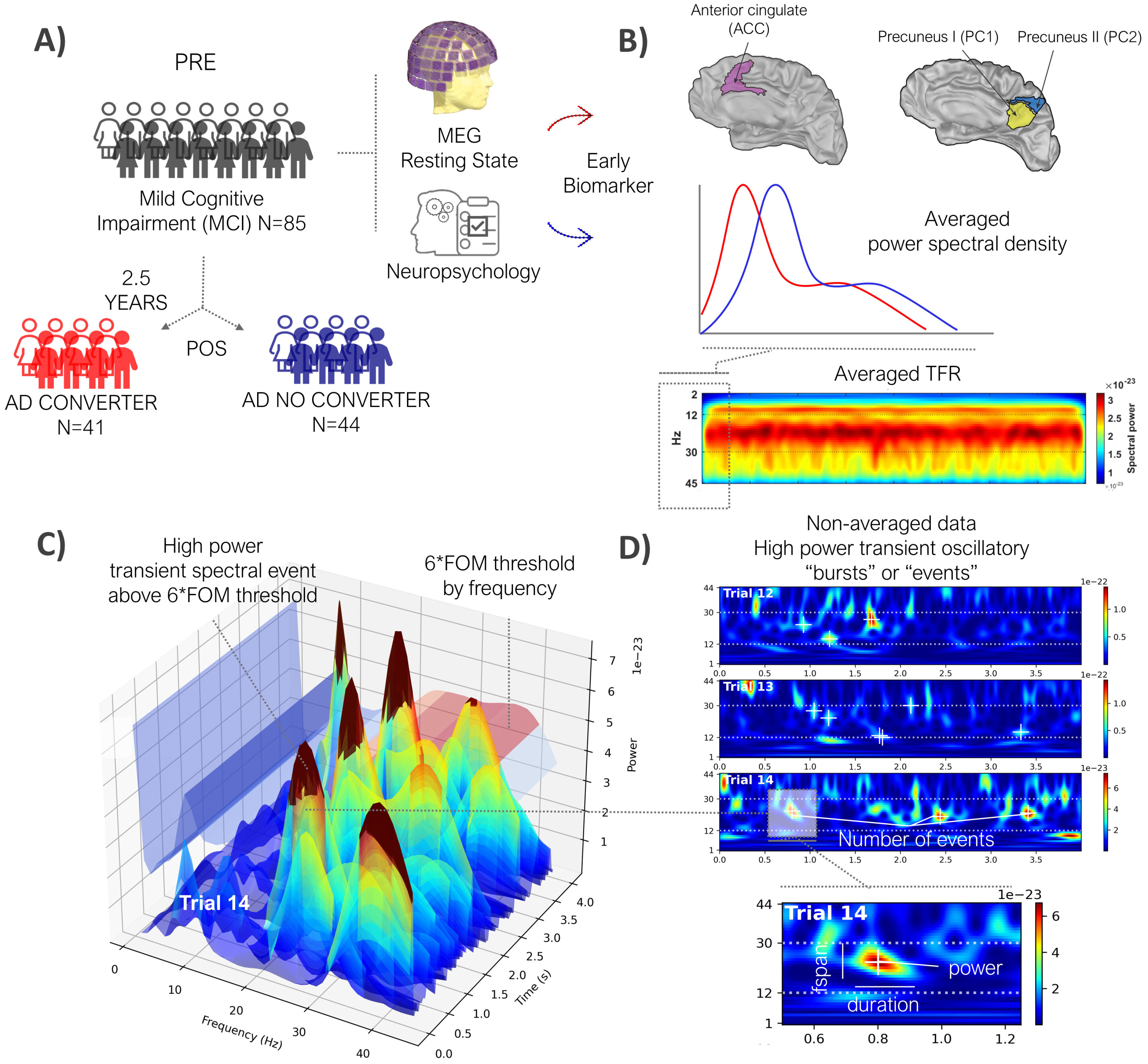
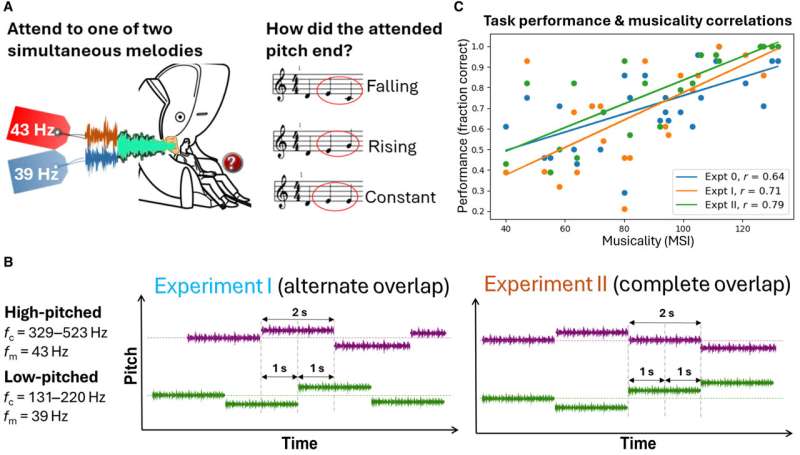
A) Illustration of the experimental design. B) Averaged power spectra and time–frequency representations (TFR) were extracted from two regions of interest. Credit: Imaging Neuroscience (2025)

Using a custom-built tool to analyze the electrical activity from neurons, researchers have identified a brain-based biomarker that could be used to predict whether mild cognitive impairment will develop into Alzheimer’s disease.

New research reveals neurocognitive correlates of testosterone in young men that shape generosity and self-worth.

By understanding differences in how people’s brains are wired, clinicians may be able to predict who would benefit from a self-guided anxiety care app, according to a new analysis from a clinical trial led by Weill Cornell Medicine and NewYork-Presbyterian investigators.

Novel imaging research indicates that young adults with a higher genetic risk for depression showed less brain activity in several areas when responding to rewards and punishments.

A new study reveals that long-term adaptive cycling can measurably reshape brain signals in people with Parkinson’s Disease, offering clues into how exercise relieves motor symptoms. Researchers used deep brain stimulation (DBS) implants to track neural activity before and after 12 sessions of dynamic cycling.

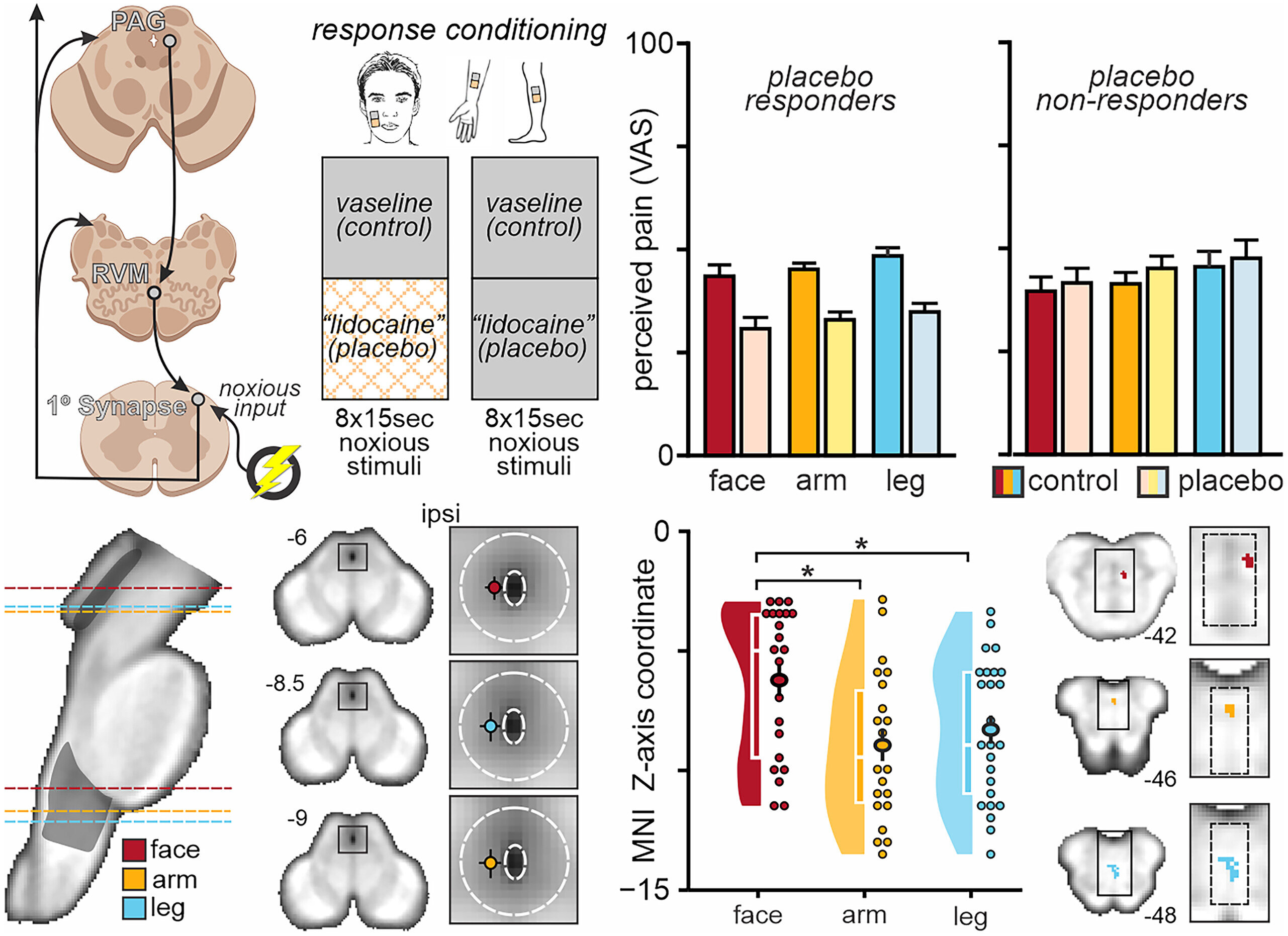
Scientists bring us closer to understanding how the body detects different sensations such as pain, itch, and touch.

A recent genetic study has identified neurological mechanisms as key drivers of chronic cough. The findings significantly advance our biological understanding of the condition, shedding light on potential avenues for new treatments.

A large-scale analysis of health records reveals that subtle signs of multiple sclerosis (MS) may appear more than a decade before diagnosis.

In a discovery that could guide the development of next-generation antidepressants and antipsychotic medications, researchers have developed new insights into how a critical brain receptor works at the molecular level and why that matters for mental health treatments.

Finally, this week, new research has found stress-controlling brain cells switch on and off in a steady rhythm about once every hour—even when nothing stressful is happening.

Weekly Neuroscience Update

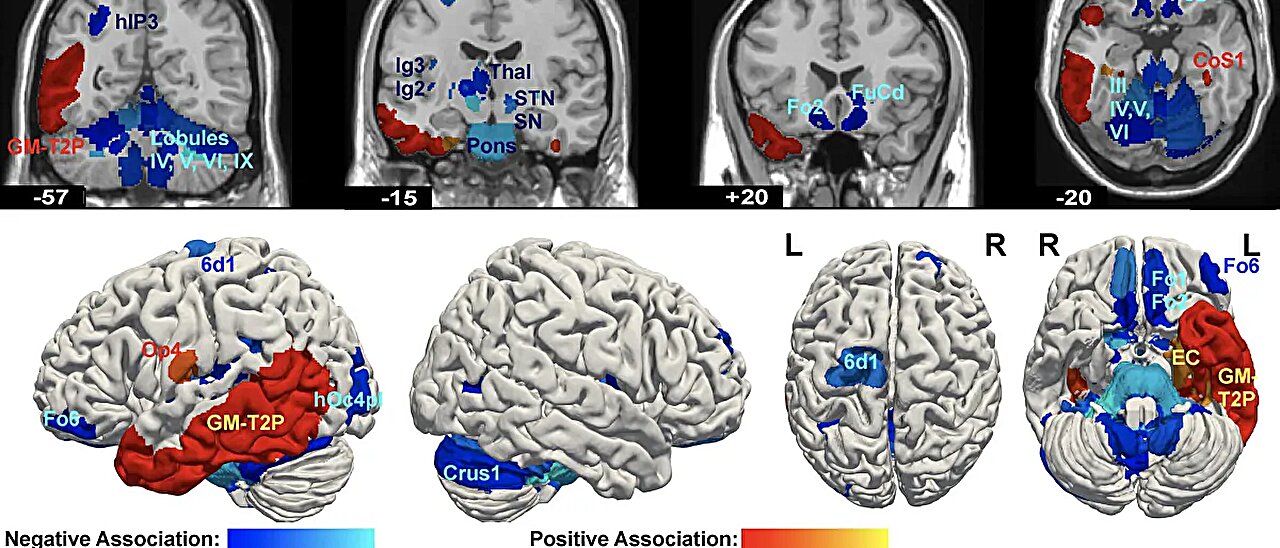
Coloured regions show where brain volume was associated with deviant lifestyle and antisocial behavior in individuals with psychopathic traits. Credit: European Archives of Psychiatry and Clinical Neuroscience (2025).

A recent study has shed light on the brain structure differences associated with psychopathy—a condition known to be one of the strongest predictors of persistent violent behaviour. The findings are published in the journal European Archives of Psychiatry and Clinical Neuroscience.

Researchers are using a new approach to brain imaging that could improve how drugs are prescribed to treat Parkinson’s disease.

An analysis of over 375 trials shows that structured exercise significantly reduces depression and anxiety in children and teens. Low-intensity resistance activities like light weights were most effective for easing anxiety, while moderate mixed-mode programmes worked best for depression, especially when lasting under 12 weeks.

A new technology that uses clinical MRI machines to image metabolic activity in the brain could give researchers and clinicians unique insight into brain function and disease.

Diets rich in phosphate additives, commonly found in processed foods, can increase blood pressure by triggering a brain signaling pathway and overactivating the sympathetic nervous system that regulates cardiovascular function, UT Southwestern researchers discovered. Their findings could lead to treatment strategies for patients with hypertension caused by overconsumption of foods containing high levels of phosphates.

The long-standing belief that left-handed people are more creative has been challenged by a new meta-analysis of over a century of research. 

New research proposes a unified theory of brain function based on criticality—a state where the brain teeters between order and chaos, allowing it to learn, adapt, and process information optimally. When the brain strays from this delicate balance, cognitive performance weakens, and neurological disorders such as Alzheimer’s may begin to take hold.

A drug used for Parkinson’s disease has been shown to be effective in reducing the symptoms of difficult to treat depression, according to a study led by the University of Oxford.

A recent study shows that older adults may compensate for age-related cognitive decline by enhancing activity in a specific brain region linked to attention—the locus coeruleus (LC). In a brain imaging study, older participants showed stronger LC responses when interpreting ambiguous facial expressions, compared to younger adults.

Individuals with versus those without tinnitus have significantly lower scores on cognitive function tests, according to a recent study published in Frontiers in Neurology.

New research shows how the brain navigates emotional transitions, using music as a tool to map changing neural patterns. Scientists found that emotional responses in the brain depend heavily on the listener’s prior emotional state.

A clinical trial has revealed that Ambroxol, a common cough medicine in Europe, may help slow cognitive decline in people with Parkinson’s disease dementia.

In a study of 200 former professional rugby players (aged 30–61 years old), researchers from Imperial College London, University College London and the UK Dementia Research Institute found no cases of early-onset dementia.

Finally this week, new research findings show how synaptic connections in the cerebral cortex can strengthen during sleep, offering insight into how the brain continues learning even while we rest.

Weekly Neuroscience Update

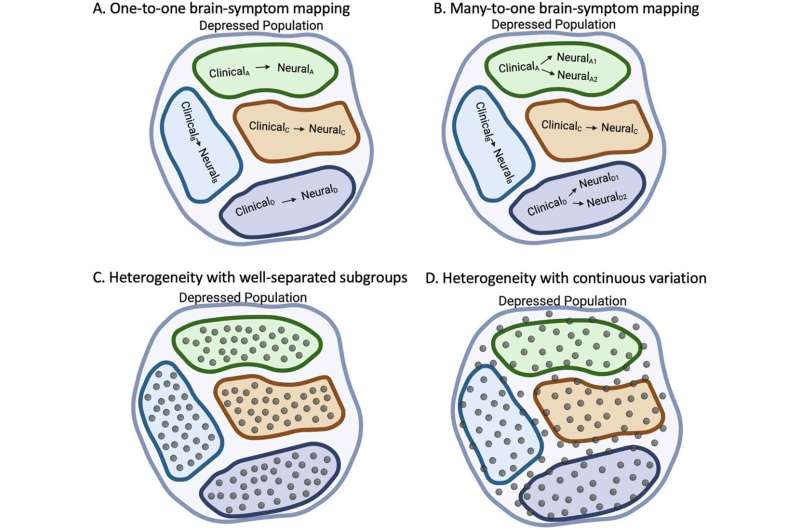
Credit: Biological Psychiatry / Hannon et al.

A novel study aimed at disentangling the neurological underpinnings of depression shows that multiple brain profiles may manifest as the same clinical symptoms, providing evidence to support the presence of both one-to-one and many-to-one heterogeneity in depression. The findings of the study in Biological Psychiatry, highlight the layered and complex interactions between clinical symptoms and neurobiological sources of variation.

New research shows that babies as young as eight months can flexibly adapt their learning strategies to changing environments.

Brain networks responsible for sensing, understanding, and responding emotionally to pain develop at different rates in infants, with the conscious understanding of pain not fully developed until after birth, finds a new study.

People living with autoimmune diseases face nearly twice the risk of developing persistent mental health disorders like depression, anxiety, and bipolar disorder, according to a massive UK-based study.

New research shows that individuals with higher cognitive ability have stronger, more flexible synchronization of brain rhythms—specifically theta waves—in the midfrontal region during mentally demanding tasks. These neural signals coordinate dynamically, especially during moments of decision-making, allowing people to maintain focus and adapt more quickly to changing rules. 

A recent study leveraged machine learning to identify the key lifestyle and health factors influencing cognitive performance throughout life.

New research reveals that autism and congenital heart disease may share a common biological basis—tiny cellular structures called cilia. Scientists found that mutations in genes affecting cilia formation disrupt both brain and heart development, helping explain why the two conditions often co-occur.

Researchers have identified a novel gene associated with neurodevelopmental disorders and epilepsy.

A first-of-its-kind clinical trial shows that ketamine treatment for severe, treatment-resistant depression is significantly more effective when paired with psychotherapy and supportive environments. Patients who underwent this combined treatment reported a 30% drop in depression symptoms, with reduced anxiety and suicidal thoughts lasting at least eight weeks.

A crucial link between the brain’s cleaning system and deterioration of neurons associated with Alzheimer’s disease has been discovered.

In a study published in Science Advances, researchers reveal that our bodies respond to acute (short‑term) and chronic (long‑lasting) pain in surprisingly different ways at the cellular level. Their discovery sheds new light on how pain becomes chronic—and opens the door to better‑targeted treatments.

A paper published in the Cochrane Database of Systematic Reviews has found that virtual reality (VR), when used in addition to standard therapy, can help stroke survivors regain arm movement.

Researchers investigating post-traumatic stress disorder (PTSD) at the single-cell level, aiming to understand how cellular communication may be disrupted in affected brains. They found impaired signaling in inhibitory neurons in PTSD, potentially explaining hyperarousal symptoms, and opposing patterns of microglial activity in PTSD versus depression. Vascular endothelial cells in PTSD brains also showed signs of dysfunction, possibly increasing stress hormone exposure.

A recent study shows that individual neurons in the hippocampus can respond to both slow and fast brain waves at the same time by switching between different firing modes.

For the first time, scientists using cryo-electron microscopy have discovered the structure and shape of key receptors connecting neurons in the brain’s cerebellum, which is located behind the brainstem and plays a critical role in functions such as coordinating movement, balance and cognition.

In a paper published in the journal Nature Communications, biomedical engineers have shown how two brain regions quickly adapt to shift focus from one planned destination to another.

A new neuroimaging study has identified distinct structural brain differences in individuals with psychopathy, particularly those with high antisocial traits. Reduced volumes were found in subcortical and cortical areas involved in emotion, decision-making, and social behavior.

Groundbreaking research has identified a new brain protein involved in the development of Parkinson’s disease and a way to modify it, paving the way for future treatments for the disease.

Living in disadvantaged neighborhoods may increase the risk of Alzheimer’s disease by elevating biomarkers associated with inflammation and neurodegeneration. A long-term study of 334 older adults found higher levels of tau and YKL-40, biomarkers linked to Alzheimer’s and brain inflammation, in people from less advantaged areas.

Psychosis may start not with hallucinations, but with subtle motor changes like reduced grip strength according to a new study.

In experiments with healthy volunteers undergoing functional MRI imaging, scientists have found increased activity in two areas of the brain that work together to react to, and possibly regulate, the brain when it’s “feeling” tired and either quits or continues exerting mental effort.

Finally, this week, newborn babies and patients with Alzheimer’s disease share an unexpected biological trait: elevated levels of a well-known biomarker for Alzheimer’s, as shown in a recent study.

Weekly Neuroscience Update

An extensive study has shed new light on the global lifespan changes in the brain’s functional connectivity. Their findings reveal developmental patterns in the brain that could provide valuable information for future investigations into various neuropsychiatric and cognitive disorders.

A new meta-analysis reveals that Electroconvulsive Therapy (ECT) reduces suicide risk by 34% and all-cause mortality by 30% in individuals with severe depression. 

The difference between the brain’s predicted age and actual chronological age, called a brain age gap, may influence the relationship between cognitive impairment risk factors, like high blood pressure and diabetes, and a person’s cognitive performance, also known as thinking and memory skills, according to a study published in Neurology.

Scientists have developed a groundbreaking 3D brain model that closely mirrors the architecture and function of the human brain.

New findings challenge the idea that curiosity simply fades with age. Instead, “state curiosity”—a specific drive to learn—actually intensifies later in life. This increased interest in personally relevant topics among older adults may be a key factor in maintaining cognitive health.

A recent study reveals that prenatal exposure to common air pollutants is associated with subtle but measurable changes in fetal brain structure during the second and third trimesters.

New research shows that the brain’s cortex can rapidly reorganize itself after losing neurons, allowing other nerve cells to take over lost functions. Scientists studied neural networks in the auditory cortex and found that although sound-processing patterns were briefly disrupted, the brain formed nearly identical patterns within days.

A novel study aimed at disentangling the neurological underpinnings of depression shows that multiple brain profiles may manifest as the same clinical symptoms, providing evidence to support the presence of both one-to-one and many-to-one heterogeneity in depression.

Heading a soccer ball alters the brain, research spearheaded by the University of Sydney has found, despite having no immediate impact on cognition.

Results from a new clinical trial reveal that a single dose of psilocybin—a naturally occurring psychedelic compound found in mushrooms—can provide sustained reductions in depression and anxiety in individuals with cancer suffering from major depressive disorder. The findings are published in Cancer.

Finally, this week, new research has found a compelling link between the composition of the gut microbiome and the risk of cognitive impairment in adults.

Weekly Neuroscience Update

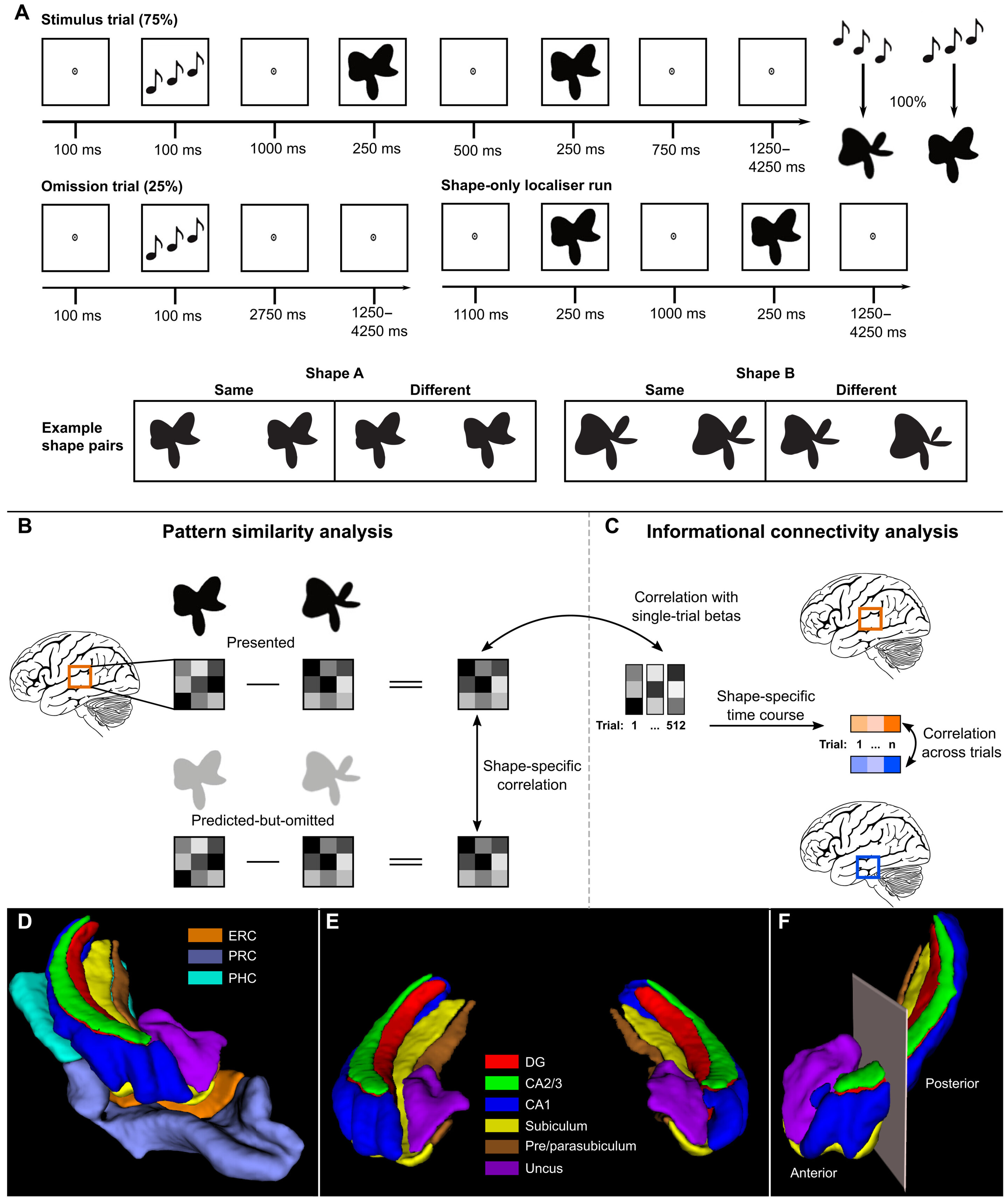
Overview of experimental paradigm and analysis. Credit: Science Advances

A recent study has shown that the hippocampus sends signals to the visual cortex to predict what we are about to see.

Researchers have achieved a significant milestone in the treatment of depression, demonstrating the effectiveness of personalized transcranial magnetic stimulation (TMS) therapy offering a new treatment option for people who have had little success with other therapies.

A large study suggests that following the MIND diet—rich in leafy greens, berries, nuts, and olive oil—significantly reduces the risk of Alzheimer’s and related dementias.

New research finds that patients with insomnia often retain accurate sleep-wake perception and intact regulatory systems, despite feeling as though they sleep poorly. Using serial awakenings during sleep lab monitoring, researchers found no significant difference in sleep perception between healthy individuals and those with insomnia.

A recent study has found that physical exercise helps maintain brain size as we age, regardless of body mass.

Emerging research indicates that psychedelics such as psilocybin don’t just change brain activity; they also modify the communication network between the brain and the immune system. Scientists have pinpointed a mechanism where persistent stress interferes with signals from the amygdala, setting off immune reactions that amplify feelings of fear and anxiety.

A large study suggests that following the MIND diet—rich in leafy greens, berries, nuts, and olive oil—significantly reduces the risk of Alzheimer’s and related dementias. 

By pinpointing hospitalized patients at high risk for delirium, an artificial intelligence (AI) model has quadrupled the rate at which the condition is both detected and treated. The model’s alerts prompt a dedicated team to assess these patients and implement a treatment plan if needed, leading to significantly better outcomes.

Areas of the brain that help a person differentiate between what is real and what is imaginary have been uncovered in a recent study.

A new predictive model combining genetics with developmental milestones may help forecast which autistic children are at risk of developing intellectual disabilities. In a large study of over 5,600 children, researchers were able to correctly predict 10% of such cases and differentiate between low and high-risk groups twice as well as current methods.

New research finds that elevated cortisol levels in midlife are linked to increased brain amyloid deposition—a key marker of Alzheimer’s disease—specifically in post-menopausal women

Scientists explored the associations between telomere length—which decreases as a person ages or is exposed to unhealthy environments—and the risk for age-related brain diseases and found evidence suggesting that healthier lifestyle choices could mitigate telomere length-associated risks.

Finally this week, greater symptoms of depression are linked to less microbial diversity in the mouth, according to a recent study.

Weekly Neuroscience Update

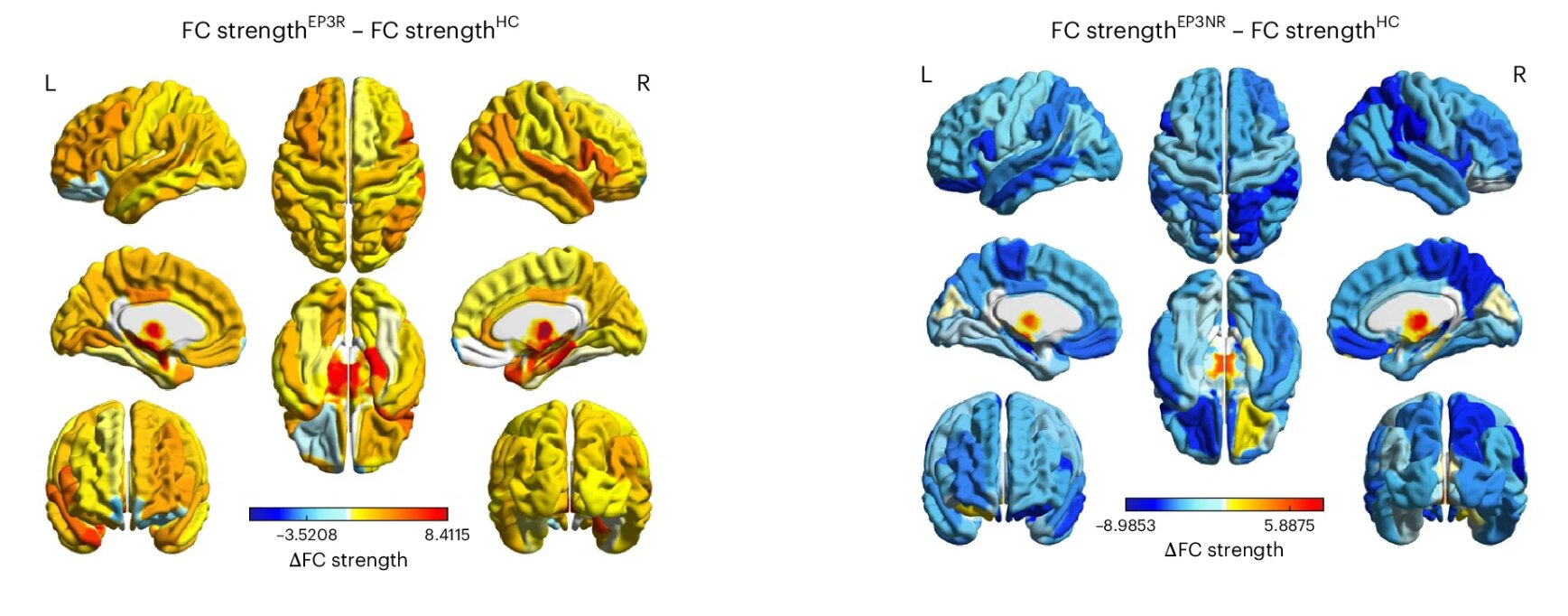
Credit: Nature Mental Health (2025)

Pioneering research has identified the brain mechanisms that enable psychosis to remit. These findings could significantly inform the development of novel intervention strategies for patients with psychosis.

Contrary to fears of “digital dementia,” new research finds that using digital technology is linked to a reduced risk of cognitive decline in older adults. A large-scale meta-analysis of over 400,000 participants revealed that digital engagement correlates with a 58% lower risk of cognitive impairment.

A simple method of brain stimulation has been shown to change how people make decisions. These were the findings of a new study published in the Journal of Cognitive Neuroscience.

A team of researchers has identified the key brain regions that are essential for logical thinking and problem solving. The findings help to increase our understanding of how the human brain supports our ability to comprehend, draw conclusions, and deal with new and novel problems—otherwise known as reasoning skills.

Medial temporal lobectomy is effective in improving seizure outcomes among patients with drug-resistant temporal lobe epilepsy, according to a recent study.

New research links fatty, sugary diets to impaired brain function. The findings build on a growing body of evidence showing the negative impact of high-fat, high-sugar (HFHS) diets on cognitive ability, adding to their well-known physical effects.

A recent study reveals that the basolateral amygdala plays a key role in calibrating prosocial behavior based on emotional closeness.

New research reveals that gut imbalances in children with autism may influence brain activity and behaviour by disrupting the production of key neurotransmitters like serotonin. Scientists found that changes in gut-derived metabolites are linked to differences in brain structure and function in children with autism.

Chronic pain is closely intertwined with depression. Individuals living with pain’s persistent symptoms may be up to four times more likely to experience depression according to a new study.

Our brains can adapt to filter out repeated distractions, according to a new EEG study. Participants learned to ignore frequent visual distractions, such as a red shape in the same location, while searching for a target.

Repetitive transcranial magnetic stimulation is showing promise in Alzheimer’s treatment.

A new international study reveals a possible connection between GLP1 receptor agonists—used in drugs like Ozempic—and increased risk of depression and suicidal ideation, especially in people with low dopamine function.

Researchers have found a potential link between the trauma of climate-related events, exemplified by devastating wildfires, and persistent effects on cognitive function.

Researchers have developed a personalized blood test that may offer a faster, less invasive way to track high-grade glioma progression. By identifying unique DNA junctions from each patient’s tumour, the test can detect tumor DNA in the bloodstream, even before changes appear on MRI scans.

A new study demonstrates for the first time that listening to favorite music activates the brain’s opioid receptors.

Promising a more personalized approach to treating major depressive disorder (MDD), a new study reveals that brain connectivity patterns, especially in the dorsal anterior cingulate cortex, can significantly predict patient response to antidepressant medications. This finding was validated in two large, independent clinical trials using brain imaging and clinical information.

Contrary to potential assumptions, recent research demonstrates that the spatial working memory of older people with autistic traits and neurotypical individuals shows no difference in change over time.

A major international study has provided the most comprehensive evidence to date on treatments for neuropathic pain —defined as pain caused by disease of the nervous system, affecting up to 10% of the population worldwide.

Finally, this week, exercise appears to be vital for maintaining sharp minds, even when a key brain energy source is lacking, according to a new study.

Weekly Neuroscience Update

Credit: Brain Communications (2025)

The parts of the brain that are needed to remember words, and how these are affected by a common form of epilepsy, have been identified by a team of neurologists and neurosurgeons.

New research published in PLOS ONE, reveals that witnessing trauma triggers unique brain changes, distinct from those caused by experiencing trauma firsthand. The study is the first to shed light on the molecular differences between directly acquired PTSD and bystander PTSD and could pave the way for changes in how the disorders are treated.

Scientists have discovered that neural changes in teens may predict how decision-making and behavioural control develop.

A new study shows that the rubber hand illusion can reduce the intensity of pain caused by heat. Researchers found that when participants viewed a rubber hand being illuminated while their hidden hand received a heat stimulus, they reported feeling less pain. This suggests that integrating visual and sensory cues can influence pain perception. The findings may one day help develop new treatments for chronic pain conditions such as complex regional pain syndrome.

Verbal fluency, the ability to recall and use vocabulary, is the strongest cognitive predictor of longevity in a 20-year study of elderly adults. This suggests a link between linguistic ability and overall health.

Neuroscientists have discovered a way to control how much zinc is released to specific locations in the brain. The essential mineral plays a major role in the brain’s function, including improving memory and lessening symptoms of some neurological disorders, but getting the right amount to the right place is key.

According to new research, inflammation inside and outside the brain may contribute to neurological complications in COVID-19.

A study published  in the British Journal of Psychiatry has found that nearly half of people diagnosed with depression don’t respond to multiple antidepressant medications and are considered “treatment-resistant.” The study found that 48% of patients whose electronic health care records reported a diagnosis of depression had tried at least two antidepressants, and 37% had tried four or more different options.

Scientists have developed a computational framework that maps how the brain processes speech during real-world conversations.

For children with autism who severely injure themselves, a pilot study suggests that deep brain stimulation (DBS) of the brain’s reward centre (nucleus accumbens) is a safe and possible treatment that could be beneficial, especially when behavioural therapies don’t work.

New research suggests that factors present in the placenta during pregnancy might play a role in increasing the risk of a child developing schizophrenia.

Scientists at Peking University have used a new method to discover that dopamine helps protect and control the function of a protein called Tau. This finding helps us better understand how dopamine works normally and in diseases of the brain.

A research team has uncovered the neural mechanisms underlying the processing of pain and itch in the anterior cingulate cortex (ACC).

A new study finds that women in their 80s who develop increasing daytime sleepiness over five years are twice as likely to develop dementia. Researchers tracked 733 women without cognitive impairment, using wrist devices to monitor sleep and circadian rhythms. Those who showed stable sleep patterns had the lowest dementia risk, while those with increasing sleepiness faced the highest risk. Surprisingly, declining nighttime sleep was not significantly linked to dementia risk.

A research team has developed an electrode capable of safely encasing nerves without causing damage.

Finally this week, new research shows that even 12-month-old babies can form memories, as indicated by activity in the hippocampus. This challenges the idea that infants can’t remember and suggests that infantile amnesia (not remembering early childhood) might be because we can’t access those memories later, rather than not forming them in the first place.

Weekly Neuroscience Update

Cortical gray matter volume trajectories based on the functional location of the changes in gestational mothers (N = 179). Credit: Nature Communications (2025).

A new study has analyzed the brains of women during pregnancy for the first time using neuroimaging techniques. The research shows that there is a reduction and partial recovery of almost 5% of gray matter in 94% of the total gray matter volume of the brain, especially in regions linked to social cognition.

An international team has shown the relationship of activity of neurotransmitters to how humans process the emotional content of language.

More than half of 23-year-olds in a European study show restrictive, emotional or uncontrolled eating behaviours, according to new research led by the Institute of Psychiatry, Psychology & Neuroscience (IoPPN) at King’s College London. Structural brain differences appear to play a role in the development of these eating habits.

A new framework links brainwaves to individual cognitive states.

In a recent study, scientists have shown neurotransmitters in the human brain are active during the processing of the emotional content of language, providing new understanding into how people interpret the significance of words.

A new study shows stem cell therapy ‘jump-start’ brain repair after stroke.

Researchers have developed a flexible, biodegradable electrode capable of stimulating neural precursor cells in the brain, offering a safer and more precise alternative for neural repair. The electrode dissolves naturally after seven days, eliminating the need for surgical removal while promoting tissue regeneration.

Music supports babies in neonatal intensive care units, according to a recent neuroimaging study.

A study analyzing data from over 130 million individuals found that antibiotics, antivirals, vaccines, and anti-inflammatory medications are associated with a reduced risk of dementia. This supports the idea that infections and inflammation contribute to dementia and highlights the potential of repurposing existing drugs for prevention or treatment.

New research has uncovered psychological profiles associated with mental and brain health in middle-aged and older adults.

An experimental treatment for depression that triggers seizures with magnets significantly improved mental health in patients without some cognitive effects associated with electroconvulsive therapy (ECT), according to a clinical trial led by UT Southwestern Medical Center.

A research team has gathered new insight into the neural underpinnings of human cooperation.

A new study has identified three psychological profiles that influence brain health, cognitive decline, and dementia risk in aging adults. Profiles with high protective traits, like purpose and openness, show better cognition and brain integrity, while those with low protective traits or high negative traits face accelerated brain atrophy and mental health issues.

Stanford Medicine scientists are generating a periodic table of sorts for psychiatric disorders, providing a better understanding of these conditions and paving the way toward targeted treatment.

A study analyzing data from over 2 million veterans found that GLP-1 receptor agonists, popular weight-loss drugs like Ozempic and Wegovy, provide significant neurological and behavioral health benefits, including reduced risks of addiction, Alzheimer’s, and dementia. However, they also pose risks for pancreatitis and kidney conditions.

Finally, this week, a brain signal that lights up when we anticipate rewards may hold the secret to helping people overcome depression, and researchers are working to unlock its potential.

Weekly Neuroscience Update

Regional Cortical Volume and Thickness Associations With Early Substance Use Initiation in the Adolescent Brain Cognitive Development (ABCD) Study. Credit: JAMA Network Open (2024). 

A new study has identified neuroanatomical differences in children associated with early substance use initiation.

Vagus nerve stimulation (VNS) shows a positive treatment effect and improved quality of life (QoL) among patients with treatment-resistant depression according to two studies published in Brain Stimulation.

A new analysis of U.S. mortality data reveals the disproportionate impact of traumatic brain injuries on older adults, males and certain racial and ethnic groups.

Gender differences define how the human brain ages and telltale biomarkers in the blood may be strongly suggestive of cognitive impairment and dementia, according to a comprehensive new study involving more than 500 people.

Researchers have identified genetic variations in brain cells, particularly microglia and oligodendrocytes, that influence both aging and Alzheimer’s risk.

New research shows that not all brain cells age equally, with certain cells, such as those in the hypothalamus, experiencing more age-related genetic changes. These changes include reduced activity in neuronal circuitry genes and increased activity in immunity-related genes.

A recent study has found that menopause revs up the progression of multiple sclerosis (MS).

Researchers have discovered that pupil size during non-REM sleep correlates with memory consolidation. When pupils contract, the brain focuses on consolidating new memories; when dilated, it processes older ones. This separation prevents “catastrophic forgetting,” allowing the brain to efficiently manage both new and existing knowledge. These findings could lead to better memory enhancement techniques for humans and inspire more efficient artificial neural networks.

A new study shows head trauma may activate latent viruses, leading to neurodegeneration.

A collaborative effort between Mount Sinai and Memorial Sloan Kettering Cancer Center has shed valuable light on how monoamine neurotransmitters such as serotonin, dopamine, and now histamine help regulate brain physiology and behavior through chemical bonding of these monoamines to histone proteins, the core DNA-packaging proteins of our cells.

Finally this week, sex differences in brain structure are present from birth, new research shows.

Weekly Neuroscience Update

The Brain Connectivity Model of Intelligence. Schematic illustration of selected brain connections that have been linked to intelligence differences across studies. Adapted from Hilger & Sporns, 2021. Credit: Thiele et al.

Neuroscientists have developed machine learning models to predict human intelligence.

Researchers have found that incorporating specific nutrients into a regular diet may reduce iron buildup in the brain—a factor associated with cognitive decline in normal aging. The research team said the findings offer valuable insights for future clinical trials aimed at evaluating the impact of similar nutritional intake on brain iron accumulation and cognitive function.

The short-term boost our brains get after we do exercise persists throughout the following day, suggests a study led by UCL (University College London) researchers.

Thirteen proteins linked to brain aging in humans are identified in a Nature Aging paper. Changes in the concentrations of these blood proteins may peak at 57, 70, and 78 years old in humans, and suggest that these ages may be important for potential interventions in the brain aging process.

Brain scans show vulnerability to gaming addiction in teens.

A team of scientists has uncovered a novel mechanism that reshapes our understanding of how blood flow is regulated in the brain. The study, published in The Proceedings of the National Academy of Sciences introduces Electro-Calcium (E-Ca) Coupling, a process that integrates electrical and calcium signaling in brain capillaries to ensure precise blood flow delivery to active neurons.

Researchers at the Yale School of Medicine found structural and functional alterations in specific brain regions of individuals with opioid use disorder. The study’s results were published in Radiology.

A new study has identified a unique brain network that links varied patterns of brain atrophy, or shrinkage, associated with schizophrenia. By combining neuroimaging data from multiple studies involving more than 8,000 participants, the research team found a specific connectivity pattern of atrophy that was present across different stages and symptoms of schizophrenia—and distinct from brain networks associated with other psychiatric disorders.

New research provides valuable insights into the brain-body immune connection, identifying key communication hubs in the dural sinuses and skull bone marrow at the back of the head.

New research shows that slow-wave sleep strengthens synaptic connections in the neocortex, making it more receptive to long-term memory formation. Researchers found that during deep sleep, synapses in the neocortex reach peak efficiency at precise moments within slow-wave oscillations.

A new study suggests how brain, with sleep, learns meaningful maps of spaces.

A large-scale study revealed that genetic variants linked to dyslexia are associated with differences in brain areas controlling motor coordination, vision, and language. Using data from over a million individuals, researchers calculated genetic “polygenic scores” for dyslexia and analyzed their relationship to brain structures. Higher genetic risk for dyslexia was tied to lower volumes in brain regions related to speech processing and movement, and increased volumes in the visual cortex. Differences in the brain’s internal capsule, which connects regions, were also observed.

Cognitive impairment, especially in learning and memory, is more likely among people with epilepsy, according to a newly published study.

A recent study explores how connections across the entire brain predict human intelligence, moving beyond traditional focus on specific brain areas like the prefrontal cortex. Using fMRI data from over 800 individuals, researchers analyzed communication between brain regions to predict fluid, crystallized, and general intelligence scores. Findings reveal that distributed brain-wide connections play a crucial role, surpassing existing models that emphasize localized regions. This research highlights intelligence as a global property of the brain, offering fresh perspectives for understanding cognitive processes.

The chromosomal disorder 22q11.2 deletion syndrome (22q) has emerged as one of the strongest risks for schizophrenia.

New research reveals that brain structure varies with reading ability, particularly in the left hemisphere. Better readers have distinct traits, including a larger anterior temporal lobe for integrating word meaning and a thicker left Heschl’s gyrus for phonological processing.

Night shifts and poor sleep quality are associated with an increased risk for incident epilepsy, according to a study published in BMC Public Health.

People with severe, treatment-resistant depression who received a nerve-stimulating therapy showed significant improvement in depressive symptoms, quality of life and ability to complete everyday tasks after a year, according to the results of a national, multicenter clinical trial.

Finally this week, researchers have found a relationship between lifestyle choices that affect dementia risk and early signs of aging in the brain.