Weekly Neuroscience Update

Credit: Nature Mental Health (2023)

Researchers have identified important new methods for accurately identifying possible biomarkers in adolescent brains that can reliably predict cognitive developments and psychiatric issues.

A new study has examined the neural processes underlying odor processing in the human olfactory system and how the brain handles odor information from different nostrils and details the finding that each nostril has its own sense of smell, recording a distinct representation of the odor information it encounters.

A groundbreaking discovery suggests that dendrites could be pivotal in learning processes and may even influence our understanding of brain states and degenerative diseases.

A new study reveals the brain’s swift response to human errors compared to unintended outcomes. The study found that the brain recognizes an error within one second and then engages in a longer process to prevent future errors. This process was absent when the outcome wasn’t a direct result of an action, indicating a specialized error-awareness mechanism in the brain.

Researchers have identified new therapeutic targets for progressive supranuclear palsy (PSP), an incurable brain disorder with symptoms mimicking Parkinson’s and dementia.

A speech prosthetic developed by a collaborative team of neuroscientists, neurosurgeons, and engineers can translate a person’s brain signals into what they’re trying to say. The new technology might one day help people unable to talk due to neurological disorders regain the ability to communicate through a brain-computer interface.

It’s been debated for decades, but now researchers have suggested that left-handedness is not linked to better spatial skills.

A new study sheds light on when adolescents start thinking like adults. Researchers found that executive function, critical for task-switching and focus, typically matures around 18 years old. Drawing from over 10,000 participants and multiple datasets, this large-scale study offers a developmental chart for teen cognitive growth. These findings are invaluable for education, psychiatry, and the judicial system.

Emerging research underscores the profound connection between mental health and heart disease, with depression and anxiety hastening the onset of cardiovascular risk factors.

Researchers have discovered a potential link between the microbe C. perfringens and the progression of multiple sclerosis (MS). The study hints at the prospect of developing a vaccine or alternative treatments in the near future.

In a new study, researchers use a very large dataset to identify predictive brain imaging-based biomarkers of mental illness in adolescents.

Using advanced brain scanning technology, a research team has revealed insights into what happens in the brain during an advanced form of meditation called jhana. By uncovering distinct patterns of activity in different regions of the brain during jhana, the research suggests exciting possibilities for innovative therapies merging ancient meditation practices with modern neuroscience to improve well-being.

Finally this week, new research suggests your biological age, more than the years you’ve lived, may predict your risk of dementia and stroke in the future.
Weekly Neuroscience Update

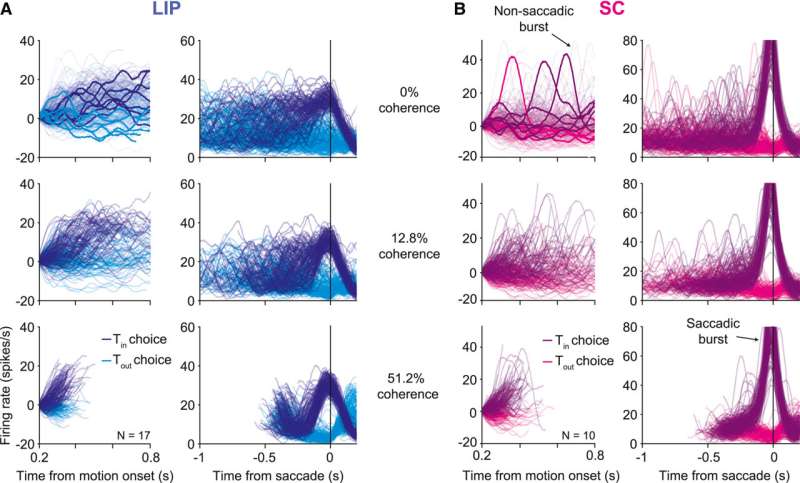
Single-trial dynamics in LIP and SC are different. (Neuron, 2023)

A new paper, published in Neuron, highlights the role of the superior colliculus (SC), a structure in the midbrain, in terminating decisions.

Degeneration of dopaminergic neurons is widely accepted as the first event that leads to Parkinson’s, but a new study suggests that a dysfunction in the neuron’s synapses—the tiny gap across which a neuron can send an impulse to another neuron—leads to deficits in dopamine and precedes the neurodegeneration.

Depression, a challenging condition to diagnose early, may now be detected more promptly using a simple 1-minute Electroencephalogram (EEG) test at home.

Scientists have confirmed that human brains are naturally wired to perform advanced calculations, much like a high-powered computer, to make sense of the world through a process known as Bayesian inference.

New research shows how repeated traumatic brain injury contributes to Alzheimer’s disease.

Racial disparities can be seen in dementia severity, functional impairment, and neuropsychiatric symptoms among patients with frontotemporal dementia (FTD), according to a study recently published in JAMA Neurology.

A new study identifies a potential new approach to PTSD treatment.

Any head injury—even a mild one—raises a person’s risk of later having an ischemic stroke. Having multiple injuries increases that risk, even more so than the severity of a single traumatic brain injury, researchers have found.

New research finds that cerebrospinal fluid net flow is markedly decreased in Huntington’s disease, with the decrease being greater in the later stages of the disease.

The targeted use of ultrasound technology can bring about significant changes in brain function that could pave the way towards treatment of conditions such as depression, addiction, or anxiety, a new study suggests.

Finally this week, new research finds that antidepressants may actually reduce negative memories in individuals suffering from depression while improving overall memory function.

Weekly Neuroscience Update

 Credit: Science Advances (2023)

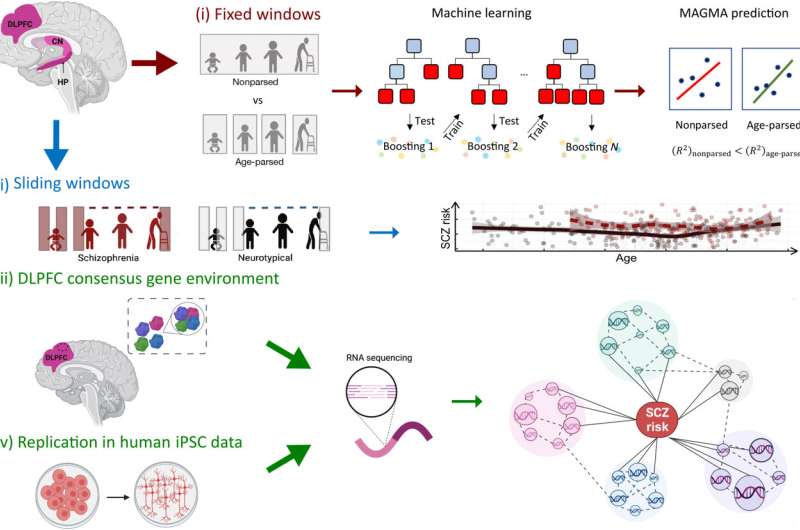
Researchers have published a study in Science Advances that looks into the genetic mechanisms behind the development of schizophrenia.

Students whose brainwaves are more in sync with their classmates and teacher are likely to learn better than those lacking this “brain-to-brain synchrony,” shows a new study by a team of psychology and education researchers. The findings, which appear in the journal Psychological Science, offer new insights into the learning process. 

Scientists are testing a new personalized immunotherapy approach that is designed to work similarly to a vaccine by training the immune system to fight glioblastoma brain cancer.

People experiencing hearing loss who are not using a hearing aid may have a higher risk of dementia than people without hearing loss, suggests a new study published in The Lancet Public Health journal. However, using a hearing aid may reduce this risk to the same level as that of people without hearing loss.

Researchers have shown for the first time that in middle-aged men, Obstructive Sleep Apnea may cause early cognitive decline, even in patients who are otherwise healthy and not obese.

In a new study, teens who added walnuts to their diet for 100 days showed improvements in attention function, and for those with ADHD, frequent walnut consumption was associated with improvements in behavior. Researchers also noted an increase in fluid intelligence in those who frequently consumed walnuts as part of their daily diet.

Listening to or practicing music had positive implications on cognitive decline in older adults by stimulating the production of gray matter in key brain areas, a new study reveals.

Researchers have used machine learning to investigate the molecular and neural mechanisms that could underlie differences among individuals diagnosed with autism spectrum disorder (ASD). Their paper, published in Nature Neuroscience, identifies different subgroups of ASD associated with distinct functional connections in the brain and symptomatology, which could be related to the expression of different ASD-related genes.

A novel imaging technique is capable of showing reactive astrocyte-neuron interactions. The technique sheds new light on Alzheimer’s pathologies and offers a potential breakthrough for the diagnosis and treatment of dementia.

An international team of 79 researchers has collaborated on a study published in Nature Medicine to delve into perivascular spaces (PVS), a poorly understood artifact seen in magnetic resonance imaging of cerebral small vessel disease, a leading cause of stroke and dementia.

Finally this week, new research findings show that probiotic supplementation could be a positive strategy to counteract oxidative stress and inflammation promoted by sleep loss.

Weekly Neuroscience Update

Credit: Science Advances (2022). DOI: 10.1126/sciadv.abo0171

New evidence that suggests the SARS-CoV-2 virus is able to enter the brain by using nose cells to make nanotube tunnels is published in the journal Science Advances.

Exploring the predictive properties of neuronal metabolism can contribute to our understanding of how humans learn and remember. This key finding from a consideration of molecular mechanisms of learning and memory conducted by scientists from Russia and the U.S. has been published in Neuroscience & Biobehavioral Reviews

Older adults who suffer from hypothyroidism are at increased risk of developing dementia. The risk is even higher in those who require thyroid hormone replacement therapy to treat their condition.

Researchers have shown that the computational imaging technique, known as “ghost imaging”, can be combined with human vision to reconstruct the image of objects hidden from view by analyzing how the brain processes barely visible reflections on a wall.

Scientists have discovered that an injury to one part of the brain changes the connections between nerve cells across the entire brain. 

Researchers have discovered the molecule in the brain responsible for associating good or bad feelings with a memory. Their discovery, published in Nature paves the way for a better understanding of why some people are more likely to retain negative emotions than positive ones—as can occur with anxiety, depression or post-traumatic stress disorder (PTSD).

New research has revealed some of the first detailed molecular clues associated with one of the leading causes of death and disability, a condition known as traumatic brain injury (TBI).

Pollution is widely known to be a risk to individual’s physical health, but can it have adverse effects on mental health as well? A study published in Developmental Psychology suggests that exposure to ozone can be a risk factor for depression in adolescents.

Finally this week, you’re fast asleep. But some regions of your brain tasked with hearing sound aren’t taking the night off, according to new research.

Weekly Neuroscience Update

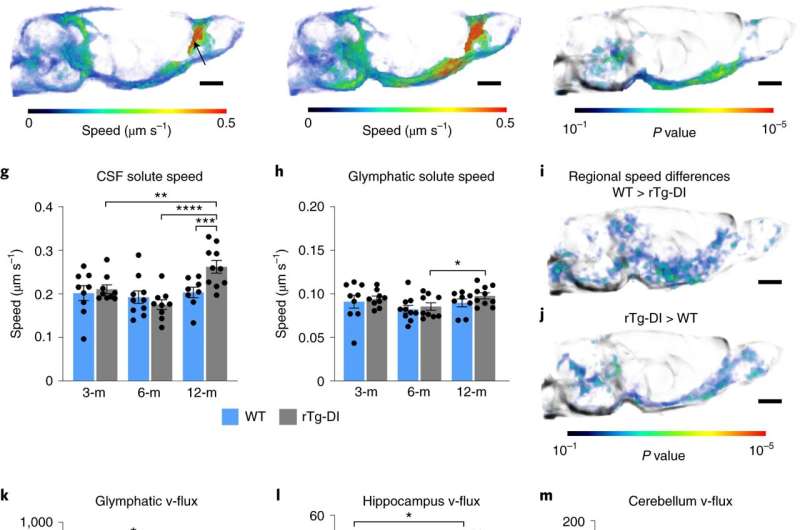
CSF flow speed becomes hyperdynamic with severe CAA. Credit: Nature Aging (2022). DOI: 10.1038/s43587-022-00181-4

A new study suggests that a contributing factor in dementia may come down to a double dose of bad waste management in the brain.

The first major study to compare brain scans of people before and after they catch Covid has revealed shrinkage and tissue damage in regions linked to smell and mental capacities months after subjects tested positive.

Light-to-moderate regular alcohol consumption is linked to reductions in overall brain volume, a new study reports.

Researchers have discovered two types of brain cells that play a key role in dividing continuous human experience into distinct segments that can be recalled later. The discovery provides new promise as a path toward development of novel treatments for memory disorders such as dementia and Alzheimer’s disease. 

Stanford Medicine researchers have linked a specific gene known to be associated with ALS with a characteristic of the disease, opening avenues for a targeted therapy.

A research group from the University of Bologna discovered the first causal evidence of the double dissociation between what we see and what we believe we see: these two different mechanisms derive from the frequency and amplitude of alpha oscillations.

A new, first-of-its-kind clinical trial will examine how the brain adapts to advanced, bionic arms in children born without a limb, with the ultimate goal of improving children’s control of their prosthetic.

People who suffer from a neurological or mental health condition are at increased risk of developing another disorder later in life. Parkinson’s disease patients are four times more likely to develop dementia, and those with mental health disorders were also at greater risk of developing dementia later in life.

Finally this week, new research shows if the circadian clock is disrupted, we might be at greater risk of retinal degeneration as we age.

Weekly Neuroscience Update

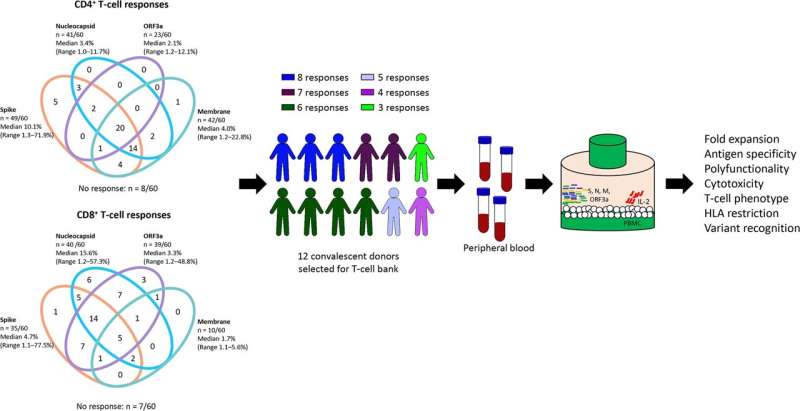
Credit: PLOS Pathogens (2022). DOI: 10.1371/journal.ppat.1010339

New research is providing hope to immunocompromised people who are vulnerable to COVID-19. Scientists have discovered promising evidence that T cell immunotherapy could help them to fight against multiple strains of the virus.

Treatments integrating music and auditory beat stimulation are effective in reducing state anxiety in some patients, according to a new study published in the open-access journal PLOS ONE.

The underlying molecular mechanisms that promote autoimmune diseases are multilayered and complex. Now, scientists have succeeded in deciphering new details of these processes. Their work supports the notion that excessive consumption of glucose directly promotes the pathogenic functions of certain cells of the immune system and that, conversely, a calorie-reduced diet can have a beneficial effect on immune diseases.

Teens who had an insecure attachment to their mothers as toddlers are more likely to overestimate the trustworthiness of strangers, a new study reports.

A new study reveals that oleic acid produced in the brain is an essential regulator of the process that enables learning and memory and supports proper mood regulation. The finding has paved the path to discovering potential new therapeutic strategies to counteract cognitive and mood decline in patients with neurological disorders.

A small study found people who received lithium, a drug commonly associated with the treatment of bipolar disorder, are less likely to develop dementia.

Scientists have found that people with Parkinson’s disease have a clear “genetic signature” of the disease in their memory T cells. The scientists hope that targeting these genes may open the door to new Parkinson’s treatments and diagnostics.

If you are forgetful or make mistakes when in a hurry, a new study found that meditation could help you to become less error-prone.

Older adults who take statin drugs have a lower risk of developing Parkinson’s disease or parkinsonism symptoms later in life compared to those who do not take statins. Researchers speculate this may be because statins have a neuroprotective effect on arteries in the brain.

Finally this week, researchers have developed a new, fully automated prosthetic arm that learns during normal use and adapts to varying conditions.

Weekly Neuroscience Update

When perceiving rhythm, the brain makes two separate decisions based on grouping and prominence. The groupings mutually inform each other to generate an overall rhythmic perception.

Face pareidolia, a phenomenon where the brain is tricked into seeing human faces in inanimate objects, may occur as a result of the brain processing the perceived facial expression in the same sequential way it perceives a human face. Neuroscientists at the University of Sydney now say how our brains identify and analyse real human faces is conducted by the same cognitive processes that identify illusory faces.

Researchers have identified a novel population of neurons in the temporal pole that links facial perception to long-term memory.

Adults with ADHD are at higher risk of a wide range of physical conditions, including nervous system, respiratory, musculoskeletal, and metabolic diseases, according to a large register-based study from Karolinska Institutet published in The Lancet Psychiatry.

A new study reveals very young infants can perceive objects that older infants, children, and adults can not see due to a phenomenon called visual backward masking.

Infant boys with a gut bacterial composition high in Bacteroidetes were found in a new study to have more advanced cognitive and language skills one year later compared to boys with lower levels of the bacteria. The finding was specific to male children.

Brain cells snap DNA in more places and in more cell types than previously realized in order to express genes for learning and memory.

Researchers have found that a component derived from turmeric essential oil, aromatic turmerone (ar-turmerone), and its derivatives act directly on dopaminergic nerves to create a neuroprotective effect on tissue cultures of a Parkinson’s disease model.

New research shows daydreaming and mind-wandering appear to occur when parts of the brain fall asleep while other areas remain awake.

Finally this week, a diet rich in fermented foods enhances the diversity of gut microbes and decreases molecular signs of inflammation, according to researchers at the Stanford School of Medicine.

Weekly Neuroscience Update

Children who are physically active have higher cognitive function and increased functional connectivity in the brain later in life than those who are less active, a new study reports.

Canadian researchers have built and validated an online calculator that empowers individuals 55 and over to better understand the health of their brain and how they can reduce their risk of being diagnosed with dementia in the next five years. Their process was published today in the Journal of Epidemiology and Community Health, and the calculator is available at projectbiglife.ca.

Researchers studying prions–misfolded proteins that cause lethal incurable diseases–have identified for the first time surface features of human prions responsible for their replication in the brain.

Middle-aged people with depressive symptoms who carry a genetic variation called apolipoprotein (APOE) ε4 may be more at risk to develop tau protein accumulations in the brain’s emotion- and memory-controlling regions, a new study suggests.

Frequent strenuous exercise increases the risk of developing motor neuron disease (MND)/ALS in certain people, new research has found.

Combining brain scans with AI technology, researchers were able to accurately predict the likelihood of a person developing schizophrenia in those with a family history of the psychiatric disorder.

A new study reveals very young infants can perceive objects that older infants, children, and adults can not see due to a phenomenon called visual backward masking.

Subtle changes in fractal motor activity regulation in cognitively healthy women may be a sign of preclinical Alzheimer’s disease, researchers report.

Deep brain stimulation appears to be safe, effective, and provides symptom improvements for at least one year in patients with treatment-resistant schizophrenia.

New research details the interplay between proteins involved in controlling the body’s stress response and points to potential therapeutic targets when this response goes awry.

A new research paper published in the American Journal of Clinical Nutrition last week showed that a low Omega-3 Index is just as powerful in predicting early death as smoking.

Finally this week, a new study sheds light on how migraines may occur and why those who are susceptible to migraines see improvements in symptoms as they age.

Weekly Neuroscience Update

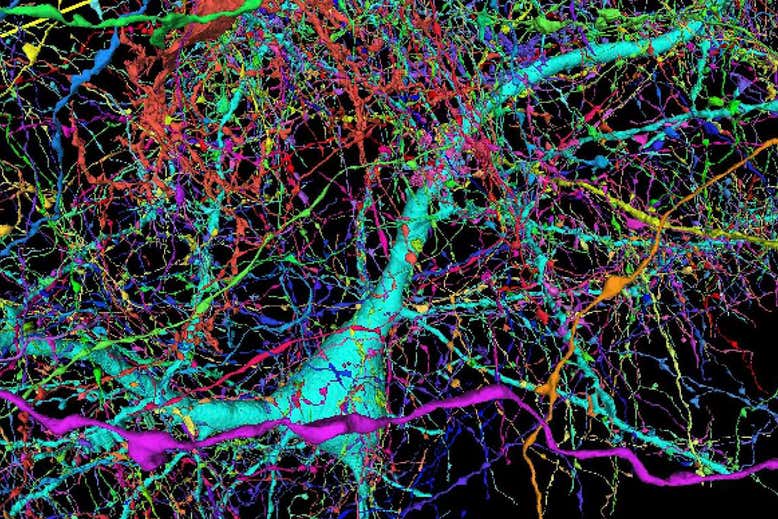
Around 4000 nerve fibres connect to this single neuron
Google/Lichtman Laboratory

Google has helped create the most detailed map yet of the connections within the human brain. It reveals a staggering amount of detail, including patterns of connections between neurons, as well as what may be a new kind of neuron.

Researchers have identified three biomarkers in blood samples that confirm the link between exercise and improved cognitive function in older adults.

A new study reveals what goes on in the brain when a person embarks on a musical collaboration project.

Chronic inflammation in the gut may propel processes in the body that give rise to Parkinson’s disease, according to new research.

The largest study of its kind has unveiled new insights into how genes are regulated in dementia, including discovering 84 new genes linked to the disease.

A new study shows that a deep neural network model can accurately predict the brain age of healthy patients based on electroencephalogram data recorded during an overnight sleep study, and EEG-predicted brain age indices display unique characteristics within populations with different diseases.

Finally this week, scientists have identified an area of the brain that drives cravings for protein-rich food.

Weekly Neuroscience Update

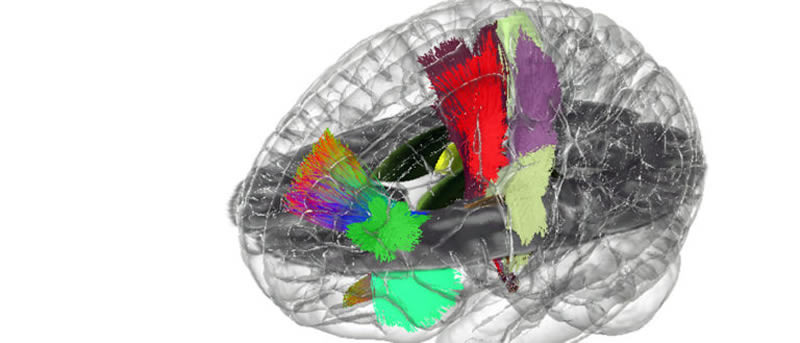
A holographic image of the human brain. The image is credited to Case Western Reserve.

Researchers have used the HoloLense software to create an interactive holographic mapping system for axonal pathways in the human brain.

Does Parkinson’s disease (PD) start in the brain or the gut? In a new contribution published in the Journal of Parkinson’s Disease, scientists hypothesize that PD can be divided into two subtypes: gut-first, originating in the peripheral nervous system (PNS) of the gut and spreading to the brain; and brain-first, originating in the brain, or entering the brain via the olfactory system, and spreading to the brainstem and peripheral nervous system.

In the largest study of its kind, researchers identified similarities in the brain activity of people with major depressive disorder, post-traumatic stress disorder, bipolar disorder, and anxiety disorders.

A new theory, inspired by thermodynamics, takes a high-level perspective of how neural networks in the brain transiently organize to give rise to memories, thought and consciousness.

For the first time, researchers have extracted and isolated amyloid beta (Aβ) fibrils from the brains of three people who had died of Alzheimer’s disease.

A new study has revelled that deep sleep restores the medial prefrontal cortex mechanisms that restore emotion. This lowers emotional and physiological reactivity, preventing the escalation of stress and anxiety.

The largest brain imaging study of its kind may have found the reason why people with anxiety and mood disorders so often feel unable to escape negative thoughts and emotions.

Finally this week, researchers have now developed a novel computational approach to accelerate finding optimal stimuli, by building deep artificial neural networks that can accurately predict the neural responses produced by a biological brain to arbitrary visual stimuli.