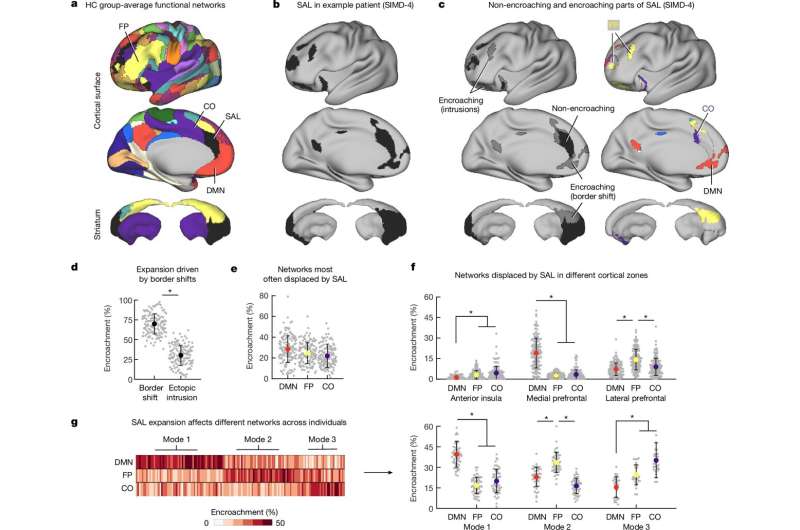
Three modes of salience network expansion in depression. Credit: Nature (2024)
By repeatedly scanning the brains of a small group of patients for a year and a half, researchers have identified a distinct pattern of neuronal interactions that appears to predispose some people to developing depression.
A new study reveals that higher levels of inequality—whether economic, environmental, or health-related—are associated with faster brain aging, particularly in countries with greater disparities.
Researchers have published a new clinical protocol examining the combination of aerobic exercise and cognitive rehabilitation to improve learning and memory in individuals with multiple sclerosis (MS) who have mobility disability.
A new study reveals that the protein Tau – a key player implicated in several neurodegenerative conditions including Alzheimer’s disease – also plays a positive role in the brain.
Scientists have revealed new insights into the mechanisms behind cerebral small vessel disease, a condition that affects the smaller blood vessels in the brain and causes approximately half of all dementia cases.
Sports-related concussions may not be associated with long-term cognitive risks for non-professional athletes, a new study suggests.
Researchers have discovered that the Tau protein, often linked to neurodegenerative diseases like Alzheimer’s, also has a protective role in the brain. Tau helps combat oxidative stress by aiding in the formation of lipid droplets in glial cells, which sequester toxic lipids and protect neurons.
Scientists have developed an integrated optical sensor capable of detecting dopamine directly from an unprocessed blood sample.
A recent study has mapped genes linked to schizophrenia and uncovered a mechanism that disrupts synaptic plasticity in affected individuals. The researchers showed the role of three proteins in mediating the impairments of plasticity in schizophrenia. The findings may hold promise for the development of new treatments.
Finally this week, researchers have identified a protein called OSER1 that plays a key role in regulating longevity, offering new insights into why some people live longer than others.
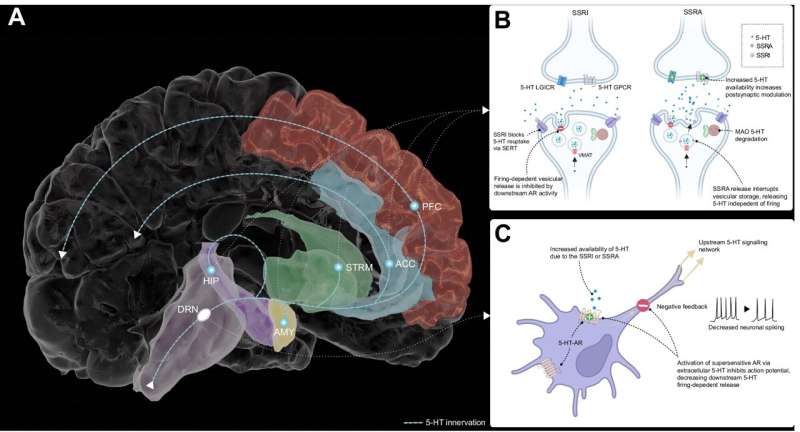
Selective serotonin releasing agent is not negated by 5-HT1A supersensitivity, resulting in a rapid onset of pro-serotonergic activity. Credit: Nature Communications (2024).
Increasing serotonin can change how people learn from negative information, as well as improving how they respond to it, according to a new study published in the journal Nature Communications.
A recent review outlines the genetic complexity of schizophrenia, highlighting nearly 300 common genetic variants and over 20 rare variants linked to the disorder. Researchers emphasize that schizophrenia’s genetic basis is multifaceted, involving multiple genes rather than a single cause. Environmental factors like lifestyle and stress also play crucial roles.
Researchers have conducted a study examining the impact of alcohol on the electrical conductivity of the brain, highlighting its sedative effects.
New research indicates that 20% of children with an older sibling diagnosed with autism are also likely to be diagnosed with autism spectrum disorder (ASD), with this rate increasing to 36% when there are multiple siblings with ASD.
An international team of researchers has investigated the neural mechanisms underlying imitative behavior: a phenomenon that facilitates interaction and social cohesion and allows people to engage spontaneously with others. The study—published in Proceedings of the National Academy of Sciences (PNAS)—has uncovered new insights into how the brain regulates this behavior, opening up new perspectives for clinical and therapeutic applications.
Advanced MRI scans, particularly diffusion tensor imaging (DTI), have shown promise in predicting which concussion patients are at risk for long-term symptoms.
A significant breakthrough in the understanding of sleep mechanism opens new promise for treating sleep disorders and associated neuropsychiatric conditions: Scientists have pinpointed the melatonin receptor MT1 as a crucial regulator of REM (Rapid Eye Movement) sleep.
Innovative new research has revealed that the activity of different versions of genes expressed in the brain is associated with the accumulation of the protein tau, which is a hallmark of Alzheimer’s disease.
Finally this week, western classical music can significantly affect brain activity, particularly in people with treatment-resistant depression. By measuring brainwaves and neural imaging, scientists discovered that music synchronizes neural oscillations between brain regions associated with sensory and emotional processing, enhancing mood.
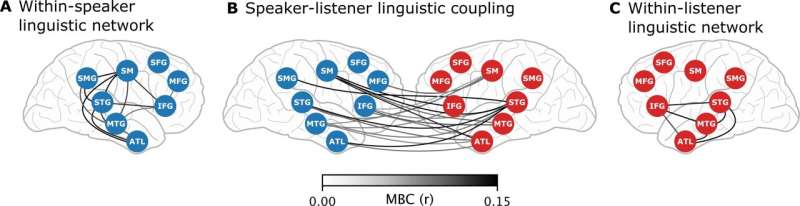
Coupling between speaker and listener brains. Credit: Neuron / Zada et al.
When two individuals interact, their brain activities tend to synchronize. Previously, it was uncertain how much of this “brain-to-brain coupling” resulted from linguistic information versus other factors like body language or tone of voice. However, researchers reported in the journal Neuron that this coupling during conversation could be modeled by considering the words used and the context of their use.
Worsening air quality and temperature extremes are linked to increased stroke burden, according to a new study.
A team of scientists has pinpointed how different areas of the neuron age differently, with a potential knock-on effect on healthy cell function and the development of neurodegenerative conditions. The paper is publishedin the journal Aging Cell.
The inflammatory activity in the body caused by rheumatoid arthritis is linked to specific cognitive impairments, finds a small comparative study.
An interdisciplinary team of scientists has found changes in the strength of neural pathways in an area of the brain involved in reward processing and movement coordination when someone has Parkinson’s disease.
New research links diets rich in vitamins and minerals, with low added sugar, to younger biological age.
For patients with major depressive disorder (MDD), seizure duration of 60 to 69 seconds induced by electroconvulsive therapy (ECT) is associated with the highest remission rates compared with seizure duration of less than 20 seconds, according to a study published in JAMA Network Open.
A new study reveals that the part of the brain that receives and processes visual information in sighted people develops a unique connectivity pattern in people born blind.
New research finds that specialized MRI scans can detect early brain changes that indicate a higher risk for Alzheimer’s disease (AD) before significant cognitive decline occurs. Researchers discovered that cortical microstructural changes in the brain closely resemble patterns seen in AD pathology.
A new report highlights that addressing 14 modifiable risk factors from childhood could prevent or delay nearly half of dementia cases. The study identifies high LDL cholesterol and untreated vision loss as new significant risks.
Researchers have developed a computer model that mimics how the hippocampus stores new episodic memories without erasing old ones. The findings reveal insights into how the brain organizes personal experiences and maintains stability despite constant updates. The model shows promise for enhancing our understanding of memory retention and cognitive processing.
Mapping network connectivity to cycles of seizure likelihood. Credit: Nature Medicine (2024)
A team of epilepsy specialists has developed a method to forecast the risk of a seizure within 24 hours. The researchers demonstrated that the surge of brain activity indicative of a seizure is preceded by unusual communication among certain brain regions. By examining a mere 90 seconds of these atypical brain signals, the researchers were able to predict the likelihood of a seizure.
A significant discovery by Australian scientists has the potential to improve the effectiveness of drugs currently used to manage cognitive decline in patients with Alzheimer’s disease.
A new study reveals that quick learners of motor skills have distinct brain activity patterns. Using brain-monitoring electrodes, they found that visual processing plays a crucial role in learning new movements. Fast learners showed higher activity in brain regions linked to visual information and muscle movement planning. These findings highlight the importance of vision in acquiring motor skills and its implications for older adults.
Star-shaped glial cells, so-called astrocytes, are more than just a supporting cell of the brain. They are actively involved in learning processes and interact with nerve cells. Now scientists are using a biophysical model to clarify how astrocytes interact with nerve cells to regulate rapid adaptation to new information. The results of the study have now been publishedin Communications Biology.
New research shows that inflammation outside the brain, such as that caused by common infections such as colds and urine infections, is linked to the progression of multiple sclerosis (MS).
Recent advances in the study of proteomes (i.e., the entire range of proteins expressed by human cells and tissues) have opened new opportunities for identifying the biological markers of specific diseases or mental disorders. This could in turn inform the prevention, diagnosis and treatment of these medical conditions.
A new experimental cancer drug could ease cognitive difficulties for those with Rett syndrome, a rare autism-linked disorder, by enhancing brain cell functions.
An MIT study published in Nature provides new evidence for how specific cells and circuits become vulnerable in Alzheimer’s disease, and hones in on other factors that may help some people show resilience to cognitive decline, even amid clear signs of disease pathology.
A new study demonstrates how the external representation of physiological signals (interoception) can affect our perception of them and teach us how to improve them in order to balance the body in stressful situations, for example. The study was recently publishedin the journal Scientific Reports.
A new study proposes a novel approach to studying consciousness through behavioural observations and learning curves, highlighting that learning often occurs in sudden leaps, suggesting these “eureka moments” are preceded by conscious cognitive processes.
Finally this week, there is a potential connection between a diagnosis of certain gastrointestinal (GI) syndromes and the formation and rupture of intracranial (brain) aneurysms according to new research.
Temporally removed goals activated the left anterior hippocampus and current goals activated the left posterior hippocampus. a Activation maps for the contrasts comparing the remote (distant future + near future + distant past + near past) > current are overlaid in yellow. b Activation maps for the contrasts comparing the current > remote are overlaid in green. c Activation for the temporally removed goals (yellow) and the current goals (green) shown concurrently on the brain. d The same goal, for instance fixing the space helmet, was anatomically dissociated along the longitudinal axis based on whether it was currently relevant, or relevant at a point removed in time. The left hippocampal region of interest (ROI) is displayed in white. Credit: Nature Communications (2024).
How does our brain distinguish between urgent and less urgent goals? Researchers have explored how our brain remembers and adjusts the goals we set for ourselves on a daily basis.
Ever heard just a snippet of a song and instantly known what comes next? Or picked up the rhythm of a chorus after just a few notes? New researchhas uncovered what happens in our brain when we recognize and predict musical sequences.
A new study provides the first anatomical, functional representation of the ocular surface in the central nervous system.
In a small study, researchers have discovered how a set of genes could cause neurons to die in sporadic amyotrophic lateral sclerosis (ALS). The results, published inNature Aging, provide insight into the root causes of ALS and may lead to new ways to halt disease progression.
New research shows that the brains of sighted and blind people adapt in a similar way when they learn to use sound echoes to understand the world without vision.
People with type 2 diabetes who are treated with GLP-1 agonists, like Ozempic have a decreased risk of developing dementia, according to a new study from Karolinska Institutet published in the journal eClinicalMedicine.
A class of drugs already on the market to lower blood pressure appears to reduce adults’ risk of developing epilepsy, a team of researchers has discovered.
In a recent study, a Yale-led research team described for the first time a rare neurodevelopmental syndrome that begins affecting patients during infancy and typically causes developmental delays, severe seizures, cardiac dysrhythmia, and recurring infection.
Not all patients with depression respond to medication. Two recently published studies provide additional information on how an alternative treatment, transcranial magnetic stimulation (TMS), could be further enhanced. TMS differs from electroconvulsive therapy (ECT), which is also used to treat depression.
New research provides insights into the brain regions involved in paranoia.
A new study reveals variations of the visual saltation illusion, where rapid light flashes in peripheral vision create perceptual errors. The study shows that our brains misplace the second flash near the midpoint, regardless of its actual position. This finding challenges our understanding of visual processing and questions the reliability of eyewitness testimony. The research opens doors for further studies on visual perception and attention.
Researchers worldwide can now create highly realistic brain cortical organoids—essentially miniature artificial brains with functioning neural networks—thanks to a newly released proprietary protocol.
A new study reveals that a balanced ratio of neural excitation (E) and inhibition (I) is crucial for brain development and cognitive performance. Researchers found that lower E/I ratios in children correlate with better memory and intelligence. This balance is vital for preventing brain disorders and was measured using a novel AI and MRI technique. The findings could inform personalized treatments for mental health conditions.
Tau positron emission tomography (PET) has the best performance as a standalone marker for prediction of progression of mild cognitive impairment (MCI) to dementia, according to a study published online in JAMA Neurology.
Murdoch University’s Center for Healthy Aging is identifying new interventions to treat resting tremor in people with Parkinson’s disease.
New research reveals that sildenafil (Viagra) enhances brain blood flow and improves blood vessel function in patients at risk of vascular dementia. This study marks a significant advancement in addressing this condition.
Finally, this week, do our brains process natural voices and deepfake voices differently? Research conducted at the University of Zurich indicates that this is the case.
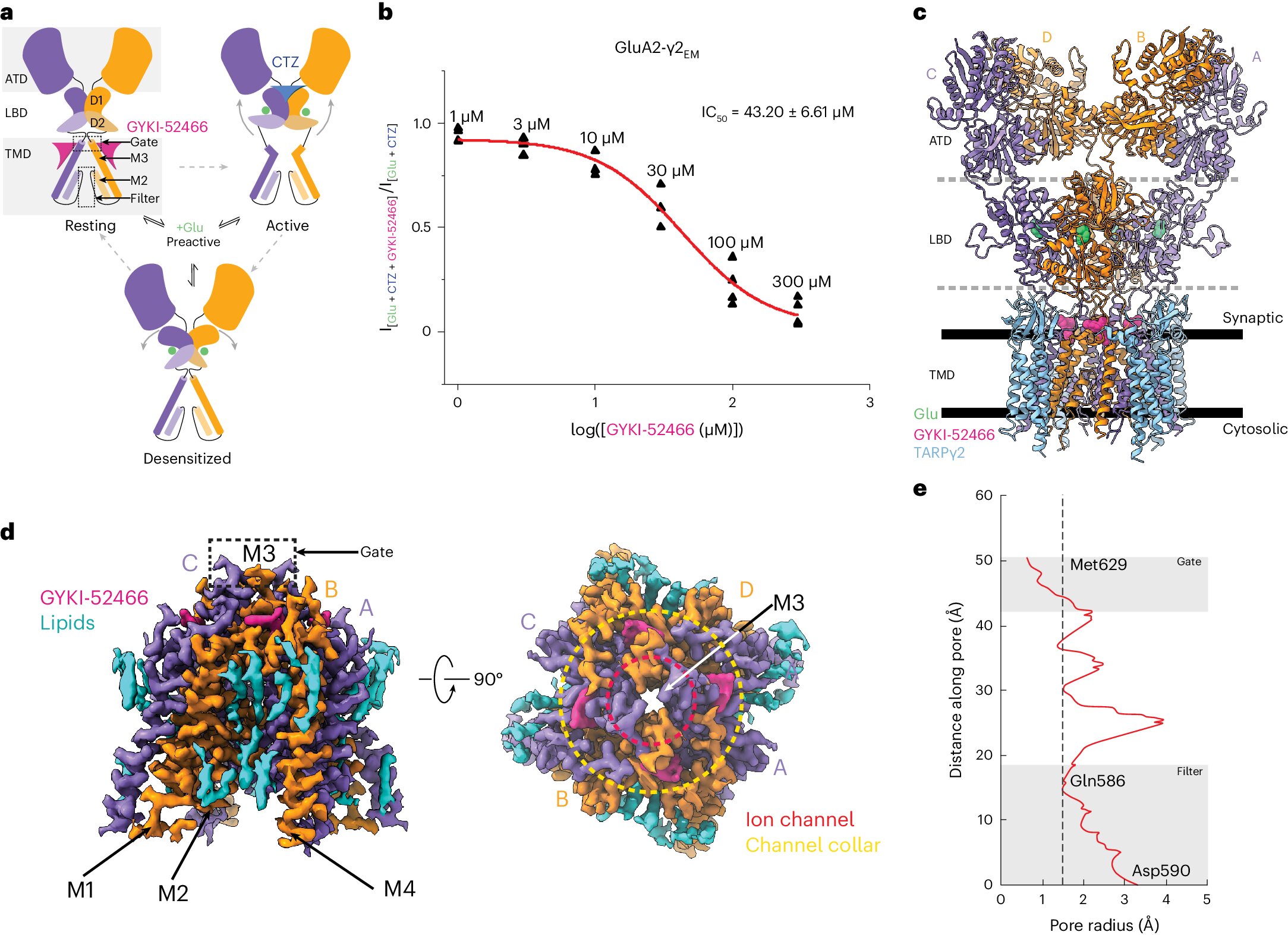
By super cooling a molecule on the surface of brain cells down to about minus 180 degrees Celsius—nearly twice as cold as the coldest places in Antarctica—scientists say they have determined how a widely-used epilepsy drug works to dampen the excitability of brain cells and help to control, although not cure, seizures.
Scientists have identified a positive molecular feedback loop which could explain stroke-induced memory loss.
A team of Australia’s leading health researchers has developed a new “dictionary” to better predict outcomes for people who have experienced a moderate-severe traumatic brain injury (TBI). The work ispublishedin the Journal of Neurotrauma.
A new study has found that resilient people exhibit neural activity in the brain regions associated with improved cognition and regulating of emotions, and were more mindful and better at describing their feelings. The same group also exhibited gut microbiome activity linked to a healthy gut, with reduced inflammation and gut barrier.
A blood test can accurately detect the ongoing effects of sport-related concussion and help determine when it’s safe to return to the field, new research has found.
Researchers have developed a method to predict dementia with over 80% accuracy up to nine years before diagnosis. Using fMRI scans, the team analyzed changes in the brain’s default mode network (DMN), which is affected early in Alzheimer’s disease.
A new study finds that adults’ phobias can be correlated with changes in the structure of their brains. What’s more, the neurological differences seen in adults with phobias are more extensive than those observed in people with other forms of anxiety.
Researchers have identified six depression subtypes through brain imaging and machine learning, revealing tailored treatment options. This breakthrough in precision psychiatry can improve treatment outcomes by matching patients with the most effective therapies based on their brain activity patterns.
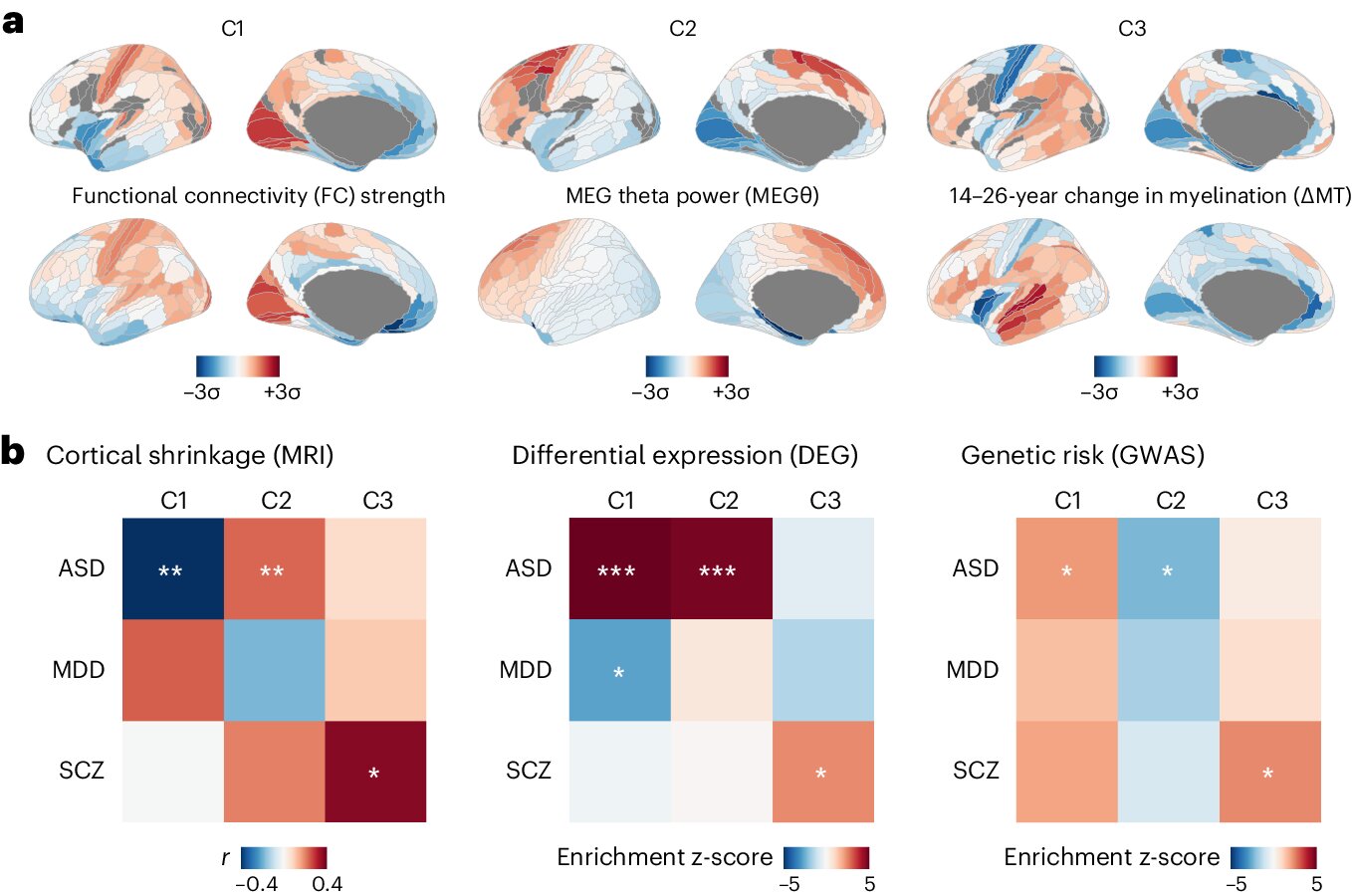
Researchers at University of Cambridge and other institutes worldwide recently carried out a study that linked gene expression in healthy brains to the imaging, transcriptomics and genetics of autism spectrum disorder and schizophrenia. Their paper,publishedin Nature Neuroscience, unveiled three distinct spatial patterns of cortical gene expression each with specific associations to autism and schizophrenia
A study published in the Journal of the American College of Cardiology suggests that physical activity may reduce cardiovascular disease risk by lowering stress-related brain activity.
A team of researchers at Baylor College of Medicine and Yale University incorporated generative artificial intelligence (AI) to create a foundational model for brain activity. The Brain Language Model (BrainLM) was developed to model the brain in silico and to determine how brain activities are related to human behavior and brain diseases.
Using MRI, engineers have found a way to detect light deep in the brain.
Stressful life events, such as the death of a loved one or divorce, put a person at greater risk of developing dementia in later life, a recent study has found. But only if the stressful event happened in childhood or midlife.
Our brains process odours differently depending on the names assigned to them, according to new research.
People with neurological disease have a greater chance of death after contracting COVID-19, according to a new study. The research also confirms a higher risk of developing new neurological disorders after COVID infection.
Children who experience chronic lack of sleep from infancy may be at increased risk of developing psychosis in early adulthood, new research shows.
A team of brain specialists at the California Institute of Technology has developed a brain–computer interface approach to decode words “spoken” entirely in the brain by recording signals from individual neurons in real time.
A new study shows that the cerebellum is involved in processing emotions, with implications for ataxia care.
A research team has revealed the link between the frequency of sleep apnea events during the rapid-eye-movement stage and the severity of verbal memory impairment in older adults at risk for Alzheimer’s disease. Verbal memory refers to the cognitive ability to retain and recall information presented through spoken words or written text and is particularly vulnerable to Alzheimer’s.
Results from a recent neuroplasticity study show how singing rehabilitates speech production in post-stroke aphasia.
For the first time, researchers have succeeded in explaining the propagation of traveling waves of activity in the human brain using a computer simulation. Previous studies indicate that these waves are important for various cognitive functions such as memory.
A new publication in Scientific Reports unveils a promising non-opioid pain treatment.
Repeated blows to the heads of football players can damage the small blood vessels of the brain, according to research by scientists who believe this damage may contribute to brain dysfunction in some athletes years after play has ended.
New research has shed light in the complex interplay between cell proteins, and how they impact on neurons in neurodevelopmental disorders and Alzheimer’s disease.
Artificial intelligence (AI) computer programs that process MRI results show differences in how the brains of men and women are organized at a cellular level, a new study shows. These variations were spotted in white matter, tissue primarily located in the human brain’s innermost layer, which fosters communication between regions.
Finally, this week, climate change, and its effects on weather patterns and adverse weather events is likely to negatively affect the health of people with brain conditions.
Exposure to higher levels of light can help people feel more awake and increase cognitive performance, probably by influencing the activity of parts of a brain region called the hypothalamus, according to new research.
Researchers have developed a new tool to better understand how chemicals like dopamine and epinephrine interact with neurons.
Bursts of brain rhythms with “beta” frequencies control where and when neurons in the cortex process sensory information and plan responses. Studying these bursts would improve understanding of cognition and clinical disorders, researchers argue in a new review.
Why do we move slower the older we get? A new study delivers answers.
People with a history of cognitively stimulating occupations during their 30s, 40s, 50s, and 60s had a lower risk of mild cognitive impairment (MCI) and dementia after age 70, according to a new study. The findings highlight the importance of cognitive stimulation during midlife for maintaining cognitive function in old age.
An inpatient, epilepsy-related rehabilitation program shows lasting effects on several aspects of adaptation to epilepsy and quality of life, according to a study published in the journal Epilepsia.
A recent study reveals that high body mass index (BMI) is associated with changes in physiological brain pulsations. These pulsations play a crucial role in maintaining brain fluid circulation and the clearance of metabolic waste from the brain.
Engaging in conversation with others can activate various brain functions in socially isolated older adults, even if the interactions occur via the internet. This finding comes from a recent clinical trial conducted by Massachusetts General Hospital, with the results published in The Gerontologist.
Neuroscientists have revealed that recency bias in working memory naturally leads to central tendency bias, the phenomenon where people’s (and animals’) judgements are biased towards the average of previous observations. Their findings may hint at why the phenomenon is so ubiquitous.
A new study has found that a brain network condition called “explosive synchronization” could be the cause of extreme pain crises in people with sickle cell disease.
Researchers have developed tiny, flexible devices that can wrap around individual nerve fibers without damaging them. These devices could be used for the diagnosis and treatment of a range of disorders, including epilepsy and chronic pain, or the control of prosthetic limbs.
Scientists have discovered the mechanism that allows adult brain stem cells to express genes that maintain their identity and those for neuronal differentiation without conflicts in cellular activity.
A new study aims to examine the role of napping in brain development among infants and preschoolers. By tracking changes in the hippocampus, the research aims to prove how critical naps are for memory retention and brain growth in young children.
Finally this week, neuroscientists have confirmed that different strategies are employed when choosing between primary and secondary rewards, with impulsivity being a key factor.
To the left of the figure, the red-yellow color denotes the regions that degenerate earlier than the rest of the brain, and are vulnerable to Alzheimer’s disease. These brain areas are higher-order regions that process and combine information coming from our different senses. To the right of the figure, each dot represents the brain data from one UK Biobank participant. The overall curve shows that, in these particularly fragile regions of the brain, there is accelerated degeneration with age. Credit: G. Douaud and J. Manuello.
In a new study published in Nature Communications, researchers investigated the genetic and modifiable influences on fragile brain regions by looking at the brain scans of 40,000 UK Biobank participants aged over 45.
Scientists have shown for the first time that a type of thinking that has been described for over a century as a developmental milestone of adolescence may grow teenagers’ brains over time.
A team of neurologists, stem cell specialists and molecular biologists affiliated with several institutions in the U.S. and led by a group at Stanford University School of Medicine has found evidence that the root cause of Alzheimer’s disease may be fat buildup in brain cells. The study is published in the journal Nature.
New research highlights the critical role of unique gut bacteria in newborns, producing serotonin to educate immune cells and prevent allergic reactions early in life.
People continuously exposed to bright, artificial light at night may be at increased risk of developing conditions that affect blood flow to the brain and having a stroke, according to research published in Stroke.
Researchers reveal new findings on the complexity of age-related memory decline and neural dedifferentiation, challenging existing theories on cognitive aging.
A new study has found that amyotrophic lateral sclerosis (ALS) and frontotemporal lobar degeneration (FTLD) exhibit strikingly similar cellular and molecular characteristics, despite affecting different brain regions and showing distinct clinical symptoms.
New research reveals how the human brain processes vital signals from the heart and lungs, offering new insights into the complex brain-body integration essential for health and cognition.
In a new study, AI processed text from health histories and neurologic examinations to locate lesions in the brain. The study, which looked specifically at the large language model called generative pre-trained transformer 4 (GPT-4), is published in the online issue of Neurology Clinical Practice.
Bilingualism may serve as a powerful tool against age-related cognitive decline, particularly in social cognition areas such as the theory of mind. A new study demonstrates that early bilingualism leads to beneficial structural changes in the brain, including increased gray matter volume and cortical thickness, which contribute to a stronger cognitive reserve.
In a study published in Nature Mental Health, scientists have found that individuals suffering from chronic musculoskeletal pain (CMP) may face a higher risk of brain aging.
A new analysis involving over 13,000 people has found changes to blood vessels in the brain that can increase the risk of stroke and dementia are common in people with a range of heart conditions, regardless of whether they have experienced a stroke.
A Canadian-led study has identified genes that may be partially responsible for the development of cerebral palsy.
Researchers have introduced a new, refined method for analyzing brain signals, enhancing our understanding of brain functionality. This research has the potential to improve treatments for neurological conditions such as Parkinson’s disease, pain, epilepsy and depression.
A study reveals that Lewy body disease, a major neurodegenerative disorder, may start developing in individuals as early as middle age, well before symptoms manifest.
Researchers have shown that the brain chemical GABA regulates activity in the retina of the eye in autistic and non-autistic individuals differently. Autistic people have larger responses to single light flashes in the retina of the eye and this new study shows that increasing GABA activity can reduce this response.
Finally this week, a study by the University of Sheffield has cast doubt on the efficacy of non-invasive brain stimulation techniques in improving visual working memory.
A new study has found the immune system in the blood of Alzheimer’s patients is epigenetically altered. That means the patients’ behavior or environment has caused changes that affect the way their genes work.
Many patients continue to struggle in the wake of the pandemic as they grapple with ongoing symptoms triggered by COVID-19 infection, a condition commonly known as long COVID. However, the onset of symptoms such as brain fog, fatigue, headache, and other types of pain is not unique to COVID infection, according to a new study.
Researchers have discovered a molecular complex crucial for the transport of mitochondria within neurons, offering new insights into preventing neurodegenerative diseases.
A landmark advancement in neural prosthetics has been made, demonstrating the ability to recall specific memories using a newly developed memory decoding model (MDM). The study, involving 14 adults with epilepsy, showed that MDM stimulation significantly improved memory performance, particularly in those with impaired memory, offering hope for treating conditions like Alzheimer’s disease, stroke, or head injury. This research signifies a major step toward creating interventions that can restore lost memory functions, potentially aiding individuals in living more independently.
A new study reveals that excessive stress during adolescence can lead to long-lasting changes in gene expression in the brain, particularly those related to bioenergy functions.
Researchers developed an innovative AI tool, DeepGO-SE, that excels in predicting the functions of unknown proteins, marking a significant advance in bioinformatics. Leveraging large language models and logical entailment, this tool can deduce molecular functions even for proteins without existing database matches, offering a groundbreaking approach to understanding cellular mechanisms.
Smoking not only affects immune responses in the short term but also leaves a lasting imprint on the body’s defense mechanisms. This is the finding recently made by a team of scientists at the Institut Pasteur using the Milieu Intérieur cohort of 1,000 healthy volunteers, established to understand variability in immune responses.
Taking an anticoagulant, or blood-thinning medication, can increase one’s risk of—or exacerbate—a brain bleed, also known as a brain hemorrhage, which is the deadliest type of stroke. Now, new research finds that faster treatment for these patients is associated with a greater likelihood of survival.






 inside-the-brain.com