Weekly Neuroscience Update

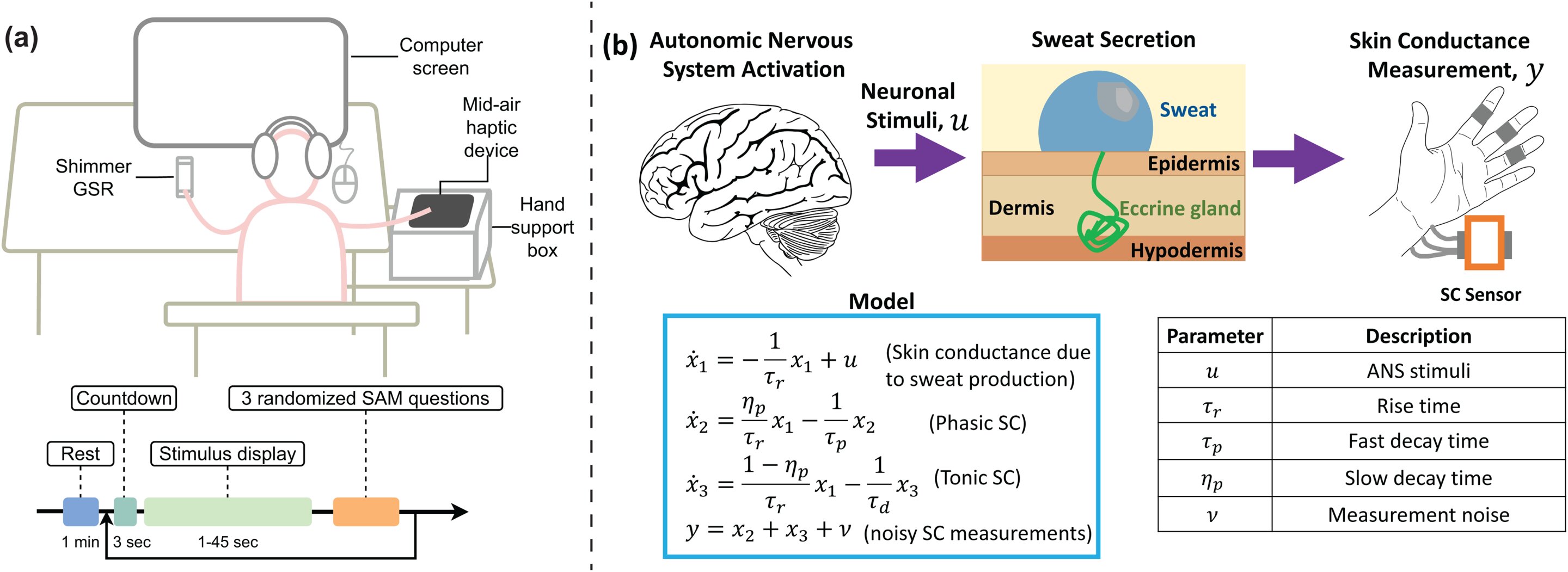
Credit: PLOS Mental Health (2025). DOI: 10.1371/journal.pmen.0000463

A recent study explores how physiological signals can reveal cognitive arousal—the level of mental alertness and emotional activation—without relying on subjective reporting.

New research reveals that women with long COVID show distinct biological disruptions — including gut inflammation, anaemia, and abnormal hormone levels — that may explain their heightened and persistent symptoms. These findings emerged from immune, biomarker, and genetic analyses in people one year after infection.

A new software enables brain simulations which both imitate the processes in the brain in detail and can solve challenging cognitive tasks. 

University of Auckland researchers report that an 8-week, twice-weekly LSD microdosing regimen for major depressive disorder was feasible and well-tolerated, with Montgomery-Åsberg Depression Rating Scale (MADRS) scores reduced by 59.5% at the end of treatment and sustained to six months.

Dance styles engage the brain in different ways depending on the movements, aesthetics, and emotions associated with the dance, according to a study published in Nature Communications.

New research shows that depression beginning before age 25 has a much stronger hereditary component than depression that emerges later in life. By analysing genetic data from over 150,000 people with depression, researchers identified distinct genetic regions linked specifically to early-onset cases.

Scientists have developed an innovative, non-invasive brain stimulation therapy to significantly improve visual function in stroke patients who have suffered vision loss following a stroke.

A rare intracranial brain-recording study revealed that tirzepatide, a GLP-1 and GIP receptor agonist, temporarily silences craving-related neural activity in a key reward circuit of the brain. Researchers observed that the drug initially shut down signaling in the nucleus accumbens of a patient with treatment-resistant obesity. However, after five months, both the “food noise” and the corresponding neural patterns returned, suggesting the effect was short-lived. The findings highlight how these metabolic drugs influence human brain circuits and underscore the need for more durable treatments targeting impulsivity in eating disorders.

Researchers report that ketogenic diets are associated with modest reductions in depressive symptoms in adults, while evidence for anxiety remains uncertain.

An international study has uncovered similar structural changes in the brains of young people diagnosed with anxiety disorders, depression, ADHD and conduct disorder, offering new insights into the biological roots of mental health conditions in children and young people.

A randomised, placebo-controlled trial shows that cannabis with active THC reduces immediate alcohol cravings and lowers drinking levels in heavy-drinking young adults.

New research shows that the brain distinguishes between “what an odour is” and “how it feels,” processing them at different times. After smelling, the brain sends a quick signal that identifies molecular features for differentiation.

“Drains” in the brain, responsible for clearing toxic waste in the organ, tend to get clogged up in people who show signs of developing Alzheimer’s disease, a new study shows.

Researchers have discovered how the brain keeps time for precise movements, revealing a neural “hourglass” mechanism between the motor cortex and striatum. The motor cortex sends timing signals that accumulate in the striatum until they reach a threshold that triggers action.

Finally this week, a new brain imaging study reveals that music activates the same chemical system in the brain that is responsible for the pleasure associated with food and social bonding. 
Weekly Neuroscience Update

A new study published in Scientific Reports has introduced a promising diagnostic tool that could dramatically shorten the long wait times many families face when seeking evaluations for autism and attention-related conditions. The research team used artificial intelligence to analyse subtle patterns in how people move their hands during simple tasks, identifying with surprising accuracy whether someone is likely to have autism, attention-deficit traits, or both. The method, which relies on wearable motion sensors and deep learning, could one day serve as a rapid and objective screening tool to help clinicians triage children for further assessment.

New research is investigating how childhood adversity rewires brain circuits that control emotion, memory, and attention, increasing the risk of impulsive and pathological aggression.

A groundbreaking study has revealed that genes linked to mental and neurodegenerative disorders, such as autism, depression, and Parkinson’s, begin influencing brain development during the earliest fetal stages. These genes are already active in neural stem cells—the progenitors that form the brain—long before symptoms arise.

Researchers at the University of Michigan have illuminated a complete sensory pathway showing how the skin communicates the temperature of its surroundings to the brain.

Patients with myalgic encephalomyelitis/chronic fatigue syndrome (ME/CFS) may be closer to personalized care, according to new research that shows how the disease disrupts interactions between the microbiome, immune system, and metabolism.

A new study using direct recordings from human brains reveals how the amygdala and hippocampus coordinate to form and retrieve emotional memories.

A personalised brain stimulation system powered by AI that can safely enhance concentration from home has been developed by researchers from the University of Surrey, the University of Oxford and Cognitive Neurotechnology. Designed to adapt to individual characteristics, the system could help people improve focus during study, work, or other mentally demanding tasks.

In the largest study of its kind, researchers linked irregular sleep patterns to elevated risk for 172 diseases.

Neuroscientists have grown a novel whole-brain organoid, complete with neural tissues and rudimentary blood vessels. This advance could usher in a new era of research into neuropsychiatric disorders such as autism.

Researchers have successfully mapped the entire neural circuit responsible for transmitting cool temperature signals from the skin to the brain.

A new brain imaging study reveals that how people expect pain relief—through visual cues or treatment explanations—can significantly influence how much pain they actually feel. External cues, like symbols signaling less pain, consistently reduced pain perception and altered brain regions tied to pain processing.

Finally this week, a new international study confirmed a significant post-pandemic rise in disorders of gut-brain interaction, including irritable bowel syndrome (IBS) and functional dyspepsia.

Weekly Neuroscience Update

Credit: Brain Communications (2025)

The parts of the brain that are needed to remember words, and how these are affected by a common form of epilepsy, have been identified by a team of neurologists and neurosurgeons.

New research published in PLOS ONE, reveals that witnessing trauma triggers unique brain changes, distinct from those caused by experiencing trauma firsthand. The study is the first to shed light on the molecular differences between directly acquired PTSD and bystander PTSD and could pave the way for changes in how the disorders are treated.

Scientists have discovered that neural changes in teens may predict how decision-making and behavioural control develop.

A new study shows that the rubber hand illusion can reduce the intensity of pain caused by heat. Researchers found that when participants viewed a rubber hand being illuminated while their hidden hand received a heat stimulus, they reported feeling less pain. This suggests that integrating visual and sensory cues can influence pain perception. The findings may one day help develop new treatments for chronic pain conditions such as complex regional pain syndrome.

Verbal fluency, the ability to recall and use vocabulary, is the strongest cognitive predictor of longevity in a 20-year study of elderly adults. This suggests a link between linguistic ability and overall health.

Neuroscientists have discovered a way to control how much zinc is released to specific locations in the brain. The essential mineral plays a major role in the brain’s function, including improving memory and lessening symptoms of some neurological disorders, but getting the right amount to the right place is key.

According to new research, inflammation inside and outside the brain may contribute to neurological complications in COVID-19.

A study published  in the British Journal of Psychiatry has found that nearly half of people diagnosed with depression don’t respond to multiple antidepressant medications and are considered “treatment-resistant.” The study found that 48% of patients whose electronic health care records reported a diagnosis of depression had tried at least two antidepressants, and 37% had tried four or more different options.

Scientists have developed a computational framework that maps how the brain processes speech during real-world conversations.

For children with autism who severely injure themselves, a pilot study suggests that deep brain stimulation (DBS) of the brain’s reward centre (nucleus accumbens) is a safe and possible treatment that could be beneficial, especially when behavioural therapies don’t work.

New research suggests that factors present in the placenta during pregnancy might play a role in increasing the risk of a child developing schizophrenia.

Scientists at Peking University have used a new method to discover that dopamine helps protect and control the function of a protein called Tau. This finding helps us better understand how dopamine works normally and in diseases of the brain.

A research team has uncovered the neural mechanisms underlying the processing of pain and itch in the anterior cingulate cortex (ACC).

A new study finds that women in their 80s who develop increasing daytime sleepiness over five years are twice as likely to develop dementia. Researchers tracked 733 women without cognitive impairment, using wrist devices to monitor sleep and circadian rhythms. Those who showed stable sleep patterns had the lowest dementia risk, while those with increasing sleepiness faced the highest risk. Surprisingly, declining nighttime sleep was not significantly linked to dementia risk.

A research team has developed an electrode capable of safely encasing nerves without causing damage.

Finally this week, new research shows that even 12-month-old babies can form memories, as indicated by activity in the hippocampus. This challenges the idea that infants can’t remember and suggests that infantile amnesia (not remembering early childhood) might be because we can’t access those memories later, rather than not forming them in the first place.

Weekly Neuroscience Update

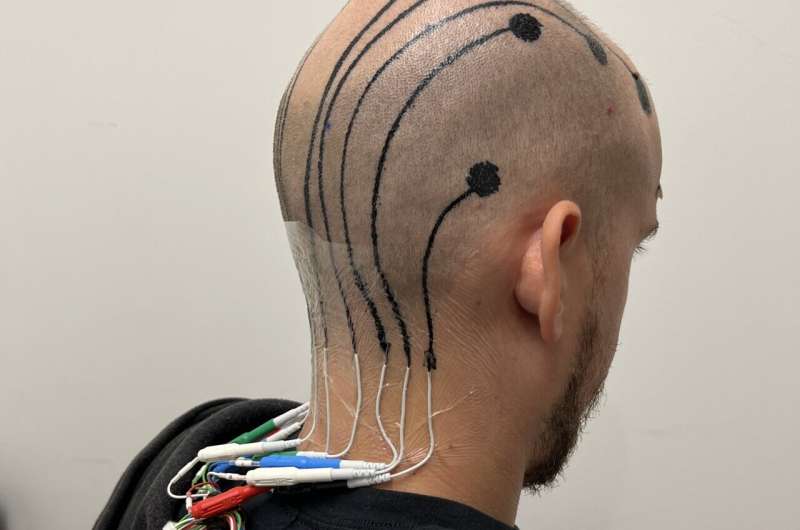
EEG setup with e-tattoo electrodes. Credit: Nanshu Lu

For the first time, scientists have invented a liquid ink that doctors can print onto a patient’s scalp to measure brain activity. The technology offers a promising alternative to the cumbersome process currently used for monitoring brainwaves and diagnosing neurological conditions. It also has the potential to enhance non-invasive brain-computer interface applications.

People who have chronic traumatic encephalopathy (CTE) who have a family history of mental illness may have a higher risk of aggression in middle age, according to a new study.

A loss of brain volume associated with new immunotherapies for Alzheimer’s disease may be caused by the removal of amyloid plaques, rather than the loss of neurons or brain tissue, finds a study led by UCL researchers.

A common heart drug may slow the progression of Huntington’s disease according to new research.

Men with cardiovascular disease risk factors, including obesity, face brain health decline a decade earlier—from their mid 50s to mid 70s—than similarly affected women who are most susceptible from their mid 60s to mid 70s, suggest the findings of a long term study, published online in the Journal of Neurology Neurosurgery & Psychiatry.

In a new study published in Briefings in Bioinformatics, researchers have found that depression can increase the chances of a person experiencing menstrual pain (dysmenorrhea).

Researchers have achieved a major milestone in the treatment of spinal cord injuries (SCI). By applying deep brain stimulation (DBS) to an unexpected region in the brain—the lateral hypothalamus (LH)—the team has improved the recovery of lower limb movements in two individuals with partial SCI, greatly improving their autonomy and well-being.

Soccer heading may cause more damage to the brain than previously thought, according to a study presented at the annual meeting of the Radiological Society of North America (RSNA).

New research reveals subtle changes in the visual pathways of individuals with chronic mild traumatic brain injury (TBI), even when standard eye examinations show no abnormalities. These findings include structural and functional deficits despite participants showing normal visual acuity during clinical examination.

A recent study identifies research strategies for tying brain function and structure to behaviour and health.

COVID-19 may be a risk factor for multiple sclerosis (MS). This has been shown by new research at Örebro University and Örebro University Hospital, Sweden. The study is published in the journal Brain Communications.

A study appearing in Nature Neuroscience has linked distinct neural and behavioral characteristics in autism spectrum disorder (ASD) to a simple computational principle.

Everyday physical activity, like going for a short walk or playing with the kids, may provide short-term benefits for cognitive health, equivalent to reversing four years of cognitive aging. That was a key finding a new study, published in the journal Annals of Behavioral Medicine.

Voice experiments in people with epilepsy have helped trace the circuit of electrical signals in the brain that allow its hearing center to sort out background sounds from their own voices.

A study led by University College London researchers found that large language models, a type of AI that analyzes text, can predict the results of proposed neuroscience studies more accurately than human experts.

Skeletal muscle loss is a risk factor for developing dementia, according to a study presented at the annual meeting of the Radiological Society of North America (RSNA).

A pioneering study has meticulously mapped the brain’s intricate neural pathways, shedding light on how specific regions work together to control impulsive actions. By employing advanced neuroimaging and noninvasive brain stimulation techniques, researchers uncover the mechanisms that allow us to halt unwanted actions.

Finally this week, new research reveals the unique human ability to conceptualize numbers may be rooted deep within the brain. 

Weekly Neuroscience Update

Mapped is the proportion of participants with a high rate of atrophy in cortical (left) and subcortical (right) areas. AD, Alzheimer’s disease; MCI, mild cognitive impairment. Credit: Alzheimer’s & Dementia (2024).

The way in which brains shrink in those who develop Alzheimer’s disease follows no specific or uniform pattern, finds a new study by researchers at UCL and Radboud University in the Netherlands.

A McGill University study has shown that hearing plays a crucial role in how people coordinate and control speech movements in real-time. Published in The Journal of the Acoustical Society of America, the research shows that when people cannot hear their own speech, even briefly, their ability to move their jaw and tongue in a coordinated manner is impaired.

Recent research offers novel insights about the biological mechanisms behind major depressive disorder and especially on the role of the immune system.

A new analysis from Imperial’s human challenge study of COVID-19 has revealed subtle differences in the memory and cognition scores of healthy volunteers infected with SARS-CoV-2, which lasted up to a year after infection. The findings, published in the journal eClinicalMedicine, show a small but measurable difference following highly intensive cognitive testing of 18 healthy young people with infection compared to those who did not become infected, monitored under controlled clinical conditions

A simple scoring system may help doctors predict which patients will likely become seizure-free after minimally invasive epilepsy surgery.

The European Commission has released the 10-year assessment of the Human Brain Project (HBP), an EU-Flagship initiative that concluded in 2023. The report highlights that the HBP made major contributions and had a transformative impact on brain research. One of the main outcomes of the HBP is EBRAINS, the open research infrastructure that continues to push neuroscience research forward.

A new, large study from France underscores the link between adult hearing loss and dementia. In addition, hearing loss is linked to loss of volume in critical areas of the brain.

Scientists are investigating the extraordinary longevity of neurons, which can survive for over 90 years, in a new research project. The findings could not only improve understanding of neural aging but also lead to treatments for neurodegenerative diseases like Parkinson’s and ALS. The research could potentially expand beyond neurons, offering insights into extending the health span of other cell types.

Bright light therapy is an effective adjunctive treatment for nonseasonal depressive disorder, according to a review published in JAMA Psychiatry.

A recent study has shown that conscious thought relies on synchronized brain rhythms to maintain communication between sensory and cognitive brain regions. Under general anesthesia, this rhythm-based communication breaks down, disrupting the brain’s ability to detect and process surprising stimuli.

A new trial reveals that weekly injections of the weight-loss drug Wegovy (semaglutide) lowered the risk of death from COVID-19 by about a third and reduced overall mortality by 19%.

In a breakthrough study, researchers have imaged a network of pathways in the human brain believed to clear waste proteins that can lead to Alzheimer’s and dementia. Using advanced MRI techniques, they revealed perivascular channels that guide cerebrospinal fluid through the brain, providing strong evidence of the glymphatic system’s role in waste removal.

New research has discovered that disruptions in the brain’s salience network, often tied to tau protein buildup, correlate strongly with behavioural changes in people with early-stage dementia.

A research team has published a comprehensive review on the application of brain network models (BNMs) in the medical field. This study summarizes recent advances and challenges in using BNMs to simulate brain activities, understand neuropathological mechanisms, evaluate therapeutic effects, and predict disease progression.

New research reveals that immune responses play a crucial role in the formation of Lewy bodies, protein aggregates that mark Parkinson’s disease and other neurological conditions. 

A new study has found microplastics in human brains for the first time, raising concerns about the potential health impact. Researchers analyzed samples from autopsies and discovered an accumulation of plastic particles in brain tissue, likely due to exposure through food, water, and air. Although the study is still in its preliminary stages, it highlights the need for further investigation into the effects of microplastics on brain health. While microplastics have been shown to cause inflammation and damage in laboratory experiments, their long-term impact on human health remains unclear.

Finally this week, researchers are working on a novel gene therapy that holds potential in treating patients with epilepsy.

Weekly Neuroscience Update

Crime films, action films, comedies, or documentaries? A person’s favourite film genre reveals a lot about how their brain works. This is the finding of a new study that compared data on film preferences with recordings of the brain activity of around 260 people.

Using functional magnetic resonance imaging (fMRI), neuroscientists have identified several regions of the brain that are responsible for processing language.

Certain regions of the brain show changes during the early stages after quitting drinking that may contribute to increased anxiety and relapse rates in people attempting recovery from alcohol use disorder, according to a recent study.

A research team has found evidence suggesting that minor brain injuries that occur early in life, may have health impacts later on.

Scientists have discovered a mutation in SARS-CoV-2, the virus that causes COVID-19, that plays a key role in its ability to infect the central nervous system. The findings may help scientists understand its neurological symptoms and the mystery of “long COVID,” and they could one day even lead to specific treatments to protect and clear the virus from the brain.

Scientists have identified how gene variations lead to brain changes associated with essential tremor, a common movement disorder affecting over 60 million people worldwide.

A new study reveals that non-cognitive skills like motivation and self-regulation are as crucial as intelligence in determining academic success. These skills, influenced by both genetics and environment, grow increasingly important throughout a child’s education.

Researchers have developed an innovative device that can diagnose glioblastoma, an aggressive brain cancer, in under an hour using a novel biochip.

A recent study investigates how the brain reacts to different types of love, ranging from parental to romantic, through sophisticated imaging methods. The findings indicate that the love for one’s children elicits the strongest brain response, particularly within the reward system.

Researchers have developed a system that detects genetic markers of autism in brain images with 89-95% accuracy, potentially enabling earlier diagnosis and treatment.

In a small pilot study, researchers used a new closed-loop system to measure the electrical brain patterns of individual patients and then stimulate those patterns with a weak electrical current, resulting in significantly improved symptoms of major depressive disorder.

A deeper understanding of the communication inside the body when someone is going through opioid withdrawal has led to a new clinical trial at the University of Calgary.

Researchers have developed a brain-inspired AI technique that utilizes neural networks to model the complex quantum states of molecules, which are essential for technologies such as solar panels and photocatalyst.

Finally this week, a new finding could open doors to new treatments for a range of psychiatric and neurological disorders attributed to dysfunctions in specific dopamine pathways.

Weekly Neuroscience Update

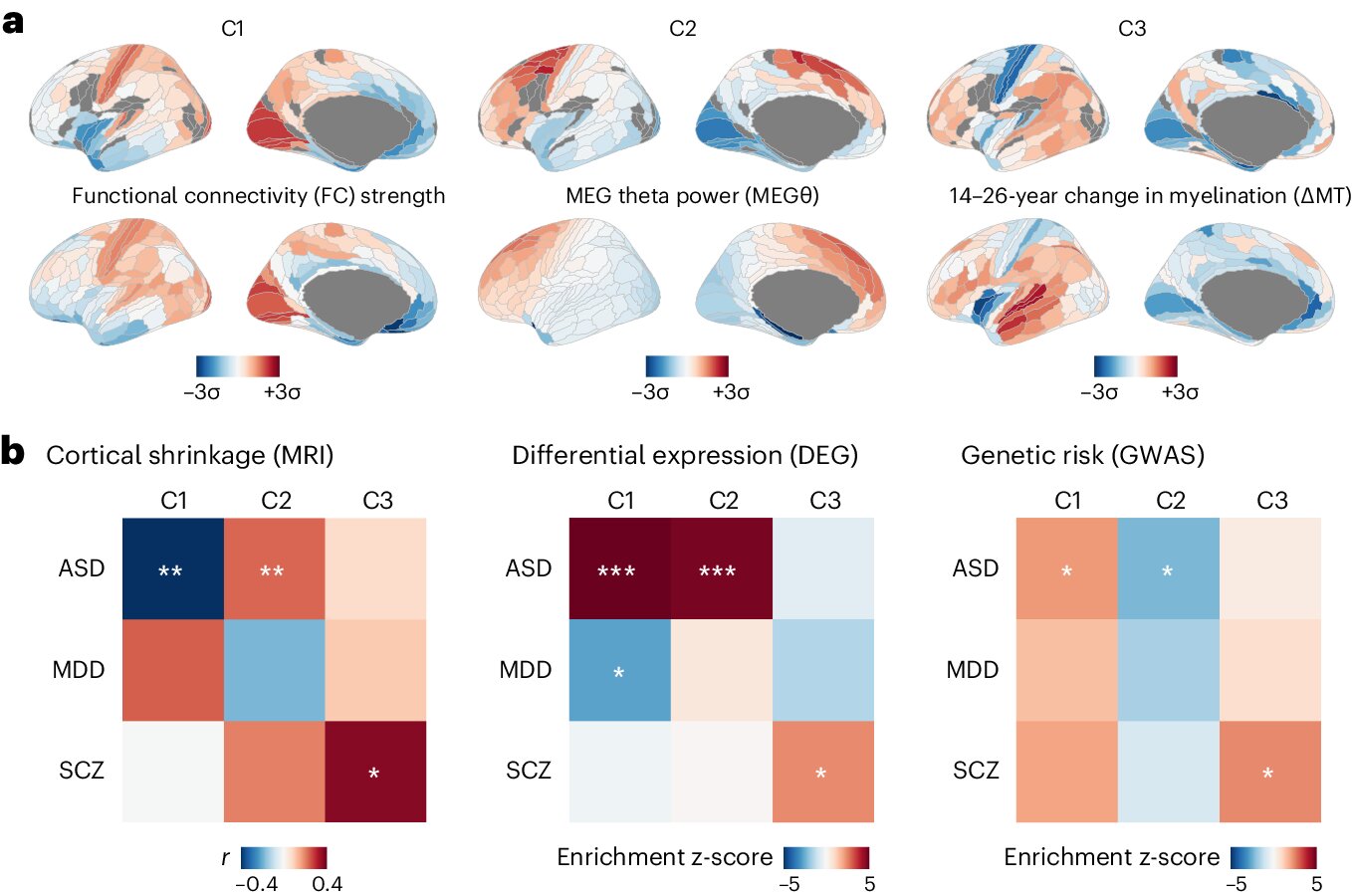
Credit: Nature Neuroscience(2024).

Researchers at University of Cambridge and other institutes worldwide recently carried out a study that linked gene expression in healthy brains to the imaging, transcriptomics and genetics of autism spectrum disorder and schizophrenia. Their paper, published in Nature Neuroscience, unveiled three distinct spatial patterns of cortical gene expression each with specific associations to autism and schizophrenia

A study published in the Journal of the American College of Cardiology suggests that physical activity may reduce cardiovascular disease risk by lowering stress-related brain activity.

A team of researchers at Baylor College of Medicine and Yale University incorporated generative artificial intelligence (AI) to create a foundational model for brain activity. The Brain Language Model (BrainLM) was developed to model the brain in silico and to determine how brain activities are related to human behavior and brain diseases.

Using MRI, engineers have found a way to detect light deep in the brain.

Stressful life events, such as the death of a loved one or divorce, put a person at greater risk of developing dementia in later life, a recent study has found. But only if the stressful event happened in childhood or midlife.

Our brains process odours differently depending on the names assigned to them, according to new research. 

People with neurological disease have a greater chance of death after contracting COVID-19, according to a new study. The research also confirms a higher risk of developing new neurological disorders after COVID infection.

Children who experience chronic lack of sleep from infancy may be at increased risk of developing psychosis in early adulthood, new research shows. 

A team of brain specialists at the California Institute of Technology has developed a brain–computer interface approach to decode words “spoken” entirely in the brain by recording signals from individual neurons in real time.

A new study shows that the cerebellum is involved in processing emotions, with implications for ataxia care.

A research team has revealed the link between the frequency of sleep apnea events during the rapid-eye-movement stage and the severity of verbal memory impairment in older adults at risk for Alzheimer’s disease. Verbal memory refers to the cognitive ability to retain and recall information presented through spoken words or written text and is particularly vulnerable to Alzheimer’s.

Results from a recent neuroplasticity study show how singing rehabilitates speech production in post-stroke aphasia.

For the first time, researchers have succeeded in explaining the propagation of traveling waves of activity in the human brain using a computer simulation. Previous studies indicate that these waves are important for various cognitive functions such as memory.

A new publication in Scientific Reports unveils a promising non-opioid pain treatment.

Repeated blows to the heads of football players can damage the small blood vessels of the brain, according to research by scientists who believe this damage may contribute to brain dysfunction in some athletes years after play has ended.

New research has shed light in the complex interplay between cell proteins, and how they impact on neurons in neurodevelopmental disorders and Alzheimer’s disease.

Artificial intelligence (AI) computer programs that process MRI results show differences in how the brains of men and women are organized at a cellular level, a new study shows. These variations were spotted in white matter, tissue primarily located in the human brain’s innermost layer, which fosters communication between regions.

Finally, this week, climate change, and its effects on weather patterns and adverse weather events is likely to negatively affect the health of people with brain conditions.

Weekly Neuroscience Update

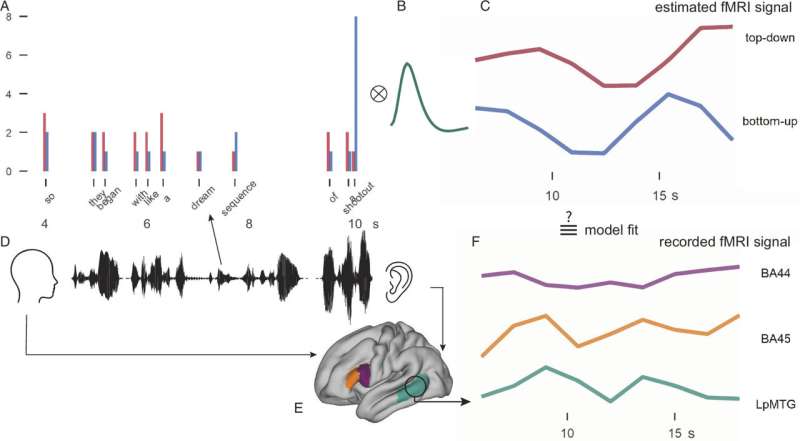
Graphical representation of the analysis procedure to relate word-by-word predictors of linguistic complexity to BOLD activity. Credit: Proceedings of the National Academy of Sciences (2024). 

How does the brain respond to sentence structure as we speak and listen? In a neuroimaging study published in PNAS, researchers investigated sentence processing during spontaneous speech for the first time.

A research team has achieved a breakthrough in stem cell research, offering tools that can be used for patients who require highly personalized care.

Researchers demonstrated promising results for PTSD treatment in military veterans by combining brain stimulation with virtual reality exposure therapy. The clinical trial showed significant reductions in PTSD symptoms among participants who received low electrical current brain stimulation during virtual reality sessions designed to simulate warzone experiences.

A new study involving participants from 15 countries, shed light on the universal preference for simple integer ratios in rhythms, revealing significant cultural variations in musical perception.

Researchers have uncovered a strikingly similar suite of changes in gene activity in brain tissue from people with schizophrenia and from older adults. These changes suggest a common biological basis for the cognitive impairment often seen in people with schizophrenia and in the elderly.

A new study reveals a direct correlation between adversities faced in childhood and adulthood with later psychiatric and cognitive decline.

A new study reveals a strong link between daytime physical activity and improved sleep quality among both children and adults. Analyzing the daily routines of over 2500 participants, the research highlights how higher levels of moderate to vigorous physical activity correlate with fewer sleep disturbances, less daytime tiredness, and overall better sleep quality.

In an innovative study published in Science Advances, researchers have unveiled new insights into the intricate relationship between emotion and perception.

Even people whose physical activity levels fall short of recommended guidelines, but who manage to do some during their leisure time, are likely to have a lower risk of stroke than their sedentary peers, suggests a pooled data analysis of the available evidence, published online in the Journal of Neurology, Neurosurgery & Psychiatry.

A recent study showcases a significant leap in the study of brain oscillations, particularly ripples, which are crucial for memory organization and are affected in disorders like epilepsy and Alzheimer’s. 

People who have headaches after experiencing concussions may also be more likely to have higher levels of iron in areas of the brain, which is a sign of injury to brain cells, according to a preliminary study that will be presented at the American Academy of Neurology’s 76th Annual Meeting taking place April 13–18, 2024.

The COVID-19 virus can persist in the blood and tissue of patients for more than a year after the acute phase of the illness has ended, according to new research.

Researchers identified sildenafil, known commercially as Viagra, as a promising candidate for treating Alzheimer’s disease. Leveraging artificial intelligence the team analyzed vast amounts of data, including insurance claims and brain cell observations, to highlight sildenafil’s potential benefits in reducing Alzheimer’s prevalence and neurotoxic proteins.

A new study provides some of the most detailed insights yet into the brain mechanisms that help people pay attention amid such distraction, as well as what’s happening when they can’t focus.

A new AI language model identifies clinical symptoms in medical summaries and links them to brain tissue from donors of the Netherlands Brain Bank. This yields new insights into the development of individual disease progression and contributes to a better understanding of common misdiagnoses of brain diseases. The model may, in the future, assist in making more accurate diagnoses.

Researchers have discovered a brain circuit that drives vocalization and ensures that you talk only when you breathe out, and stop talking when you breathe in.

For the first time, neuroscientists have established a link between shifts in our visual perception and the cadence of our steps while walking.

A new study examines the potential of artificial intelligence to shift chronic pain treatment from opioids to mindfulness-based stress reduction (MBSR). Utilizing machine learning to analyze extensive patient data, the study aims to predict which patients will benefit most from MBSR, a critical step toward personalized medicine.

Finally this week, new research reveals how the human brain processes vital signals from the heart and lungs, offering new insights into the complex brain-body integration essential for health and cognition.

Weekly Neuroscience Update

Synergetic framework. Credit: Trends in Cognitive Sciences

A new model for understanding the brain paves the way for more accurate diagnoses and treatments.

For people with drug-resistant epilepsy, having a dog companion trained in detecting seizures and other epilepsy-related tasks may reduce the amount of seizures they have, according to new research published in Neurology

New research shows that continued cocaine use disrupts communication between major brain networks.

Researchers are embarking on a pioneering study to uncover how genes associated with autism spectrum disorders (ASD) converge to affect brain neurons, particularly leading to heightened sound sensitivity. This research aims to identify common neural circuit mechanisms that may underlie the diverse genetic pathways contributing to ASD, focusing on auditory hypersensitivity, a condition that significantly impacts individuals’ lives.

Two new studies explore how closely attention and eye movements are linked and reveal how the brain coordinates the two processes.

A pioneering new study using virtual reality (VR) aims to identify early signs of Alzheimer’s disease through impaired spatial navigation in asymptomatic adults at risk. By testing 100 middle-aged adults with genetic, familial, or lifestyle risk factors for Alzheimer’s, the study discovered that spatial navigation difficulties in VR environments precede traditional cognitive decline symptoms. Notably, this impairment was more pronounced in men than women, suggesting a gender-specific vulnerability

Mounting research shows that COVID-19 leaves its mark on the brain, including significant drops in IQ scores.

A daily fiber supplement improved brain function in people over 60 in just 12 weeks. The study, published recently in Nature Communications showed that this simple and cheap addition to diet can improve performance in memory tests associated with early signs of Alzheimer’s disease.

A new study has found mutations in key brain cells among individuals with chronic opioid use that could shift how we think about treatment strategies for opioid use disorder.

According to a Mayo Clinic study published in Nature Neuroscience, the cells that act as the central nervous system’s first line of defense against harm also play a role in helping the brain awaken from anesthesia. This discovery could help pave the way for innovative methods that address post-anesthesia complications.

Scientists have trained a bank of AI models to identify patterns of brain activity that signal memory formation.

People who experience sleep apnea may be more likely to also have memory or thinking problems, according to a preliminary study that will be presented at the American Academy of Neurology’s 76th Annual Meeting taking place April 13–18, 2024.

Schizophrenia is associated with an increased risk of subsequent cardiovascular disease events, with the association stronger in women, according to a new study.

New research delves into the genetic underpinnings of language development in early childhood and its implications for later cognitive abilities and neurodevelopmental disorders such as Attention-Deficit/Hyperactivity Disorder (ADHD) and Autism Spectrum Disorder (ASD). Interestingly, the research highlights a developmental shift in the genetic associations with ADHD symptoms, suggesting that the role of genetics in language development and its impact on neurodevelopmental outcomes is complex and changes over time. This study underscores the importance of understanding the early linguistic journey as a window into a child’s future mental health and cognitive prowess.

Finally this week, a new neuroimaging study is the first to reveal how the brain gets to the creative flow state.

Weekly Neuroscience Update

A cell membrane is illustrated to show the surface in red. Blue objects are proteins, including ion channels, which can send electrical impulses into cells. Lipids, or fats, are in yellow. In this cross section, an ion channel associates with a lipid raft. The function of the lipid structures is regulated by cholesterol. Mechanical force can deplete the cholesterol and release the ion channel, changing activity within the cell. Credit: Scott Hansen, Ph.D., The Wertheim UF Scripps Institute

New research shows how physical pressure on cells can reduce pain signals, while excessive cholesterol clumps in cell membranes can interfere with that process.

Researchers have advanced our understanding of the neuronal basis of spatial memory. Their research reveals that during spatial memory tasks, different types of nerve cells activate in unison, coordinated by brain waves known as “ripples.”

Researchers have unveiled a pioneering technology capable of real-time human emotion recognition, promising transformative applications in wearable devices and digital services.

Children who lived in areas with higher levels of airborne lead in their first five years of life appeared to have slightly lower IQs and less self-control, with boys showing more sensitivity to lead exposure, according to a new study.

New research challenges the conventional picture of Parkinson’s disease.

A neurotransmitter previously thought only to calm neurons may also play a role in waking them up, according to a study published in the journal PLOS Biology, a discovery that challenges the textbook view of how neurons communicate with one another in the brain.

Researchers have achieved a breakthrough in mapping the brain’s ‘dysfunctome’—key dysfunctional circuits linked to disorders like Parkinson’s, dystonia, OCD, and Tourette’s syndrome.

Scientists have delved into the world of chemical neuromodulators in the human brain, specifically dopamine and serotonin, to reveal their role in social behavior. The study revealed a previously unknown neurochemical mechanism for a well-known human tendency to make decisions based on social context—people are more likely to accept offers from computers while rejecting identical offers from human players.

New research identifies nerve endings that shed light on gut-brain communication.

Live music significantly amplifies emotional responses in the brain compared to recorded tunes. By measuring amygdala activity, researchers found that live performances evoke stronger emotional reactions, fostering a deeper cognitive and affective processing throughout the brain.

A new study reveals that oxygenation levels in the placenta during the last trimester of pregnancy are a key predictor of the development of the cerebral cortex and likely childhood cognition and behavior.

Blood vessels that cross-connect adjacent arterial trees regulate blood flow to the brain in stroke patients. Researchers have now shown that these vessels prevent brain hemorrhage following treatment to remove blood clots.

Researchers have developed a simulator that enables artificial visual observations for research into the visual prosthesis.

A cross-cultural study has revealed that music universally influences bodily sensations and emotions, transcending cultural boundaries. Researchers from Western and East Asian backgrounds discovered that emotional and structural characteristics of music consistently evoke similar bodily sensations—such as changes in the chest, limbs, and head regions—regardless of cultural background.

A new study finds concussions alter connectivity among brain regions.

New research has unveiled a crucial role of sleep: brainwaves facilitate the cleansing of the brain by flushing out waste. This discovery not only underscores the brain’s non-dormant state during sleep but also highlights a sophisticated system where neurons’ synchronized activity powers the flow of cerebrospinal fluid, effectively removing metabolic waste and potentially neurodegenerative disease-causing toxins.

Finally this week, COVID-19 may have an impact on people’s cognitive and memory abilities that lasts a year or more after infection, according to a new study by Imperial College London researchers.