Weekly Neuroscience Update

Scientists have highlighted the most effective treatments for neurological diseases by overcoming one of medicine’s most difficult challenges: the blood–brain barrier. The findings offer new hope for patients with conditions including Alzheimer’s, and Parkinson’s disease, brain tumors, and epilepsy.

A study conducted in Finland showed that changes in the functioning of opioid neurotransmitters in the brain may underlie anorexia.

Poorer cardiovascular health in childhood and adolescence may be linked to early differences in brain structure, particularly in areas of the brain known to be affected in dementia in later life, according to a new scientific study.

Researchers have uncovered how specific patterns in brain activity can predict an individual’s sensitivity to pain, expanding opportunities for improved pain management strategies.

Delayed rapid eye movement (REM) sleep may be an early indicator of Alzheimer’s disease. Researchers found that participants with delayed REM sleep had higher levels of toxic proteins associated with Alzheimer’s and reduced levels of brain-derived neurotrophic factor (BDNF), which supports memory.

The microbial ecosystems in our mouths may impact cognitive function as we age, with pathogenic bacteria linked to cognitive decline.

New research suggests that mood swings in bipolar disorder are regulated by two clocks: the body’s 24-hour circadian rhythm and a dopamine-based clock that influences alertness. When these clocks align at specific intervals, they may trigger shifts between mania and depression.

A study in the Journal of Neuroscience reveals a new mechanism for how brain cells transmit signals from their tips to their nucleus, triggering gene activation crucial for learning and memory.

Investigators have discovered that activity in two widely distributed brain networks previously considered separate are actually correlated with each other and together play a key role in recognition memory, according to a study published in Cell Reports.

Cannabinoids offer new hope for safe and effective pain relief.

Researchers analyzed the genetic connection of retinal cells and several neuropsychiatric disorders. By combining different datasets, they found that schizophrenia risk genes were associated with specific neurons in the retina. The involved risk genes suggest an impairment of synapse biology, so the ability of neurons to communicate with each other. This impairment might also be present in the brains of schizophrenia patients.

Researchers at the University of Barcelona have identified a deficit in contrast perception in people with schizophrenia.

A study of nearly 1,000 people with post-COVID-19 syndrome (PCS) revealed that two-thirds still experienced significant symptoms, including reduced exercise capacity and cognitive performance, two years after infection. Persistent symptom clusters included fatigue, neurocognitive disturbances, and post-exertional malaise, with worse outcomes in individuals with obesity, lower education, or severe initial infections.

Finally this week, new research shows diets high in processed meat, fast food, and sugary drinks accelerate biological aging, even in young adults.

Weekly Neuroscience Update

Researchers at the University of Birmingham have uncovered a surprising role of the hippocampus—linking this part of the brain to the control of skilled actions such as handwriting, typing, and playing music.

The psychedelic drug psilocybin may rewire brain connectivity to treat body dysmorphic disorder, new research suggests.

A significant breakthrough in the understanding of sleep mechanism opens new promise for treating sleep disorders and associated neuropsychiatric conditions: Scientists have pinpointed the melatonin receptor MT1 as a crucial regulator of REM (Rapid Eye Movement) sleep.

Researchers have developed a new method that allows scientists to cultivate brain organoids with distinct cortical areas and front-to-back patterning.

A recent study published in Science has identified a previously unknown mechanism in the brain that occurs during sleep, helping to reset memory pathways. Researchers found that a burst of neural silence in a specific part of the brain, the hippocampus, allows neurons involved in memory to reset and prepare for new learning the following day. This phenomenon, termed a “barrage of action potentials” or “BARR,” allows neurons to reset, ensuring that our brains can continue storing new information without overwhelming the neural networks responsible for memory.

Monash University-led research, believed to be the first of its kind, has used blood tests and MRI scans to show that the effects of traumatic brain injuries (TBI) can last decades.

Researchers have found that SSRI (selective serotonin reuptake inhibitor) antidepressants have the potential to improve certain cognitive functions, such as verbal memory. They measured brain function in patients before and after taking the SSRI, escitalopram, and correlated this to a drop in the level of one of the serotonin receptors in the brain and to cognitive improvements during treatment.

In the U.K.’s largest study to date, researchers have come to a better understanding of the immediate and long-term impacts of COVID-19 on the brain.

New research has found that cannabis use during pregnancy can cause molecular changes in the genes of exposed children, impacting brain development. The study identified significant DNA alterations in genes related to neurodevelopment, suggesting a direct link between prenatal cannabis exposure and developmental issues.

Finally this week, a new study has uncovered new insights into how the brain processes and integrates pain information.

Weekly Neuroscience Update

Credit: Frontiers in Human Neuroscience (2024)

Scientists have determined that more than 60% of people who contracted COVID-19 have neurological symptoms that impact their cognitive function and quality of life, even two and three years after COVID-19.

Lip-read words can be decoded from the brain’s auditory regions similarly to heard speech, according to a new report that looked at how vision supports verbal perception.

Exercising is healthy, but not always appealing. Now research may have found a “switch” that activates the desire to get moving, as it shows that during exercise the muscle activates proteins which encourage further activity. The paper is published in Science Advances.

Researchers have demonstrated that a simple blood test that reflects brain health can predict which people are most at risk of suffering a stroke.

Our brain interprets visual information by combining what we see with what we already know. A study published in the journal Neuron, reveals a mechanism for learning and storing this existing knowledge about the world.

A newly developed brain-computer interface translates brain signals into speech with up to 97% accuracy, making it the most precise system of its kind.

Researchers have discovered that spontaneous brain activity during early development drives neural wiring before sensory experiences shape the brain. This spontaneous activity in neurons strengthens connections, following Hebb’s rule, where “cells that fire together wire together.”

According to new research, cognitive impairments in psychotic disorders, such as schizophrenia and bipolar disorder, are linked to brain network organization. 

A recently published study has unveiled significant findings that could enhance brain-computer interface (BCI) technologies, marking a crucial step towards more intuitive neuroprosthetic control and advanced rehabilitation therapies.

Researchers have discovered that the hippocampus stores multiple copies of a single memory, each within different neuron groups that develop at different stages.

Scientists have developed a promising preventative therapeutic approach against Alzheimer’s disease, targeting the amyloid beta biomolecule that typically triggers nerve cell hyperactivity in the early stages of the brain disease.

A new study finds that COVID-19 proteins left in the brain may lower cortisol levels, leading to heightened inflammation and an exaggerated response to stressors.

Through a large-scale brain imaging study, an international research team has identified five patterns of age-related degeneration in older people experiencing mental decline. In their study, the team conducted the multi-year study of thousands of MRI scans using machine learning applications to find patterns in brain degeneration as people age.

A new machine learning model, AutMedAI, can predict autism in children under two with nearly 80% accuracy, offering a promising tool for early detection and intervention.

Researchers have discovered the neurons responsible for “item memory,” deepening our understanding of how the brain stores and retrieves the details of “what” happened and offering a new target for treating Alzheimer’s disease.

Contrary to previous research, a new study of female participants finds no link between migraine and the risk of developing Parkinson’s disease.

Children who have persistently raised inflammation are at a higher risk of experiencing serious mental health disorders including psychosis and depression in early adulthood, according to a study published today in JAMA Psychiatry.

Researchers have identified a link between brain overgrowth and the severity of social and communication symptoms in children with autism spectrum disorder. 

People with multiple sclerosis (MS) are far less likely than those without the condition to have the molecular hallmarks of Alzheimer’s disease, according to new research. The discovery suggests a new avenue of research through which to seek Alzheimer’s treatment.

Scientists have discovered a new method to regulate the receptors responsible for the sense of touch, potentially leading to more effective treatments for chronic pain.

Researchers have found that nondeceptive placebos—placebos given with the full knowledge that they are placebos—can effectively manage stress, even when administered remotely. In a two-week randomized controlled trial, participants experiencing prolonged stress were divided into two groups: one group received nondeceptive placebos, while the other served as a control.

Return to work two years after a breast cancer diagnosis is associated with higher cognitive speed performance before and after treatment, according to a study published in JAMA Network Open.

Researchers have discovered a mutation in the SARS-CoV-2 spike protein that enhances its ability to infect the central nervous system, potentially explaining neurological symptoms and long COVID. The mutation was found to allow the virus to better infiltrate the brain, with implications for future treatments targeting COVID-19’s effects on the brain. 

Finally, this week, while everyone knows that a good night’s sleep restores energy, a new study finds it resets another vital function: memory.

Weekly Neuroscience Update

Scientists have shown that the hypothalamus, a key region of the brain involved in controlling appetite, is different in the brains of people who are overweight and people with obesity when compared to people who are a healthy weight.

Researchers have shown in lab-based experiments that variants of SARS-CoV-2, the virus that causes COVID-19, can affect the blood-brain barrier and damage brain cells in different ways.

Unlike previously thought, speech production and singing are supported by the same circuitry in the brain. Observations in a new study can help develop increasingly effective rehabilitation methods for patients with aphasia.

Scientists have discovered an additional potential cause of the genetic mutations that result in rare conditions such as Huntington’s disease (HD).

Neuroscientists report the first results from experimental tests designed to explore the idea that “forgetting” might not be a bad thing, and that it may represent a form of learning—and outline results that support their core idea.

The largest-ever study of the genetics of the brain—encompassing some 36,000 brain scans—has identified more than 4,000 genetic variants linked to brain structure.

A first-in-human trial of deep brain stimulation (DBS) for post-stroke rehabilitation patients has shown that using DBS to target the dentate nucleus—which regulates fine-control of voluntary movements, cognition, language, and sensory functions in the brain—is safe and feasible.

New research finds that genetic risk for higher blood pressure even in those in their 40s and 50s may contribute to poorer cognitive function.

An obscure class of molecules, part of the vast system that helps the human body distinguish “self” from “non-self,” may also hold the key to stopping SARS-CoV-2 from commandeering healthy cells, scientists have found in a series of experiments.

Scientists have discovered how HIV hijacks intracellular processes to proliferate and contribute to neurodegeneration, according to a new study published in Nature Communications.

Researchers have discovered a potential breakthrough for people with myalgic encephalomyelitis/chronic fatigue syndrome (ME/CFS), marked by extreme exhaustion, post-exertional malaise and cognitive issues.

Finally this week, in a small, exploratory study, levels of certain types of microbes in babies’ guts have been shown to be associated with performance in tests of early cognitive development.

Weekly Neuroscience Update

Credit: PLOS Pathogens (2022). DOI: 10.1371/journal.ppat.1010339

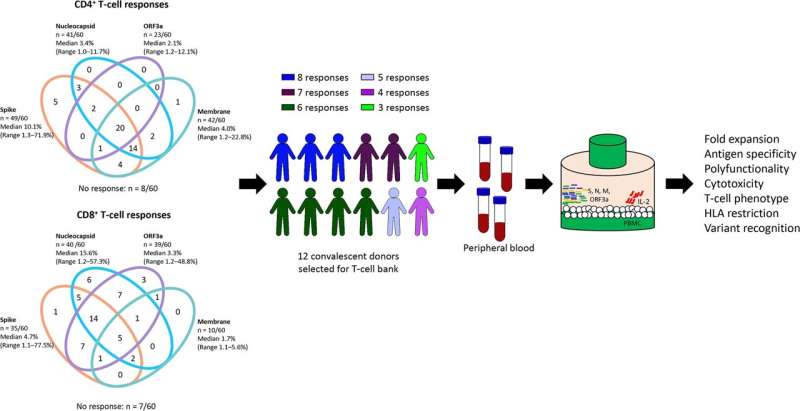
New research is providing hope to immunocompromised people who are vulnerable to COVID-19. Scientists have discovered promising evidence that T cell immunotherapy could help them to fight against multiple strains of the virus.

Treatments integrating music and auditory beat stimulation are effective in reducing state anxiety in some patients, according to a new study published in the open-access journal PLOS ONE.

The underlying molecular mechanisms that promote autoimmune diseases are multilayered and complex. Now, scientists have succeeded in deciphering new details of these processes. Their work supports the notion that excessive consumption of glucose directly promotes the pathogenic functions of certain cells of the immune system and that, conversely, a calorie-reduced diet can have a beneficial effect on immune diseases.

Teens who had an insecure attachment to their mothers as toddlers are more likely to overestimate the trustworthiness of strangers, a new study reports.

A new study reveals that oleic acid produced in the brain is an essential regulator of the process that enables learning and memory and supports proper mood regulation. The finding has paved the path to discovering potential new therapeutic strategies to counteract cognitive and mood decline in patients with neurological disorders.

A small study found people who received lithium, a drug commonly associated with the treatment of bipolar disorder, are less likely to develop dementia.

Scientists have found that people with Parkinson’s disease have a clear “genetic signature” of the disease in their memory T cells. The scientists hope that targeting these genes may open the door to new Parkinson’s treatments and diagnostics.

If you are forgetful or make mistakes when in a hurry, a new study found that meditation could help you to become less error-prone.

Older adults who take statin drugs have a lower risk of developing Parkinson’s disease or parkinsonism symptoms later in life compared to those who do not take statins. Researchers speculate this may be because statins have a neuroprotective effect on arteries in the brain.

Finally this week, researchers have developed a new, fully automated prosthetic arm that learns during normal use and adapts to varying conditions.

Weekly Neuroscience Update

Credit: Johnson et al.

Researchers recently carried out a large-scale analysis of the brains of patients with Alzheimer’s disease (AD). Their findings, published in Nature Neuroscience, unveiled a series of disease-related changes in protein co-expression modules, which were not identified when examining RNA networks in the same brain regions.

A new study, published in the journal PNAS, proposes how the brain stays stable despite changes in the neural code.

Cognitive decline is the biggest factor in determining how long patients with Alzheimer’s disease will live after being diagnosed, according to a new research study. The findings, published in the Journal of Alzheimer’s Disease, are a first step that could help health care providers provide reliable prediction and planning assistance for patients with Alzheimer’s disease and their families.

An increase in depressive symptoms in adolescence has been linked to ozone exposure as a result of air pollution, even in areas that meet air quality standards.

Seven in ten long COVID patients experience concentration and memory problems several months after the initial onset of their disease, with many performing worse than their peers on cognitive tests, according to new research from the University of Cambridge.

Finally this week, researchers have developed a new method for training people to be creative, one that shows promise of succeeding far better than current ways of sparking innovation.

Weekly Neuroscience Update

covid-4948866_640

Researchers argue COVID-19 should be considered as an inflammatory disease as the severity of the infection is associated with a dysregulation of the inflammatory immune response.

Cortical thickness and regional brain connectivity pay an equally important role in linking brain and behavior.

Adolescents and adults whose mothers experienced depression, either during pregnancy or shortly after, had a 70% increased risk of being diagnosed with depression.

A research team has concluded that personal perception can be an important indicator for the early detection of Alzheimer’s disease. 

A pair of recently published studies add to our growing understanding of how fine particle pollution — the tiny, inhalable pollutants from cars and power plants — impacts our brains.

Scientists have discovered that humans use the visual part of their brain when processing sounds in the dark, even if they have never had sight in their lifetime.

A team of researchers has released new findings in Translational Psychiatry in an effort to better comprehend how gene expression associated with inflammation may be used to establish people with depressive disorders who are responsive to drug treatments.

Finally this week, new research shows that a patient’s pupils can reveal if they have suffered a traumatic experience in the past.