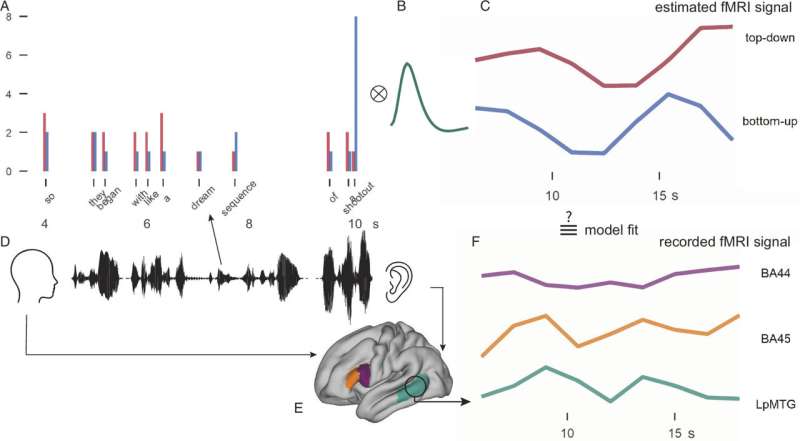
Graphical representation of the analysis procedure to relate word-by-word predictors of linguistic complexity to BOLD activity. Credit: Proceedings of the National Academy of Sciences (2024).
How does the brain respond to sentence structure as we speak and listen? In a neuroimaging study published in PNAS, researchers investigated sentence processing during spontaneous speech for the first time.
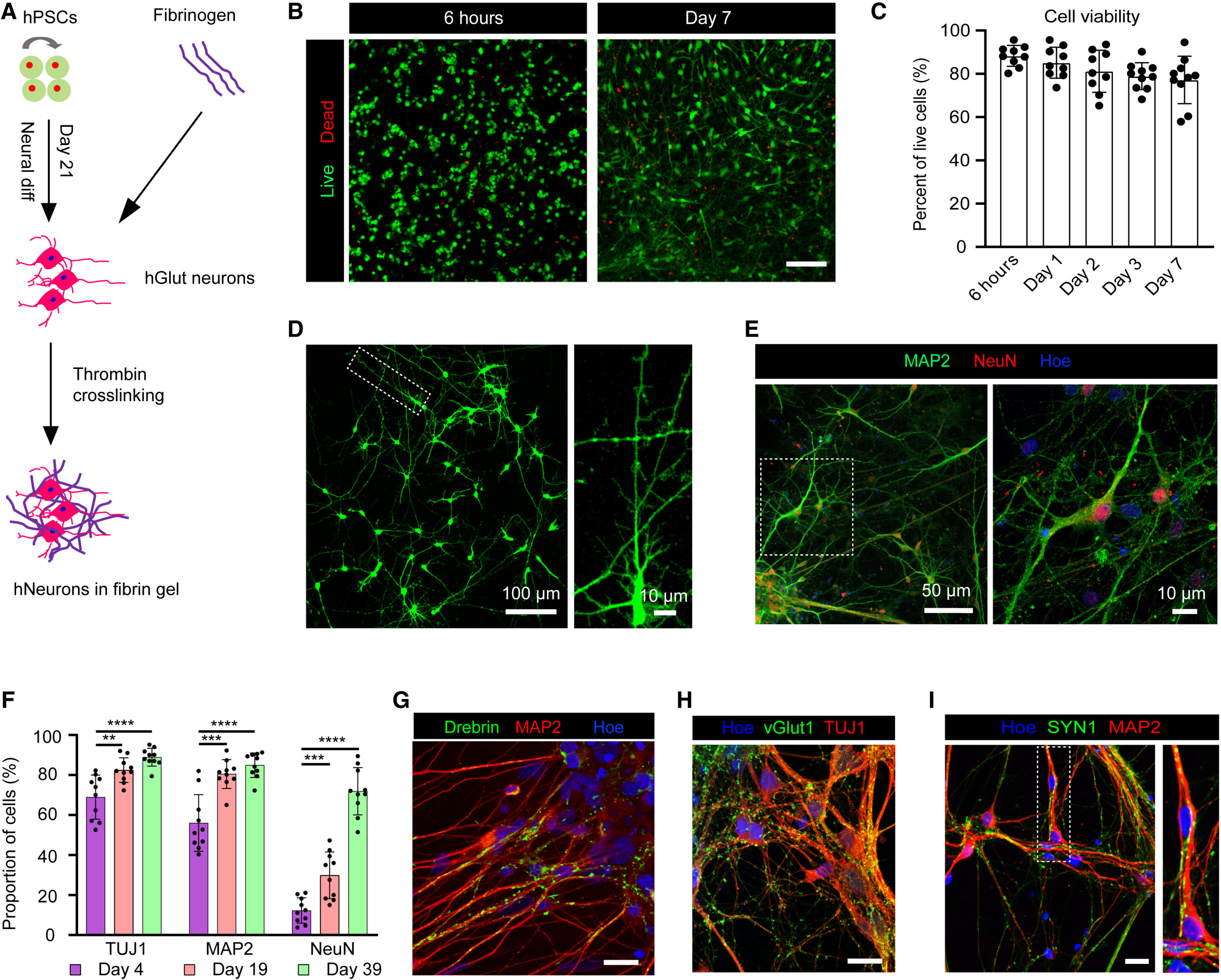
A research team has achieved a breakthrough in stem cell research, offering tools that can be used for patients who require highly personalized care.
Researchers demonstrated promising results for PTSD treatment in military veterans by combining brain stimulation with virtual reality exposure therapy. The clinical trial showed significant reductions in PTSD symptoms among participants who received low electrical current brain stimulation during virtual reality sessions designed to simulate warzone experiences.
A new study involving participants from 15 countries, shed light on the universal preference for simple integer ratios in rhythms, revealing significant cultural variations in musical perception.
Researchers have uncovered a strikingly similar suite of changes in gene activity in brain tissue from people with schizophrenia and from older adults. These changes suggest a common biological basis for the cognitive impairment often seen in people with schizophrenia and in the elderly.
A new study reveals a strong link between daytime physical activity and improved sleep quality among both children and adults. Analyzing the daily routines of over 2500 participants, the research highlights how higher levels of moderate to vigorous physical activity correlate with fewer sleep disturbances, less daytime tiredness, and overall better sleep quality.
In an innovative study published in Science Advances, researchers have unveiled new insights into the intricate relationship between emotion and perception.
Even people whose physical activity levels fall short of recommended guidelines, but who manage to do some during their leisure time, are likely to have a lower risk of stroke than their sedentary peers, suggests a pooled data analysis of the available evidence, published online in the Journal of Neurology, Neurosurgery & Psychiatry.
A recent study showcases a significant leap in the study of brain oscillations, particularly ripples, which are crucial for memory organization and are affected in disorders like epilepsy and Alzheimer’s.
People who have headaches after experiencing concussions may also be more likely to have higher levels of iron in areas of the brain, which is a sign of injury to brain cells, according to a preliminary study that will be presented at the American Academy of Neurology’s 76th Annual Meeting taking place April 13–18, 2024.
The COVID-19 virus can persist in the blood and tissue of patients for more than a year after the acute phase of the illness has ended, according to new research.
Researchers identified sildenafil, known commercially as Viagra, as a promising candidate for treating Alzheimer’s disease. Leveraging artificial intelligence the team analyzed vast amounts of data, including insurance claims and brain cell observations, to highlight sildenafil’s potential benefits in reducing Alzheimer’s prevalence and neurotoxic proteins.
A new study provides some of the most detailed insights yet into the brain mechanisms that help people pay attention amid such distraction, as well as what’s happening when they can’t focus.
A new AI language model identifies clinical symptoms in medical summaries and links them to brain tissue from donors of the Netherlands Brain Bank. This yields new insights into the development of individual disease progression and contributes to a better understanding of common misdiagnoses of brain diseases. The model may, in the future, assist in making more accurate diagnoses.
Researchers have discovered a brain circuit that drives vocalization and ensures that you talk only when you breathe out, and stop talking when you breathe in.
For the first time, neuroscientists have established a link between shifts in our visual perception and the cadence of our steps while walking.
A new study examines the potential of artificial intelligence to shift chronic pain treatment from opioids to mindfulness-based stress reduction (MBSR). Utilizing machine learning to analyze extensive patient data, the study aims to predict which patients will benefit most from MBSR, a critical step toward personalized medicine.
Finally this week, new research reveals how the human brain processes vital signals from the heart and lungs, offering new insights into the complex brain-body integration essential for health and cognition.
For people with drug-resistant epilepsy, having a dog companion trained in detecting seizures and other epilepsy-related tasks may reduce the amount of seizures they have, according to new research published in Neurology.
New research shows that continued cocaine use disrupts communication between major brain networks.
Researchers are embarking on a pioneering study to uncover how genes associated with autism spectrum disorders (ASD) converge to affect brain neurons, particularly leading to heightened sound sensitivity. This research aims to identify common neural circuit mechanisms that may underlie the diverse genetic pathways contributing to ASD, focusing on auditory hypersensitivity, a condition that significantly impacts individuals’ lives.
Two new studies explore how closely attention and eye movements are linked and reveal how the brain coordinates the two processes.
A pioneering new study using virtual reality (VR) aims to identify early signs of Alzheimer’s disease through impaired spatial navigation in asymptomatic adults at risk. By testing 100 middle-aged adults with genetic, familial, or lifestyle risk factors for Alzheimer’s, the study discovered that spatial navigation difficulties in VR environments precede traditional cognitive decline symptoms. Notably, this impairment was more pronounced in men than women, suggesting a gender-specific vulnerability
Mounting research shows that COVID-19 leaves its mark on the brain, including significant drops in IQ scores.
A daily fiber supplement improved brain function in people over 60 in just 12 weeks. The study, published recently in Nature Communications showed that this simple and cheap addition to diet can improve performance in memory tests associated with early signs of Alzheimer’s disease.
A new study has found mutations in key brain cells among individuals with chronic opioid use that could shift how we think about treatment strategies for opioid use disorder.
According to a Mayo Clinic study published in Nature Neuroscience, the cells that act as the central nervous system’s first line of defense against harm also play a role in helping the brain awaken from anesthesia. This discovery could help pave the way for innovative methods that address post-anesthesia complications.
Scientists have trained a bank of AI models to identify patterns of brain activity that signal memory formation.
People who experience sleep apnea may be more likely to also have memory or thinking problems, according to a preliminary study that will be presented at the American Academy of Neurology’s 76th Annual Meetingtaking place April 13–18, 2024.
Schizophrenia is associated with an increased risk of subsequent cardiovascular disease events, with the association stronger in women, according to a new study.
New research delves into the genetic underpinnings of language development in early childhood and its implications for later cognitive abilities and neurodevelopmental disorders such as Attention-Deficit/Hyperactivity Disorder (ADHD) and Autism Spectrum Disorder (ASD). Interestingly, the research highlights a developmental shift in the genetic associations with ADHD symptoms, suggesting that the role of genetics in language development and its impact on neurodevelopmental outcomes is complex and changes over time. This study underscores the importance of understanding the early linguistic journey as a window into a child’s future mental health and cognitive prowess.
Melodic pitch, pitch-change, and expectation modulate STG activity during music listening. (A) Three melodic features visualized for an example melody. (B) Electrodes across all participants (N = 8) plotted on a common brain. Color indicates the peak evoked high-frequency activity (HFA) averaged across all musical phrases. (C) Responses at three example electrodes demonstrating distinct tuning to pitch. Credit: Science Advances (2024)
Researchers have developed a precise map of what is happening in the cerebral cortex when someone hears a melody.
Scientists have made a groundbreaking discovery, identifying a rare lipid as a crucial factor in ferroptosis, a unique form of cell death. The findings provide new detail on how cells die during ferroptosis and could improve understanding of how to stop ferroptosis in contexts where it is harmfully occurring– in neurodegenerative diseases, for example– or induce it in contexts where it could be useful, such as using it to kill dangerous cancer cells.
An intensive meditation-based intervention (iMI) significantly improves positive symptoms, particularly refractory hallucinations and delusions, in male patients with schizophrenia, according to a new study.
Indigenous people may be more likely to have a stroke than non-Indigenous people, according to a systematic review that looked at populations around the world.
A new study highlights the critical link between sleep, circadian rhythms, and psychiatric disorders, suggesting that disturbances in sleep and internal body clocks can trigger or exacerbate mental health issues. The research underscores the prevalence of sleep-circadian disturbances across all psychiatric disorders, pointing to the need for holistic treatments that address these factors.
For individuals with post-COVID-19 condition, cognitive symptoms are common, according to a study published online Feb. 14 in JAMA Network Open.
Researchers have developed an artificial intelligence model that accurately determines the sex of individuals based on brain scans, with over 90% success. This breakthrough supports the theory that significant sex differences in brain organization exist, challenging long-standing controversies.
A new population-based study reveals the roles of maternal and fetal genes in the growth of a baby’s cerebral cortex.
A new study explains how dopamine influences movement sequences, offering hope for Parkinson’s disease (PD) therapies. Researchers observed that dopamine not only motivates movement but also controls the length and lateralization of actions, with different neurons activating for movement initiation and reward reception.
New research sheds light on what goes on inside people’s heads as they make decisions to obtain information about the future.
Moderate/severe and penetrating traumatic brain injury (TBI) are associated with an increased risk for subsequent development of brain cancer, according to astudypublished online Feb. 15 in JAMA Network Open.
For the first time, researchers have mapped out the proteins implicated in the early stages of motor neuron disease (MND).
In a study published in the Journal of Neuroscience, scientists demonstrated the effectiveness of using low-intensity focused ultrasound to modulate the activity in a critical region in the brain that processes and regulates pain signals.
Finally this week, new research shows how empathy can be socially transmitted.
A new study has found the immune system in the blood of Alzheimer’s patients is epigenetically altered. That means the patients’ behavior or environment has caused changes that affect the way their genes work.
Many patients continue to struggle in the wake of the pandemic as they grapple with ongoing symptoms triggered by COVID-19 infection, a condition commonly known as long COVID. However, the onset of symptoms such as brain fog, fatigue, headache, and other types of pain is not unique to COVID infection, according to a new study.
Researchers have discovered a molecular complex crucial for the transport of mitochondria within neurons, offering new insights into preventing neurodegenerative diseases.
A landmark advancement in neural prosthetics has been made, demonstrating the ability to recall specific memories using a newly developed memory decoding model (MDM). The study, involving 14 adults with epilepsy, showed that MDM stimulation significantly improved memory performance, particularly in those with impaired memory, offering hope for treating conditions like Alzheimer’s disease, stroke, or head injury. This research signifies a major step toward creating interventions that can restore lost memory functions, potentially aiding individuals in living more independently.
A new study reveals that excessive stress during adolescence can lead to long-lasting changes in gene expression in the brain, particularly those related to bioenergy functions.
Researchers developed an innovative AI tool, DeepGO-SE, that excels in predicting the functions of unknown proteins, marking a significant advance in bioinformatics. Leveraging large language models and logical entailment, this tool can deduce molecular functions even for proteins without existing database matches, offering a groundbreaking approach to understanding cellular mechanisms.
Smoking not only affects immune responses in the short term but also leaves a lasting imprint on the body’s defense mechanisms. This is the finding recently made by a team of scientists at the Institut Pasteur using the Milieu Intérieur cohort of 1,000 healthy volunteers, established to understand variability in immune responses.
Taking an anticoagulant, or blood-thinning medication, can increase one’s risk of—or exacerbate—a brain bleed, also known as a brain hemorrhage, which is the deadliest type of stroke. Now, new research finds that faster treatment for these patients is associated with a greater likelihood of survival.
A new study reveals epigenetic alterations in the immune system of Alzheimer’s patients’ blood, suggesting environmental or behavioral factors could influence Alzheimer’s risk. The study indicates these epigenetic changes affect genes associated with Alzheimer’s susceptibility, potentially due to factors like viral infections or pollutants.
Almost half of people who suffer a sports-related traumatic brain injury are still experiencing physical symptoms after six monthsaccording to new research findings.
A new study suggests a novel link between depression and higher body temperatures, analyzing data from over 20,000 participants worldwide. While the causal relationship remains unclear, findings indicate that body temperature increases with the severity of depression symptoms, offering a potential new avenue for treatment.
Acupuncture may improve language function in patients with poststroke motor aphasia, according to a new study.
Researchers have found that adolescents being bullied by their peers are at greater risk of the early stages of psychotic episodes and in turn experience lower levels of a key neurotransmitter in a part of the brain involved in regulating emotions.
The contraceptive pill also affects the brain and the regulation of emotions, say researchers.
An international research team has developed a computational biology tool, based on multi-level network analysis, to achieve an integrated vision of multiple sclerosis. This tool could be used to study other complex diseases such as types of dementia.
A new scanning study of 390 babies has shown distinct patterns between term and pre-term babies in the moment-to-moment activity and connectivity of brain networks.
Researchers have developed a machine-learning tool that accurately identifies individuals at high risk of psychosis through MRI brain scans. This innovative approach, which achieved an 85% accuracy rate in training and 73% using new data, offers a promising avenue for early intervention in psychosis, potentially improving treatment outcomes.
Researchers have unveiled the “MiniTouch,” a revolutionary device that equips prosthetic limbs with the ability to convey thermal sensations to amputees, bridging a significant gap in sensory feedback technology. This breakthrough allows a transradial amputee to differentiate between objects of varying temperatures and experience more human-like touch, enhancing both functional use and emotional connection with the prosthesis.
A new study presents a compelling case for the integration of Large Language Models (LLMs) like ChatGPT into neuroscience, highlighting their potential to transform research by analyzing vast datasets beyond human capability. The authors suggest that LLMs can bridge diverse neuroscience fields by communicating with each other, thus accelerating discoveries in areas such as neurodegeneration drug development.
Finally this week, researchers have developed a robotic sensor that incorporates artificial intelligence techniques to read braille at speeds roughly double that of most human readers.
Researchers have developed the world’s first 3D-printed brain tissue that grows and behaves similarly to natural brain tissue, marking a significant leap forward for neurological and neurodevelopmental disorder research.
For patients withParkinson diseasedifferences in quality of life outcomes are seen with deep brain stimulation of the subthalamic nucleus (STN-DBS), according to a recent study.
New findings published in the journal Nature Neuroscience have shed light on a mysterious pathway between the reward center of the brain that is key to how we form habits, known as the basal ganglia, and another anatomically distinct region where nearly three-quarters of the brain’s neurons reside and assist in motor learning, known as the cerebellum.
Researchers have shown that a blood test can pinpoint the underlying cause of brain injury in newborns.
A new study suggests that high-intensity training (HIT), compared to conventional training, may improve walking ability in patients with chronic traumatic brain injury (TBI). Possible secondary benefits may include improved aerobic capacity/efficiency and cognition.
Combining brain stimulation with intense physical rehabilitation helped stroke survivors recover movement in their arms and hands and maintain these improvements for one year, according to a study to be presented at the American Stroke Association’s International Stroke Conference 2024.
Psychologists have investigated the extent to which neuromodulation of the brain with ultrasound waves influences people’s behavior. The results can also be used as a basis for therapeutic purposes.
A preliminary study reveals that intravenous injections of ginkgo biloba components could significantly improve early cognitive recovery in ischemic stroke patients. Conducted across multiple centers in China, the research tested the effects of ginkgo diterpene lactone meglumine (GDLM) on 3,163 stroke survivors, showing notable improvements in cognitive scores compared to a placebo group.
A new study gives insights into the underlying mechanisms of the formation of protein clumps in Alzheimer’s disease. The study could pave the way for new treatments for this devastating neurodegenerative disorder.
Finally, this week, engaging in music throughout your life is associated with better brain health in older age, according to a new study.
Three experiments to test how dopamine affects cognitive performance during acute exercise. Credit: The Journal of Physiology (2024)
A study exploring the mechanisms behind why cognitive performance improves in response to exercise, has found that dopamine plays a key role.
Researchers have discovered that children with autism spectrum disorders (ASD) develop distinct attentional preferences compared to typically developing children, focusing more on non-social stimuli like objects and textures.
Recent research contrasts the learning mechanisms of the human brain with those of deep learning in AI. Despite having fewer layers and slower, noisier dynamics, the brain can perform complex classification tasks as effectively as AI with hundreds of layers.
A new study uncovers a unique aspect of human memory: our ability to recall events is sharper after experiencing negative emotions.
A major clinical trial has shown that by using MRI and tracking to guide the delivery of magnetic stimulation to the brains of people with severe depression, patients will see their symptoms ease for at least six months, which could vastly improve their quality of life.
New research reveals that coming off antidepressants like Prozac can cause not only physical symptoms but also emotional, cognitive, and social difficulties.
Through transcriptomic profiling of more than 300,000 cells in human substantia nigra, a part of the brain that helps control the body’s movements, a research team has identified a previously unreported neuron type with vulnerability in Parkinson’s disease. This novel finding could help explain the complexity of the disease symptoms and direct new therapeutics development.
Researchers have found evidence suggesting that children exposed to elevated levels of early life adversity exhibit an accelerated pattern of brain development during the preschool years.
New research for the first time reveals the function of a little-understood junction between cells in the brain that could have important treatment implications for conditions ranging from multiple sclerosis to Alzheimer’s disease, to a type of brain cancer known as glioma.
Finally this week, a third major study finds that multivitamin supplements improve memory and slow cognitive aging in older adults.
Loneliness, often considered a pervasive and silent epidemic, extends its influence far beyond emotions. Recent research has delved into the relationship between loneliness and the brain, revealing a complex interplay between loneliness and our brain’s neural patterns. The findings reveal that irrespective of social connections, lonely individuals exhibit distinct brain responses, underscoring the profound influence of this emotional state on neurological function.
The Stress Response and Cortisol
Loneliness emerges as a trigger for the stress response embedded in the brain’s complex architecture. This emotional state sets off a cascade of physiological reactions, with the release of stress hormones, particularly cortisol. Cortisol, often referred to as the “stress hormone,” serves as a vital player in the body’s response to challenging situations. However, when loneliness becomes a persistent companion, the continuous surge of cortisol can become a double-edged sword, influencing various aspects of brain health.
Memory, a fundamental component of cognitive function, becomes susceptible to the influence of heightened cortisol levels. Chronic exposure to stress hormones has been associated with memory impairment, affecting both the formation of new memories and the retrieval of existing ones. The toll on memory processes paints a vivid picture of how loneliness, as a chronic stressor, can compromise cognitive abilities.
Moreover, the prefrontal cortex, a pivotal region of the brain responsible for higher-order functions such as decision-making, emotional regulation, and social behavior, becomes a focal point of the impact of loneliness. Prolonged exposure to elevated cortisol levels has been linked to structural changes in the prefrontal cortex, including a reduction in size. This structural alteration may contribute to difficulties in decision-making and emotional regulation, creating a cognitive landscape where the challenges faced by lonely individuals extend beyond mere feelings of isolation.
Inflammation: Loneliness’s Silent Companion
Loneliness has been linked to a silent companion—increased levels of inflammation in both the body and the brain. This chronic inflammatory state may have broader implications for neurological health, potentially contributing to cognitive decline and various neurological conditions.
In response to chronic loneliness, the body’s immune system becomes activated, leading to a persistent state of inflammation. This inflammatory response is not confined to peripheral tissues; it permeates the central nervous system, reaching the brain. The intricate crosstalk between the immune system and the brain reveals the far-reaching consequences of loneliness on neurological health.
The chronic inflammatory state associated with loneliness is of particular concern due to its potential implications for cognitive function. Research suggests that prolonged exposure to elevated levels of inflammation may contribute to cognitive decline and an increased risk of various neurological conditions. The brain, normally resilient and adaptive, can become vulnerable to the systemic effects of inflammation, leading to disruptions in neural circuits and cognitive processes.
In the context of loneliness, the inflammatory response may compromise the integrity of the blood-brain barrier, a protective barrier that regulates the passage of substances between the bloodstream and the brain. This compromise can allow inflammatory molecules to enter the brain, where they may trigger localized inflammation and disrupt normal neural function.
Moreover, the chronic inflammatory state linked to loneliness may contribute to oxidative stress—a condition characterized by an imbalance between free radicals and antioxidants in the body. Oxidative stress is known to play a role in neurodegenerative processes and has been implicated in conditions such as Alzheimer’s disease and other cognitive disorders.
Structural Changes in the Brain
Loneliness isn’t merely a psychological state—it extends its influence to cognitive performance. A growing body of research paints a compelling picture of the relationship between loneliness and cognitive performance, emphasizing that loneliness isn’t merely a psychological state—it’s a cognitive challenge that leaves its mark on the brain.
As previously stated, the brain, intricately sensitive to the nuances of social connection, undergoes structural changes in response to loneliness. The hippocampus, a vital region for learning and memory, appears to be particularly susceptible. Research suggests that alterations in the volume of the hippocampus may occur in lonely individuals. These structural changes may not only be markers of the cognitive challenges associated with loneliness but could also contribute to a cycle where loneliness begets cognitive difficulties, and cognitive difficulties perpetuate feelings of isolation.
Lonely individuals, it appears, may navigate a more demanding cognitive landscape compared to their socially connected counterparts. Executive functions, the high-order cognitive processes responsible for tasks such as decision-making, problem-solving, and planning, may be particularly vulnerable in the face of loneliness. Research suggests that lonely individuals may encounter challenges in efficiently executing these cognitive processes, potentially impacting their ability to navigate complex situations and make sound decisions.
Attention, a cornerstone of cognitive performance, also falls under the sway of loneliness. Lonely individuals may exhibit difficulties in sustaining attention and may be more prone to distractions, contributing to decreased cognitive efficiency. The persistent feeling of social isolation can divert cognitive resources towards monitoring social threats or interpreting ambiguous social cues, leaving fewer resources available for tasks that require sustained attention and focus.
Memory, another pillar of cognitive function, is not immune to the influence of loneliness. Studies indicate that lonely individuals may experience alterations in memory processes, affecting both the encoding and retrieval of information. The emotional toll of loneliness can introduce a cognitive bias, influencing the way memories are stored and recalled, potentially contributing to a distorted perception of social experiences.
Sleep Disturbances and Cognitive Consequences
Poor sleep quality, a well-established consequence of loneliness, is more than just a nightly inconvenience. It is a significant factor influencing overall brain health. During sleep, the brain undergoes crucial processes that contribute to cognitive functioning, memory consolidation, and emotional regulation. Disruptions in these processes due to poor sleep quality can result in cognitive consequences that exacerbate the challenges faced by lonely individuals.
Attention, concentration, and decision-making—all critical components of cognitive function—can be impaired when sleep quality is suboptimal. The brain’s ability to process information, learn new things, and adapt to changing circumstances may suffer, amplifying the cognitive challenges faced by those contending with both loneliness and sleep disturbances.
The link between loneliness and sleep disturbances is multifaceted. The emotional distress associated with loneliness can manifest as heightened arousal, anxiety, or rumination during the night, impeding the ability to initiate or maintain restful sleep. Individuals grappling with loneliness may find themselves caught in a cycle where the quiet solitude of the night magnifies their feelings of isolation, further complicating their struggle for a peaceful night’s sleep.
Mental Health and the Loneliness Connection
Loneliness, far from being a fleeting emotion, is intricately intertwined with mental health, and the consequences of this connection reverberate deep within the neural circuits of the brain. Research consistently underscores the heightened risk of mental health issues, particularly depression and anxiety, in individuals grappling with loneliness. The psychological distress stemming from a perceived lack of social connection can cast a shadow over an individual’s thoughts and emotions, contributing to the development or exacerbation of these conditions.
At the neurobiological level, loneliness influences neurotransmitter levels, the chemical messengers that facilitate communication between nerve cells in the brain. Dopamine, serotonin, and norepinephrine, crucial players in regulating mood and emotional states, are particularly affected. Loneliness may lead to imbalances in these neurotransmitter systems, contributing to the manifestation of depressive symptoms and heightened anxiety.
Furthermore, loneliness disrupts the delicate neural circuits responsible for mood regulation. The brain regions involved in emotional processing, such as the amygdala and the prefrontal cortex, experience altered activity in response to chronic loneliness. The amygdala, known for its role in processing emotions, may become hyperactive, amplifying the perception of social threats and fostering a heightened state of emotional arousal. Meanwhile, the prefrontal cortex, essential for regulating emotional responses, may exhibit decreased function, leading to difficulties in emotion regulation and decision-making.
The neural changes associated with loneliness create a feedback loop, reinforcing emotional distress and further compromising mental well-being. Prolonged exposure to these alterations can contribute to the persistence and exacerbation of mental health conditions, creating a challenging cycle for individuals trapped in the grip of loneliness.
Social Pain and Pleasure Systems
Neuroscientific studies reveal that loneliness triggers brain regions associated with physical pain. The neural patterns that activate during experiences of loneliness mirror those observed in response to physical distress, reinforcing the concept of loneliness as a form of social pain. The brain, it seems, interprets social isolation with a response akin to physical injury.
Conversely, positive social interactions, genuine connections, and shared moments of companionship activate the brain’s reward centers. The pleasure derived from such interactions is not merely subjective; it is deeply rooted in the brain’s intricate circuitry. Dopaminergic pathways, particularly those associated with the brain’s reward system, light up, releasing neurotransmitters that generate feelings of happiness, satisfaction, and contentment.
The neurological impact of loneliness is a multifaceted phenomenon, with implications that extend beyond emotional well-being. Understanding and addressing the neuroscience of loneliness becomes imperative for fostering a healthier, more resilient brain.
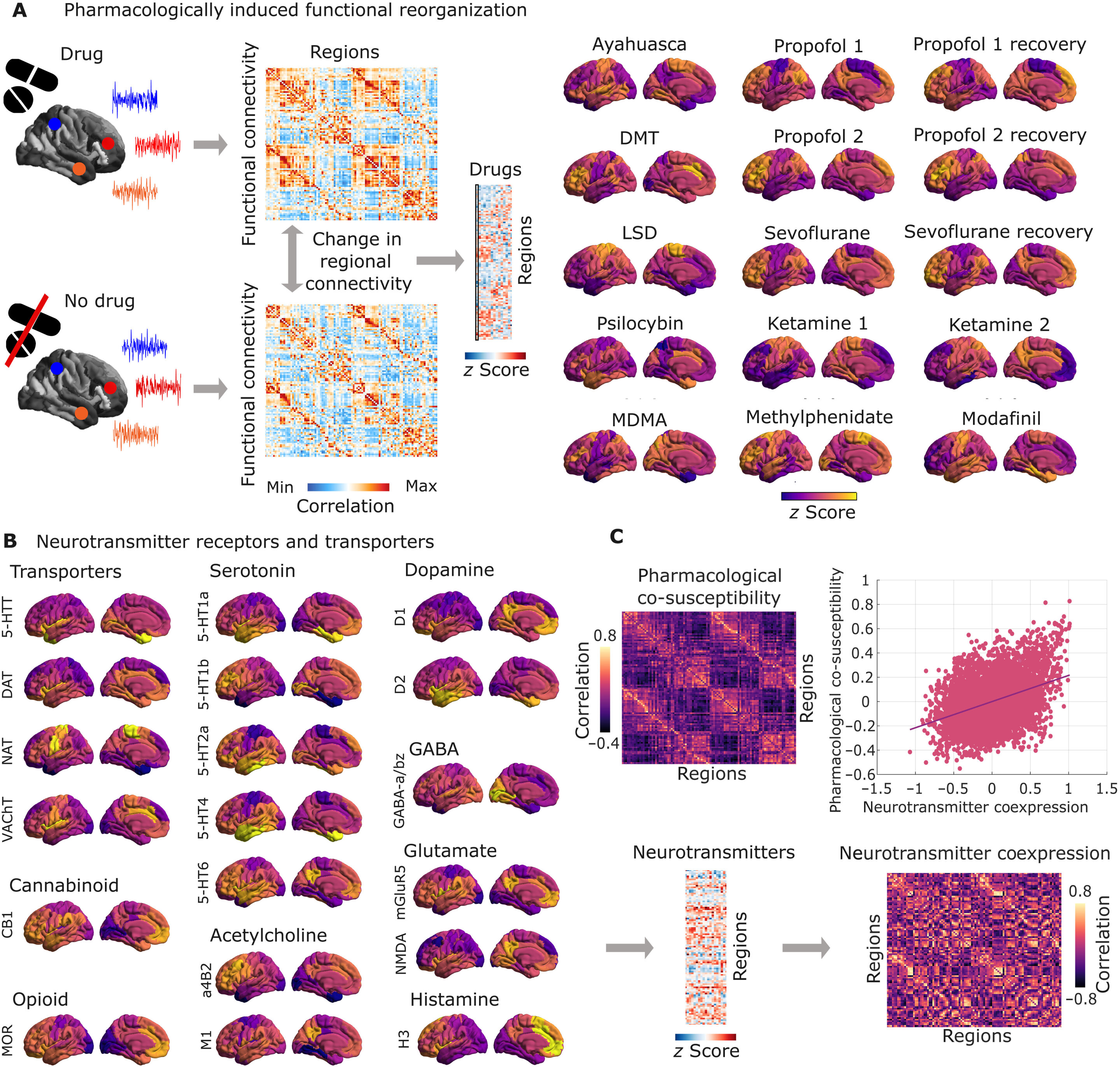
An international team of neuroscientists, anesthesiologists and other medical researchers has learned more about the changes that occur in brain neurotransmitter systems under the influence of psychedelics, anesthetics and cognitive enhancers by studying PET and fMRI scans of brains of people administered such drugs. The study is published in Science Advances.
With as little as 1 percent loss in body weight, a Mediterranean diet appears to slow the signs of accelerated brain aging typical of obesity, according to a new study.
Scientists have uncovered swirling spiral patterns of brain signals on the human cortex. The research indicates that these patterns, observed during both resting and cognitive states, play a crucial role in organizing brain activity and cognitive processing.
New research on why some people have allergies more than others has revealed that changing a specific protein called ETS1 can affect our body’s response to allergies.
Researchers have found compelling molecular evidence suggesting that bipolar disorder and schizophrenia, traditionally viewed as distinct conditions, may have more similarities than previously thought.
Finally this week, new research sheds light on the role of astrocytes, a type of brain cell, in olfactory perception or smell detection.
Although there are several drugs and experimental conditions that can block cognitive function and impair learning and memory, researchers have recently shown that some drugs can actually improve cognitive function. The new multi-national study, published in the 21 February issue of the open-access journal PLoS Biology, reveals that these findings may implicate scientists’ understanding of cognitive disorders like Alzheimer’s disease.
New connections between brain cells emerge in clusters in the brain according to a study published in Nature on February 19 (advance online publication). Led by researchers at the University of California, Santa Cruz, the study reveals details of how brain circuits are rewired during the formation of new motor memories.
A study in the February issue of Neurosurgery reveals that deep brain stimulation (DBS), commonly used to treat individuals with movement disorders or chronic pain, also affects respiratory function.





 inside-the-brain.com