Weekly Neuroscience Update

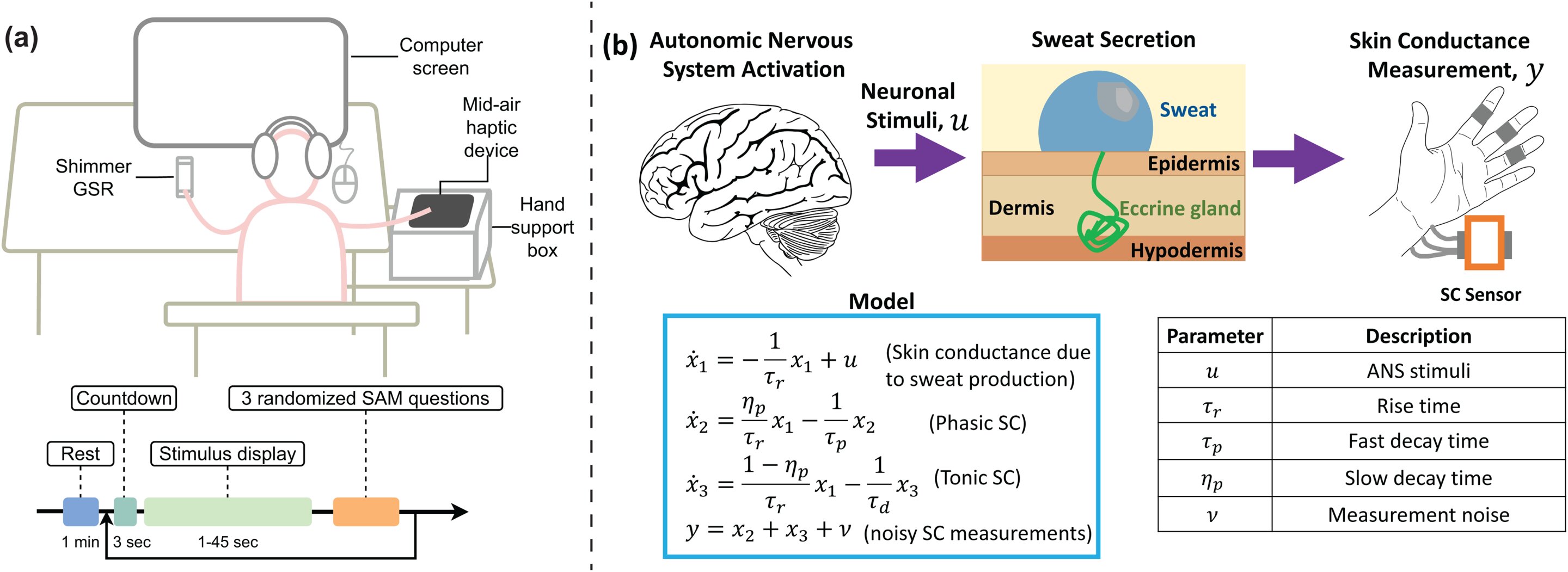
Credit: PLOS Mental Health (2025). DOI: 10.1371/journal.pmen.0000463

A recent study explores how physiological signals can reveal cognitive arousal—the level of mental alertness and emotional activation—without relying on subjective reporting.

New research reveals that women with long COVID show distinct biological disruptions — including gut inflammation, anaemia, and abnormal hormone levels — that may explain their heightened and persistent symptoms. These findings emerged from immune, biomarker, and genetic analyses in people one year after infection.

A new software enables brain simulations which both imitate the processes in the brain in detail and can solve challenging cognitive tasks. 

University of Auckland researchers report that an 8-week, twice-weekly LSD microdosing regimen for major depressive disorder was feasible and well-tolerated, with Montgomery-Åsberg Depression Rating Scale (MADRS) scores reduced by 59.5% at the end of treatment and sustained to six months.

Dance styles engage the brain in different ways depending on the movements, aesthetics, and emotions associated with the dance, according to a study published in Nature Communications.

New research shows that depression beginning before age 25 has a much stronger hereditary component than depression that emerges later in life. By analysing genetic data from over 150,000 people with depression, researchers identified distinct genetic regions linked specifically to early-onset cases.

Scientists have developed an innovative, non-invasive brain stimulation therapy to significantly improve visual function in stroke patients who have suffered vision loss following a stroke.

A rare intracranial brain-recording study revealed that tirzepatide, a GLP-1 and GIP receptor agonist, temporarily silences craving-related neural activity in a key reward circuit of the brain. Researchers observed that the drug initially shut down signaling in the nucleus accumbens of a patient with treatment-resistant obesity. However, after five months, both the “food noise” and the corresponding neural patterns returned, suggesting the effect was short-lived. The findings highlight how these metabolic drugs influence human brain circuits and underscore the need for more durable treatments targeting impulsivity in eating disorders.

Researchers report that ketogenic diets are associated with modest reductions in depressive symptoms in adults, while evidence for anxiety remains uncertain.

An international study has uncovered similar structural changes in the brains of young people diagnosed with anxiety disorders, depression, ADHD and conduct disorder, offering new insights into the biological roots of mental health conditions in children and young people.

A randomised, placebo-controlled trial shows that cannabis with active THC reduces immediate alcohol cravings and lowers drinking levels in heavy-drinking young adults.

New research shows that the brain distinguishes between “what an odour is” and “how it feels,” processing them at different times. After smelling, the brain sends a quick signal that identifies molecular features for differentiation.

“Drains” in the brain, responsible for clearing toxic waste in the organ, tend to get clogged up in people who show signs of developing Alzheimer’s disease, a new study shows.

Researchers have discovered how the brain keeps time for precise movements, revealing a neural “hourglass” mechanism between the motor cortex and striatum. The motor cortex sends timing signals that accumulate in the striatum until they reach a threshold that triggers action.

Finally this week, a new brain imaging study reveals that music activates the same chemical system in the brain that is responsible for the pleasure associated with food and social bonding. 
Weekly Neuroscience Update

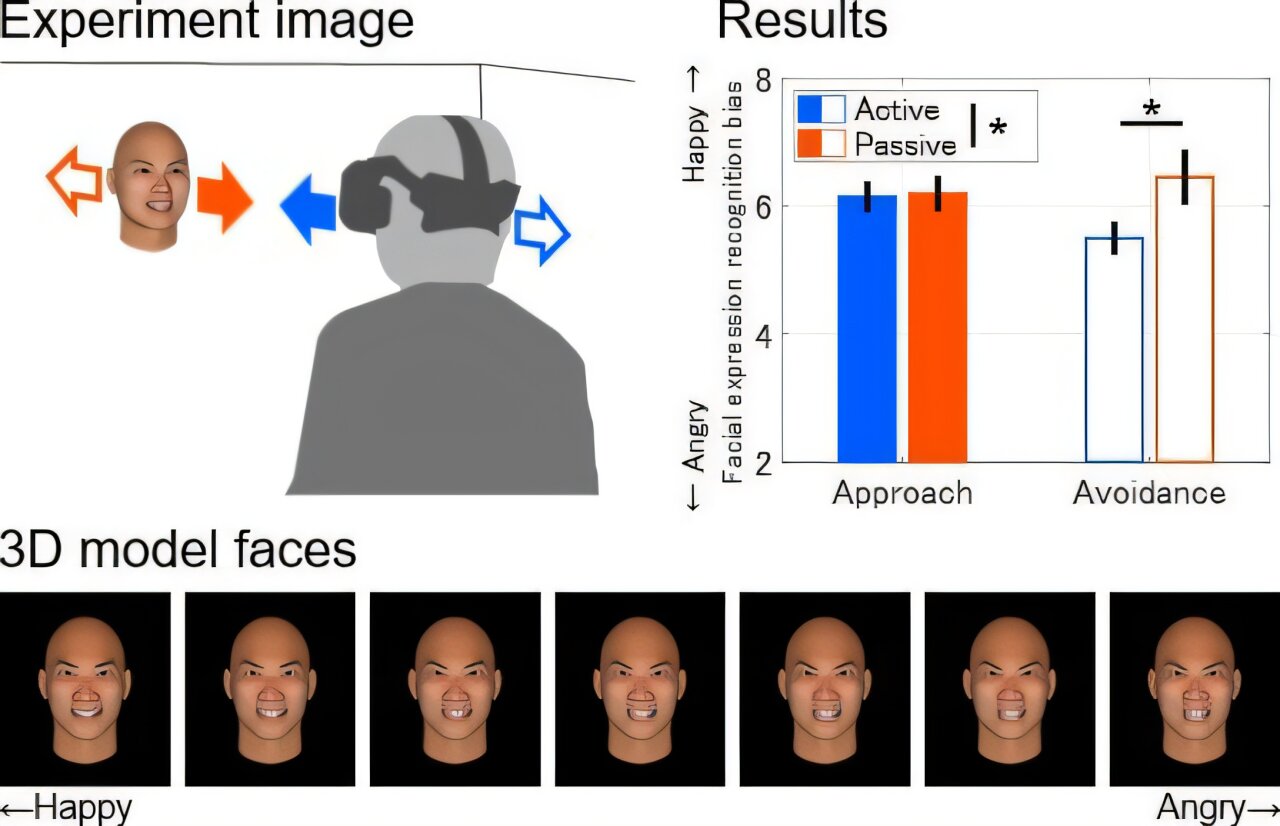
Participants were more likely to perceive the avatar’s expression as angry when they actively avoided the avatar, compared to when the avatar moved away from them. Credit: (C)Toyohashi University Of Technology.

A research team from the Cognitive Neurotechnology Unit and the Visual Perception and Cognition Laboratory at Toyohashi University of Technology has found that approach–avoidance behavior in a virtual reality (VR) environment modulates how individuals recognize facial expressions.

A McGill University-led clinical trial is the first in humans to show online brain training exercises can improve brain networks affecting learning and memory.

A new study reveals that the human brain synchronizes more accurately with rhythm when listening to music than when feeling it through touch. When people tap along to sound, slow rhythmic brain waves align with the perceived beat, helping maintain steady timing.

Psilocybin could be the future of mental health care, with promising findings emerging from Australia’s first research trial using psychedelics to treat depression.

An international research team led by a University of Ottawa Faculty of Medicine investigator has revealed intricate details about how nerve signals activate at the neuromuscular junction. This specialized synapse connects motor neurons to skeletal muscle fibers.

A ‘digital twin’ of your brain could predict mental health issues and slow cognitive decline.

A study published in Environment International concludes that air pollution during pregnancy is associated with slower brain maturation in newborns. It is the first study to analyze brain development within the first month of life.

A new clinical trial is investigating how advanced brain monitoring could improve the diagnosis and management of epilepsy.

University of California San Diego of Medicine researchers, in collaboration with the genetic testing company 23andMe, have identified regions of the human genome associated with cannabis use, uncovering new relationships with psychiatric, cognitive and physical health.

The conditions where you live may influence your brain health and risk for dementia, according to a new study.

Women are affected by severe depression twice as often as men. The reasons for this have not yet been fully clarified. One potential factor is sex-specific differences in the blood-brain barrier. Scientists are conducting research on the project “Leaky blood-brain barrier in major depressive disorder.” A particular focus is on sex-specific differences.

New research reveals how uniquely wired human brains can perceive the world in strikingly similar ways.

A new study published in Scientific Reports indicates that amyotrophic lateral sclerosis (ALS) and multiple sclerosis (MS) have an extremely high geographic association, even after controlling for race, gender, wealth, latitude, and access to neurological health care.

Finally, this week, a ‘ flight simulator‘ for the brain reveals how we learn—and why minds sometimes go off course.

Weekly Neuroscience Update

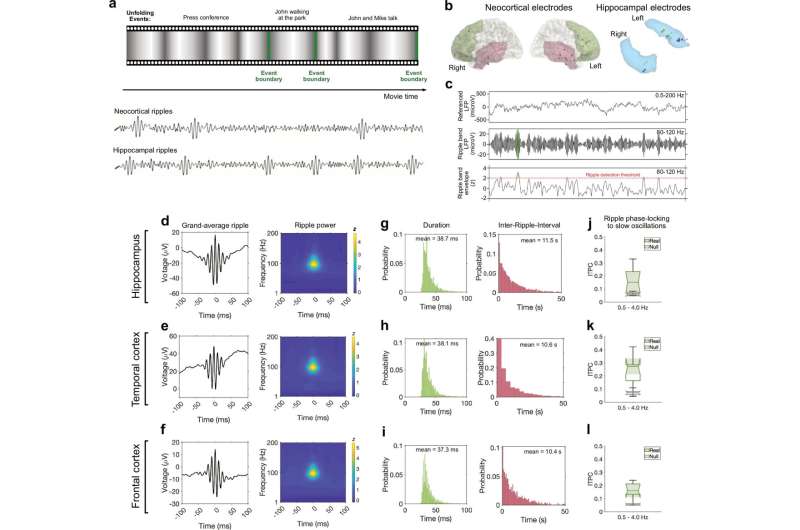
Experimental design, ripple detection, and ripple properties. Credit: Nature Communications (2025)

A research team has identified, for the first time in humans a key neurophysiological mechanism in memory formation: ripple-type brain waves—high-frequency electrical oscillations that mark and organize the different episodes or fragments of information that the brain stores as memories.

Scientists have discovered how a key protein helps maintain strong connections between brain cells that are crucial for learning and memory.

New research shows that signs of Alzheimer’s disease can already be detected in the blood of people as young as their 40s. Finnish scientists found elevated Alzheimer’s-related biomarkers in middle-aged adults, especially among those with maternal history or kidney disease.

A new study questions whether playing youth football leads to harmful protein buildup in the brain.

Receiving six or more prescriptions of the drug gabapentin for low back pain is associated with significantly increased risks of developing dementia and mild cognitive impairment, finds a large medical records study.

A large genetic study reveals that cannabis use disorder is strongly linked to increased risk for multiple psychiatric disorders, including depression, PTSD, ADHD, and schizophrenia.

A common sugar substitute, erythritol, widely used in “sugar-free” and low-carb products, may increase stroke risk by damaging brain blood vessel cells. A new study found that erythritol exposure reduced nitric oxide, increased vessel constrictors, impaired clot-busting abilities, and boosted free radical production in these cells.

Finally, this week, neuroscientists have discovered a signature ‘wave’ of activity as the brain awakens from sleep.

Weekly Neuroscience Update

Reading Pleasure and Pain from the Brain

Functional brain networks that are connected to the affective intensity and valence information. Left: The affective valence information is connected to the limbic and default mode networks, and the affective intensity information is connected to the ventral attention network. Right: The probability that the affective intensity and valence is connected to each of seven functional brain networks. Credit: Proceedings of the National Academy of Sciences (2024).

A team of researchers has revealed how the brain processes emotional information of sustained pain and pleasure.

Scientists have uncovered the inner relay of a molecular switch that protects the brain against the development of Parkinson’s disease. The research provides new potential strategies to develop drugs that may benefit patients with Parkinson’s.

Brain-to-brain technology boosts brain-computer interface performance, a new study demonstrates.

Researchers have identified, for the first time, disease-specific reduction in emotional expressivity in Lewy body dementia by quantifying vocal expression of emotions using deep neural network techniques. This reduction in vocal emotional expressions was associated with cognitive impairment and specific brain region atrophy and could serve as a distinguishing factor for individuals with Lewy body dementia.

A new study finds the timing of brain waves shapes the words we hear.

New research has given a precise picture of young children’s developing brains, using a wearable brain scanner to map electrical brain activity. The work opens up new possibilities for tracking how critical developmental milestones, like walking and talking, are underpinned by changing brain function, and how neurodevelopmental conditions like autism emerge.

A new AI technique can identify seizure types, including rare forms of epilepsy.

A new study reveals that a poor quality diet may lead to brain changes associated with depression and anxiety. Researchers found that unhealthy eating habits reduce grey matter and alter neurotransmitter levels in the brain.

Research sheds new light on the contribution of dopamine to reinforcement learning.

A new study uncovered neural mechanisms used in planning, revealing an interplay between the prefrontal cortex and hippocampus. The study shows how the brain imagines future outcomes to guide decisions.

Losing the ability to smell properly—a common sensory deficit as people age—may help predict or even contribute to the development of heart failure, new research suggests.

A new study reveals that the main psychoactive component in cannabis or marijuana disrupts the normal connections and activity of the brain’s prefrontal cortex, a region that is crucial for decision-making and self-control.

Finally this week, people tend to underutilize their visual working memory rather than maxing out its capabilities according to new research.

Weekly Neuroscience Update

 Credit: Radiological Society of North America

Low-level light therapy appears to affect healing in the brains of people who suffered significant brain injuries, according to a study published in Radiology.

An international team of clinicians and neuroscientists has published a new perspective on the process of neurodegeneration. Their findings review evidence for a mechanism upstream of amyloid including the key neurochemical driving this process.

A new study reveals the brain mechanisms behind speech impairment in Parkinson’s disease.

Researchers designed and implanted a transparent window in the skull of a patient, then used functional ultrasound imaging to collect high-resolution brain imaging data through the window. Their preliminary findings, published in Science Translational Medicine, suggest that this sensitive, non-invasive approach could open new avenues for patient monitoring and clinical research, as well as broader studies of how the brain functions.

New research finds that reports of cognitive decline from patients and their partners are linked to the accumulation of tau tangles, a hallmark of Alzheimer’s disease.

A new study finds a link between a diet high in ultra-processed foods and an increased risk of cognitive impairment and stroke. This association was particularly pronounced among Black participants. While more research is needed, the findings highlight the potential impact of food processing on brain health.

New research has found a distinct relationship between sleep duration, social media usage, and brain activation across brain regions that are key for executive control and reward processing.

For patients with chronic migraine, nerve decompression surgery effectively reduces the number of headache days—the outcome measure preferred by neurologists—along with other measures including the frequency and intensity of migraine attacks, reports a study in the June issue of Plastic and Reconstructive Surgery.

A new study uncovers a key biological process targeted by SSRIs, suggesting new clinical applications.

Researchers have reported that patients with Parkinson’s disease exhibiting sympathetic denervation in the major salivary glands and the heart tend to have more advanced non-motor symptoms as they age, suggesting that age plays an important role in disease progression.

An international study, published in Nature Communications, may facilitate the creation of new personalized treatments for people diagnosed with schizophrenia. 

A World Health Organization-commissioned systematic review finds that radio wave exposure from mobile phones does not affect learning, memory, attention span and other cognitive functions like coordination.

Researchers have leveraged the power of artificial intelligence analytical models to match a patient’s medical history to the most effective antidepressant, allowing patients to find symptom relief sooner.

A new study finds a strong association between teen cannabis use and a significantly increased risk of developing psychotic disorders. This risk appears to be age-dependent, with adolescents being particularly vulnerable to the effects of cannabis on their developing brains. While further research is needed, these findings raise concerns about early cannabis use and highlight the importance of prevention strategies.

Does sleep clear more toxins from the brain than when we’re awake? The latest research casts doubt on the theory.

A new study finds that urolithin A, a substance found in pomegranates, can improve memory and may help treat Alzheimer’s disease. This natural compound works by removing damaged mitochondria from the brain, similar to the effects of NAD supplements. While dosage is still being determined, this discovery offers promising potential for treating and preventing neurodegenerative diseases.

Finally this week, our willingness to help others is governed by a specific brain region pinpointed by researchers in a study of patients with brain damage to that region.

Weekly Neuroscience Update

Viewing interactive art online can improve our mood and reduce anxiety. People reported significant improvements in mood and anxiety after just a few minutes of viewing an interactive Monet Water Lily art exhibition.

The way our senses adjust while playing virtual reality (VR) games affects the severity of cybersickness experienced. Researchers measured how participants perceived the orientation of vertical lines before and after playing two VR games, one high-intensity, and one low-intensity. They found that those who experienced less sickness were more likely to have the largest change in the subjective visual vertical following exposure to VR. The findings could be useful for VR designers and developers in creating more comfortable and enjoyable experiences.

In a new study, scientists have discovered anatomical changes that occur in the brains of patients after their sight is restored.

Scientists have explored the links between three measures known to independently predict healthy aging: nutrient intake, brain structure and cognitive function. Their analysis adds to the evidence that these factors jointly contribute to brain health in older adults. 

Young men with cannabis use disorder are more likely to develop schizophrenia, according to a new study.

A new study challenges conventional thinking on the role of short and long-term memories in relearning motor skills. Researchers found that fleeting short-term memories, rather than long-term ones, are responsible for rapid motor learning, indicating the existence of mechanisms for regulating the learning rates for memories that are distinct from the memories themselves.

Researchers have identified spatial and temporal abnormalities in spontaneous fixational saccades as a potential biomarker for cognitive and positive symptoms in schizophrenia.

Poor verbal memory may increase the risk of psychiatric hospitalization for patients diagnosed with bipolar disorder or depression. The severity of the illness was previously thought to have an impact on poor memory, but new research shows that poor memory may also have an impact on the risk of being hospitalized.

Researchers have uncovered crucial findings regarding Long COVID, discovering significant immune system and nervous system changes that could explain the neurological symptoms experienced by patients.

A new study from Aarhus University indicates that certain types of epilepsy medication taken during pregnancy may increase the risk of severe psychiatric disorders in children.The research found a worrying link between the antiseizure medication valproate and the child’s risk of developing psychiatric disorders such as autism, ADHD and intellectual disability.

Finally this week, scientists have recently identified a unique form of cell messaging occurring in the human brain that’s not been seen before. Excitingly, the discovery hints that our brains might be even more powerful units of computation than we realized.

Weekly Neuroscience Update

While depression is a common problem for people who have had a stroke, some people may have symptoms of depression years before their stroke, according to a study published in Neurology.

New research shows visual scanpaths during memory retrieval tasks were associated with the quality of the memory. Researchers say the replay of a sequence of eye movements helps boost memory reconstruction.

A new neuroimaging study reveals every person has unique brain anatomy. The uniqueness is a result of a combination of genetic factors and life experiences, researchers report.

Adolescents are over three times more vulnerable to developing a cannabis addiction than adults, but may not be at increased risk of other mental health problems related to the drug, finds a new study led by UCL and King’s College London researchers.

Researchers have developed a chop stick-like device that uses a weak electrical current to stimulate the tongue and enhance the taste of salt. The device could help to reduce dietary sodium intake by up to 30%.

Socially anxious women exhibit heightened oxytocin reactivity to psychosocial stress, according to new research published in Psychoneuroendocrinology. The study provides evidence that the hormone plays a role in physiological reactions to socially stressful situations.

Delayed circadian rhythms and sleep disruptions may be a cause of teen depression, rather than a symptom that develops as a result of the mental health disorder.

Health researchers have contributed to an international study published in Nature Neuroscience that sheds light on the mechanism by which anti-anxiety drugs act on the brain which could lead to cognitive impairment in vulnerable individuals.

A new machine-learning algorithm is able to accurately detect cognitive impairment by analyzing voice recordings.

Protein buildups like those seen around neurons in Alzheimer’s, Parkinson’s and other brain diseases occur in all aging cells, a new study suggests. Learning their significance may reveal new strategies for treating age-related diseases.

Finally, this week, having positive social interactions is associated with older adults’ sense of purposefulness, which can fluctuate from day to day, according to recent research.