Weekly Neuroscience Update

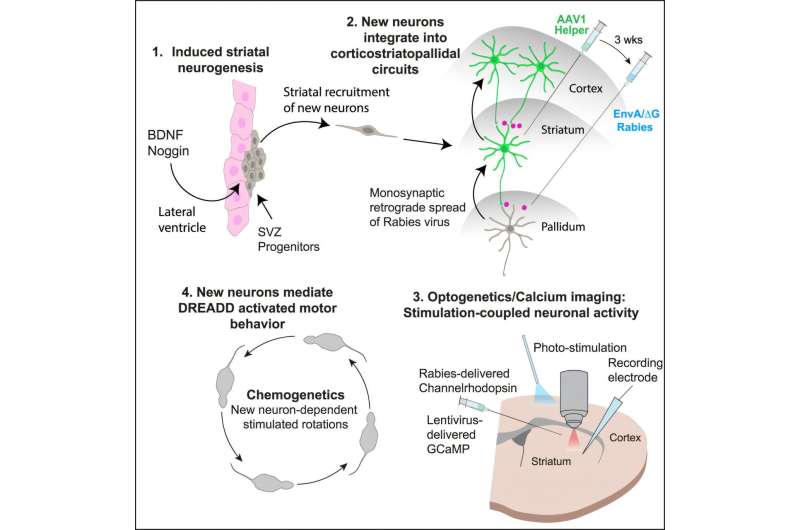
Credit: Cell Reports (2025).

New research shows that the adult brain can generate new neurons that integrate into key motor circuits. The findings demonstrate that stimulating natural brain processes may help repair damaged neural networks in Huntington’s and other diseases.

A study published in Brain Communications highlights a new approach to treating drug-resistant epilepsy.

A novel human study with intracranial recordings demonstrates the thalamus’s pivotal role, especially its higher-order regions, in the onset of conscious perception, with activation preceding that of the prefrontal cortex.

New findings reveal that long-term obesity patterns have distinct impacts on brain structure, function, and cognition. 

Researchers have discovered new potential therapeutic targets for multiple sclerosis (MS). While current treatments prevent further damage, the current findings may form the starting point for the development of new treatments for tissue recovery in MS. The research is published in the journal Brain.

Research published in the Journal of Magnetic Resonance Imaging has uncovered changes in brain connectivity during chemotherapy in patients with breast cancer.

Mass General Brigham investigators have linked difficult early life experiences with reduced quality and quantity of the white matter communication highways throughout the adolescent brain. This reduced connectivity is also associated with lower performance on cognitive tasks.

A team of engineers has developed a microscale brain–computer interface that is small enough to be placed between hair follicles on a user’s head.

Researchers have identified specific high-order thalamic nuclei that drive human conscious perception by activating the prefrontal cortex. Their findings enhance understanding of how the brain forms conscious experience, offering new empirical support for theories that assign a central role to thalamic structures rather than cortical areas alone.

A natural compound found in everyday fruits and vegetables may hold the key to protecting nerve cells—and it’s showing promise as a potential treatment for ALS and dementia.

New research highlights how smartphones are transforming memory science by capturing real-world data on sleep, emotion, and daily experiences. Studies show that replaying memories before sleep, experiencing novel events, and feeling positive emotions can all strengthen autobiographical memory.

An artificial intelligence tool that can help interpret and assess how well treatments are working for patients with multiple sclerosis has been developed by UCL researchers.

A recent study indicates that brain cells possess a higher degree of plasticity than previously understood. This suggests that the brain’s ability to adapt and change throughout life is more extensive than earlier scientific models suggested.

Researchers have discovered that increased blood flow leads to stiffness in the hippocampus, a region of the brain that plays important roles in learning and memory. 

By mapping the presynaptic inputs to single neurons within the primary somatosensory cortex researchers have shown how these neurons integrate brain-wide signals related to behavior, offering a more nuanced understanding of cortical activity.

Seventeen modifiable risk factors are shared by stroke, dementia, and late-life depression, according to a review published in the Journal of Neurology, Neurosurgery & Psychiatry.

A recent study has shown how aspects of brain function change with age, revealing that excitatory processes in the brain decrease, while inhibitory processes increase as children get older. The findings are an important step in understanding disorders like autism.

Finally this week, research shows that a blow to the head can significantly impact a child’s or adolescent’s future education. Even a mild concussion can have far-reaching consequences.

Weekly Neuroscience Update

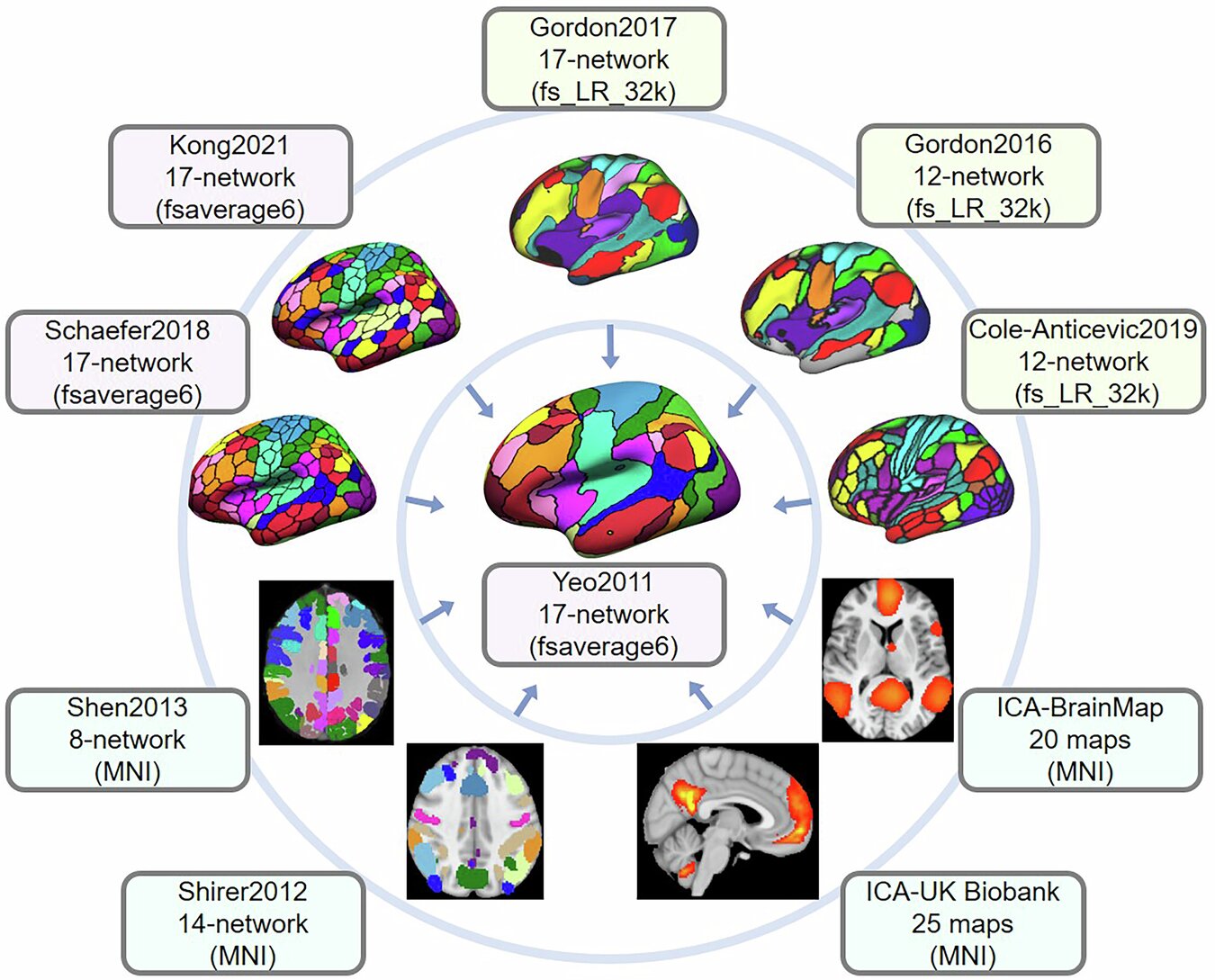
Example atlases included in the Network Correspondence Toolbox (NCT). Credit: Nature Communications (2025)

UCLA Health researchers have helped to develop a new digital toolbox to create a “common language” for brain network studies, potentially accelerating new discoveries and treatments for neurological and psychiatric conditions.

New research published in The Journal of Neuroscience suggests that relieving psychological stress by targeting specific neurons in the brain can lower blood pressure and reduce anxiety.

People who have early signs of heart problems may also have changes in brain health that can be early signs of dementia, such as loss of brain volume, according to a meta-analysis published online in Neurology. The meta-analysis does not prove that early heart problems cause loss of brain cells; it only shows an association.

Scientists have gained greater clarity in the brain regions and neurons that control metabolism, body temperature and energy use. 

A recent study published in Science challenges assumptions about infant memory, showing that young minds do indeed form memories. The question remains, however, why these memories become difficult to retrieve later in life.

The brain’s appetite signalling pathways can be disrupted by consuming non-caloric sweeteners, according to new research.

Analysis of stroke patients from 1971 to 2019 showed college graduates exhibited stronger overall cognitive abilities immediately post-stroke. However, stroke survivors with any higher education saw a more rapid deterioration of executive functions, such as working memory and problem-solving, compared to those with lower levels of education.

New research suggests that psychopaths have a distinct pain experience, which can differ from what their bodies register.

A study published in the journal Scientific Reports suggests that virtual reality (VR) may offer a promising avenue for pain management in cancer patients. By immersing patients in realistic underwater environments using VR headsets, researchers observed a significant reduction in self-reported pain. This subjective improvement was further corroborated by real-time brain imaging, which revealed notable alterations in the neural pathways associated with pain perception.

A new review highlights how unpredictable sensory experiences, beyond traditional stressors like abuse and neglect, can disrupt brain development.

Scientists have uncovered a fundamental principle of how brain cells stay connected, and their discovery could change how we understand Alzheimer’s disease. Published in Cell Reports, this study reveals that neurons—the cells that make up our brain—use simple physics to maintain their connections, and that these processes change in Alzheimer’s patients.

New research shows that the brain’s numerical processing involves both absolute and relative quantity, with relative size processing increasing as information moves from the back to the front of the brain.

A pilot study of a post-stroke population has revealed some potential benefits of transcranial direct current stimulation (tDCS) on attention and fatigue. Study findings are published in Frontiers in Human Neuroscience.

Finally this week, marathon runners experience a temporary decline in brain myelin during races, with levels returning to normal after recovery, according to a study published in Nature Metabolism.

Weekly Neuroscience Update

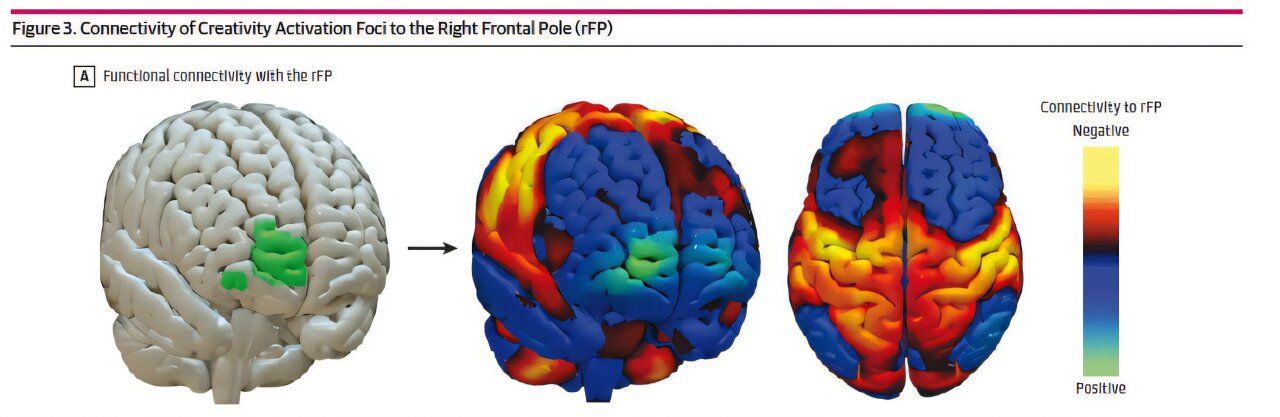
Functional connectivity with the rFP (green, left) defines a distributed brain circuit (right) that will encompass coordinates activated by creativity tasks. Credit: Brigham and Women’s Hospital

A new study suggests that different brain regions activated by creative tasks are part of one common brain circuit. By evaluating data from 857 participants across 36 fMRI studies, researchers identified a brain circuit for creativity and found people with brain injuries or neurodegenerative diseases that affect this circuit may have increased creativity.

New research has uncovered why males and females may experience stress differently, providing insights into how the brain’s molecular mechanisms adapt to acute challenges.

How can nerve pathways in the brain be visualized to improve the planning of complex surgeries? A research team has investigated an AI-powered method that makes these reconstructions more precise. The study, recently published in NeuroImage: Clinical, could ultimately help make neurosurgical procedures safer.

Three studies at the University of Zurich demonstrate that hypnosis alters activity in the large-scale functional networks of the brain. It also affects the neurochemical milieu of specific brain areas.

New research reveals that brain cells use a muscle-like signaling mechanism to relay information over long distances. Scientists discovered that dendrites, the branch-like extensions of neurons, contain a structured network of contact sites that amplify calcium signals—similar to how muscles contract. These contact sites regulate calcium release, activating key proteins involved in learning and memory.

Researchers have made a major breakthrough in understanding the link between genetics and cognition.

A recent large-scale study published in Science Advances has revealed a connection between genetic variations associated with dyslexia and structural differences in the brain. These differences were found in areas involved in motor coordination, vision, and language. This provides new insights into the neurological underpinnings of this common learning difficulty.

According to a recent study, a diet low in vegetables and fruits and high in red meat, fast food, and sugar-sweetened soft drinks was associated with accelerated biological aging.

A new mathematical model sheds light on how the brain processes different cues, such as sights and sounds, during decision making. The findings may one day improve how brain circuits go awry in neurological disorders, such as Alzheimer’s, and could help artificial brains, like Alexa or self-driving car technology, more helpful.

New research has shown just one 20-minute session of moderate intensity aerobic exercise can improve an athlete’s executive function and concussion symptoms in the early stages of recovery.

A recent study using brain imaging technology discovered that experiencing beauty in music involves increased communication between brain areas associated with reward and visual processing, while listening to music considered less beautiful is linked to more activity in brain regions responsible for basic sensory processing. 

Finally this week, women with epilepsy may have offspring with decreased bone metabolism and lower birth weight, according to a study published in the Annals of Clinical and Translational Neurology.

10 Things You Can Do for Better Brain Health in 2025

Your brain is the most complex organ in your body, responsible for everything you think, feel, and do. Keeping it healthy is essential for a fulfilling life. Here are 10 things you can do to boost your brainpower:

1. Engage in Regular Exercise

Physical activity isn’t just good for your body; it’s also a powerful brain booster. Exercise increases blood flow to the brain, delivering essential nutrients and oxygen. It also stimulates the growth of new brain cells and improves cognitive function.

Aim for at least 30 minutes of moderate-intensity exercise most days of the week.

2. Prioritize Quality Sleep

Sleep is crucial for consolidating memories and clearing out brain waste products. Aim for 7-9 hours of quality sleep each night.

Establish a regular sleep schedule, create a relaxing bedtime routine, and optimize your sleep environment.

3. Challenge Your Mind

Just like muscles, your brain needs to be challenged to stay strong. Engage in activities that require mental effort, such as:

  • Learning a new language
  • Playing brain games
  • Reading challenging books
  • Solving puzzles

4. Eat a Brain-Healthy Diet

Nutritious foods provide the fuel your brain needs to function optimally. Include plenty of fruits, vegetables, whole grains, and lean protein in your diet.

Limit processed foods, sugary drinks, and excessive alcohol.

5. Manage Stress

Chronic stress can damage brain cells and impair cognitive function. Find healthy ways to manage stress, such as:

  • Meditation
  • Yoga
  • Spending time in nature
  • Listening to music

6. Stay Socially Connected

Social interaction is essential for brain health. Spending time with loved ones, friends, and community members provides mental stimulation and emotional support.

Join clubs, volunteer, or participate in social activities.

7. Learn a New Skill

Learning new things keeps your brain flexible and adaptable. Take a class, learn a musical instrument, or pick up a new hobby.

The challenge of learning something new helps to form new neural connections.

8. Protect Your Head

Head injuries can have serious consequences for brain health. Wear a helmet when engaging in activities that carry a risk of head injury, such as biking, skateboarding, or playing contact sports.

9. Limit Screen Time

Excessive screen time can be detrimental to brain health, especially for children.

*Set limits on screen time and encourage activities that don’t involve screens.

10. Consult a Healthcare Professional

If you have concerns about your brain health, talk to your doctor. They can assess your risk factors and recommend strategies for maintaining optimal brain function.

Early intervention can be crucial for managing conditions that affect brain health.

By incorporating these tips into your daily life, you can take steps to protect your brain and ensure a healthier, happier future.

Weekly Neuroscience Update

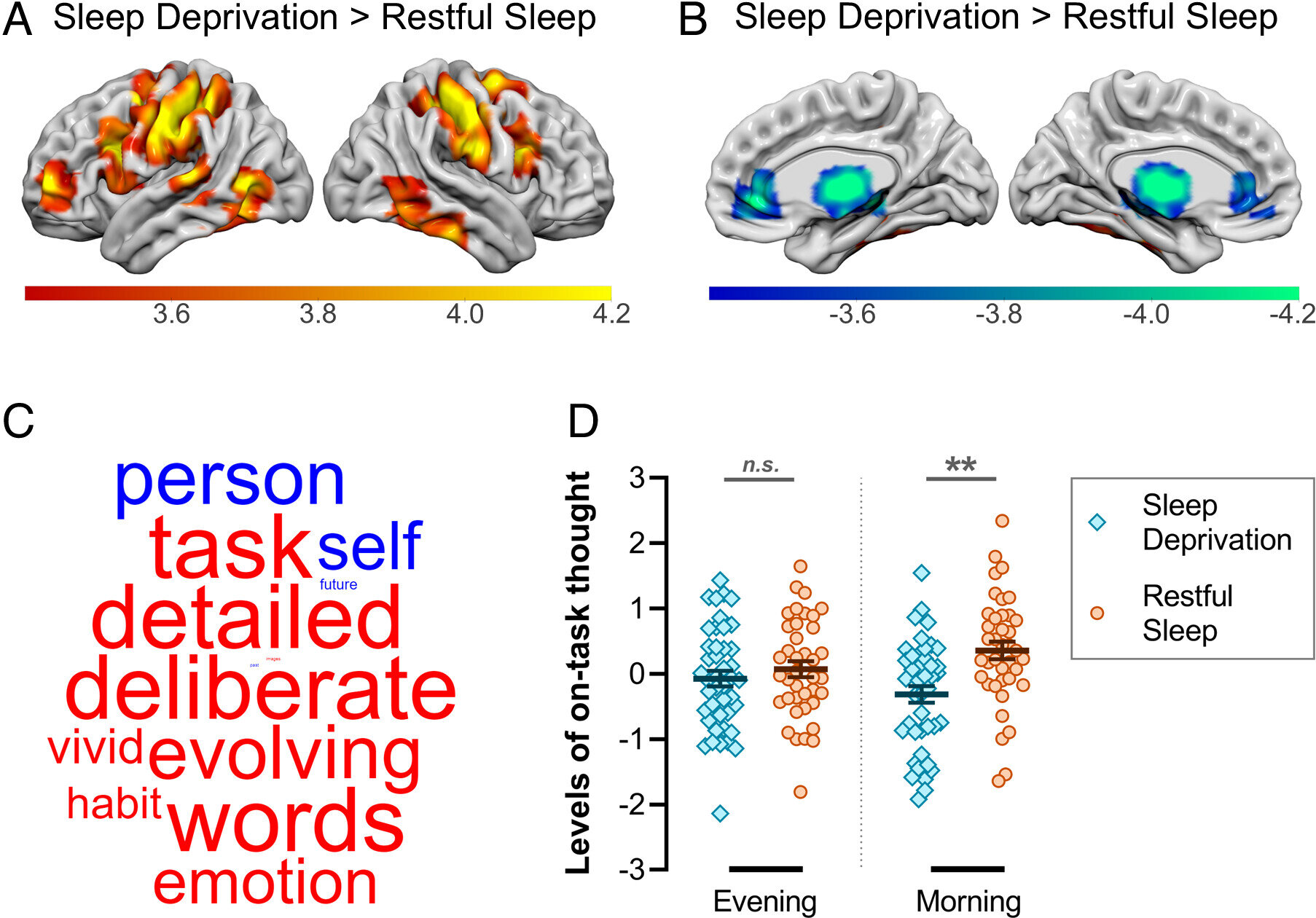
Credit: Proceedings of the National Academy of Sciences (2024). 

The link between poor sleep and mental health problems could be related to deficits in brain regions that keep unwanted thoughts out of the mind, according to hew research.

Researchers from Trinity College Dublin have collaborated with international partners to explore if societal inequality affects the brain. The study reveals a direct link between structural inequality—such as socioeconomic disparities measured by a country-level index (GINI)—and changes in brain structure and connectivity associated with aging and dementia.

New research has explained how the body’s internal clock influences the inflammatory process of the immune system.

Researchers used AI to analyze brain images from 70-year-olds, estimating their biological brain age and uncovering connections to lifestyle and health factors. Diabetes, inflammation, and high glucose levels were linked to older-looking brains, while regular exercise and healthy habits were associated with younger-looking brains.

An international research team, including researchers at Karolinska Institutet, has mapped the genes expressed in the brain cells of people with multiple sclerosis.

Gestational hypertension, preeclampsia, and eclampsia are associated with an increased risk for neurological outcomes in the months or years after giving birth, according to a recent study published in JAMA Neurology.

People with breathing problems during sleep may have a larger hippocampus, the area of the brain responsible for memory and thinking, according to a new study.

Researchers have discovered a connection between Alzheimer’s disease and herpes simplex virus-1 (HSV-1), suggesting viral infections may contribute to neurodegeneration. The study found that tau protein, typically seen as harmful in Alzheimer’s, might initially protect the brain from the virus but later exacerbate damage.

COVID-19 infection is not associated with immediate changes in multiple sclerosis (MS) symptom severity or disability, according to a study published in Neurology.

A study of nearly 10,000 adolescents found that those who initiated substance use before age 15 exhibited distinct differences in brain structures compared to their peers. Many of these differences were present before substance use, suggesting a role in predisposing factors like genetics and environment.

A new study reveals that humans think at a rate of 10 bits per second, while sensory systems process a billion bits per second—100 million times faster. 

New research in epigenetics reveals how early-life experiences influence gene expression and brain development. By bridging the gap between nature and nurture, this work shows that environmental factors leave lasting biological imprints, shaping long-term health and resilience.

For patients with neurodevelopmental disorders, a genomics-informed model can provide clinical benefits, directly affecting management, according to a new study.

A new “molecular lantern” technique allows researchers to monitor molecular changes in the brain non-invasively using a thin light-emitting probe. This innovative tool utilizes Raman spectroscopy to detect chemical changes caused by tumors, injuries, or other pathologies without altering the brain beforehand.

Finally this week, researchers have found that the pupil is key to understanding how, and when, the brain forms strong, long-lasting memories.

Why Keeping New Year’s Resolutions Is All in the Mind: A Neuroscientific Perspective

As the clock strikes midnight on January 1st, millions around the world set ambitious resolutions to transform their lives. Yet, research shows that most resolutions fail within a few weeks. Why is it so difficult to stick to our goals? Let’s turn to the workings of the brain for some possible answers.

The Burden of Cognitive Load

The prefrontal cortex, the brain region responsible for decision-making, planning, and self-control, has limited cognitive resources. Think of it as a battery that can be depleted with overuse. Every time we make a decision, resist a temptation, or even remember something trivial, we drain these resources. This phenomenon is known as cognitive load.

When cognitive resources are stretched thin, such as after a long day of work or when juggling multiple tasks, the brain struggles to exert self-control. Stress hormones like cortisol exacerbate this effect. High cortisol levels impair the prefrontal cortex’s function, making it harder to resist temptations or make rational decisions. This is why people often abandon their resolutions in moments of stress or fatigue.

Willpower and the Dopamine Connection

Willpower is not just a matter of grit; it’s deeply rooted in the brain’s reward system. The neurotransmitter dopamine plays a pivotal role in motivation and self-control. Engaging in self-disciplined behavior—such as sticking to a resolution—releases dopamine, which reinforces the behavior and provides a sense of accomplishment.

However, dopamine levels fluctuate based on our physical and emotional state. When we’re tired or stressed, dopamine levels drop, weakening our resolve and making it harder to resist temptations. This is why maintaining energy and managing stress are crucial for sustaining willpower.

Habits: The Brain’s Shortcut

Habits are automated behaviors that bypass the prefrontal cortex, conserving cognitive resources. They rely on established neural pathways in the brain. Forming new habits involves creating and strengthening these pathways, which makes desired behaviors more automatic over time.

For instance, brushing your teeth every morning doesn’t require conscious effort because it’s a well-formed habit. Similarly, turning your resolutions into habits reduces reliance on willpower and increases the likelihood of long-term success.

Practical Strategies for Success

To harness the power of neuroscience in achieving your New Year’s resolutions, consider these strategies:

1. “Exercise” Willpower in Small Ways

Willpower, like a muscle, can be strengthened with practice. Here are some simple ways to build it:

  • Resist the urge to check your phone during a meeting.
  • Complete a challenging task without procrastination.
  • Skip a sugary snack in favor of a healthier option.

Each small victory trains your brain to exert self-control, making it easier to tackle bigger challenges over time.

2. Leverage the Power of Habits

Building habits is key to reducing cognitive load and sustaining resolutions. Try these techniques:

  • Habit stacking: Link a new habit to an existing one. For example, “After I brush my teeth, I will meditate for 5 minutes.”
  • Use cues and triggers: Set up reminders or environmental prompts. For example, place a water bottle on your desk to encourage hydration.

3. Focus on Intrinsic Motivation

Intrinsic motivation, driven by genuine personal desires, is more sustainable than external rewards. Reflect on why your resolution matters to you. For example:

  • If your goal is to exercise more, focus on how it boosts your mood and energy levels rather than just losing weight.

Engaging in activities that align with your values and bring you joy releases dopamine, reinforcing positive behavior and making it easier to stay motivated.

The “Why” Behind Resolutions

Understanding the underlying motivations for your resolutions can make all the difference. Ask yourself:

  • Are you pursuing this goal because of external pressures or because it aligns with your genuine aspirations?

For example, resolving to eat healthier might stem from a desire to feel more energetic and vibrant rather than societal expectations. Connecting with the deeper “why” increases intrinsic motivation and improves the likelihood of success.


Keeping New Year’s resolutions is not just about willpower; it’s about working with your brain’s natural tendencies. By managing cognitive load, leveraging dopamine, and building habits, you can turn fleeting resolutions into lasting changes. Remember, the path to success lies not in perfection but in persistence. With small, consistent steps, you can rewire your brain and make your goals a reality.

Harnessing the Power of Neuroplasticity #TrainYour BrainDay

Ever wonder what makes our brains so remarkable? Neuroplasticity is your brain’s ability to change and adapt throughout your entire life. Your brain is not a static, unchanging organ – it’s more like a dynamic, ever-evolving landscape.  Today, in honour of #TrainYourBrainDay, let’s explore the science behind this process and how we can harness it to improve our cognitive abilities.

How Does Neuroplasticity Work?

Neuroplasticity involves both structural and functional changes in the brain:

  • Structural changes: These involve altering the physical connections between brain cells (neurons). This can happen through:
    • Neurogenesis: The birth of new neurons, primarily in the hippocampus, a region crucial for learning and memory.
    • Synaptic plasticity: Strengthening or weakening existing connections (synapses), making communication between neurons more or less efficient. This can also involve eliminating unused connections (synaptic pruning).
  • Functional changes: These changes affect how different brain regions work together. This can involve:
    • Developing new neural pathways: When you learn a new skill, your brain creates new pathways to process and store that information.
    • Reorganizing existing networks: If one area of the brain is damaged, other areas can sometimes take over its function, as seen in stroke recovery.

Factors that influence neuroplasticity

Several factors can influence how adaptable your brain is:

  • Age: While plasticity is greatest in childhood, it continues throughout life.
  • Genetics: Your genes play a role in how your brain develops and adapts.
  • Environment: A stimulating environment with opportunities for learning and social interaction enhances plasticity.
  • Lifestyle: Factors like sleep, nutrition, stress, and exercise all impact brain health and plasticity.

How Can You Encourage Neuroplasticity?

The great news is that you can actively influence your brain’s plasticity. Here are some ways to encourage it.

  • Embrace lifelong learning: Continually challenge your brain with new skills, languages, and information.
  • Engage in mental exercises: Puzzles, brain games, and critical thinking activities keep your mind sharp.
  • Stay physically active: Exercise boosts blood flow to the brain, promoting neurogenesis and synaptic plasticity.
  • Get enough sleep: Sleep is crucial for consolidating memories and allowing your brain to reorganize.
  • Reduce stress: Chronic stress can negatively impact brain plasticity.

Further Reading

  1. “Neurogenesis in the Adult Human Hippocampus,” Nature Medicine, 1998.
  2. “Physical Exercise and Brain Plasticity,” Brain Sciences, 2020.
  3. “Mindfulness Practices and Brain Structure,” Journal of Cognitive Enhancement, 2017.

Weekly Neuroscience Update

Credit: The Journal of Physiology (2024). 

The team that first recorded vagus nerve signals in humans has now isolated the electrical activity of individual neurons responsible for cardiovascular regulation. Published in the Journal of Physiology, the Monash University-led discovery paves the way for more research into how and why cardiovascular disease develops.

New research reveals that dopamine is not directly responsible for the formation of placebo analgesia, contrary to previous beliefs.

Scientists have developed a new brain-mapping tool called START, which combines transcriptomics and viral tracing to map the connections between specific neuronal subtypes with unprecedented detail. This technology allows researchers to identify distinct patterns of connectivity in inhibitory neurons within the cerebral cortex, providing a blueprint of the brain’s circuits.

A new study has demonstrated that emotion enhances memory for contextual details, challenging the view that emotion impairs the ability to remember such information.

Researchers compared the diagnostic accuracy of GPT-4 based ChatGPT and radiologists using 150 brain tumor MRI reports. ChatGPT achieved 73% accuracy, slightly outperforming neuroradiologists (72%) and general radiologists (68%).

Deep brain stimulation may provide immediate improvement in arm and hand strength and function weakened by traumatic brain injury or stroke.

People with Parkinson’s disease (PD) who experience visual hallucinations have reduced brain responses to unexpected visual changes, a marker known as visual mismatch negativity (vMMN). Using EEG, researchers compared brain activity in PD patients with and without hallucinations and discovered that those with hallucinations showed weaker vMMN signals

Lower attention ability in adolescence can predict cigarette and cannabis use in young adulthood, according to new research from Trinity College Dublin.

New research has found that frequent consumption of fizzy drinks and fruit juice significantly increases the risk of stroke. The study, which analyzed data from nearly 27,000 participants across 27 countries, showed a 22% increased risk of stroke from drinking fizzy drinks, with the risk rising further with multiple servings per day. Additionally, drinking more than four cups of coffee daily raised stroke risk by 37%, while tea consumption was associated with a reduced stroke risk. 

New research shows that even pollution levels that are below government air-quality standards are associated with differences in children’s brains.

University of Queensland researchers have made a significant step towards enabling women with epilepsy safer access to a common and highly effective anti-seizure medication.

A new study shows that brain synchronization between a neurotypical person and someone with autism is weaker compared to two neurotypical individuals interacting. Using EEG hyperscanning, researchers observed reduced inter-brain synchrony during hand movement imitation between mixed pairs, with autistic individuals more likely to follow than lead.

Certain immune cells play an important role in the early stages of multiple sclerosis, a twin study shows.

New evidence from the Centre for Healthy Brain Ageing indicates that older adults who experience a stroke for the first time will have substantial immediate and accelerated long term-cognitive decline. The new research, published iJAMA Network Open, looked at finding out exactly how a stroke impacts a person’s cognitive abilities.

A new study shows how individual brain cells in the hippocampus respond to pronouns.

Scientists are examining the brains of individuals with asymptomatic Alzheimer’s disease who, despite having amyloid plaque and tau buildup—the primary indicators of Alzheimer’s—did not show diagnosable dementia symptoms while alive. They’ve identified crucial mechanisms that may safeguard against cognitive decline in Alzheimer’s disease.

Finally this week, In a first-of-its-kind study, University of South Florida researchers are finding that music can help boost cognition in patients undergoing chemotherapy. 

Weekly Neuroscience Update

Researchers at the University of Birmingham have uncovered a surprising role of the hippocampus—linking this part of the brain to the control of skilled actions such as handwriting, typing, and playing music.

The psychedelic drug psilocybin may rewire brain connectivity to treat body dysmorphic disorder, new research suggests.

A significant breakthrough in the understanding of sleep mechanism opens new promise for treating sleep disorders and associated neuropsychiatric conditions: Scientists have pinpointed the melatonin receptor MT1 as a crucial regulator of REM (Rapid Eye Movement) sleep.

Researchers have developed a new method that allows scientists to cultivate brain organoids with distinct cortical areas and front-to-back patterning.

A recent study published in Science has identified a previously unknown mechanism in the brain that occurs during sleep, helping to reset memory pathways. Researchers found that a burst of neural silence in a specific part of the brain, the hippocampus, allows neurons involved in memory to reset and prepare for new learning the following day. This phenomenon, termed a “barrage of action potentials” or “BARR,” allows neurons to reset, ensuring that our brains can continue storing new information without overwhelming the neural networks responsible for memory.

Monash University-led research, believed to be the first of its kind, has used blood tests and MRI scans to show that the effects of traumatic brain injuries (TBI) can last decades.

Researchers have found that SSRI (selective serotonin reuptake inhibitor) antidepressants have the potential to improve certain cognitive functions, such as verbal memory. They measured brain function in patients before and after taking the SSRI, escitalopram, and correlated this to a drop in the level of one of the serotonin receptors in the brain and to cognitive improvements during treatment.

In the U.K.’s largest study to date, researchers have come to a better understanding of the immediate and long-term impacts of COVID-19 on the brain.

New research has found that cannabis use during pregnancy can cause molecular changes in the genes of exposed children, impacting brain development. The study identified significant DNA alterations in genes related to neurodevelopment, suggesting a direct link between prenatal cannabis exposure and developmental issues.

Finally this week, a new study has uncovered new insights into how the brain processes and integrates pain information.