Weekly Neuroscience Update

Scientists have highlighted the most effective treatments for neurological diseases by overcoming one of medicine’s most difficult challenges: the blood–brain barrier. The findings offer new hope for patients with conditions including Alzheimer’s, and Parkinson’s disease, brain tumors, and epilepsy.

A study conducted in Finland showed that changes in the functioning of opioid neurotransmitters in the brain may underlie anorexia.

Poorer cardiovascular health in childhood and adolescence may be linked to early differences in brain structure, particularly in areas of the brain known to be affected in dementia in later life, according to a new scientific study.

Researchers have uncovered how specific patterns in brain activity can predict an individual’s sensitivity to pain, expanding opportunities for improved pain management strategies.

Delayed rapid eye movement (REM) sleep may be an early indicator of Alzheimer’s disease. Researchers found that participants with delayed REM sleep had higher levels of toxic proteins associated with Alzheimer’s and reduced levels of brain-derived neurotrophic factor (BDNF), which supports memory.

The microbial ecosystems in our mouths may impact cognitive function as we age, with pathogenic bacteria linked to cognitive decline.

New research suggests that mood swings in bipolar disorder are regulated by two clocks: the body’s 24-hour circadian rhythm and a dopamine-based clock that influences alertness. When these clocks align at specific intervals, they may trigger shifts between mania and depression.

A study in the Journal of Neuroscience reveals a new mechanism for how brain cells transmit signals from their tips to their nucleus, triggering gene activation crucial for learning and memory.

Investigators have discovered that activity in two widely distributed brain networks previously considered separate are actually correlated with each other and together play a key role in recognition memory, according to a study published in Cell Reports.

Cannabinoids offer new hope for safe and effective pain relief.

Researchers analyzed the genetic connection of retinal cells and several neuropsychiatric disorders. By combining different datasets, they found that schizophrenia risk genes were associated with specific neurons in the retina. The involved risk genes suggest an impairment of synapse biology, so the ability of neurons to communicate with each other. This impairment might also be present in the brains of schizophrenia patients.

Researchers at the University of Barcelona have identified a deficit in contrast perception in people with schizophrenia.

A study of nearly 1,000 people with post-COVID-19 syndrome (PCS) revealed that two-thirds still experienced significant symptoms, including reduced exercise capacity and cognitive performance, two years after infection. Persistent symptom clusters included fatigue, neurocognitive disturbances, and post-exertional malaise, with worse outcomes in individuals with obesity, lower education, or severe initial infections.

Finally this week, new research shows diets high in processed meat, fast food, and sugary drinks accelerate biological aging, even in young adults.

Weekly Neuroscience Update

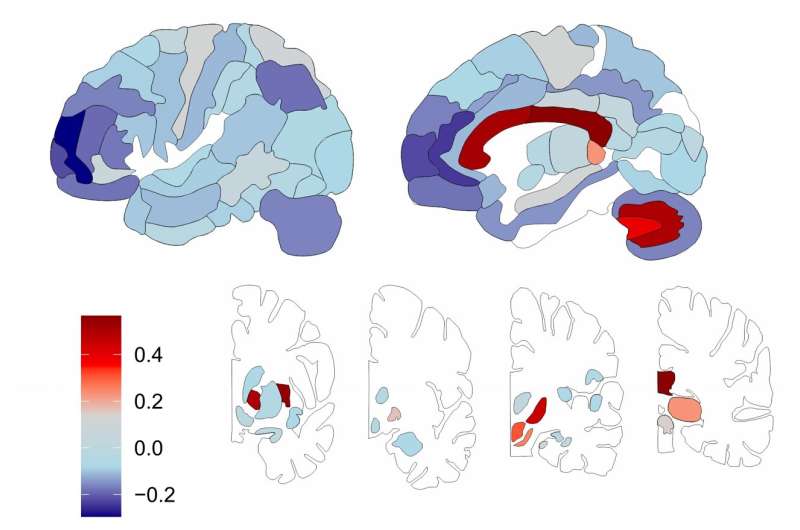
Credit: Frontiers in Human Neuroscience (2024)

Scientists have determined that more than 60% of people who contracted COVID-19 have neurological symptoms that impact their cognitive function and quality of life, even two and three years after COVID-19.

Lip-read words can be decoded from the brain’s auditory regions similarly to heard speech, according to a new report that looked at how vision supports verbal perception.

Exercising is healthy, but not always appealing. Now research may have found a “switch” that activates the desire to get moving, as it shows that during exercise the muscle activates proteins which encourage further activity. The paper is published in Science Advances.

Researchers have demonstrated that a simple blood test that reflects brain health can predict which people are most at risk of suffering a stroke.

Our brain interprets visual information by combining what we see with what we already know. A study published in the journal Neuron, reveals a mechanism for learning and storing this existing knowledge about the world.

A newly developed brain-computer interface translates brain signals into speech with up to 97% accuracy, making it the most precise system of its kind.

Researchers have discovered that spontaneous brain activity during early development drives neural wiring before sensory experiences shape the brain. This spontaneous activity in neurons strengthens connections, following Hebb’s rule, where “cells that fire together wire together.”

According to new research, cognitive impairments in psychotic disorders, such as schizophrenia and bipolar disorder, are linked to brain network organization. 

A recently published study has unveiled significant findings that could enhance brain-computer interface (BCI) technologies, marking a crucial step towards more intuitive neuroprosthetic control and advanced rehabilitation therapies.

Researchers have discovered that the hippocampus stores multiple copies of a single memory, each within different neuron groups that develop at different stages.

Scientists have developed a promising preventative therapeutic approach against Alzheimer’s disease, targeting the amyloid beta biomolecule that typically triggers nerve cell hyperactivity in the early stages of the brain disease.

A new study finds that COVID-19 proteins left in the brain may lower cortisol levels, leading to heightened inflammation and an exaggerated response to stressors.

Through a large-scale brain imaging study, an international research team has identified five patterns of age-related degeneration in older people experiencing mental decline. In their study, the team conducted the multi-year study of thousands of MRI scans using machine learning applications to find patterns in brain degeneration as people age.

A new machine learning model, AutMedAI, can predict autism in children under two with nearly 80% accuracy, offering a promising tool for early detection and intervention.

Researchers have discovered the neurons responsible for “item memory,” deepening our understanding of how the brain stores and retrieves the details of “what” happened and offering a new target for treating Alzheimer’s disease.

Contrary to previous research, a new study of female participants finds no link between migraine and the risk of developing Parkinson’s disease.

Children who have persistently raised inflammation are at a higher risk of experiencing serious mental health disorders including psychosis and depression in early adulthood, according to a study published today in JAMA Psychiatry.

Researchers have identified a link between brain overgrowth and the severity of social and communication symptoms in children with autism spectrum disorder. 

People with multiple sclerosis (MS) are far less likely than those without the condition to have the molecular hallmarks of Alzheimer’s disease, according to new research. The discovery suggests a new avenue of research through which to seek Alzheimer’s treatment.

Scientists have discovered a new method to regulate the receptors responsible for the sense of touch, potentially leading to more effective treatments for chronic pain.

Researchers have found that nondeceptive placebos—placebos given with the full knowledge that they are placebos—can effectively manage stress, even when administered remotely. In a two-week randomized controlled trial, participants experiencing prolonged stress were divided into two groups: one group received nondeceptive placebos, while the other served as a control.

Return to work two years after a breast cancer diagnosis is associated with higher cognitive speed performance before and after treatment, according to a study published in JAMA Network Open.

Researchers have discovered a mutation in the SARS-CoV-2 spike protein that enhances its ability to infect the central nervous system, potentially explaining neurological symptoms and long COVID. The mutation was found to allow the virus to better infiltrate the brain, with implications for future treatments targeting COVID-19’s effects on the brain. 

Finally, this week, while everyone knows that a good night’s sleep restores energy, a new study finds it resets another vital function: memory.

Weekly Neuroscience Update

Distribution of cholesterol in the human brain. Credit: Maria Osetrova

Scientists have found that 93% of the lipids in brain tissue are distributed differently in the white and gray matter, the subcortex, the visual and motor cortices, and the prefrontal cortex, which is responsible for decision-making, social behavior, and other functions.

Researchers have shown how glial cells are reprogrammed into neurons via epigenetic modifications.

Young adults who have higher levels of inflammation, which is associated with obesity, physical inactivity, chronic illness, stress and smoking, may experience reduced cognitive function in midlife, a new study has found.

A paper recently published in Nature Communications advances our understanding of how the brain responds to emotionally charged objects and scenes.

A new study finds that higher inflammation in young adulthood is associated with reduced cognitive function in midlife. Inflammation due to factors like obesity and smoking can impact memory and processing speed. This link, previously noted in older adults, now extends to early adulthood, suggesting long-term brain health effects. Reducing inflammation through lifestyle changes may help prevent cognitive decline.

Researchers have discovered why migraines are often one-sided, revealing that proteins released during aura are carried to pain-signaling nerves via cerebrospinal fluid.

A recent study has pinpointed brain regions associated with mood fluctuations and pleasure responses in bipolar disorder. The findings revealed that people with bipolar disorder show heightened activity in the ventral striatum during rewards, explaining extreme mood shifts.

In groundbreaking research, scientists have determined the structure of molecules within a human brain affected by Alzheimer’s disease. 

A global research team has discovered a gene whose variants potentially cause neurodevelopmental disorders (NDDs) in hundreds of thousands of people across the world. The findings published in Nature, are an exciting first step towards the development of future treatments for the disorders which have devastating impacts on learning, behavior, speech, and movement.

A longitudinal study has found that high-intensity interval exercise improves brain function in older adults for up to five years.

A new research collaboration has harnessed a powerful machine learning model to predict concussion status in patients.

A new study shows that human biases in handedness and visual field processing have social and cognitive implications. Researchers found that people with a reversed bias (left hand, right visual) are more likely to have social difficulties and conditions like autism or ADHD.

A recent study sheds light on how the brain adapts hearing in different listening situations.

Finally this week, a study investigating the effect of sleep on brain performance has found a link between an individual’s preference for morning or evening activity and their brain function, suggesting that self-declared “night owls” generally tend to have higher cognitive scores.

Weekly Neuroscience Update

 Clock proteins generating cyanobacterial circadian rhythms. Credit: NINS/IMS

Scientists want to increase their understanding of circadian rhythms, those internal 24-hour biological clock cycles of sleeping and waking that occur in organisms, ranging from humans to plants to fungi to bacteria. Now a research team has examined the complex workings of cyanobacteria and can better comprehend what drives its circadian clock.

A new study published is the first to look at multiple levels of biology within women with postpartum depression (PPD) to see how women with the condition differ from those without it.

There are five different diseases that attack the language areas in the left hemisphere of the brain and slowly cause progressive impairments of language known as primary progressive aphasia, reports a new study.

A team of scientists has discovered how working memory is “formatted”—a finding that enhances our understanding of how visual memories are stored. 

People whose brains release more of the neurochemical oxytocin are kinder to others and are more satisfied with their lives. This is the finding of new research, published in Frontiers in Behavioral Neuroscience, that also discovered that oxytocin release increases with age, showing why, on average, people are more caring as they get older.

A genetic study involving thousands of people with bipolar disorder has revealed new insight into the condition’s molecular underpinnings.  

One of the most important molecules in the brain doesn’t work quite the way scientists thought it did, according to new work by researchers. The results, published April 20 in Nature, may aid the development of a new generation of more effective neurological and psychiatric therapies with fewer side effects.

Alzheimer’s Disease could be caused by damage to a protective barrier in the body that allows fatty substances to build up in the brain, newly published research argues.

Researchers have established for the first time a link between depressive disorders and mechanical changes in blood cells.

Nearly half of all older adults now die with a diagnosis of dementia listed on their medical record, up 36% from two decades ago, a new study shows.

Finally this week, epigenetic markers of cognitive aging can predict performance on cognitive tests later in life, according to a study published in the journal Aging.

What is bipolar disorder? [Video]

The word bipolar means ‘two extremes.’ For the many millions experiencing bipolar disorder around the world, life is split between two different realities: elation and depression. So what causes this disorder? And can it be treated? Helen M. Farrell describes the root causes and treatments for bipolar disorder.

Weekly Neuroscience Update

visual-perception-real-inferred-neurosciencenews.jpgHumans treat ‘inferred’ visual objects generated by the brain as more reliable than external images from the real world, according to new research published in eLife.
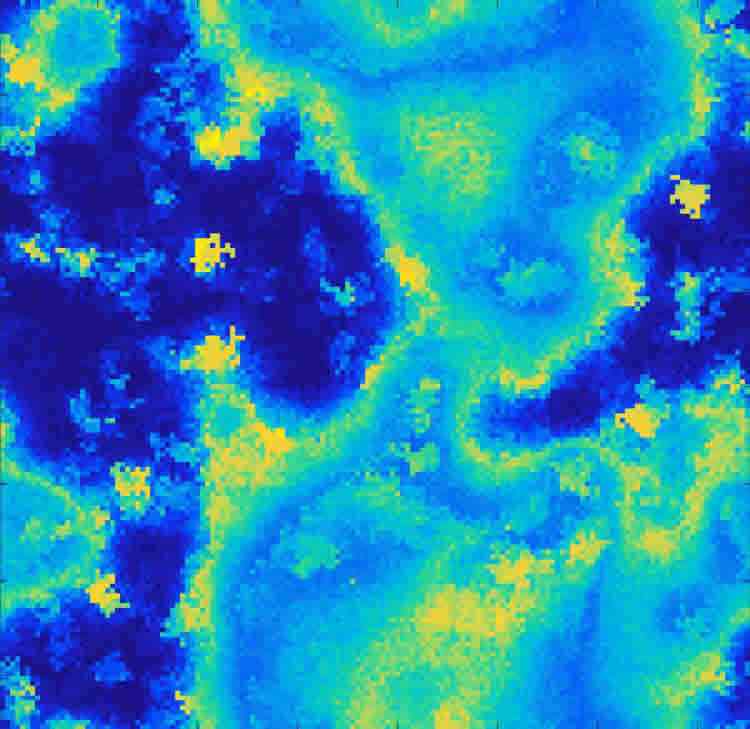
Scientists have identified Lgl1 as the gene that controls the production of neurons and glia cells in the brain. Previously unknown functions of a neurodevelopment gene clarified.

Findings about the brain-body connection may also have implications for treating those with opioid addiction, researchers believe.

Neuroscientists have for the first time have come up with a way to observe brain activity during “natural reading,” the reading of actual text and not just individual words. The findings are already helping settle some ideas about how we read.

Researchers have discovered the molecular mechanism behind lithium’s effectiveness in treating bipolar disorder.

Scientists have developed a robust, efficient method for deriving microglia, the immune cells of the brain, from human stem cells. Microglia are increasingly implicated in neurological disorders including Alzheimer’s disease, Parkinson’s disease and multiple sclerosis, among many others. However, research into the role of human microglia in these disorders has long been hampered by the inability to obtain them from the human nervous system. This new protocol now enables scientists around the world to generate this critical cell type from individual patients and improve our understanding of the role of microglia neurological malfunction.

A new study describes how advances in technology can help us avoid aging and age related diseases.

Researchers have made an important step in understanding the organisation of nerve cells embedded within the gut that control its function — a discovery that could give insight into the origin of common gastrointestinal diseases, including irritable bowel syndrome and chronic constipation.

New research published in the Journal of Clinical Investigation, has identified a protein that could help patients with epilepsy respond more positively to drug therapies.

Finally this week, a new study on “fear memory” could lead to the development of therapies that reduce the effects of post-traumatic stress disorder (PTSD).

Weekly Neuroscience Update

seizure-onset-epilepsy-neurosciencenews.jpg

This is a simulated seizure activity on cortical tissue. NeuroscienceNews.com image is credited to Y. Wang.

A new study explores which of the two main patterns of brain activity may be seen during the onset of an epileptic seizure.

Researchers link obsessive behaviours in frontotemporal dementia (FTD) to immune pathways and suggest targeting the immune system could be a new strategy for the treatment of FTD.

Scientists have identified a gene that plays a vital role in the production of neurons and glial cells in the brain.

Reviewing brain scans of bipolar patients, researchers observe notable differences in the thickness of gray matter in areas of the brain associated with motivation and control inhibition compared to those without the disorder.

Researchers use optogenetics to study impairment to the CA2 region of the hippocampus.

Stimulating the brain by taking on leadership roles at work or staying on in education help people stay mentally healthy in later life, according to new research.

Our brains process foreign-accented speech with better real-time accuracy if we can identify the accent we hear, according to a team of neurolinguists.

The puzzle of how the brain regulates blood flow to prevent it from being flooded and then starved every time the heart beats has been solved with the help of engineering.

Researchers say stroke prevention strategy is also helping to reduce dementia in people aged 80 and over.

Finally this week, a new study reveals the amygdala has distinct neurons that can judge ambiguity and intensity of facial expressions.


Weekly Neuroscience Update

161206110138_1_540x360.jpg

Neuroscientists at the University of Bristol are a step closer to understanding how the connections in our brain which control our episodic memory work in sync to make some memories stronger than others. The findings, published in Nature Neuroscience, reveal a previously unsuspected division of memory function in the pathways between two areas of the brain, and suggest that certain subnetworks within the brain work separately, to enhance the distinctiveness of memories.

A new study pinpoints the brain area responsible for forming direct links between environmental stimuli and enhanced focus.

Every few seconds, our eyelids automatically shutter and our eyeballs roll back in their sockets. So why doesn’t blinking plunge us into intermittent darkness and light? New research led by the University of California, Berkeley, shows that the brain works extra hard to stabilize our vision despite our fluttering eyes.

Our personality traits are linked to differences in the thickness and volume of various parts of our brains, an international study has suggested.

Researchers have found significant differences in the brains of teens with bipolar disorder that attempt to take their lives over those with the disorder who have never attempted suicide.

Women with lower estrogen levels may be more susceptible to developing PTSD according to new research.

A new study raises the question of whether a genetic mutation associated with neurodegeneration in one environment could act in a positive way in a different setting.

Researchers report early indicators of depression and anxiety may be evident in the brain from birth.

A cutting edge, non-invasive brain stimulation technique could improve cognitive control for people with conditions such as schizophrenia and autism.

A new computerized ‘mirror game’ has been shown to give more accurate diagnosis of schizophrenia than clinical interviews.

A new study reports on how a single instance of extreme stress can lead to long term neurological changes and trauma.

Social difficulties in people with autism are exacerbated by how other people perceive them at first meeting, researchers say.

Finally this week, researchers have revealed regions of the brain implicated in delusional misidentification syndromes.

Weekly Neuroscience Update

How Would It Be to Have the Body of a Child Again? Changes in Perception and Behaviors Demonstrated When Embodying a Child Avatar

A research, recently published on the journal Proceedings of the National Academy of Sciences, suggests that a correlate of a body-ownership illusion is that the virtual type of body carries with it a set of temporary changes in perception and behaviours that are appropriate to that type of body.

A new study, published in the New England Journal of Medicine, examined whether or not higher glucose levels without diabetes was a risk factor for dementia.  Diabetes is already a known risk factor for dementia, but this study aimed to determine if the risk factor for diabetes is a risk factor for dementia.  Studying 2,067 participants without dementia, 232 of which already had diabetes, the researchers collected follow-up data after approximately seven years.  They found a significantly higher risk of dementia in individuals with higher than average blood glucose even if they did not have diabetes. Meanwhile, a study by researchers at Umeå University in Sweden suggests nine different factors that can increase the risk of developing dementia before age 65. The results have been published by the journal JAMA Internal Medicine.

Meditating before lectures can lead to better grades according to a new experimental study by George Mason University professor Robert Youmans and University of Illinois doctoral student Jared Ramsburg.

Researchers at Johns Hopkins have uncovered a protein switch that can either increase or decrease memory-building activity in brain cells, depending on the signals it detects. Its dual role means the protein is key to understanding the complex network of signals that shapes our brain’s circuitry, the researchers say.

Different parts of the brain are affected in women with autism than in men with autism, according to a new study.

Ending a 30-year search by scientists, researchers at Boston Children’s Hospital have identified two proteins in the inner ear that are critical for hearing, which, when damaged by genetic mutations, cause a form of delayed, progressive hearing loss.

Researchers have found human brains ‘divide and conquer’ when people learn to navigate around new environments. The research by UQ’s Queensland Brain Institute (QBI) could provide hope for people with spatial memory impairments.

Researchers have discovered how genetic mutations linked to Parkinson’s disease might play a key role in the death of brain cells, potentially paving the way for the development of more effective drug treatments.

The largest genome-wide study of its kind has determined how much five major mental illnesses are traceable to the same common inherited genetic variations. Researchers funded in part by the National Institutes of Health found that the overlap was highest between schizophrenia and bipolar disorder; moderate for bipolar disorder and depression and for ADHD and depression; and low between schizophrenia and autism. Overall, common genetic variation accounted for 17-28 percent of risk for the illnesses.

Weekly Neuroscience Update

reading

Keeping mentally active by reading books or writing letters helps protect the brain in old age, a study suggests.

The rate and extent of damage to the spinal cord and brain following spinal cord injury have long been a mystery. Now new research has found evidence that patients already have irreversible tissue loss in the spinal cord within 40 days of injury. The study, published in the journal Lancet Neurology, used a new imaging , developed at the Wellcome Trust Centre for Neuroimaging (UCL). This enables the impact of therapeutic treatments and rehabilitative interventions to be determined more quickly and directly.

UCSF neuroscientists have found that by training on attention tests, people young and old can improve brain performance and multitasking skills.

Researchers are striving to understand the different genetic structures that underlie at least a subset of autism spectrum disorders. In cases where the genetic code is in error, did that happen anew in the patient, perhaps through mutation or copying error, or was it inherited? A new study in the American Journal of Human Genetics finds evidence that there may often be a recessive, inherited genetic contribution in autism with significant intellectual disability.

A specific brain disruption is present both in individuals diagnosed with schizophrenia and those with bipolar disorder, adding to evidence that many mental illnesses have biological similarities.