Weekly Neuroscience Update

A new study that is the first to compare inflammation and brain stress responses in long COVID-19 patients with individuals who have fully recovered shows that those with continued brain fog and other cognitive issues have a lower ability to adapt to stress and higher levels of inflammation in their brains.

Researchers have identified a remarkably small but critical piece of genetic code that helps determine how brain cells connect, communicate, and function. 

Conditions such as Tourette syndrome (TS), schizophrenia, and attention-deficit/hyperactivity disorder (ADHD) have sex differences with unknown mechanisms. These sex-specific mechanisms may inform the development of more effective treatments.

A new study reveals that type 2 diabetes is associated with thinning of the brain’s cortex in older adults, particularly in regions responsible for memory and cognition. 

Specific cannabinoids produced by the human body may help to quell excessive fear responses in people with post-traumatic stress disorder and anxiety, according to a Northwestern Medicine-led study published in the Journal of Clinical Investigation.

People taking antidepressants for more than two years are more likely to experience withdrawal symptoms compared to short-term users when they come off the medication, finds a new study.

Researchers have identified nine blood-based microRNAs that are elevated in teens diagnosed with depression, offering a potential biomarker for early detection. These molecules, absent in adult depression, may signal unique biological processes in adolescents.

People who have obstructive sleep apnea may have an increased risk of dementia if left untreated, according to a new study of UK electronic health care records.

New research reveals that acute stress can impair key brain functions involved in emotion regulation, particularly in individuals with distress-related disorders like depression, anxiety, and borderline personality disorder. The study found that executive functions—such as working memory, impulse control, and cognitive flexibility—are more likely to be disrupted in these individuals during high-stress moments.

A large-scale study of over 2,500 toddlers found no significant clinical differences in autistic traits between males and females at the time of early diagnosis.

A research team has uncovered the cause and molecular mechanism of chronic brain inflammation that results in repetitive behavioural disorders. The research team demonstrated that an inflammatory response by immune cells in the brain induces overactivity in certain receptors, which may, in turn, lead to the meaningless repetitive behaviours observed in people with autism spectrum disorder (ASD) and obsessive-compulsive disorder (OCD).

Measuring the interaction of brain networks could help identify teens at risk for dangerous drinking, according to a novel study that explored how brain signals relate to future drinking behaviour.

In a demographically diverse sample of healthy people, researchers found dramatic changes over the human lifespan in the brain’s “blue spot”—a tiny region involved in cognition and believed to be the first affected by neurodegenerative conditions including Alzheimer’s disease.

Researchers at Karolinska Institutet have identified three types of nerve cells connected to the intestinal villi, suggesting that previously unknown neural networks regulate fluid balance in the gut.

A study in rural China found that intensively lowering blood pressure significantly reduces the risk of dementia and cognitive decline in people with hypertension. Over 48 months, patients who received targeted care saw a 15% reduction in dementia and a 16% drop in cognitive impairment risk.

A new adaptive brain modeling framework offers fresh hope for objective diagnosis of neuropsychiatric disorders, which currently lack reliable neuroimaging biomarkers. 

People who naturally stay up late, are more likely to experience faster cognitive decline than those who are early risers, according to a long-term study. Researchers found that unhealthy behaviors common in the evening, such as poor sleep, smoking, and drinking, may explain part of this risk.

A comprehensive new analysis reveals that depression significantly increases the risk of developing dementia, whether it begins in midlife or later in life.

Researchers have discovered how an ion channel in the brain’s neurons has a kind of “molecular memory,” which contributes to the formation and preservation of lifelong memories. The researchers have identified a specific part of the ion channel at which new drugs for certain genetic diseases could be targeted. The study, led by Linköping University in Sweden, has been published in Nature Communications.

A decade-long brain health study has released its full dataset, offering rare longitudinal insights into how cognition and brain structure change across adulthood.

Neuroscientists have discovered that the brain uses a dual system for learning through trial and error. This is the first time a second learning system has been identified, which could help explain how habits are formed and provide a scientific basis for new strategies to address conditions related to habitual learning, such as addictions and compulsions.

Finally, this week, parental education may protect offspring’s cognitive health later in life, according to a study published online May 30 in JAMA Network Open.
Weekly Neuroscience Update

A new study that is the first to compare inflammation and brain stress responses in long COVID-19 patients with individuals who have fully recovered shows that those with continued brain fog and other cognitive issues have a lower ability to adapt to stress and higher levels of inflammation in their brains.

Researchers have identified a remarkably small but critical piece of genetic code that helps determine how brain cells connect, communicate, and function. 

Conditions such as Tourette syndrome (TS), schizophrenia, and attention-deficit/hyperactivity disorder (ADHD) have sex differences with unknown mechanisms. These sex-specific mechanisms may inform the development of more effective treatments.

A new study reveals that type 2 diabetes is associated with thinning of the brain’s cortex in older adults, particularly in regions responsible for memory and cognition. 

Specific cannabinoids produced by the human body may help to quell excessive fear responses in people with post-traumatic stress disorder and anxiety, according to a Northwestern Medicine-led study published in the Journal of Clinical Investigation.

People taking antidepressants for more than two years are more likely to experience withdrawal symptoms compared to short-term users when they come off the medication, finds a new study.

Researchers have identified nine blood-based microRNAs that are elevated in teens diagnosed with depression, offering a potential biomarker for early detection. These molecules, absent in adult depression, may signal unique biological processes in adolescents.

People who have obstructive sleep apnea may have an increased risk of dementia if left untreated, according to a new study of UK electronic health care records.

New research reveals that acute stress can impair key brain functions involved in emotion regulation, particularly in individuals with distress-related disorders like depression, anxiety, and borderline personality disorder. The study found that executive functions—such as working memory, impulse control, and cognitive flexibility—are more likely to be disrupted in these individuals during high-stress moments.

A large-scale study of over 2,500 toddlers found no significant clinical differences in autistic traits between males and females at the time of early diagnosis.

A research team has uncovered the cause and molecular mechanism of chronic brain inflammation that results in repetitive behavioural disorders. The research team demonstrated that an inflammatory response by immune cells in the brain induces overactivity in certain receptors, which may, in turn, lead to the meaningless repetitive behaviours observed in people with autism spectrum disorder (ASD) and obsessive-compulsive disorder (OCD).

Measuring the interaction of brain networks could help identify teens at risk for dangerous drinking, according to a novel study that explored how brain signals relate to future drinking behaviour.

In a demographically diverse sample of healthy people, researchers found dramatic changes over the human lifespan in the brain’s “blue spot”—a tiny region involved in cognition and believed to be the first affected by neurodegenerative conditions including Alzheimer’s disease.

Researchers at Karolinska Institutet have identified three types of nerve cells connected to the intestinal villi, suggesting that previously unknown neural networks regulate fluid balance in the gut.

A study in rural China found that intensively lowering blood pressure significantly reduces the risk of dementia and cognitive decline in people with hypertension. Over 48 months, patients who received targeted care saw a 15% reduction in dementia and a 16% drop in cognitive impairment risk.

A new adaptive brain modeling framework offers fresh hope for objective diagnosis of neuropsychiatric disorders, which currently lack reliable neuroimaging biomarkers. 

People who naturally stay up late, are more likely to experience faster cognitive decline than those who are early risers, according to a long-term study. Researchers found that unhealthy behaviors common in the evening, such as poor sleep, smoking, and drinking, may explain part of this risk.

A comprehensive new analysis reveals that depression significantly increases the risk of developing dementia, whether it begins in midlife or later in life.

Researchers have discovered how an ion channel in the brain’s neurons has a kind of “molecular memory,” which contributes to the formation and preservation of lifelong memories. The researchers have identified a specific part of the ion channel at which new drugs for certain genetic diseases could be targeted. The study, led by Linköping University in Sweden, has been published in Nature Communications.

A decade-long brain health study has released its full dataset, offering rare longitudinal insights into how cognition and brain structure change across adulthood.

Neuroscientists have discovered that the brain uses a dual system for learning through trial and error. This is the first time a second learning system has been identified, which could help explain how habits are formed and provide a scientific basis for new strategies to address conditions related to habitual learning, such as addictions and compulsions.

Finally, this week, parental education may protect offspring’s cognitive health later in life, according to a study published online May 30 in JAMA Network Open.
Weekly Neuroscience Update

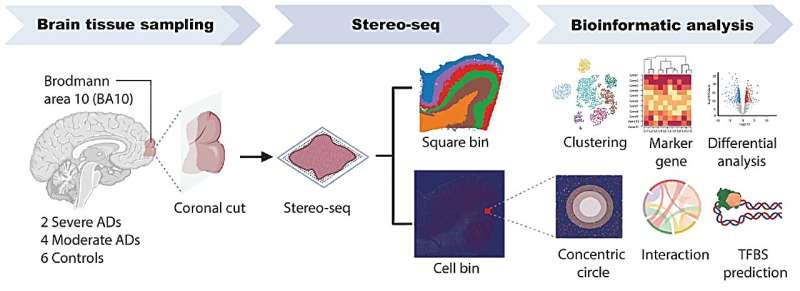
The analysis pipeline of the study, with select figures created using BioRender. Credit: Nature Communications (2025)

Scientists have developed a novel, detailed map at the subcellular level of a brain region frequently impacted by Alzheimer’s disease. This groundbreaking achievement represents a significant advancement in understanding the mechanisms underlying the development of this neurodegenerative condition.

New research shows that AI can identify complex regional pain syndrome (CRPS) with over 90% accuracy by analyzing gut microbiome patterns. 

Mindfulness exercises paired with music were found to engage both neural and cardiac systems, potentially reducing symptoms of anxiety and depression. A recent study showed that live and virtual music mindfulness sessions lowered stress and altered states of consciousness, though only live sessions fostered social connection.

A long-term study shows that teenagers who maintain or increase physical activity levels are less likely to develop symptoms of depression.

Researchers have developed a brain-computer interface (BCI) that enables computer cursor control and clicking, using neural signals from the speech motor cortex. One participant with amyotrophic lateral sclerosis (ALS) used the interface for daily life activities, including independent control of a personal desktop computer and text entry.

New research shows that targeting emotional processing is key to treating and managing chronic pain.

In a first-of-its-kind clinical study, researchers have shown that patients with treatment-resistant PTSD were symptom-free up to six months after completing traditional therapy paired with vagus nerve stimulation (VNS).

Scientists using living human brain tissue have shown for the first time how a toxic form of a protein linked to Alzheimer’s can stick to and damage the connections between brain cells.

People whose biological age is higher than their chronological age may be more likely to develop dementia than people whose biological age matches or is lower than their chronological age, according to a study published online in Neurology. Biological age is based on biomarkers of aging such as lung function, blood pressure and cholesterol.

A recent study reveals that oxygen tension elevation during weeks four to six promotes neurogenesis in brain organoids, regulated by neuroglobin. The research is published in Science Advances.

Obstructive sleep apnea, a condition that causes lower oxygen levels during sleep, is linked to degeneration of brain regions associated with memory through damage to the brain’s small blood vessels, according to a study published in Neurology.

A new theory suggests that psychedelics promote empathy, insight, and psychological flexibility by making the brain’s right hemisphere temporarily dominant over the left. 

A revolutionary microscopy method called LICONN enables scientists to reconstruct brain tissue and map synaptic connections using standard light microscopes. By embedding brain tissue in hydrogel, expanding it, and imaging at nanoscale resolution, researchers achieve a detailed view of neuronal architecture previously only possible with electron microscopy.

A new music therapy-based tool called MuSICCA may transform how healthcare teams assess consciousness in children with severe brain injuries. 

Research from Emory University has identified a biological connection between inflammation and deficits in motivation in individuals with schizophrenia, offering new hope for treating symptoms that have long been resistant to existing therapies.

A Yale-led study shows that the senses stimulate a region of the brain that controls consciousness—a finding that might inform treatment for disorders related to attention, arousal, and more.

Finally this week, a new study has debunked the common myth that autistic people are less effective communicators than non-autistic individuals. Researchers found no difference in how well information was shared between autistic-only, non-autistic-only, or mixed groups.

Weekly Neuroscience Update

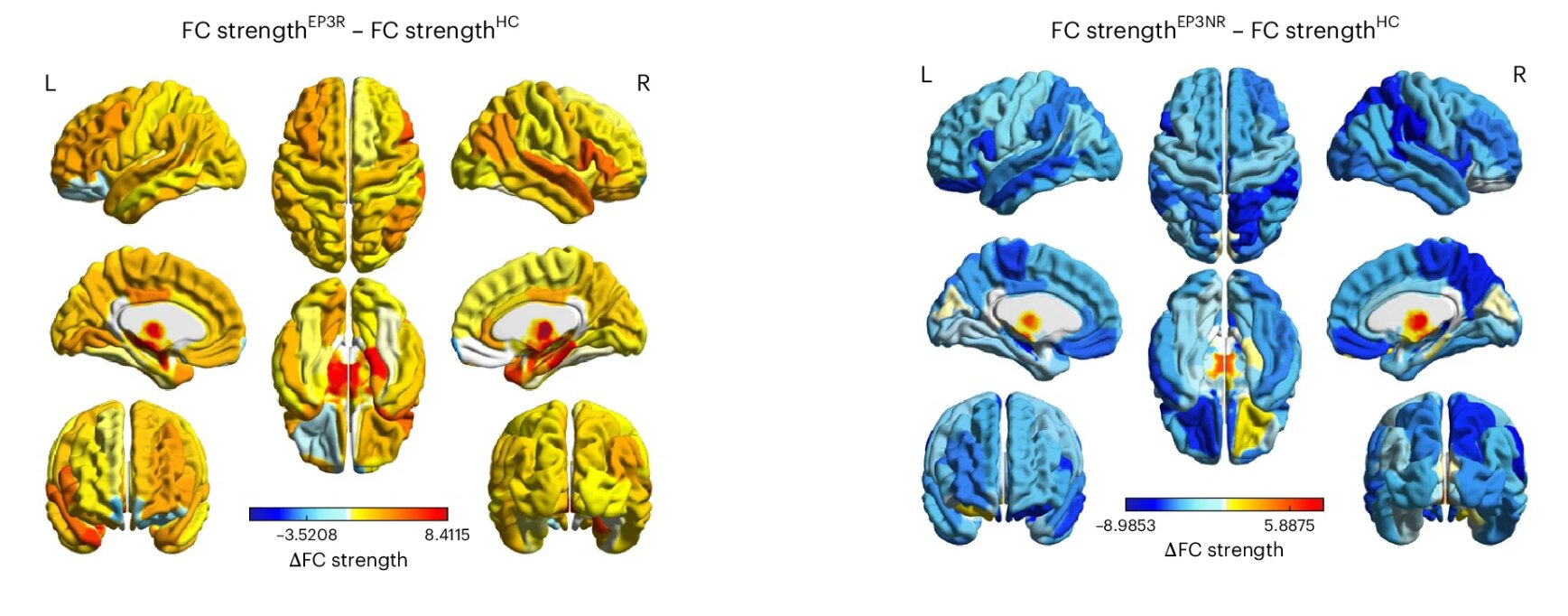
Credit: Nature Mental Health (2025)

Pioneering research has identified the brain mechanisms that enable psychosis to remit. These findings could significantly inform the development of novel intervention strategies for patients with psychosis.

Contrary to fears of “digital dementia,” new research finds that using digital technology is linked to a reduced risk of cognitive decline in older adults. A large-scale meta-analysis of over 400,000 participants revealed that digital engagement correlates with a 58% lower risk of cognitive impairment.

A simple method of brain stimulation has been shown to change how people make decisions. These were the findings of a new study published in the Journal of Cognitive Neuroscience.

A team of researchers has identified the key brain regions that are essential for logical thinking and problem solving. The findings help to increase our understanding of how the human brain supports our ability to comprehend, draw conclusions, and deal with new and novel problems—otherwise known as reasoning skills.

Medial temporal lobectomy is effective in improving seizure outcomes among patients with drug-resistant temporal lobe epilepsy, according to a recent study.

New research links fatty, sugary diets to impaired brain function. The findings build on a growing body of evidence showing the negative impact of high-fat, high-sugar (HFHS) diets on cognitive ability, adding to their well-known physical effects.

A recent study reveals that the basolateral amygdala plays a key role in calibrating prosocial behavior based on emotional closeness.

New research reveals that gut imbalances in children with autism may influence brain activity and behaviour by disrupting the production of key neurotransmitters like serotonin. Scientists found that changes in gut-derived metabolites are linked to differences in brain structure and function in children with autism.

Chronic pain is closely intertwined with depression. Individuals living with pain’s persistent symptoms may be up to four times more likely to experience depression according to a new study.

Our brains can adapt to filter out repeated distractions, according to a new EEG study. Participants learned to ignore frequent visual distractions, such as a red shape in the same location, while searching for a target.

Repetitive transcranial magnetic stimulation is showing promise in Alzheimer’s treatment.

A new international study reveals a possible connection between GLP1 receptor agonists—used in drugs like Ozempic—and increased risk of depression and suicidal ideation, especially in people with low dopamine function.

Researchers have found a potential link between the trauma of climate-related events, exemplified by devastating wildfires, and persistent effects on cognitive function.

Researchers have developed a personalized blood test that may offer a faster, less invasive way to track high-grade glioma progression. By identifying unique DNA junctions from each patient’s tumour, the test can detect tumor DNA in the bloodstream, even before changes appear on MRI scans.

A new study demonstrates for the first time that listening to favorite music activates the brain’s opioid receptors.

Promising a more personalized approach to treating major depressive disorder (MDD), a new study reveals that brain connectivity patterns, especially in the dorsal anterior cingulate cortex, can significantly predict patient response to antidepressant medications. This finding was validated in two large, independent clinical trials using brain imaging and clinical information.

Contrary to potential assumptions, recent research demonstrates that the spatial working memory of older people with autistic traits and neurotypical individuals shows no difference in change over time.

A major international study has provided the most comprehensive evidence to date on treatments for neuropathic pain —defined as pain caused by disease of the nervous system, affecting up to 10% of the population worldwide.

Finally, this week, exercise appears to be vital for maintaining sharp minds, even when a key brain energy source is lacking, according to a new study.

Weekly Neuroscience Update

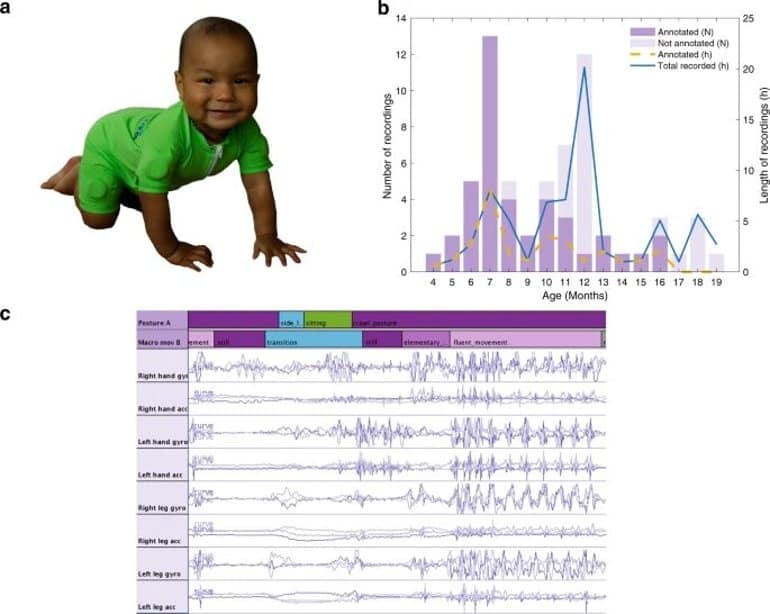
A newly designed baby jumpsuit that monitors motor development carries the possibility for assessing overall neurodevelopment in infants. It is now commonly accepted that the motor development of a young child is not independent of all other neurocognitive development. The strong innate drive of the child to move has emerged from a clear need: the child must move a lot to gain experience and learn from the surrounding environment. It is now commonly accepted that the motor development of a young child is not independent of all other neurocognitive development. The strong innate drive of the child to move has emerged from a clear need: the child must move a lot to gain experience and learn from the surrounding environment.

A new brain mapping study finds damage to one part of the brain changes connections between neurons across the entire brain.

A recent study, published in Neurology, shows that social isolation is linked to changes in brain structure and cognition – the mental process of acquiring knowledge – it even carries an increased risk of dementia in older adults.

Measuring the electrical activity of the retina in response to light stimulus could be a biomarker for ADHD and autism, researchers report.

A large international team of researchers has found 69 unique genetic variants linked to the ability to keep time to a beat. In their paper published in the journal Nature Human Behavior, the group describes their genetic study involving more than 600,000 volunteers.

Researchers have identified the exertion level where aerosol particle emission increases exponentially, offering an explanation as to why exercise intensity may be linked to the transmission of infections.

New research reports girls and boys show similar rates of concern for autism spectrum disorder and identifies several biases contributing to the inflated sex ratio for autism diagnosis. The findings could help with the early identification of girls on the autism spectrum.

Finally this week a new study has identified potential targets to develop a therapy that could prevent Alzheimer’s disease.

Weekly Neuroscience Update

Measuring changes in the activity of neurons in a cortical area while perturbing the activity in another area. Credit: Sainsbury Wellcome Centre

Researchers have discovered how two neocortical areas in the brain communicate with one another and found that their influence on each other changes over much faster timescales than previously thought.

Neuroscientists using MRI scans discovered that psychopathic people have a 10% larger striatum, a cluster of neurons in the subcortical basal ganglia of the forebrain, than regular people. This represents a clear biological distinction between psychopaths and non-psychopathic people.

Glycan, a special sugar protein, appears to play a significant role in the development of Alzheimer’s disease.

Genetic studies have offered clues, identifying genes associated with Autism Spectrum Disorder, but despite finding many pieces to the puzzle, scientists have not yet figured out how they all fit together, and why there is such wide variation in ASD symptoms. Now an international team of scientists report significant progress in understanding how the combined effects of rare mutations and common genetic variation determine whether a child will develop ASD.

Researchers identify the exertion level where aerosol particle emission increases exponentially, offering an explanation as to why exercise intensity may be linked to the transmission of infections.

The dopaminergic system appears to play an important but overlooked role in LSD’s effects on consciousness, according to new research published in the journal Psychopharmacology. The findings provide new insight into the neurophysiological mechanisms responsible for the unique effects of psychedelic drugs.

Finally this week, a new study has identified potential targets to develop a therapy that could prevent Alzheimer’s disease.

Weekly Neuroscience Update

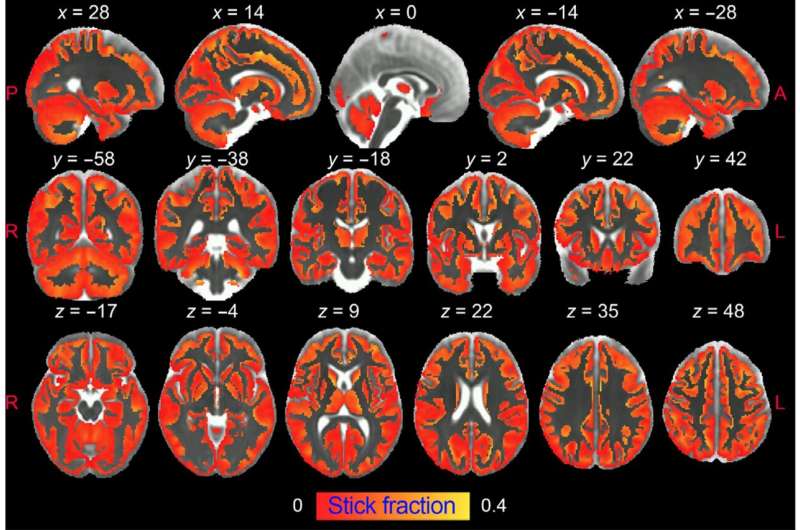
Researchers from the UMH-CSIC Neurosciences Institute have developed an innovative strategy that allows imaging of microglial and astrocyte activation in the gray matter of the brain using diffusion-weighted magnetic resonance imaging (dw-MRI). Credit: IN-CSIC-UMH

Research has made it possible to visualize for the first time and in great detail brain inflammation using diffusion-weighted Magnetic Resonance Imaging. This detailed “X-ray” of inflammation cannot be obtained with conventional MRI, but requires data acquisition sequences and special mathematical models. Once the method was developed, the researchers were able to quantify the alterations in the morphology of the different cell populations involved in the inflammatory process in the brain.

A new study conducted at 38 schools in Barcelona suggests that traffic noise at schools has a detrimental effect on the development of working memory and attention in primary-school students.

People who can frequently recall their dreams tend to be more creative and exhibit increased functional connectivity in a key brain network, according to new research published in the journal Nature and Science of Sleep. The findings provide new insights into the neurophysiological correlates of dreaming.

Researchers have identified elevated levels of a biomarker in the blood that persists for months in long COVID patients who experience neuropsychiatric symptoms.

Plenty of people claim they can’t function without their morning coffee, but is there a neurological basis to it? A study published in Scientific Reports suggests that coffee does have beneficial effects on cognitive function, and it may do this by reorganizing brain functional connectivity.

Low exposure to gonadal hormones during early gestation and infancy predicts higher recalled childhood gender nonconformity in men, according to new research.

Researchers at Carnegie Mellon University have explored the regions of the brain where concrete and abstract concepts materialize. A new study now explores if people who grow up in different cultures and speak different languages form these concepts in the same regions of the brain.

Finally this week, new research will explore how psilocybin affects specific brain pathways in autistic adults and is the first-ever mechanistic study of psilocybin in autistic adults.

Weekly Neuroscience Update

Bacterial curli promotes the aggregation of α-synuclein through cross-seeding, which leads to mitochondrial stress and neurodegeneration. Credit: The University of Hong Kong

Growing evidence indicates that gut microbiota plays a critical role in regulating the progression of neurodegenerative diseases such as Parkinson’s disease (PD) and Alzheimer’s disease (AD), but the molecular mechanism underlying such microbe-host interaction is still unclear. Now a research team at the University of Hong Kong (HKU) has discovered that bacteria-derived curli amyloid fibril promotes neurodegeneration in the host. This new study provides direct evidence to suggest that bacteria can secrete proteins that form an amyloid fibril, which enters the host neurons and promotes protein aggregation and neurodegeneration. Inhibiting the ability of the bacteria to secrete such proteins may be a preventative treatment for neurodegenerative diseases. 

Unusual visual inspection of objects by infants 9 months of age and older is predictive of a later diagnosis of autism spectrum disorder (ASD), new research has found.

A team of scientists recently published intriguing research on a tiny, splinter-like brain implant that doctors can slide deep into the folds of the brain and use to restore both muscular control over and sensation from a paralysis patient’s limbs.

A new study has found a new way to look at brain networks using the mathematical notion of fractals, to convey communication patterns between different brain regions as people listened to a short story. 

An experimental gene therapy that involves injecting CRISPR therapy directly into visually impaired patients’ eyeballs has vastly improved most volunteers’ vision — even allowing some to see color more vividly than ever before.

Preliminary new findings are raising concerns about the long-term effect of mild COVID-19 infection on neurological health and cognition.

Use of menopausal hormone therapy (MHT, also known as hormone replacement therapy, HRT) is not associated with an increased risk of developing dementia, regardless of hormone type, dose, or duration, concludes a large UK study.

Recent research provides empirical evidence to show the brain’s predictive ability forms the basis for musical phrasing.

Memories of past events and experiences are what define us as who we are, and yet the ability to form these episodic memories declines with age, certain dementias, and brain injury. However, a new study shows that low frequency repetitive transcranial magnetic stimulation—or rTMS—delivered over the left prefrontal cortex of the brain can improve memory performance by reducing the power of low frequency brain waves as memories form.

Finally this week, a new brain imaging study shows that the hippocampus is the brain’s storyteller, connecting separate, distant events into a single narrative.


Weekly Neuroscience Update

paint-2985569_640

A new neuroimaging study sheds new light on how we perceive colors. Activity in higher visual cortex areas matched the colors test subjects saw.

New neurostimulation technology works safely and non-invasively to modify brain activity. The findings may provide some foundational knowledge for the development of future technologies that could expedite cognitive processes.

New research has shown that certain presentations of memory concerns by older adults are predictive of future dementia.

A team of researchers has provided compelling evidence of the impact of adversity in childhood on neuropsychological functioning in adulthood. They also showed that neuropsychological difficulties may explain why early adversity is linked to attention deficit hyperactivity disorder (ADHD) in later life.

A new machine-learning algorithm is more accurate at determining personality traits based on selfie photographs than humans are.

Neuroscientists have traced neural pathways that connect the brain to the stomach, providing a biological mechanism to explain how stress can foster ulcer development.

Researchers have identified both genetic and neural mechanisms associated with romantic love and attachment. 

The placentas of sixteen women who contracted COVID-19 during pregnancy showed evidence of significant injury, a new study reports. The placental injuries were consistent with abnormal blood flow between mother and baby in-utero, suggesting another complication of coronavirus infection in pregnant women.

Researchers have developed a sniff test that can detect which patients in a vegetative state following a TBI will regain consciousness.

During early childhood, girls with autism tend to show greater reduction and less rise in their autism symptom severity than boys with autism, a new study has found.

Finally this week, a new study reviewing neuroimaging and neurological symptoms in patients with COVID-19 may shed light on the virus’s impact on the central nervous system.


Weekly Neuroscience Update

Neuron_cluster.width-800

TDP-43 inclusions are found in cells in the central nervous system. Image Credit: M. Oktar Guloglu, Wikimedia Commons

A team of researchers is fishing for a new method to treat neurodegenerative disorders. Its tactic? Bait dysfunctional proteins and prevent them from joining together into the kind of toxic globs found in almost every patient with ALS or frontotemporal dementia (FTD).

A ‘hit-and-run’ interaction between two proteins could be an important trigger for cell death, according to new research.

Biomedical engineers at Duke University have developed an automated process that can trace the shapes of active neurons as accurately as human researchers can, but in a fraction of the time.

Zapping the brains of people over 60 with a mild electrical current improved a form of memory enough that they performed like people in their 20s, a new study found.

Laughter really could be the best medicine when it comes to brain surgery. Neuroscientists at Emory University School of Medicine used electrical stimulation to activate a focal pathway in the brain and trigger laughter, which is immediately followed by a sense of calm and contentment. The technique was used while conducting diagnostic monitoring for seizure diagnosis on an epilepsy patient, with the effects later used to successfully undergo awake brain surgery on the same patient.

38 new genes have been implicated in hearing loss. One of the genes, SPNS2, has been linked to childhood deafness.

Increased kynurenic acid production has been implicated in the pathology of schizophrenia. The findings provide a new target for cell-specific treatments that help reduce the production of kynurenic acid and reduce symptoms of schizophrenia.

Scientists have pinpointed a group of cells in the brain whose activity could help explain the ability to share another’s pain.

Imbalanced communication between the hippocampus and amygdala may lead to the inability to distinguish between negative memories that have overlapping features. The findings could provide new treatment options for those with PTSD.

Finally this week, a new study reports that music synchronizes brainwaves across listeners with strong effects of repetition, familiarity and training.