Weekly Neuroscience Update

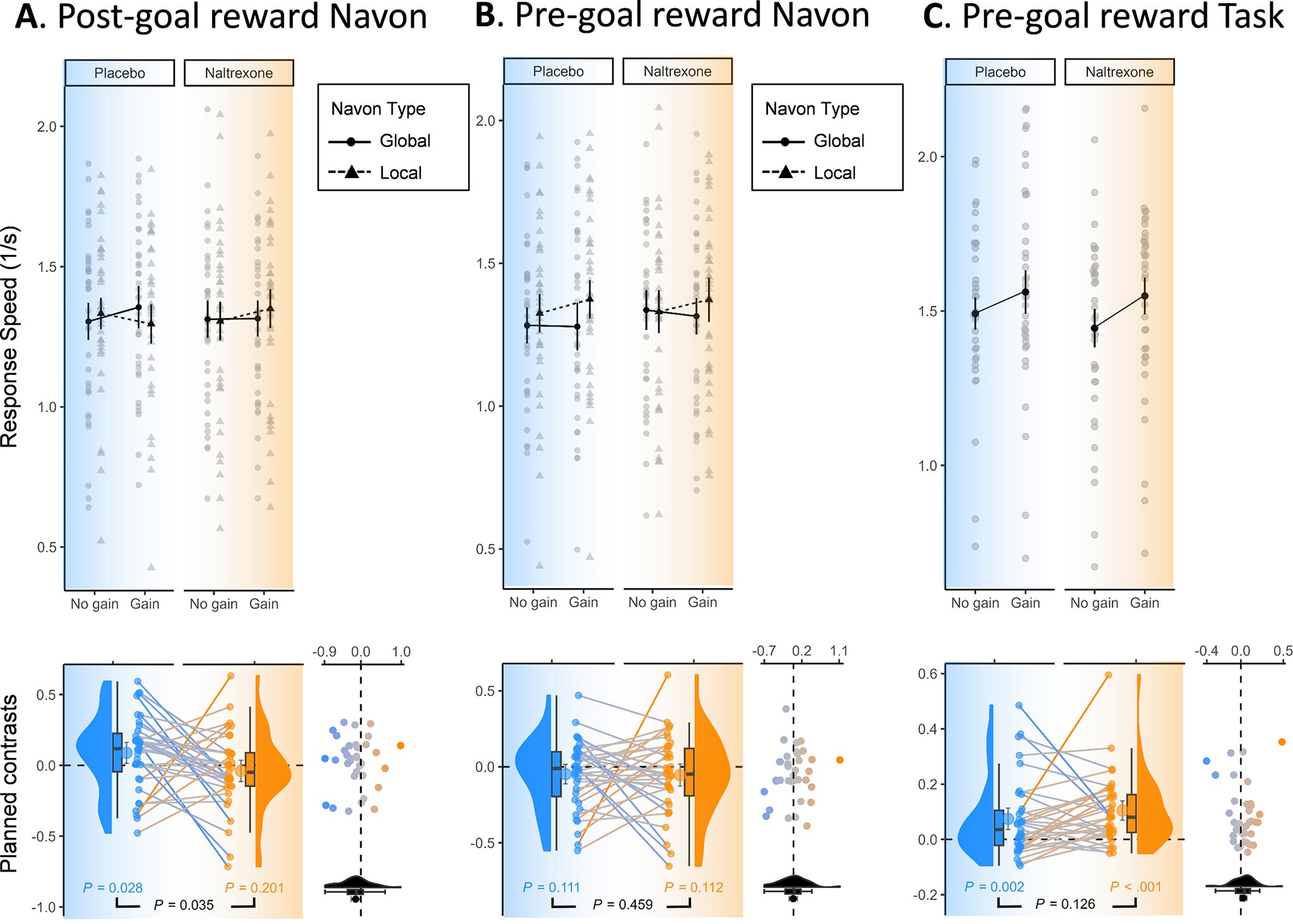
Opioid blockade (Naltrexone condition; right side) relative to placebo (Control condition; left side) selectively eliminated attentional broadening after reward receipt (A), but did not change attentional narrowing after reward anticipation (B) or reward-related performance speed on the lexical decision task (C). Credit: Psychological Medicine (2025). 

Feeling good doesn’t just lift our mood—it also helps us stay flexible and resilient. A study by an international team of neuroscientists shows that natural brain opioids released after rewards play a key role in broadening attention, offering fresh insights into stress, cognition, and well-being.

A ground-breaking study has shown that ALS may actually be an autoimmune disease.

Engaging in creative experiences, such as music, dance, visual arts, and even specific video games, can slow brain aging and promote healthier brain function, according to a new international study by the Global Brain Health Institute (GBHI), published in Nature Communications.

Can your brain attune itself to a foreign language before you’re born? A team of neuropsychology researchers has found that it can.

A new study reveals that the brain’s social perception pathway—a network that processes faces, gaze, and speech—is already active at birth or shortly thereafter. Using advanced imaging data, researchers showed that newborns exhibit robust connectivity in regions responsible for visual and social processing.

Scientists have discovered why mental maps tend to fade with age.

A new study has identified five distinct “sleep-biopsychosocial” profiles that connect how we sleep with our brain networks, mental health, cognition, and lifestyle. Using data from over 700 participants, researchers found that different sleep patterns—ranging from poor quality to resilience and short duration—each showed unique neural connectivity patterns.

A large-scale international study has revealed that autism diagnosed in early childhood is genetically and developmentally distinct from autism diagnosed later in life.

Scientists have developed a new mathematical model of memory that explores how information is encoded and stored. Their analysis suggests that memory works best in a seven-dimensional conceptual space — equivalent to having seven senses. The finding implies that both humans and AI might benefit from broader sensory inputs to optimize learning and recall.

Researchers have identified a rare type of brain cell that may drive the chronic inflammation and neurodegeneration seen in progressive multiple sclerosis (MS). 

A new study shows that bullying activates distress pathways in the brain within seconds. Tweens and adults who viewed first-person bullying videos displayed heightened activity in social and emotional brain networks, alongside strong autonomic threat responses.

New research sheds light on the mechanisms by which humans can isolate and focus on individual sounds in noisy environments.

Scientists have revealed that intentional memory control—deciding what to remember or forget—is more potent than emotional influence when forming long-term memories. Participants were more likely to recall words they were told to remember than those carrying emotional weight, even though emotion sometimes strengthened recall or caused false memories.

Finally, this week, a new study reveals how the brain organizes and directs its slowest activity.

Weekly Neuroscience Update

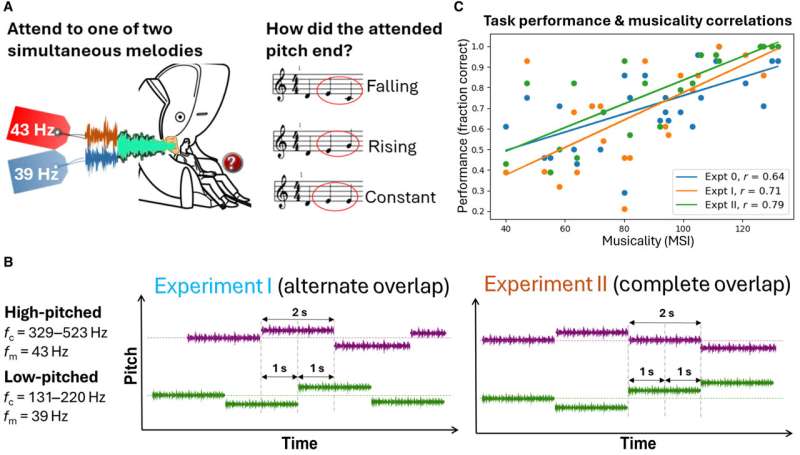
Experimental tasks and behavioral results. Credit: Science Advances (2025)

Musical people find it easier to focus their attention on the right sounds in noisy environments. This is shown in a new study from Karolinska Institutet published in the journal Science Advances. The results suggest that music training can be used to sharpen attention and cognition.

A major UK study has revealed that the early warning signs of multiple sclerosis (MS) may appear years before diagnosis and affect all communities in similar ways.

Pea-sized brains grown in a lab have, for the first time, revealed the unique way neurons might misfire due to schizophrenia and bipolar disorder, psychiatric ailments that affect millions of people worldwide but are difficult to diagnose because of the lack of understanding of their molecular basis.

Researchers have developed a minimally invasive method for recording brain activity through blood vessels.

A long-term study tracking 475 children found that autistic children are far more likely to experience persistent gastrointestinal issues than their peers. These symptoms often co-occur, persist throughout childhood, and are strongly related to challenges with sleep, communication, behavior, and sensory processing.

Science and artificial intelligence have combined in a study that could lead to personalized repetitive transcranial magnetic stimulation, or rTMS, for smokers who want to quit.

New research suggests that when people listen to speech at varying speeds, the auditory cortex does not adjust its timing but instead processes sound within a fixed time window. This discovery challenges the long-standing idea that the brain flexibly adapts its processing pace to match speech rhythms.

Neuroscientists are leveraging music’s ability to synchronize brain waves to enhance the effectiveness of transcranial magnetic stimulation (TMS).

Fluctuations in brain activity, also known as neural variability, enable us to be flexible in adjusting our behavior to the current situation. A new study shows that neural variability increases throughout development before stabilizing in adolescence. And deviating from this trajectory is associated with worse executive functioning.

Scientists have identified a previously underexplored population of hypothalamic neurons that plays a pivotal role in regulating energy expenditure.

A new study reveals that our brain’s attention system first prepares broadly, then focuses on specific details within fractions of a second. Using EEG and machine learning, researchers tracked how people focused on either the colour or the movement of dots before they appeared.

The first major data release from the HEALthy Brain and Child Development (HBCD) Study has provided researchers with a groundbreaking resource to study early childhood brain development.

A study published in The Cerebellum provides initial experimental evidence that a single session of cerebellar High-Definition Transcranial Direct Current Stimulation (HD-tDCS) may help to maintain anticipatory and consummatory pleasure and enhance reward sensitivity in healthy individuals.

New research finds that regional fat distribution exerts distinct effects on brain structure, connectivity and cognition, revealing patterns not explained by body mass index (BMI).

A new study reveals that fluoxetine, more commonly known as Prozac, does more than simply increase serotonin—it alters how brain cells utilize energy and form new connections. After two weeks of treatment, parvalbumin interneurons in the prefrontal cortex became less rigid, with mitochondrial energy genes reduced and plasticity genes upregulated.

Depression’s earliest signs can be hard to spot, but a new study shows AI can detect them in subtle facial movements.

A new five-year study explores how dopamine may drive changes in brain myelin during social isolation. Researchers will track how dopamine interacts with oligodendrocytes, the cells responsible for producing myelin and supporting neuron function.

Scientists have revealed a key mechanism in how our brains change when we learn new information or form memories.

Humans excel at adapting to new situations, while machines often stumble. A new interdisciplinary study reveals that the root of the issue lies in how humans and AI approach “generalization,” the process of transferring knowledge to new problems.

Finally this week, according to new research, habit, rather than conscious choice, drives most of our actions. 

Weekly Neuroscience Update

A research collaboration has identified the specific nerve pathways responsible for relaying pain signals from the bowel to the brain, paving the way for new irritable bowel syndrome (IBS) and inflammatory bowel disease (IBD) treatments.

Game-based training improves not only the cognitive abilities of people with initial signs of developing dementia, but also leads to positive changes in the brain, according to two new studies.

A next-generation neuroprosthetic hand that restores a sense of touch is moving into a pivotal home-use clinical trial. The “iSens” system uses implanted electrodes to read muscle intent and stimulate nerves, relaying fingertip sensations to the brain so the prosthesis feels embodied.

A new breakthrough demonstrates how robots can now integrate both sight and touch to handle objects with greater accuracy, much like humans. 

Researchers have traced a neural mechanism that explains why humans explore more aggressively when avoiding losses than when pursuing gains. Their work reveals how neuronal firing and noise in the amygdala shape exploratory decision-making.

Scientists have found a way to stop brain cancer cells spreading by essentially ‘freezing’ a key molecule in the brain.

Researchers have developed an ultrasound device that can precisely stimulate areas deep in the brain without surgery, opening up new possibilities for neurological research and the treatment of disorders such as Parkinson’s disease.

Artificial intelligence can detect and interpret social features between people from images and videos almost as reliably as humans, according to a new study published in the journal Imaging Neuroscience.

A large study of nearly 13,000 adults found that consuming high levels of certain artificial sweeteners is associated with faster declines in memory and cognitive function over an eight-year period. The effect was particularly strong in people with diabetes and those under 60.  While the study does not prove causation, it raises concerns about the long-term brain health risks associated with common sugar substitutes.

Experiments have shown that AI can develop in-context learning abilities after extensive incremental practice, much like humans do.

A new study suggests that autism may be linked to the rapid evolution of brain cell types unique to humans. Researchers have found that outer-layer neurons in the human brain evolved significantly faster than in other apes, with notable changes in autism-associated genes.

A new study shows that brain iron levels, measured using a specialized MRI technique, can predict cognitive decline years before symptoms of Alzheimer’s disease appear.

People with chronic insomnia may experience faster declines in memory and thinking skills as they age—along with brain changes that can be seen on imaging scans—than people who do not have chronic insomnia, according to a study published in Neurology.

Researchers have discovered how the brain develops reliable visual processing once the eyes open.

Scientists discovered how the brain uses objects to anchor our sense of direction, solving part of the mystery of spatial navigation. Experiments in mice showed that cells in the postsubiculum fired strongly when facing an object, while cells in other directions were suppressed, sharpening orientation.

In adults aged 60 years and older, tinnitus, especially severe and prolonged tinnitus, is significantly associated with cognitive impairment, according to a study published in Brain Sciences.

A more precise and personalized form of electric brain stimulation may be a more effective and faster treatment for people with moderate to major depression compared to other similar treatments, according to a UCLA Health study.

Finally this week, researchers may have found a way to limit the debilitating damage strokes can cause.

Weekly Neuroscience Update

A new study published in Scientific Reports has introduced a promising diagnostic tool that could dramatically shorten the long wait times many families face when seeking evaluations for autism and attention-related conditions. The research team used artificial intelligence to analyse subtle patterns in how people move their hands during simple tasks, identifying with surprising accuracy whether someone is likely to have autism, attention-deficit traits, or both. The method, which relies on wearable motion sensors and deep learning, could one day serve as a rapid and objective screening tool to help clinicians triage children for further assessment.

New research is investigating how childhood adversity rewires brain circuits that control emotion, memory, and attention, increasing the risk of impulsive and pathological aggression.

A groundbreaking study has revealed that genes linked to mental and neurodegenerative disorders, such as autism, depression, and Parkinson’s, begin influencing brain development during the earliest fetal stages. These genes are already active in neural stem cells—the progenitors that form the brain—long before symptoms arise.

Researchers at the University of Michigan have illuminated a complete sensory pathway showing how the skin communicates the temperature of its surroundings to the brain.

Patients with myalgic encephalomyelitis/chronic fatigue syndrome (ME/CFS) may be closer to personalized care, according to new research that shows how the disease disrupts interactions between the microbiome, immune system, and metabolism.

A new study using direct recordings from human brains reveals how the amygdala and hippocampus coordinate to form and retrieve emotional memories.

A personalised brain stimulation system powered by AI that can safely enhance concentration from home has been developed by researchers from the University of Surrey, the University of Oxford and Cognitive Neurotechnology. Designed to adapt to individual characteristics, the system could help people improve focus during study, work, or other mentally demanding tasks.

In the largest study of its kind, researchers linked irregular sleep patterns to elevated risk for 172 diseases.

Neuroscientists have grown a novel whole-brain organoid, complete with neural tissues and rudimentary blood vessels. This advance could usher in a new era of research into neuropsychiatric disorders such as autism.

Researchers have successfully mapped the entire neural circuit responsible for transmitting cool temperature signals from the skin to the brain.

A new brain imaging study reveals that how people expect pain relief—through visual cues or treatment explanations—can significantly influence how much pain they actually feel. External cues, like symbols signaling less pain, consistently reduced pain perception and altered brain regions tied to pain processing.

Finally this week, a new international study confirmed a significant post-pandemic rise in disorders of gut-brain interaction, including irritable bowel syndrome (IBS) and functional dyspepsia.

Weekly Neuroscience Update

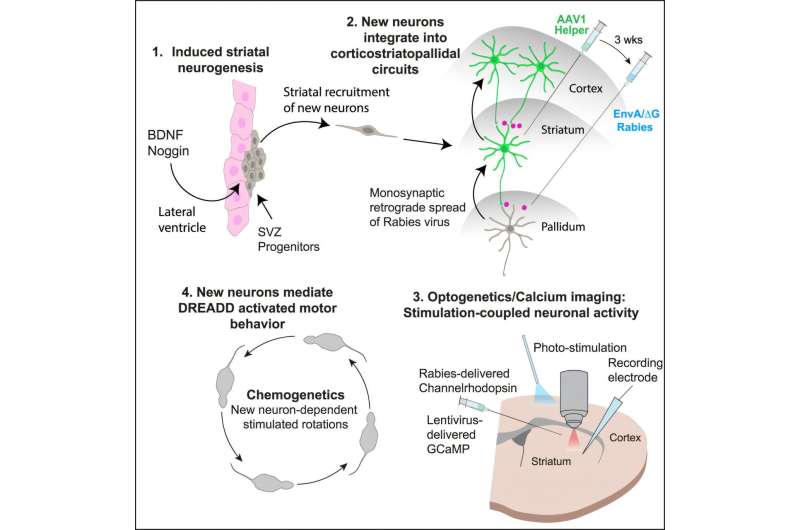
Credit: Cell Reports (2025).

New research shows that the adult brain can generate new neurons that integrate into key motor circuits. The findings demonstrate that stimulating natural brain processes may help repair damaged neural networks in Huntington’s and other diseases.

A study published in Brain Communications highlights a new approach to treating drug-resistant epilepsy.

A novel human study with intracranial recordings demonstrates the thalamus’s pivotal role, especially its higher-order regions, in the onset of conscious perception, with activation preceding that of the prefrontal cortex.

New findings reveal that long-term obesity patterns have distinct impacts on brain structure, function, and cognition. 

Researchers have discovered new potential therapeutic targets for multiple sclerosis (MS). While current treatments prevent further damage, the current findings may form the starting point for the development of new treatments for tissue recovery in MS. The research is published in the journal Brain.

Research published in the Journal of Magnetic Resonance Imaging has uncovered changes in brain connectivity during chemotherapy in patients with breast cancer.

Mass General Brigham investigators have linked difficult early life experiences with reduced quality and quantity of the white matter communication highways throughout the adolescent brain. This reduced connectivity is also associated with lower performance on cognitive tasks.

A team of engineers has developed a microscale brain–computer interface that is small enough to be placed between hair follicles on a user’s head.

Researchers have identified specific high-order thalamic nuclei that drive human conscious perception by activating the prefrontal cortex. Their findings enhance understanding of how the brain forms conscious experience, offering new empirical support for theories that assign a central role to thalamic structures rather than cortical areas alone.

A natural compound found in everyday fruits and vegetables may hold the key to protecting nerve cells—and it’s showing promise as a potential treatment for ALS and dementia.

New research highlights how smartphones are transforming memory science by capturing real-world data on sleep, emotion, and daily experiences. Studies show that replaying memories before sleep, experiencing novel events, and feeling positive emotions can all strengthen autobiographical memory.

An artificial intelligence tool that can help interpret and assess how well treatments are working for patients with multiple sclerosis has been developed by UCL researchers.

A recent study indicates that brain cells possess a higher degree of plasticity than previously understood. This suggests that the brain’s ability to adapt and change throughout life is more extensive than earlier scientific models suggested.

Researchers have discovered that increased blood flow leads to stiffness in the hippocampus, a region of the brain that plays important roles in learning and memory. 

By mapping the presynaptic inputs to single neurons within the primary somatosensory cortex researchers have shown how these neurons integrate brain-wide signals related to behavior, offering a more nuanced understanding of cortical activity.

Seventeen modifiable risk factors are shared by stroke, dementia, and late-life depression, according to a review published in the Journal of Neurology, Neurosurgery & Psychiatry.

A recent study has shown how aspects of brain function change with age, revealing that excitatory processes in the brain decrease, while inhibitory processes increase as children get older. The findings are an important step in understanding disorders like autism.

Finally this week, research shows that a blow to the head can significantly impact a child’s or adolescent’s future education. Even a mild concussion can have far-reaching consequences.

Weekly Neuroscience Update

Credit: Brain Communications (2025)

The parts of the brain that are needed to remember words, and how these are affected by a common form of epilepsy, have been identified by a team of neurologists and neurosurgeons.

New research published in PLOS ONE, reveals that witnessing trauma triggers unique brain changes, distinct from those caused by experiencing trauma firsthand. The study is the first to shed light on the molecular differences between directly acquired PTSD and bystander PTSD and could pave the way for changes in how the disorders are treated.

Scientists have discovered that neural changes in teens may predict how decision-making and behavioural control develop.

A new study shows that the rubber hand illusion can reduce the intensity of pain caused by heat. Researchers found that when participants viewed a rubber hand being illuminated while their hidden hand received a heat stimulus, they reported feeling less pain. This suggests that integrating visual and sensory cues can influence pain perception. The findings may one day help develop new treatments for chronic pain conditions such as complex regional pain syndrome.

Verbal fluency, the ability to recall and use vocabulary, is the strongest cognitive predictor of longevity in a 20-year study of elderly adults. This suggests a link between linguistic ability and overall health.

Neuroscientists have discovered a way to control how much zinc is released to specific locations in the brain. The essential mineral plays a major role in the brain’s function, including improving memory and lessening symptoms of some neurological disorders, but getting the right amount to the right place is key.

According to new research, inflammation inside and outside the brain may contribute to neurological complications in COVID-19.

A study published  in the British Journal of Psychiatry has found that nearly half of people diagnosed with depression don’t respond to multiple antidepressant medications and are considered “treatment-resistant.” The study found that 48% of patients whose electronic health care records reported a diagnosis of depression had tried at least two antidepressants, and 37% had tried four or more different options.

Scientists have developed a computational framework that maps how the brain processes speech during real-world conversations.

For children with autism who severely injure themselves, a pilot study suggests that deep brain stimulation (DBS) of the brain’s reward centre (nucleus accumbens) is a safe and possible treatment that could be beneficial, especially when behavioural therapies don’t work.

New research suggests that factors present in the placenta during pregnancy might play a role in increasing the risk of a child developing schizophrenia.

Scientists at Peking University have used a new method to discover that dopamine helps protect and control the function of a protein called Tau. This finding helps us better understand how dopamine works normally and in diseases of the brain.

A research team has uncovered the neural mechanisms underlying the processing of pain and itch in the anterior cingulate cortex (ACC).

A new study finds that women in their 80s who develop increasing daytime sleepiness over five years are twice as likely to develop dementia. Researchers tracked 733 women without cognitive impairment, using wrist devices to monitor sleep and circadian rhythms. Those who showed stable sleep patterns had the lowest dementia risk, while those with increasing sleepiness faced the highest risk. Surprisingly, declining nighttime sleep was not significantly linked to dementia risk.

A research team has developed an electrode capable of safely encasing nerves without causing damage.

Finally this week, new research shows that even 12-month-old babies can form memories, as indicated by activity in the hippocampus. This challenges the idea that infants can’t remember and suggests that infantile amnesia (not remembering early childhood) might be because we can’t access those memories later, rather than not forming them in the first place.

Weekly Neuroscience Update

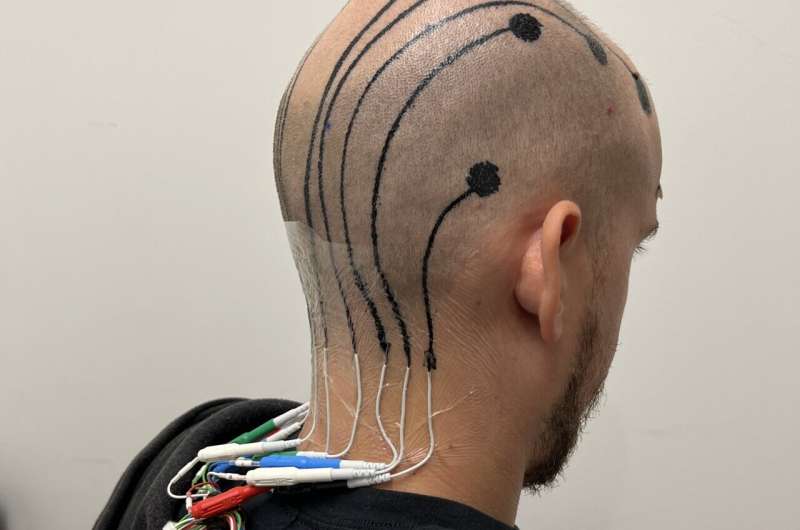
EEG setup with e-tattoo electrodes. Credit: Nanshu Lu

For the first time, scientists have invented a liquid ink that doctors can print onto a patient’s scalp to measure brain activity. The technology offers a promising alternative to the cumbersome process currently used for monitoring brainwaves and diagnosing neurological conditions. It also has the potential to enhance non-invasive brain-computer interface applications.

People who have chronic traumatic encephalopathy (CTE) who have a family history of mental illness may have a higher risk of aggression in middle age, according to a new study.

A loss of brain volume associated with new immunotherapies for Alzheimer’s disease may be caused by the removal of amyloid plaques, rather than the loss of neurons or brain tissue, finds a study led by UCL researchers.

A common heart drug may slow the progression of Huntington’s disease according to new research.

Men with cardiovascular disease risk factors, including obesity, face brain health decline a decade earlier—from their mid 50s to mid 70s—than similarly affected women who are most susceptible from their mid 60s to mid 70s, suggest the findings of a long term study, published online in the Journal of Neurology Neurosurgery & Psychiatry.

In a new study published in Briefings in Bioinformatics, researchers have found that depression can increase the chances of a person experiencing menstrual pain (dysmenorrhea).

Researchers have achieved a major milestone in the treatment of spinal cord injuries (SCI). By applying deep brain stimulation (DBS) to an unexpected region in the brain—the lateral hypothalamus (LH)—the team has improved the recovery of lower limb movements in two individuals with partial SCI, greatly improving their autonomy and well-being.

Soccer heading may cause more damage to the brain than previously thought, according to a study presented at the annual meeting of the Radiological Society of North America (RSNA).

New research reveals subtle changes in the visual pathways of individuals with chronic mild traumatic brain injury (TBI), even when standard eye examinations show no abnormalities. These findings include structural and functional deficits despite participants showing normal visual acuity during clinical examination.

A recent study identifies research strategies for tying brain function and structure to behaviour and health.

COVID-19 may be a risk factor for multiple sclerosis (MS). This has been shown by new research at Örebro University and Örebro University Hospital, Sweden. The study is published in the journal Brain Communications.

A study appearing in Nature Neuroscience has linked distinct neural and behavioral characteristics in autism spectrum disorder (ASD) to a simple computational principle.

Everyday physical activity, like going for a short walk or playing with the kids, may provide short-term benefits for cognitive health, equivalent to reversing four years of cognitive aging. That was a key finding a new study, published in the journal Annals of Behavioral Medicine.

Voice experiments in people with epilepsy have helped trace the circuit of electrical signals in the brain that allow its hearing center to sort out background sounds from their own voices.

A study led by University College London researchers found that large language models, a type of AI that analyzes text, can predict the results of proposed neuroscience studies more accurately than human experts.

Skeletal muscle loss is a risk factor for developing dementia, according to a study presented at the annual meeting of the Radiological Society of North America (RSNA).

A pioneering study has meticulously mapped the brain’s intricate neural pathways, shedding light on how specific regions work together to control impulsive actions. By employing advanced neuroimaging and noninvasive brain stimulation techniques, researchers uncover the mechanisms that allow us to halt unwanted actions.

Finally this week, new research reveals the unique human ability to conceptualize numbers may be rooted deep within the brain. 

Weekly Neuroscience Update

Brain structural (MRI) scans from a selection of individuals from the Lothian Birth Cohort 1936 taken during Wave 2 (when all participants were about 73 years old). Credit: Ian J. Deary

A 25-year research program has unveiled key insights into how our brains age and what factors influence cognitive performance throughout life. The findings, published on 7 November 2024 in Genomic Psychiatry, draw from the Lothian Birth Cohorts (LBC) studies, which uniquely tracked participants’ cognitive abilities from childhood through their eighth decade of life.

A team of researchers has uncovered a mechanism in the formation of harmful protein aggregates that lead to neurodegenerative diseases such as Parkinson’s disease.

People with stronger autistic traits exhibit distinct and highly effective exploration patterns, according to a new study. These individuals tend to persist longer in curiosity-driven tasks, leading to better overall performance. In the study, participants with higher autistic traits explored consistently, even when faced with challenging learning environments, while those with lower traits engaged more briefly.

A new study shows how gut bacteria play a key role in regulating stress by interacting with circadian rhythms, opening possibilities for microbiome-based therapies for mental health.

Research led by the University of Michigan has provided compelling evidence that could solve a fundamental mystery in the makeup of fibrils that play a role in Alzheimer’s, Parkinson’s and other neurodegenerative diseases.

Researchers have developed tiny, wireless devices capable of wrapping around individual neurons, potentially aiding in the treatment of neurological disorders like multiple sclerosis.

A new international study has brought to light how blood sugar control can significantly impact brain health. The study suggests that improved blood sugar control could be one of the most important factors in slowing down age-related brain changes.

People with schizophrenia show distinct brain activity when faced with conflicting information, new research finds.

Finally this week, poor sleep quality may be associated with incidental, but not prevalent, motoric cognitive risk syndrome (MCR), a predementia syndrome characterized by slow gait speed and cognitive complaints, according to a study published in Neurology.

Weekly Neuroscience Update

Credit: The Journal of Physiology (2024). 

The team that first recorded vagus nerve signals in humans has now isolated the electrical activity of individual neurons responsible for cardiovascular regulation. Published in the Journal of Physiology, the Monash University-led discovery paves the way for more research into how and why cardiovascular disease develops.

New research reveals that dopamine is not directly responsible for the formation of placebo analgesia, contrary to previous beliefs.

Scientists have developed a new brain-mapping tool called START, which combines transcriptomics and viral tracing to map the connections between specific neuronal subtypes with unprecedented detail. This technology allows researchers to identify distinct patterns of connectivity in inhibitory neurons within the cerebral cortex, providing a blueprint of the brain’s circuits.

A new study has demonstrated that emotion enhances memory for contextual details, challenging the view that emotion impairs the ability to remember such information.

Researchers compared the diagnostic accuracy of GPT-4 based ChatGPT and radiologists using 150 brain tumor MRI reports. ChatGPT achieved 73% accuracy, slightly outperforming neuroradiologists (72%) and general radiologists (68%).

Deep brain stimulation may provide immediate improvement in arm and hand strength and function weakened by traumatic brain injury or stroke.

People with Parkinson’s disease (PD) who experience visual hallucinations have reduced brain responses to unexpected visual changes, a marker known as visual mismatch negativity (vMMN). Using EEG, researchers compared brain activity in PD patients with and without hallucinations and discovered that those with hallucinations showed weaker vMMN signals

Lower attention ability in adolescence can predict cigarette and cannabis use in young adulthood, according to new research from Trinity College Dublin.

New research has found that frequent consumption of fizzy drinks and fruit juice significantly increases the risk of stroke. The study, which analyzed data from nearly 27,000 participants across 27 countries, showed a 22% increased risk of stroke from drinking fizzy drinks, with the risk rising further with multiple servings per day. Additionally, drinking more than four cups of coffee daily raised stroke risk by 37%, while tea consumption was associated with a reduced stroke risk. 

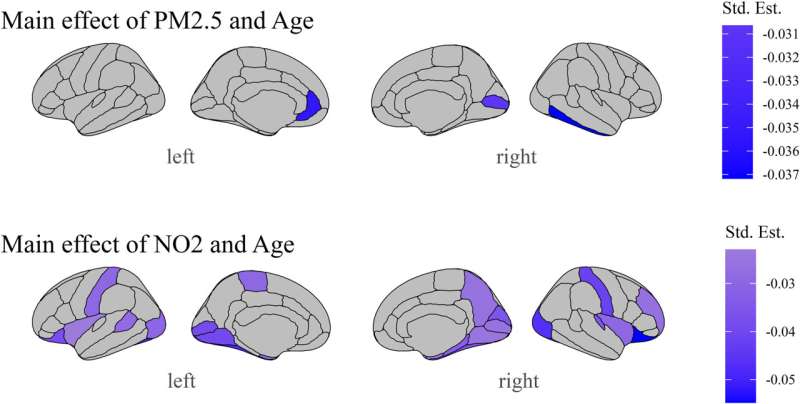
New research shows that even pollution levels that are below government air-quality standards are associated with differences in children’s brains.

University of Queensland researchers have made a significant step towards enabling women with epilepsy safer access to a common and highly effective anti-seizure medication.

A new study shows that brain synchronization between a neurotypical person and someone with autism is weaker compared to two neurotypical individuals interacting. Using EEG hyperscanning, researchers observed reduced inter-brain synchrony during hand movement imitation between mixed pairs, with autistic individuals more likely to follow than lead.

Certain immune cells play an important role in the early stages of multiple sclerosis, a twin study shows.

New evidence from the Centre for Healthy Brain Ageing indicates that older adults who experience a stroke for the first time will have substantial immediate and accelerated long term-cognitive decline. The new research, published iJAMA Network Open, looked at finding out exactly how a stroke impacts a person’s cognitive abilities.

A new study shows how individual brain cells in the hippocampus respond to pronouns.

Scientists are examining the brains of individuals with asymptomatic Alzheimer’s disease who, despite having amyloid plaque and tau buildup—the primary indicators of Alzheimer’s—did not show diagnosable dementia symptoms while alive. They’ve identified crucial mechanisms that may safeguard against cognitive decline in Alzheimer’s disease.

Finally this week, In a first-of-its-kind study, University of South Florida researchers are finding that music can help boost cognition in patients undergoing chemotherapy. 

Weekly Neuroscience Update

Crime films, action films, comedies, or documentaries? A person’s favourite film genre reveals a lot about how their brain works. This is the finding of a new study that compared data on film preferences with recordings of the brain activity of around 260 people.

Using functional magnetic resonance imaging (fMRI), neuroscientists have identified several regions of the brain that are responsible for processing language.

Certain regions of the brain show changes during the early stages after quitting drinking that may contribute to increased anxiety and relapse rates in people attempting recovery from alcohol use disorder, according to a recent study.

A research team has found evidence suggesting that minor brain injuries that occur early in life, may have health impacts later on.

Scientists have discovered a mutation in SARS-CoV-2, the virus that causes COVID-19, that plays a key role in its ability to infect the central nervous system. The findings may help scientists understand its neurological symptoms and the mystery of “long COVID,” and they could one day even lead to specific treatments to protect and clear the virus from the brain.

Scientists have identified how gene variations lead to brain changes associated with essential tremor, a common movement disorder affecting over 60 million people worldwide.

A new study reveals that non-cognitive skills like motivation and self-regulation are as crucial as intelligence in determining academic success. These skills, influenced by both genetics and environment, grow increasingly important throughout a child’s education.

Researchers have developed an innovative device that can diagnose glioblastoma, an aggressive brain cancer, in under an hour using a novel biochip.

A recent study investigates how the brain reacts to different types of love, ranging from parental to romantic, through sophisticated imaging methods. The findings indicate that the love for one’s children elicits the strongest brain response, particularly within the reward system.

Researchers have developed a system that detects genetic markers of autism in brain images with 89-95% accuracy, potentially enabling earlier diagnosis and treatment.

In a small pilot study, researchers used a new closed-loop system to measure the electrical brain patterns of individual patients and then stimulate those patterns with a weak electrical current, resulting in significantly improved symptoms of major depressive disorder.

A deeper understanding of the communication inside the body when someone is going through opioid withdrawal has led to a new clinical trial at the University of Calgary.

Researchers have developed a brain-inspired AI technique that utilizes neural networks to model the complex quantum states of molecules, which are essential for technologies such as solar panels and photocatalyst.

Finally this week, a new finding could open doors to new treatments for a range of psychiatric and neurological disorders attributed to dysfunctions in specific dopamine pathways.