Weekly Neuroscience Update

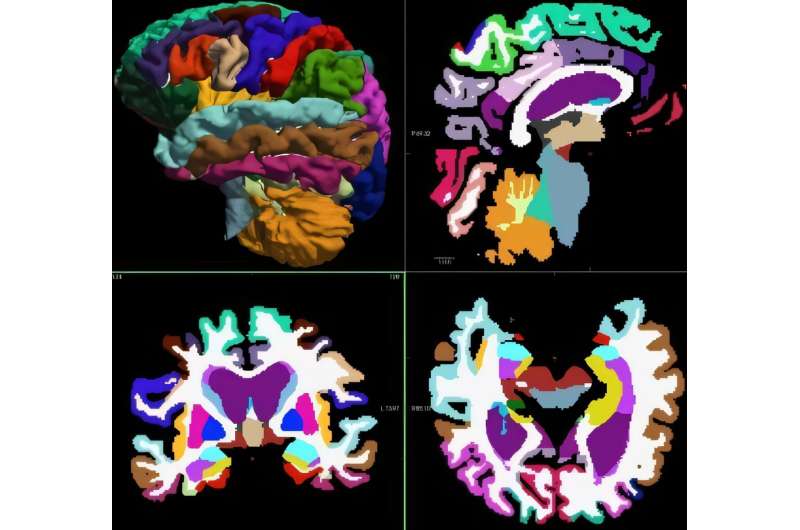
Credit: Molecular and Cellular Biochemistry (2025)

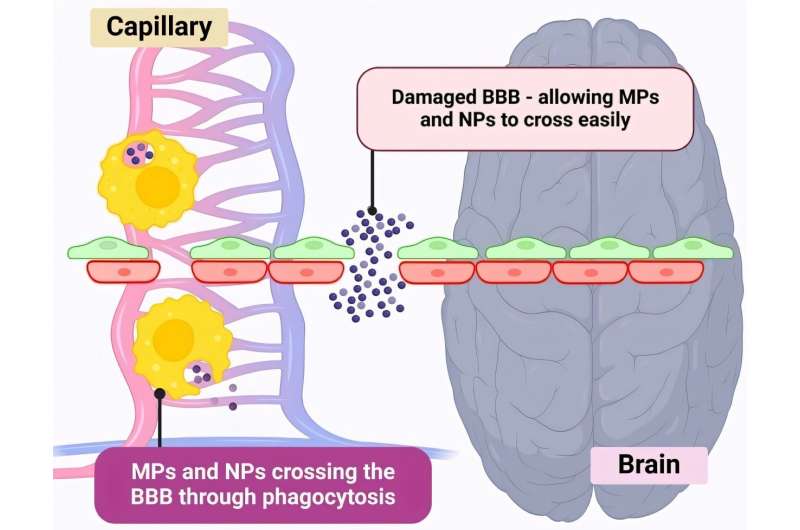
A new review highlights five major ways microplastics can harm the brain, raising concerns that they may worsen neurodegenerative diseases like Alzheimer’s and Parkinson’s. These tiny particles can trigger inflammation, disrupt the blood–brain barrier, generate oxidative stress, impair mitochondria, and damage neurons.

Researchers have mapped how brain networks differ in individuals at Clinical High Risk (CHR) for psychosis, providing a new perspective on the mechanisms underlying the disease onset.

A new study found that variations in the brain’s insulin receptor network affect how women respond to early-life adversity. This effect has a lesser impact in men, suggesting there is a sex-specific process at play.

Dopamine neurons—the cells that drive reward and motivation while we’re awake—become surprisingly active during nonrapid eye movement sleep right after we learn something new.

The human brain processes spoken language in a step-by-step sequence that closely matches how large language models transform text. Using electrocorticography recordings from people listening to a podcast, researchers found that early brain responses aligned with early AI layers, while deeper layers corresponded to later neural activity in regions such as Broca’s area.

In a new leap for neurobiology and bioelectronics, scientists have developed a wireless device that uses light to send information directly to the brain—bypassing the body’s natural sensory pathways.

Young children exposed to unusually high temperatures are less likely to reach basic developmental milestones in literacy and numeracy. Analyzing data from over 19,000 children across multiple countries, the study found that average maximum temperatures above 86 °F were associated with measurable declines in early learning outcomes.

new study shows that dance can be beneficial in halting the cognitive decline associated with Parkinson’s disease and, for some participants, they even showed signs of improvement.

A research team has developed a new AI foundation model that creatively solved the problem of the “label data shortage,” regarded as the biggest challenge in deep learning-based brain signal analysis. This technology is designed to self-learn brain signals and is gaining attention for its ability to deliver high accuracy with very small amounts of labels.

Semaglutide medications like Ozempic and Wegovy can help lower the risk of heart and metabolic diseases in people with schizophrenia spectrum disorders, according to a new study.

A newly discovered biological signal in the blood could help health care teams and researchers better understand how children respond to brain injuries at the cellular level, according to research in the Journal of Neurotrauma.

Neuroscientists have developed a first-of-its-kind method to rapidly produce synchronized, human brain wave-like activity in lab-grown neural networks that can communicate over long distances. 

A new analysis shows that anti-inflammatory medications may help reduce symptoms for a subset of people with depression who also have chronic, low-grade inflammation. By reviewing randomized controlled trials that specifically enrolled individuals with elevated inflammatory markers, researchers found that anti-inflammatory treatments significantly reduced both overall depressive symptoms and anhedonia.

An international study has found that wearable technology could help detect Parkinson’s disease (PD) up to nine years before clinical diagnosis simply by monitoring how people turn when they walk.

Researchers have identified a distinct immuno-inflammatory biomarker across major psychiatric disorders that can be detected using noninvasive brain imaging. Patients exhibiting this brain signature showed systemic inflammation and poorer response to standard treatments.

A preliminary study of people with diabetes suggests that use of glucose-lowering GLP-1 drugs may be linked to a lower risk of developing epilepsy.

A new study proposes that autism arises when genetic vulnerability, an early environmental trigger, and prolonged activation of the cellular stress response align during critical developmental windows. This “three-hit” metabolic model reframes autism as a disorder of disrupted cellular communication and energy metabolism rather than an inevitable genetic outcome.

Finally this week, researchers have discovered how a neural circuit drives relapse after opioid use, a finding that could lead to more effective treatments for opioid use disorders.

Weekly Neuroscience Update

Illustration depicting a model of how DA and serotonin cotransmission shapes behaviour through frequency-dependent filtering of D1-MSN axons. Credit: Science Advances (2025)

Scientists have uncovered a previously unknown mechanism by which dopamine, a key brain chemical vital for movement and motivation, can affect brain activity indirectly by boosting serotonin.

New brain imaging research shows that structural damage in schizophrenia spectrum disorders may begin in specific “epicenter” regions before spreading across connected brain networks. Individuals with the condition showed widespread reductions in structural similarity between key cognitive and emotional brain regions.

Researchers have uncovered new insights into how brain wiring differs in children and young adults with autism, offering more precise ways to understand the condition.

There is new hope for people who have lost their smell. Scientists have successfully tested a breakthrough device that lets people detect the presence of certain odors. This innovative system helps them “smell” again by translating odors into feelings (like touch) inside the nose.

Lockdown and social distancing measures during the COVID-19 pandemic were associated with increased developmental concerns about young children in Scotland, research suggests.

Researchers have identified two receptors in the brain that control the breakdown of amyloid beta, a substance that accumulates in Alzheimer’s disease. The study could pave the way for future drugs that are both safer and cheaper than current antibody treatments.

Patients with major depressive disorder, including non-responders to first-line antidepressants, may benefit from short-term nitrous oxide treatment.

A new study has achieved a long-standing goal in neuroscience: showing how the brain’s smallest components build the systems that shape thought, emotion and behaviour. The research, published in the journal Nature Communications, could transform how scientists understand cognition and aging, as well as mental health disorders like depression and schizophrenia.

Neuroscientists have identified five “major epochs” of brain structure over the course of a human life, as our brains rewire to support different ways of thinking.

New longitudinal research shows that Alzheimer’s disease blood biomarkers rise up to 95 percent faster in people with obesity than in those without. While baseline tests initially appeared lower due to blood dilution, long-term tracking revealed a significantly accelerated build-up of neurodegeneration and amyloid pathology.

Using in-vehicle driving data may be a new way to identify people who are at risk of cognitive decline, according to a study published on November 26, 2025, in Neurology.

Researchers have developed an AI system that can reconstruct fine hand muscle activity using only standard video footage. Traditionally, this type of measurement required intrusive electrodes attached to the skin, but the new method eliminates that need entirely.

A large population analysis found that older adults who received the shingles vaccine were significantly less likely to develop dementia over the following seven years.

A new review explores how episodic memories are formed, stored, and reshaped over time, revealing why our recollections of past events often change. Rather than functioning like fixed files, memories consist of multiple components that can lie dormant until triggered by environmental cues.

Finally this week, a multi-institutional team of researchers report that extensive musical training can steady the body in space, both with and without guiding sounds, during a blindfolded stepping test.

Weekly Neuroscience Update

Mesoscale neural mechanisms of binocular rivalry in humans. Credit: Zhang Peng’s group

A research group has revealed how the human brain resolves perceptual conflicts and generates conscious perception through local inhibition in the sensory cortex and feedback integration from the parietal cortex.

A new clinical trial shows that deep brain stimulation (DBS) improved symptoms in half of adults with treatment-resistant depression, with one-third reaching remission.

A large-scale analysis of nearly 1,900 children found that those with a family history of substance use disorder show early differences in how their brains transition between activity states, long before any drug exposure. Girls with a family history showed increased transition energy in introspective networks, suggesting greater difficulty shifting out of internal, stress-linked states.

New research shows that spontaneous eye blinks naturally sync to the beat of music, revealing a hidden form of auditory-motor synchronisation that occurs even without conscious movement.

An extensive, two-year study of nearly 12,000 children found that higher screen time at ages 9–10 predicts an increase in ADHD symptoms, independent of a child’s starting symptom level. Brain imaging revealed that heavy screen use is associated with smaller cortical volume and disrupted development in regions critical for attention, cognition, and reward processing.

Researchers have identified five major phases of human brain wiring that unfold from birth to old age, marked by four major turning points at ages 9, 32, 66, and 83.

A new study shows that when two people work together toward a shared goal, their brains begin to process information in increasingly similar ways. Using EEG recordings, researchers found that while all participants showed similar early responses to visual patterns, only collaborating pairs developed sustained neural alignment linked to the rules they agreed upon.

A large analysis of more than 11 million medical records found that people with untreated obstructive sleep apnea face a substantially higher risk of developing Parkinson’s disease over time.

New research has revealed that Parkinson’s disease causes significant and progressive changes to blood vessels in the brain, changing our understanding of the disease which may lead to new treatment methods.

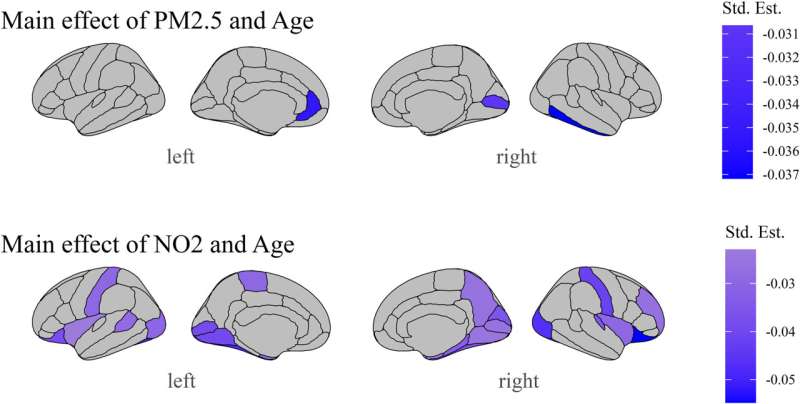
Diesel exhaust particles disrupt the function of the brain’s immune cells, a new study shows.

Researchers have developed a “virtual clinical trial” exploring a unique pharmacological treatment in patients who do not fully regain consciousness after a coma. The proposed treatment involves employing psychedelic drugs, such as psilocybin and lysergic acid diethylamide (LSD) that have intense, consciousness-altering effects in healthy volunteers.

A new meta-analysis shows that lithium supplementation does not significantly slow cognitive decline in people with mild cognitive impairment or Alzheimer’s disease.

New research shows that young adults with obesity already display biological patterns associated with liver stress, chronic inflammation, and early neural injury—changes typically seen in older adults with cognitive impairment. Participants with obesity also had unusually low blood choline levels, a nutrient critical for liver function, inflammation control, and long-term brain health.

A new study demonstrates that an AI assistant can conduct psychiatric assessment interviews with greater diagnostic accuracy than widely used mental health rating scales.

New brain imaging research shows that structural damage in schizophrenia spectrum disorders may begin in specific “epicenter” regions before spreading across connected brain networks. Individuals with the condition showed widespread reductions in structural similarity between key cognitive and emotional brain regions.

Finally, this week, researchers are exploring whether a person’s genetic risk for depression can help predict how multiple sclerosis (MS) progresses.

Weekly Neuroscience Update

A global research collaboration has revealed how certain gut cells switch on pain signals, which can linger long after the initial trigger has passed, potentially contributing to chronic pain in conditions like irritable bowel syndrome (IBS) and inflammatory bowel disease (IBD).

Researchers have identified specific neuronal cells that are essential to our understanding of other people.

A new study reveals that older adults experience the least attention difficulties when home temperatures remain between 68–75 ˚F (20–24 ˚C). Deviations beyond this range double the risk of attention lapses, highlighting how even current climate conditions may harm cognitive health. This risk is especially pronounced for low-income seniors who may lack the means to regulate indoor temperatures.

How the brain feels about the world around it is the subject of a new paper published in Proceedings of the National Academy of Sciences.

Striking brain similarities have been found in patients with long COVID and Myalgic Encephalomyelitis/Chronic Fatigue Syndrome (ME/CFS), in particular, a larger than normal hippocampus. The research also reported the hippocampal volume was associated with symptom severity in both patient groups.

A recent study suggests that first-time transient ischemic attacks (TIA) are associated with long-term cognitive decline.

A new international and multidisciplinary study has unveiled a novel framework for understanding the concept of time persistence in the human brain, shedding light on its essential role in brain functioning and cognition. This research, which explores how long the brain’s functional networks remain in a particular state before transitioning to another, opens new doors to our understanding of human cognition and behavior.

Stress hormones shift neuron types in the developing brain, a new study suggests.

Researchers have developed a new method for deep brain stimulation. The technique, called “DeepFocus,” uses transcranial electrical stimulation (TES) on the scalp and transnasal electrical stimulation (TnES) to achieve more accurate electrical stimulation in the brain.

A new study has found that a short-term, high-caloric diet impairs brain insulin responsiveness and increases liver fat in healthy-weight men, with effects extending beyond the consumption period.

Even when within the normal range, lower levels of vitamin B12 may contribute to cognitive decline, according to a new study that found that older adults with lower biologically active B12 had slower cognitive processing and more white matter.

Researchers have developed an AI that accelerates the identification of genes that contribute to neurodevelopmental conditions such as autism spectrum disorder, epilepsy and developmental delay.

A new study based on data from 18,740 dementia patients suggests that antidepressants may accelerate cognitive decline. Researchers found that patients taking antidepressants, particularly SSRIs like escitalopram, citalopram, and sertraline, experienced faster deterioration compared to those not on medication.

A decade-long study reveals how childhood adversity alters brain development, increasing risks for mental health disorders and substance use. 

The brain may play a role in helping the ear regulate its sensitivity to sound and compensate for hearing loss by sending a signal to a structure in the inner ear known as the cochlea, according to a study that was published in the Journal of Neuroscience.

The symptoms of schizophrenia vary greatly from person to person. A recent study shows how these differences manifest themselves in the structure of the brain.

Researchers have discovered a fundamental mechanism that affects the size of the pupil, namely our breathing. The study, published in the Journal of Physiology, shows that the pupil is smallest during inhalation and largest during exhalation—something that could affect our vision.

Finally this week, a large study found that people who engage in moderate to vigorous physical activity are less likely to develop dementia, stroke, anxiety, depression, and sleep disorders.

Weekly Neuroscience Update

The Brain Connectivity Model of Intelligence. Schematic illustration of selected brain connections that have been linked to intelligence differences across studies. Adapted from Hilger & Sporns, 2021. Credit: Thiele et al.

Neuroscientists have developed machine learning models to predict human intelligence.

Researchers have found that incorporating specific nutrients into a regular diet may reduce iron buildup in the brain—a factor associated with cognitive decline in normal aging. The research team said the findings offer valuable insights for future clinical trials aimed at evaluating the impact of similar nutritional intake on brain iron accumulation and cognitive function.

The short-term boost our brains get after we do exercise persists throughout the following day, suggests a study led by UCL (University College London) researchers.

Thirteen proteins linked to brain aging in humans are identified in a Nature Aging paper. Changes in the concentrations of these blood proteins may peak at 57, 70, and 78 years old in humans, and suggest that these ages may be important for potential interventions in the brain aging process.

Brain scans show vulnerability to gaming addiction in teens.

A team of scientists has uncovered a novel mechanism that reshapes our understanding of how blood flow is regulated in the brain. The study, published in The Proceedings of the National Academy of Sciences introduces Electro-Calcium (E-Ca) Coupling, a process that integrates electrical and calcium signaling in brain capillaries to ensure precise blood flow delivery to active neurons.

Researchers at the Yale School of Medicine found structural and functional alterations in specific brain regions of individuals with opioid use disorder. The study’s results were published in Radiology.

A new study has identified a unique brain network that links varied patterns of brain atrophy, or shrinkage, associated with schizophrenia. By combining neuroimaging data from multiple studies involving more than 8,000 participants, the research team found a specific connectivity pattern of atrophy that was present across different stages and symptoms of schizophrenia—and distinct from brain networks associated with other psychiatric disorders.

New research provides valuable insights into the brain-body immune connection, identifying key communication hubs in the dural sinuses and skull bone marrow at the back of the head.

New research shows that slow-wave sleep strengthens synaptic connections in the neocortex, making it more receptive to long-term memory formation. Researchers found that during deep sleep, synapses in the neocortex reach peak efficiency at precise moments within slow-wave oscillations.

A new study suggests how brain, with sleep, learns meaningful maps of spaces.

A large-scale study revealed that genetic variants linked to dyslexia are associated with differences in brain areas controlling motor coordination, vision, and language. Using data from over a million individuals, researchers calculated genetic “polygenic scores” for dyslexia and analyzed their relationship to brain structures. Higher genetic risk for dyslexia was tied to lower volumes in brain regions related to speech processing and movement, and increased volumes in the visual cortex. Differences in the brain’s internal capsule, which connects regions, were also observed.

Cognitive impairment, especially in learning and memory, is more likely among people with epilepsy, according to a newly published study.

A recent study explores how connections across the entire brain predict human intelligence, moving beyond traditional focus on specific brain areas like the prefrontal cortex. Using fMRI data from over 800 individuals, researchers analyzed communication between brain regions to predict fluid, crystallized, and general intelligence scores. Findings reveal that distributed brain-wide connections play a crucial role, surpassing existing models that emphasize localized regions. This research highlights intelligence as a global property of the brain, offering fresh perspectives for understanding cognitive processes.

The chromosomal disorder 22q11.2 deletion syndrome (22q) has emerged as one of the strongest risks for schizophrenia.

New research reveals that brain structure varies with reading ability, particularly in the left hemisphere. Better readers have distinct traits, including a larger anterior temporal lobe for integrating word meaning and a thicker left Heschl’s gyrus for phonological processing.

Night shifts and poor sleep quality are associated with an increased risk for incident epilepsy, according to a study published in BMC Public Health.

People with severe, treatment-resistant depression who received a nerve-stimulating therapy showed significant improvement in depressive symptoms, quality of life and ability to complete everyday tasks after a year, according to the results of a national, multicenter clinical trial.

Finally this week, researchers have found a relationship between lifestyle choices that affect dementia risk and early signs of aging in the brain.

Weekly Neuroscience Update

EEG setup with e-tattoo electrodes. Credit: Nanshu Lu

For the first time, scientists have invented a liquid ink that doctors can print onto a patient’s scalp to measure brain activity. The technology offers a promising alternative to the cumbersome process currently used for monitoring brainwaves and diagnosing neurological conditions. It also has the potential to enhance non-invasive brain-computer interface applications.

People who have chronic traumatic encephalopathy (CTE) who have a family history of mental illness may have a higher risk of aggression in middle age, according to a new study.

A loss of brain volume associated with new immunotherapies for Alzheimer’s disease may be caused by the removal of amyloid plaques, rather than the loss of neurons or brain tissue, finds a study led by UCL researchers.

A common heart drug may slow the progression of Huntington’s disease according to new research.

Men with cardiovascular disease risk factors, including obesity, face brain health decline a decade earlier—from their mid 50s to mid 70s—than similarly affected women who are most susceptible from their mid 60s to mid 70s, suggest the findings of a long term study, published online in the Journal of Neurology Neurosurgery & Psychiatry.

In a new study published in Briefings in Bioinformatics, researchers have found that depression can increase the chances of a person experiencing menstrual pain (dysmenorrhea).

Researchers have achieved a major milestone in the treatment of spinal cord injuries (SCI). By applying deep brain stimulation (DBS) to an unexpected region in the brain—the lateral hypothalamus (LH)—the team has improved the recovery of lower limb movements in two individuals with partial SCI, greatly improving their autonomy and well-being.

Soccer heading may cause more damage to the brain than previously thought, according to a study presented at the annual meeting of the Radiological Society of North America (RSNA).

New research reveals subtle changes in the visual pathways of individuals with chronic mild traumatic brain injury (TBI), even when standard eye examinations show no abnormalities. These findings include structural and functional deficits despite participants showing normal visual acuity during clinical examination.

A recent study identifies research strategies for tying brain function and structure to behaviour and health.

COVID-19 may be a risk factor for multiple sclerosis (MS). This has been shown by new research at Örebro University and Örebro University Hospital, Sweden. The study is published in the journal Brain Communications.

A study appearing in Nature Neuroscience has linked distinct neural and behavioral characteristics in autism spectrum disorder (ASD) to a simple computational principle.

Everyday physical activity, like going for a short walk or playing with the kids, may provide short-term benefits for cognitive health, equivalent to reversing four years of cognitive aging. That was a key finding a new study, published in the journal Annals of Behavioral Medicine.

Voice experiments in people with epilepsy have helped trace the circuit of electrical signals in the brain that allow its hearing center to sort out background sounds from their own voices.

A study led by University College London researchers found that large language models, a type of AI that analyzes text, can predict the results of proposed neuroscience studies more accurately than human experts.

Skeletal muscle loss is a risk factor for developing dementia, according to a study presented at the annual meeting of the Radiological Society of North America (RSNA).

A pioneering study has meticulously mapped the brain’s intricate neural pathways, shedding light on how specific regions work together to control impulsive actions. By employing advanced neuroimaging and noninvasive brain stimulation techniques, researchers uncover the mechanisms that allow us to halt unwanted actions.

Finally this week, new research reveals the unique human ability to conceptualize numbers may be rooted deep within the brain. 

Weekly Neuroscience Update

Pupillary light reflex (PLR) assessment in open-eye and closed-eye conditions. Credit: Communications Medicine (2024).

A new technological advancement now enables researchers to observe changes in pupil size and gaze direction behind closed eyelids for the first time, using non-contact infrared imaging. This capability is expected to aid in identifying wakefulness states during sleep, anesthesia, and intensive care by monitoring pupil size variations. It could also be instrumental in gauging sedation levels, detecting seizures and nightmares, and acknowledging pain or responsiveness following trauma or within intensive care settings.

Neuroscientists have uncovered serotonin’s role in resilience.

A recent study using artificial intelligence has yielded a new understanding of how the brain anticipates future occurrences and processes data. It was found that the brain’s inherent activity, even in the absence of external stimuli, is crucial to our cognitive and emotional processes.

New research shows that varied cognitive training, rather than repetitive tasks, helps older adults improve working memory.

Scientists have mapped how propofol, a widely used anesthetic, alters brain connectivity to induce unconsciousness. Using fMRI, they found that propofol disrupts connections in the thalamus, reducing complex information processing and limiting sensory integration.

Research on older individuals indicates that vision impairment may be responsible for one in five dementia cases.

A new technology that uses harmless light waves to measure activity in babies’ brains has provided the most complete picture to date of brain functions like hearing, vision and cognitive processing outside a conventional, restrictive brain scanner.

Heat waves can worsen abnormal excitability of the brain in people with epilepsy, finds a new small-scale patient study.

Scientists have developed an innovative approach to studying brain connections using functional magnetic resonance imaging (fMRI). Recently published in Cell Systemsthis work introduces a new way of understanding brain architecture through dynamic functional networks, challenging the traditional static approach.

New research identifies potential therapeutic target for amyotrophic lateral sclerosis (ALS).

A new study published in Nature Communications examines how the brain initiates spontaneous actions. In addition to demonstrating how spontaneous action emerges without environmental input, this research has implications for the origins of slow ramping of neural activity before movement onset—a commonly-observed but poorly understood phenomenon.

Researchers have published a novel study exploring the effects of delayed feedback on learning in individuals with moderate-to-severe traumatic brain injury (TBI).

A breakthrough in medical imaging is making it possible for researchers to observe brain activity during movement and pick up the early signs of disorders that affect brain-to-body coordination, such as Parkinson’s disease.

A new study investigated the origin of ataxia in the brain of patients with stroke and found a significant number of the stroke lesions in the patients were located outside the cerebellum.

Researchers have developed a noninvasive technique that could dramatically improve the way doctors monitor intracranial hypertension, a condition where increased pressure in the brain can lead to severe outcomes like strokes and hemorrhages.

Robotic ‘coaches’ aiding upper limb rehabilitation for stroke and brain injury survivors have been successfully trialed in Vienna, Austria.

Scientists have created a dynamic technique to monitor swift changes in brain activity, particularly those associated with cravings. This method differs from conventional neuroimaging by offering a continuous perspective on the variations in craving intensity. The research revealed that individuals with intense cravings tend to remain longer in brain states that intensify these cravings and do not activate the brain networks that could diminish them.

A recent study highlights the interaction between brain structure and social context, suggesting that some children are more vulnerable to social stressors than others.

With maps of the connections between neurons and artificial intelligence methods, researchers can now do what they never thought possible: predict the activity of individual neurons without making a single measurement in a living brain.

A review highlighting recent advances in genetically encoded fluorescent tools for labeling and selectively manipulating synapses has been published in Nature Reviews Neuroscience.

Researchers have investigated the correlations between outdoor nighttime light pollution and Alzheimer’s disease, finding that excessive light pollution may elevate the risk of Alzheimer’s, particularly in younger individuals.

Finally this week, brain waves can be manipulated while in rapid eye movement (REM) sleep, a sleep stage associated with memory and cognition, a new study from the University of Surrey finds. 

Weekly Neuroscience Update

Credit: Nature Neuroscience(2024).

Researchers at University of Cambridge and other institutes worldwide recently carried out a study that linked gene expression in healthy brains to the imaging, transcriptomics and genetics of autism spectrum disorder and schizophrenia. Their paper, published in Nature Neuroscience, unveiled three distinct spatial patterns of cortical gene expression each with specific associations to autism and schizophrenia

A study published in the Journal of the American College of Cardiology suggests that physical activity may reduce cardiovascular disease risk by lowering stress-related brain activity.

A team of researchers at Baylor College of Medicine and Yale University incorporated generative artificial intelligence (AI) to create a foundational model for brain activity. The Brain Language Model (BrainLM) was developed to model the brain in silico and to determine how brain activities are related to human behavior and brain diseases.

Using MRI, engineers have found a way to detect light deep in the brain.

Stressful life events, such as the death of a loved one or divorce, put a person at greater risk of developing dementia in later life, a recent study has found. But only if the stressful event happened in childhood or midlife.

Our brains process odours differently depending on the names assigned to them, according to new research. 

People with neurological disease have a greater chance of death after contracting COVID-19, according to a new study. The research also confirms a higher risk of developing new neurological disorders after COVID infection.

Children who experience chronic lack of sleep from infancy may be at increased risk of developing psychosis in early adulthood, new research shows. 

A team of brain specialists at the California Institute of Technology has developed a brain–computer interface approach to decode words “spoken” entirely in the brain by recording signals from individual neurons in real time.

A new study shows that the cerebellum is involved in processing emotions, with implications for ataxia care.

A research team has revealed the link between the frequency of sleep apnea events during the rapid-eye-movement stage and the severity of verbal memory impairment in older adults at risk for Alzheimer’s disease. Verbal memory refers to the cognitive ability to retain and recall information presented through spoken words or written text and is particularly vulnerable to Alzheimer’s.

Results from a recent neuroplasticity study show how singing rehabilitates speech production in post-stroke aphasia.

For the first time, researchers have succeeded in explaining the propagation of traveling waves of activity in the human brain using a computer simulation. Previous studies indicate that these waves are important for various cognitive functions such as memory.

A new publication in Scientific Reports unveils a promising non-opioid pain treatment.

Repeated blows to the heads of football players can damage the small blood vessels of the brain, according to research by scientists who believe this damage may contribute to brain dysfunction in some athletes years after play has ended.

New research has shed light in the complex interplay between cell proteins, and how they impact on neurons in neurodevelopmental disorders and Alzheimer’s disease.

Artificial intelligence (AI) computer programs that process MRI results show differences in how the brains of men and women are organized at a cellular level, a new study shows. These variations were spotted in white matter, tissue primarily located in the human brain’s innermost layer, which fosters communication between regions.

Finally, this week, climate change, and its effects on weather patterns and adverse weather events is likely to negatively affect the health of people with brain conditions.