Weekly Neuroscience Update

An extensive study has shed new light on the global lifespan changes in the brain’s functional connectivity. Their findings reveal developmental patterns in the brain that could provide valuable information for future investigations into various neuropsychiatric and cognitive disorders.

A new meta-analysis reveals that Electroconvulsive Therapy (ECT) reduces suicide risk by 34% and all-cause mortality by 30% in individuals with severe depression. 

The difference between the brain’s predicted age and actual chronological age, called a brain age gap, may influence the relationship between cognitive impairment risk factors, like high blood pressure and diabetes, and a person’s cognitive performance, also known as thinking and memory skills, according to a study published in Neurology.

Scientists have developed a groundbreaking 3D brain model that closely mirrors the architecture and function of the human brain.

New findings challenge the idea that curiosity simply fades with age. Instead, “state curiosity”—a specific drive to learn—actually intensifies later in life. This increased interest in personally relevant topics among older adults may be a key factor in maintaining cognitive health.

A recent study reveals that prenatal exposure to common air pollutants is associated with subtle but measurable changes in fetal brain structure during the second and third trimesters.

New research shows that the brain’s cortex can rapidly reorganize itself after losing neurons, allowing other nerve cells to take over lost functions. Scientists studied neural networks in the auditory cortex and found that although sound-processing patterns were briefly disrupted, the brain formed nearly identical patterns within days.

A novel study aimed at disentangling the neurological underpinnings of depression shows that multiple brain profiles may manifest as the same clinical symptoms, providing evidence to support the presence of both one-to-one and many-to-one heterogeneity in depression.

Heading a soccer ball alters the brain, research spearheaded by the University of Sydney has found, despite having no immediate impact on cognition.

Results from a new clinical trial reveal that a single dose of psilocybin—a naturally occurring psychedelic compound found in mushrooms—can provide sustained reductions in depression and anxiety in individuals with cancer suffering from major depressive disorder. The findings are published in Cancer.

Finally, this week, new research has found a compelling link between the composition of the gut microbiome and the risk of cognitive impairment in adults.
Weekly Neuroscience Update

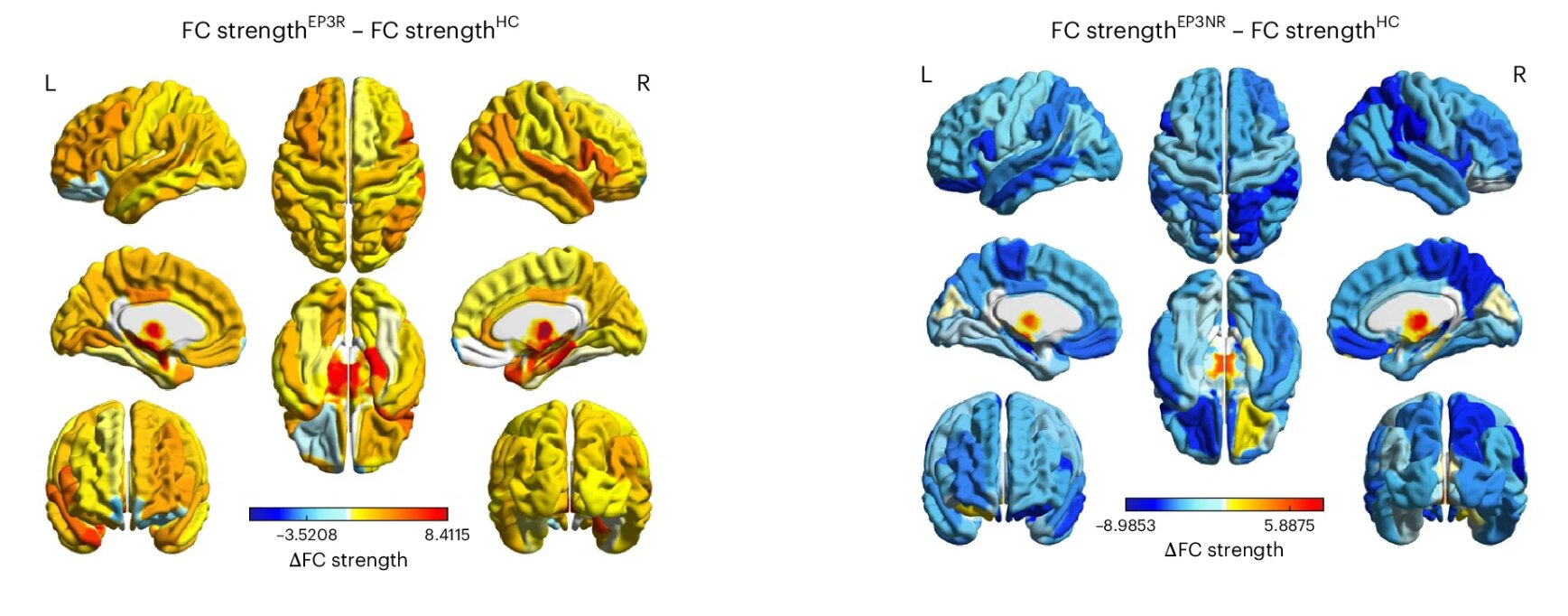
Credit: Nature Mental Health (2025)

Pioneering research has identified the brain mechanisms that enable psychosis to remit. These findings could significantly inform the development of novel intervention strategies for patients with psychosis.

Contrary to fears of “digital dementia,” new research finds that using digital technology is linked to a reduced risk of cognitive decline in older adults. A large-scale meta-analysis of over 400,000 participants revealed that digital engagement correlates with a 58% lower risk of cognitive impairment.

A simple method of brain stimulation has been shown to change how people make decisions. These were the findings of a new study published in the Journal of Cognitive Neuroscience.

A team of researchers has identified the key brain regions that are essential for logical thinking and problem solving. The findings help to increase our understanding of how the human brain supports our ability to comprehend, draw conclusions, and deal with new and novel problems—otherwise known as reasoning skills.

Medial temporal lobectomy is effective in improving seizure outcomes among patients with drug-resistant temporal lobe epilepsy, according to a recent study.

New research links fatty, sugary diets to impaired brain function. The findings build on a growing body of evidence showing the negative impact of high-fat, high-sugar (HFHS) diets on cognitive ability, adding to their well-known physical effects.

A recent study reveals that the basolateral amygdala plays a key role in calibrating prosocial behavior based on emotional closeness.

New research reveals that gut imbalances in children with autism may influence brain activity and behaviour by disrupting the production of key neurotransmitters like serotonin. Scientists found that changes in gut-derived metabolites are linked to differences in brain structure and function in children with autism.

Chronic pain is closely intertwined with depression. Individuals living with pain’s persistent symptoms may be up to four times more likely to experience depression according to a new study.

Our brains can adapt to filter out repeated distractions, according to a new EEG study. Participants learned to ignore frequent visual distractions, such as a red shape in the same location, while searching for a target.

Repetitive transcranial magnetic stimulation is showing promise in Alzheimer’s treatment.

A new international study reveals a possible connection between GLP1 receptor agonists—used in drugs like Ozempic—and increased risk of depression and suicidal ideation, especially in people with low dopamine function.

Researchers have found a potential link between the trauma of climate-related events, exemplified by devastating wildfires, and persistent effects on cognitive function.

Researchers have developed a personalized blood test that may offer a faster, less invasive way to track high-grade glioma progression. By identifying unique DNA junctions from each patient’s tumour, the test can detect tumor DNA in the bloodstream, even before changes appear on MRI scans.

A new study demonstrates for the first time that listening to favorite music activates the brain’s opioid receptors.

Promising a more personalized approach to treating major depressive disorder (MDD), a new study reveals that brain connectivity patterns, especially in the dorsal anterior cingulate cortex, can significantly predict patient response to antidepressant medications. This finding was validated in two large, independent clinical trials using brain imaging and clinical information.

Contrary to potential assumptions, recent research demonstrates that the spatial working memory of older people with autistic traits and neurotypical individuals shows no difference in change over time.

A major international study has provided the most comprehensive evidence to date on treatments for neuropathic pain —defined as pain caused by disease of the nervous system, affecting up to 10% of the population worldwide.

Finally, this week, exercise appears to be vital for maintaining sharp minds, even when a key brain energy source is lacking, according to a new study.

Weekly Neuroscience Update

Credit: Brain Communications (2025)

The parts of the brain that are needed to remember words, and how these are affected by a common form of epilepsy, have been identified by a team of neurologists and neurosurgeons.

New research published in PLOS ONE, reveals that witnessing trauma triggers unique brain changes, distinct from those caused by experiencing trauma firsthand. The study is the first to shed light on the molecular differences between directly acquired PTSD and bystander PTSD and could pave the way for changes in how the disorders are treated.

Scientists have discovered that neural changes in teens may predict how decision-making and behavioural control develop.

A new study shows that the rubber hand illusion can reduce the intensity of pain caused by heat. Researchers found that when participants viewed a rubber hand being illuminated while their hidden hand received a heat stimulus, they reported feeling less pain. This suggests that integrating visual and sensory cues can influence pain perception. The findings may one day help develop new treatments for chronic pain conditions such as complex regional pain syndrome.

Verbal fluency, the ability to recall and use vocabulary, is the strongest cognitive predictor of longevity in a 20-year study of elderly adults. This suggests a link between linguistic ability and overall health.

Neuroscientists have discovered a way to control how much zinc is released to specific locations in the brain. The essential mineral plays a major role in the brain’s function, including improving memory and lessening symptoms of some neurological disorders, but getting the right amount to the right place is key.

According to new research, inflammation inside and outside the brain may contribute to neurological complications in COVID-19.

A study published  in the British Journal of Psychiatry has found that nearly half of people diagnosed with depression don’t respond to multiple antidepressant medications and are considered “treatment-resistant.” The study found that 48% of patients whose electronic health care records reported a diagnosis of depression had tried at least two antidepressants, and 37% had tried four or more different options.

Scientists have developed a computational framework that maps how the brain processes speech during real-world conversations.

For children with autism who severely injure themselves, a pilot study suggests that deep brain stimulation (DBS) of the brain’s reward centre (nucleus accumbens) is a safe and possible treatment that could be beneficial, especially when behavioural therapies don’t work.

New research suggests that factors present in the placenta during pregnancy might play a role in increasing the risk of a child developing schizophrenia.

Scientists at Peking University have used a new method to discover that dopamine helps protect and control the function of a protein called Tau. This finding helps us better understand how dopamine works normally and in diseases of the brain.

A research team has uncovered the neural mechanisms underlying the processing of pain and itch in the anterior cingulate cortex (ACC).

A new study finds that women in their 80s who develop increasing daytime sleepiness over five years are twice as likely to develop dementia. Researchers tracked 733 women without cognitive impairment, using wrist devices to monitor sleep and circadian rhythms. Those who showed stable sleep patterns had the lowest dementia risk, while those with increasing sleepiness faced the highest risk. Surprisingly, declining nighttime sleep was not significantly linked to dementia risk.

A research team has developed an electrode capable of safely encasing nerves without causing damage.

Finally this week, new research shows that even 12-month-old babies can form memories, as indicated by activity in the hippocampus. This challenges the idea that infants can’t remember and suggests that infantile amnesia (not remembering early childhood) might be because we can’t access those memories later, rather than not forming them in the first place.

Weekly Neuroscience Update

Scientists have identified how depression alters the brain’s response to positive and negative stimuli, particularly in the amygdala, a key emotional processing center. The study found that depression reduces neural activity linked to positive perceptions while increasing it for negative perceptions.

People with atrial fibrillation (AF) who have a stroke could benefit from blood thinning treatments, known as anticoagulants, at an earlier stage than is currently recommended, finds a new study.

Researchers from the University of Oxford have identified a key biochemical mechanism relevant to the development of Huntington’s disease. This discovery opens up the possibility of studying the disease before its clinical onset and eventually stopping its progression.

Childhood attention issues, coupled with genetic predispositions, increase the likelihood of experiencing psychotic-like symptoms in adolescence.

UCLA Health researchers have found that people who experienced discrimination had pro-inflammatory bacteria and gene activity in their gut microbiome that was different from those who did not experience discrimination. The researchers could also predict with 91% accuracy which study participants faced discrimination by only analyzing their gut microbiome using stool samples.

A new study links hundreds of brain proteins to differences in how brain regions communicate, revealing how microscale molecules can influence macroscale brain connectivity.

Lifetime cannabis use is associated with several changes in brain structure and function in later life, suggests an observational study, but these associations may not be causal, finds a genetic analysis of the same data, published in the open access journal BMJ Mental Health. Meanwhile, new research shows that prenatal exposure to cannabis can negatively impact children’s thinking and behavioral skills, including impulse control, attention, and aggression.

A type of therapy that involves applying a magnetic field to both sides of the brain has been shown to be effective at rapidly treating depression in patients for whom standard treatments have been ineffective. The treatment—known as repetitive transcranial magnetic stimulation (TMS)—involves placing an electromagnetic coil against the scalp to relay a high-frequency magnetic field to the brain.

Scientists have identified new cell clusters in the amygdala for anxiety treatment.

Just one or two sessions of physical activity at the weekend may be just as likely to lower the risk of cognitive decline, which can often precede dementia, as more frequent sessions, concludes research published online in the British Journal of Sports Medicine.

A new study finds a link between genetic markers and neuropathic pain.

Finally this week, ultrasound, once used almost exclusively to take images of the body, is quickly developing into a targeted therapy that can have a potentially life-changing impact on our brains, according to the authors of a new article.


Weekly Neuroscience Update

A holographic image of the human brain. The image is credited to Case Western Reserve.

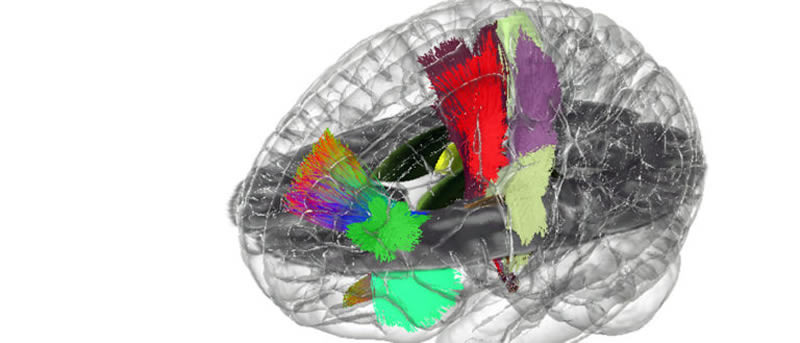
Researchers have used the HoloLense software to create an interactive holographic mapping system for axonal pathways in the human brain.

Does Parkinson’s disease (PD) start in the brain or the gut? In a new contribution published in the Journal of Parkinson’s Disease, scientists hypothesize that PD can be divided into two subtypes: gut-first, originating in the peripheral nervous system (PNS) of the gut and spreading to the brain; and brain-first, originating in the brain, or entering the brain via the olfactory system, and spreading to the brainstem and peripheral nervous system.

In the largest study of its kind, researchers identified similarities in the brain activity of people with major depressive disorder, post-traumatic stress disorder, bipolar disorder, and anxiety disorders.

A new theory, inspired by thermodynamics, takes a high-level perspective of how neural networks in the brain transiently organize to give rise to memories, thought and consciousness.

For the first time, researchers have extracted and isolated amyloid beta (Aβ) fibrils from the brains of three people who had died of Alzheimer’s disease.

A new study has revelled that deep sleep restores the medial prefrontal cortex mechanisms that restore emotion. This lowers emotional and physiological reactivity, preventing the escalation of stress and anxiety.

The largest brain imaging study of its kind may have found the reason why people with anxiety and mood disorders so often feel unable to escape negative thoughts and emotions.

Finally this week, researchers have now developed a novel computational approach to accelerate finding optimal stimuli, by building deep artificial neural networks that can accurately predict the neural responses produced by a biological brain to arbitrary visual stimuli.

Weekly Neuroscience Update

161206110138_1_540x360.jpg

Neuroscientists at the University of Bristol are a step closer to understanding how the connections in our brain which control our episodic memory work in sync to make some memories stronger than others. The findings, published in Nature Neuroscience, reveal a previously unsuspected division of memory function in the pathways between two areas of the brain, and suggest that certain subnetworks within the brain work separately, to enhance the distinctiveness of memories.

A new study pinpoints the brain area responsible for forming direct links between environmental stimuli and enhanced focus.

Every few seconds, our eyelids automatically shutter and our eyeballs roll back in their sockets. So why doesn’t blinking plunge us into intermittent darkness and light? New research led by the University of California, Berkeley, shows that the brain works extra hard to stabilize our vision despite our fluttering eyes.

Our personality traits are linked to differences in the thickness and volume of various parts of our brains, an international study has suggested.

Researchers have found significant differences in the brains of teens with bipolar disorder that attempt to take their lives over those with the disorder who have never attempted suicide.

Women with lower estrogen levels may be more susceptible to developing PTSD according to new research.

A new study raises the question of whether a genetic mutation associated with neurodegeneration in one environment could act in a positive way in a different setting.

Researchers report early indicators of depression and anxiety may be evident in the brain from birth.

A cutting edge, non-invasive brain stimulation technique could improve cognitive control for people with conditions such as schizophrenia and autism.

A new computerized ‘mirror game’ has been shown to give more accurate diagnosis of schizophrenia than clinical interviews.

A new study reports on how a single instance of extreme stress can lead to long term neurological changes and trauma.

Social difficulties in people with autism are exacerbated by how other people perceive them at first meeting, researchers say.

Finally this week, researchers have revealed regions of the brain implicated in delusional misidentification syndromes.

Weekly Neuroscience Update

This image from the study shows changes in degree of connectivity in the feedback group. Increases are shown in red/yellow and decreases in blue/purple. Decreases in connectivity are seen in limbic areas, and increases are seen in prefrontal regions. (Credit: D Scheinost et al./Yale University)

People provided with a real-time readout of activity in specific regions of their brains can learn to control that activity and lessen their anxiety, say Yale researchers.

A new study provides neurobiological evidence for dysfunction in the neural circuitry underlying emotion regulation in people with insomnia, which may have implications for the risk relationship between insomnia and depression.

Different brain areas are activated when we choose for ourselves to suppress an emotion, compared to situations where we are instructed to inhibit an emotion, according to a new study from the UCL Institute of Cognitive Neuroscience and Ghent University.

Migraines and depression can each cause a great deal of suffering, but new research indicates the combination of the two may be linked to something else entirely—a smaller brain.

The epigenetic modifications, which alter the way genes function without changing the underlying DNA sequence, can apparently be detected in the blood of pregnant women during any trimester, potentially providing a simple way to foretell depression in the weeks after giving birth, and an opportunity to intervene before symptoms become debilitating.

A three-year multinational study has tracked and detailed the progression of Huntington’s disease (HD), predicting clinical decline in people carrying the HD gene more than 10 years before the expected onset of symptoms.

Researchers have pinpointed a catalytic trigger for the onset of Alzheimer’s disease – when the fundamental structure of a protein molecule changes to cause a chain reaction that leads to the death of neurons in the brain.

Individuals who learn two languages at an early age seem to switch back and forth between separate “sound systems” for each language, according to new research conducted at the University of Arizona.

Chronic trauma can inflict lasting damage to brain regions associated with fear and anxiety. Previous imaging studies of people with post-traumatic stress disorder, or PTSD, have shown that these brain regions can over-or under-react in response to stressful tasks, such as recalling a traumatic event or reacting to a photo of a threatening face. Now, researchers at NYU School of Medicine have explored for the first time what happens in the brains of combat veterans with PTSD in the absence of external triggers.

And finally this week…

Listening to new music is rewarding for the brain, a study suggests. Using MRI scans, a Canadian team of scientists found that areas in the reward centre of the brain became active when people heard a song for the first time. The more the listener enjoyed what they were hearing, the stronger the connections were in the region of the brain called the nucleus accumbens. The study is published in the journal Science

Weekly Neuroscience Update

Conceptual scheme of controlled release of ODN from a hydrogel composed of a CyD-containing molecular network by mechanical compression. (Credit: Image courtesy of National Institute for Materials Science)

A research group has succeeded in developing a gel material which is capable of releasing drugs in response to pressure applied by the patient.

New findings about how the brain functions to suppress pain have been published in the leading journal in the field Pain, by National University of Ireland Galway (NUI Galway) researchers. For the first time, it has been shown that suppression of pain during times of fear involves complex interplay between marijuana-like chemicals and other neurotransmitters in a brain region called the amygdala.

Researchers report that they have found a biological mechanism that appears to play a vital role in learning to read. This finding provides significant clues into the workings behind dyslexia — a collection of impairments unrelated to intelligence, hearing or vision that makes learning to read a struggle.

A new study suggests neural ‘synchrony’ may be key to understanding how the human brain perceives.

Sleep plays an important role in the brain’s ability to consolidate learning when two new potentially competing tasks are learned in the same day, research at the University of Chicago demonstrates.

New research for the first time explains exactly how two brain regions interact to promote emotionally motivated behaviors associated with anxiety and reward. The findings could lead to new mental health therapies for disorders such as addiction, anxiety, and depression.

Researchers have designed a decoded functional MRI neurofeedback method that induces a pre-recorded activation pattern in targeted early visual brain areas that could also produce the pattern through regular learning.

A new study conducted by monitoring the brain waves of sleeping adolescents has found that remarkable changes occur in the brain as it prunes away neuronal connections and makes the major transition from childhood to adulthood.

New research suggests that depression, even in children, can increase the risk of heart problems later in life. Teens who were depressed as children are far more likely than their peers to be obese, smoke cigarettes and lead sedentary lives, even if they no longer suffer from depression.

Alcohol consumption affects the brain in multiple ways, ranging from acute changes in behavior to permanent molecular and functional alterations. The general consensus is that in the brain, alcohol targets mainly neurons. However, recent research suggests that other cells of the brain known as astrocytic glial cells or astrocytes are necessary for the rewarding effects of alcohol and the development of alcohol tolerance.

New research published in The Journal of Neuroscience suggests that modifying signals sent by astrocytes, our star-shaped brain cells, may help to limit the spread of damage after an ischemic brain stroke.

The prefrontal cortex is a region of the brain that acts like a filter, keeping any irrelevant thoughts, memories and perceptions from interfering with the task-at-hand. In a new study, researchers have shown that inhibiting this filter can enhance unfiltered, creative thinking.

A new study suggests that depression results from a disturbance in the ability of brain cells to communicate with each other. The study indicates a major shift in our understanding of how depression is caused and how it should be treated.


Weekly Neuroscience Update

UCL Medical staff discussing an image of a human brain

Researchers at University College London have made a breakthrough in the way that drugs could be delivered to the brain, tackling the difficult problem of constructing drugs which are able to pass through the blood-brain barrier – a mechanism which prevents many chemicals in the bloodstream from passing into the brain, including synthetic compounds administered as medication as well as harmful environmental toxins.

For older adults looking to sharpen their mental abilities, it might be time to log on to Facebook. Preliminary research findings from the University of Arizona suggest that men and women older than 65 who learn to use Facebook could see a boost in cognitive function.

A single concussion may cause lasting structural damage to the brain, according to a new study published online in the journal Radiology.

In an effort to better evaluate and prevent concussions and head traumas, researchers at Johns Hopkins University have developed a computer model to identify what types of jarring movements to the body can cause injury to the brain

A team of sleep researchers has confirmed the mechanism that enables the brain to consolidate memory and found that a commonly prescribed sleep aid enhances the process. Those discoveries could lead to new sleep therapies that will improve memory for aging adults and those with dementia, Alzheimer’s and schizophrenia.

How do neurons store information about past events? In the Nencki Institute of Experimental Biology of the Polish Academy of Sciences in Warsaw, a previously unknown mechanism of memory trace formation has been discovered. It appears that at least some events are remembered thanks to geometry.

It is possible to tell who a person is thinking about by analyzing images of his or her brain. Our mental models of people produce unique patterns of brain activation, which can be detected using advanced imaging techniques according to a study by Cornell University neuroscientist Nathan Spreng and his colleagues.

Columbia University Medical Center (CUMC) researchers have found the first evidence that selective activation of the dentate gyrus, a portion of the hippocampus, can reduce anxiety without affecting learning.