Weekly Neuroscience Update

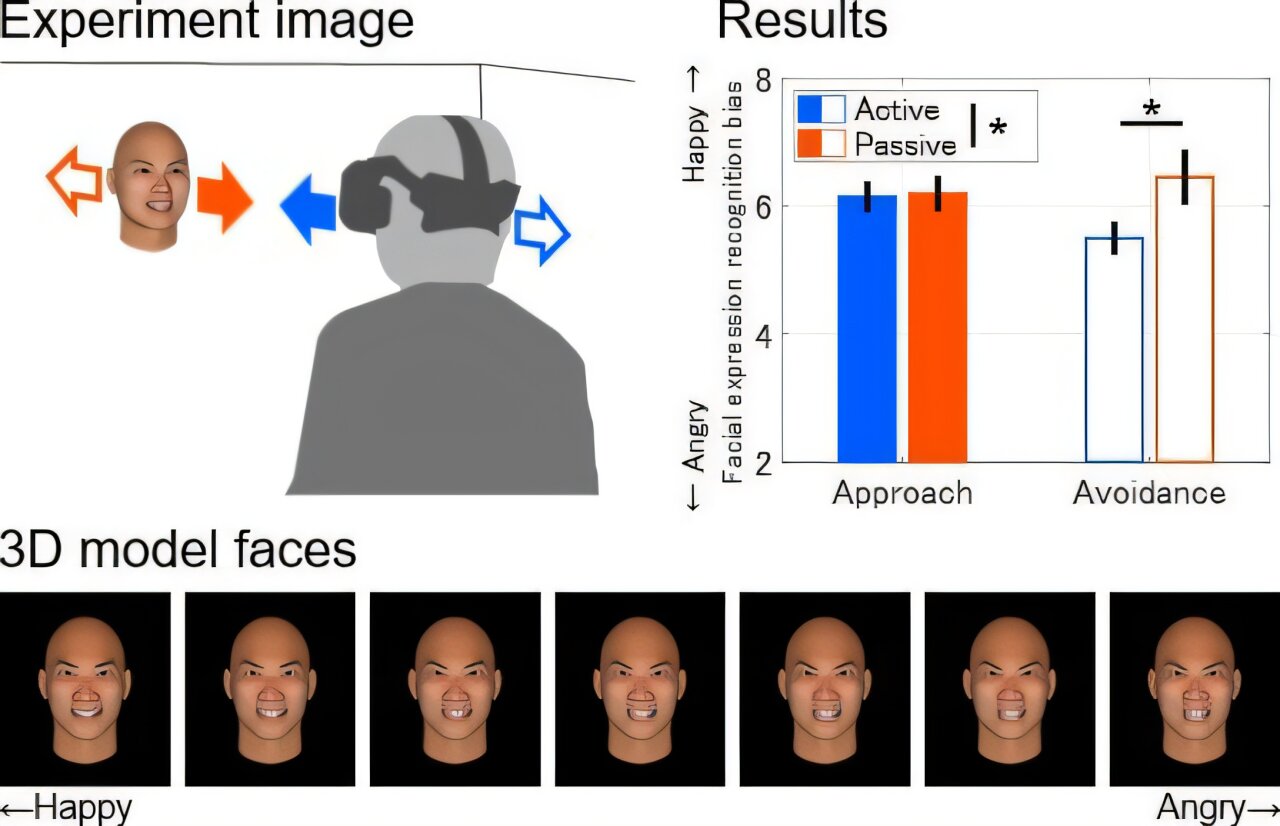
Participants were more likely to perceive the avatar’s expression as angry when they actively avoided the avatar, compared to when the avatar moved away from them. Credit: (C)Toyohashi University Of Technology.

A research team from the Cognitive Neurotechnology Unit and the Visual Perception and Cognition Laboratory at Toyohashi University of Technology has found that approach–avoidance behavior in a virtual reality (VR) environment modulates how individuals recognize facial expressions.

A McGill University-led clinical trial is the first in humans to show online brain training exercises can improve brain networks affecting learning and memory.

A new study reveals that the human brain synchronizes more accurately with rhythm when listening to music than when feeling it through touch. When people tap along to sound, slow rhythmic brain waves align with the perceived beat, helping maintain steady timing.

Psilocybin could be the future of mental health care, with promising findings emerging from Australia’s first research trial using psychedelics to treat depression.

An international research team led by a University of Ottawa Faculty of Medicine investigator has revealed intricate details about how nerve signals activate at the neuromuscular junction. This specialized synapse connects motor neurons to skeletal muscle fibers.

A ‘digital twin’ of your brain could predict mental health issues and slow cognitive decline.

A study published in Environment International concludes that air pollution during pregnancy is associated with slower brain maturation in newborns. It is the first study to analyze brain development within the first month of life.

A new clinical trial is investigating how advanced brain monitoring could improve the diagnosis and management of epilepsy.

University of California San Diego of Medicine researchers, in collaboration with the genetic testing company 23andMe, have identified regions of the human genome associated with cannabis use, uncovering new relationships with psychiatric, cognitive and physical health.

The conditions where you live may influence your brain health and risk for dementia, according to a new study.

Women are affected by severe depression twice as often as men. The reasons for this have not yet been fully clarified. One potential factor is sex-specific differences in the blood-brain barrier. Scientists are conducting research on the project “Leaky blood-brain barrier in major depressive disorder.” A particular focus is on sex-specific differences.

New research reveals how uniquely wired human brains can perceive the world in strikingly similar ways.

A new study published in Scientific Reports indicates that amyotrophic lateral sclerosis (ALS) and multiple sclerosis (MS) have an extremely high geographic association, even after controlling for race, gender, wealth, latitude, and access to neurological health care.

Finally, this week, a ‘ flight simulator‘ for the brain reveals how we learn—and why minds sometimes go off course.
Weekly Neuroscience Update

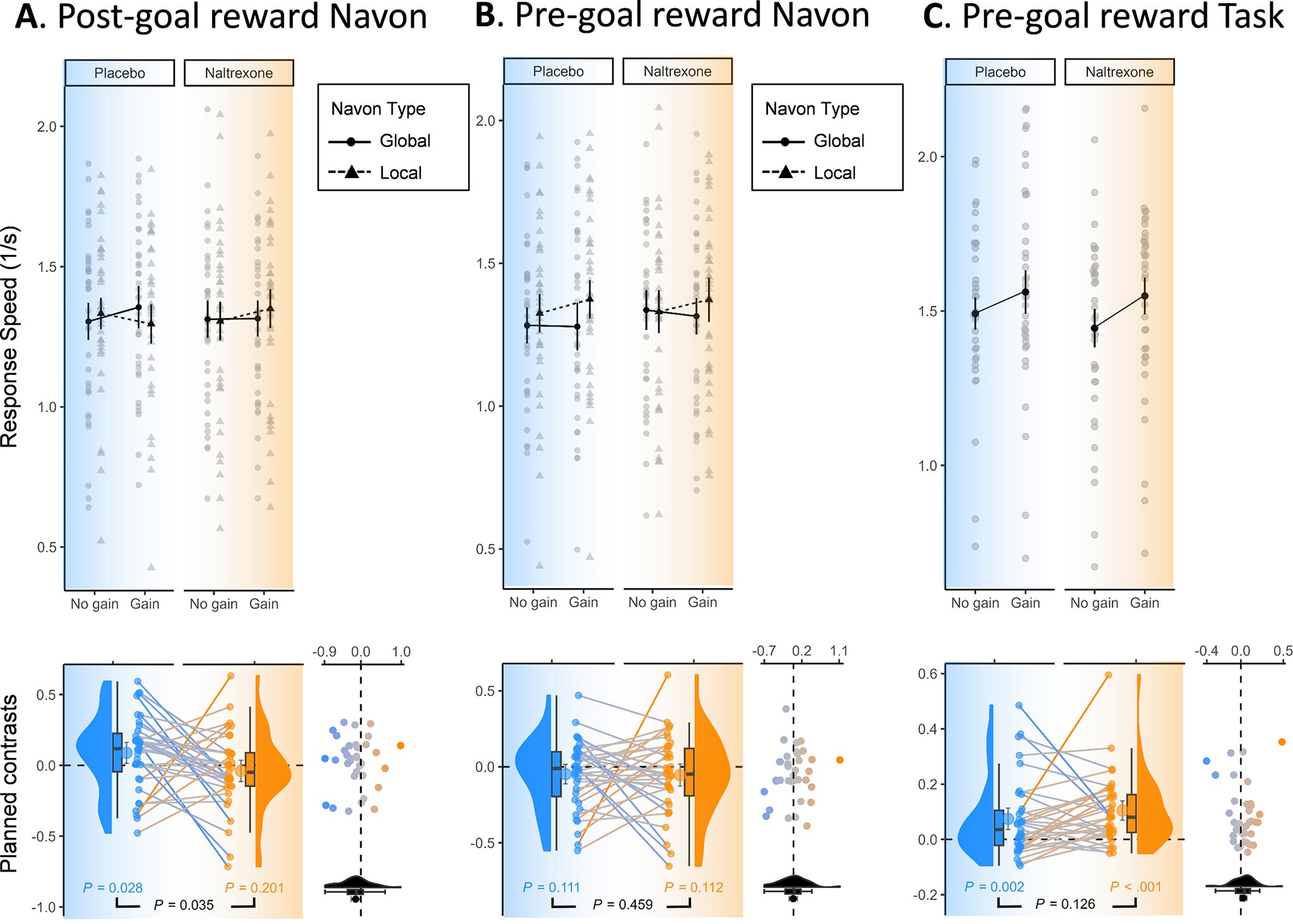
Opioid blockade (Naltrexone condition; right side) relative to placebo (Control condition; left side) selectively eliminated attentional broadening after reward receipt (A), but did not change attentional narrowing after reward anticipation (B) or reward-related performance speed on the lexical decision task (C). Credit: Psychological Medicine (2025). 

Feeling good doesn’t just lift our mood—it also helps us stay flexible and resilient. A study by an international team of neuroscientists shows that natural brain opioids released after rewards play a key role in broadening attention, offering fresh insights into stress, cognition, and well-being.

A ground-breaking study has shown that ALS may actually be an autoimmune disease.

Engaging in creative experiences, such as music, dance, visual arts, and even specific video games, can slow brain aging and promote healthier brain function, according to a new international study by the Global Brain Health Institute (GBHI), published in Nature Communications.

Can your brain attune itself to a foreign language before you’re born? A team of neuropsychology researchers has found that it can.

A new study reveals that the brain’s social perception pathway—a network that processes faces, gaze, and speech—is already active at birth or shortly thereafter. Using advanced imaging data, researchers showed that newborns exhibit robust connectivity in regions responsible for visual and social processing.

Scientists have discovered why mental maps tend to fade with age.

A new study has identified five distinct “sleep-biopsychosocial” profiles that connect how we sleep with our brain networks, mental health, cognition, and lifestyle. Using data from over 700 participants, researchers found that different sleep patterns—ranging from poor quality to resilience and short duration—each showed unique neural connectivity patterns.

A large-scale international study has revealed that autism diagnosed in early childhood is genetically and developmentally distinct from autism diagnosed later in life.

Scientists have developed a new mathematical model of memory that explores how information is encoded and stored. Their analysis suggests that memory works best in a seven-dimensional conceptual space — equivalent to having seven senses. The finding implies that both humans and AI might benefit from broader sensory inputs to optimize learning and recall.

Researchers have identified a rare type of brain cell that may drive the chronic inflammation and neurodegeneration seen in progressive multiple sclerosis (MS). 

A new study shows that bullying activates distress pathways in the brain within seconds. Tweens and adults who viewed first-person bullying videos displayed heightened activity in social and emotional brain networks, alongside strong autonomic threat responses.

New research sheds light on the mechanisms by which humans can isolate and focus on individual sounds in noisy environments.

Scientists have revealed that intentional memory control—deciding what to remember or forget—is more potent than emotional influence when forming long-term memories. Participants were more likely to recall words they were told to remember than those carrying emotional weight, even though emotion sometimes strengthened recall or caused false memories.

Finally, this week, a new study reveals how the brain organizes and directs its slowest activity.

Weekly Neuroscience Update

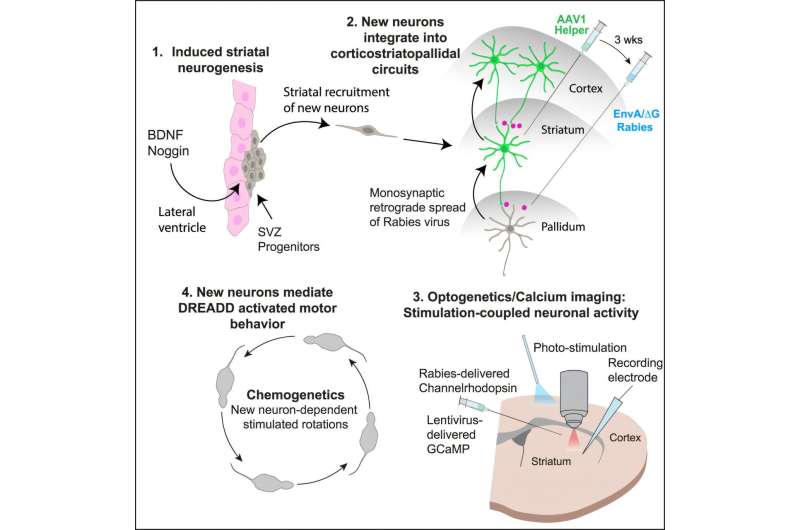
Credit: Cell Reports (2025).

New research shows that the adult brain can generate new neurons that integrate into key motor circuits. The findings demonstrate that stimulating natural brain processes may help repair damaged neural networks in Huntington’s and other diseases.

A study published in Brain Communications highlights a new approach to treating drug-resistant epilepsy.

A novel human study with intracranial recordings demonstrates the thalamus’s pivotal role, especially its higher-order regions, in the onset of conscious perception, with activation preceding that of the prefrontal cortex.

New findings reveal that long-term obesity patterns have distinct impacts on brain structure, function, and cognition. 

Researchers have discovered new potential therapeutic targets for multiple sclerosis (MS). While current treatments prevent further damage, the current findings may form the starting point for the development of new treatments for tissue recovery in MS. The research is published in the journal Brain.

Research published in the Journal of Magnetic Resonance Imaging has uncovered changes in brain connectivity during chemotherapy in patients with breast cancer.

Mass General Brigham investigators have linked difficult early life experiences with reduced quality and quantity of the white matter communication highways throughout the adolescent brain. This reduced connectivity is also associated with lower performance on cognitive tasks.

A team of engineers has developed a microscale brain–computer interface that is small enough to be placed between hair follicles on a user’s head.

Researchers have identified specific high-order thalamic nuclei that drive human conscious perception by activating the prefrontal cortex. Their findings enhance understanding of how the brain forms conscious experience, offering new empirical support for theories that assign a central role to thalamic structures rather than cortical areas alone.

A natural compound found in everyday fruits and vegetables may hold the key to protecting nerve cells—and it’s showing promise as a potential treatment for ALS and dementia.

New research highlights how smartphones are transforming memory science by capturing real-world data on sleep, emotion, and daily experiences. Studies show that replaying memories before sleep, experiencing novel events, and feeling positive emotions can all strengthen autobiographical memory.

An artificial intelligence tool that can help interpret and assess how well treatments are working for patients with multiple sclerosis has been developed by UCL researchers.

A recent study indicates that brain cells possess a higher degree of plasticity than previously understood. This suggests that the brain’s ability to adapt and change throughout life is more extensive than earlier scientific models suggested.

Researchers have discovered that increased blood flow leads to stiffness in the hippocampus, a region of the brain that plays important roles in learning and memory. 

By mapping the presynaptic inputs to single neurons within the primary somatosensory cortex researchers have shown how these neurons integrate brain-wide signals related to behavior, offering a more nuanced understanding of cortical activity.

Seventeen modifiable risk factors are shared by stroke, dementia, and late-life depression, according to a review published in the Journal of Neurology, Neurosurgery & Psychiatry.

A recent study has shown how aspects of brain function change with age, revealing that excitatory processes in the brain decrease, while inhibitory processes increase as children get older. The findings are an important step in understanding disorders like autism.

Finally this week, research shows that a blow to the head can significantly impact a child’s or adolescent’s future education. Even a mild concussion can have far-reaching consequences.

Weekly Neuroscience Update

Credit: Frontiers in Human Neuroscience (2024). 

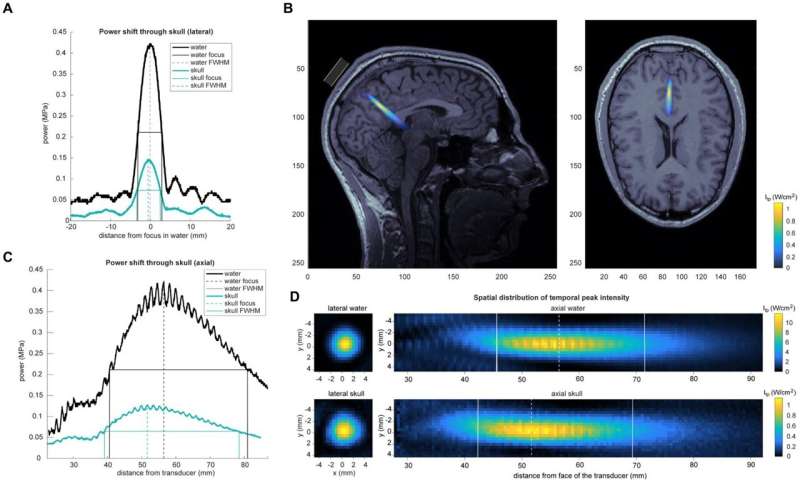
In a new study published in Frontiers in Human Neuroscience, researchers used low-intensity ultrasound technology to noninvasively alter a brain region associated with activities such as daydreaming, recalling memories and envisioning the future. They found that the technique can ultimately enhance mindfulness, marking a major advancement in the field of neuroscience.

New research finds that semaglutide, known as Ozempic/Wegovy, does not negatively impact brain health and may reduce cognitive problems and nicotine dependence.

Exposure to parental smoking (ParS) is associated with an increased risk for multiple sclerosis (MS) in later life in certain populations, according to a study presented at EAN 2024, the 10th Congress of the European Academy of Neurology, held from June 29 to July 2 in Helsinki.

Researchers have identified a new mutation in the ARPP21 gene linked to ALS. This discovery could improve ALS diagnosis and open avenues for personalized therapies. 

A new approach to improving uncertainty estimates in machine-learning models enhances prediction accuracy. The method uses the minimum description length principle to provide more reliable confidence measures for AI decisions, which is crucial in high-stakes settings like healthcare.

A recent study suggests that consciousness evolved not for individual survival, but for social purposes, helping humans communicate ideas and emotions. 

Researchers have discovered a neural activity pattern that can accurately predict and monitor the clinical status of OCD patients undergoing deep brain stimulation (DBS). This study highlights how this biomarker can guide DBS therapy, improving treatment outcomes for those with severe, treatment-resistant OCD.

New research could transform how we understand the way opioids affect the brain. 

A new study has found how the protein CGRP affects the brain’s lymphatic system, contributing to migraine pain. Their study reveals that CGRP prevents cerebrospinal fluid from draining, influencing migraine attacks.

Researchers have developed a neural network that mimics human decision-making by incorporating elements of uncertainty and evidence accumulation. 

Research published in Science Advances shows neurobiological underpinnings of sex and gender in children to better understand how sex (assigned at birth) and gender (identity and expression) influence the brain, and ultimately a person’s health.

A new study shows that by age three, children can understand others’ intentions using active mirror neurons.

For the first time, scientists have found that sleep can be detected by patterns of neuronal activity just milliseconds long, 1,000 times shorter than a second, revealing a new way to study and understand the basic brain wave patterns that govern consciousness. They also show that small regions of the brain can momentarily “flicker” awake while the rest of the brain remains asleep, and vice versa from wake to sleep.

A neuroimaging study of young people who exhibit a persistent pattern of disruptive, aggressive, and antisocial behavior, known as conduct disorder, has revealed extensive changes in brain structure.

Retired rugby players who have suffered multiple concussions have higher levels of certain proteins in their blood, which may make them more prone to developing diseases such as motor neuron disease (MND), according to a new study.

Researchers have used machine learning to define three subtypes of Parkinson’s disease based on the pace at which the disease progresses.

A new study reveals that psilocybin, the active compound in magic mushrooms, temporarily disrupts brain networks involved in introspective thinking, like daydreaming and memory. These changes persist for weeks, potentially making the brain more flexible and improving mental health. The findings could pave the way for psilocybin-based therapies for depression and PTSD. The research underscores the importance of using these drugs under medical supervision.

Scientists have established new criteria for a memory-loss syndrome in older adults that specifically impacts the brain’s limbic system.

A recent study links sleep preferences to brain performance, finding that “night owls” often score higher on cognitive tests than “morning larks.” Researchers analyzed data from over 26,000 people, highlighting that sleeping 7-9 hours a night optimizes brain function.

Finally this week, new research has demonstrated that activation of the brain’s reward system could boost recovery from a heart attack. 

Weekly Neuroscience Update

Temporally removed goals activated the left anterior hippocampus and current goals activated the left posterior hippocampus. a Activation maps for the contrasts comparing the remote (distant future + near future + distant past + near past) > current are overlaid in yellow. b Activation maps for the contrasts comparing the current > remote are overlaid in green. c Activation for the temporally removed goals (yellow) and the current goals (green) shown concurrently on the brain. d The same goal, for instance fixing the space helmet, was anatomically dissociated along the longitudinal axis based on whether it was currently relevant, or relevant at a point removed in time. The left hippocampal region of interest (ROI) is displayed in white. Credit: Nature Communications (2024).

How does our brain distinguish between urgent and less urgent goals? Researchers have explored how our brain remembers and adjusts the goals we set for ourselves on a daily basis.

Ever heard just a snippet of a song and instantly known what comes next? Or picked up the rhythm of a chorus after just a few notes? New research has uncovered what happens in our brain when we recognize and predict musical sequences.

A new study provides the first anatomical, functional representation of the ocular surface in the central nervous system.

In a small study, researchers have discovered how a set of genes could cause neurons to die in sporadic amyotrophic lateral sclerosis (ALS). The results, published in Nature Aging, provide insight into the root causes of ALS and may lead to new ways to halt disease progression.

New research shows that the brains of sighted and blind people adapt in a similar way when they learn to use sound echoes to understand the world without vision.

People with type 2 diabetes who are treated with GLP-1 agonists, like Ozempic have a decreased risk of developing dementia, according to a new study from Karolinska Institutet published in the journal eClinicalMedicine.

A class of drugs already on the market to lower blood pressure appears to reduce adults’ risk of developing epilepsy, a team of researchers has discovered.

In a recent study, a Yale-led research team described for the first time a rare neurodevelopmental syndrome that begins affecting patients during infancy and typically causes developmental delays, severe seizures, cardiac dysrhythmia, and recurring infection.

Using sound to stimulate certain brain waves has the potential to help those with dementia or cognitive decline sleep better, reveals a new study.

Not all patients with depression respond to medication. Two recently published studies provide additional information on how an alternative treatment, transcranial magnetic stimulation (TMS), could be further enhanced. TMS differs from electroconvulsive therapy (ECT), which is also used to treat depression.

New research provides insights into the brain regions involved in paranoia.

A new study reveals variations of the visual saltation illusion, where rapid light flashes in peripheral vision create perceptual errors. The study shows that our brains misplace the second flash near the midpoint, regardless of its actual position. This finding challenges our understanding of visual processing and questions the reliability of eyewitness testimony. The research opens doors for further studies on visual perception and attention.

Researchers worldwide can now create highly realistic brain cortical organoids—essentially miniature artificial brains with functioning neural networks—thanks to a newly released proprietary protocol.

A new study reveals that a balanced ratio of neural excitation (E) and inhibition (I) is crucial for brain development and cognitive performance. Researchers found that lower E/I ratios in children correlate with better memory and intelligence. This balance is vital for preventing brain disorders and was measured using a novel AI and MRI technique. The findings could inform personalized treatments for mental health conditions.

A new ultra-high-performance brain PET system allows for the direct measurement of brain nuclei as never before seen or quantified.

Tau positron emission tomography (PET) has the best performance as a standalone marker for prediction of progression of mild cognitive impairment (MCI) to dementia, according to a study published online in JAMA Neurology.

Murdoch University’s Center for Healthy Aging is identifying new interventions to treat resting tremor in people with Parkinson’s disease.

New research reveals that sildenafil (Viagra) enhances brain blood flow and improves blood vessel function in patients at risk of vascular dementia. This study marks a significant advancement in addressing this condition.

Finally, this week, do our brains process natural voices and deepfake voices differently? Research conducted at the University of Zurich indicates that this is the case.

Weekly Neuroscience Update

Brain scan

The researchers monitored brain activity while playing volunteers new music

Listening to new music is rewarding for the brain, a study suggests. Using MRI scans, a Canadian team of scientists found that areas in the reward centre of the brain became active when people heard a song for the first time. The more the listener enjoyed what they were hearing, the stronger the connections were in the region of the brain called the nucleus accumbens. The study is published in the journal Science.

Meanwhile, an imaging study by Stanford University School of Medicine scientists reveals that the brains of different people listening to the same piece of music actually respond in the same way –  which may in part explain why music plays such a big role in our social existence.

Researchers have identified an important therapeutic target for alleviating the symptoms of Lou Gehrig’s disease, also known as amyotrophic lateral sclerosis (ALS), and other related neurodegenerative disorders such as Alzheimer’s disease, Parkinson’s disease and Huntington’s disease.

In a study published in the online version of Neurobiology of Disease, the team both confirmed the importance of this new target as well as a series of compounds that can be used to attenuate the dysregulation of one of the important cellular processes that lead to and ultimately to .

Neuroscientists have developed a method of analyzing brain activity to detect autism in children. Their findings appear in the online journal PLOS ONE.

Slow oscillations in brain activity, which occur during so-called slow-wave sleep, are critical for retaining memories. Researchers reporting online in the Cell Press journal Neuron have found that playing sounds synchronized to the rhythm of the slow brain oscillations of people who are sleeping enhances these oscillations and boosts their memory. This demonstrates an easy and noninvasive way to influence human brain activity to improve sleep and enhance memory.