An international team ofresearchers has published a digital atlas showing how the normative maturation of the fetal brain occurs between 14 – 31 weeks’ gestation, a critical developmental period.
New findings suggest that measuring changes in how pupils react to light could help predict recovery from depression and personalize transcranial magnetic stimulation (TMS) treatment of major depressive disorder.
A new study has found the influence of language on human thinking could be stronger than previously assumed.
Scientists at Imperial College London are leading the development and testing of a new method of stimulating the brain, which could provide an alternative treatment for brain diseases such as Alzheimer’s, and its associated memory loss.
Two different regions of the brain are critical to integrating semantic information while reading, which could shed more light on why people with aphasia have difficulty with semantics, according to new research.
Finally this week, researchers in Canada have examined what type of music helps to dampen pain perception.
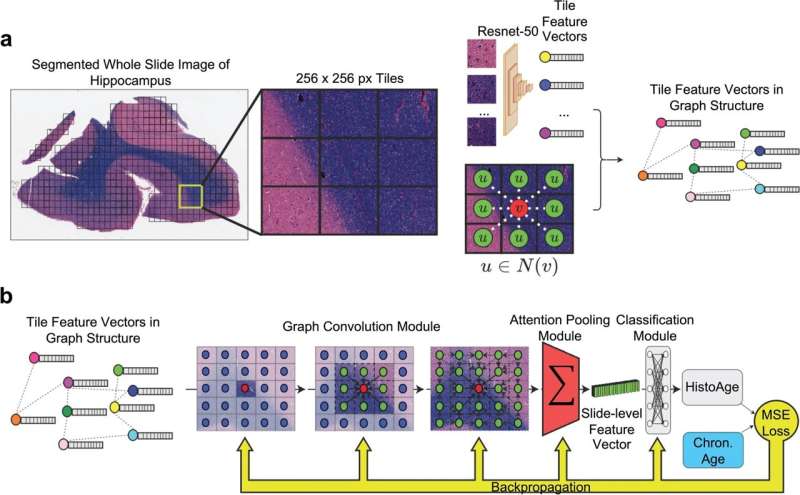
Researchers have, for the first time ever, used AI to develop an algorithm they term “HistoAge” which predicts age at death based on the cellular composition of human brain tissue specimens with an average accuracy of within 5.45 years. This powerful tool can also identify neuroanatomical regions vulnerable to age-related changes, an indicator of potential cognitive diseases.
Scientists have uncovered why night shift work is associated with changes in appetite. The findings could help the millions of people who work through the night and struggle with weight gain.
The brain circuitry disrupted in Alzheimer’s disease appears to influence memory through a type of brain wave known as theta oscillation, a team of researchers report. The findings, published in Nature Communications, could help researchers design and evaluate new treatments for Alzheimer’s, a condition that affects millions of people around the globe and has no cure.
A new study suggests that a healthy heart may help prevent Alzheimer’s—and this gives hope for new treatments.
Researchers have shown the potential of a new gene therapy approach to silence human sensory neurons (nerve cells) as a means of treating persistent pain. Many current drugs for chronic pain are highly addictive, which makes it important to discover new alternatives.
Scientists have developed new tools, based on AI language models, that can characterize subtle signatures in the speech of patients diagnosed with schizophrenia.
Can plant-derived nutrients alter gut bacteria to affect brain function? A team of scientists investigated this question in a study of overweight adults. Their findings, published in the journal Gut, suggest that dietary fiber can exert influence on both the composition of gut bacteria and the reward signals in the brain and associated food decision-making.
New guidance has been issued for clinicians on the determination of brain death, also known as death by neurologic criteria
Researchers have shown it is possible to detect tell-tale signs of Parkinson’s disease 20–30 years before symptoms appear. Their work opens the door to screening programs and preventative treatments long before irreversible damage is done.
Finally this week, there is evidence that some form of conscious experience is present by birth, and perhaps even in late pregnancy, an international team of researchers has found.
Scientists have made a ‘paradigm shifting’ discovery on the mechanisms required for learning and memory that could lead to new therapies for Alzheimer’s disease and potentially Down syndrome.
Researchers have analyzed which physiological indicators recorded when watching a movie can predict the audience’s assessment. It turned out that the activity of zygomaticus major (the “smiling muscle”), heart rate variability and EEG indicators can tell us most about the viewer’s impression of the movie.
The largest genetic study of its kind has discovered specific changes in our DNA that increase the risk of developing epilepsy.
Researchers found that the skin, not pre-existing genetic programming, instructs nerve cells on how to mature for specific sensory tasks. The findings showcase that skin cues determine whether nerve endings develop to detect sensations in hairy or hairless skin. If corroborated by further research, this discovery could pave the way for therapies to mend damaged nerves or better comprehend congenital neuropathies.
A new study has explored the link between infant birthweight, gestational age and future cognitive problems.
Researchers have successfully developed temporary, organic electrodes that can be seamlessly integrated into biological systems. The method opens up a future where bioelectronics can be implanted in and removed from the body without surgery.
A new study has found that, among a sample of 152 young athletes exposed to repetitive head impacts (RHI) who were under age 30 at the time of death, 41.4% (63) had neuropathological evidence of CTE, a degenerative brain disease caused by RHI.
New research supports the idea that the brains of older adults who maintain physical fitness by engaging in regular strenuous exercise more closely resemble those of younger adults.
Researchers have succeeded in transforming brain signals into audible speech. By decoding signals from the brain through a combination of implants and AI, they were able to predict the words people wanted to say with an accuracy of 92 to 100%. Their findings are published in the Journal of Neural Engineering.
Finally this week, a virtual reality study has revealed a link between a sense of presence and cognitive abilities.
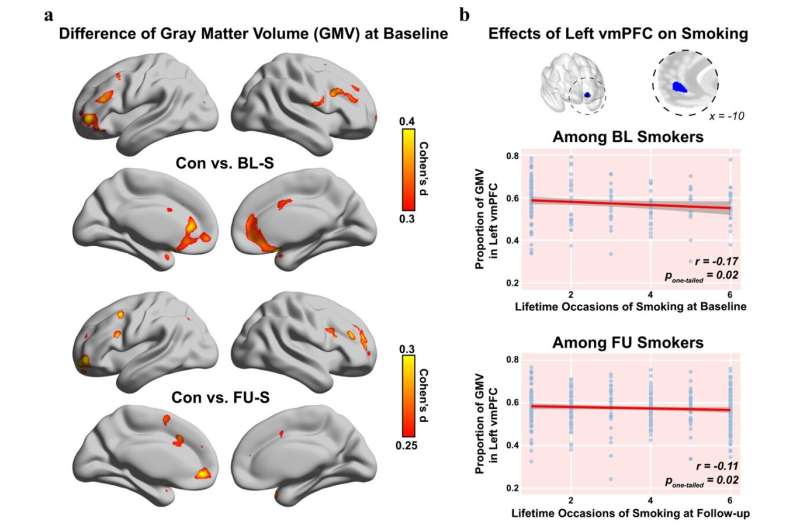
Smaller Left vmPFC was associated with future smoking. Credit: Nature Communications (2023)
Levels of gray matter in two parts of the brain may be linked to a desire to start smoking during adolescence and the strengthening of nicotine addiction, a new study has shown.
Researchers have enabled machine learning to accurately predict Parkinson’s disease subtypes using stem cell images. This breakthrough showcases computer models classifying four Parkinson’s subtypes, with top accuracies reaching 95%. This could revolutionize personalized medicine and aid in more targeted drug research for Parkinson’s.
A large international team of medical researchers has found that the severity of COVID-19 infections in children over the course of the pandemic varied by age and viral variant.
Researchers have illuminated how our brain maintains focus amidst distractions. Their study identifies “visual-movement” neurons in the lateral prefrontal cortex (LPFC) that use coordinated activity called “beta bursts” to suppress distracting stimuli and ensure attention remains on rewarding tasks. This discovery gives a deeper understanding of cognitive focus and offers insights into disorders like ADD and OCD.
More cases of children born with abnormal brain development may have genetic explanations than previously thought, according to a recent study published in JAMA Neurology.
Hearing impairment may cause difficulties in social interactions, but new research indicates that social struggles experienced by deaf individuals are likely not due to brain alterations, but rather due to non-supportive environments.
Scientists have identified a series of processes that help the brain adapt to damage caused by breakdowns in circuits that govern movement, cognition and sensory perception.
For the first time, researchers have discovered that the ventral tegmental area (VTA) of the brain—a key structure involved in motivation and reward appreciation—has altered connectivity patterns with specific brain regions in patients with obesity. Individuals with obesity have hyper-connectivity of the VTA with part of the ventral occipitotemporal cortex (visual processing for food images) and hypo-connectivity with the left inferior frontal gyrus (associated with cognitive control), according to a new study in Obesity.
Researchers have identified a key pathway, involved in inflammation, which appears to be activated in people with long COVID who have symptoms of “brain fog.”
Using a novel approach of precision neuroimaging and high-resolution functional magnetic resonance imaging (fMRI), a team of neuroscientists and physicists have discovered previously unknown cortical networks and shed light on the anatomical organization of the human memory system.
A pioneering scientific study has shown that the effects of multiple concussions in rugby players continue to have an impact on their brain even in retirement.
Researchers have coupled the measurements of brain waves associated with disorders of consciousness (DoC) with glucose usage in specific brain areas, identifying where in the brain the waves might be generated.
A breakthrough project mapping brain changes in nearly 1,300 people diagnosed with six different types of mental illness has revealed the extraordinary diversity of brain changes found in people with conditions like major depression and schizophrenia.
Neuroscientists have shown that adversities permanently change the functioning of the brain. Furthermore, an aberrant reaction of the brain to adversities is related to anxiety symptoms. This may have predictive value for the development of psychiatric disorders.
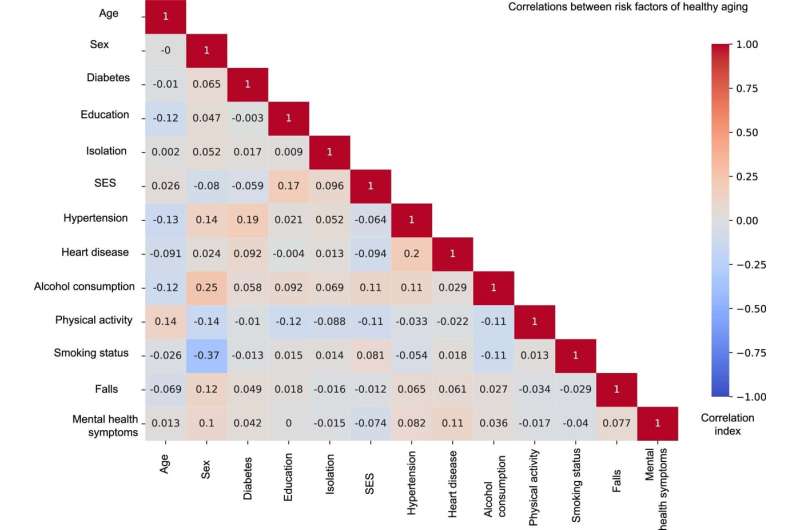
Factors associated with healthy aging in Latin American populations. Credit: Nature Medicine (2023)
Researchers at Trinity College Dublin studying the factors influencing healthy brain aging in Latin American and Caribbean (LAC) countries find the lessons learned there, can also be applied to home.
Immune cells in the brains of people who had Alzheimer’s disease appear to behave differently than those who had healthy brains for their age, according to an analysis of the cells’ gene activity. The finding suggests it might be possible to treat Alzheimer’s disease by altering the behavior of these cells.
The longer a person has type 2 diabetes, the more likely they may be to experience changes in brain structure, a new study finds.
Using human “mini-brain” models known as organoids, scientists have discovered that the roots of autism spectrum disorder may be associated with an imbalance of specific neurons that play a critical role in how the brain communicates and functions. The specific cells are known as excitatory cortical neurons.
Psilocybin, the active ingredient in psychedelic mushrooms, shows promise for the transitional treatment of episodic migraines in early clinical trials, according to a recent review.
Researchers have discovered that a neural marker of error detection in the brain’s visual system previously considered pre-attentive may actually require attention and that subtle visual irregularities may be revealed by other neural markers.
A new study has demonstrated that self-organization of neurons as they learn follows a mathematical theory called the free energy principle.
The neural network related to speech is mostly located in the left cerebral hemisphere, while singing has been primarily associated with the structures of both hemispheres. However, anew study indicates that the left hemisphere has a greater significance, including in terms of singing, than previously thought.
A new digital headset designed to measure alterations in brain function could change decisions about how quickly an athlete is ready to return to play after a concussion.
A new study suggests stimulating the sense of smell can boost memory. Older adults exposed to odors while they slept performed better on verbal memory tests and showed improved function in a brain pathway that supports memory formation, according to thestudy, published in the journal Frontiers in Neuroscience.
Credit: Biological Psychiatry: Cognitive Neuroscience and Neuroimaging (2023). DOI: 10.1016/j.bpsc.2023.07.003
Researchers have recently been exploring the potential of psychedelic drugs, such as psilocybin and lysergic acid diethylamide (LSD) for treating depression and other mental disorders. Recent research compared the brains of those who had taken psychedelics to those who meditated or were hypnotized. The researchers found that while some may report similar experiences or feelings under these different states of consciousness, what is happening in their brains is very different. Despite the similarities in brain activity between psilocybin and LSD, the changes they induced were markedly different. It suggests that psychedelics, meditation, and hypnosis operate differently and possess distinct underlying mechanisms.
A new study has used multi-omics profiling to track the markers of aging in women.
In a recent review published in the journal Trends in Cognitive Science on August 3rd, a group of social scientists describe how the functions of social media algorithms are misaligned with human social instincts meant to foster cooperation, which can lead to large-scale polarization and misinformation.
Researchers have proposed a strategy to stratify risk of progression from mild cognitive impairment to Alzheimer’s disease.
Research from the Max Planck Florida Institute for Neuroscience has identified a mechanism through which insulin-like growth factors facilitate brain plasticity. The insulin superfamily of hormones, including insulin, insulin-like growth factor 1 (IGF1), and insulin-like growth factor 2 (IGF2), play a crucial role not only in regulating blood sugar, metabolism, and growth, but also in healthy brain development and function, including learning and memory.
Finally this week, how people feel about their sleep has a greater impact on their well-being than what sleep-tracking technology says about their sleep quality, new research has found.
A new study shows that walking can enhance connections within and between three critical brain networks, one of which is linked to Alzheimer’s disease. The research, involving older adults with normal cognitive function and those with mild cognitive impairment, showcased an improvement in memory recollection abilities after a 12-week walking exercise regimen. The brain activity observed was stronger and more synchronized post-exercise, providing hope for combating cognitive impairment and potentially delaying the onset of Alzheimer’s dementia.
Researchers have found a correlation between patients with rheumatoid arthritis and Parkinson’s disease. In their paper published in JAMA Neurology, researchers found a significantly higher risk of Parkinson’s disease (PD) in patients with rheumatoid arthritis (RA).
Researchers have delved into the brain’s grey and white matter, investigating the impacts of fibromyalgia. Using MRI, the team detected reduced grey matter volume in the pain-processing areas of fibromyalgia patients.
Neuroscientists have discovered how vitamin D deficiency impacts the development of neurons, contributing to disorders such as schizophrenia. These findings underscore the importance of vitamin D in the structural differentiation of dopaminergic neurons and suggest that maternal vitamin D deficiency might alter how early dopaminergic circuits form.
Finally this week, researchers have cracked the mystery behind how the Botulinum neurotoxin type-A, also known as Botox, infiltrates neurons.
Deep sleep, also known as non-REM slow-wave sleep, may help reduce memory loss in older adults facing a heightened burden of Alzheimer’s disease. The research indicates that superior amounts of deep sleep can act as a protective factor against memory decline in those with existing high amounts of Alzheimer’s disease pathology, potentially helping to alleviate some of dementia’s most devastating outcomes.
Researchers have discovered new genetic risk factors for non-Alzheimer’s dementia, specifically Lewy body dementia (LBD) and frontotemporal dementia (FTD).
Scientists have made strides in uncovering the mechanisms underlying memory formation and consolidation in the brain during rest or sleep. A new study focuses on the role of the hippocampus, a brain region important for memory, and its place cells which “replay” neuronal sequences. The researchers built an artificial intelligence model to better understand these processes, discovering that sequences of experiences are prioritized during replay based on familiarity and rewards. The AI agent was found to learn spatial information more effectively when replaying these prioritized sequences, offering valuable insight into the way our brains learn and process information.
New research finds that the brains of otherwise healthy military personnel who are exposed to explosions show an abnormal brain accumulation of amyloid-beta protein—a protein that plays a role in the development of Alzheimer’s disease.
A new study has found that people with a genetic risk for psychosis have an imbalance of glutamate and GABA neurotransmitters in their brains, specifically in the hippocampus. This imbalance is associated with hippocampal atrophy, which may lead to the development of psychotic symptoms.
Researchers have developed human brain organoids that contain microglia, the immune cells of the brain. These organoids allow researchers to study how microglia develop and function in a more realistic setting than previous models.
Researchers used artificial intelligence to analyze speech in Parkinson’s disease patients, revealing distinct patterns. The AI found Parkinson’s patients used more verbs but fewer nouns and fillers in their speech, even before cognitive decline typically associated with PD was evident.
A research team has found that the risk of long COVID and its symptoms present very differently across diverse populations.
A new study sheds light on the potential role of diet in preventing dementia. The analysis explored the relationship between gut health and Alzheimer’s disease, uncovering a strong link between specific types of gut bacteria and the likelihood of developing dementia. The findings highlight the significance of gut microbiota in brain health and provide insights into the underlying mechanisms of Alzheimer’s disease.
Finally this week, researchers have created a revolutionary device that emulates the human eye’s ability to see colour.
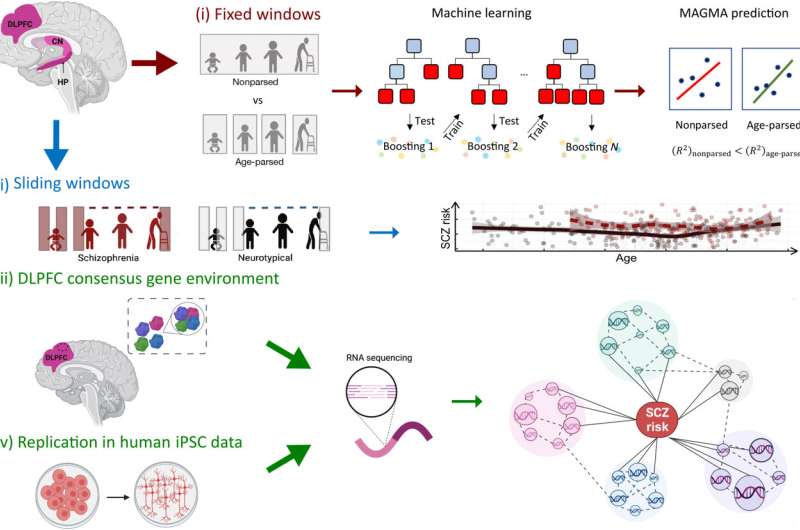
Researchers have published a study in Science Advances that looks into the genetic mechanisms behind the development of schizophrenia.
Students whose brainwaves are more in sync with their classmates and teacher are likely to learn better than those lacking this “brain-to-brain synchrony,” shows a new study by a team of psychology and education researchers. The findings, which appear in the journal Psychological Science, offer new insights into the learning process.
Scientists are testing a new personalized immunotherapy approach that is designed to work similarly to a vaccine by training the immune system to fight glioblastoma brain cancer.
People experiencing hearing loss who are not using a hearing aid may have a higher risk of dementia than people without hearing loss, suggests a new study published in The Lancet Public Health journal. However, using a hearing aid may reduce this risk to the same level as that of people without hearing loss.
Researchers have shown for the first time that in middle-aged men, Obstructive Sleep Apnea may cause early cognitive decline, even in patients who are otherwise healthy and not obese.
In a new study, teens who added walnuts to their diet for 100 days showed improvements in attention function, and for those with ADHD, frequent walnut consumption was associated with improvements in behavior. Researchers also noted an increase in fluid intelligence in those who frequently consumed walnuts as part of their daily diet.
Listening to or practicing music had positive implications on cognitive decline in older adults by stimulating the production of gray matter in key brain areas, a new study reveals.
Researchers have used machine learning to investigate the molecular and neural mechanisms that could underlie differences among individuals diagnosed with autism spectrum disorder (ASD). Their paper, published in Nature Neuroscience, identifies different subgroups of ASD associated with distinct functional connections in the brain and symptomatology, which could be related to the expression of different ASD-related genes.
A novel imaging technique is capable of showing reactive astrocyte-neuron interactions. The technique sheds new light on Alzheimer’s pathologies and offers a potential breakthrough for the diagnosis and treatment of dementia.
An international team of 79 researchers has collaborated on a study published in Nature Medicine to delve into perivascular spaces (PVS), a poorly understood artifact seen in magnetic resonance imaging of cerebral small vessel disease, a leading cause of stroke and dementia.
Finally this week, new research findings show that probiotic supplementation could be a positive strategy to counteract oxidative stress and inflammation promoted by sleep loss.
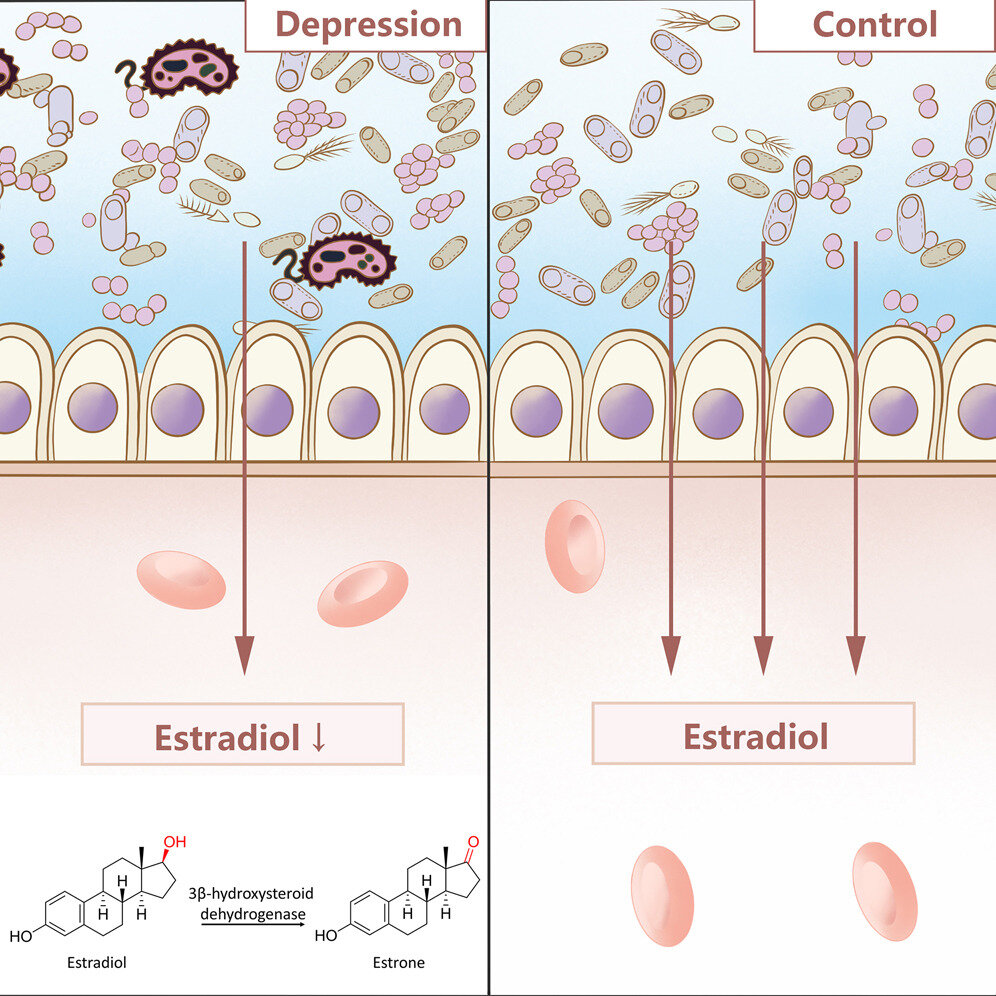
Researchers have found a previously unknown mechanism linking gut bacteria, estradiol, and depression in women. The study, “Gut-microbiome-expressed 3b-hydroxysteroid dehydrogenase degrades estradiol and is linked to depression in premenopausal females,” is published in the journal Cell Metabolism.
Researchers at the Max Planck Institute for Metabolism Research in Cologne, in collaboration with Yale University, have shown that foods with high fat and sugar content change our brain.
Children with autism spectrum disorder (ASD) may benefit from early screening and intervention for cardiometabolic conditions according to a meta-analysis of the association between ASD and cardiometabolic conditions in children. Researchers analyzed data from 10 studies and found that children with ASD have a higher risk of developing cardiometabolic conditions such as obesity, hypertension, and dyslipidemia.
Researchers have developed a new wearable technology that records the activity of neurons in the brain as a human walks or moves.
New research published in Human Brain Mappingreveals sex differences and developmental changes in the brain’s white matter in healthy developing infants and 5-year-olds.These findings could help improve our understanding of brain development and potentially inform interventions to support healthy development in children and young adults.
Criteria used by neurologists to assess for multiple sclerosis in adults may fail to identify the illness in children with imaging suspicious for the disease, an oversight that could delay treatment of the disease at its earliest stages.
Elite male soccer players were 1.5 times more likely to develop neurodegenerative disease than population controls, according to an observational study published inThe Lancet Public Health journal. The researchers believe that the repeated heading of the ball during practice and games may be a contributing factor to the increased risk of dementia. The findings raise concerns about the long-term health consequences of playing soccer and highlight the need for further research into ways to reduce the risk of dementia in professional athletes.
A common genetic signature has been linked to an increased risk of substance use disorders from smoking addiction to addiction to narcotics. The findings could pave the way to the development of new therapies for substance use disorder and may help diagnose those at risk of multiple substance use disorders.
Finally this week, listening to music may help boost the beneficial effects of medicine while helping to reduce some of the side effects.





 inside-the-brain.com