Weekly Neuroscience Update

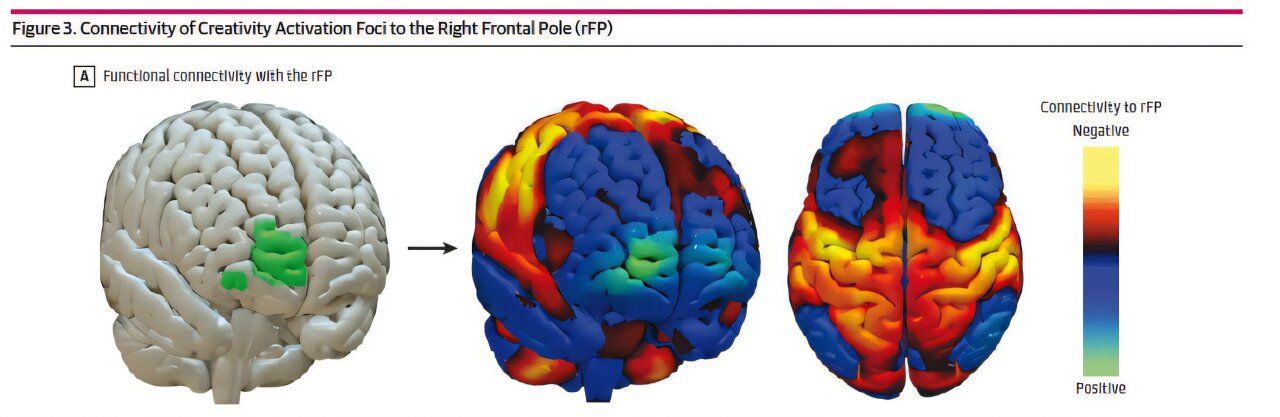
Functional connectivity with the rFP (green, left) defines a distributed brain circuit (right) that will encompass coordinates activated by creativity tasks. Credit: Brigham and Women’s Hospital

A new study suggests that different brain regions activated by creative tasks are part of one common brain circuit. By evaluating data from 857 participants across 36 fMRI studies, researchers identified a brain circuit for creativity and found people with brain injuries or neurodegenerative diseases that affect this circuit may have increased creativity.

New research has uncovered why males and females may experience stress differently, providing insights into how the brain’s molecular mechanisms adapt to acute challenges.

How can nerve pathways in the brain be visualized to improve the planning of complex surgeries? A research team has investigated an AI-powered method that makes these reconstructions more precise. The study, recently published in NeuroImage: Clinical, could ultimately help make neurosurgical procedures safer.

Three studies at the University of Zurich demonstrate that hypnosis alters activity in the large-scale functional networks of the brain. It also affects the neurochemical milieu of specific brain areas.

New research reveals that brain cells use a muscle-like signaling mechanism to relay information over long distances. Scientists discovered that dendrites, the branch-like extensions of neurons, contain a structured network of contact sites that amplify calcium signals—similar to how muscles contract. These contact sites regulate calcium release, activating key proteins involved in learning and memory.

Researchers have made a major breakthrough in understanding the link between genetics and cognition.

A recent large-scale study published in Science Advances has revealed a connection between genetic variations associated with dyslexia and structural differences in the brain. These differences were found in areas involved in motor coordination, vision, and language. This provides new insights into the neurological underpinnings of this common learning difficulty.

According to a recent study, a diet low in vegetables and fruits and high in red meat, fast food, and sugar-sweetened soft drinks was associated with accelerated biological aging.

A new mathematical model sheds light on how the brain processes different cues, such as sights and sounds, during decision making. The findings may one day improve how brain circuits go awry in neurological disorders, such as Alzheimer’s, and could help artificial brains, like Alexa or self-driving car technology, more helpful.

New research has shown just one 20-minute session of moderate intensity aerobic exercise can improve an athlete’s executive function and concussion symptoms in the early stages of recovery.

A recent study using brain imaging technology discovered that experiencing beauty in music involves increased communication between brain areas associated with reward and visual processing, while listening to music considered less beautiful is linked to more activity in brain regions responsible for basic sensory processing. 

Finally this week, women with epilepsy may have offspring with decreased bone metabolism and lower birth weight, according to a study published in the Annals of Clinical and Translational Neurology.

Weekly Neuroscience Update

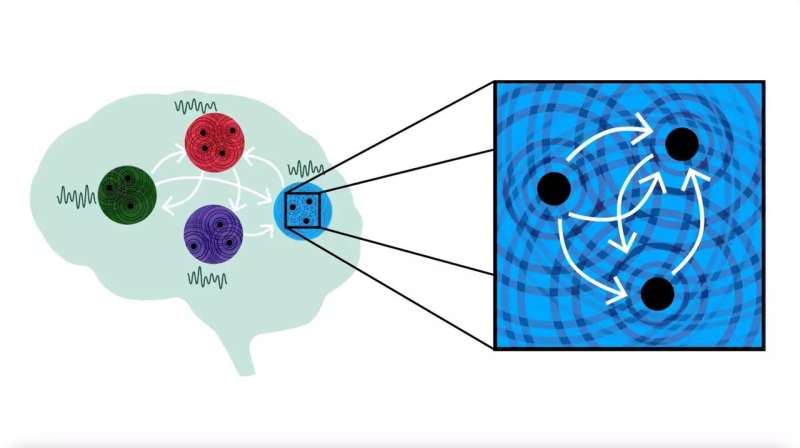
Schematic representation of the “Harmonic Oscillator Recurrent Network Model” (HORN). Credit: ESI

Researchers have made a new discovery in understanding fundamental brain processes. For the first time, the team has provided compelling evidence that the brain’s characteristic rhythmic patterns play a crucial role in information processing. While these oscillatory dynamics have long been observed in the brain, their purpose has remained mostly elusive until now.

Music has the best chance of providing pain relief when it is played at our natural rhythm, a McGill University research team has discovered.

Tiny plastic particles may accumulate at higher levels in the human brain than in the kidney and liver, with greater concentrations detected in postmortem samples from 2024 than in those from 2016, suggests a paper published in Nature Medicine. Although the potential implications for human health remain unclear, these findings may highlight a consequence of rising global concentrations of environmental plastics.

The first-ever ethics checklist developed for portable MRI brain researchers.

A team of scientists from the Center for Neuroscience Imaging Research (CNIR) at the Institute for Basic Science (IBS) has unveiled how the hippocampus orchestrates multiple memory processes, including encoding new information, forming memories, and retrieving them. The study is published in Nature Communications.

A recent study suggests that frequent treatment with intranasal oxytocin a hormone linked to empathy, may help address a key symptom in patients with frontotemporal dementia.

Researchers using intracranial electroencephalogram (EEG) recordings from deep within the brain found that meditation led to changes in activity in the amygdala and hippocampus, key brain regions involved in emotional regulation and memory.

Could the key to easing anxiety be hidden in our gut? Scientists have discovered a crucial connection between gut microbes and anxiety-related behaviour.

People’s ability to interpret emotions or focus on performing a task is reduced by short-term exposure to particulate matter air pollution, potentially making everyday activities more challenging, according to a new study.

New research has revealed clear evidence that changes in the orchestration of brain oxygenation dynamics and neuronal function in Alzheimer’s disease contribute to the neurodegeneration.

Researchers are paving the way for the design of bionic limbs that feel natural to users. They demonstrate the connection between hand movement patterns and motoneuron control patterns. The study, published in Science Robotics, also reports the application of these findings to a soft prosthetic hand, which was successfully tested by individuals with physical impairments.

Occupational exposure to noise and/or vibrations is associated with the presence of vertigo, according to a study recently published in the Journal of Clinical Medicine.

A team of researchers recently carried out a study aimed at exploring the differences among patients with OCD. Their findings, published in Translational Psychiatry, allowed them to identify two broad OCD subtypes, which are associated with different patterns in gray matter volumes and disease epicenters.

A Canadian research team has revealed important new insights into the activation dynamics of neural stem cells (NSCs). These are the stem cells that build our central nervous systems and self-renew.

New research reveals that brain cells use a muscle-like signaling mechanism to relay information over long distances. Scientists discovered that dendrites, the branch-like extensions of neurons, contain a structured network of contact sites that amplify calcium signals—similar to how muscles contract. These contact sites regulate calcium release, activating key proteins involved in learning and memory.

Finally this week, a large study has found that heavy cannabis use, both recent and lifetime, is linked to reduced brain activity during working memory tasks in over 1,000 young adults.

Weekly Neuroscience Update

Scientists have highlighted the most effective treatments for neurological diseases by overcoming one of medicine’s most difficult challenges: the blood–brain barrier. The findings offer new hope for patients with conditions including Alzheimer’s, and Parkinson’s disease, brain tumors, and epilepsy.

A study conducted in Finland showed that changes in the functioning of opioid neurotransmitters in the brain may underlie anorexia.

Poorer cardiovascular health in childhood and adolescence may be linked to early differences in brain structure, particularly in areas of the brain known to be affected in dementia in later life, according to a new scientific study.

Researchers have uncovered how specific patterns in brain activity can predict an individual’s sensitivity to pain, expanding opportunities for improved pain management strategies.

Delayed rapid eye movement (REM) sleep may be an early indicator of Alzheimer’s disease. Researchers found that participants with delayed REM sleep had higher levels of toxic proteins associated with Alzheimer’s and reduced levels of brain-derived neurotrophic factor (BDNF), which supports memory.

The microbial ecosystems in our mouths may impact cognitive function as we age, with pathogenic bacteria linked to cognitive decline.

New research suggests that mood swings in bipolar disorder are regulated by two clocks: the body’s 24-hour circadian rhythm and a dopamine-based clock that influences alertness. When these clocks align at specific intervals, they may trigger shifts between mania and depression.

A study in the Journal of Neuroscience reveals a new mechanism for how brain cells transmit signals from their tips to their nucleus, triggering gene activation crucial for learning and memory.

Investigators have discovered that activity in two widely distributed brain networks previously considered separate are actually correlated with each other and together play a key role in recognition memory, according to a study published in Cell Reports.

Cannabinoids offer new hope for safe and effective pain relief.

Researchers analyzed the genetic connection of retinal cells and several neuropsychiatric disorders. By combining different datasets, they found that schizophrenia risk genes were associated with specific neurons in the retina. The involved risk genes suggest an impairment of synapse biology, so the ability of neurons to communicate with each other. This impairment might also be present in the brains of schizophrenia patients.

Researchers at the University of Barcelona have identified a deficit in contrast perception in people with schizophrenia.

A study of nearly 1,000 people with post-COVID-19 syndrome (PCS) revealed that two-thirds still experienced significant symptoms, including reduced exercise capacity and cognitive performance, two years after infection. Persistent symptom clusters included fatigue, neurocognitive disturbances, and post-exertional malaise, with worse outcomes in individuals with obesity, lower education, or severe initial infections.

Finally this week, new research shows diets high in processed meat, fast food, and sugary drinks accelerate biological aging, even in young adults.

Weekly Neuroscience Update

Regional Cortical Volume and Thickness Associations With Early Substance Use Initiation in the Adolescent Brain Cognitive Development (ABCD) Study. Credit: JAMA Network Open (2024). 

A new study has identified neuroanatomical differences in children associated with early substance use initiation.

Vagus nerve stimulation (VNS) shows a positive treatment effect and improved quality of life (QoL) among patients with treatment-resistant depression according to two studies published in Brain Stimulation.

A new analysis of U.S. mortality data reveals the disproportionate impact of traumatic brain injuries on older adults, males and certain racial and ethnic groups.

Gender differences define how the human brain ages and telltale biomarkers in the blood may be strongly suggestive of cognitive impairment and dementia, according to a comprehensive new study involving more than 500 people.

Researchers have identified genetic variations in brain cells, particularly microglia and oligodendrocytes, that influence both aging and Alzheimer’s risk.

New research shows that not all brain cells age equally, with certain cells, such as those in the hypothalamus, experiencing more age-related genetic changes. These changes include reduced activity in neuronal circuitry genes and increased activity in immunity-related genes.

A recent study has found that menopause revs up the progression of multiple sclerosis (MS).

Researchers have discovered that pupil size during non-REM sleep correlates with memory consolidation. When pupils contract, the brain focuses on consolidating new memories; when dilated, it processes older ones. This separation prevents “catastrophic forgetting,” allowing the brain to efficiently manage both new and existing knowledge. These findings could lead to better memory enhancement techniques for humans and inspire more efficient artificial neural networks.

A new study shows head trauma may activate latent viruses, leading to neurodegeneration.

A collaborative effort between Mount Sinai and Memorial Sloan Kettering Cancer Center has shed valuable light on how monoamine neurotransmitters such as serotonin, dopamine, and now histamine help regulate brain physiology and behavior through chemical bonding of these monoamines to histone proteins, the core DNA-packaging proteins of our cells.

Finally this week, sex differences in brain structure are present from birth, new research shows.

Weekly Neuroscience Update

Brain structural (MRI) scans from a selection of individuals from the Lothian Birth Cohort 1936 taken during Wave 2 (when all participants were about 73 years old). Credit: Ian J. Deary

A 25-year research program has unveiled key insights into how our brains age and what factors influence cognitive performance throughout life. The findings, published on 7 November 2024 in Genomic Psychiatry, draw from the Lothian Birth Cohorts (LBC) studies, which uniquely tracked participants’ cognitive abilities from childhood through their eighth decade of life.

A team of researchers has uncovered a mechanism in the formation of harmful protein aggregates that lead to neurodegenerative diseases such as Parkinson’s disease.

People with stronger autistic traits exhibit distinct and highly effective exploration patterns, according to a new study. These individuals tend to persist longer in curiosity-driven tasks, leading to better overall performance. In the study, participants with higher autistic traits explored consistently, even when faced with challenging learning environments, while those with lower traits engaged more briefly.

A new study shows how gut bacteria play a key role in regulating stress by interacting with circadian rhythms, opening possibilities for microbiome-based therapies for mental health.

Research led by the University of Michigan has provided compelling evidence that could solve a fundamental mystery in the makeup of fibrils that play a role in Alzheimer’s, Parkinson’s and other neurodegenerative diseases.

Researchers have developed tiny, wireless devices capable of wrapping around individual neurons, potentially aiding in the treatment of neurological disorders like multiple sclerosis.

A new international study has brought to light how blood sugar control can significantly impact brain health. The study suggests that improved blood sugar control could be one of the most important factors in slowing down age-related brain changes.

People with schizophrenia show distinct brain activity when faced with conflicting information, new research finds.

Finally this week, poor sleep quality may be associated with incidental, but not prevalent, motoric cognitive risk syndrome (MCR), a predementia syndrome characterized by slow gait speed and cognitive complaints, according to a study published in Neurology.

Weekly Neuroscience Update

Credit: The Journal of Physiology (2024). 

The team that first recorded vagus nerve signals in humans has now isolated the electrical activity of individual neurons responsible for cardiovascular regulation. Published in the Journal of Physiology, the Monash University-led discovery paves the way for more research into how and why cardiovascular disease develops.

New research reveals that dopamine is not directly responsible for the formation of placebo analgesia, contrary to previous beliefs.

Scientists have developed a new brain-mapping tool called START, which combines transcriptomics and viral tracing to map the connections between specific neuronal subtypes with unprecedented detail. This technology allows researchers to identify distinct patterns of connectivity in inhibitory neurons within the cerebral cortex, providing a blueprint of the brain’s circuits.

A new study has demonstrated that emotion enhances memory for contextual details, challenging the view that emotion impairs the ability to remember such information.

Researchers compared the diagnostic accuracy of GPT-4 based ChatGPT and radiologists using 150 brain tumor MRI reports. ChatGPT achieved 73% accuracy, slightly outperforming neuroradiologists (72%) and general radiologists (68%).

Deep brain stimulation may provide immediate improvement in arm and hand strength and function weakened by traumatic brain injury or stroke.

People with Parkinson’s disease (PD) who experience visual hallucinations have reduced brain responses to unexpected visual changes, a marker known as visual mismatch negativity (vMMN). Using EEG, researchers compared brain activity in PD patients with and without hallucinations and discovered that those with hallucinations showed weaker vMMN signals

Lower attention ability in adolescence can predict cigarette and cannabis use in young adulthood, according to new research from Trinity College Dublin.

New research has found that frequent consumption of fizzy drinks and fruit juice significantly increases the risk of stroke. The study, which analyzed data from nearly 27,000 participants across 27 countries, showed a 22% increased risk of stroke from drinking fizzy drinks, with the risk rising further with multiple servings per day. Additionally, drinking more than four cups of coffee daily raised stroke risk by 37%, while tea consumption was associated with a reduced stroke risk. 

New research shows that even pollution levels that are below government air-quality standards are associated with differences in children’s brains.

University of Queensland researchers have made a significant step towards enabling women with epilepsy safer access to a common and highly effective anti-seizure medication.

A new study shows that brain synchronization between a neurotypical person and someone with autism is weaker compared to two neurotypical individuals interacting. Using EEG hyperscanning, researchers observed reduced inter-brain synchrony during hand movement imitation between mixed pairs, with autistic individuals more likely to follow than lead.

Certain immune cells play an important role in the early stages of multiple sclerosis, a twin study shows.

New evidence from the Centre for Healthy Brain Ageing indicates that older adults who experience a stroke for the first time will have substantial immediate and accelerated long term-cognitive decline. The new research, published iJAMA Network Open, looked at finding out exactly how a stroke impacts a person’s cognitive abilities.

A new study shows how individual brain cells in the hippocampus respond to pronouns.

Scientists are examining the brains of individuals with asymptomatic Alzheimer’s disease who, despite having amyloid plaque and tau buildup—the primary indicators of Alzheimer’s—did not show diagnosable dementia symptoms while alive. They’ve identified crucial mechanisms that may safeguard against cognitive decline in Alzheimer’s disease.

Finally this week, In a first-of-its-kind study, University of South Florida researchers are finding that music can help boost cognition in patients undergoing chemotherapy. 

Weekly Neuroscience Update

Credit: Frontiers in Human Neuroscience (2024)

Scientists have determined that more than 60% of people who contracted COVID-19 have neurological symptoms that impact their cognitive function and quality of life, even two and three years after COVID-19.

Lip-read words can be decoded from the brain’s auditory regions similarly to heard speech, according to a new report that looked at how vision supports verbal perception.

Exercising is healthy, but not always appealing. Now research may have found a “switch” that activates the desire to get moving, as it shows that during exercise the muscle activates proteins which encourage further activity. The paper is published in Science Advances.

Researchers have demonstrated that a simple blood test that reflects brain health can predict which people are most at risk of suffering a stroke.

Our brain interprets visual information by combining what we see with what we already know. A study published in the journal Neuron, reveals a mechanism for learning and storing this existing knowledge about the world.

A newly developed brain-computer interface translates brain signals into speech with up to 97% accuracy, making it the most precise system of its kind.

Researchers have discovered that spontaneous brain activity during early development drives neural wiring before sensory experiences shape the brain. This spontaneous activity in neurons strengthens connections, following Hebb’s rule, where “cells that fire together wire together.”

According to new research, cognitive impairments in psychotic disorders, such as schizophrenia and bipolar disorder, are linked to brain network organization. 

A recently published study has unveiled significant findings that could enhance brain-computer interface (BCI) technologies, marking a crucial step towards more intuitive neuroprosthetic control and advanced rehabilitation therapies.

Researchers have discovered that the hippocampus stores multiple copies of a single memory, each within different neuron groups that develop at different stages.

Scientists have developed a promising preventative therapeutic approach against Alzheimer’s disease, targeting the amyloid beta biomolecule that typically triggers nerve cell hyperactivity in the early stages of the brain disease.

A new study finds that COVID-19 proteins left in the brain may lower cortisol levels, leading to heightened inflammation and an exaggerated response to stressors.

Through a large-scale brain imaging study, an international research team has identified five patterns of age-related degeneration in older people experiencing mental decline. In their study, the team conducted the multi-year study of thousands of MRI scans using machine learning applications to find patterns in brain degeneration as people age.

A new machine learning model, AutMedAI, can predict autism in children under two with nearly 80% accuracy, offering a promising tool for early detection and intervention.

Researchers have discovered the neurons responsible for “item memory,” deepening our understanding of how the brain stores and retrieves the details of “what” happened and offering a new target for treating Alzheimer’s disease.

Contrary to previous research, a new study of female participants finds no link between migraine and the risk of developing Parkinson’s disease.

Children who have persistently raised inflammation are at a higher risk of experiencing serious mental health disorders including psychosis and depression in early adulthood, according to a study published today in JAMA Psychiatry.

Researchers have identified a link between brain overgrowth and the severity of social and communication symptoms in children with autism spectrum disorder. 

People with multiple sclerosis (MS) are far less likely than those without the condition to have the molecular hallmarks of Alzheimer’s disease, according to new research. The discovery suggests a new avenue of research through which to seek Alzheimer’s treatment.

Scientists have discovered a new method to regulate the receptors responsible for the sense of touch, potentially leading to more effective treatments for chronic pain.

Researchers have found that nondeceptive placebos—placebos given with the full knowledge that they are placebos—can effectively manage stress, even when administered remotely. In a two-week randomized controlled trial, participants experiencing prolonged stress were divided into two groups: one group received nondeceptive placebos, while the other served as a control.

Return to work two years after a breast cancer diagnosis is associated with higher cognitive speed performance before and after treatment, according to a study published in JAMA Network Open.

Researchers have discovered a mutation in the SARS-CoV-2 spike protein that enhances its ability to infect the central nervous system, potentially explaining neurological symptoms and long COVID. The mutation was found to allow the virus to better infiltrate the brain, with implications for future treatments targeting COVID-19’s effects on the brain. 

Finally, this week, while everyone knows that a good night’s sleep restores energy, a new study finds it resets another vital function: memory.

Weekly Neuroscience Update

Serotonin changes how people learn and respond to negative information

Selective serotonin releasing agent is not negated by 5-HT1A supersensitivity, resulting in a rapid onset of pro-serotonergic activity. Credit: Nature Communications (2024).

Increasing serotonin can change how people learn from negative information, as well as improving how they respond to it, according to a new study published in the journal Nature Communications.

A recent review outlines the genetic complexity of schizophrenia, highlighting nearly 300 common genetic variants and over 20 rare variants linked to the disorder. Researchers emphasize that schizophrenia’s genetic basis is multifaceted, involving multiple genes rather than a single cause. Environmental factors like lifestyle and stress also play crucial roles.

Researchers have conducted a study examining the impact of alcohol on the electrical conductivity of the brain, highlighting its sedative effects.

New research indicates that 20% of children with an older sibling diagnosed with autism are also likely to be diagnosed with autism spectrum disorder (ASD), with this rate increasing to 36% when there are multiple siblings with ASD.

A new study suggests that the risk of developing dementia in Parkinson’s disease patients may be lower or occur later than previously reported.

An international team of researchers has investigated the neural mechanisms underlying imitative behavior: a phenomenon that facilitates interaction and social cohesion and allows people to engage spontaneously with others. The study—published in Proceedings of the National Academy of Sciences (PNAS)—has uncovered new insights into how the brain regulates this behavior, opening up new perspectives for clinical and therapeutic applications.

Advanced MRI scans, particularly diffusion tensor imaging (DTI), have shown promise in predicting which concussion patients are at risk for long-term symptoms. 

A significant breakthrough in the understanding of sleep mechanism opens new promise for treating sleep disorders and associated neuropsychiatric conditions: Scientists have pinpointed the melatonin receptor MT1 as a crucial regulator of REM (Rapid Eye Movement) sleep.

Innovative new research has revealed that the activity of different versions of genes expressed in the brain is associated with the accumulation of the protein tau, which is a hallmark of Alzheimer’s disease.

Finally this week, western classical music can significantly affect brain activity, particularly in people with treatment-resistant depression. By measuring brainwaves and neural imaging, scientists discovered that music synchronizes neural oscillations between brain regions associated with sensory and emotional processing, enhancing mood.

Weekly Neuroscience Update

Coupling between speaker and listener brains. Credit: Neuron / Zada et al.

When two individuals interact, their brain activities tend to synchronize. Previously, it was uncertain how much of this “brain-to-brain coupling” resulted from linguistic information versus other factors like body language or tone of voice. However, researchers reported in the journal Neuron that this coupling during conversation could be modeled by considering the words used and the context of their use.

Worsening air quality and temperature extremes are linked to increased stroke burden, according to a new study.

A team of scientists has pinpointed how different areas of the neuron age differently, with a potential knock-on effect on healthy cell function and the development of neurodegenerative conditions. The paper is published in the journal Aging Cell.

The inflammatory activity in the body caused by rheumatoid arthritis is linked to specific cognitive impairments, finds a small comparative study.

An interdisciplinary team of scientists has found changes in the strength of neural pathways in an area of the brain involved in reward processing and movement coordination when someone has Parkinson’s disease.

New research links diets rich in vitamins and minerals, with low added sugar, to younger biological age.

For patients with major depressive disorder (MDD), seizure duration of 60 to 69 seconds induced by electroconvulsive therapy (ECT) is associated with the highest remission rates compared with seizure duration of less than 20 seconds, according to a studpublished in JAMA Network Open.

A new study reveals that the part of the brain that receives and processes visual information in sighted people develops a unique connectivity pattern in people born blind.

New research finds that specialized MRI scans can detect early brain changes that indicate a higher risk for Alzheimer’s disease (AD) before significant cognitive decline occurs. Researchers discovered that cortical microstructural changes in the brain closely resemble patterns seen in AD pathology.

A recent study reveals that certain genetic factors may protect against ALS, enabling partial or full recovery. 

A new report highlights that addressing 14 modifiable risk factors from childhood could prevent or delay nearly half of dementia cases. The study identifies high LDL cholesterol and untreated vision loss as new significant risks.

The general anesthetic propofol may hold the keys to developing new treatment strategies for epilepsy and other neurological disorders, according to a new study.

Researchers have developed a computer model that mimics how the hippocampus stores new episodic memories without erasing old ones. The findings reveal insights into how the brain organizes personal experiences and maintains stability despite constant updates. The model shows promise for enhancing our understanding of memory retention and cognitive processing.

Finally this week, new research highlights the critical role of healthy blood vessels in maintaining brain health and addressing age-related cognitive decline.

Weekly Neuroscience Update

 Credit: Radiological Society of North America

Low-level light therapy appears to affect healing in the brains of people who suffered significant brain injuries, according to a study published in Radiology.

An international team of clinicians and neuroscientists has published a new perspective on the process of neurodegeneration. Their findings review evidence for a mechanism upstream of amyloid including the key neurochemical driving this process.

A new study reveals the brain mechanisms behind speech impairment in Parkinson’s disease.

Researchers designed and implanted a transparent window in the skull of a patient, then used functional ultrasound imaging to collect high-resolution brain imaging data through the window. Their preliminary findings, published in Science Translational Medicine, suggest that this sensitive, non-invasive approach could open new avenues for patient monitoring and clinical research, as well as broader studies of how the brain functions.

New research finds that reports of cognitive decline from patients and their partners are linked to the accumulation of tau tangles, a hallmark of Alzheimer’s disease.

A new study finds a link between a diet high in ultra-processed foods and an increased risk of cognitive impairment and stroke. This association was particularly pronounced among Black participants. While more research is needed, the findings highlight the potential impact of food processing on brain health.

New research has found a distinct relationship between sleep duration, social media usage, and brain activation across brain regions that are key for executive control and reward processing.

For patients with chronic migraine, nerve decompression surgery effectively reduces the number of headache days—the outcome measure preferred by neurologists—along with other measures including the frequency and intensity of migraine attacks, reports a study in the June issue of Plastic and Reconstructive Surgery.

A new study uncovers a key biological process targeted by SSRIs, suggesting new clinical applications.

Researchers have reported that patients with Parkinson’s disease exhibiting sympathetic denervation in the major salivary glands and the heart tend to have more advanced non-motor symptoms as they age, suggesting that age plays an important role in disease progression.

An international study, published in Nature Communications, may facilitate the creation of new personalized treatments for people diagnosed with schizophrenia. 

A World Health Organization-commissioned systematic review finds that radio wave exposure from mobile phones does not affect learning, memory, attention span and other cognitive functions like coordination.

Researchers have leveraged the power of artificial intelligence analytical models to match a patient’s medical history to the most effective antidepressant, allowing patients to find symptom relief sooner.

A new study finds a strong association between teen cannabis use and a significantly increased risk of developing psychotic disorders. This risk appears to be age-dependent, with adolescents being particularly vulnerable to the effects of cannabis on their developing brains. While further research is needed, these findings raise concerns about early cannabis use and highlight the importance of prevention strategies.

Does sleep clear more toxins from the brain than when we’re awake? The latest research casts doubt on the theory.

A new study finds that urolithin A, a substance found in pomegranates, can improve memory and may help treat Alzheimer’s disease. This natural compound works by removing damaged mitochondria from the brain, similar to the effects of NAD supplements. While dosage is still being determined, this discovery offers promising potential for treating and preventing neurodegenerative diseases.

Finally this week, our willingness to help others is governed by a specific brain region pinpointed by researchers in a study of patients with brain damage to that region.