Frankenstein Day, observed annually on August 30th, commemorates the birthday of Mary Shelley, the author of the iconic novel Frankenstein; or, The Modern Prometheus. This unofficial holiday celebrates Shelley’s literary achievement and the enduring legacy of her creation, Frankenstein’s monster.
The novel, published in 1818 when Shelley was just 20 years old, explores themes of ambition, creation, and the consequences of playing God. It has had a profound impact on literature, science, and popular culture, inspiring countless adaptations and interpretations over the centuries.
Frankenstein Day provides an interesting opportunity to explore the theme of brain and belief, the subject of a presentation I gave some years ago. Victor Frankenstein’s relentless pursuit of knowledge and his belief in his ability to conquer death lead him to create the Creature. However, the consequences of his actions force him to confront the limits of his understanding and the dangers of unchecked ambition.
Scientists have determined that more than 60% of people who contracted COVID-19 have neurological symptoms that impact their cognitive function and quality of life, even two and three years after COVID-19.
Lip-read words can be decoded from the brain’s auditory regions similarly to heard speech, according to a new report that looked at how vision supports verbal perception.
Exercising is healthy, but not always appealing. Now research may have found a “switch” that activates the desire to get moving, as it shows that during exercise the muscle activates proteins which encourage further activity. The paper is published in Science Advances.
Researchers have demonstrated that a simple blood test that reflects brain health can predict which people are most at risk of suffering a stroke.
Our brain interprets visual information by combining what we see with what we already know. A study published in the journal Neuron, reveals a mechanism for learning and storing this existing knowledge about the world.
A newly developed brain-computer interface translates brain signals into speech with up to 97% accuracy, making it the most precise system of its kind.
Researchers have discovered that spontaneous brain activity during early development drives neural wiring before sensory experiences shape the brain. This spontaneous activity in neurons strengthens connections, following Hebb’s rule, where “cells that fire together wire together.”
A recently published study has unveiled significant findings that could enhance brain-computer interface (BCI) technologies, marking a crucial step towards more intuitive neuroprosthetic control and advanced rehabilitation therapies.
Scientists have developed a promising preventative therapeutic approach against Alzheimer’s disease, targeting the amyloid beta biomolecule that typically triggers nerve cell hyperactivity in the early stages of the brain disease.
A new study finds that COVID-19 proteins left in the brain may lower cortisol levels, leading to heightened inflammation and an exaggerated response to stressors.
Through a large-scale brain imaging study, an international research team has identified five patterns of age-related degeneration in older people experiencing mental decline. In their study, the team conducted the multi-year study of thousands of MRI scans using machine learning applications to find patterns in brain degeneration as people age.
A new machine learning model, AutMedAI, can predict autism in children under two with nearly 80% accuracy, offering a promising tool for early detection and intervention.
Researchers have discovered the neurons responsible for “item memory,” deepening our understanding of how the brain stores and retrieves the details of “what” happened and offering a new target for treating Alzheimer’s disease.
Contrary to previous research, a new study of female participants finds no link between migraine and the risk of developing Parkinson’s disease.
Children who have persistently raised inflammation are at a higher risk of experiencing serious mental health disorders including psychosis and depression in early adulthood, according to a study published today in JAMA Psychiatry.
Researchers have identified a link between brain overgrowth and the severity of social and communication symptoms in children with autism spectrum disorder.
People withmultiple sclerosis (MS) are far less likely than those without the condition to have the molecular hallmarks of Alzheimer’s disease, according to new research. The discovery suggests a new avenue of research through which to seek Alzheimer’s treatment.
Scientists have discovered a new method to regulate the receptors responsible for the sense of touch, potentially leading to more effective treatments for chronic pain.
Researchers have found that nondeceptive placebos—placebos given with the full knowledge that they are placebos—can effectively manage stress, even when administered remotely. In a two-week randomized controlled trial, participants experiencing prolonged stress were divided into two groups: one group received nondeceptive placebos, while the other served as a control.
Return to work two years after a breast cancer diagnosis is associated with higher cognitive speed performance before and after treatment, according to a study published in JAMA Network Open.
Researchers have discovered a mutation in the SARS-CoV-2 spike protein that enhances its ability to infect the central nervous system, potentially explaining neurological symptoms and long COVID. The mutation was found to allow the virus to better infiltrate the brain, with implications for future treatments targeting COVID-19’s effects on the brain.
Finally, this week, while everyone knows that a good night’s sleep restores energy, a new study finds it resets another vital function: memory.
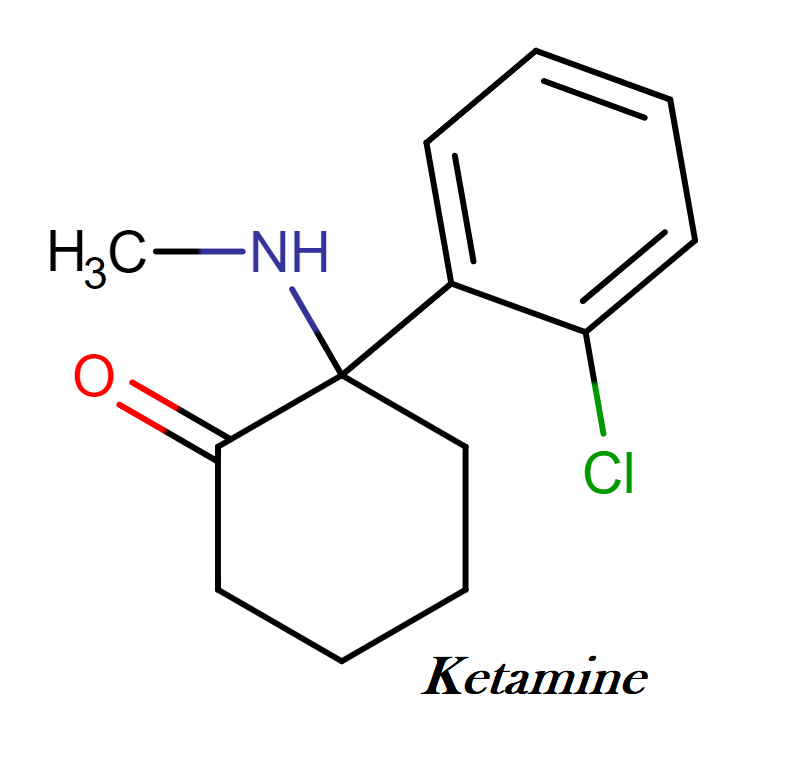
The entertainment world was recently shaken by the tragic passing of Matthew Perry, the beloved actor best known for his role as Chandler Bing on the iconic sitcom “Friends.” Perry’s death, linked to a ketamine overdose, has cast a spotlight on this complex drug, its therapeutic potential, and its inherent dangers. In this post, we’ll explore ketamine’s effects on the brain, its promise in mental health treatment, and the critical need for responsible use and regulation.
Ketamine: A Brief Overview
Ketamine, first synthesized in 1962, has a long history as an anesthetic and analgesic. During the late 1960s, ketamine was marketed as the dissociative (out-of-body experience) anesthetic, under the name Ketalar and was used to treat soldiers in the Vietnam War. The abuse potential of ketamine was recognized in the early 1970s, but reports of ketamine abuse in human and veterinary medicine did not appear until the early 1980s in Australia and in the early 1990s in the United States. In recent years, it has gained significant attention for its rapid antidepressant effects, particularly in cases of treatment-resistant depression. Ketamine’s primary mechanism of action involves blocking the NMDA receptor for glutamate in the brain, leading to a dissociative state and a cascade of neurochemical changes.
Ketamine’s Impact on the Brain
Findings from my own laboratory in 1997 showed that repeated ketamine intake alters the balance between the neurotransmitters dopamine and serotonin in the brain. Ketamine’s interaction with the NMDA receptor for glutamate triggers a surge in glutamate, a neurotransmitter vital for learning and memory. This glutamate surge is thought to promote the growth of new synapses and neural connections, particularly in brain regions associated with mood regulation. Additionally, ketamine disrupts the default mode network (DMN), a brain network linked to rumination and self-referential thinking, which may contribute to its antidepressant effects. Research also suggests that ketamine may stimulate neurogenesis (the growth of new neurons) and promote neuroplasticity (changes in neural connections).
Ketamine’s Impact on the Mind
Ketamine’s psychological actions have been characterized as similar to temporary schizophrenia. Healthy volunteers receiving ketamine in an experiment have experienced sensations reminiscent of LSD. Ketamine can prompt people to feel like they are becoming transparent, blending into nearby individuals, or becoming an animal or object. Users may feel like their bodies are transforming into harder or softer substances. Persons may think they remember experiences from a past life. Some users take the drug to enter a semi-paralytic state described as similar to near-death experiences in which people perceive their consciousness as floating above their bodies, sometimes accompanied by meaningful hallucinations and by insights about the user’s life and its proper place in the cosmos.
The Promise of Ketamine in Mental Health
When administered at a therapeutic dose ketamine’s rapid antidepressant effects have revolutionized the field of mental health treatment. Studies have shown that a single therapeutic dose of ketamine can alleviate depressive symptoms within hours, offering hope to individuals who have not responded to traditional antidepressants. In fact, so effective is therapeutic ketamine that it has been proposed as a chemical replacement for electroconvulsive therapy (ECT) and it may eventually replace the need for ECT altogether. Beyond depression, ketamine is being investigated for its potential in treating anxiety disorders, PTSD, and addiction.
The Perils of Ketamine
While ketamine holds immense therapeutic promise, it is crucial to acknowledge its risks. Ketamine can cause dissociative effects, hallucinations, and other adverse reactions. Moreover, it has a potential for abuse and addiction, as tragically illustrated by Matthew Perry’s case. Long-term effects of ketamine use on brain function and cognition remain an area of ongoing research.
Lessons from the Death of Matthew Perry
Matthew Perry’s untimely death serves as a poignant reminder of the dangers of substance abuse, even with substances that have therapeutic potential. It underscores the critical need for responsible use, careful monitoring, and effective regulation of ketamine.
Neuroscience has always faced the monumental task of understanding the complexities of the human brain. A recent study has made significant progress in unraveling these complexities, focusing on the chemical neuromodulators dopamine and serotonin, and their roles in decision-making during social interactions.
The Study
The study involved Parkinson’s disease patients who were awake during brain surgery. These patients participated in the “ultimatum game,” a scenario that tests human decision-making in the face of varying monetary offers from both computers and humans. The findings revealed a fascinating insight: people are more inclined to accept unfair offers from computers than from human counterparts. This suggests a unique aspect of human social behavior, closely linked to the interaction between dopamine and serotonin in the brain.
Dopamine and Serotonin: The Dynamic Duo
Researchers found that dopamine levels fluctuate based on the comparison of current offers to previous ones, acting as a continuous tracking system. Meanwhile, serotonin focuses on the current offer’s value. This interaction becomes particularly pronounced in social settings, where the concept of fairness influences dopamine levels, indicating a higher value placed on human interactions over those with computers.
Technological Advancements
The use of advanced carbon-fiber electrodes allowed researchers to measure multiple neurotransmitters simultaneously, enabling the differentiation between dopamine and serotonin dynamics. This provides a clearer picture of how these chemicals influence decision-making in social contexts.
Implications of the Research
Parkinson’s Disease: For patients with Parkinson’s disease, this study opens new pathways to understanding the disease’s progression and its impact on social behavior. The interaction between dopamine and serotonin, especially in the context of Parkinson’s, could lead to better treatment options.
Psychiatry: This research has broader implications for the field of psychiatry and the treatment of psychiatric conditions. By adding precision and quantification to our understanding of neurotransmitter dynamics, the study paves the way for developing more effective treatments.
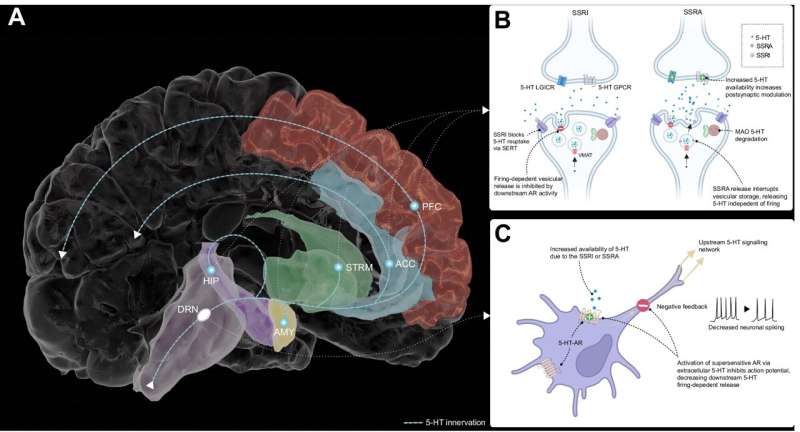
Selective serotonin releasing agent is not negated by 5-HT1A supersensitivity, resulting in a rapid onset of pro-serotonergic activity. Credit: Nature Communications (2024).
Increasing serotonin can change how people learn from negative information, as well as improving how they respond to it, according to a new study published in the journal Nature Communications.
A recent review outlines the genetic complexity of schizophrenia, highlighting nearly 300 common genetic variants and over 20 rare variants linked to the disorder. Researchers emphasize that schizophrenia’s genetic basis is multifaceted, involving multiple genes rather than a single cause. Environmental factors like lifestyle and stress also play crucial roles.
Researchers have conducted a study examining the impact of alcohol on the electrical conductivity of the brain, highlighting its sedative effects.
New research indicates that 20% of children with an older sibling diagnosed with autism are also likely to be diagnosed with autism spectrum disorder (ASD), with this rate increasing to 36% when there are multiple siblings with ASD.
An international team of researchers has investigated the neural mechanisms underlying imitative behavior: a phenomenon that facilitates interaction and social cohesion and allows people to engage spontaneously with others. The study—published in Proceedings of the National Academy of Sciences (PNAS)—has uncovered new insights into how the brain regulates this behavior, opening up new perspectives for clinical and therapeutic applications.
Advanced MRI scans, particularly diffusion tensor imaging (DTI), have shown promise in predicting which concussion patients are at risk for long-term symptoms.
A significant breakthrough in the understanding of sleep mechanism opens new promise for treating sleep disorders and associated neuropsychiatric conditions: Scientists have pinpointed the melatonin receptor MT1 as a crucial regulator of REM (Rapid Eye Movement) sleep.
Innovative new research has revealed that the activity of different versions of genes expressed in the brain is associated with the accumulation of the protein tau, which is a hallmark of Alzheimer’s disease.
Finally this week, western classical music can significantly affect brain activity, particularly in people with treatment-resistant depression. By measuring brainwaves and neural imaging, scientists discovered that music synchronizes neural oscillations between brain regions associated with sensory and emotional processing, enhancing mood.
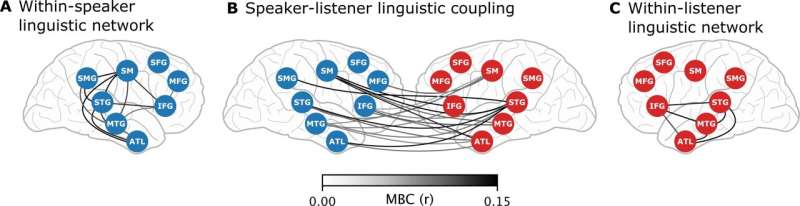
Coupling between speaker and listener brains. Credit: Neuron / Zada et al.
When two individuals interact, their brain activities tend to synchronize. Previously, it was uncertain how much of this “brain-to-brain coupling” resulted from linguistic information versus other factors like body language or tone of voice. However, researchers reported in the journal Neuron that this coupling during conversation could be modeled by considering the words used and the context of their use.
Worsening air quality and temperature extremes are linked to increased stroke burden, according to a new study.
A team of scientists has pinpointed how different areas of the neuron age differently, with a potential knock-on effect on healthy cell function and the development of neurodegenerative conditions. The paper is publishedin the journal Aging Cell.
The inflammatory activity in the body caused by rheumatoid arthritis is linked to specific cognitive impairments, finds a small comparative study.
An interdisciplinary team of scientists has found changes in the strength of neural pathways in an area of the brain involved in reward processing and movement coordination when someone has Parkinson’s disease.
New research links diets rich in vitamins and minerals, with low added sugar, to younger biological age.
For patients with major depressive disorder (MDD), seizure duration of 60 to 69 seconds induced by electroconvulsive therapy (ECT) is associated with the highest remission rates compared with seizure duration of less than 20 seconds, according to a study published in JAMA Network Open.
A new study reveals that the part of the brain that receives and processes visual information in sighted people develops a unique connectivity pattern in people born blind.
New research finds that specialized MRI scans can detect early brain changes that indicate a higher risk for Alzheimer’s disease (AD) before significant cognitive decline occurs. Researchers discovered that cortical microstructural changes in the brain closely resemble patterns seen in AD pathology.
A new report highlights that addressing 14 modifiable risk factors from childhood could prevent or delay nearly half of dementia cases. The study identifies high LDL cholesterol and untreated vision loss as new significant risks.
Researchers have developed a computer model that mimics how the hippocampus stores new episodic memories without erasing old ones. The findings reveal insights into how the brain organizes personal experiences and maintains stability despite constant updates. The model shows promise for enhancing our understanding of memory retention and cognitive processing.
This short video explores the impact of regular aerobic exercises like running on increasing brain volume and enhancing memory and cognitive functions. It also examines the effects of consistent physical activity on improving sleep quality, which directly benefits brain health and performance. Furthermore, it reveals how exercise acts as a potent tool for stress reduction by boosting the production of key brain chemicals that help manage stress and induce feelings of happiness. Valuable insights are provided for both fitness enthusiasts and those interested in brain health.
Mapping network connectivity to cycles of seizure likelihood. Credit: Nature Medicine (2024)
A team of epilepsy specialists has developed a method to forecast the risk of a seizure within 24 hours. The researchers demonstrated that the surge of brain activity indicative of a seizure is preceded by unusual communication among certain brain regions. By examining a mere 90 seconds of these atypical brain signals, the researchers were able to predict the likelihood of a seizure.
A significant discovery by Australian scientists has the potential to improve the effectiveness of drugs currently used to manage cognitive decline in patients with Alzheimer’s disease.
A new study reveals that quick learners of motor skills have distinct brain activity patterns. Using brain-monitoring electrodes, they found that visual processing plays a crucial role in learning new movements. Fast learners showed higher activity in brain regions linked to visual information and muscle movement planning. These findings highlight the importance of vision in acquiring motor skills and its implications for older adults.
Star-shaped glial cells, so-called astrocytes, are more than just a supporting cell of the brain. They are actively involved in learning processes and interact with nerve cells. Now scientists are using a biophysical model to clarify how astrocytes interact with nerve cells to regulate rapid adaptation to new information. The results of the study have now been publishedin Communications Biology.
New research shows that inflammation outside the brain, such as that caused by common infections such as colds and urine infections, is linked to the progression of multiple sclerosis (MS).
Recent advances in the study of proteomes (i.e., the entire range of proteins expressed by human cells and tissues) have opened new opportunities for identifying the biological markers of specific diseases or mental disorders. This could in turn inform the prevention, diagnosis and treatment of these medical conditions.
A new experimental cancer drug could ease cognitive difficulties for those with Rett syndrome, a rare autism-linked disorder, by enhancing brain cell functions.
An MIT study published in Nature provides new evidence for how specific cells and circuits become vulnerable in Alzheimer’s disease, and hones in on other factors that may help some people show resilience to cognitive decline, even amid clear signs of disease pathology.
A new study demonstrates how the external representation of physiological signals (interoception) can affect our perception of them and teach us how to improve them in order to balance the body in stressful situations, for example. The study was recently publishedin the journal Scientific Reports.
A new study proposes a novel approach to studying consciousness through behavioural observations and learning curves, highlighting that learning often occurs in sudden leaps, suggesting these “eureka moments” are preceded by conscious cognitive processes.
Finally this week, there is a potential connection between a diagnosis of certain gastrointestinal (GI) syndromes and the formation and rupture of intracranial (brain) aneurysms according to new research.
On this World Brain Day, let’s explore 10 evidence-based strategies to enhance memory, sharpen cognitive abilities, and promote long-term brain health. Empower yourself with the knowledge to optimize your cognitive potential and thrive in both personal and professional life.
1. Engage in Regular Exercise
Physical activity not only benefits your body but also stimulates brain health. Regular exercise increases blood flow to the brain, promotes the release of essential neurotransmitters, and encourages the growth of new brain cells. Aim for at least 150 minutes of moderate-intensity aerobic activity per week, along with strength training exercises.
2. Adopt a Balanced Diet What you eat directly affects your brain’s health. A diet rich in fruits, vegetables, whole grains, lean proteins, and healthy fats provides essential nutrients for optimal brain function. Include foods like fatty fish (rich in omega-3 fatty acids), nuts, seeds, and dark leafy greens to support cognitive health.
3. Stay Mentally Active Just as physical exercise benefits the body, engaging in mentally stimulating activities exercises the brain. Reading, solving puzzles, playing board games, learning new skills or languages, and engaging in creative endeavors all help keep your brain sharp by forming new neural connections.
4. Get Sufficient Sleep Quality sleep is crucial for brain health and cognitive performance. During deep sleep, the brain clears out toxins and consolidates memories. Aim for 7-9 hours of uninterrupted sleep per night to allow your brain to recharge and rejuvenate.
5. Socialize Regularly Social interactions stimulate the brain and reduce the risk of cognitive decline. Engaging in conversations, spending time with friends and family, and participating in group activities can positively impact brain health and emotional well-being.
6. Manage Stress Chronic stress can have detrimental effects on brain health, leading to memory issues and cognitive impairment. Practice stress-reduction techniques such as meditation, mindfulness, yoga, or deep breathing exercises to keep your brain sharp and calm.
7. Stay Hydrated Dehydration can affect cognitive function, causing headaches, fatigue, and difficulty concentrating. Drink an adequate amount of water throughout the day to support optimal brain performance.
8. Challenge Your Brain Regularly challenge your brain with new and complex tasks. Engage in activities that push you out of your comfort zone, such as learning a musical instrument, trying out a new hobby, or taking up a new sport. Embracing novelty and pushing your mental boundaries will help keep your brain agile.
9. Limit Alcohol and Avoid Smoking Excessive alcohol consumption and smoking can harm brain cells and negatively impact cognitive function. Moderation or avoidance of these substances is crucial for maintaining a sharp mind.
10. Prioritize Mental Health Taking care of your mental health is essential for overall brain health. Seek professional help if you experience symptoms of depression, anxiety, or any other mental health concerns. Mental well-being is the foundation for a sharp and focused mind.
A healthy brain is a thriving brain. Prioritize your physical, mental, and emotional well-being to keep your mind sharp and agile. Regular exercise, nutritious food, mental challenges, restful sleep, and positive habits all play a vital role in enhancing cognitive function and maintaining brain health throughout life. Remember, it’s never too late to invest in your brain’s well-being, and even small changes today can lead to significant benefits in the years to come.
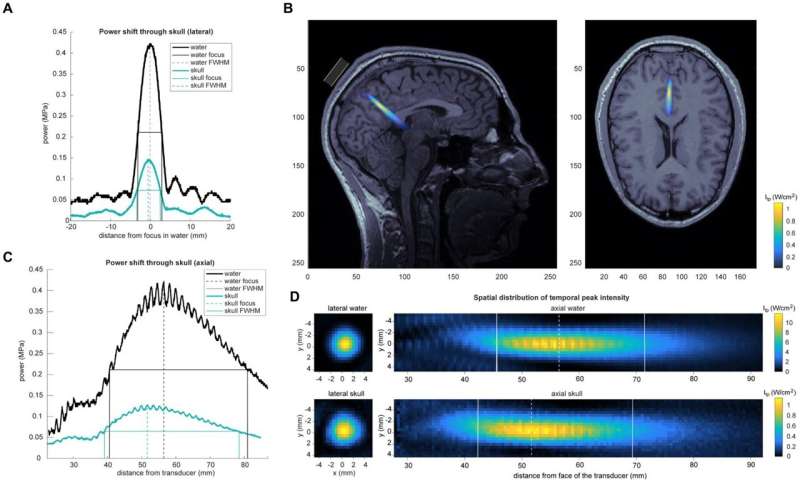
In a new studypublished in Frontiers in Human Neuroscience, researchers used low-intensity ultrasound technology to noninvasively alter a brain region associated with activities such as daydreaming, recalling memories and envisioning the future. They found that the technique can ultimately enhance mindfulness, marking a major advancement in the field of neuroscience.
New research finds that semaglutide, known as Ozempic/Wegovy, does not negatively impact brain health and may reduce cognitive problems and nicotine dependence.
Exposure to parental smoking (ParS) is associated with an increased risk for multiple sclerosis (MS) in later life in certain populations, according to a study presented at EAN 2024, the 10th Congress of the European Academy of Neurology, held from June 29 to July 2 in Helsinki.
Researchers have identified a new mutation in the ARPP21 gene linked to ALS. This discovery could improve ALS diagnosis and open avenues for personalized therapies.
A new approach to improving uncertainty estimates in machine-learning models enhances prediction accuracy. The method uses the minimum description length principle to provide more reliable confidence measures for AI decisions, which is crucial in high-stakes settings like healthcare.
A recent study suggests that consciousness evolved not for individual survival, but for social purposes, helping humans communicate ideas and emotions.
Researchers have discovered a neural activity pattern that can accurately predict and monitor the clinical status of OCD patients undergoing deep brain stimulation (DBS). This study highlights how this biomarker can guide DBS therapy, improving treatment outcomes for those with severe, treatment-resistant OCD.
A new study has found how the protein CGRP affects the brain’s lymphatic system, contributing to migraine pain. Their study reveals that CGRP prevents cerebrospinal fluid from draining, influencing migraine attacks.
Research published in Science Advancesshows neurobiological underpinnings of sex and gender in children to better understand how sex (assigned at birth) and gender (identity and expression) influence the brain, and ultimately a person’s health.
A new study shows that by age three, children can understand others’ intentions using active mirror neurons.
For the first time, scientists have found that sleep can be detected by patterns of neuronal activity just milliseconds long, 1,000 times shorter than a second, revealing a new way to study and understand the basic brain wave patterns that govern consciousness. They also show that small regions of the brain can momentarily “flicker” awake while the rest of the brain remains asleep, and vice versa from wake to sleep.
A neuroimaging study of young people who exhibit a persistent pattern of disruptive, aggressive, and antisocial behavior, known as conduct disorder, has revealed extensive changes in brain structure.
Retired rugby players who have suffered multiple concussions have higher levels of certain proteins in their blood, which may make them more prone to developing diseases such as motor neuron disease (MND), according to a new study.
Researchers have used machine learning to define three subtypes of Parkinson’s disease based on the pace at which the disease progresses.
A new study reveals that psilocybin, the active compound in magic mushrooms, temporarily disrupts brain networks involved in introspective thinking, like daydreaming and memory. These changes persist for weeks, potentially making the brain more flexible and improving mental health. The findings could pave the way for psilocybin-based therapies for depression and PTSD. The research underscores the importance of using these drugs under medical supervision.
A recent study links sleep preferences to brain performance, finding that “night owls” often score higher on cognitive tests than “morning larks.” Researchers analyzed data from over 26,000 people, highlighting that sleeping 7-9 hours a night optimizes brain function.








 inside-the-brain.com