The Neurobiology of Kindness #WorldKindnessDay

If we could see the miracle of a single flower clearly, our whole life would change. – The Buddha (c. 563 BCE) 

Look deeply into nature to understand the secrets of the Universe.

Until recently, the task of applying what we know about the brain to the bigger question of personal human experience has been avoided by scientists. However, the emergence of the new discipline of neuroscience – the scientific study of the nervous system—is helping us to bridge this gap by providing new ways to answer such age-old questions as why does kindness exist, and why is it important? To answer these questions we first need to consider an important property of nerve cells (neurons) in the human brain.

What actually is emotion?

Emotion feels so natural and seems so normal, but what if emotion is not there? What if emotion is an emergent phenomenon and only something we experience as macroscopic beings? This might sound strange, but we know that we are sandwiched within the Universe. For example, we do not feel the cosmological expansion that dominates the large scale of the Universe nor do we feel the very small scale where individual atoms inside us collide with our skin. Instead, we have a collective term – temperature – to describe what is happening. Perhaps emotion is the same. This may feel uncomfortable when you ask just where is the ‘you’ and how you feel in all of this.  

Understanding emotion

Perhaps it is best to think of it like this—most of us have come to terms with the fact that we are physically a collection of atoms. We, and our consciousness somehow emerge and we seem to be able to live with this illusion of our being. Maybe all we need to do is the same for how we feel, as we play out our short existence.

Mirror neurons

The discovery of mirror neurons,  a cluster of neurons in the brain that help connect us emotionally to other people, respond sympathetically towards others, and allow us to anticipate others’ intentions, is now believed to be the basis of human empathy. Mirror neurons were first discovered by neuroscientists in the 1990s while recording the activity of neurons in the brain where it was noticed that certain populations of neurons remain silent (observation) and active (imitation) when we watch others perform the same action, hence the name mirror neurons [1,2]. Scientists have extended this finding in the human brain to show that nerve activity in mirror neurons also behaves in the same way when we see another person expressing an emotion, and this nerve activity is not observed in disorders of empathy [3].

Our behaviour mirrors our environment

Each person is a mirror of their environment, which is then in turn mirrored by their own behaviour. This underlies the powerful phenomenon of social contagion – that information, ideas, and behaviours including kindness can spread through networks of people the way that infectious diseases do. For this reason, giving and receiving kindness can have a contagious effect.  Research also shows that optimal learning takes place in an environment that is creative, inclusive, rewarding, and bolstered by firm, healthy boundaries, in an environment that is kind.  Even those in deep distress due to imprisonment, addiction, financial worries, and high anxiety also benefit greatly from an environment that is creative, inclusive and boundaried.

Unkindness

What to do when we encounter unkindness? Behaviours including anxiety, anger, and rudeness can also spread through networks of people the way that infectious diseases do. The antidote to becoming infected with these miserable states is to be aware that every action must be consciously chosen, and not an emotional response.

Kindness is the key to our survival

Why is kindness so important? This question can be answered in the context that every single human being is unique because we each possess a uniquely complex brain, so complex that in all of human history, no two human brains can be identical. This is because the unique combination of about 100 trillion tiny brain connections (synapses) that grow and change throughout life is an ongoing work in progress from conception to death. In this way, each one of us ‘evolves’ as true individuals as we each make our journey through life. Kindness is the green light to keep going. If you are not open to giving and receiving kindness, then you may not be growing. In the same way, humankind will only evolve by making room for each and every individual to express their intellectual and spiritual evolution to the full.  In this way, the evolution of the human race has everything to do with being open to giving and receiving kindness. 


References

[1] Mirror Neurons.  Society for Neuroscience (2013) 

[2] Kraskov A, Dancause N, Quallo MM, Shepherd S and Lemon RN.  (2009) Corticospinal neurons in macaque ventral premotor cortex with mirror properties: A potential mechanism for action suppression? Neuron 64, 922-930.

[3] Corradini A, Antonietti A. (2013) Mirror neurons and their function in cognitively understood empathy. Consciousness and Cognition. 22, 1152–1161.

Weekly Neuroscience Update

Brain structural (MRI) scans from a selection of individuals from the Lothian Birth Cohort 1936 taken during Wave 2 (when all participants were about 73 years old). Credit: Ian J. Deary

A 25-year research program has unveiled key insights into how our brains age and what factors influence cognitive performance throughout life. The findings, published on 7 November 2024 in Genomic Psychiatry, draw from the Lothian Birth Cohorts (LBC) studies, which uniquely tracked participants’ cognitive abilities from childhood through their eighth decade of life.

A team of researchers has uncovered a mechanism in the formation of harmful protein aggregates that lead to neurodegenerative diseases such as Parkinson’s disease.

People with stronger autistic traits exhibit distinct and highly effective exploration patterns, according to a new study. These individuals tend to persist longer in curiosity-driven tasks, leading to better overall performance. In the study, participants with higher autistic traits explored consistently, even when faced with challenging learning environments, while those with lower traits engaged more briefly.

A new study shows how gut bacteria play a key role in regulating stress by interacting with circadian rhythms, opening possibilities for microbiome-based therapies for mental health.

Research led by the University of Michigan has provided compelling evidence that could solve a fundamental mystery in the makeup of fibrils that play a role in Alzheimer’s, Parkinson’s and other neurodegenerative diseases.

Researchers have developed tiny, wireless devices capable of wrapping around individual neurons, potentially aiding in the treatment of neurological disorders like multiple sclerosis.

A new international study has brought to light how blood sugar control can significantly impact brain health. The study suggests that improved blood sugar control could be one of the most important factors in slowing down age-related brain changes.

People with schizophrenia show distinct brain activity when faced with conflicting information, new research finds.

Finally this week, poor sleep quality may be associated with incidental, but not prevalent, motoric cognitive risk syndrome (MCR), a predementia syndrome characterized by slow gait speed and cognitive complaints, according to a study published in Neurology.

Weekly Neuroscience Update

Scientists have identified how depression alters the brain’s response to positive and negative stimuli, particularly in the amygdala, a key emotional processing center. The study found that depression reduces neural activity linked to positive perceptions while increasing it for negative perceptions.

People with atrial fibrillation (AF) who have a stroke could benefit from blood thinning treatments, known as anticoagulants, at an earlier stage than is currently recommended, finds a new study.

Researchers from the University of Oxford have identified a key biochemical mechanism relevant to the development of Huntington’s disease. This discovery opens up the possibility of studying the disease before its clinical onset and eventually stopping its progression.

Childhood attention issues, coupled with genetic predispositions, increase the likelihood of experiencing psychotic-like symptoms in adolescence.

UCLA Health researchers have found that people who experienced discrimination had pro-inflammatory bacteria and gene activity in their gut microbiome that was different from those who did not experience discrimination. The researchers could also predict with 91% accuracy which study participants faced discrimination by only analyzing their gut microbiome using stool samples.

A new study links hundreds of brain proteins to differences in how brain regions communicate, revealing how microscale molecules can influence macroscale brain connectivity.

Lifetime cannabis use is associated with several changes in brain structure and function in later life, suggests an observational study, but these associations may not be causal, finds a genetic analysis of the same data, published in the open access journal BMJ Mental Health. Meanwhile, new research shows that prenatal exposure to cannabis can negatively impact children’s thinking and behavioral skills, including impulse control, attention, and aggression.

A type of therapy that involves applying a magnetic field to both sides of the brain has been shown to be effective at rapidly treating depression in patients for whom standard treatments have been ineffective. The treatment—known as repetitive transcranial magnetic stimulation (TMS)—involves placing an electromagnetic coil against the scalp to relay a high-frequency magnetic field to the brain.

Scientists have identified new cell clusters in the amygdala for anxiety treatment.

Just one or two sessions of physical activity at the weekend may be just as likely to lower the risk of cognitive decline, which can often precede dementia, as more frequent sessions, concludes research published online in the British Journal of Sports Medicine.

A new study finds a link between genetic markers and neuropathic pain.

Finally this week, ultrasound, once used almost exclusively to take images of the body, is quickly developing into a targeted therapy that can have a potentially life-changing impact on our brains, according to the authors of a new article.


Weekly Neuroscience Update

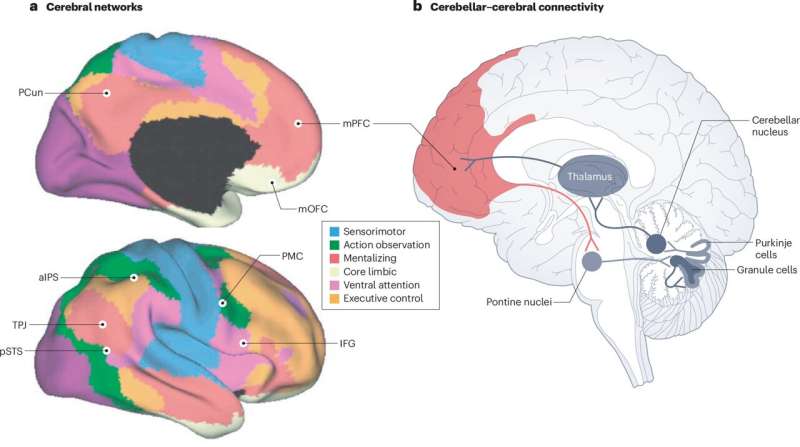
Cerebral networks and reciprocal connectivity between the cerebellum and cerebrum, supporting social and emotional learning. Credit: Nature Reviews Neuroscience (2024).

A recent publication in Nature Reviews Neuroscience sheds light on the often-overlooked role of the cerebellum in both motor and social-cognitive processes.

New research has shown that Alzheimer’s disease impacts the brain in two primary phases: an early, gradual phase that damages select cell types and a late phase marked by rapid, widespread damage as symptoms emerge.

Playing video games may boost your cognitive abilities and exercise can improve your mental health, but not the other way around, a large-scale study has found.

A large meta-analysis of over 600,000 people shows that experiencing loneliness significantly raises the risk of developing dementia by 31%. Researchers found that loneliness is a key factor in cognitive decline, contributing to conditions like Alzheimer’s disease, regardless of age or sex.

Researchers have found that senescent cells—non-dividing “zombie” cells—accumulate in the skin as people age and may influence aging in other parts of the body.

A new study reveals that visual clutter alters how information flows between neurons in the brain’s primary visual cortex, but not the order in which it’s processed. Researchers found that the efficiency of information transfer changes depending on the location of clutter in the visual field.

An innovative study, published in Nature Communications, reveals the mechanism behind two seemingly contradictory effects of fear memories: the inability to forget yet the difficulty to recall.

After only one to three days of a whiplash injury, scientists can predict which patients will develop chronic pain based on the extent of cross “talk” between two regions of the brain, and the person’s anxiety level after the injury, according to a new Northwestern Medicine study.

Women who began an aerobic exercise program during chemotherapy for breast cancer reported improved cognitive function and quality of life compared to those who received standard care. 

A new study reveals that setting reminders can eliminate some age-related declines in memory. The findings offer a significant breakthrough in addressing the cognitive challenges faced by older adults, particularly in the context of prospective memory, which is the ability to remember to perform an intended action at the right moment, like taking medication or attending appointments.

Concussion researchers have recognized a new concussion sign that could identify up to 33% of undiagnosed concussions. 

In a study published in the journal Bilingualism: Language and Cognition, Concordia researchers use neuroimaging methods to examine brain resilience in regions of the brain linked to language and aging. They found that the hippocampus in bilinguals with Alzheimer’s disease was noticeably larger than those who were monolingual when matched for age, education, cognitive function and memory.

People in early middle age who have poor sleep quality, including having difficulty falling or staying asleep, have more signs of poor brain health in late middle age, according to a recent study.

New research shows that prolonged mental exertion weakens connectivity between the brain’s frontal and parietal lobes, impacting cognitive efficiency. However, the brain has built-in compensatory mechanisms that adjust neural connections to preserve function under fatigue.

Finally this week, cannabis use may lead to thinning of the cerebral cortex in adolescents, according to a recent study published in The Journal of Neuroscience.


Weekly Neuroscience Update

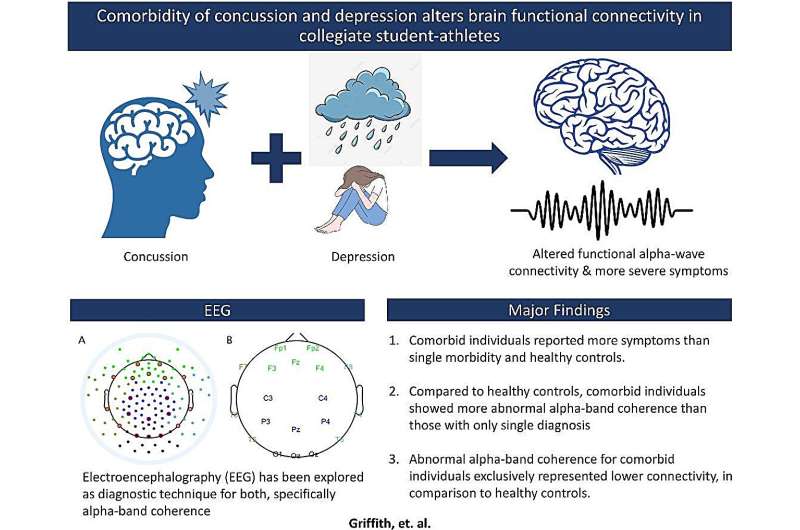
Credit: Brain Research (2024)

Researchers have demonstrated that the co-occurrence of depression and concussion was associated with significantly worse symptoms for both conditions. 

A recent study has mapped how molecules in food interact with gut bacteria, revealing why people respond differently to the same diets. By examining 150 dietary compounds, researchers found that these molecules can reshape gut microbiomes in some individuals while having little effect in others. This breakthrough could enable personalized nutrition strategies to better manage health risks. The findings offer a deeper understanding of the gut microbiome’s role in health and disease.

Scientists have independently validated a new blood test platform that can simultaneously measure more than a hundred biomarkers of Alzheimer’s disease.

A new computer simulation of how our brains develop and grow neurons has been built by scientists from the University of Surrey. Along with improving our understanding of how the brain works, researchers hope that the models will contribute to neurodegenerative disease research and, someday, stem cell research that helps regenerate brain tissue.

Brain endurance training (BET), a combined cognitive and exercise approach, has been shown to significantly improve cognitive and physical performance in older adults.

New research demonstrates that learning a second language enhances brain connectivity, particularly when started in childhood. Scientists found that bilingual individuals have more efficient communication between brain regions, notably between the cerebellum and left frontal cortex.

In a new study evaluating meditation for chronic lower back pain, researchers have discovered that men and women utilize different biological systems to relieve pain. While men relieve pain by releasing endogenous opioids, the body’s natural painkillers, women rely instead on other, non-opioid based pathways.

New research explores how traumatic brain injury may be linked to Alzheimer’s disease.

A study has identified mutations arising during brain development that may contribute to schizophrenia. Unlike inherited genes, these somatic mutations occur after conception and were found more frequently in schizophrenia patients’ brain tissue.

There is an imbalance in the gut flora of patients with epilepsy compared with healthy controls, according to a study published in the Journal of Health, Population and Nutrition.

Researchers have developed a breakthrough technology using magnetic fields to control specific brain circuits non-invasively, potentially transforming treatments for conditions like Parkinson’s and depression. This technique, termed “magnetogenetics,” delivers gene therapy to target neurons and uses magnetic fields to activate or inhibit them, allowing precise manipulation without invasive implants.

Bursts of exercise boost cognitive function according to new research.

A recent study reveals that specific brain cells respond not only to smells but also to images and written words related to those scents, providing deeper insight into human odour perception. Researchers found that neurons in the olfactory cortex and other brain regions, like the hippocampus and amygdala, distinguish between different smells and associate them with visual cues.

A collaborative study has identified genetic mutations that occur during brain development and may contribute to the development of schizophrenia.

A research team has published a randomized clinical trial demonstrating for the first time that a multidisciplinary approach integrating specific physiotherapy and cognitive-behavioral therapy is effective in improving the symptoms and physical aspects of the quality of life of patients with functional movement disorders.

Finally this week, scientists have discovered an unexpected link between genes involved in human brain evolution and developmental disorders.


Harnessing the Power of Neuroplasticity #TrainYour BrainDay

Ever wonder what makes our brains so remarkable? Neuroplasticity is your brain’s ability to change and adapt throughout your entire life. Your brain is not a static, unchanging organ – it’s more like a dynamic, ever-evolving landscape.  Today, in honour of #TrainYourBrainDay, let’s explore the science behind this process and how we can harness it to improve our cognitive abilities.

How Does Neuroplasticity Work?

Neuroplasticity involves both structural and functional changes in the brain:

  • Structural changes: These involve altering the physical connections between brain cells (neurons). This can happen through:
    • Neurogenesis: The birth of new neurons, primarily in the hippocampus, a region crucial for learning and memory.
    • Synaptic plasticity: Strengthening or weakening existing connections (synapses), making communication between neurons more or less efficient. This can also involve eliminating unused connections (synaptic pruning).
  • Functional changes: These changes affect how different brain regions work together. This can involve:
    • Developing new neural pathways: When you learn a new skill, your brain creates new pathways to process and store that information.
    • Reorganizing existing networks: If one area of the brain is damaged, other areas can sometimes take over its function, as seen in stroke recovery.

Factors that influence neuroplasticity

Several factors can influence how adaptable your brain is:

  • Age: While plasticity is greatest in childhood, it continues throughout life.
  • Genetics: Your genes play a role in how your brain develops and adapts.
  • Environment: A stimulating environment with opportunities for learning and social interaction enhances plasticity.
  • Lifestyle: Factors like sleep, nutrition, stress, and exercise all impact brain health and plasticity.

How Can You Encourage Neuroplasticity?

The great news is that you can actively influence your brain’s plasticity. Here are some ways to encourage it.

  • Embrace lifelong learning: Continually challenge your brain with new skills, languages, and information.
  • Engage in mental exercises: Puzzles, brain games, and critical thinking activities keep your mind sharp.
  • Stay physically active: Exercise boosts blood flow to the brain, promoting neurogenesis and synaptic plasticity.
  • Get enough sleep: Sleep is crucial for consolidating memories and allowing your brain to reorganize.
  • Reduce stress: Chronic stress can negatively impact brain plasticity.

Further Reading

  1. “Neurogenesis in the Adult Human Hippocampus,” Nature Medicine, 1998.
  2. “Physical Exercise and Brain Plasticity,” Brain Sciences, 2020.
  3. “Mindfulness Practices and Brain Structure,” Journal of Cognitive Enhancement, 2017.

Weekly Neuroscience Update

Mapped is the proportion of participants with a high rate of atrophy in cortical (left) and subcortical (right) areas. AD, Alzheimer’s disease; MCI, mild cognitive impairment. Credit: Alzheimer’s & Dementia (2024).

The way in which brains shrink in those who develop Alzheimer’s disease follows no specific or uniform pattern, finds a new study by researchers at UCL and Radboud University in the Netherlands.

A McGill University study has shown that hearing plays a crucial role in how people coordinate and control speech movements in real-time. Published in The Journal of the Acoustical Society of America, the research shows that when people cannot hear their own speech, even briefly, their ability to move their jaw and tongue in a coordinated manner is impaired.

Recent research offers novel insights about the biological mechanisms behind major depressive disorder and especially on the role of the immune system.

A new analysis from Imperial’s human challenge study of COVID-19 has revealed subtle differences in the memory and cognition scores of healthy volunteers infected with SARS-CoV-2, which lasted up to a year after infection. The findings, published in the journal eClinicalMedicine, show a small but measurable difference following highly intensive cognitive testing of 18 healthy young people with infection compared to those who did not become infected, monitored under controlled clinical conditions

A simple scoring system may help doctors predict which patients will likely become seizure-free after minimally invasive epilepsy surgery.

The European Commission has released the 10-year assessment of the Human Brain Project (HBP), an EU-Flagship initiative that concluded in 2023. The report highlights that the HBP made major contributions and had a transformative impact on brain research. One of the main outcomes of the HBP is EBRAINS, the open research infrastructure that continues to push neuroscience research forward.

A new, large study from France underscores the link between adult hearing loss and dementia. In addition, hearing loss is linked to loss of volume in critical areas of the brain.

Scientists are investigating the extraordinary longevity of neurons, which can survive for over 90 years, in a new research project. The findings could not only improve understanding of neural aging but also lead to treatments for neurodegenerative diseases like Parkinson’s and ALS. The research could potentially expand beyond neurons, offering insights into extending the health span of other cell types.

Bright light therapy is an effective adjunctive treatment for nonseasonal depressive disorder, according to a review published in JAMA Psychiatry.

A recent study has shown that conscious thought relies on synchronized brain rhythms to maintain communication between sensory and cognitive brain regions. Under general anesthesia, this rhythm-based communication breaks down, disrupting the brain’s ability to detect and process surprising stimuli.

A new trial reveals that weekly injections of the weight-loss drug Wegovy (semaglutide) lowered the risk of death from COVID-19 by about a third and reduced overall mortality by 19%.

In a breakthrough study, researchers have imaged a network of pathways in the human brain believed to clear waste proteins that can lead to Alzheimer’s and dementia. Using advanced MRI techniques, they revealed perivascular channels that guide cerebrospinal fluid through the brain, providing strong evidence of the glymphatic system’s role in waste removal.

New research has discovered that disruptions in the brain’s salience network, often tied to tau protein buildup, correlate strongly with behavioural changes in people with early-stage dementia.

A research team has published a comprehensive review on the application of brain network models (BNMs) in the medical field. This study summarizes recent advances and challenges in using BNMs to simulate brain activities, understand neuropathological mechanisms, evaluate therapeutic effects, and predict disease progression.

New research reveals that immune responses play a crucial role in the formation of Lewy bodies, protein aggregates that mark Parkinson’s disease and other neurological conditions. 

A new study has found microplastics in human brains for the first time, raising concerns about the potential health impact. Researchers analyzed samples from autopsies and discovered an accumulation of plastic particles in brain tissue, likely due to exposure through food, water, and air. Although the study is still in its preliminary stages, it highlights the need for further investigation into the effects of microplastics on brain health. While microplastics have been shown to cause inflammation and damage in laboratory experiments, their long-term impact on human health remains unclear.

Finally this week, researchers are working on a novel gene therapy that holds potential in treating patients with epilepsy.

Using Your Brain To Improve Your Own Mental Health #WorldMentalHealthDay

The key to a happy life lies in transcending personal suffering, finding balance, and recognizing that the world has its own set of problems. Achieving this requires mental effort and self-awareness. Those who strive to better understand themselves and the world around them often emerge transformed—with greater peace of mind and a clearer way to live.

Fundamental or Accidental?

Our understanding of ourselves and the world is often limited by our perception of what is fundamental versus accidental. For example, the brain uses systematic thought patterns to create philosophy, science, mathematics, literature, and religious beliefs—guiding us toward new insights. Yet, these tools, essential as they seem, may not be as fundamental as we think. They are just methods our ancestors used to explore the unknown and push boundaries, all while acknowledging that our view of reality is just a fraction of what truly exists.

The Pitfall of Accidental Fundamentalism

In many cultures, particularly in the West, we tend to elevate truth as the highest value. While this pursuit is important, it pales in comparison to the power of belief. We are often born into religious or ideological systems that present themselves as the ultimate truth. However rigid adherence to these systems can stifle personal growth and impede the insights necessary for true peace of mind. Resisting the pull of these cultural norms is a crucial part of psychological growth, often referred to as self-actualization in psychology.

Recasting Reality

Self-actualizers—the people who achieve the highest levels of personal development—are those who challenge accepted cultural ‘truths’ and look beyond the norms of their time. Unlike most, who view life as a series of goals—acquiring material wealth, building a family, or advancing in a career—self-actualizers focus on personal growth and expression. They are ambitious, but only in the sense that they seek to fully develop and express their unique potential. Their freedom of mind and refusal to conform to societal pressures make them living examples of true autonomy.

Courage and Mental Health

Mental health requires courage—the courage to explore, adapt, and grow. Personal happiness is deeply tied to autonomy: the ability to break free from cultural expectations, guilt, or fear and embrace new ways of thinking and being. Achieving mental wellness is about mastering your own fate, learning what works for you, and being unafraid to change course when necessary.

What to Believe?

At its core, mental health is about two things: staying in touch with reality and being open to new experiences. However, it’s essential to remember that there is no one “reality”—only perception. Each of us views the world through a personal lens, shaped by our experiences, biases, and cultural conditioning. To achieve true mental clarity, we must recognize these filters and strive for a clearer understanding of the world.

Even in close relationships, the same action can be perceived differently. For example, one person may see paying the bills as a duty, while their partner views it as an act of love. Appreciating that your perspectives may be shaped by biases or cultural conditioning is crucial. Most importantly, ensure that the beliefs you choose to retain or adopt are grounded in verifiable facts and are open to scrutiny. Otherwise, any actions you take based on these beliefs may be built on shaky ground.

World Teacher’s Day: What Can Neuroscience Teach Us About Teaching?

What if we could unlock the secrets of the human brain to revolutionize how we teach and learn?

A new science of learning is emerging, fueled by converging insights from fields like developmental psychology, machine learning, and neuroscience. This field is uncovering the biological, cognitive, and social factors that influence how we learn, paving the way for more effective teaching practices and improved learning outcomes. For instance, we now understand the importance of active learning, where students are engaged and challenged to construct their own knowledge rather than passively absorbing information. We also recognize the powerful role emotions play in learning. Positive emotions enhance learning while negative emotions like stress can hinder it, highlighting the need for supportive and engaging learning environments. Furthermore, this new science emphasizes the importance of personalized learning, recognizing that each student learns in their own unique way.

Optimizing Learning by Targeting Different Memory Systems

Neuroscience has shown us that memory is more complex than we once thought. It’s not just one thing, but a system of different types, each with its own job and connected to different parts of the brain.

Episodic memory is like a mental scrapbook. It helps us remember past experiences, like a fun school trip or a birthday party. Teachers can tap into this by using techniques that emphasize narrative construction, real-world applications, and the establishment of personal connections with the subject matter.

Semantic memory is our storehouse of facts and concepts. It’s how we remember things like state capitals or the rules of gravity. Teachers can help students build this type of memory by using visuals, diagrams, and clear explanations.

Procedural memory is all about skills. It’s how we learn to ride a bike or play an instrument. To get better at these things, we need practice, feedback, and to learn skills step-by-step.

Understanding these different memory systems can really change how we teach. When teachers know which type of memory is involved in a lesson, they can plan activities that make it easier for students to learn, remember, and use information.

The Adolescent Brain: A Period of Continued Development

Contrary to earlier assumptions, brain development is not confined to childhood. The prefrontal cortex, the brain’s executive control center responsible for planning, decision-making, and impulse inhibition, continues to mature well into early adulthood, typically around 20-25 years of age. This protracted developmental trajectory explains why adolescents often grapple with impulse control, risk assessment, and delaying gratification. They may engage in actions without fully considering the consequences, undertake risks without a complete understanding of potential dangers, or encounter difficulties prioritizing long-term goals over immediate rewards.

This understanding holds significant implications for educators. It underscores the necessity for patience and support as adolescents navigate the complexities of this developmental period. By providing structured environments, clear expectations, and opportunities to cultivate self-regulation techniques such as mindfulness or organizational strategies, educators can facilitate the strengthening of the prefrontal cortex and the development of essential life skills.

Neuroeducation: Bridging Neuroscience and Education

For much of recent history, the fields of neuroscience and education operated in distinct domains, with limited interaction between researchers. However, this began to shift in the 1990s with the growing recognition of the brain’s remarkable plasticity—its capacity to reorganize and adapt throughout the lifespan in response to experiences. This discovery, coupled with advancements in neuroimaging techniques, fueled increasing interest in how insights from neuroscience could inform and enhance educational practices, ultimately leading to the emergence of neuroeducation.

Neuroeducation is an interdisciplinary field that strives to bridge the gap between neuroscience and education. It investigates how the brain learns, remembers, and processes information, and applies these findings to develop more effective pedagogical approaches. By understanding the neural mechanisms underlying learning and cognition, educators can create learning environments that optimize brain function and promote deeper understanding. For instance, incorporating movement breaks into lessons can capitalize on the benefits of physical activity for cognitive function, while integrating mindfulness practices can assist students in managing stress and enhancing focus.  

Neuroeducation emphasizes that learning is not a passive process of absorption but rather an active process that induces physical changes in the brain. Every new experience, every acquired skill, every learned fact—all leave their imprint on the brain’s intricate neural networks. This knowledge empowers educators to design learning experiences that leverage the brain’s inherent learning processes. Examples include incorporating spaced repetition into lesson plans to enhance memory consolidation or utilizing storytelling to engage the emotional dimensions of learning.  

The goals of neuroeducation are far-reaching. It aims to improve educational outcomes for all learners, address learning challenges and disabilities such as dyslexia or ADHD, promote creativity and innovation in educational settings, and foster a lifelong love of learning. While a relatively nascent field, neuroeducation holds immense potential to transform educational practices and positively impact learners of all ages.  

Neuroeducation: Integrating Neuroscience and Artificial Intelligence in Educational Practice

Augmenting the progress of neuroeducation is the advent of artificial intelligence (AI), which presents transformative potential for educational practices. Imagine AI systems functioning as personalized learning guides, identifying each student’s unique learning style, strengths, and areas for improvement. With this insight, AI can create custom-tailored learning plans, perfectly suited to each student’s needs. AI tutors can then step in, providing real-time support, feedback, and challenges that adapt to the student’s progress—keeping them both engaged and motivated. AI-powered games and simulations also turn learning into an immersive experience, designed to match each student’s pace and interests.

AI is also changing how we assess learning. By analyzing work products like essays or problem-solving exercises, AI can pinpoint areas that need further attention and deliver targeted, constructive feedback. It can even assess a learner’s emotional state and engagement during lessons, enabling teachers to adjust their instructional methods for optimal impact.

Looking ahead, brain-computer interfaces (BCIs) could allow our brains to interact directly with computers. This technology could be life-changing for students with disabilities, giving them new ways to control devices and communicate. BCIs could also provide real-time feedback on brain activity during learning, helping students improve their focus and self-regulation.

Despite these exciting possibilities, the integration of AI in neuroeducation comes with significant ethical and practical challenges. Protecting student data must be a top priority, necessitating AI systems that are built with privacy at their core. Equitable access to AI tools is also crucial to prevent exacerbating existing achievement gaps. Furthermore, teachers will need comprehensive training to effectively incorporate AI technologies into their classrooms. Striking a balance between technological innovation and human interaction is essential to maintaining the critical role of educators in fostering well-rounded student development.

Curiosity, interest, joy, and motivation—these are the cornerstones of effective learning. Neuroeducation, with its focus on understanding the brain’s role in learning, combined with AI’s innovative potential, offers a path toward a more personalized, engaging, and inclusive educational future.


Further Reading: What can neuroscience teach us about teaching?

Weekly Neuroscience Update

Credit: The Journal of Physiology (2024). 

The team that first recorded vagus nerve signals in humans has now isolated the electrical activity of individual neurons responsible for cardiovascular regulation. Published in the Journal of Physiology, the Monash University-led discovery paves the way for more research into how and why cardiovascular disease develops.

New research reveals that dopamine is not directly responsible for the formation of placebo analgesia, contrary to previous beliefs.

Scientists have developed a new brain-mapping tool called START, which combines transcriptomics and viral tracing to map the connections between specific neuronal subtypes with unprecedented detail. This technology allows researchers to identify distinct patterns of connectivity in inhibitory neurons within the cerebral cortex, providing a blueprint of the brain’s circuits.

A new study has demonstrated that emotion enhances memory for contextual details, challenging the view that emotion impairs the ability to remember such information.

Researchers compared the diagnostic accuracy of GPT-4 based ChatGPT and radiologists using 150 brain tumor MRI reports. ChatGPT achieved 73% accuracy, slightly outperforming neuroradiologists (72%) and general radiologists (68%).

Deep brain stimulation may provide immediate improvement in arm and hand strength and function weakened by traumatic brain injury or stroke.

People with Parkinson’s disease (PD) who experience visual hallucinations have reduced brain responses to unexpected visual changes, a marker known as visual mismatch negativity (vMMN). Using EEG, researchers compared brain activity in PD patients with and without hallucinations and discovered that those with hallucinations showed weaker vMMN signals

Lower attention ability in adolescence can predict cigarette and cannabis use in young adulthood, according to new research from Trinity College Dublin.

New research has found that frequent consumption of fizzy drinks and fruit juice significantly increases the risk of stroke. The study, which analyzed data from nearly 27,000 participants across 27 countries, showed a 22% increased risk of stroke from drinking fizzy drinks, with the risk rising further with multiple servings per day. Additionally, drinking more than four cups of coffee daily raised stroke risk by 37%, while tea consumption was associated with a reduced stroke risk. 

New research shows that even pollution levels that are below government air-quality standards are associated with differences in children’s brains.

University of Queensland researchers have made a significant step towards enabling women with epilepsy safer access to a common and highly effective anti-seizure medication.

A new study shows that brain synchronization between a neurotypical person and someone with autism is weaker compared to two neurotypical individuals interacting. Using EEG hyperscanning, researchers observed reduced inter-brain synchrony during hand movement imitation between mixed pairs, with autistic individuals more likely to follow than lead.

Certain immune cells play an important role in the early stages of multiple sclerosis, a twin study shows.

New evidence from the Centre for Healthy Brain Ageing indicates that older adults who experience a stroke for the first time will have substantial immediate and accelerated long term-cognitive decline. The new research, published iJAMA Network Open, looked at finding out exactly how a stroke impacts a person’s cognitive abilities.

A new study shows how individual brain cells in the hippocampus respond to pronouns.

Scientists are examining the brains of individuals with asymptomatic Alzheimer’s disease who, despite having amyloid plaque and tau buildup—the primary indicators of Alzheimer’s—did not show diagnosable dementia symptoms while alive. They’ve identified crucial mechanisms that may safeguard against cognitive decline in Alzheimer’s disease.

Finally this week, In a first-of-its-kind study, University of South Florida researchers are finding that music can help boost cognition in patients undergoing chemotherapy.