Weekly Neuroscience Update

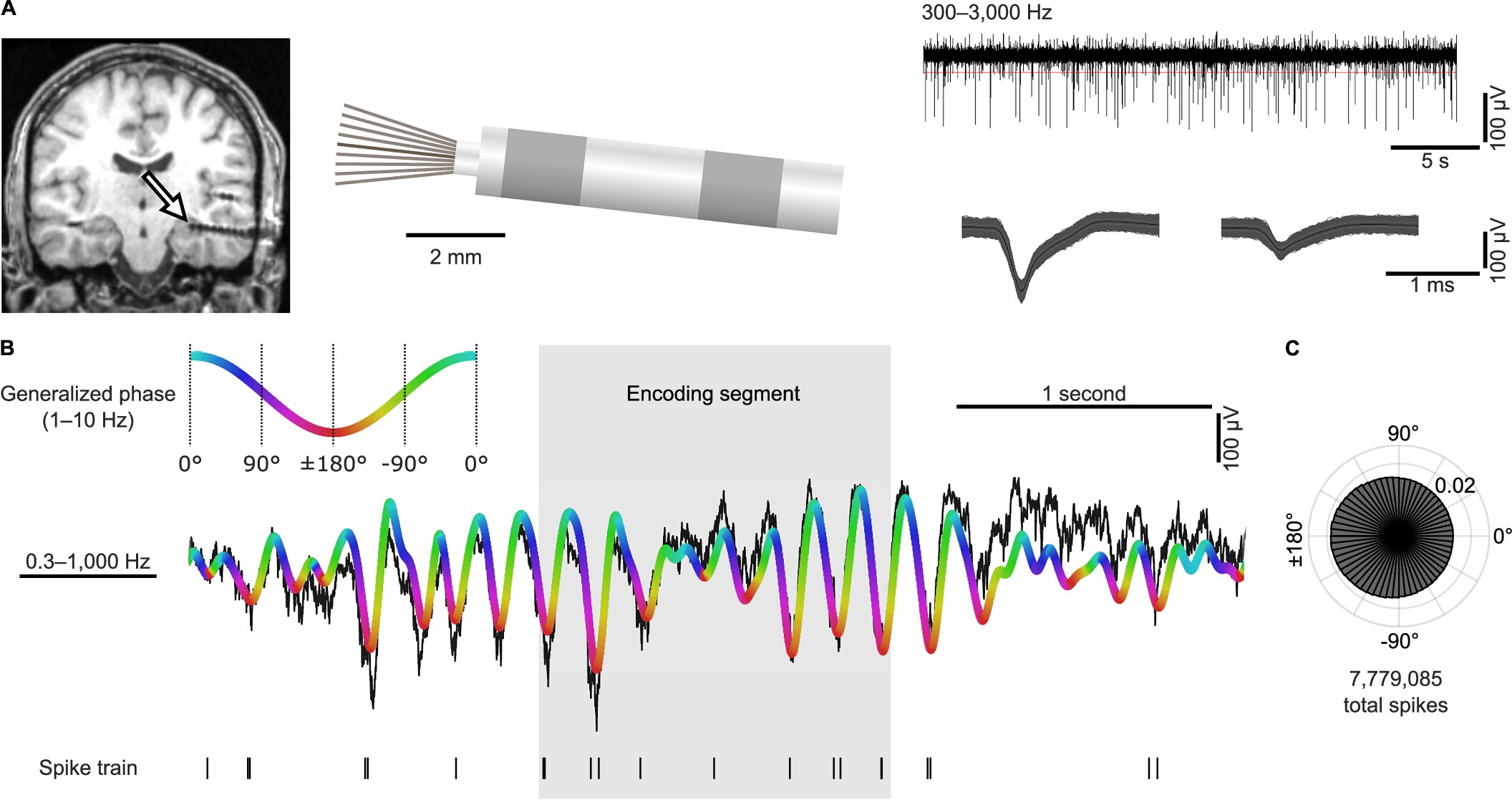
The analysis pipeline of the study, with select figures created using BioRender. Credit: Nature Communications (2025)

Scientists have developed a novel, detailed map at the subcellular level of a brain region frequently impacted by Alzheimer’s disease. This groundbreaking achievement represents a significant advancement in understanding the mechanisms underlying the development of this neurodegenerative condition.

New research shows that AI can identify complex regional pain syndrome (CRPS) with over 90% accuracy by analyzing gut microbiome patterns. 

Mindfulness exercises paired with music were found to engage both neural and cardiac systems, potentially reducing symptoms of anxiety and depression. A recent study showed that live and virtual music mindfulness sessions lowered stress and altered states of consciousness, though only live sessions fostered social connection.

A long-term study shows that teenagers who maintain or increase physical activity levels are less likely to develop symptoms of depression.

Researchers have developed a brain-computer interface (BCI) that enables computer cursor control and clicking, using neural signals from the speech motor cortex. One participant with amyotrophic lateral sclerosis (ALS) used the interface for daily life activities, including independent control of a personal desktop computer and text entry.

New research shows that targeting emotional processing is key to treating and managing chronic pain.

In a first-of-its-kind clinical study, researchers have shown that patients with treatment-resistant PTSD were symptom-free up to six months after completing traditional therapy paired with vagus nerve stimulation (VNS).

Scientists using living human brain tissue have shown for the first time how a toxic form of a protein linked to Alzheimer’s can stick to and damage the connections between brain cells.

People whose biological age is higher than their chronological age may be more likely to develop dementia than people whose biological age matches or is lower than their chronological age, according to a study published online in Neurology. Biological age is based on biomarkers of aging such as lung function, blood pressure and cholesterol.

A recent study reveals that oxygen tension elevation during weeks four to six promotes neurogenesis in brain organoids, regulated by neuroglobin. The research is published in Science Advances.

Obstructive sleep apnea, a condition that causes lower oxygen levels during sleep, is linked to degeneration of brain regions associated with memory through damage to the brain’s small blood vessels, according to a study published in Neurology.

A new theory suggests that psychedelics promote empathy, insight, and psychological flexibility by making the brain’s right hemisphere temporarily dominant over the left. 

A revolutionary microscopy method called LICONN enables scientists to reconstruct brain tissue and map synaptic connections using standard light microscopes. By embedding brain tissue in hydrogel, expanding it, and imaging at nanoscale resolution, researchers achieve a detailed view of neuronal architecture previously only possible with electron microscopy.

A new music therapy-based tool called MuSICCA may transform how healthcare teams assess consciousness in children with severe brain injuries. 

Research from Emory University has identified a biological connection between inflammation and deficits in motivation in individuals with schizophrenia, offering new hope for treating symptoms that have long been resistant to existing therapies.

A Yale-led study shows that the senses stimulate a region of the brain that controls consciousness—a finding that might inform treatment for disorders related to attention, arousal, and more.

Finally this week, a new study has debunked the common myth that autistic people are less effective communicators than non-autistic individuals. Researchers found no difference in how well information was shared between autistic-only, non-autistic-only, or mixed groups.

Weekly Neuroscience Update

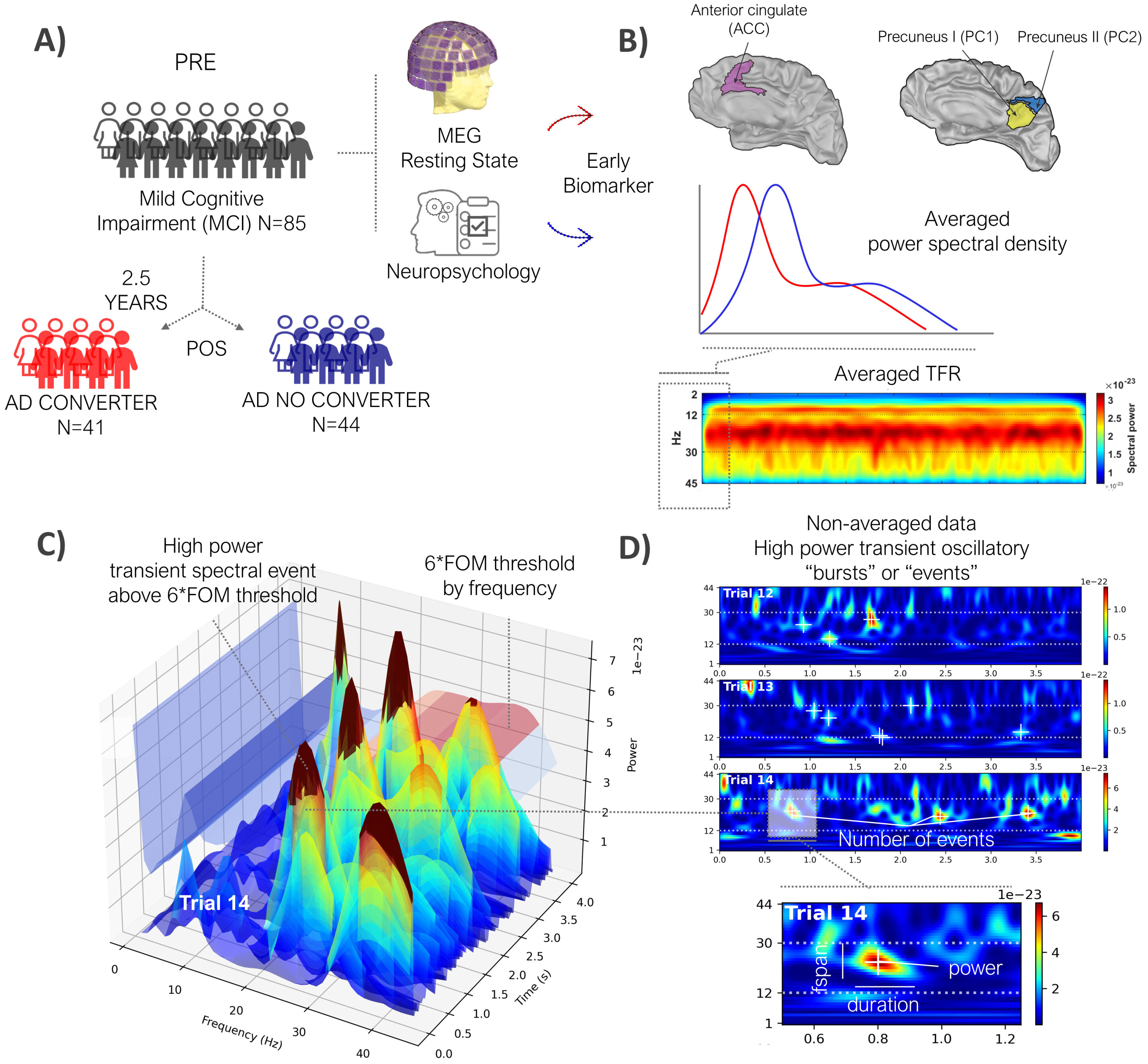
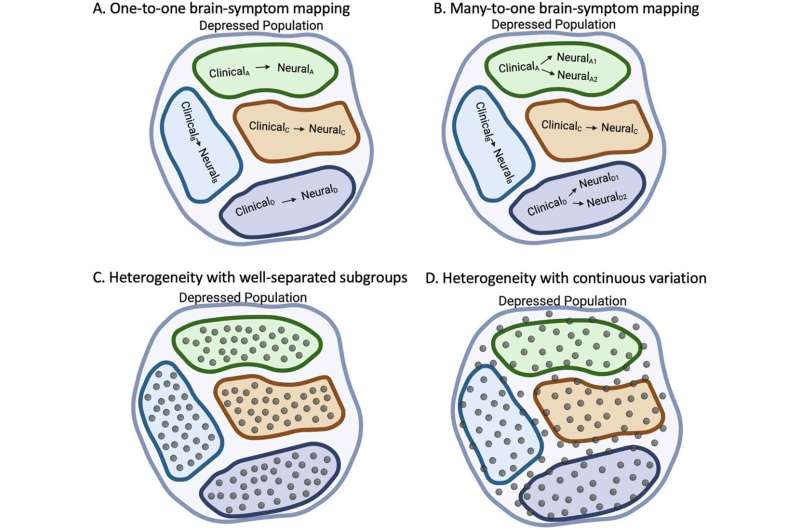
Credit: Nature Mental Health (2025)

Pioneering research has identified the brain mechanisms that enable psychosis to remit. These findings could significantly inform the development of novel intervention strategies for patients with psychosis.

Contrary to fears of “digital dementia,” new research finds that using digital technology is linked to a reduced risk of cognitive decline in older adults. A large-scale meta-analysis of over 400,000 participants revealed that digital engagement correlates with a 58% lower risk of cognitive impairment.

A simple method of brain stimulation has been shown to change how people make decisions. These were the findings of a new study published in the Journal of Cognitive Neuroscience.

A team of researchers has identified the key brain regions that are essential for logical thinking and problem solving. The findings help to increase our understanding of how the human brain supports our ability to comprehend, draw conclusions, and deal with new and novel problems—otherwise known as reasoning skills.

Medial temporal lobectomy is effective in improving seizure outcomes among patients with drug-resistant temporal lobe epilepsy, according to a recent study.

New research links fatty, sugary diets to impaired brain function. The findings build on a growing body of evidence showing the negative impact of high-fat, high-sugar (HFHS) diets on cognitive ability, adding to their well-known physical effects.

A recent study reveals that the basolateral amygdala plays a key role in calibrating prosocial behavior based on emotional closeness.

New research reveals that gut imbalances in children with autism may influence brain activity and behaviour by disrupting the production of key neurotransmitters like serotonin. Scientists found that changes in gut-derived metabolites are linked to differences in brain structure and function in children with autism.

Chronic pain is closely intertwined with depression. Individuals living with pain’s persistent symptoms may be up to four times more likely to experience depression according to a new study.

Our brains can adapt to filter out repeated distractions, according to a new EEG study. Participants learned to ignore frequent visual distractions, such as a red shape in the same location, while searching for a target.

Repetitive transcranial magnetic stimulation is showing promise in Alzheimer’s treatment.

A new international study reveals a possible connection between GLP1 receptor agonists—used in drugs like Ozempic—and increased risk of depression and suicidal ideation, especially in people with low dopamine function.

Researchers have found a potential link between the trauma of climate-related events, exemplified by devastating wildfires, and persistent effects on cognitive function.

Researchers have developed a personalized blood test that may offer a faster, less invasive way to track high-grade glioma progression. By identifying unique DNA junctions from each patient’s tumour, the test can detect tumor DNA in the bloodstream, even before changes appear on MRI scans.

A new study demonstrates for the first time that listening to favorite music activates the brain’s opioid receptors.

Promising a more personalized approach to treating major depressive disorder (MDD), a new study reveals that brain connectivity patterns, especially in the dorsal anterior cingulate cortex, can significantly predict patient response to antidepressant medications. This finding was validated in two large, independent clinical trials using brain imaging and clinical information.

Contrary to potential assumptions, recent research demonstrates that the spatial working memory of older people with autistic traits and neurotypical individuals shows no difference in change over time.

A major international study has provided the most comprehensive evidence to date on treatments for neuropathic pain —defined as pain caused by disease of the nervous system, affecting up to 10% of the population worldwide.

Finally, this week, exercise appears to be vital for maintaining sharp minds, even when a key brain energy source is lacking, according to a new study.

Weekly Neuroscience Update

Credit: Cell Reports (2025).

New research shows that the adult brain can generate new neurons that integrate into key motor circuits. The findings demonstrate that stimulating natural brain processes may help repair damaged neural networks in Huntington’s and other diseases.

A study published in Brain Communications highlights a new approach to treating drug-resistant epilepsy.

A novel human study with intracranial recordings demonstrates the thalamus’s pivotal role, especially its higher-order regions, in the onset of conscious perception, with activation preceding that of the prefrontal cortex.

New findings reveal that long-term obesity patterns have distinct impacts on brain structure, function, and cognition. 

Researchers have discovered new potential therapeutic targets for multiple sclerosis (MS). While current treatments prevent further damage, the current findings may form the starting point for the development of new treatments for tissue recovery in MS. The research is published in the journal Brain.

Research published in the Journal of Magnetic Resonance Imaging has uncovered changes in brain connectivity during chemotherapy in patients with breast cancer.

Mass General Brigham investigators have linked difficult early life experiences with reduced quality and quantity of the white matter communication highways throughout the adolescent brain. This reduced connectivity is also associated with lower performance on cognitive tasks.

A team of engineers has developed a microscale brain–computer interface that is small enough to be placed between hair follicles on a user’s head.

Researchers have identified specific high-order thalamic nuclei that drive human conscious perception by activating the prefrontal cortex. Their findings enhance understanding of how the brain forms conscious experience, offering new empirical support for theories that assign a central role to thalamic structures rather than cortical areas alone.

A natural compound found in everyday fruits and vegetables may hold the key to protecting nerve cells—and it’s showing promise as a potential treatment for ALS and dementia.

New research highlights how smartphones are transforming memory science by capturing real-world data on sleep, emotion, and daily experiences. Studies show that replaying memories before sleep, experiencing novel events, and feeling positive emotions can all strengthen autobiographical memory.

An artificial intelligence tool that can help interpret and assess how well treatments are working for patients with multiple sclerosis has been developed by UCL researchers.

A recent study indicates that brain cells possess a higher degree of plasticity than previously understood. This suggests that the brain’s ability to adapt and change throughout life is more extensive than earlier scientific models suggested.

Researchers have discovered that increased blood flow leads to stiffness in the hippocampus, a region of the brain that plays important roles in learning and memory. 

By mapping the presynaptic inputs to single neurons within the primary somatosensory cortex researchers have shown how these neurons integrate brain-wide signals related to behavior, offering a more nuanced understanding of cortical activity.

Seventeen modifiable risk factors are shared by stroke, dementia, and late-life depression, according to a review published in the Journal of Neurology, Neurosurgery & Psychiatry.

A recent study has shown how aspects of brain function change with age, revealing that excitatory processes in the brain decrease, while inhibitory processes increase as children get older. The findings are an important step in understanding disorders like autism.

Finally this week, research shows that a blow to the head can significantly impact a child’s or adolescent’s future education. Even a mild concussion can have far-reaching consequences.

Weekly Neuroscience Update

Illustration of the wearable rTMS device. Credit: Nature Communications (2025).

A new wearable brain stimulation device is being developed, aiming to make therapeutic brain stimulation portable and accessible. This technology could potentially allow for on-the-go treatment of various neurological and psychiatric conditions, moving brain stimulation therapy out of clinical settings and into everyday life.

A recent study provides the first detailed cellular insights into how psilocin, the active ingredient in magic mushrooms, promotes the growth and networking of human nerve cells.

Scientists have developed tiny, magnetically controlled robots designed for minimally invasive brain surgery. These robots can perform precise actions like gripping and cutting tissue, guided by external magnetic fields, potentially eliminating the need for large skull openings. The technology aims to significantly reduce patient recovery time and risks associated with traditional neurosurgery.

Marking a breakthrough in the field of brain-computer interfaces (BCIs), a team of researchers has unlocked a way to restore naturalistic speech for people with severe paralysis.

For the first time, scientists have confirmed a neurobiochemical link between dopamine and cognitive flexibility, according to new research published in The Journal of Nuclear Medicine. PET imaging shows that the brain increases dopamine production when completing cognitively demanding tasks, and that the more dopamine released, the more efficiently the tasks are completed. Armed with this information, physicians may soon be able to develop more precise treatment strategies for neurological and psychiatric disorders.

The risk of a full-blown stroke will remain high for at least a decade after a person has a slight brush with stroke, in the form of a transient ischemic attack or minor stroke, a new study says.

By analyzing DNA and proteins in the blood of people with and without acute spinal cord injuries (SCIs), researchers have developed a novel blood test that has the potential to rapidly predict the severity and likelihood of sensory and motor recovery within six months in a cost-effective manner.

A new study has demonstrated that the brains of people who experience migraines and other types of headaches cannot modulate visual stimulation in the same way a person without these conditions can.

Scientists have developed a way to map how individual connections between neurons change across the entire brain during learning, giving scientists a new view into how changes in behaviour show up in the brain. The new imaging method, DELTA, provides scientists with a brain-wide map of how individual synaptic proteins change over time. Proteins important for synaptic plasticity are known to be degraded or synthesized as synaptic connections change.

Research has found that metal particles from artificial joint implants can enter the central nervous system and accumulate in cerebrospinal fluid, raising concerns about potential neurological effects.

Though Alzheimer’s disease is often described as a buildup of proteins in the brain in the form of plaques and tangles, a new study has shown that blood vessels in the brain might hold another important clue to the disease.

Finally this week, virtual reality reveals that curiosity is key in shaping our spatial memory and mental map formation, according to new research.

Weekly Neuroscience Update

Example atlases included in the Network Correspondence Toolbox (NCT). Credit: Nature Communications (2025)

UCLA Health researchers have helped to develop a new digital toolbox to create a “common language” for brain network studies, potentially accelerating new discoveries and treatments for neurological and psychiatric conditions.

New research published in The Journal of Neuroscience suggests that relieving psychological stress by targeting specific neurons in the brain can lower blood pressure and reduce anxiety.

People who have early signs of heart problems may also have changes in brain health that can be early signs of dementia, such as loss of brain volume, according to a meta-analysis published online in Neurology. The meta-analysis does not prove that early heart problems cause loss of brain cells; it only shows an association.

Scientists have gained greater clarity in the brain regions and neurons that control metabolism, body temperature and energy use. 

A recent study published in Science challenges assumptions about infant memory, showing that young minds do indeed form memories. The question remains, however, why these memories become difficult to retrieve later in life.

The brain’s appetite signalling pathways can be disrupted by consuming non-caloric sweeteners, according to new research.

Analysis of stroke patients from 1971 to 2019 showed college graduates exhibited stronger overall cognitive abilities immediately post-stroke. However, stroke survivors with any higher education saw a more rapid deterioration of executive functions, such as working memory and problem-solving, compared to those with lower levels of education.

New research suggests that psychopaths have a distinct pain experience, which can differ from what their bodies register.

A study published in the journal Scientific Reports suggests that virtual reality (VR) may offer a promising avenue for pain management in cancer patients. By immersing patients in realistic underwater environments using VR headsets, researchers observed a significant reduction in self-reported pain. This subjective improvement was further corroborated by real-time brain imaging, which revealed notable alterations in the neural pathways associated with pain perception.

A new review highlights how unpredictable sensory experiences, beyond traditional stressors like abuse and neglect, can disrupt brain development.

Scientists have uncovered a fundamental principle of how brain cells stay connected, and their discovery could change how we understand Alzheimer’s disease. Published in Cell Reports, this study reveals that neurons—the cells that make up our brain—use simple physics to maintain their connections, and that these processes change in Alzheimer’s patients.

New research shows that the brain’s numerical processing involves both absolute and relative quantity, with relative size processing increasing as information moves from the back to the front of the brain.

A pilot study of a post-stroke population has revealed some potential benefits of transcranial direct current stimulation (tDCS) on attention and fatigue. Study findings are published in Frontiers in Human Neuroscience.

Finally this week, marathon runners experience a temporary decline in brain myelin during races, with levels returning to normal after recovery, according to a study published in Nature Metabolism.

Weekly Neuroscience Update

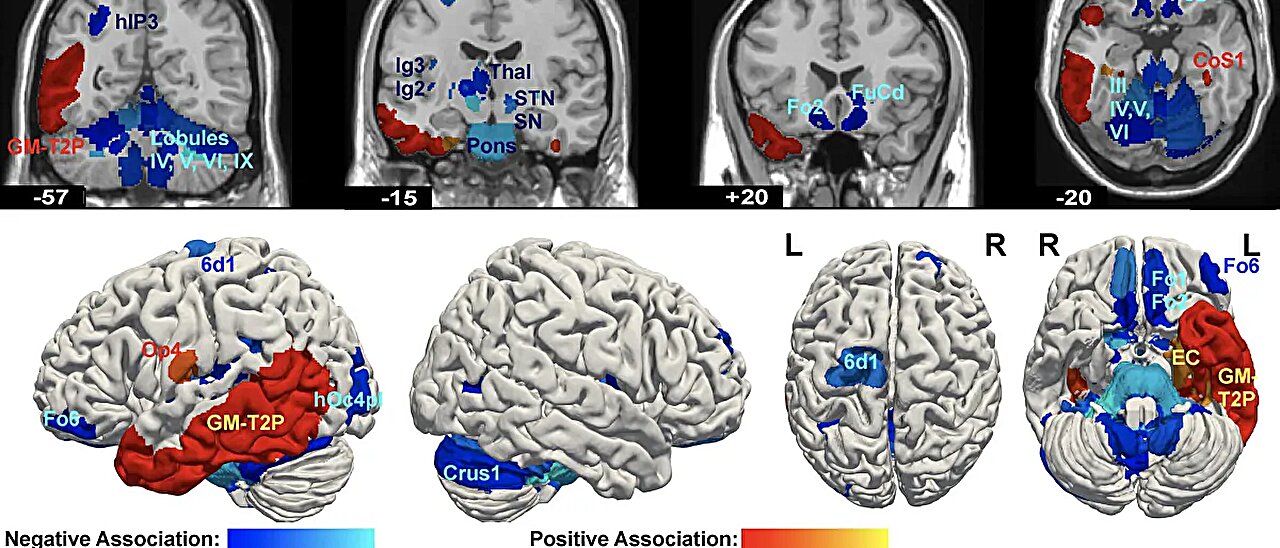
Credit: Brain Communications (2025)

The parts of the brain that are needed to remember words, and how these are affected by a common form of epilepsy, have been identified by a team of neurologists and neurosurgeons.

New research published in PLOS ONE, reveals that witnessing trauma triggers unique brain changes, distinct from those caused by experiencing trauma firsthand. The study is the first to shed light on the molecular differences between directly acquired PTSD and bystander PTSD and could pave the way for changes in how the disorders are treated.

Scientists have discovered that neural changes in teens may predict how decision-making and behavioural control develop.

A new study shows that the rubber hand illusion can reduce the intensity of pain caused by heat. Researchers found that when participants viewed a rubber hand being illuminated while their hidden hand received a heat stimulus, they reported feeling less pain. This suggests that integrating visual and sensory cues can influence pain perception. The findings may one day help develop new treatments for chronic pain conditions such as complex regional pain syndrome.

Verbal fluency, the ability to recall and use vocabulary, is the strongest cognitive predictor of longevity in a 20-year study of elderly adults. This suggests a link between linguistic ability and overall health.

Neuroscientists have discovered a way to control how much zinc is released to specific locations in the brain. The essential mineral plays a major role in the brain’s function, including improving memory and lessening symptoms of some neurological disorders, but getting the right amount to the right place is key.

According to new research, inflammation inside and outside the brain may contribute to neurological complications in COVID-19.

A study published  in the British Journal of Psychiatry has found that nearly half of people diagnosed with depression don’t respond to multiple antidepressant medications and are considered “treatment-resistant.” The study found that 48% of patients whose electronic health care records reported a diagnosis of depression had tried at least two antidepressants, and 37% had tried four or more different options.

Scientists have developed a computational framework that maps how the brain processes speech during real-world conversations.

For children with autism who severely injure themselves, a pilot study suggests that deep brain stimulation (DBS) of the brain’s reward centre (nucleus accumbens) is a safe and possible treatment that could be beneficial, especially when behavioural therapies don’t work.

New research suggests that factors present in the placenta during pregnancy might play a role in increasing the risk of a child developing schizophrenia.

Scientists at Peking University have used a new method to discover that dopamine helps protect and control the function of a protein called Tau. This finding helps us better understand how dopamine works normally and in diseases of the brain.

A research team has uncovered the neural mechanisms underlying the processing of pain and itch in the anterior cingulate cortex (ACC).

A new study finds that women in their 80s who develop increasing daytime sleepiness over five years are twice as likely to develop dementia. Researchers tracked 733 women without cognitive impairment, using wrist devices to monitor sleep and circadian rhythms. Those who showed stable sleep patterns had the lowest dementia risk, while those with increasing sleepiness faced the highest risk. Surprisingly, declining nighttime sleep was not significantly linked to dementia risk.

A research team has developed an electrode capable of safely encasing nerves without causing damage.

Finally this week, new research shows that even 12-month-old babies can form memories, as indicated by activity in the hippocampus. This challenges the idea that infants can’t remember and suggests that infantile amnesia (not remembering early childhood) might be because we can’t access those memories later, rather than not forming them in the first place.

Weekly Neuroscience Update

Cortical Resting-State Networks defined by Gordon’s Parcellation. Credit: Journal of the American Academy of Child & Adolescent Psychiatry (2025).

Exposure to high ambient temperatures is associated with lower connectivity in three brain networks in preadolescents, suggesting that heat may impact brain function. 

A new study reveals that consuming high-calorie, highly processed foods for just five days can reduce the brain’s sensitivity to insulin, a key factor in obesity and type 2 diabetes. Researchers found that even in healthy individuals, short-term unhealthy eating altered brain function, mimicking effects seen in people with obesity.

Scientists are exploring the role of gut-brain axis in Parkinson’s, anxiety and long COVID.

New research highlights that optimal brain health is strongly linked to cardiovascular wellness. The study underscores that dementia and cognitive decline share risk factors with heart disease, suggesting these conditions are largely preventable by managing diet, exercise, cholesterol, blood sugar, and blood pressure.

Approximately 40 percent of adults with chronic pain experience depression or anxiety, according to a review published in JAMA Network Open.

A multidisciplinary team of researchers has discovered how lateral inhibition helps our brains process visual information, and it could expand our knowledge of sensory perception, leading to applications in neuro-medicine and artificial intelligence.

Brain changes may remain visible in brain scans after recovery from concussion, a new study shows.

Researchers are using photoacoustic imaging to observe brain activity and, in the process, discovering more about how it responds to different types of learning and experiences. Photoacoustic imaging uses optics and acoustics to generate a signal in biological tissues—in this case, the brain—where the signal provides structural and functional data and allows researchers to track factors such as brain activity. 

A study exploring a new brain imaging technique is bringing stroke experts a step closer to better tailoring rehabilitation.

Scientists have uncovered new insights into how neurofilaments act like Velcro in neurodegenerative diseases, clogging up the brain and preventing normal function, according to a study published in the journal JCI Insight.

Poor sleep could have an impact on brain health, according to a new study from The Australian National University (ANU) published in the journal Sleep Medicine.

Mayo Clinic researchers have found a new way to more precisely detect and monitor brain cell activity during deep brain stimulation, a common treatment for movement disorders such as Parkinson’s disease and tremor. This precision may help doctors adjust electrode placement and stimulation in real time, providing better, more personalized care for patients receiving the surgical procedure.

A new neuroimaging study has revealed that viewing nature can help ease how people experience pain, by reducing the brain activity linked to pain perception.

An international team of scientists has revealed new clues about the neural mechanisms underlying memory formation and recognition in the developing human brain, according to a study published in Science Advances.

Poor sleep among older adults is linked to disruptions in the brain’s “waste removal system,” according to a recent study.

Research published in the Proceedings of the National Academy of Sciences  reveals that brain aging isn’t a steady decline, but rather a series of shifts with key turning points. These transition points follow an S-shaped statistical curve with clear transition points, rather than either the late-life clinical onset or gradual linear decline previously assumed, suggesting there are specific windows when intervention could be most impactful.

Finally this week, new research reveals that our brains simplify complex social interactions by using basic mental “building blocks” or shortcuts.

Weekly Neuroscience Update

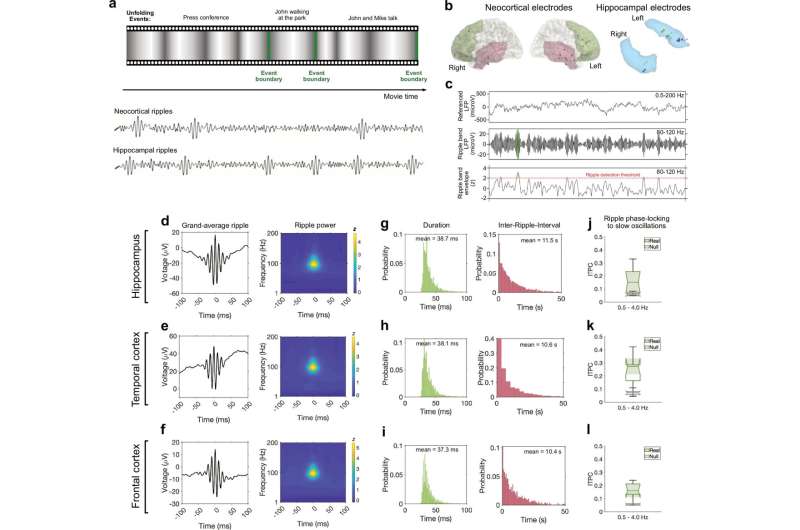
Credit: Journal of Alzheimer’s Disease (2025). DOI: 10.1177/13872877251319742

Researchers have developed an AI tool that analyzes brain wave activity recorded during sleep using electroencephalography (EEG), a non-invasive technique that measures electrical activity in the brain through sensors placed on the scalp.

An encoding study reveals how the brain uses past experiences to predict the unfolding of similar events over time.

A new brain-computer interface (BCI) has enabled a paralyzed man to control a robotic arm by simply imagining movements. Unlike previous BCIs, which lasted only a few days, this AI-enhanced device worked reliably for seven months. The AI model adapts to natural shifts in brain activity, maintaining accuracy over time.

Learning to think more about specific events in the future appears to reduce impulsivity, improve decision-making, and shows potential as a therapy for alcohol use disorder, a recent study has found.

Repeated sessions of electrical stimulation to brain networks associated with memory improved verbal learning in some Alzheimer’s disease patients for up to eight weeks in a preliminary trial led by UT Southwestern Medical Center researchers. The findings, published in The Journal of Prevention of Alzheimer’s Disease, indicate that while future trials are needed, neurostimulation shows early promise as a treatment for Alzheimer’s and other neurodegenerative disorders, such as Lewy body dementia.

Alcohol use leads to earlier brain aging and impaired behavioral flexibility, with those effects detectable even among adults in their 20s and 30s, according to an innovative study.

Researchers at Karolinska Institutet have identified a new mechanism that may improve the treatment of ischemic stroke. The study, published in the Journal of Clinical Investigation, shows that the growth factor PDGF-CC and its receptor PDGFRα play a crucial role in scar formation in the brain after an ischemic stroke.

An abnormal form of the tau protein found to accumulate in the brains of Alzheimer’s disease patients also accumulates in the eyes of patients with the condition, according to a recent study.

Scientists have observed for the first time how neurons in the human brain store memories independent of the context in which they are acquired. Published in Cell Reports, the study confirms that neurons can distinguish objects or people regardless of their context, enabling the formation of higher and more abstract relationships, which constitute the basis of human intelligence.

Higher fish consumption is associated with slower disability progression in multiple sclerosis (MS), according to research published in the Journal of Neurology, Neurosurgery & Psychiatry.

Using sophisticated neuroimaging techniques, researchers have mapped the brain’s activity during natural conversations, revealing how we seamlessly process speech and sound. These insights not only deepen our understanding of human connection but also pave the way for transformative advancements in speech technology and communication tools.

Finally this week, a recent study in Computers in Human Behavior, researchers observed that staying away from smartphones can even change one’s brain chemistry.

Weekly Neuroscience Update

A global research collaboration has revealed how certain gut cells switch on pain signals, which can linger long after the initial trigger has passed, potentially contributing to chronic pain in conditions like irritable bowel syndrome (IBS) and inflammatory bowel disease (IBD).

Researchers have identified specific neuronal cells that are essential to our understanding of other people.

A new study reveals that older adults experience the least attention difficulties when home temperatures remain between 68–75 ˚F (20–24 ˚C). Deviations beyond this range double the risk of attention lapses, highlighting how even current climate conditions may harm cognitive health. This risk is especially pronounced for low-income seniors who may lack the means to regulate indoor temperatures.

How the brain feels about the world around it is the subject of a new paper published in Proceedings of the National Academy of Sciences.

Striking brain similarities have been found in patients with long COVID and Myalgic Encephalomyelitis/Chronic Fatigue Syndrome (ME/CFS), in particular, a larger than normal hippocampus. The research also reported the hippocampal volume was associated with symptom severity in both patient groups.

A recent study suggests that first-time transient ischemic attacks (TIA) are associated with long-term cognitive decline.

A new international and multidisciplinary study has unveiled a novel framework for understanding the concept of time persistence in the human brain, shedding light on its essential role in brain functioning and cognition. This research, which explores how long the brain’s functional networks remain in a particular state before transitioning to another, opens new doors to our understanding of human cognition and behavior.

Stress hormones shift neuron types in the developing brain, a new study suggests.

Researchers have developed a new method for deep brain stimulation. The technique, called “DeepFocus,” uses transcranial electrical stimulation (TES) on the scalp and transnasal electrical stimulation (TnES) to achieve more accurate electrical stimulation in the brain.

A new study has found that a short-term, high-caloric diet impairs brain insulin responsiveness and increases liver fat in healthy-weight men, with effects extending beyond the consumption period.

Even when within the normal range, lower levels of vitamin B12 may contribute to cognitive decline, according to a new study that found that older adults with lower biologically active B12 had slower cognitive processing and more white matter.

Researchers have developed an AI that accelerates the identification of genes that contribute to neurodevelopmental conditions such as autism spectrum disorder, epilepsy and developmental delay.

A new study based on data from 18,740 dementia patients suggests that antidepressants may accelerate cognitive decline. Researchers found that patients taking antidepressants, particularly SSRIs like escitalopram, citalopram, and sertraline, experienced faster deterioration compared to those not on medication.

A decade-long study reveals how childhood adversity alters brain development, increasing risks for mental health disorders and substance use. 

The brain may play a role in helping the ear regulate its sensitivity to sound and compensate for hearing loss by sending a signal to a structure in the inner ear known as the cochlea, according to a study that was published in the Journal of Neuroscience.

The symptoms of schizophrenia vary greatly from person to person. A recent study shows how these differences manifest themselves in the structure of the brain.

Researchers have discovered a fundamental mechanism that affects the size of the pupil, namely our breathing. The study, published in the Journal of Physiology, shows that the pupil is smallest during inhalation and largest during exhalation—something that could affect our vision.

Finally this week, a large study found that people who engage in moderate to vigorous physical activity are less likely to develop dementia, stroke, anxiety, depression, and sleep disorders.

Weekly Neuroscience Update

Functional connectivity with the rFP (green, left) defines a distributed brain circuit (right) that will encompass coordinates activated by creativity tasks. Credit: Brigham and Women’s Hospital

A new study suggests that different brain regions activated by creative tasks are part of one common brain circuit. By evaluating data from 857 participants across 36 fMRI studies, researchers identified a brain circuit for creativity and found people with brain injuries or neurodegenerative diseases that affect this circuit may have increased creativity.

New research has uncovered why males and females may experience stress differently, providing insights into how the brain’s molecular mechanisms adapt to acute challenges.

How can nerve pathways in the brain be visualized to improve the planning of complex surgeries? A research team has investigated an AI-powered method that makes these reconstructions more precise. The study, recently published in NeuroImage: Clinical, could ultimately help make neurosurgical procedures safer.

Three studies at the University of Zurich demonstrate that hypnosis alters activity in the large-scale functional networks of the brain. It also affects the neurochemical milieu of specific brain areas.

New research reveals that brain cells use a muscle-like signaling mechanism to relay information over long distances. Scientists discovered that dendrites, the branch-like extensions of neurons, contain a structured network of contact sites that amplify calcium signals—similar to how muscles contract. These contact sites regulate calcium release, activating key proteins involved in learning and memory.

Researchers have made a major breakthrough in understanding the link between genetics and cognition.

A recent large-scale study published in Science Advances has revealed a connection between genetic variations associated with dyslexia and structural differences in the brain. These differences were found in areas involved in motor coordination, vision, and language. This provides new insights into the neurological underpinnings of this common learning difficulty.

According to a recent study, a diet low in vegetables and fruits and high in red meat, fast food, and sugar-sweetened soft drinks was associated with accelerated biological aging.

A new mathematical model sheds light on how the brain processes different cues, such as sights and sounds, during decision making. The findings may one day improve how brain circuits go awry in neurological disorders, such as Alzheimer’s, and could help artificial brains, like Alexa or self-driving car technology, more helpful.

New research has shown just one 20-minute session of moderate intensity aerobic exercise can improve an athlete’s executive function and concussion symptoms in the early stages of recovery.

A recent study using brain imaging technology discovered that experiencing beauty in music involves increased communication between brain areas associated with reward and visual processing, while listening to music considered less beautiful is linked to more activity in brain regions responsible for basic sensory processing. 

Finally this week, women with epilepsy may have offspring with decreased bone metabolism and lower birth weight, according to a study published in the Annals of Clinical and Translational Neurology.