A research team has identified, for the first time in humans a key neurophysiological mechanism in memory formation: ripple-type brain waves—high-frequency electrical oscillations that mark and organize the different episodes or fragments of information that the brain stores as memories.
Scientists have discovered how a key protein helps maintain strong connections between brain cells that are crucial for learning and memory.
New research shows that signs of Alzheimer’s disease can already be detected in the blood of people as young as their 40s. Finnish scientists found elevated Alzheimer’s-related biomarkers in middle-aged adults, especially among those with maternal history or kidney disease.
A new study questions whether playing youth football leads to harmful protein buildup in the brain.
Receiving six or more prescriptions of the drug gabapentin for low back pain is associated with significantly increased risks of developing dementia and mild cognitive impairment, finds a large medical records study.
A large genetic study reveals that cannabis use disorder is strongly linked to increased risk for multiple psychiatric disorders, including depression, PTSD, ADHD, and schizophrenia.
A common sugar substitute, erythritol, widely used in “sugar-free” and low-carb products, may increase stroke risk by damaging brain blood vessel cells. A new study found that erythritol exposure reduced nitric oxide, increased vessel constrictors, impaired clot-busting abilities, and boosted free radical production in these cells.
Finally, this week, neuroscientists have discovered a signature ‘wave’ of activity as the brain awakens from sleep.
After following a protocol of sensory-motor activities with cognitive engagement for two months, eleven children aged 10 to 12 who were diagnosed with dyslexia showed improvement in reading speed. This initiative combined recreational activities that incorporated motor and social skills, demonstrating promise in improving children’s reading performance.
Parkinson’s disease often starts on one side of the body, and new research shows this asymmetry influences how non-motor symptoms progress.
Memory helps us make sense of the present by retrieving past experiences based on either surface-level similarities or deeper conceptual connections. A recent study reveals that when a familiar mental category — like excuses or conflicts — is available, memory prioritizes structural, abstract links over superficial cues.
A device combining ultrasound and advanced imaging to provide information for the safe delivery of drugs into the brain has been developed by University of Queensland researchers.
A new study has upended decades of neuroscience dogma, revealing that dopamine, a neurotransmitter critical for movement, motivation, learning and mood, communicates in the brain with extraordinary precision, not broad diffusion as previously believed.
Researchers have found a new drug that may boost the brain’s ability to heal itself after injury. The discovery could lead to significant advances in treating traumatic brain injuries, or TBIs.
A study published in iScience suggests that the magic of live performance art may be reflected in our brains. When people watched a live contemporary dance performance, their brainwaves synced up, signaling shared focus and attention—but that synchrony didn’t occur when people watched the same performance alone on video.
A new study reveals that our organs age at different speeds, and those differences can predict future disease risk and even life expectancy. Using blood-based protein signatures from over 44,000 participants, researchers developed an algorithm to estimate the biological age of 11 organ systems.
Finally this week, a study in the journal Sciencepresents compelling new evidence that neurons in the brain’s memory center, the hippocampus, continue to form well into late adulthood.
Coloured regions show where brain volume was associated with deviant lifestyle and antisocial behavior in individuals with psychopathic traits. Credit: European Archives of Psychiatry and Clinical Neuroscience (2025).
A recent study has shed light on the brain structure differences associated with psychopathy—a condition known to be one of the strongest predictors of persistent violent behaviour. The findings arepublishedin the journal European Archives of Psychiatry and Clinical Neuroscience.
Researchers are using a new approach to brain imaging that could improve how drugs are prescribed to treat Parkinson’s disease.
An analysis of over 375 trials shows that structured exercise significantly reduces depression and anxiety in children and teens. Low-intensity resistance activities like light weights were most effective for easing anxiety, while moderate mixed-mode programmes worked best for depression, especially when lasting under 12 weeks.
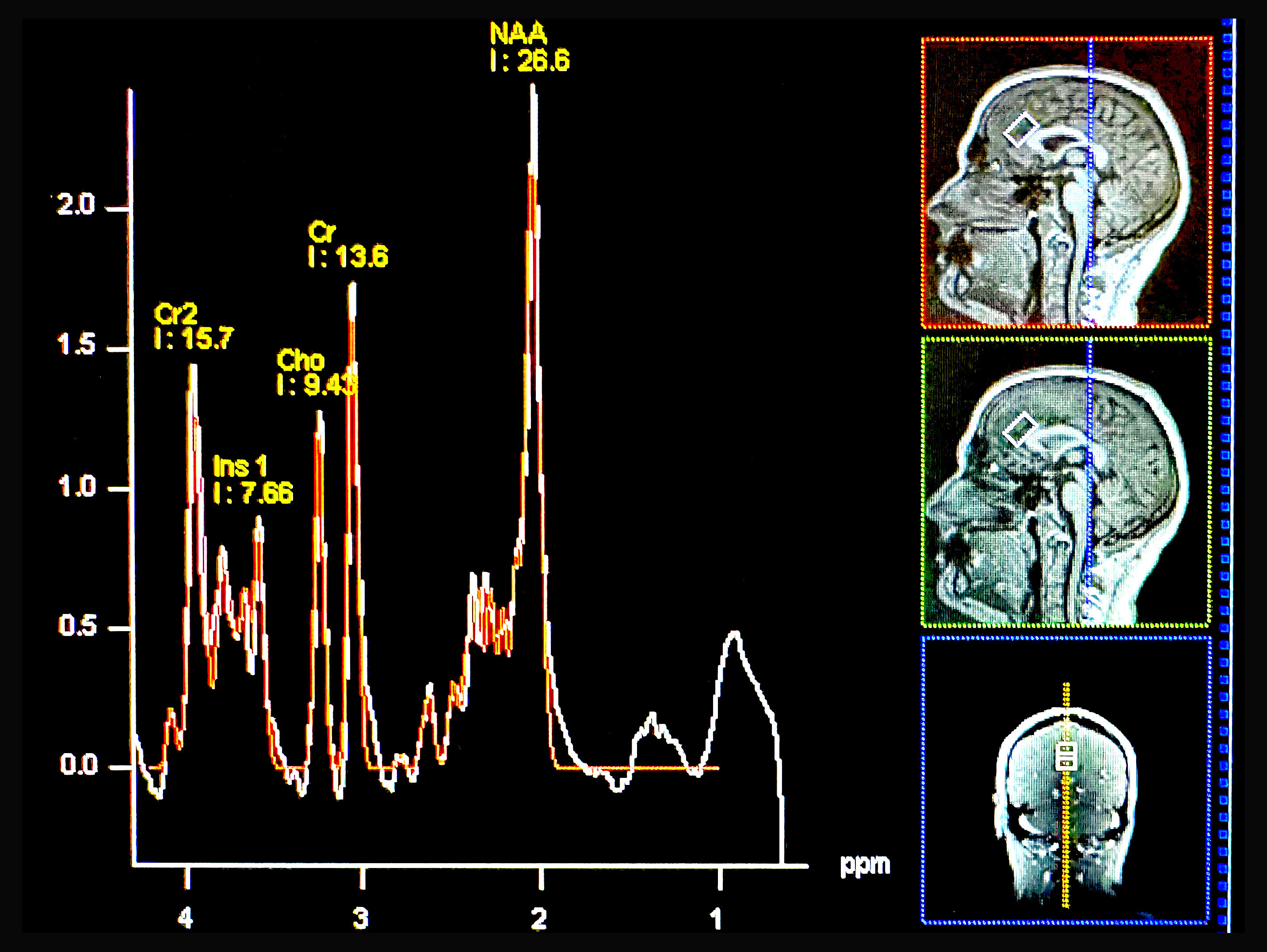
A new technology that uses clinical MRI machines to image metabolic activity in the brain could give researchers and clinicians unique insight into brain function and disease.
Diets rich in phosphate additives, commonly found in processed foods, can increase blood pressure by triggering a brain signaling pathway and overactivating the sympathetic nervous system that regulates cardiovascular function, UT Southwestern researchers discovered. Their findings could lead to treatment strategies for patients with hypertension caused by overconsumption of foods containing high levels of phosphates.
New research proposes a unified theory of brain function based on criticality—a state where the brain teeters between order and chaos, allowing it to learn, adapt, and process information optimally. When the brain strays from this delicate balance, cognitive performance weakens, and neurological disorders such as Alzheimer’s may begin to take hold.
A drug used for Parkinson’s disease has been shown to be effective in reducing the symptoms of difficult to treat depression, according to a study led by the University of Oxford.
A recent study shows that older adults may compensate for age-related cognitive decline by enhancing activity in a specific brain region linked to attention—the locus coeruleus (LC). In a brain imaging study, older participants showed stronger LC responses when interpreting ambiguous facial expressions, compared to younger adults.
Individuals with versus those without tinnitus have significantly lower scores on cognitive function tests, according to a recent study published in Frontiers in Neurology.
New research shows how the brain navigates emotional transitions, using music as a tool to map changing neural patterns. Scientists found that emotional responses in the brain depend heavily on the listener’s prior emotional state.
A clinical trial has revealed that Ambroxol, a common cough medicine in Europe, may help slow cognitive decline in people with Parkinson’s disease dementia.
In a study of 200 former professional rugby players (aged 30–61 years old), researchers from Imperial College London, University College London and the UK Dementia Research Institute found no cases of early-onset dementia.
Finally this week, new research findings show how synaptic connections in the cerebral cortex can strengthen during sleep, offering insight into how the brain continues learning even while we rest.
A novel study aimed at disentangling the neurological underpinnings of depression shows that multiple brain profiles may manifest as the same clinical symptoms, providing evidence to support the presence of both one-to-one and many-to-one heterogeneity in depression. The findings of the study in Biological Psychiatry, highlight the layered and complex interactions between clinical symptoms and neurobiological sources of variation.
Brain networks responsible for sensing, understanding, and responding emotionally to pain develop at different rates in infants, with the conscious understanding of pain not fully developed until after birth, finds a new study.
People living with autoimmune diseases face nearly twice the risk of developing persistent mental health disorders like depression, anxiety, and bipolar disorder, according to a massive UK-based study.
New research shows that individuals with higher cognitive ability have stronger, more flexible synchronization of brain rhythms—specifically theta waves—in the midfrontal region during mentally demanding tasks. These neural signals coordinate dynamically, especially during moments of decision-making, allowing people to maintain focus and adapt more quickly to changing rules.
A recent study leveraged machine learning to identify the key lifestyle and health factors influencing cognitive performance throughout life.
New research reveals that autism and congenital heart disease may share a common biological basis—tiny cellular structures called cilia. Scientists found that mutations in genes affecting cilia formation disrupt both brain and heart development, helping explain why the two conditions often co-occur.
A first-of-its-kind clinical trial shows that ketamine treatment for severe, treatment-resistant depression is significantly more effective when paired with psychotherapy and supportive environments. Patients who underwent this combined treatment reported a 30% drop in depression symptoms, with reduced anxiety and suicidal thoughts lasting at least eight weeks.
A crucial link between the brain’s cleaning system and deterioration of neurons associated with Alzheimer’s disease has been discovered.
In a studypublished in Science Advances, researchers reveal that our bodies respond to acute (short‑term) and chronic (long‑lasting) pain in surprisingly different ways at the cellular level. Their discovery sheds new light on how pain becomes chronic—and opens the door to better‑targeted treatments.
A paper published in the Cochrane Database of Systematic Reviews has found that virtual reality (VR), when used in addition to standard therapy, can help stroke survivors regain arm movement.
Researchers investigating post-traumatic stress disorder (PTSD) at the single-cell level, aiming to understand how cellular communication may be disrupted in affected brains. They found impaired signaling in inhibitory neurons in PTSD, potentially explaining hyperarousal symptoms, and opposing patterns of microglial activity in PTSD versus depression. Vascular endothelial cells in PTSD brains also showed signs of dysfunction, possibly increasing stress hormone exposure.
A recent study shows that individual neurons in the hippocampus can respond to both slow and fast brain waves at the same time by switching between different firing modes.
For the first time, scientists using cryo-electron microscopy have discovered the structure and shape of key receptors connecting neurons in the brain’s cerebellum, which is located behind the brainstem and plays a critical role in functions such as coordinating movement, balance and cognition.
In a paper published in the journal Nature Communications, biomedical engineers have shown how two brain regions quickly adapt to shift focus from one planned destination to another.
A new neuroimaging study has identified distinct structural brain differences in individuals with psychopathy, particularly those with high antisocial traits. Reduced volumes were found in subcortical and cortical areas involved in emotion, decision-making, and social behavior.
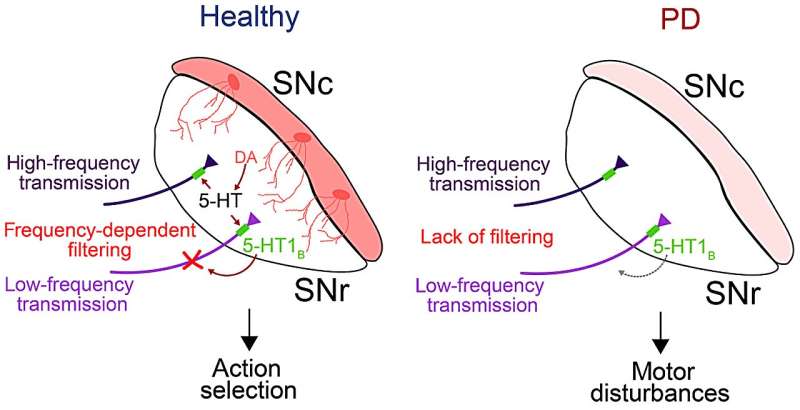
Groundbreaking research has identified a new brain protein involved in the development of Parkinson’s disease and a way to modify it, paving the way for future treatments for the disease.
Living in disadvantaged neighborhoods may increase the risk of Alzheimer’s disease by elevating biomarkers associated with inflammation and neurodegeneration. A long-term study of 334 older adults found higher levels of tau and YKL-40, biomarkers linked to Alzheimer’s and brain inflammation, in people from less advantaged areas.
Psychosis may start not with hallucinations, but with subtle motor changes like reduced grip strength according to a new study.
In experiments with healthy volunteers undergoing functional MRI imaging, scientists have found increased activity in two areas of the brain that work together to react to, and possibly regulate, the brain when it’s “feeling” tired and either quits or continues exerting mental effort.
Finally, this week, newborn babies and patients with Alzheimer’s disease share an unexpected biological trait: elevated levels of a well-known biomarker for Alzheimer’s, as shown in a recent study.
An extensive study has shed new light on the global lifespan changes in the brain’s functional connectivity. Their findings reveal developmental patterns in the brain that could provide valuable information for future investigations into various neuropsychiatric and cognitive disorders.
A new meta-analysis reveals that Electroconvulsive Therapy (ECT) reduces suicide risk by 34% and all-cause mortality by 30% in individuals with severe depression.
The difference between the brain’s predicted age and actual chronological age, called a brain age gap, may influence the relationship between cognitive impairment risk factors, like high blood pressure and diabetes, and a person’s cognitive performance, also known as thinking and memory skills, according to a study published in Neurology.
Scientists have developed a groundbreaking 3D brain model that closely mirrors the architecture and function of the human brain.
New findings challenge the idea that curiosity simply fades with age. Instead, “state curiosity”—a specific drive to learn—actually intensifies later in life. This increased interest in personally relevant topics among older adults may be a key factor in maintaining cognitive health.
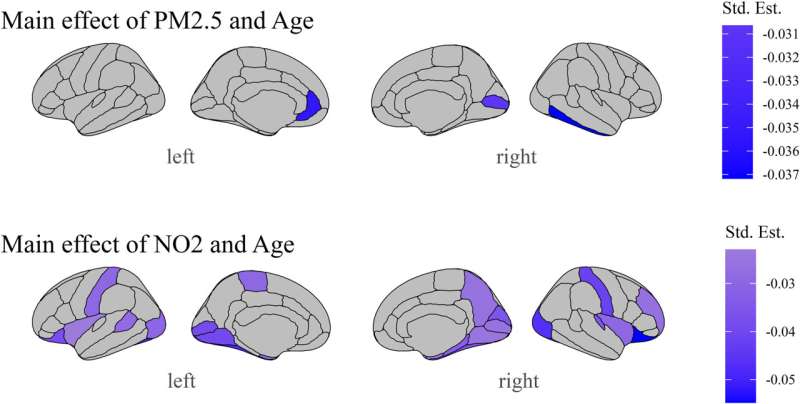
A recent study reveals that prenatal exposure to common air pollutants is associated with subtle but measurable changes in fetal brain structure during the second and third trimesters.
New research shows that the brain’s cortex can rapidly reorganize itself after losing neurons, allowing other nerve cells to take over lost functions. Scientists studied neural networks in the auditory cortex and found that although sound-processing patterns were briefly disrupted, the brain formed nearly identical patterns within days.
A novel study aimed at disentangling the neurological underpinnings of depression shows that multiple brain profiles may manifest as the same clinical symptoms, providing evidence to support the presence of both one-to-one and many-to-one heterogeneity in depression.
Heading a soccer ball alters the brain, research spearheaded by the University of Sydney has found, despite having no immediate impact on cognition.
Results from a new clinical trial reveal that a single dose of psilocybin—a naturally occurring psychedelic compound found in mushrooms—can provide sustained reductions in depression and anxiety in individuals with cancer suffering from major depressive disorder. The findings are published in Cancer.
Researchers have achieved a significant milestone in the treatment of depression, demonstrating the effectiveness of personalized transcranial magnetic stimulation (TMS) therapy offering a new treatment option for people who have had little success with other therapies.
New research finds that patients with insomnia often retain accurate sleep-wake perception and intact regulatory systems, despite feeling as though they sleep poorly. Using serial awakenings during sleep lab monitoring, researchers found no significant difference in sleep perception between healthy individuals and those with insomnia.
Emerging research indicates that psychedelics such as psilocybin don’t just change brain activity; they also modify the communication network between the brain and the immune system. Scientists have pinpointed a mechanism where persistent stress interferes with signals from the amygdala, setting off immune reactions that amplify feelings of fear and anxiety.
A large study suggests that following the MIND diet—rich in leafy greens, berries, nuts, and olive oil—significantly reduces the risk of Alzheimer’s and related dementias.
By pinpointing hospitalized patients at high risk for delirium, an artificial intelligence (AI) model has quadrupled the rate at which the condition is both detected and treated. The model’s alerts prompt a dedicated team to assess these patients and implement a treatment plan if needed, leading to significantly better outcomes.
Areas of the brain that help a person differentiate between what is real and what is imaginary have been uncovered in a recent study.
A new predictive model combining genetics with developmental milestones may help forecast which autistic children are at risk of developing intellectual disabilities. In a large study of over 5,600 children, researchers were able to correctly predict 10% of such cases and differentiate between low and high-risk groups twice as well as current methods.
New research finds that elevated cortisol levels in midlife are linked to increased brain amyloid deposition—a key marker of Alzheimer’s disease—specifically in post-menopausal women.
Scientists explored the associations between telomere length—which decreases as a person ages or is exposed to unhealthy environments—and the risk for age-related brain diseases and found evidence suggesting that healthier lifestyle choices could mitigate telomere length-associated risks.
Finally this week, greater symptoms of depression are linked to less microbial diversity in the mouth, according to a recent study.
A new study that is the first to compare inflammation and brain stress responses in long COVID-19 patients with individuals who have fully recovered shows that those with continued brain fog and other cognitive issues have a lower ability to adapt to stress and higher levels of inflammation in their brains.
Researchers have identified a remarkably small but critical piece of genetic code that helps determine how brain cells connect, communicate, and function.
Conditions such as Tourette syndrome (TS), schizophrenia, and attention-deficit/hyperactivity disorder (ADHD) have sex differences with unknown mechanisms. These sex-specific mechanisms may inform the development of more effective treatments.
A new study reveals that type 2 diabetes is associated with thinning of the brain’s cortex in older adults, particularly in regions responsible for memory and cognition.
Specific cannabinoids produced by the human body may help to quell excessive fear responses in people with post-traumatic stress disorder and anxiety, according to a Northwestern Medicine-led study published in the Journal of Clinical Investigation.
People taking antidepressants for more than two years are more likely to experience withdrawal symptoms compared to short-term users when they come off the medication, finds a new study.
Researchers have identified nine blood-based microRNAs that are elevated in teens diagnosed with depression, offering a potential biomarker for early detection. These molecules, absent in adult depression, may signal unique biological processes in adolescents.
People who have obstructive sleep apnea may have an increased risk of dementia if left untreated, according to a new study of UK electronic health care records.
New research reveals that acute stress can impair key brain functions involved in emotion regulation, particularly in individuals with distress-related disorders like depression, anxiety, and borderline personality disorder. The study found that executive functions—such as working memory, impulse control, and cognitive flexibility—are more likely to be disrupted in these individuals during high-stress moments.
A large-scale study of over 2,500 toddlers found no significant clinical differences in autistic traits between males and females at the time of early diagnosis.
A research team has uncovered the cause and molecular mechanism of chronic brain inflammation that results in repetitive behavioural disorders. The research team demonstrated that an inflammatory response by immune cells in the brain induces overactivity in certain receptors, which may, in turn, lead to the meaningless repetitive behaviours observed in people with autism spectrum disorder (ASD) and obsessive-compulsive disorder (OCD).
Measuring the interaction of brain networks could help identify teens at risk for dangerous drinking, according to a novel study that explored how brain signals relate to future drinking behaviour.
In a demographically diverse sample of healthy people, researchers found dramatic changes over the human lifespan in the brain’s “blue spot”—a tiny region involved in cognition and believed to be the first affected by neurodegenerative conditions including Alzheimer’s disease.
Researchers at Karolinska Institutet have identified three types of nerve cells connected to the intestinal villi, suggesting that previously unknown neural networks regulate fluid balance in the gut.
A study in rural China found that intensively lowering blood pressure significantly reduces the risk of dementia and cognitive decline in people with hypertension. Over 48 months, patients who received targeted care saw a 15% reduction in dementia and a 16% drop in cognitive impairment risk.
A new adaptive brain modeling framework offers fresh hope for objective diagnosis of neuropsychiatric disorders, which currently lack reliable neuroimaging biomarkers.
People who naturally stay up late, are more likely to experience faster cognitive decline than those who are early risers, according to a long-term study. Researchers found that unhealthy behaviors common in the evening, such as poor sleep, smoking, and drinking, may explain part of this risk.
A comprehensive new analysis reveals that depression significantly increases the risk of developing dementia, whether it begins in midlife or later in life.
Researchers have discovered how an ion channel in the brain’s neurons has a kind of “molecular memory,” which contributes to the formation and preservation of lifelong memories. The researchers have identified a specific part of the ion channel at which new drugs for certain genetic diseases could be targeted. The study, led by Linköping University in Sweden, has been published in Nature Communications.
A decade-long brain health study has released its full dataset, offering rare longitudinal insights into how cognition and brain structure change across adulthood.
Neuroscientists have discovered that the brain uses a dual system for learning through trial and error. This is the first time a second learning system has been identified, which could help explain how habits are formed and provide a scientific basis for new strategies to address conditions related to habitual learning, such as addictions and compulsions.
Finally, this week, parental education may protect offspring’s cognitive health later in life, according to a study published online May 30 in JAMA Network Open.
A new study that is the first to compare inflammation and brain stress responses in long COVID-19 patients with individuals who have fully recovered shows that those with continued brain fog and other cognitive issues have a lower ability to adapt to stress and higher levels of inflammation in their brains.
Researchers have identified a remarkably small but critical piece of genetic code that helps determine how brain cells connect, communicate, and function.
Conditions such as Tourette syndrome (TS), schizophrenia, and attention-deficit/hyperactivity disorder (ADHD) have sex differences with unknown mechanisms. These sex-specific mechanisms may inform the development of more effective treatments.
A new study reveals that type 2 diabetes is associated with thinning of the brain’s cortex in older adults, particularly in regions responsible for memory and cognition.
Specific cannabinoids produced by the human body may help to quell excessive fear responses in people with post-traumatic stress disorder and anxiety, according to a Northwestern Medicine-led study published in the Journal of Clinical Investigation.
People taking antidepressants for more than two years are more likely to experience withdrawal symptoms compared to short-term users when they come off the medication, finds a new study.
Researchers have identified nine blood-based microRNAs that are elevated in teens diagnosed with depression, offering a potential biomarker for early detection. These molecules, absent in adult depression, may signal unique biological processes in adolescents.
People who have obstructive sleep apnea may have an increased risk of dementia if left untreated, according to a new study of UK electronic health care records.
New research reveals that acute stress can impair key brain functions involved in emotion regulation, particularly in individuals with distress-related disorders like depression, anxiety, and borderline personality disorder. The study found that executive functions—such as working memory, impulse control, and cognitive flexibility—are more likely to be disrupted in these individuals during high-stress moments.
A large-scale study of over 2,500 toddlers found no significant clinical differences in autistic traits between males and females at the time of early diagnosis.
A research team has uncovered the cause and molecular mechanism of chronic brain inflammation that results in repetitive behavioural disorders. The research team demonstrated that an inflammatory response by immune cells in the brain induces overactivity in certain receptors, which may, in turn, lead to the meaningless repetitive behaviours observed in people with autism spectrum disorder (ASD) and obsessive-compulsive disorder (OCD).
Measuring the interaction of brain networks could help identify teens at risk for dangerous drinking, according to a novel study that explored how brain signals relate to future drinking behaviour.
In a demographically diverse sample of healthy people, researchers found dramatic changes over the human lifespan in the brain’s “blue spot”—a tiny region involved in cognition and believed to be the first affected by neurodegenerative conditions including Alzheimer’s disease.
Researchers at Karolinska Institutet have identified three types of nerve cells connected to the intestinal villi, suggesting that previously unknown neural networks regulate fluid balance in the gut.
A study in rural China found that intensively lowering blood pressure significantly reduces the risk of dementia and cognitive decline in people with hypertension. Over 48 months, patients who received targeted care saw a 15% reduction in dementia and a 16% drop in cognitive impairment risk.
A new adaptive brain modeling framework offers fresh hope for objective diagnosis of neuropsychiatric disorders, which currently lack reliable neuroimaging biomarkers.
People who naturally stay up late, are more likely to experience faster cognitive decline than those who are early risers, according to a long-term study. Researchers found that unhealthy behaviors common in the evening, such as poor sleep, smoking, and drinking, may explain part of this risk.
A comprehensive new analysis reveals that depression significantly increases the risk of developing dementia, whether it begins in midlife or later in life.
Researchers have discovered how an ion channel in the brain’s neurons has a kind of “molecular memory,” which contributes to the formation and preservation of lifelong memories. The researchers have identified a specific part of the ion channel at which new drugs for certain genetic diseases could be targeted. The study, led by Linköping University in Sweden, has been published in Nature Communications.
A decade-long brain health study has released its full dataset, offering rare longitudinal insights into how cognition and brain structure change across adulthood.
Neuroscientists have discovered that the brain uses a dual system for learning through trial and error. This is the first time a second learning system has been identified, which could help explain how habits are formed and provide a scientific basis for new strategies to address conditions related to habitual learning, such as addictions and compulsions.
Finally, this week, parental education may protect offspring’s cognitive health later in life, according to a study published online May 30 in JAMA Network Open.
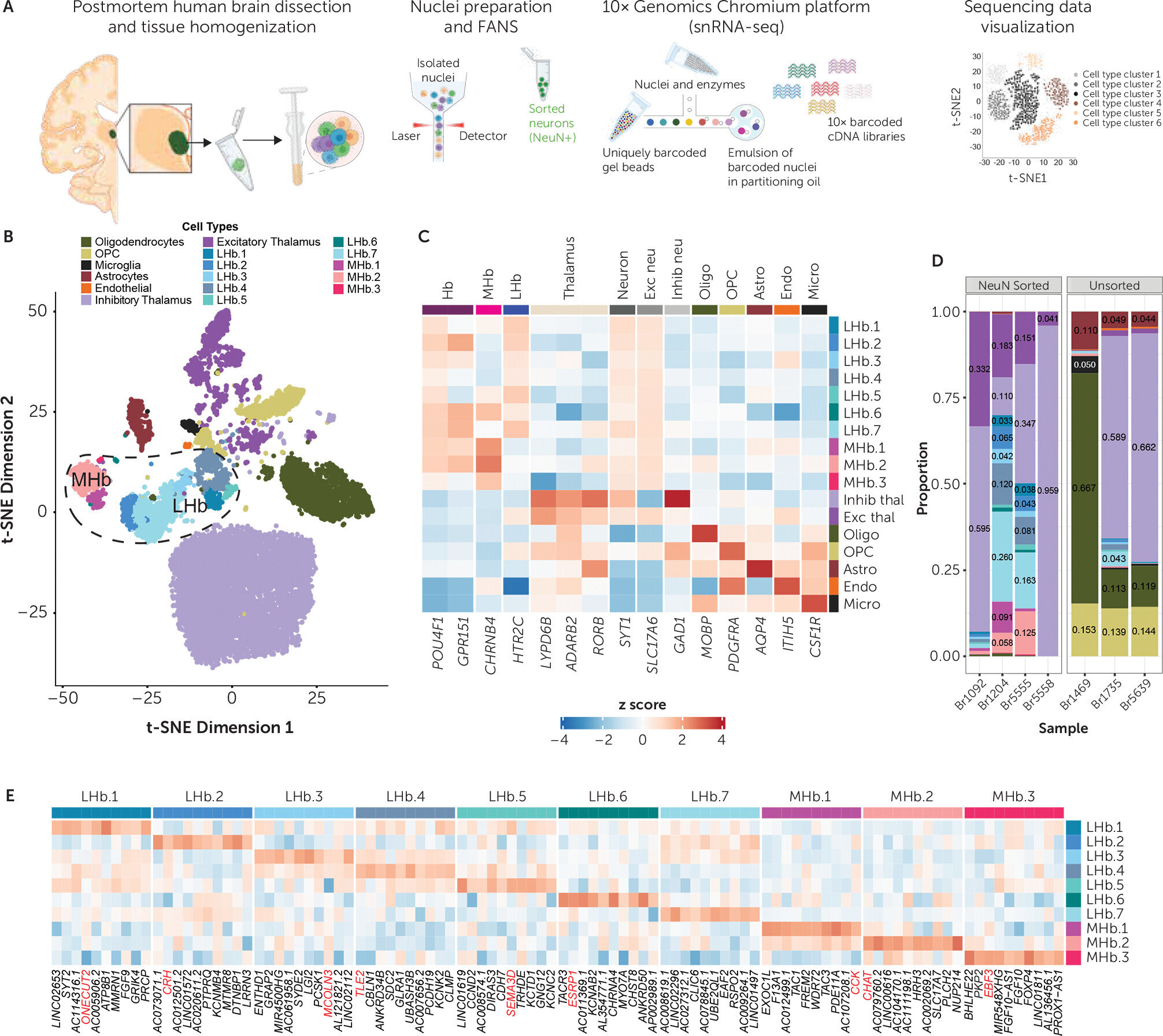
The analysis pipeline of the study, with select figures created using BioRender. Credit: Nature Communications (2025)
Scientists have developed a novel, detailed map at the subcellular level of a brain region frequently impacted by Alzheimer’s disease. This groundbreaking achievement represents a significant advancement in understanding the mechanisms underlying the development of this neurodegenerative condition.
New research shows that AI can identify complex regional pain syndrome (CRPS) with over 90% accuracy by analyzing gut microbiome patterns.
Mindfulness exercises paired with music were found to engage both neural and cardiac systems, potentially reducing symptoms of anxiety and depression. A recent study showed that live and virtual music mindfulness sessions lowered stress and altered states of consciousness, though only live sessions fostered social connection.
Researchers have developed a brain-computer interface (BCI) that enables computer cursor control and clicking, using neural signals from the speech motor cortex. One participant with amyotrophic lateral sclerosis (ALS) used the interface for daily life activities, including independent control of a personal desktop computer and text entry.
New research shows that targeting emotional processing is key to treating and managing chronic pain.
In a first-of-its-kind clinical study, researchers have shown that patients with treatment-resistant PTSD were symptom-free up to six months after completing traditional therapy paired with vagus nerve stimulation (VNS).
Scientists using living human brain tissue have shown for the first time how a toxic form of a protein linked to Alzheimer’s can stick to and damage the connections between brain cells.
People whose biological age is higher than their chronological age may be more likely to develop dementia than people whose biological age matches or is lower than their chronological age, according to a study published online in Neurology. Biological age is based on biomarkers of aging such as lung function, blood pressure and cholesterol.
A recent study reveals that oxygen tension elevation during weeks four to six promotes neurogenesis in brain organoids, regulated by neuroglobin. The research is published in Science Advances.
Obstructive sleep apnea, a condition that causes lower oxygen levels during sleep, is linked to degeneration of brain regions associated with memory through damage to the brain’s small blood vessels, according to a studypublishedin Neurology.
A new theory suggests that psychedelics promote empathy, insight, and psychological flexibility by making the brain’s right hemisphere temporarily dominant over the left.
A revolutionary microscopy method called LICONN enables scientists to reconstruct brain tissue and map synaptic connections using standard light microscopes. By embedding brain tissue in hydrogel, expanding it, and imaging at nanoscale resolution, researchers achieve a detailed view of neuronal architecture previously only possible with electron microscopy.
A new music therapy-based tool called MuSICCA may transform how healthcare teams assess consciousness in children with severe brain injuries.
Research from Emory University has identified a biological connection between inflammation and deficits in motivation in individuals with schizophrenia, offering new hope for treating symptoms that have long been resistant to existing therapies.
A Yale-led study shows that the senses stimulate a region of the brain that controls consciousness—a finding that might inform treatment for disorders related to attention, arousal, and more.
Finally this week, a new study has debunked the common myth that autistic people are less effective communicators than non-autistic individuals. Researchers found no difference in how well information was shared between autistic-only, non-autistic-only, or mixed groups.
Pioneering research has identified the brain mechanisms that enable psychosis to remit. These findings could significantly inform the development of novel intervention strategies for patients with psychosis.
Contrary to fears of “digital dementia,” new research finds that using digital technology is linked to a reduced risk of cognitive decline in older adults. A large-scale meta-analysis of over 400,000 participants revealed that digital engagement correlates with a 58% lower risk of cognitive impairment.
A simple method of brain stimulation has been shown to change how people make decisions. These were the findings of a new study published in the Journal of Cognitive Neuroscience.
A team of researchers has identified the key brain regions that are essential for logical thinking and problem solving. The findings help to increase our understanding of how the human brain supports our ability to comprehend, draw conclusions, and deal with new and novel problems—otherwise known as reasoning skills.
Medial temporal lobectomy is effective in improving seizure outcomes among patients with drug-resistant temporal lobe epilepsy, according to a recent study.
New research links fatty, sugary diets to impaired brain function. The findings build on a growing body of evidence showing the negative impact of high-fat, high-sugar (HFHS) diets on cognitive ability, adding to their well-known physical effects.
A recent study reveals that the basolateral amygdala plays a key role in calibrating prosocial behavior based on emotional closeness.
New research reveals that gut imbalances in children with autism may influence brain activity and behaviour by disrupting the production of key neurotransmitters like serotonin. Scientists found that changes in gut-derived metabolites are linked to differences in brain structure and function in children with autism.
Chronic pain is closely intertwined with depression. Individuals living with pain’s persistent symptoms may be up to four times more likely to experience depression according to a new study.
Our brains can adapt to filter out repeated distractions, according to a new EEG study. Participants learned to ignore frequent visual distractions, such as a red shape in the same location, while searching for a target.
Repetitive transcranial magnetic stimulation is showing promise in Alzheimer’s treatment.
A new international study reveals a possible connection between GLP1 receptor agonists—used in drugs like Ozempic—and increased risk of depression and suicidal ideation, especially in people with low dopamine function.
Researchers have found a potential link between the trauma of climate-related events, exemplified by devastating wildfires, and persistent effects on cognitive function.
Researchers have developed a personalized blood test that may offer a faster, less invasive way to track high-grade glioma progression. By identifying unique DNA junctions from each patient’s tumour, the test can detect tumor DNA in the bloodstream, even before changes appear on MRI scans.
A new study demonstrates for the first time that listening to favorite music activates the brain’s opioid receptors.
Promising a more personalized approach to treating major depressive disorder (MDD), a new study reveals that brain connectivity patterns, especially in the dorsal anterior cingulate cortex, can significantly predict patient response to antidepressant medications. This finding was validated in two large, independent clinical trials using brain imaging and clinical information.
Contrary to potential assumptions, recent research demonstrates that the spatial working memory of older people with autistic traits and neurotypical individuals shows no difference in change over time.
A major international study has provided the most comprehensive evidence to date on treatments for neuropathic pain —defined as pain caused by disease of the nervous system, affecting up to 10% of the population worldwide.
Finally, this week,exercise appears to be vital for maintaining sharp minds, even when a key brain energy source is lacking, according to a new study.