This video provides a journey into the complexities of the human brain, unraveling the enigma of self-perception and consciousness. Discover the vital role played by a small brain structure known as the anterior precuneus (aPCu), and learn about the separate brain systems that govern our physical and narrative selves. As we delve into these fascinating findings, we also touch on the strange experiences reported by patients when this area is stimulated, offering intriguing insights into the very essence of human identity.

Weekly Neuroscience Update
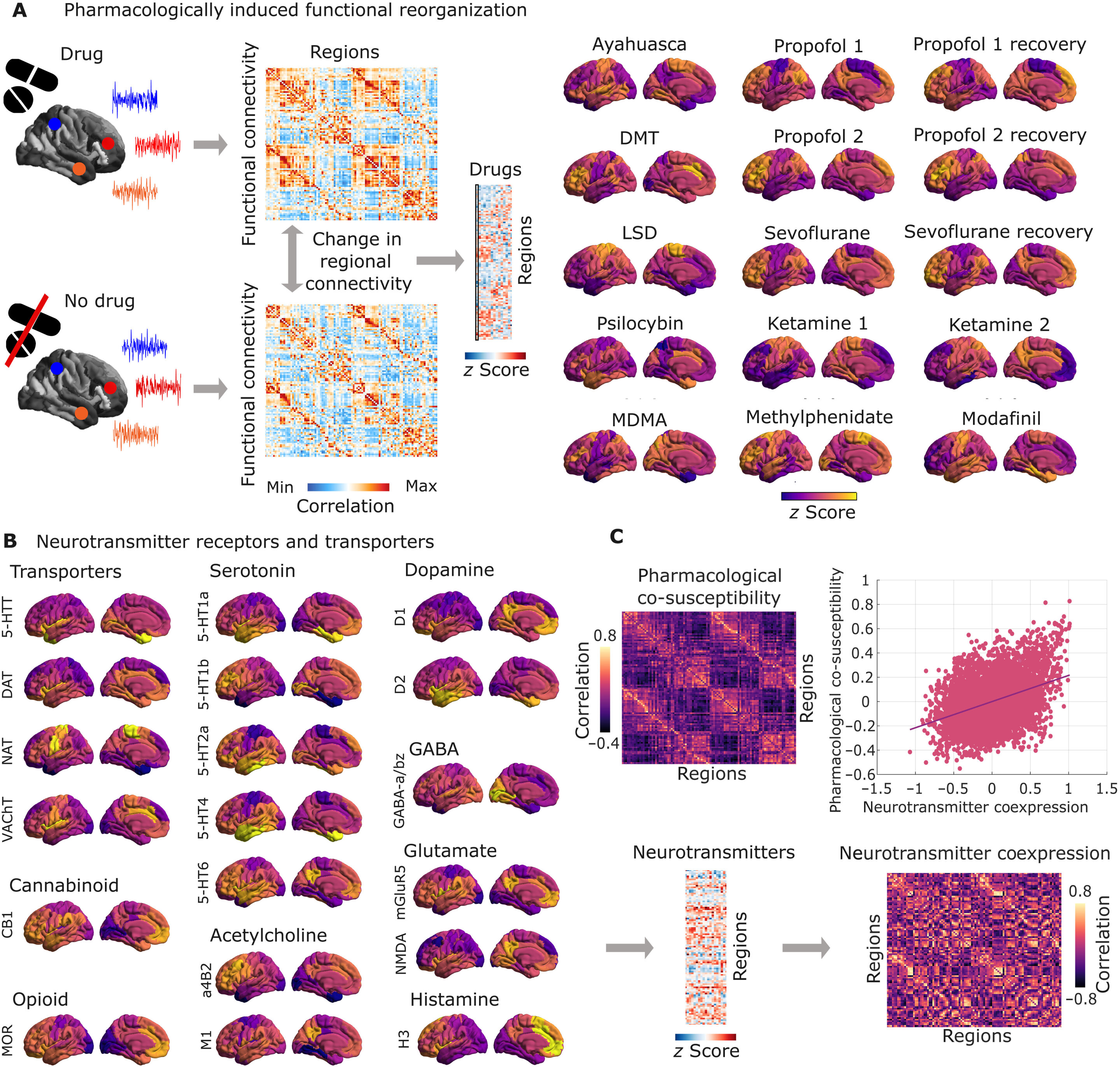
An international team of neuroscientists, anesthesiologists and other medical researchers has learned more about the changes that occur in brain neurotransmitter systems under the influence of psychedelics, anesthetics and cognitive enhancers by studying PET and fMRI scans of brains of people administered such drugs. The study is published in Science Advances.
With as little as 1 percent loss in body weight, a Mediterranean diet appears to slow the signs of accelerated brain aging typical of obesity, according to a new study.
Scientists have uncovered swirling spiral patterns of brain signals on the human cortex. The research indicates that these patterns, observed during both resting and cognitive states, play a crucial role in organizing brain activity and cognitive processing.
New research on why some people have allergies more than others has revealed that changing a specific protein called ETS1 can affect our body’s response to allergies.
Researchers have found compelling molecular evidence suggesting that bipolar disorder and schizophrenia, traditionally viewed as distinct conditions, may have more similarities than previously thought.
Finally this week, new research sheds light on the role of astrocytes, a type of brain cell, in olfactory perception or smell detection.
Weekly Neuroscience Update

A new study sheds light on gender differences in risk-taking behavior. The research reveals women are more averse to risk than men due to heightened sensitivity to potential losses. Conversely, men, exhibiting greater optimism, are more willing to engage in risk-taking.
Researchers have identified specific brain network connections associated with anosognosia, a condition where patients are unaware of their neurological or psychiatric deficits.
Scientists have discovered children’s ability to process emotional cues is largely established by the time they start school. Analyzing brain scans from children aged five to 15, the study revealed that such brain activity becomes increasingly similar to their peers as they reach adolescence. The research emphasizes the importance of early intervention to address issues related to understanding emotional cues.
Recent neuroscience studies underscore the profound impact of sleep and sleep disorders on memory.
In a paper published in Science Advances, an international team reveal the discovery of sequence variants in the gene ABCC9 that influence the pitch of voices. The scientists found that ABCC9 variants associate with higher voice pitch in both men and women. The same sequence variants are also linked to higher pulse pressure, a cardiovascular risk factor, highlighting links between voice pitch and health-related traits.
Researchers have discovered a promising new avenue for treating glioblastoma, a deadly brain cancer.
Research led by the University of Texas Health Science Center, San Antonio, Texas, has looked into premature brain aging in individuals with type 1 diabetes. The findings of this study show an increase in brain aging among individuals with type 1 diabetes without any early signs of AD-related neurodegeneration. These increases were associated with reduced cognitive performance, but according to the authors, the abnormal patterns observed in the samples were modest.
Finally this week, intricate links between breathing and memory recall have been unraveled by recent scientific research, painting a more complex picture of our cognitive processes.
Unraveling The Mysteries of Dopamine [Video]
Drawing on a recent groundbreaking study, this video explores how dopamine operates within the paradigms of Pavlovian and operant conditioning. The study provides new insights into the intricate functionality of this essential neurotransmitter in the brain.
Classical conditioning, also known as Pavlovian conditioning, involves learning through associations between a neutral stimulus and an unconditioned stimulus. In this process, dopamine release is triggered when the neutral stimulus becomes associated with a reward or positive outcome. Dopamine helps in reinforcing the connection between the neutral stimulus and the reward, making the association stronger.
Dopamine is closely linked to reward learning and motivation. It is involved in the brain’s reward system, which helps in reinforcing behaviors that lead to pleasurable experiences or rewards. Dopamine release signals to the brain that a certain action or behavior is beneficial and should be repeated. It provides a sense of satisfaction and drives motivation to engage in actions that lead to positive outcomes.
Watch the video to explore:
🔹 What triggers dopamine release?
🔹 The difference between classical and Pavlovian conditioning.
🔹 The pivotal role of dopamine in reward learning and motivation.
🔹 Which disease is associated with a lack of dopamine.
🔹 How antipsychotics impact dopamine.
Weekly Neuroscience Update

A new study shows that walking can enhance connections within and between three critical brain networks, one of which is linked to Alzheimer’s disease. The research, involving older adults with normal cognitive function and those with mild cognitive impairment, showcased an improvement in memory recollection abilities after a 12-week walking exercise regimen. The brain activity observed was stronger and more synchronized post-exercise, providing hope for combating cognitive impairment and potentially delaying the onset of Alzheimer’s dementia.
Most antidepressants used for chronic pain are being prescribed with “insufficient” evidence of their effectiveness, scientists have warned.
Researchers have found a correlation between patients with rheumatoid arthritis and Parkinson’s disease. In their paper published in JAMA Neurology, researchers found a significantly higher risk of Parkinson’s disease (PD) in patients with rheumatoid arthritis (RA).
Researchers have delved into the brain’s grey and white matter, investigating the impacts of fibromyalgia. Using MRI, the team detected reduced grey matter volume in the pain-processing areas of fibromyalgia patients.
Neuroscientists have discovered how vitamin D deficiency impacts the development of neurons, contributing to disorders such as schizophrenia. These findings underscore the importance of vitamin D in the structural differentiation of dopaminergic neurons and suggest that maternal vitamin D deficiency might alter how early dopaminergic circuits form.
Finally this week, researchers have cracked the mystery behind how the Botulinum neurotoxin type-A, also known as Botox, infiltrates neurons.
Weekly Neuroscience Update

Scientists have found that the gut microbiome holds Parkinson’s disease markers and may indicate a method of early diagnosis.
Deep sleep, also known as non-REM slow-wave sleep, may help reduce memory loss in older adults facing a heightened burden of Alzheimer’s disease. The research indicates that superior amounts of deep sleep can act as a protective factor against memory decline in those with existing high amounts of Alzheimer’s disease pathology, potentially helping to alleviate some of dementia’s most devastating outcomes.
Researchers have discovered new genetic risk factors for non-Alzheimer’s dementia, specifically Lewy body dementia (LBD) and frontotemporal dementia (FTD).
Scientists have made strides in uncovering the mechanisms underlying memory formation and consolidation in the brain during rest or sleep. A new study focuses on the role of the hippocampus, a brain region important for memory, and its place cells which “replay” neuronal sequences. The researchers built an artificial intelligence model to better understand these processes, discovering that sequences of experiences are prioritized during replay based on familiarity and rewards. The AI agent was found to learn spatial information more effectively when replaying these prioritized sequences, offering valuable insight into the way our brains learn and process information.
New research finds that the brains of otherwise healthy military personnel who are exposed to explosions show an abnormal brain accumulation of amyloid-beta protein—a protein that plays a role in the development of Alzheimer’s disease.
A new study has found that people with a genetic risk for psychosis have an imbalance of glutamate and GABA neurotransmitters in their brains, specifically in the hippocampus. This imbalance is associated with hippocampal atrophy, which may lead to the development of psychotic symptoms.
Researchers have developed human brain organoids that contain microglia, the immune cells of the brain. These organoids allow researchers to study how microglia develop and function in a more realistic setting than previous models.
Researchers used artificial intelligence to analyze speech in Parkinson’s disease patients, revealing distinct patterns. The AI found Parkinson’s patients used more verbs but fewer nouns and fillers in their speech, even before cognitive decline typically associated with PD was evident.
A research team has found that the risk of long COVID and its symptoms present very differently across diverse populations.
A new study sheds light on the potential role of diet in preventing dementia. The analysis explored the relationship between gut health and Alzheimer’s disease, uncovering a strong link between specific types of gut bacteria and the likelihood of developing dementia. The findings highlight the significance of gut microbiota in brain health and provide insights into the underlying mechanisms of Alzheimer’s disease.
Finally this week, researchers have created a revolutionary device that emulates the human eye’s ability to see colour.
Anxiety Can Help You Find True Purpose

The key to a happy life
The key to a happy life is the ability to transcend anxiety, find a balance, and recognise that the world has problems. This requires purpose (mental effort) and those of us who strive to better understand ourselves in the world come out the other side as a new person, with some peace of mind and a meaningful way to live.
Fundamental or accidental?
A limit to finding your true purpose is the fact that we do not know that some of the things we perceive to be truly fundamental today may actually be just accidental. For instance, the brain uses systematic patterns of thought to produce philosophy including science, mathematics, literature, ideas and beliefs including a belief in a deity to guide us towards new insights. What we need to understand is that none of these may be fundamental in themselves. They are just tools that our ancestors used to probe the unknown and to see what is possible – knowing that what is common for us is just a tiny sliver of what actually exists.
Finding true purpose
In the West, we have made the truth our highest value. This motivation while important is weak compared to the actual power of belief. We are born into a culture that often insists on a particular religious or ideological philosophy as fact and the only way to understand ourselves in the world, but adhering to this belief may cause anxiety by impeding insights necessary to achieve your true purpose.
Anxiety is the green light to seek true purpose
Especially nowadays, anxiety is often seen as something wrong and negative – a weakness or an illness. But anxiety is a fundamental ingredient of being alive. To feel and to think is to be anxious. How can you not be anxious when it is a natural response to a confusing and uncertain existence that you did not ask to be a part of? The trick is to try living with-and-through your anxiety as you move forward into the unknown, and as you take the leaps of faith into what you truly believe makes it all worth living and dying for.
How to manage anxiety
To manage your anxiety you need to develop a noble quest. Just as a boat must leave harbour, you have to let go of something in order to move forward toward your purpose, for instance from overstimulation to spaciousness. This may be by cancelling your TikTok account, or to stop listening to the news. Be aware of what you are looking at, and what you are listening to. You need to limit the amount overstimulation coming into your senses. Otherwise, it becomes a white noise preventing you from attending to what you need to do.
Set your mind for self-reflection, introspection and exploration
Let go of the need to be liked, and focus instead on just being good. Develop a true individuality, based on principles rather than on what is going on around you. Adopting this ethical code will help you go forth from distraction to concentration on self-reflection, introspection, and exploration to bring your thoughts into the present moment where your anxiety will dissipate.
Happiness
Your happiness does not depend on getting what you want. Your happiness depends on your state of mind. In this way, meditation is about protecting your own happiness. Actually, it is the key to other people’s happiness too. It is not that you are not important, but you must also focus on what brings happiness to others because you resonate with those around you.
Purposelessness
The Chinese believe Nature to be purposeless, but in the West when we say purposeless, it is a put down and there is no future in it. However, when the Chinese say Nature is purposeless they mean it as a compliment. It is like the waves washing against the shore going on and on forever with no meaning. Haven’t you ever gone on a walk with no particular purpose in mind? Well, it is at that moment that you are a perfectly rational human being because you have learned purposelessness. All music is purposeless. If the aim of music were to get to the final bar then the best musician would be the one who got there fastest. It’s the same with dancing. The aim of dancing is to dance and it’s the same with your life.
Let wisdom become your true purpose
The problem is that many of us believe that life has a purpose. Priests insist that we must each follow God’s purpose but when asked what that is they are silent. Here is the choice. Are you going to trust Nature or not? If you decide not to trust the purposelessness of Nature then you will need to fence yourself around with rules and regulations and laws and obligations. To really live you must have faith. You must trust yourself to the totally unknown, to a Nature that doesn’t have a boss because a boss is a system of mistrust. There is a wisdom in experiencing anxiety and insecurity. A wisdom that is hard-earned. Let this wisdom be your true purpose.
Weekly Neuroscience Update

Viewing interactive art online can improve our mood and reduce anxiety. People reported significant improvements in mood and anxiety after just a few minutes of viewing an interactive Monet Water Lily art exhibition.
The way our senses adjust while playing virtual reality (VR) games affects the severity of cybersickness experienced. Researchers measured how participants perceived the orientation of vertical lines before and after playing two VR games, one high-intensity, and one low-intensity. They found that those who experienced less sickness were more likely to have the largest change in the subjective visual vertical following exposure to VR. The findings could be useful for VR designers and developers in creating more comfortable and enjoyable experiences.
In a new study, scientists have discovered anatomical changes that occur in the brains of patients after their sight is restored.
Scientists have explored the links between three measures known to independently predict healthy aging: nutrient intake, brain structure and cognitive function. Their analysis adds to the evidence that these factors jointly contribute to brain health in older adults.
Young men with cannabis use disorder are more likely to develop schizophrenia, according to a new study.
A new study challenges conventional thinking on the role of short and long-term memories in relearning motor skills. Researchers found that fleeting short-term memories, rather than long-term ones, are responsible for rapid motor learning, indicating the existence of mechanisms for regulating the learning rates for memories that are distinct from the memories themselves.
Researchers have identified spatial and temporal abnormalities in spontaneous fixational saccades as a potential biomarker for cognitive and positive symptoms in schizophrenia.
Poor verbal memory may increase the risk of psychiatric hospitalization for patients diagnosed with bipolar disorder or depression. The severity of the illness was previously thought to have an impact on poor memory, but new research shows that poor memory may also have an impact on the risk of being hospitalized.
Researchers have uncovered crucial findings regarding Long COVID, discovering significant immune system and nervous system changes that could explain the neurological symptoms experienced by patients.
A new study from Aarhus University indicates that certain types of epilepsy medication taken during pregnancy may increase the risk of severe psychiatric disorders in children.The research found a worrying link between the antiseizure medication valproate and the child’s risk of developing psychiatric disorders such as autism, ADHD and intellectual disability.
Finally this week, scientists have recently identified a unique form of cell messaging occurring in the human brain that’s not been seen before. Excitingly, the discovery hints that our brains might be even more powerful units of computation than we realized.
Weekly Neuroscience Update
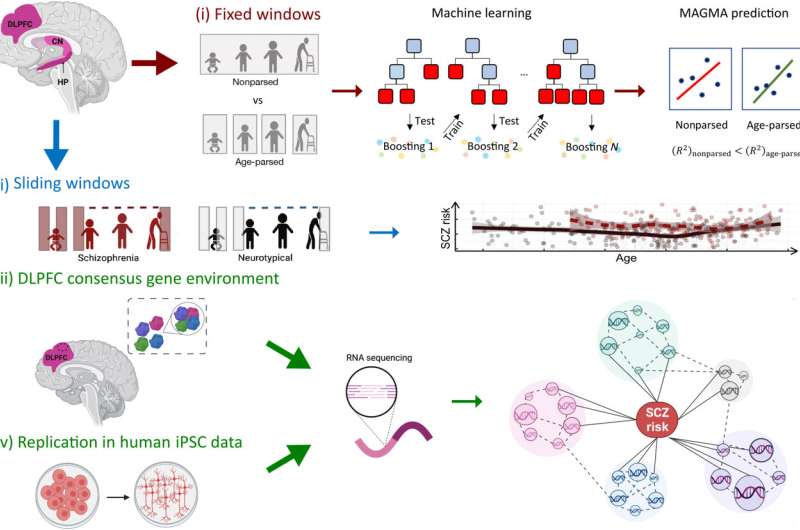
Researchers have published a study in Science Advances that looks into the genetic mechanisms behind the development of schizophrenia.
Students whose brainwaves are more in sync with their classmates and teacher are likely to learn better than those lacking this “brain-to-brain synchrony,” shows a new study by a team of psychology and education researchers. The findings, which appear in the journal Psychological Science, offer new insights into the learning process.
Scientists are testing a new personalized immunotherapy approach that is designed to work similarly to a vaccine by training the immune system to fight glioblastoma brain cancer.
People experiencing hearing loss who are not using a hearing aid may have a higher risk of dementia than people without hearing loss, suggests a new study published in The Lancet Public Health journal. However, using a hearing aid may reduce this risk to the same level as that of people without hearing loss.
Researchers have shown for the first time that in middle-aged men, Obstructive Sleep Apnea may cause early cognitive decline, even in patients who are otherwise healthy and not obese.
In a new study, teens who added walnuts to their diet for 100 days showed improvements in attention function, and for those with ADHD, frequent walnut consumption was associated with improvements in behavior. Researchers also noted an increase in fluid intelligence in those who frequently consumed walnuts as part of their daily diet.
Listening to or practicing music had positive implications on cognitive decline in older adults by stimulating the production of gray matter in key brain areas, a new study reveals.
Researchers have used machine learning to investigate the molecular and neural mechanisms that could underlie differences among individuals diagnosed with autism spectrum disorder (ASD). Their paper, published in Nature Neuroscience, identifies different subgroups of ASD associated with distinct functional connections in the brain and symptomatology, which could be related to the expression of different ASD-related genes.
A novel imaging technique is capable of showing reactive astrocyte-neuron interactions. The technique sheds new light on Alzheimer’s pathologies and offers a potential breakthrough for the diagnosis and treatment of dementia.
An international team of 79 researchers has collaborated on a study published in Nature Medicine to delve into perivascular spaces (PVS), a poorly understood artifact seen in magnetic resonance imaging of cerebral small vessel disease, a leading cause of stroke and dementia.
Finally this week, new research findings show that probiotic supplementation could be a positive strategy to counteract oxidative stress and inflammation promoted by sleep loss.
Weekly Neuroscience Update
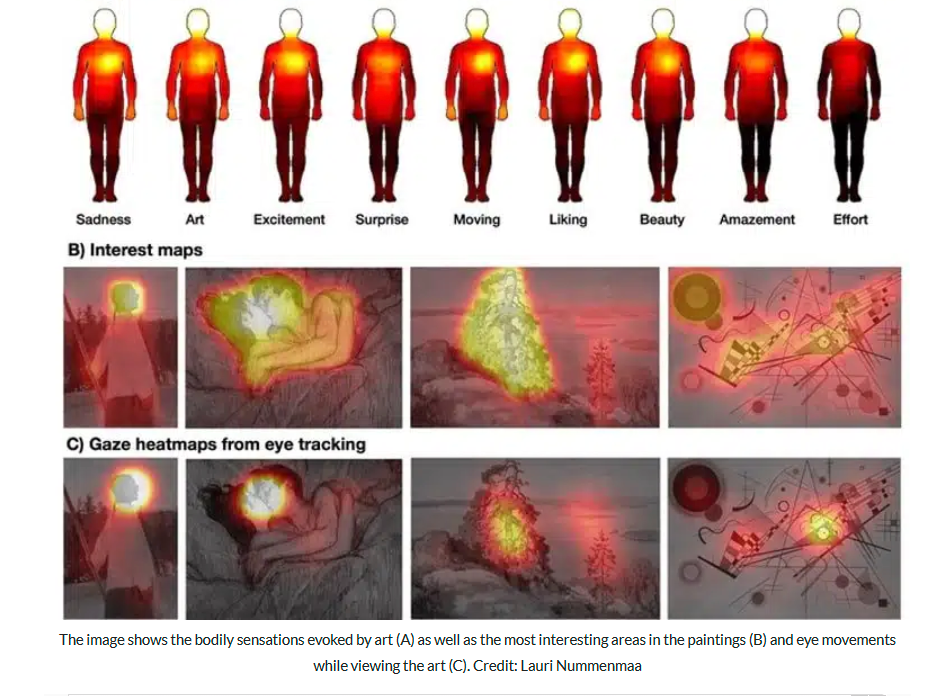
A new study investigates how viewing visual art affects our emotions. The findings reveal how the aesthetic experience can impact the body’s emotional response.
New research has shown centenarians have distinct immune cell type composition and activity and possess highly functional immune systems that have successfully adapted to a history of sickness allowing for exceptional longevity. These immune cells may help identify important mechanisms to recover from disease and promote longevity.
Adding more magnesium-rich foods, such as spinach and nuts, to your daily diet can help reduce age-related brain shrinkage and stave off symptoms of dementia, a new study reports.
Scientists have found that the amino acid glycine can deliver a “slow-down” signal to the brain, likely contributing to major depression, anxiety and other mood disorders in some people. The discovery improves understanding of the biological causes of major depression and could accelerate efforts to develop new, faster-acting medications for such hard-to-treat mood disorders
A new method determines, with 91% accuracy whether a person is suffering from anxious or non-anxious depression from brain signals while the eyes are closed.
Researchers have found a way to assess consciousness without external stimulation, using a little-used approach where volunteers squeeze a force sensor with their hand when they breathe in and release it when they breathe out, resulting in more precise and sensitive measurements that may help improve treatment for insomnia and coma reversal.
Finally this week, new evidence suggests astrocytes can sense and react to change. These processes are key to memory formation and behavioral shifts.
 inside-the-brain.com