Weekly Neuroscience Update

feet-619399_960_720.jpg

A new study reveals children who are habitually barefoot show significantly different motor skills between the ages of 6-10 than those who are habitually shod. Researchers report those who habitually barefoot have better balance and jumping skills.

New research has found the natural vibrations of cars make people sleepier, affecting concentration and alertness levels just 15 minutes after drivers get behind the wheel.

Scientists have discovered a “Big Bang” of Alzheimer’s disease – the precise point at which a healthy protein becomes toxic but has not yet formed deadly tangles in the brain.

A new study reports people living in areas with more sunlight have lower rates of OCD.

Neuroscientists at the University of California-Berkeley are developing a technique that could give us the ability to fool our brain into thinking that we’d experienced something that never happened by manipulating electrical activity in the brain.

Researchers report boys on the autism spectrum tend to have lower fractal dimension in the right side of the cerebellum than those without autism.

Distinct molecular mechanisms can generate the same features in different neurons, a team of scientists has discovered. Its findings, which appear in the journal Cell, enhance our understanding of brain cell development.

Finally this week, a new study reports a short burst of exercise can dramatically improve long-term retention of new motor skills.


Weekly Neuroscience Update

guitar-869217_960_720.jpgResearchers say those who can improvise are better musicians than those who have limited improvisational experience.

Melatonin is a hormone known to promote sleep, but its underlying mechanisms are unknown. Now, researchers have discovered how melatonin suppresses neurons in the brain that keeps you awake and alert. These findings could lead to new therapies for those who suffer from insomnia.

A new study shows how specific neurons can process sensory information about temperature and facilitate a change in behavior to adapt to the climate.

Researchers have identified electrical activity in the brain that is specific to the start of migraines. The new study reports spreading depolarization can be seen as a migraine begins, and an electrical current can be used to stop it in its tracks.

Adolescent drinking is associated with changes in the metabolite profile, a new study shows. 

Scientists are using big data and artificial intelligence to map neural networks in the brain. The new technology could help to better understand the progression of neurodegenerative diseases.

Sound and object motion can be used to change perceptions about body size, according to a new study.

Researchers report impairments in the neuroprotective communication between neural blood vessels, astrocytes and neurons may be an early factor in how high blood pressure may impair cognitive function.

A new study confirms a link between a number of autoimmune diseases and an increased risk of developing psychosis.

Autonomous Sensory Meridian Response (ASMR) – the relaxing ‘brain tingles’ experienced by some people in response to specific triggers, such as whispering, tapping and slow hand movements – may have benefits for both mental and physical health, according to new research.

Researchers have developed new neural implants that enable targeted delivery of drugs deep into brain structures.

A new study reports specific alterations in signaling circuits associated with memory can induce an abnormal response in neurons, which is linked to the aging process and cognitive decline.

Researchers say the combination of low muscle mass and strength in the context of high-fat mass, could be a predictor of cognitive function in older adults. 

Obstructive sleep apnoea (OSA) is associated with changes to the structure of the brain that are also seen in the early stages of dementia, according to a study published in the European Respiratory Journal.

Finally, this week, a new study reports a mother’s diet during pregnancy may have an effect on the composition of her child’s gut bacteria. 


Weekly Neuroscience Update

ignorance-knowledge-neurosciencnews-public.jpg

Researchers report the brain’s reward network could play an influential role in evaluating the opportunity to gain new information, just as it does to evaluate rewards such as food or financial gain.

Scientists are beginning to understand the neuroscience behind sensory processing disorder and are developing new therapies to help those with it.

A new study shows Alzheimer’s disease does not appear to affect the salience network. Researchers found, when listening to music, the salience network along with other networks, show higher functional connectivity in Alzheimer’s patients.

A new study reveals maternal diet during pregnancy can have implications for fetal brain development and can impact short-term memory in adults.

Scientists have uncovered dozens of genes that increase the risk of depression — a major finding that underscores the complexity of the disease and reveals why antidepressant therapies work well for some people but are utterly ineffective for others.

Researchers report the critical period of language learning may be longer than previously believed. A new study reveals children remain skilled at learning new languages until age 18.

Treatment for the most common mental health problems could be ineffective or even detrimental to about 50 percent of the population, according to a radical new model of emotion in the brain.

Finally this week, researchers report high sugar and fat based diets that lead to obesity, coupled with the normal aging process, may increase the risk of Alzheimer’s disease.


Weekly Neuroscience Update

smelling-purple-lilac-3402287_960_720.jpg

In a new study, scientists have discovered why the brain’s olfactory system is so remarkably consistent between individuals, even though the wiring of brain cells in this region differs greatly from person to person.

Scientists have proposed a new communication model to explain how brain networks can be navigated to achieve efficient information transfer.

Researchers have discovered another purpose for the gut-brain axis; relaying information to the hippocampus to store information about our environment and location.

A new study reports speech comprehension can improve as much as 10% when sound is delayed relative to vision.

Parkinson’s disease progresses differently in women than in men. A current study has now furnished the first neurophysiological evidence supporting this finding. “Numerous demographic studies have provided evidence that men contract Parkinson’s disease nearly twice as often as women.

A new study reveals the role the anterior cingulate cortex and basolateral amygdala play in observational learning.

Researchers say schizophrenia should not be considered to be just a disorder of the mind, as schizophrenia can also impact other organs. A new study reveals people with schizophrenia often have an over active immune system and other physical disorders.

Transcranial magnetic stimulation allows researchers to better understand how brain networks interact to make word choice decisions.

A new study reveals, in combination with genetics and environmental factors, placenta health during fetal development may play a role in schizophrenia. Researchers report genes associated with schizophrenia may turn on in the placenta during complicated pregnancies.

Researchers report a simple saliva test that measures cortisol levels at specific times of the day, can identify those at risk of stress and depression.

A new study reveals older adults with greater symptoms of depression have a smaller brain volume and a 55% greater chance of vascular lesions in the brain than those who do not have depression.

New research reveals the prefrontal cortex may play a role in coordinating the level of consciousness through the cholinergic system.

Finally this week, researchers report meditation and yoga are more effective at reducing stress than Chi in soldiers. Additionally, those who meditate showed stronger executive control.

Weekly Neuroscience Update

brain-waves-memory-neurosciencenews.jpgAlpha and theta oscillations move rhythmically across the brain, reflecting neural activity propagating across the cortex to help form working memory, a new study reports.

Researchers have developed a new computational model of major depressive disorder. The model reveals older memories, as well as short term memories, are affected by major depressive disorder. Researchers say how long the memory deficits go back depends on how long the depressive episode lasts.

A new brain cancer atlas maps out comprehensive, visually rich information about the anatomical and genetic bases of glioblastoma, researchers report.

A new study reports people who have a family history of alcohol use disorder release more dopamine in the ventral striatum as a response to the expectation of receiving an alcoholic drink than those without a family history of alcoholism.

A drug that blocks the alpha7 nicotinic acetylcholine receptor may provide a new method for combating drug addiction relapse, researchers report.

A groundbreaking study reveals human immune cells in the blood can be transformed into functional neurons within 3 weeks by adding four proteins. The discovery could be used to generate neurons to study specific psychological and neurological disorders, researchers say.

Researchers report transcranial magnetic stimulation predisposes neural connections in the visual cortex for reorganization.

Researchers have created a new model that may help explain how the brain stores memories of tangible events. The new model explains how neural activity in the hippocampus can help map space, time and context in episodic memories.

A new study reveals people respond to stimuli in another person’s peripersonal space as they could their own.

Research has shown that a developing child’s brain structure and function can be adversely affected when the child is raised in an environment lacking adequate education, nutrition and access to health care.

Finally this week, researchers report intuition is the result of information processing in the brain that results in prediction based on previous experience.


Weekly Neuroscience Update

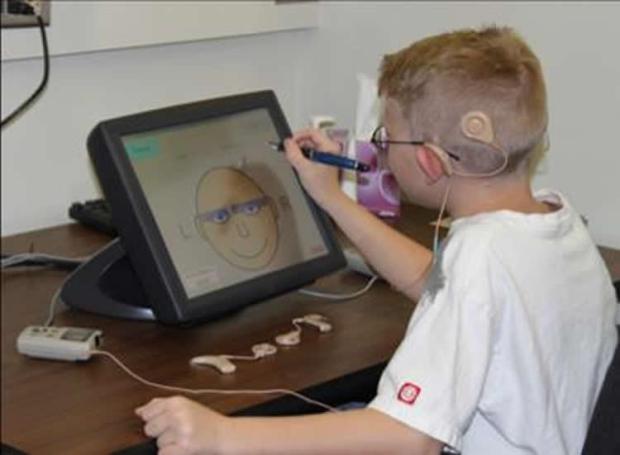
cochlear-stereo-hearing-neurosciencenews.jpg

Image credited to Ruth Litovsky (via NeuroscienceNews.com)

A new technique synchronizes cochlear signals in those with implants, stimulating the brain in a way that is similar to hearing people. This can allow those with cochlear implants to hear in stereo.

According to a new study, melatonin works by suppressing neurons that keep you awake and alert. The findings could pave the way for new treatments for insomnia.

When viewing OCD related images, those with the disorder had increased distress and higher levels of activity in emotion-related brain regions than their siblings who did not suffer from OCD, researchers report.

Magnetic resonance imaging can be used to detect the development of psychosis in the brains of high-risk patients at an early stage, according to a new study. 

Researchers have identified the mechanisms behind how noise-induced hearing loss occurs and have shown a simple injection to the middle ear may help to preserve hearing following exposure to loud blast noises.

A new article looks at theories of consciousness and novel research aimed at providing a better understanding of the roots of consciousness.

Sleep is known to be important for creative thinking, but exactly how it helps and what role each sleep stage–REM and non-REM–plays remains unclear. A team of researchers has now developed a hypothesis to explain how the interleaving of REM and non-REM sleep might facilitate creative problem-solving in different but complementary ways.

A study of Parkinson’s patients reveals neural activity alternates between the right and left sides of the brain as we walk.

A new study has linked the APOE4 gene to mental health issues some people face following TBI. Researchers report people with the APOE4 gene had significantly higher scores for depression, PTSD and anxiety following TBI than those without the genetic variant.

Finally this week, a group of researchers has uncovered a new way of telling how well people are learning English: tracking their eyes.

A new study reports people who have a family history of alcohol use disorder release more dopamine in the ventral striatum as a response to the expectation of receiving an alcoholic drink than those without a family history of alcoholism

A new study reveals children who are either overweight or obese during the first two years of life may have problems with memory and learning at the age of 5. Researchers say IQ scored may be lower for higher weight children.

A new study reveals older adults with greater symptoms of depression have a smaller brain volume and a 55% greater chance of vascular lesions in the brain than those who do not have depression.

Researchers report the critical period of language learning may be longer than previously believed. A new study reveals children remain skilled at learning new languages until age 18.

Research has shown that a developing child’s brain structure and function can be adversely affected when the child is raised in an environment lacking adequate education, nutrition and access to health care.

Scientists have uncovered dozens of genes that increase the risk of depression — a major finding that underscores the complexity of the disease and reveals why antidepressant therapies work well for some people but are utterly ineffective for others.

A new study reports Alzheimer’s disease does not appear to affect the salience network. Researchers found, when listening to music, the salience network along with other networks, show higher functional connectivity in Alzheimer’s patients.

Neuroscientists at the University of California-Berkeley are developing a technique that could give us the ability to fool our brain into thinking that we’d experienced something that never happened by manipulating electrical activity in the brain.



Weekly Neuroscience Update

pianist-1149172_960_720Trained pianists have higher levels of brain wave synchronization when improvising pieces of music, a new study reveals.

A new study in SLEEP, published by Oxford University Press, indicates that delaying school start times results in students getting more sleep, and feeling better, even within societies where trading sleep for academic success is common.

Researchers have created a silicon mesh that can be crafted to help stimulate neurons, limbs and tissue.

Using a new advanced imaging technology, scientists have captured new patterns of molecular organization as connections between neurons strengthen during learning tasks.

A new study reports a strong hand grip is correlated with better visual memory and reaction times in people with psychiatric disorders, such as schizophrenia.

Children and adults diagnosed with brain conditions such as cerebral palsy, multiple sclerosis and dementia may be one step closer to obtaining new treatments that could help to restore normal function. Researchers have identified a molecule in white matter that prevents the brain from repairing itself following injury. By blocking the production of the molecule, researchers say it may allow an effective pathway for neuroregeneration.

A new study reveals both genetics and environment play a role in shaping brain connectivity.

A new mechanism regulating the early development of connections between the two sides of the nervous system has been identified in a paper published in eNeuro. The work demonstrates that neuronal activity is required for this process, a finding that may provide new insight into brain connectivity disorders such as autism.

Finally this week, a new Nature Communications study reveals 80 newly identified genes that may be linked to an increased risk of developing major depressive disorder.

Weekly Neuroscience Update

man-3337573_960_720.jpg

A new study reports people who sit down too much during middle to older age show signs of thinning in the medial temporal cortex, an area of the brain associated with the formation of new memories.

Researchers explore the neuroscience behind binge eating and the triggers that might make us reach for comfort foods.

According to a new study, children with executive function deficits were more likely to show physical and reactive aggression later in life. Researchers suggest helping children to improve executive function could help to reduce aggression levels.

Olfactory system neurons appear to play a role in the connection between rhythmic breathing and emotional regulation, researchers report.

Researchers report newly identified risk factors differ from currently known genetic causes of autism. The variants identified do not alter the genes directly, but disrupt the neighboring DNA control elements that turn genes on or off. Additionally, the variants do not occur as new mutations in autistic children, but are inherited from parents.

A new study reveals we quickly process opinions we agree with as facts, even if the opinion is non-factual.

New research implicates the hippocampus in conceptual memory formation. The study reveals activity within the hippocampus and ventromedial prefrontal cortex is consistent with the retrieval of new concepts.

Researchers report the later a women enters into natural menopause, the better, on average, her verbal memory is later in life.

A new study adds to growing evidence that early exposure to pollution can increase both suicide risks in younger people and Alzheimer’s disease as people age.

Finally this week, new research reveals specific parts of the hippocampus may play a key role in emotional regulation.


Weekly Neuroscience Update

real-time-neuron-interaction-neurosciencenws.jpg

An astrocyte (green) interacts with a synapse (red), producing an optical signal (yellow). NeuroscienceNews.com image is credited to UCLA/Khakh lab.

Researchers have developed a new method that allows them to see how astrocytes influence neural communication in real time.

The chronic neurodegenerative Parkinson’s disease affects an increasing number of people. However, scientists still do not know why some people develop Parkinson’s disease. Now researchers have taken an important step towards a better understanding of the disease.

Researchers have published a new research framework that defines Alzheimer’s disease by brain changes, not symptoms.

The risk of dementia, including Alzheimer’s, was significantly higher in people who had experienced a traumatic brain injury (TBI) than with people who had no history of TBI, according to one of the largest studies to date on that association.

A new voice manipulation algorithm allows researchers to visualize the neural codes people use to judge others by the tone of their voices.

UCLA researchers have developed a way to use brain scans and machine learning — a form of artificial intelligence — to predict whether people with OCD will benefit from cognitive behavior therapy. The technique could help improve the overall success rate of cognitive behavioral therapy, and it could enable therapists to tailor treatment to each patient.

Researchers report synchrony of brain waves within three regions of the brain can ‘break down’ when visual working memory load becomes too extensive to handle.

A new study reveals our brains process weak visual stimuli better in the evenings and mornings than during daylight hours. Researchers say the transition from light to dark has greater influence on visual perception than previously believed.

A new neuroimaging study reveals babies with Fragile X syndrome have less developed white matter in the brain compared to children without the condition.

Finally this week, a new study builds on previous findings that demonstrate EEG recordings of the rostral anterior cingulate cortex can predict eventual response to treatments for depression.

Weekly Neuroscience Update

runners-635906_960_720.jpg

Researchers report running can help mitigate the impact chronic stress has on the hippocampus.

A small study recently published in Translational Psychiatry showed that people living with schizophrenia could use a video game paired with an MRI scanner to curb verbal hallucinations.

A Neuron study reports brain-machine interface technology may shed light on how mentally running through a routine improves performance.

Neuroscientists have demonstrated the astounding flexibility of the brain by training neurons that normally process input from the eyes to develop new skills, in this case, to control a computer-generated tone.

Researchers report our inner thoughts and interpretations of our experiences have consequences for both physical and mental health.

A new study finds listening to music may help people extend the time they are capable of enduring a cardiac stress test. The study also reports the findings could help healthy people to exercise for longer periods of time.

Concussions and other traumatic brain injuries may increase the risk of developing Alzheimer’s disease earlier in life, according to a study.

Researchers report elevated dopamine levels may make those with schizophrenia rely more on expectations, which results in them experiencing auditory hallucinations.

A new study will examine how the brain learns to make predictions over our lifespan.

Contrary to previous findings, new research has found no evidence Omega-3 fish oil supplements help aid or improve the reading ability or memory function of underperforming school-children.

Finally this week, neuroscientists have produced a collection of computer-generated models that accurately replicate cortical neuron activity.