Weekly Neuroscience Update

Illustration of the triple-wise correlation network model. Credit: Science Advances (2024). 

By mapping brain activity in three dimensions, researchers have achieved a more detailed picture of how the brain changes with age.

A new study reveals epigenetic alterations in the immune system of Alzheimer’s patients’ blood, suggesting environmental or behavioral factors could influence Alzheimer’s risk. The study indicates these epigenetic changes affect genes associated with Alzheimer’s susceptibility, potentially due to factors like viral infections or pollutants.

Almost half of people who suffer a sports-related traumatic brain injury are still experiencing physical symptoms after six months according to new research findings.

A new study suggests a novel link between depression and higher body temperatures, analyzing data from over 20,000 participants worldwide. While the causal relationship remains unclear, findings indicate that body temperature increases with the severity of depression symptoms, offering a potential new avenue for treatment.

Acupuncture may improve language function in patients with poststroke motor aphasia, according to a new study.

Researchers have found that adolescents being bullied by their peers are at greater risk of the early stages of psychotic episodes and in turn experience lower levels of a key neurotransmitter in a part of the brain involved in regulating emotions.

The contraceptive pill also affects the brain and the regulation of emotions, say researchers.

An international research team has developed a computational biology tool, based on multi-level network analysis, to achieve an integrated vision of multiple sclerosis. This tool could be used to study other complex diseases such as types of dementia.

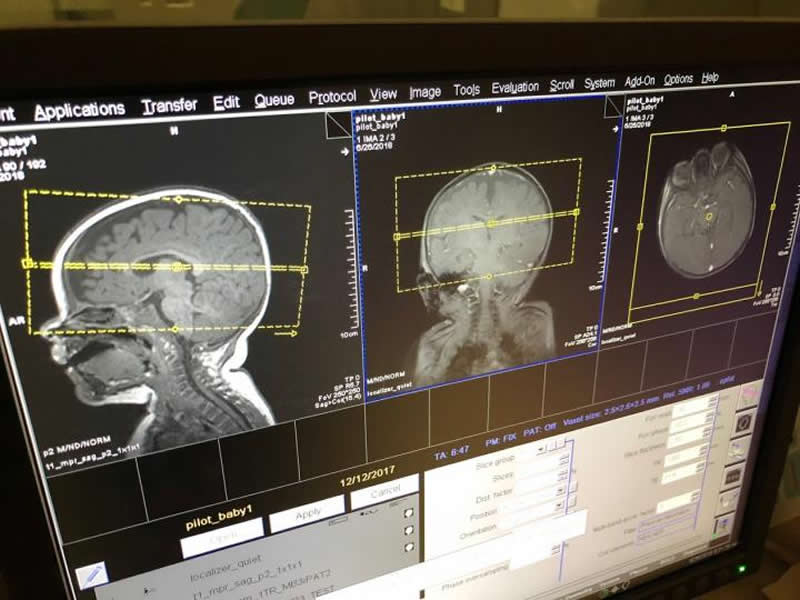
A new scanning study of 390 babies has shown distinct patterns between term and pre-term babies in the moment-to-moment activity and connectivity of brain networks.

Researchers have developed a machine-learning tool that accurately identifies individuals at high risk of psychosis through MRI brain scans. This innovative approach, which achieved an 85% accuracy rate in training and 73% using new data, offers a promising avenue for early intervention in psychosis, potentially improving treatment outcomes.

A new study highlights music’s crucial role in enhancing the quality of life for people aged 50 to 80, with 98% reporting at least one health benefit from engaging with music.

Researchers have unveiled the “MiniTouch,” a revolutionary device that equips prosthetic limbs with the ability to convey thermal sensations to amputees, bridging a significant gap in sensory feedback technology. This breakthrough allows a transradial amputee to differentiate between objects of varying temperatures and experience more human-like touch, enhancing both functional use and emotional connection with the prosthesis.

Scientists have found a new treatment target for CDKL5 deficiency disorder (CDD), one of the most common types of genetic epilepsy.

A new study presents a compelling case for the integration of Large Language Models (LLMs) like ChatGPT into neuroscience, highlighting their potential to transform research by analyzing vast datasets beyond human capability. The authors suggest that LLMs can bridge diverse neuroscience fields by communicating with each other, thus accelerating discoveries in areas such as neurodegeneration drug development.

Finally this week, researchers have developed a robotic sensor that incorporates artificial intelligence techniques to read braille at speeds roughly double that of most human readers.

Weekly Neuroscience Update

Credit: Cell Stem Cell (2024). DOI: 10.1016/j.stem.2023.12.009

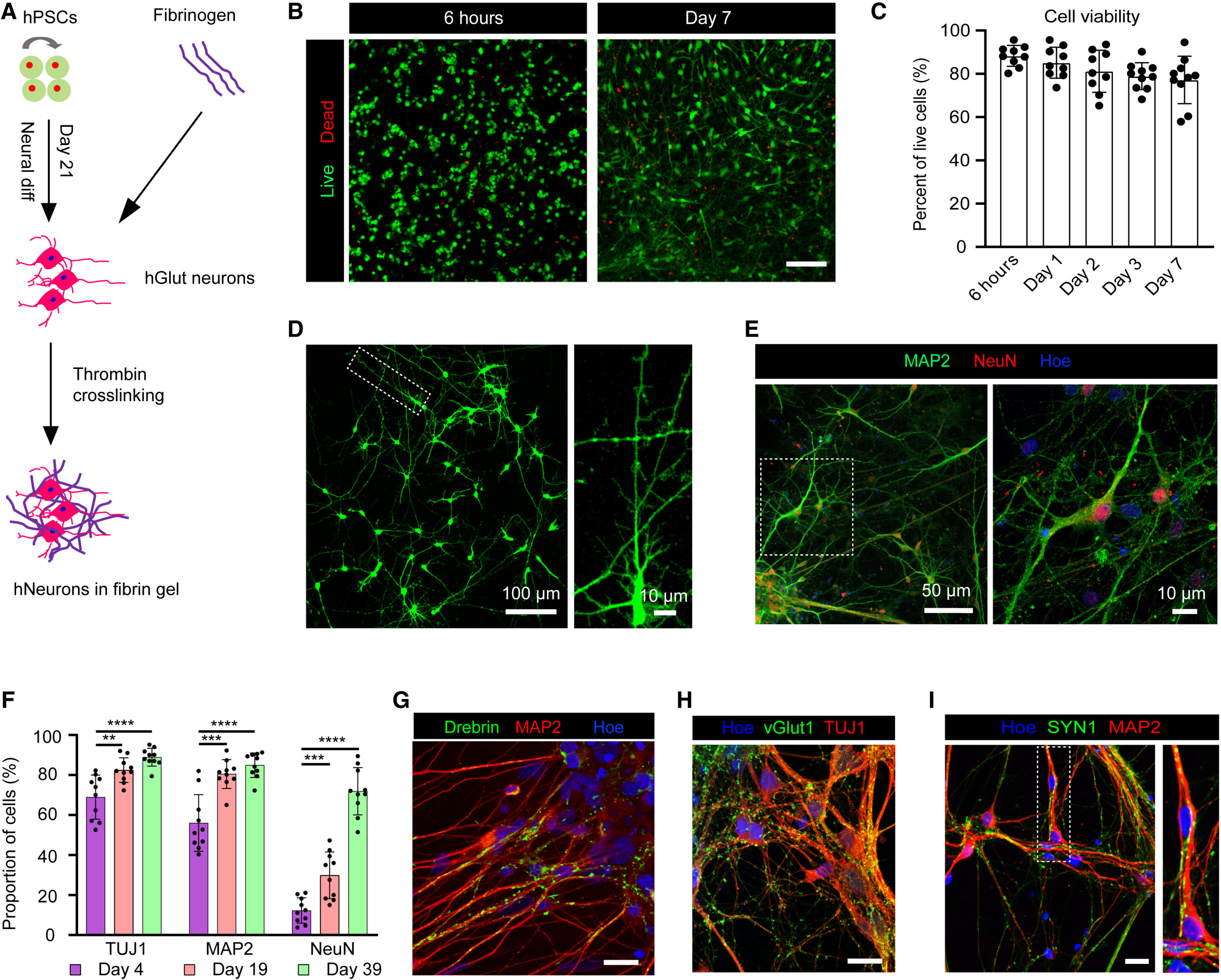
Researchers have developed the world’s first 3D-printed brain tissue that grows and behaves similarly to natural brain tissue, marking a significant leap forward for neurological and neurodevelopmental disorder research.

For patients with Parkinson disease differences in quality of life outcomes are seen with deep brain stimulation of the subthalamic nucleus (STN-DBS), according to a recent study.

New findings published in the journal Nature Neuroscience have shed light on a mysterious pathway between the reward center of the brain that is key to how we form habits, known as the basal ganglia, and another anatomically distinct region where nearly three-quarters of the brain’s neurons reside and assist in motor learning, known as the cerebellum.

Researchers have shown that a blood test can pinpoint the underlying cause of brain injury in newborns.

A new study suggests that high-intensity training (HIT), compared to conventional training, may improve walking ability in patients with chronic traumatic brain injury (TBI). Possible secondary benefits may include improved aerobic capacity/efficiency and cognition.

A team of scientists has unveiled a potential game-changer in the fight against glioblastoma, the most common and currently incurable form of brain cancer.

Combining brain stimulation with intense physical rehabilitation helped stroke survivors recover movement in their arms and hands and maintain these improvements for one year, according to a study to be presented at the American Stroke Association’s International Stroke Conference 2024.

Psychologists have investigated the extent to which neuromodulation of the brain with ultrasound waves influences people’s behavior. The results can also be used as a basis for therapeutic purposes.

A preliminary study reveals that intravenous injections of ginkgo biloba components could significantly improve early cognitive recovery in ischemic stroke patients. Conducted across multiple centers in China, the research tested the effects of ginkgo diterpene lactone meglumine (GDLM) on 3,163 stroke survivors, showing notable improvements in cognitive scores compared to a placebo group.

The brains and blood of people with a history of excessive drinking show cellular evidence of premature aging.

A new study gives insights into the underlying mechanisms of the formation of protein clumps in Alzheimer’s disease. The study could pave the way for new treatments for this devastating neurodegenerative disorder.

Finally, this week, engaging in music throughout your life is associated with better brain health in older age, according to a new study.

Weekly Neuroscience Update

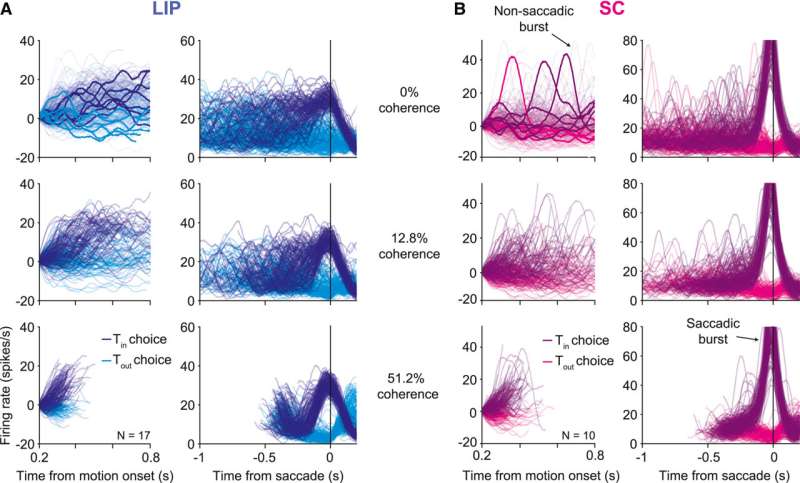
Single-trial dynamics in LIP and SC are different. (Neuron, 2023)

A new paper, published in Neuron, highlights the role of the superior colliculus (SC), a structure in the midbrain, in terminating decisions.

Degeneration of dopaminergic neurons is widely accepted as the first event that leads to Parkinson’s, but a new study suggests that a dysfunction in the neuron’s synapses—the tiny gap across which a neuron can send an impulse to another neuron—leads to deficits in dopamine and precedes the neurodegeneration.

Depression, a challenging condition to diagnose early, may now be detected more promptly using a simple 1-minute Electroencephalogram (EEG) test at home.

Scientists have confirmed that human brains are naturally wired to perform advanced calculations, much like a high-powered computer, to make sense of the world through a process known as Bayesian inference.

New research shows how repeated traumatic brain injury contributes to Alzheimer’s disease.

Racial disparities can be seen in dementia severity, functional impairment, and neuropsychiatric symptoms among patients with frontotemporal dementia (FTD), according to a study recently published in JAMA Neurology.

A new study identifies a potential new approach to PTSD treatment.

Any head injury—even a mild one—raises a person’s risk of later having an ischemic stroke. Having multiple injuries increases that risk, even more so than the severity of a single traumatic brain injury, researchers have found.

New research finds that cerebrospinal fluid net flow is markedly decreased in Huntington’s disease, with the decrease being greater in the later stages of the disease.

The targeted use of ultrasound technology can bring about significant changes in brain function that could pave the way towards treatment of conditions such as depression, addiction, or anxiety, a new study suggests.

Finally this week, new research finds that antidepressants may actually reduce negative memories in individuals suffering from depression while improving overall memory function.

Weekly Neuroscience Update

Scientists have shown that the hypothalamus, a key region of the brain involved in controlling appetite, is different in the brains of people who are overweight and people with obesity when compared to people who are a healthy weight.

Researchers have shown in lab-based experiments that variants of SARS-CoV-2, the virus that causes COVID-19, can affect the blood-brain barrier and damage brain cells in different ways.

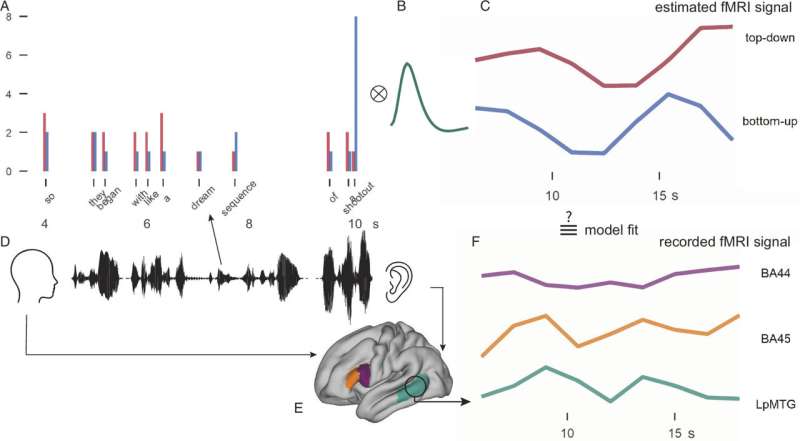
Unlike previously thought, speech production and singing are supported by the same circuitry in the brain. Observations in a new study can help develop increasingly effective rehabilitation methods for patients with aphasia.

Scientists have discovered an additional potential cause of the genetic mutations that result in rare conditions such as Huntington’s disease (HD).

Neuroscientists report the first results from experimental tests designed to explore the idea that “forgetting” might not be a bad thing, and that it may represent a form of learning—and outline results that support their core idea.

The largest-ever study of the genetics of the brain—encompassing some 36,000 brain scans—has identified more than 4,000 genetic variants linked to brain structure.

A first-in-human trial of deep brain stimulation (DBS) for post-stroke rehabilitation patients has shown that using DBS to target the dentate nucleus—which regulates fine-control of voluntary movements, cognition, language, and sensory functions in the brain—is safe and feasible.

New research finds that genetic risk for higher blood pressure even in those in their 40s and 50s may contribute to poorer cognitive function.

An obscure class of molecules, part of the vast system that helps the human body distinguish “self” from “non-self,” may also hold the key to stopping SARS-CoV-2 from commandeering healthy cells, scientists have found in a series of experiments.

Scientists have discovered how HIV hijacks intracellular processes to proliferate and contribute to neurodegeneration, according to a new study published in Nature Communications.

Researchers have discovered a potential breakthrough for people with myalgic encephalomyelitis/chronic fatigue syndrome (ME/CFS), marked by extreme exhaustion, post-exertional malaise and cognitive issues.

Finally this week, in a small, exploratory study, levels of certain types of microbes in babies’ guts have been shown to be associated with performance in tests of early cognitive development.

Weekly Neuroscience Update

covid-4948866_640

In a new study, researchers identified the most common characteristics of 85 COVID-19 patients who died in Wuhan, China in the early stages of the coronavirus pandemic. The study reports on commonalities of the largest group of coronavirus patient deaths to be studied to date.

Abnormal blood clotting contributes to death in some patients with severe COVID-19 infections.

A newly developed blood test for Alzheimer’s disease measures a specific variant of the tau protein. Early results show the test has a good capacity to distinguish Alzheimer’s disease from other tauopathies.

New findings support the theory that impaired prefrontal control of the dopamine system is a key mechanism for the development of schizophrenia.

Researchers report that in depressed individuals there are increased amounts of an unmodified structural protein, called tubulin, in lipid rafts — fatty sections of a cell membrane — compared with non-depressed individuals.

A new genetics test for COVID-19 has been developed by an international team of researchers. 

Genetic variability in the human immune system may affect susceptibility to, and severity of infection by severe acute respiratory syndrome coronavirus 2 (SARS-CoV-2), the virus responsible for the coronavirus disease (COVID-19).

Researchers have developed a new approach to prevent amyloid plaque formation by engineering a nanodevice that captures the peptides before they can assemble.

A new study puts into question conventional belief that the eyes communicate with the brain exclusively via one signaling pathway. Researchers have identified a subset of retinal neurons that sends inhibitory signals to the brain. This subset of neurons is also involved in the synchronization of circadian rhythms to light/dark cycles and pupil constriction to bright light intensity.

Finally, this week, a new study sheds light on the role brain insulin plays in weight and visceral fat accumulation.

Weekly Neuroscience Update

cell-printing-neuroscienews.jpg
 
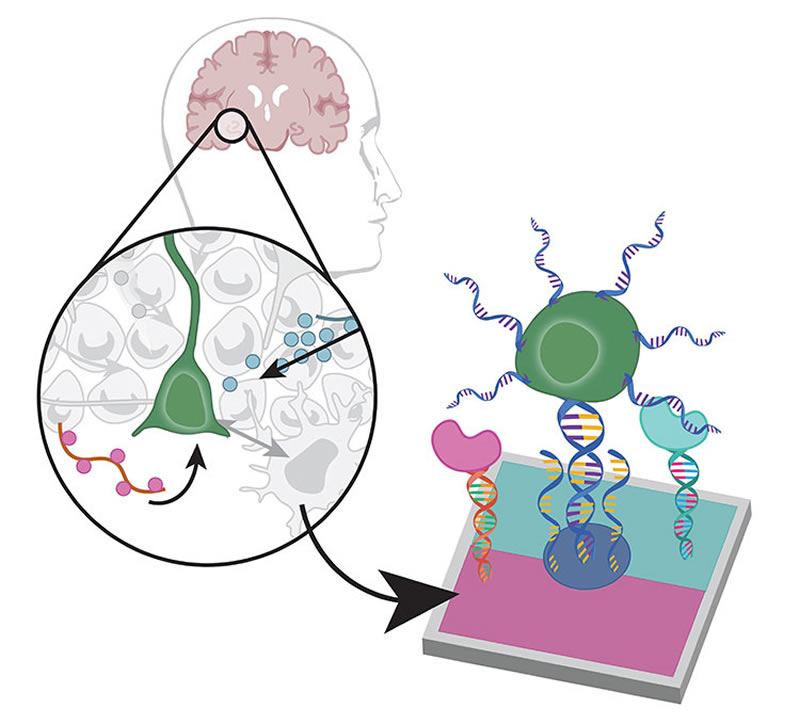
Researchers have created a new technique that can rapidly “print’ two-dimensional arrays of cells and proteins that mimic a variety of cellular environments in the body.
 

People who develop Parkinson’s disease before age 50 may have been born with disordered brain cells that went undetected for decades, according to new research. The research points to a drug that potentially might help correct these disease processes.

A new substance named Lu AF60097 may help reduce side effects from tricyclic antidepressants in those with severe depression.

Researchers have uncovered a key role of medial prefrontal cortex corticotropin-releasing factor interneurons for bidirectionally controlling motivated behavioral styles under stress. The findings could help in the development of new treatments for PTSD.

MIT researchers have identified a protein fragment that may inhibit COVID-19’s ability to enter human lung cells. 

Researchers have developed a new method to record brain activity at scale. The new technique could help in the development of new neuroprosthetic devices to help amputees and those with movement restricting neurological conditions.

New research suggests that eye movements may come before hand movements in actions that require a two-step decision-making process. 

A new method to accurately record brain activity at scale has been developed by researchers. The technique could lead to new medical devices to help amputees, people with paralysis or people with neurological conditions such as motor neuron disease.

Stress, loneliness, and sleep loss can weaken the immune system, leaving people more susceptible to COVID-19.

Finally this week. using robotics, researchers have uncovered mechanisms in the cerebellum and spinal cord that determine how the nervous system responds to induced changes in step length. The findings could have implications for physical rehabilitation programs for people with movement disorders.


Weekly Neuroscience Update

A baby next to fMRI scanning images of its brain. Understanding how an infant’s brain is typically organized may help answer questions when something goes awry. The image is credited to Cory Inman.

A newborn’s brain is more adult-like than previously assumed. Neuroimaging revealed much of the visual cortex scaffolding is in place, along with patterns of brain activity at 27 days of age, although it is not quite as strong as seen in adult brains.

New research uses the mating songs of birds to show how intrinsic properties of cells are closely tied to the complex processes of learning.

People with a life-long history of antisocial behavior had decreased mean surface area of the brain and lower mean cortical thickness than those with no history of antisocial behavior. Much of the cortical thinning was in areas associated with emotional regulation, motivation, and goal-directed behavior.

Two separate studies display the fascinating relations between AI and neuroscience.

Low-intensity exercise triggers brain networks associated with cognitive control and attention processing, while high-intensity exercise activates networks involved in emotional processing.

Following a stroke, dysfunction in the glymphatic system causes cerebrospinal fluid to flood the brain, drowning neurons, and triggering cerebral edema.

An unexpected research finding is providing new information that could lead to new treatments of certain neurological diseases and disorders, including multiple sclerosis, Alzheimer’s disease and spinal cord injury.

Male patients on the autism spectrum who were given oxytocin for four weeks experienced improvements in social attachment behaviors for up to 12 months.

Finally this week, new brain networks come ‘online’ during adolescence, allowing teenagers to develop more complex adult social skills, but potentially putting them at increased risk of mental illness, according to new research.

Weekly Neuroscience Update

deep-learning-neurosciencenews.jpg

AI research has come full circle, helping neuroscientist better understand how the human brain works, researchers say.

Babies removed from their mothers for 24 hours when they were 9 days old exhibited significant behavioral and brain structural abnormalities in adulthood, a new study reports. Researchers noted memory impairment and less communication between specific brain regions in those removed from maternal care.

Researchers have identified three genes linked to hemiplegic migraine.

People whose negative emotional responses to stress carry over to the following day are more likely to report health problems and physical limitations later in life compared with peers who are able to “let it go,” according to findings published in Psychological Science.

Using electrical fields to simulate slow wave sleep, researchers enhance memory.

A new study has identified a link between visual processing problems and an increased risk of developing a mental health disorder. The study reports the risk for mental illness increases when the visual cortex has difficulty communicating with networks associated with focus and introspection.

The superior size and complexity of the human brain compared to other mammals may actually originate from fewer initial starting materials, new research has suggested.

According to researchers, dopamine neurons may play a key role in the formation of episodic memory. The findings could help in the development of new treatments for neurodegenerative disorders that affect memory.

A new study reveals up to 25% of rhythmic genes lose their biological rhythm following a 4-day night shift simulation.

Damage to some of the pathways that carry information throughout the brain may be responsible for attention deficit in patients who have had a subcortical stroke in the brain’s right hemisphere, according to a study published online in the journal Radiology. Researchers hope the findings may provide a measure for selecting suitable patients for early interventions aimed at reducing cognitive decline following a stroke.

Finally this week, a new machine learning study has revealed a novel combination of factors that can increase a person’s risk of developing dementia.


Weekly Neuroscience Update

astrocytes-neurosciencenews.jpg

Thousands of branches and branchlets emanate from an astrocyte’s cell body, which is the dense portion in the middle of the image.

A new study published in Neuron challenges the idea that astrocytes across the brain are largely identical.

Researchers have identified a new protein, CIB2, that is key to helping the auditory system to turn soundwaves into meaningful brain signals. Mutations of this gene leave people unable to convert the soundwaves into signals that the brain can interpret, and are deaf.

The more regularly people report doing word puzzles such as crosswords, the better their brain function in later life, a large-scale online trial has found.

How short-term memories become long-term ones has frequently been explored by researchers. While a definitive answer remains elusive, scientists conclude that this transformation is best explained by a “temporal hierarchy” of “time windows” that collectively alter the state of the brain.

Greater muscle strength is associated with better cognitive function in ageing men and women, according to a new Finnish study.

Researchers at King’s College London have identified a molecular mechanism that allows neural connections to adapt as a result of experience. This adaptation fuels our ability for memory and learning.

Researchers have developed a concept called Empowerment to help robots and humans to work and live side-by-side safely and effectively.

A study of post-traumatic stress disorder (PTSD) has identified a new potential mechanism contributing to the biology of the disorder that may be targeted by future treatments.

A new study reveals those who die at 100 tend to suffer from fewer diseases than those who die at younger ages.

A new paper identifies 100 of the most cited neuroscience research papers. Of these papers, 78 focus on five topics. According to the authors of the paper, the most cited neuroscience research topics include the prefrontal cortex, neural connectivity, methodology, brain mapping and neurological disorders. The findings could have significant impact for future neuroscience studies.

Changes in the brain’s structure that could be the result of depression have been identified in a major scanning study.

The same mechanisms that quickly separate mixtures of oil and water are at play when controlling the organization in an unusual part of our DNA called heterochromatin, according to a new study.

New research has shown just how adaptive the brain can be, knowledge that could one day be applied to recovery from conditions such as stroke.

Changes in the orbitofrontal cortex and basolateral amygdala may help explain a person’s preference for uncertain outcomes, as well as a preference for order and certainty, a new study reports.

Finally this week, a small patch of neurons in the brain can encode the movements of many body parts, according to new research.

Weekly Neuroscience Update

infographic5_jorntell_en_0.jpg

In a collaboration between Swedish and Italian researchers, the aim was to analyse how the brain interprets information from a virtual experience of touch, created by a finger prosthesis with artificial sensation. The result was – completely unexpectedly – a new method for measuring brain health.

Stroke patients who learned to use their minds to open and close a device fitted over their paralyzed hands gained some control over their hands, according to a new study.

As children age into adolescence and on into young adulthood, they show dramatic improvements in their ability to control impulses, stay organized, and make decisions. Those ‘executive functions’ of the brain are key factors in determining outcomes, including educational success, drug use, and psychiatric illness. Now, researchers have mapped the changes in the network organization of the brain that underlie those improvements in executive function.

Despite numerous claims, researchers discover transcranial direct current stimulation likely adds no meaningful benefit to cognitive training.

Neuropsychiatric symptoms, specifically sleep behavior and irritability, are linked to metabolic dysfunction on specialized positron emission tomography (PET) imaging and may be an early noncognitive symptom of Alzheimer’s dementia, according to results published in Neurology.

Individual neurons can learn not only single responses to a particular signal, but also a series of reactions at precisely timed intervals.

Researchers from the Radboud University in the Netherlands have observed the human brain’s ability to visually “predict” future events. By scanning the brains of students during an experiment, they saw this predictive imaging in action.

Vicsoelasticity in the hippocampus is associated with better performance on both memory and fitness tests, a new study reports.

The visual cortex, the human brain’s vision-processing centre that was previously thought to mature and stabilize in the first few years of life, actually continues to develop until sometime in the late 30s or early 40s, neuroscientists have found.

New Finnish research reveals how brain’s opioids modulate responses towards other people’s pain.

Finally this week, researches report memory isn’t a single entity and memory formation can be enhanced by different brain states.