Weekly Neuroscience Update

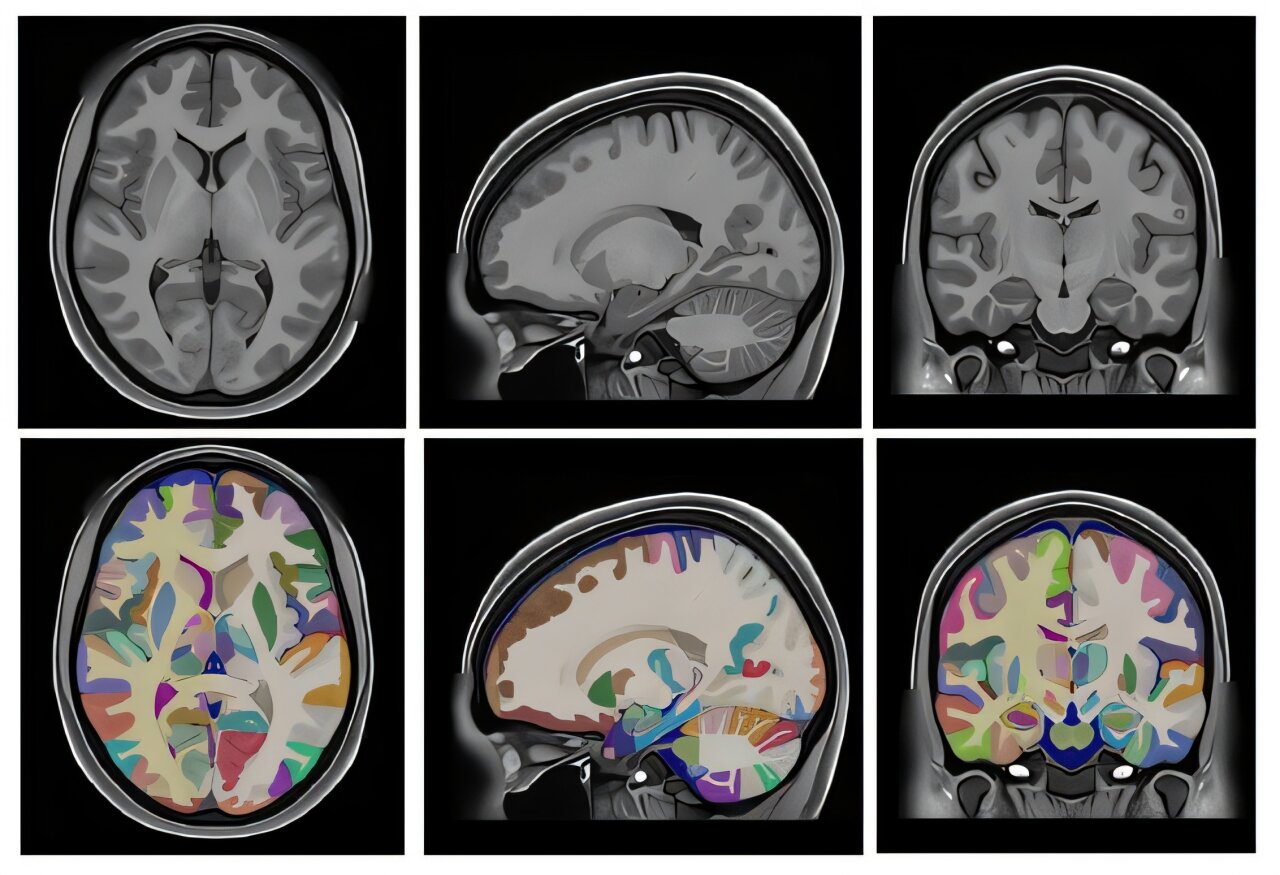
HoliAtlas Project Brain Images. Credit: Instituto de Aplicaciones de las Tecnologías de la Información y de las Comunicaciones Avanzadas (ITACA), Universitat Politècnica de València

An international team has developed one of the most comprehensive and detailed structural atlases of the human brain to date. Known as HoliAtlas, it will be particularly useful for the study and early diagnosis of neurological and neurodegenerative diseases, such as Alzheimer’s or Parkinson’s.

A large-scale study found that severe, hospital-treated infections are linked to an increased risk of dementia.

Scientists have uncovered a strategy that the brain uses for chemical signalling. In a new study, researchers found that in the striatum, a brain region central to learning and movement, one signalling system can seize control of another, promoting the coordinated release of both.

A meta-analysis has confirmed that exposure to nature—real, virtual, or imagined—reduces negative emotions and boosts brain health.

A massive study of over 2.2 million individuals has fundamentally redefined how we understand the genetics of addiction. The research reveals that most genetic risk for substance use disorders (SUD) isn’t about how the body reacts to a specific drug, but how the brain is “wired” for behavioural disinhibition.

A meta-analysis found no link between hormonal contraception and idiopathic intracranial hypertension (IIH), a serious condition marked by increased pressure around the brain, potentially causing chronic headaches and vision loss.

A machine-learning analysis of brain waves recorded during sleep may help identify people at high risk of developing dementia, according to a recent study. The study found that when a person’s “brain age,” estimated from sleep signals using EEG, exceeded their actual age, the risk of dementia increased.

A major study has found that treating ADHD with stimulant medication during childhood may actually lower the long-term risk of developing serious psychotic disorders, such as schizophrenia.

New research shows that the long-term neurological impact of childhood trauma is not permanently etched onto the brain. An analysis of brain communication patterns in individuals with childhood adversity indicates that lifetime physical activity can reshape neural connectivity, strengthening internal communication and optimizing stress response. The findings from the study in Biological Psychiatry: Cognitive Neuroscience and Neuroimaging highlight physical activity as a modifiable lifestyle factor linked to neurobiological adaptation.

An international team has completed a massive “blueprint” of the human neocortex, the brain’s outer layer responsible for high-level thinking, decision-making, and sensory processing.

A clinical decision support tool that uses artificial intelligence (AI) to analyze scans after a stroke alongside treatment recommendations is associated with better quality care and long-term outcomes for patients compared with usual care, finds a recent study published in The BMJ.

Can a stroke make part of your brain younger? New research using deep learning reveals that undamaged brain regions reorganise and show “youthful” structural patterns to compensate for severe stroke damage.

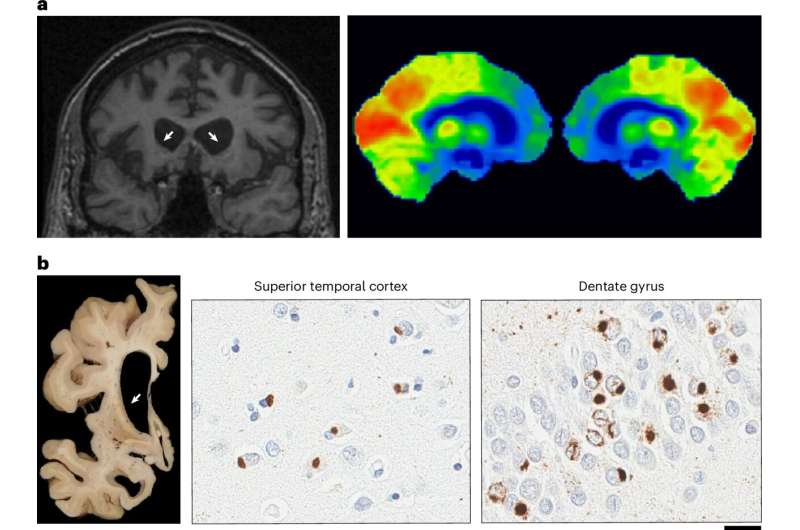
New research identifies a leaky blood-brain barrier as the primary link between repetitive head injuries and long-term cognitive decline in retired athletes. MRI scans compared with post-mortem tissue from athletes with Chronic Traumatic Encephalopathy reveal that this barrier remains compromised even years after retirement.

Scientists have identified a new genetic disease characterised by premature ageing and deficits in brain function.

Consciousness and its impairment from brain injuries are not well understood, making disorders of consciousness (DOC), like coma and vegetative states, challenging to treat. A new study published in Nature Neuroscience suggests that AI may help researchers tackle this issue. The research team developed an adversarial AI framework to better understand states of reduced consciousness and explore potential solutions.

Finally this week, new research shows that periodontal tissue status, peripheral immune response, and cognitive functions are closely interconnected.
Weekly Neuroscience Update

Credit: Nature Genetics (2026).

Researchers have identified a major genetic risk factor for a rare form of frontotemporal dementia. The discovery, published in Nature Genetics, provides a biological entry point for a disease subtype that has been difficult to study. It could not only help to improve diagnosis and patient stratification, but also opens up new avenues toward targeted treatments.

A new study suggests that merely engaging in physical activity isn’t sufficient; the structure of workouts, including session spacing and organization, may be more crucial for healthy brain aging than the total activity amount.

MIT neuroscientists have discovered how the brain focuses on a single voice amid many, addressing the “cocktail party problem.” This focus is crucial in crowded settings like cocktail parties, where multiple conversations occur. The brain can follow the voice of the person you’re talking to despite background noise. Using a computational model of the auditory system, the MIT team found that enhancing neural processing units that respond to specific voice features, like pitch, helps bring that voice to the forefront of attention.

Higher maternal physical activity is associated with early child neurodevelopment, according to a recent study.

The stress hormone cortisol disrupts the brain’s navigational system by impairing the function of grid cells essential for spatial orientation. Researchers from Ruhr University Bochum, Germany, verified this in an imaging study with 40 individuals who completed a virtual navigation experiment in an MRI scanner. Subjects who received cortisol prior to the experiment performed worse, with indistinct grid cell activity patterns.

The recreational drugs cannabis, cocaine and amphetamines significantly increase the risk of stroke—including among younger users—Cambridge researchers have concluded after analysing data from more than 100 million people.

Scientists have identified a coordinated “gene expression program” that drives neurotransmission in the living human brain by integrating real-time intracranial recordings from neurosurgical patients with molecular profiling. This study reveals specific genes associated with active signalling, offering new insights into human cognition and psychiatric disorders.

A single session of physical exercise can spawn a boost of neural activity in brain networks that underlie learning and memory, according to a new study.

A team of Spanish researchers investigated whether individuals with high psychopathic traits exhibit brain structure anomalies that prevent feelings of regret and contribute to manipulation and antisocial behaviour by interviewing men convicted of intimate partner violence and a control group, followed by brain scans. The results showed that men with thinner cortex in certain brain regions—particularly fronto-temporo-parietal areas—tended to display higher antisocial tendencies, regardless of their history of violence.

Scientists have identified seven specific types of hyperarousal, creating a new roadmap for treating the underlying tension of mental disorders.

Researchers conducted a study on the link between responses to SSRIs and SNRIs and brain connections. Their findings, published in Molecular Psychiatry, suggest that a specific link between the frontal lobe, a region in the brain’s outer layer involved in decision-making, and the amygdala, which is central to the processing of emotions, differs in patients that respond better to SSRIs and those who find SNRIs more beneficial.

New research reveals that our brain’s internal map of the world is updated by a 94% accurate prediction of our own eye movements.

Alzheimer’s research has faced criticism for its lack of diversity, with a primary focus on participants of European ancestry. A groundbreaking study has revealed significant variations in Alzheimer’s pathology, specifically tau protein tangles and amyloid plaques, among different racial and ethnic groups. This suggests the disease’s biological timeline varies across populations, indicating a need to adjust current diagnostic tools and future treatments for broader effectiveness.

A new study offers a single explanation for two major symptoms of schizophrenia.

New research has found no evidence that the transitional symptoms of menopause such as brain fog and memory problems have a lasting impact on cognitive performance. The research, published in npj Women’s Health, found that while brain fog is a real symptom commonly experienced by peri- and postmenopausal women, there is no evidence that it has an ongoing impact on a person’s cognitive abilities.

The largest-ever Parkinson’s study shows how symptoms differ between men and women.

A recent study published in NeuroImage reveals that neuroticism is linked to altered communication between different brain networks rather than isolated brain activity. Researchers discovered that people with higher levels of this personality trait show increased connectivity between brain regions responsible for processing emotions, regulating memory, and detecting threats. These findings suggest that emotional instability arises from how the brain’s emotional hubs synchronize with other areas.

New research indicates that storytelling may be linked to the evolution of human memory and could enhance everyday retention.

Having type 1 diabetes is linked to a higher risk of dementia, according to a recent study published in Neurology. Type 2 diabetes also carries a higher risk compared to those without diabetes. However, this study shows an association and does not prove that diabetes causes dementia. Type 1 diabetes is rare, representing about 5% of diabetes cases.

Finally, new research shows that harmonically consonant musical chord progressions during face-to-face interactions enhance brain circuits linked to social connection and emotional processing.

Weekly Neuroscience Update

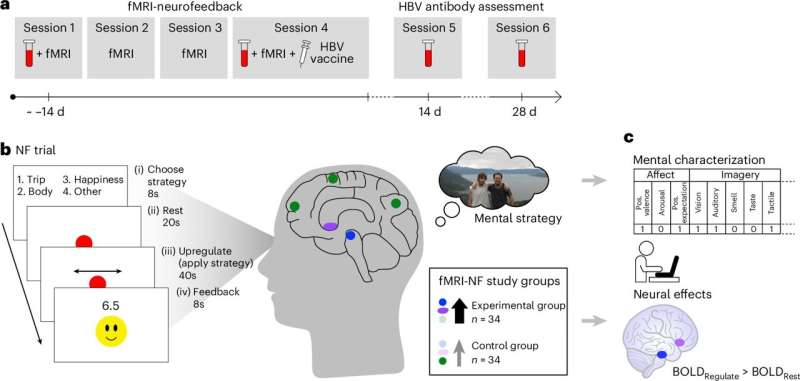
Credit: Nature Medicine, 2026

Training people to activate a part of the brain linked to reward and positive expectations may be associated with an increase in the body’s immune response to a vaccine. The findings from a study involving 85 participants, published in Nature Medicine, suggest that positive thinking might help the brain support the immune system in a noninvasive way.

A new study shows that even a short afternoon nap can help the brain recover and improve its ability to learn. 

After receiving evidence-based early interventions, roughly two-thirds of non-speaking children with autism speak single words, and approximately half develop more complex language, according to a new study. The findings, published in the Journal of Clinical Child and Adolescent Psychology, offer vital insights into improving success rates for children who remain non-speaking or minimally speaking after therapy.

A newly developed AI computational models that predict the degeneration of neural networks in amyotrophic lateral sclerosis (ALS).

Researchers have determined that a measure of brain complexity, derived from magnetic stimulation and EEG, can effectively evaluate the integrity of conscious processing in patients with Alzheimer’s disease. The findings offer a new potential metric for tracking disease progression.

People with obesity and high blood pressure may face a higher risk of dementia, according to a new study published in The Journal of Clinical Endocrinology & Metabolism.

A new doctoral dissertation shows that gambling disorder is linked to brain networks involved in self-control and brain reward functions. By combining several brain imaging methods, the research provides new biological insight into the disorder and may point to promising directions for treatment development.

Researchers have proposed a neuroscience framework explaining how different types of motivation fundamentally reshape what and how the brain remembers.

Scientists have examined episodic and semantic memory, combining task based and fMRI data and have shown that there is no difference in neural activity between successful semantic and episodic retrieval.

Research by an interdisciplinary team from McGill University and Université Laval provides new insights into the links between social factors and cognitive health among aging adults. While previous research had found positive correlations between specific measures of social connectedness and a variety of health outcomes, this study appears to have been the first to create profiles aggregating multiple social factors and to see how those correlated with cognitive health in older adults, the researchers said.

A new study finds that heart attacks involve not just the heart but also the brain and the immune system, revealing a more complex interplay between these critical bodily systems than previously understood.

UCLA Health researchers have created a comprehensive map showing how eight different genetic mutations associated with autism spectrum disorder affect early brain development, providing new insights into the ways diverse genetic causes may lead to shared features and symptoms of the disorder.

The effect of obesity on brain health may depend not only on how much fat is in the body, but also on the areas of the body where fat is stored, according to a study published in Radiology.

A new study published in the journal Brain, Behavior and Immunity has found that people who have had a stroke have fewer of a specific type of immune cell called B cells, which normally produce antibodies to fight off infections.  Researchers reviewed 21 clinical trials involving more than 2,100 adults, comparing cannabis-based medicines with placebo over periods of two to 26 weeks.

A research team of has succeeded in identifying biomarkers for Parkinson’s disease in its earliest stages, before extensive brain damage has occurred. The biological processes leave measurable traces in the blood, but only for a limited period.

New research suggests that a person’s overall physical and mental abilities, known as intrinsic capacity, may help predict future cognitive decline.

Menopause is linked to reductions in gray matter volume in key brain regions as well as increased levels of anxiety and depression and difficulties with sleep, according to new research from the University of Cambridge. The study, published in Psychological Medicine, found that hormone replacement therapy (HRT) does not appear to mitigate these effects, though it can slow the decline in reaction times.

People exposed to wildfire smoke have a higher risk of suffering a stroke, according to research published in the European Heart Journal

Researchers have characterized how cellular senescence—where aging cells change their function—is linked to human brain structure in development and late life. This intriguing connection has significant implications, revealing that senescent cells may play a role in the neurodegenerative processes associated with aging, potentially influencing cognitive decline and various age-related diseases.

Finally this week, a new study has found that for people with moderate hearing loss, being prescribed hearing aids had little impact on cognitive test scores.

Weekly Neuroscience Update

Credit: PLOS Mental Health (2025). DOI: 10.1371/journal.pmen.0000463

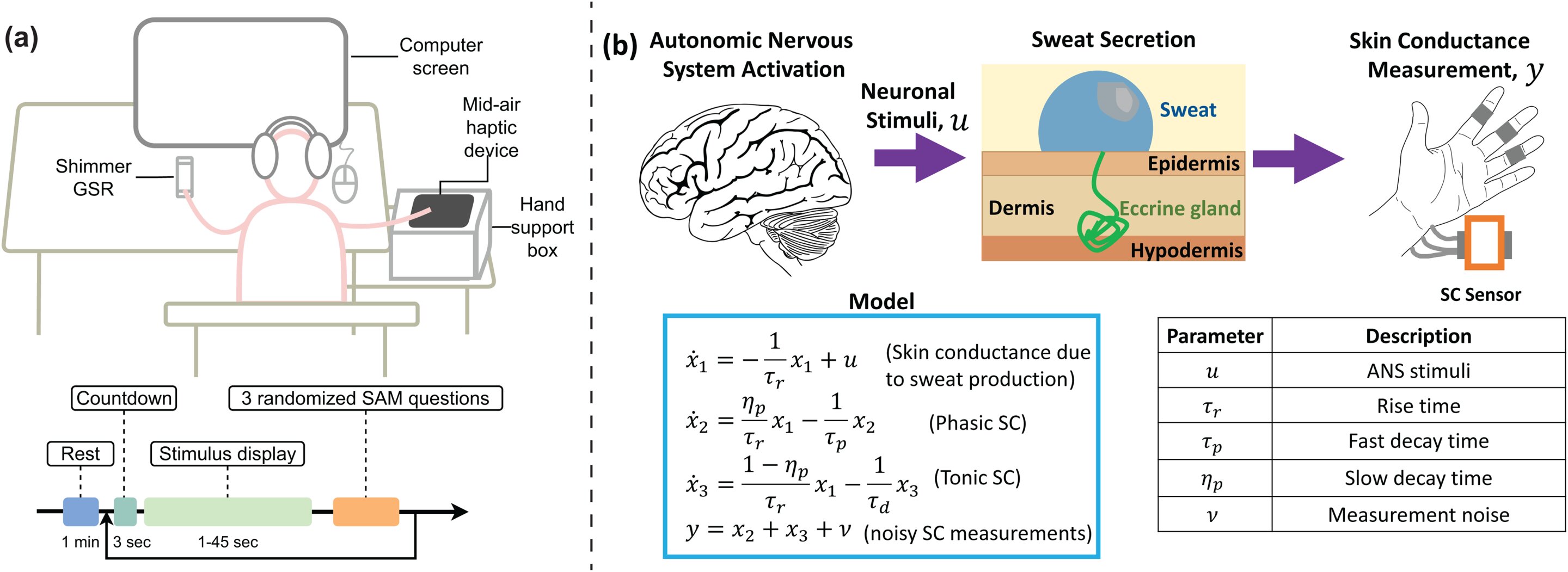
A recent study explores how physiological signals can reveal cognitive arousal—the level of mental alertness and emotional activation—without relying on subjective reporting.

New research reveals that women with long COVID show distinct biological disruptions — including gut inflammation, anaemia, and abnormal hormone levels — that may explain their heightened and persistent symptoms. These findings emerged from immune, biomarker, and genetic analyses in people one year after infection.

A new software enables brain simulations which both imitate the processes in the brain in detail and can solve challenging cognitive tasks. 

University of Auckland researchers report that an 8-week, twice-weekly LSD microdosing regimen for major depressive disorder was feasible and well-tolerated, with Montgomery-Åsberg Depression Rating Scale (MADRS) scores reduced by 59.5% at the end of treatment and sustained to six months.

Dance styles engage the brain in different ways depending on the movements, aesthetics, and emotions associated with the dance, according to a study published in Nature Communications.

New research shows that depression beginning before age 25 has a much stronger hereditary component than depression that emerges later in life. By analysing genetic data from over 150,000 people with depression, researchers identified distinct genetic regions linked specifically to early-onset cases.

Scientists have developed an innovative, non-invasive brain stimulation therapy to significantly improve visual function in stroke patients who have suffered vision loss following a stroke.

A rare intracranial brain-recording study revealed that tirzepatide, a GLP-1 and GIP receptor agonist, temporarily silences craving-related neural activity in a key reward circuit of the brain. Researchers observed that the drug initially shut down signaling in the nucleus accumbens of a patient with treatment-resistant obesity. However, after five months, both the “food noise” and the corresponding neural patterns returned, suggesting the effect was short-lived. The findings highlight how these metabolic drugs influence human brain circuits and underscore the need for more durable treatments targeting impulsivity in eating disorders.

Researchers report that ketogenic diets are associated with modest reductions in depressive symptoms in adults, while evidence for anxiety remains uncertain.

An international study has uncovered similar structural changes in the brains of young people diagnosed with anxiety disorders, depression, ADHD and conduct disorder, offering new insights into the biological roots of mental health conditions in children and young people.

A randomised, placebo-controlled trial shows that cannabis with active THC reduces immediate alcohol cravings and lowers drinking levels in heavy-drinking young adults.

New research shows that the brain distinguishes between “what an odour is” and “how it feels,” processing them at different times. After smelling, the brain sends a quick signal that identifies molecular features for differentiation.

“Drains” in the brain, responsible for clearing toxic waste in the organ, tend to get clogged up in people who show signs of developing Alzheimer’s disease, a new study shows.

Researchers have discovered how the brain keeps time for precise movements, revealing a neural “hourglass” mechanism between the motor cortex and striatum. The motor cortex sends timing signals that accumulate in the striatum until they reach a threshold that triggers action.

Finally this week, a new brain imaging study reveals that music activates the same chemical system in the brain that is responsible for the pleasure associated with food and social bonding. 

Weekly Neuroscience Update

A research collaboration has identified the specific nerve pathways responsible for relaying pain signals from the bowel to the brain, paving the way for new irritable bowel syndrome (IBS) and inflammatory bowel disease (IBD) treatments.

Game-based training improves not only the cognitive abilities of people with initial signs of developing dementia, but also leads to positive changes in the brain, according to two new studies.

A next-generation neuroprosthetic hand that restores a sense of touch is moving into a pivotal home-use clinical trial. The “iSens” system uses implanted electrodes to read muscle intent and stimulate nerves, relaying fingertip sensations to the brain so the prosthesis feels embodied.

A new breakthrough demonstrates how robots can now integrate both sight and touch to handle objects with greater accuracy, much like humans. 

Researchers have traced a neural mechanism that explains why humans explore more aggressively when avoiding losses than when pursuing gains. Their work reveals how neuronal firing and noise in the amygdala shape exploratory decision-making.

Scientists have found a way to stop brain cancer cells spreading by essentially ‘freezing’ a key molecule in the brain.

Researchers have developed an ultrasound device that can precisely stimulate areas deep in the brain without surgery, opening up new possibilities for neurological research and the treatment of disorders such as Parkinson’s disease.

Artificial intelligence can detect and interpret social features between people from images and videos almost as reliably as humans, according to a new study published in the journal Imaging Neuroscience.

A large study of nearly 13,000 adults found that consuming high levels of certain artificial sweeteners is associated with faster declines in memory and cognitive function over an eight-year period. The effect was particularly strong in people with diabetes and those under 60.  While the study does not prove causation, it raises concerns about the long-term brain health risks associated with common sugar substitutes.

Experiments have shown that AI can develop in-context learning abilities after extensive incremental practice, much like humans do.

A new study suggests that autism may be linked to the rapid evolution of brain cell types unique to humans. Researchers have found that outer-layer neurons in the human brain evolved significantly faster than in other apes, with notable changes in autism-associated genes.

A new study shows that brain iron levels, measured using a specialized MRI technique, can predict cognitive decline years before symptoms of Alzheimer’s disease appear.

People with chronic insomnia may experience faster declines in memory and thinking skills as they age—along with brain changes that can be seen on imaging scans—than people who do not have chronic insomnia, according to a study published in Neurology.

Researchers have discovered how the brain develops reliable visual processing once the eyes open.

Scientists discovered how the brain uses objects to anchor our sense of direction, solving part of the mystery of spatial navigation. Experiments in mice showed that cells in the postsubiculum fired strongly when facing an object, while cells in other directions were suppressed, sharpening orientation.

In adults aged 60 years and older, tinnitus, especially severe and prolonged tinnitus, is significantly associated with cognitive impairment, according to a study published in Brain Sciences.

A more precise and personalized form of electric brain stimulation may be a more effective and faster treatment for people with moderate to major depression compared to other similar treatments, according to a UCLA Health study.

Finally this week, researchers may have found a way to limit the debilitating damage strokes can cause.

Weekly Neuroscience Update

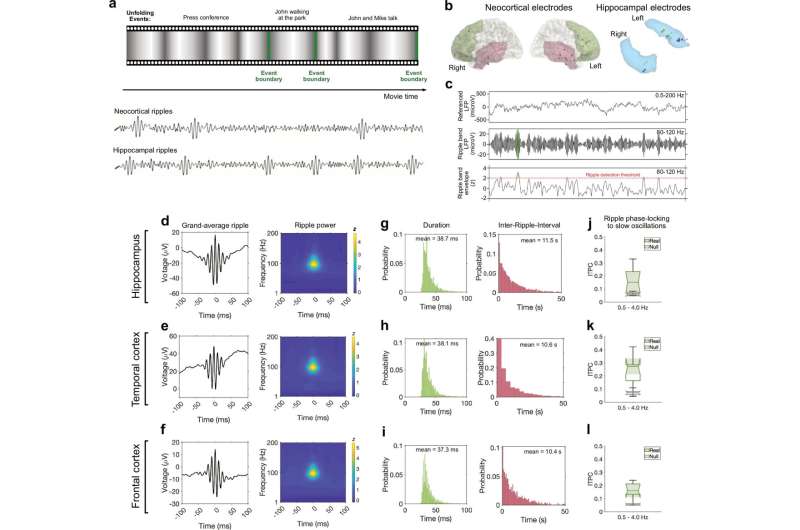
Experimental design, ripple detection, and ripple properties. Credit: Nature Communications (2025)

A research team has identified, for the first time in humans a key neurophysiological mechanism in memory formation: ripple-type brain waves—high-frequency electrical oscillations that mark and organize the different episodes or fragments of information that the brain stores as memories.

Scientists have discovered how a key protein helps maintain strong connections between brain cells that are crucial for learning and memory.

New research shows that signs of Alzheimer’s disease can already be detected in the blood of people as young as their 40s. Finnish scientists found elevated Alzheimer’s-related biomarkers in middle-aged adults, especially among those with maternal history or kidney disease.

A new study questions whether playing youth football leads to harmful protein buildup in the brain.

Receiving six or more prescriptions of the drug gabapentin for low back pain is associated with significantly increased risks of developing dementia and mild cognitive impairment, finds a large medical records study.

A large genetic study reveals that cannabis use disorder is strongly linked to increased risk for multiple psychiatric disorders, including depression, PTSD, ADHD, and schizophrenia.

A common sugar substitute, erythritol, widely used in “sugar-free” and low-carb products, may increase stroke risk by damaging brain blood vessel cells. A new study found that erythritol exposure reduced nitric oxide, increased vessel constrictors, impaired clot-busting abilities, and boosted free radical production in these cells.

Finally, this week, neuroscientists have discovered a signature ‘wave’ of activity as the brain awakens from sleep.

Weekly Neuroscience Update

Credit: Biological Psychiatry / Hannon et al.

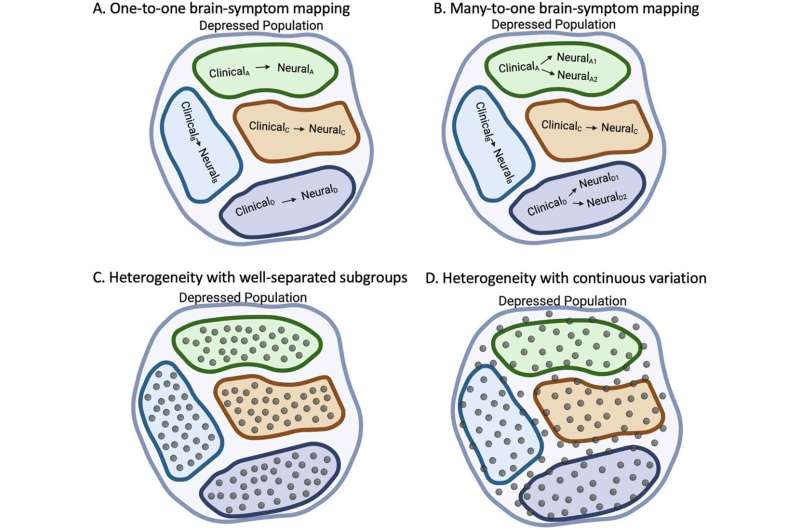
A novel study aimed at disentangling the neurological underpinnings of depression shows that multiple brain profiles may manifest as the same clinical symptoms, providing evidence to support the presence of both one-to-one and many-to-one heterogeneity in depression. The findings of the study in Biological Psychiatry, highlight the layered and complex interactions between clinical symptoms and neurobiological sources of variation.

New research shows that babies as young as eight months can flexibly adapt their learning strategies to changing environments.

Brain networks responsible for sensing, understanding, and responding emotionally to pain develop at different rates in infants, with the conscious understanding of pain not fully developed until after birth, finds a new study.

People living with autoimmune diseases face nearly twice the risk of developing persistent mental health disorders like depression, anxiety, and bipolar disorder, according to a massive UK-based study.

New research shows that individuals with higher cognitive ability have stronger, more flexible synchronization of brain rhythms—specifically theta waves—in the midfrontal region during mentally demanding tasks. These neural signals coordinate dynamically, especially during moments of decision-making, allowing people to maintain focus and adapt more quickly to changing rules. 

A recent study leveraged machine learning to identify the key lifestyle and health factors influencing cognitive performance throughout life.

New research reveals that autism and congenital heart disease may share a common biological basis—tiny cellular structures called cilia. Scientists found that mutations in genes affecting cilia formation disrupt both brain and heart development, helping explain why the two conditions often co-occur.

Researchers have identified a novel gene associated with neurodevelopmental disorders and epilepsy.

A first-of-its-kind clinical trial shows that ketamine treatment for severe, treatment-resistant depression is significantly more effective when paired with psychotherapy and supportive environments. Patients who underwent this combined treatment reported a 30% drop in depression symptoms, with reduced anxiety and suicidal thoughts lasting at least eight weeks.

A crucial link between the brain’s cleaning system and deterioration of neurons associated with Alzheimer’s disease has been discovered.

In a study published in Science Advances, researchers reveal that our bodies respond to acute (short‑term) and chronic (long‑lasting) pain in surprisingly different ways at the cellular level. Their discovery sheds new light on how pain becomes chronic—and opens the door to better‑targeted treatments.

A paper published in the Cochrane Database of Systematic Reviews has found that virtual reality (VR), when used in addition to standard therapy, can help stroke survivors regain arm movement.

Researchers investigating post-traumatic stress disorder (PTSD) at the single-cell level, aiming to understand how cellular communication may be disrupted in affected brains. They found impaired signaling in inhibitory neurons in PTSD, potentially explaining hyperarousal symptoms, and opposing patterns of microglial activity in PTSD versus depression. Vascular endothelial cells in PTSD brains also showed signs of dysfunction, possibly increasing stress hormone exposure.

A recent study shows that individual neurons in the hippocampus can respond to both slow and fast brain waves at the same time by switching between different firing modes.

For the first time, scientists using cryo-electron microscopy have discovered the structure and shape of key receptors connecting neurons in the brain’s cerebellum, which is located behind the brainstem and plays a critical role in functions such as coordinating movement, balance and cognition.

In a paper published in the journal Nature Communications, biomedical engineers have shown how two brain regions quickly adapt to shift focus from one planned destination to another.

A new neuroimaging study has identified distinct structural brain differences in individuals with psychopathy, particularly those with high antisocial traits. Reduced volumes were found in subcortical and cortical areas involved in emotion, decision-making, and social behavior.

Groundbreaking research has identified a new brain protein involved in the development of Parkinson’s disease and a way to modify it, paving the way for future treatments for the disease.

Living in disadvantaged neighborhoods may increase the risk of Alzheimer’s disease by elevating biomarkers associated with inflammation and neurodegeneration. A long-term study of 334 older adults found higher levels of tau and YKL-40, biomarkers linked to Alzheimer’s and brain inflammation, in people from less advantaged areas.

Psychosis may start not with hallucinations, but with subtle motor changes like reduced grip strength according to a new study.

In experiments with healthy volunteers undergoing functional MRI imaging, scientists have found increased activity in two areas of the brain that work together to react to, and possibly regulate, the brain when it’s “feeling” tired and either quits or continues exerting mental effort.

Finally, this week, newborn babies and patients with Alzheimer’s disease share an unexpected biological trait: elevated levels of a well-known biomarker for Alzheimer’s, as shown in a recent study.

Weekly Neuroscience Update

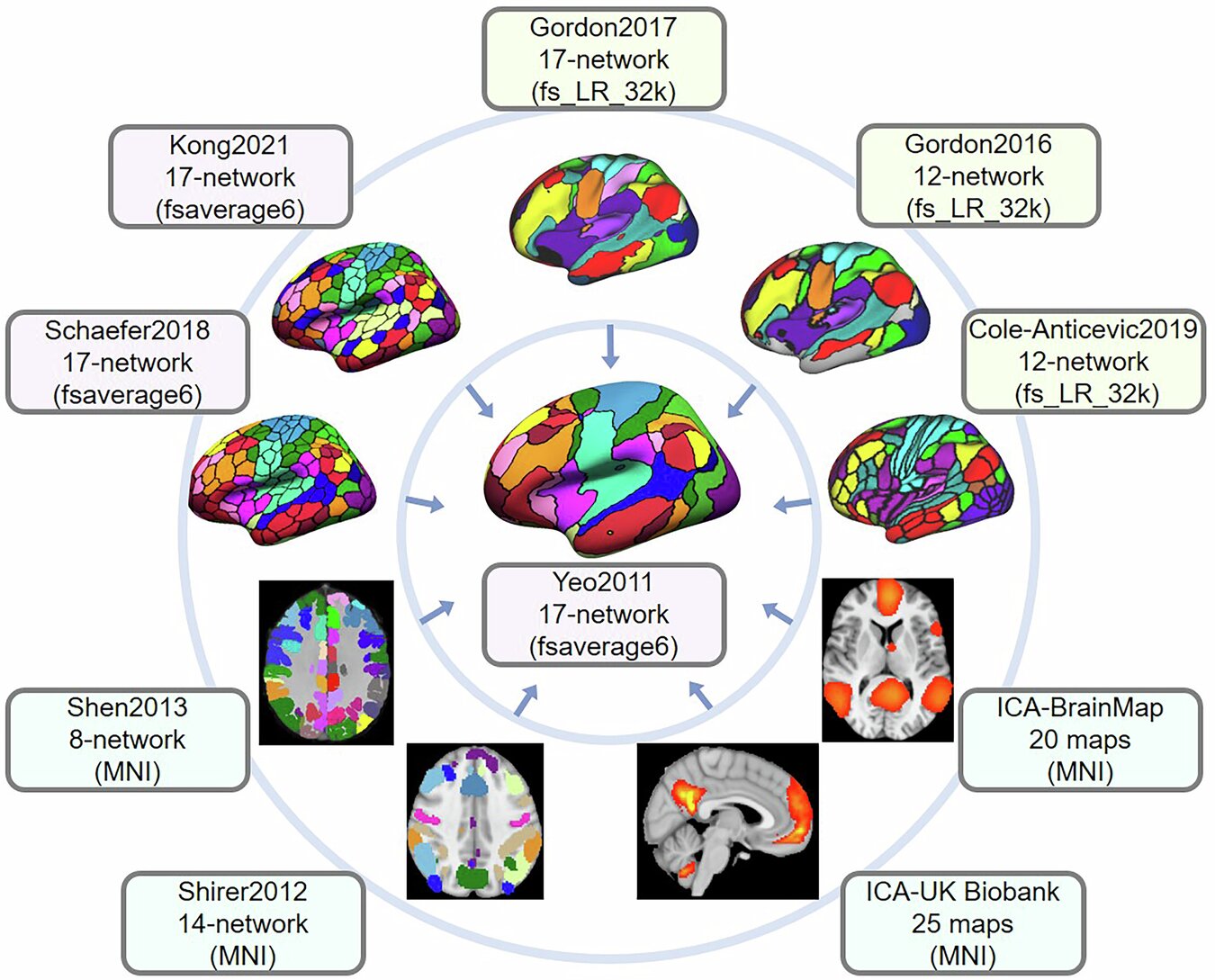
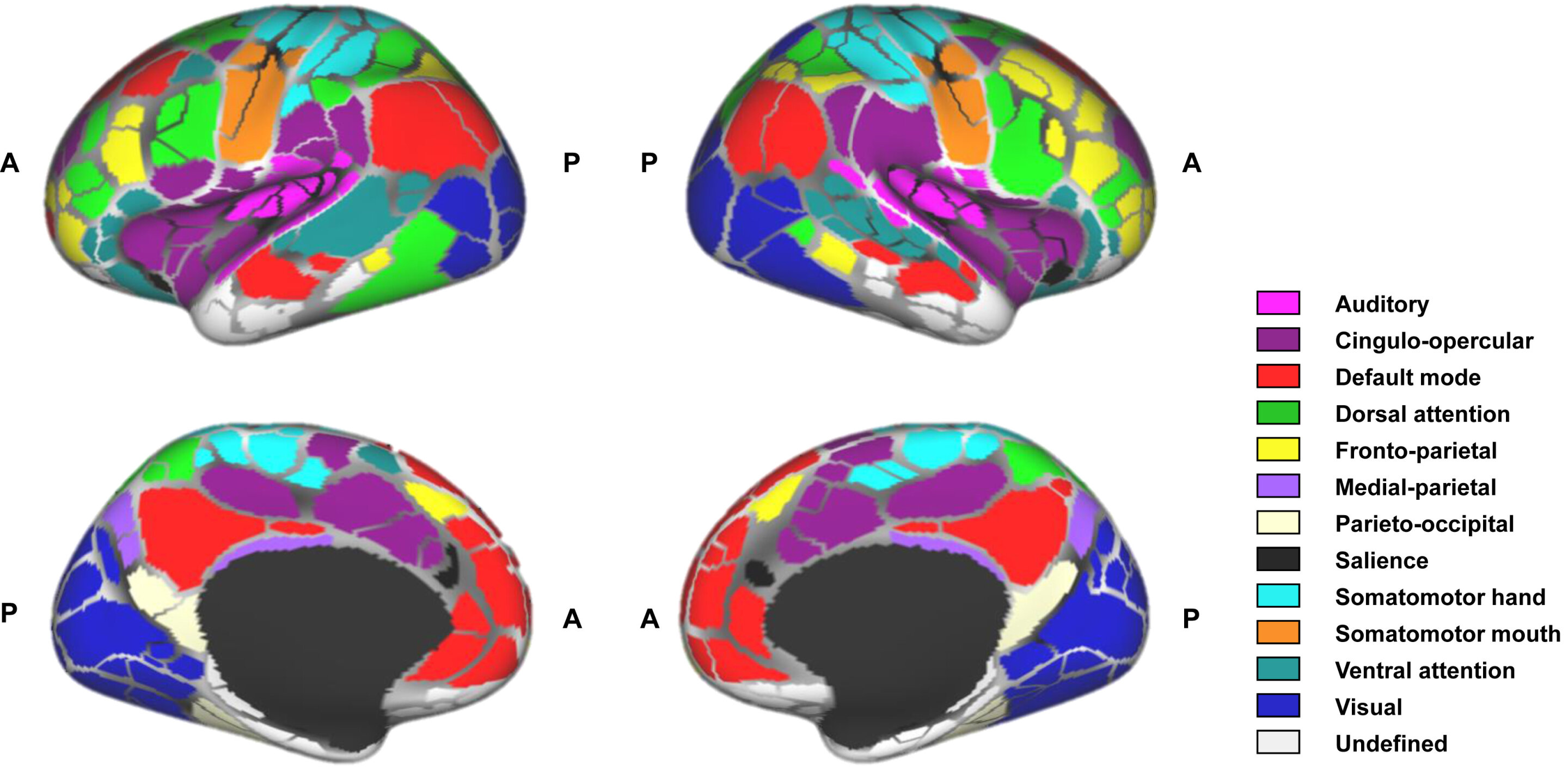
Example atlases included in the Network Correspondence Toolbox (NCT). Credit: Nature Communications (2025)

UCLA Health researchers have helped to develop a new digital toolbox to create a “common language” for brain network studies, potentially accelerating new discoveries and treatments for neurological and psychiatric conditions.

New research published in The Journal of Neuroscience suggests that relieving psychological stress by targeting specific neurons in the brain can lower blood pressure and reduce anxiety.

People who have early signs of heart problems may also have changes in brain health that can be early signs of dementia, such as loss of brain volume, according to a meta-analysis published online in Neurology. The meta-analysis does not prove that early heart problems cause loss of brain cells; it only shows an association.

Scientists have gained greater clarity in the brain regions and neurons that control metabolism, body temperature and energy use. 

A recent study published in Science challenges assumptions about infant memory, showing that young minds do indeed form memories. The question remains, however, why these memories become difficult to retrieve later in life.

The brain’s appetite signalling pathways can be disrupted by consuming non-caloric sweeteners, according to new research.

Analysis of stroke patients from 1971 to 2019 showed college graduates exhibited stronger overall cognitive abilities immediately post-stroke. However, stroke survivors with any higher education saw a more rapid deterioration of executive functions, such as working memory and problem-solving, compared to those with lower levels of education.

New research suggests that psychopaths have a distinct pain experience, which can differ from what their bodies register.

A study published in the journal Scientific Reports suggests that virtual reality (VR) may offer a promising avenue for pain management in cancer patients. By immersing patients in realistic underwater environments using VR headsets, researchers observed a significant reduction in self-reported pain. This subjective improvement was further corroborated by real-time brain imaging, which revealed notable alterations in the neural pathways associated with pain perception.

A new review highlights how unpredictable sensory experiences, beyond traditional stressors like abuse and neglect, can disrupt brain development.

Scientists have uncovered a fundamental principle of how brain cells stay connected, and their discovery could change how we understand Alzheimer’s disease. Published in Cell Reports, this study reveals that neurons—the cells that make up our brain—use simple physics to maintain their connections, and that these processes change in Alzheimer’s patients.

New research shows that the brain’s numerical processing involves both absolute and relative quantity, with relative size processing increasing as information moves from the back to the front of the brain.

A pilot study of a post-stroke population has revealed some potential benefits of transcranial direct current stimulation (tDCS) on attention and fatigue. Study findings are published in Frontiers in Human Neuroscience.

Finally this week, marathon runners experience a temporary decline in brain myelin during races, with levels returning to normal after recovery, according to a study published in Nature Metabolism.

Weekly Neuroscience Update

Cortical Resting-State Networks defined by Gordon’s Parcellation. Credit: Journal of the American Academy of Child & Adolescent Psychiatry (2025).

Exposure to high ambient temperatures is associated with lower connectivity in three brain networks in preadolescents, suggesting that heat may impact brain function. 

A new study reveals that consuming high-calorie, highly processed foods for just five days can reduce the brain’s sensitivity to insulin, a key factor in obesity and type 2 diabetes. Researchers found that even in healthy individuals, short-term unhealthy eating altered brain function, mimicking effects seen in people with obesity.

Scientists are exploring the role of gut-brain axis in Parkinson’s, anxiety and long COVID.

New research highlights that optimal brain health is strongly linked to cardiovascular wellness. The study underscores that dementia and cognitive decline share risk factors with heart disease, suggesting these conditions are largely preventable by managing diet, exercise, cholesterol, blood sugar, and blood pressure.

Approximately 40 percent of adults with chronic pain experience depression or anxiety, according to a review published in JAMA Network Open.

A multidisciplinary team of researchers has discovered how lateral inhibition helps our brains process visual information, and it could expand our knowledge of sensory perception, leading to applications in neuro-medicine and artificial intelligence.

Brain changes may remain visible in brain scans after recovery from concussion, a new study shows.

Researchers are using photoacoustic imaging to observe brain activity and, in the process, discovering more about how it responds to different types of learning and experiences. Photoacoustic imaging uses optics and acoustics to generate a signal in biological tissues—in this case, the brain—where the signal provides structural and functional data and allows researchers to track factors such as brain activity. 

A study exploring a new brain imaging technique is bringing stroke experts a step closer to better tailoring rehabilitation.

Scientists have uncovered new insights into how neurofilaments act like Velcro in neurodegenerative diseases, clogging up the brain and preventing normal function, according to a study published in the journal JCI Insight.

Poor sleep could have an impact on brain health, according to a new study from The Australian National University (ANU) published in the journal Sleep Medicine.

Mayo Clinic researchers have found a new way to more precisely detect and monitor brain cell activity during deep brain stimulation, a common treatment for movement disorders such as Parkinson’s disease and tremor. This precision may help doctors adjust electrode placement and stimulation in real time, providing better, more personalized care for patients receiving the surgical procedure.

A new neuroimaging study has revealed that viewing nature can help ease how people experience pain, by reducing the brain activity linked to pain perception.

An international team of scientists has revealed new clues about the neural mechanisms underlying memory formation and recognition in the developing human brain, according to a study published in Science Advances.

Poor sleep among older adults is linked to disruptions in the brain’s “waste removal system,” according to a recent study.

Research published in the Proceedings of the National Academy of Sciences  reveals that brain aging isn’t a steady decline, but rather a series of shifts with key turning points. These transition points follow an S-shaped statistical curve with clear transition points, rather than either the late-life clinical onset or gradual linear decline previously assumed, suggesting there are specific windows when intervention could be most impactful.

Finally this week, new research reveals that our brains simplify complex social interactions by using basic mental “building blocks” or shortcuts.

Weekly Neuroscience Update

Credit: Journal of Alzheimer’s Disease (2025). DOI: 10.1177/13872877251319742

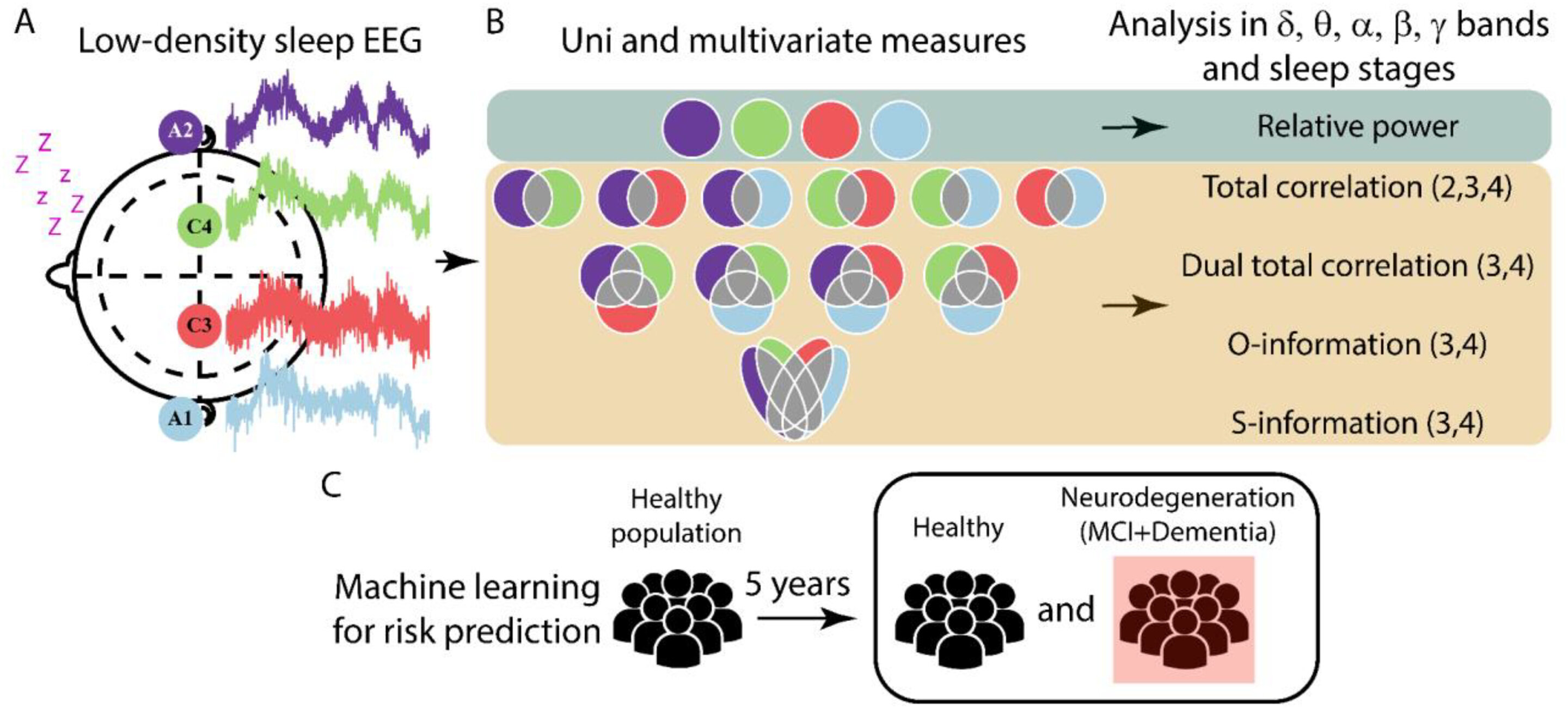
Researchers have developed an AI tool that analyzes brain wave activity recorded during sleep using electroencephalography (EEG), a non-invasive technique that measures electrical activity in the brain through sensors placed on the scalp.

An encoding study reveals how the brain uses past experiences to predict the unfolding of similar events over time.

A new brain-computer interface (BCI) has enabled a paralyzed man to control a robotic arm by simply imagining movements. Unlike previous BCIs, which lasted only a few days, this AI-enhanced device worked reliably for seven months. The AI model adapts to natural shifts in brain activity, maintaining accuracy over time.

Learning to think more about specific events in the future appears to reduce impulsivity, improve decision-making, and shows potential as a therapy for alcohol use disorder, a recent study has found.

Repeated sessions of electrical stimulation to brain networks associated with memory improved verbal learning in some Alzheimer’s disease patients for up to eight weeks in a preliminary trial led by UT Southwestern Medical Center researchers. The findings, published in The Journal of Prevention of Alzheimer’s Disease, indicate that while future trials are needed, neurostimulation shows early promise as a treatment for Alzheimer’s and other neurodegenerative disorders, such as Lewy body dementia.

Alcohol use leads to earlier brain aging and impaired behavioral flexibility, with those effects detectable even among adults in their 20s and 30s, according to an innovative study.

Researchers at Karolinska Institutet have identified a new mechanism that may improve the treatment of ischemic stroke. The study, published in the Journal of Clinical Investigation, shows that the growth factor PDGF-CC and its receptor PDGFRα play a crucial role in scar formation in the brain after an ischemic stroke.

An abnormal form of the tau protein found to accumulate in the brains of Alzheimer’s disease patients also accumulates in the eyes of patients with the condition, according to a recent study.

Scientists have observed for the first time how neurons in the human brain store memories independent of the context in which they are acquired. Published in Cell Reports, the study confirms that neurons can distinguish objects or people regardless of their context, enabling the formation of higher and more abstract relationships, which constitute the basis of human intelligence.

Higher fish consumption is associated with slower disability progression in multiple sclerosis (MS), according to research published in the Journal of Neurology, Neurosurgery & Psychiatry.

Using sophisticated neuroimaging techniques, researchers have mapped the brain’s activity during natural conversations, revealing how we seamlessly process speech and sound. These insights not only deepen our understanding of human connection but also pave the way for transformative advancements in speech technology and communication tools.

Finally this week, a recent study in Computers in Human Behavior, researchers observed that staying away from smartphones can even change one’s brain chemistry.