Weekly Neuroscience Update

Credit: Nature Structural & Molecular Biology (2024)

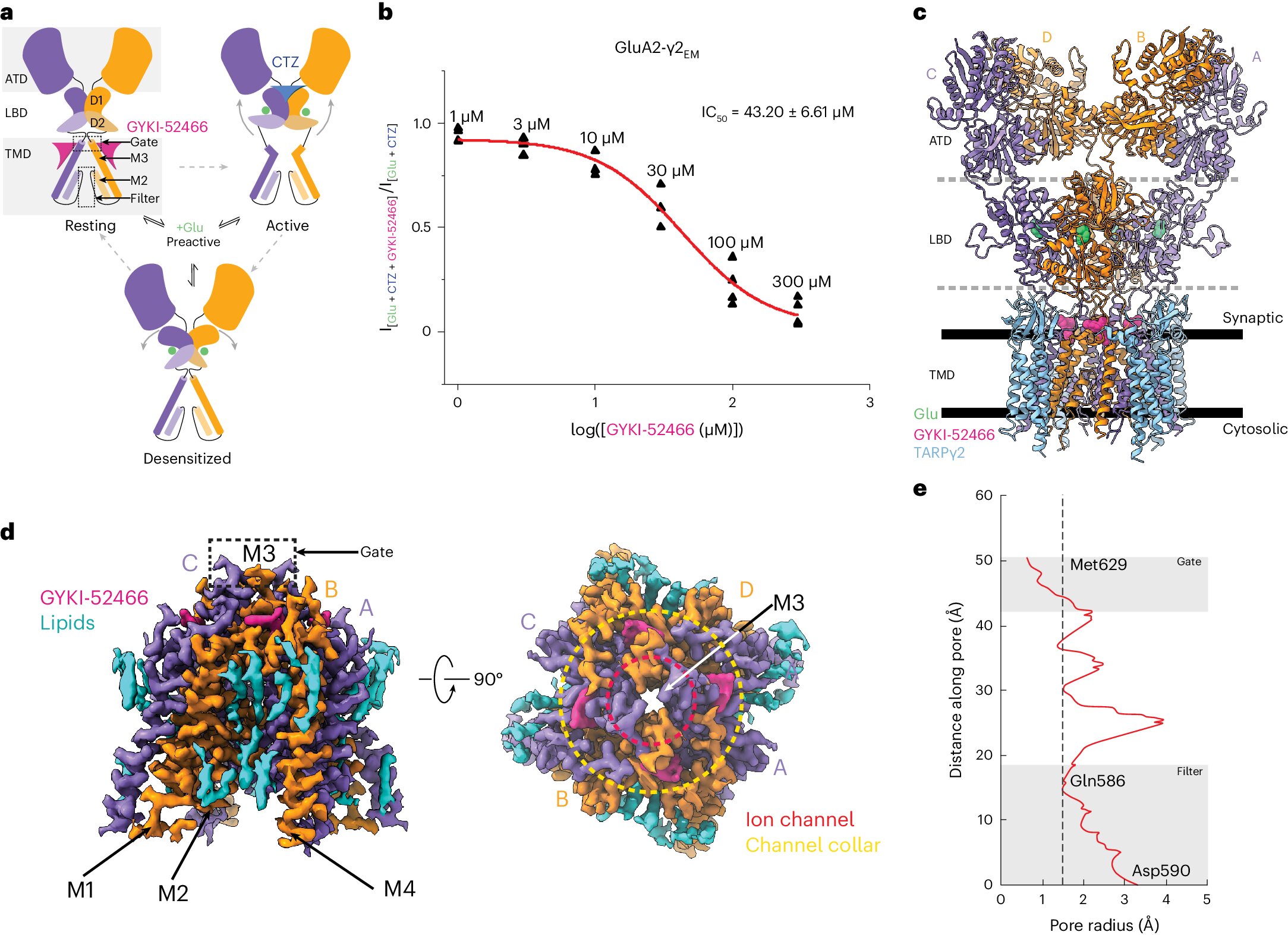
By super cooling a molecule on the surface of brain cells down to about minus 180 degrees Celsius—nearly twice as cold as the coldest places in Antarctica—scientists say they have determined how a widely-used epilepsy drug works to dampen the excitability of brain cells and help to control, although not cure, seizures.

Scientists have identified a positive molecular feedback loop which could explain stroke-induced memory loss.

A team of Australia’s leading health researchers has developed a new “dictionary” to better predict outcomes for people who have experienced a moderate-severe traumatic brain injury (TBI). The work is published in the Journal of Neurotrauma.

Research to be presented at the SLEEP 2024 annual meeting found that low-dose acetylsalicylic acid, also known as aspirin, can reduce inflammatory responses to sleep restriction.

A new study has found that resilient people exhibit neural activity in the brain regions associated with improved cognition and regulating of emotions, and were more mindful and better at describing their feelings. The same group also exhibited gut microbiome activity linked to a healthy gut, with reduced inflammation and gut barrier.

A blood test can accurately detect the ongoing effects of sport-related concussion and help determine when it’s safe to return to the field, new research has found.

Researchers have developed a method to predict dementia with over 80% accuracy up to nine years before diagnosis. Using fMRI scans, the team analyzed changes in the brain’s default mode network (DMN), which is affected early in Alzheimer’s disease.

Poor olfaction in older adults may predict the development of heart failure according to new research.

A new study finds that adults’ phobias can be correlated with changes in the structure of their brains. What’s more, the neurological differences seen in adults with phobias are more extensive than those observed in people with other forms of anxiety.

Neuroscientists have discovered a special type of human white blood cell that can potentially regrow nerve fibers.

Researchers have identified six depression subtypes through brain imaging and machine learning, revealing tailored treatment options. This breakthrough in precision psychiatry can improve treatment outcomes by matching patients with the most effective therapies based on their brain activity patterns.

Finally this week, scientists have discovered a protein that prunes nerve endings, regulating sensitivity to pain.

Weekly Neuroscience Update

 Credit: Radiological Society of North America

Low-level light therapy appears to affect healing in the brains of people who suffered significant brain injuries, according to a study published in Radiology.

An international team of clinicians and neuroscientists has published a new perspective on the process of neurodegeneration. Their findings review evidence for a mechanism upstream of amyloid including the key neurochemical driving this process.

A new study reveals the brain mechanisms behind speech impairment in Parkinson’s disease.

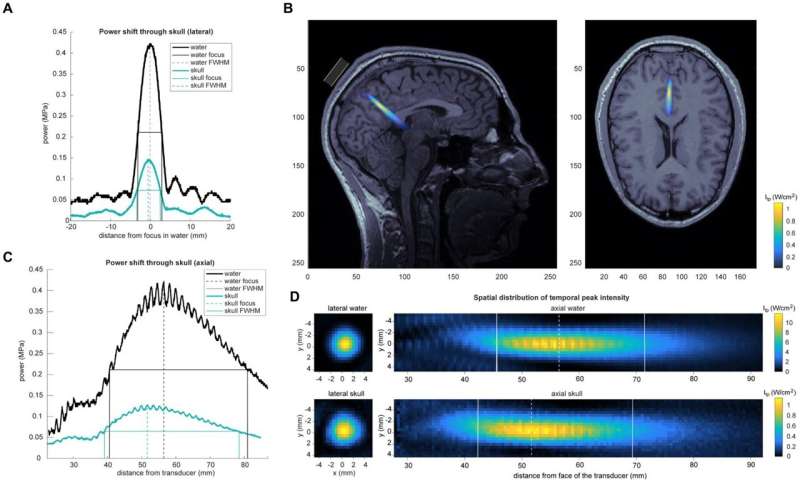
Researchers designed and implanted a transparent window in the skull of a patient, then used functional ultrasound imaging to collect high-resolution brain imaging data through the window. Their preliminary findings, published in Science Translational Medicine, suggest that this sensitive, non-invasive approach could open new avenues for patient monitoring and clinical research, as well as broader studies of how the brain functions.

New research finds that reports of cognitive decline from patients and their partners are linked to the accumulation of tau tangles, a hallmark of Alzheimer’s disease.

A new study finds a link between a diet high in ultra-processed foods and an increased risk of cognitive impairment and stroke. This association was particularly pronounced among Black participants. While more research is needed, the findings highlight the potential impact of food processing on brain health.

New research has found a distinct relationship between sleep duration, social media usage, and brain activation across brain regions that are key for executive control and reward processing.

For patients with chronic migraine, nerve decompression surgery effectively reduces the number of headache days—the outcome measure preferred by neurologists—along with other measures including the frequency and intensity of migraine attacks, reports a study in the June issue of Plastic and Reconstructive Surgery.

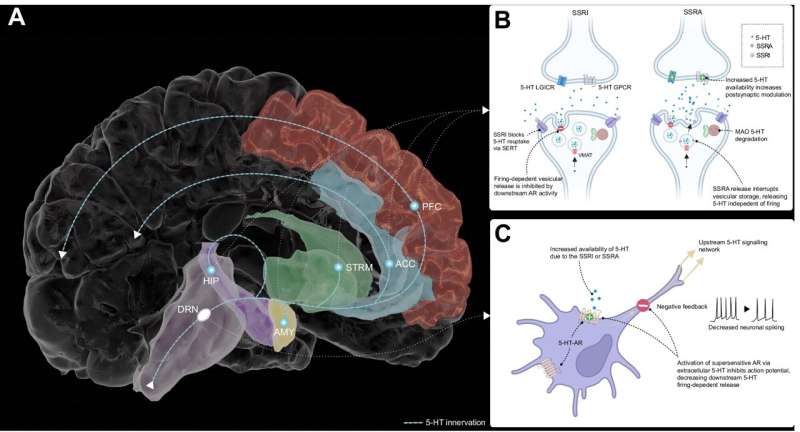
A new study uncovers a key biological process targeted by SSRIs, suggesting new clinical applications.

Researchers have reported that patients with Parkinson’s disease exhibiting sympathetic denervation in the major salivary glands and the heart tend to have more advanced non-motor symptoms as they age, suggesting that age plays an important role in disease progression.

An international study, published in Nature Communications, may facilitate the creation of new personalized treatments for people diagnosed with schizophrenia. 

A World Health Organization-commissioned systematic review finds that radio wave exposure from mobile phones does not affect learning, memory, attention span and other cognitive functions like coordination.

Researchers have leveraged the power of artificial intelligence analytical models to match a patient’s medical history to the most effective antidepressant, allowing patients to find symptom relief sooner.

A new study finds a strong association between teen cannabis use and a significantly increased risk of developing psychotic disorders. This risk appears to be age-dependent, with adolescents being particularly vulnerable to the effects of cannabis on their developing brains. While further research is needed, these findings raise concerns about early cannabis use and highlight the importance of prevention strategies.

Does sleep clear more toxins from the brain than when we’re awake? The latest research casts doubt on the theory.

A new study finds that urolithin A, a substance found in pomegranates, can improve memory and may help treat Alzheimer’s disease. This natural compound works by removing damaged mitochondria from the brain, similar to the effects of NAD supplements. While dosage is still being determined, this discovery offers promising potential for treating and preventing neurodegenerative diseases.

Finally this week, our willingness to help others is governed by a specific brain region pinpointed by researchers in a study of patients with brain damage to that region.

Weekly Neuroscience Update

Credit: Nature Neuroscience(2024).

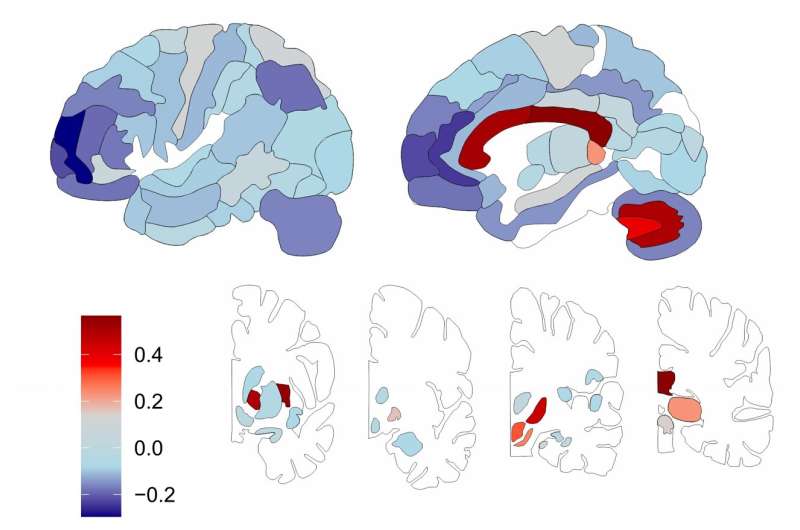
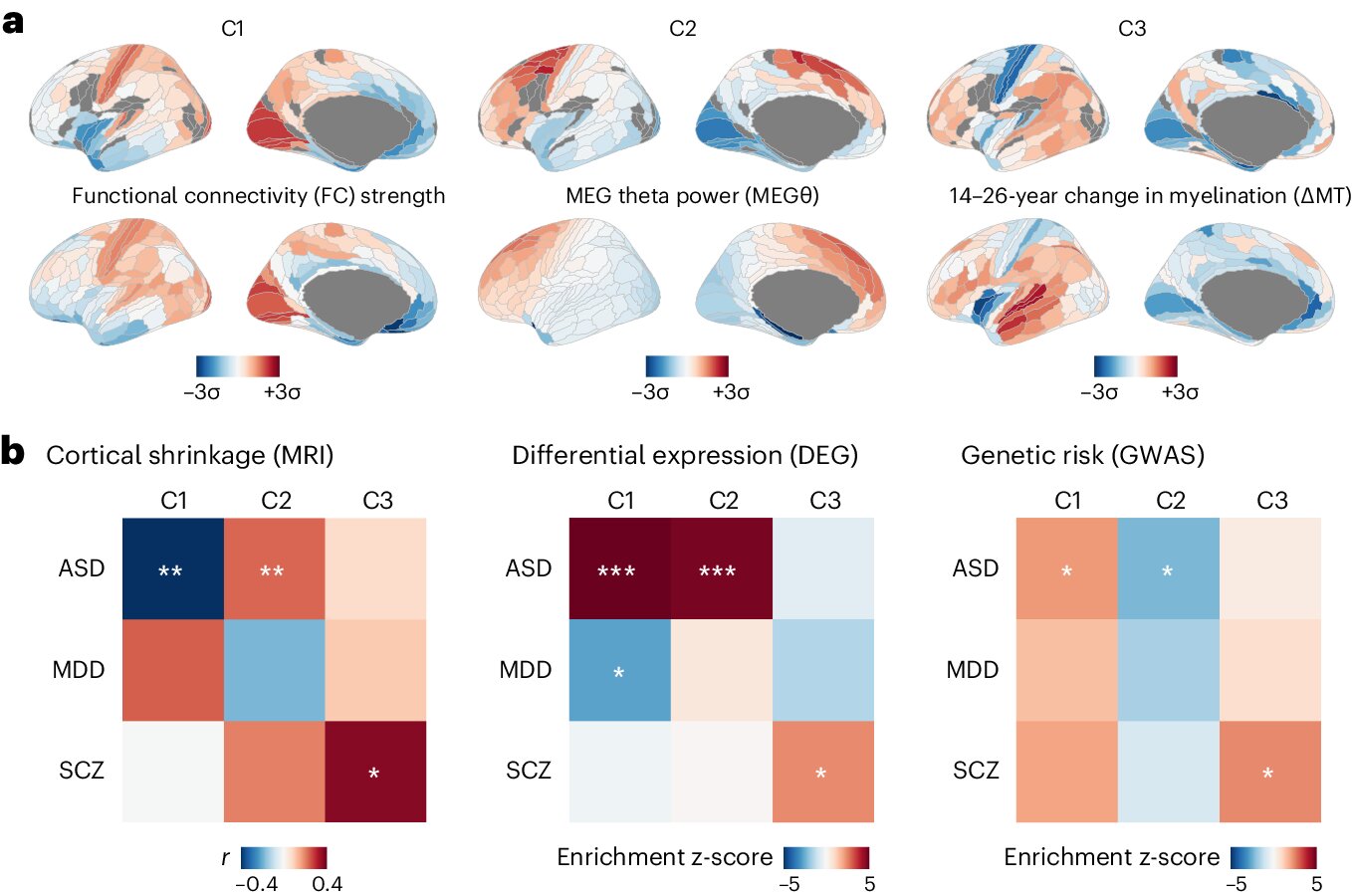
Researchers at University of Cambridge and other institutes worldwide recently carried out a study that linked gene expression in healthy brains to the imaging, transcriptomics and genetics of autism spectrum disorder and schizophrenia. Their paper, published in Nature Neuroscience, unveiled three distinct spatial patterns of cortical gene expression each with specific associations to autism and schizophrenia

A study published in the Journal of the American College of Cardiology suggests that physical activity may reduce cardiovascular disease risk by lowering stress-related brain activity.

A team of researchers at Baylor College of Medicine and Yale University incorporated generative artificial intelligence (AI) to create a foundational model for brain activity. The Brain Language Model (BrainLM) was developed to model the brain in silico and to determine how brain activities are related to human behavior and brain diseases.

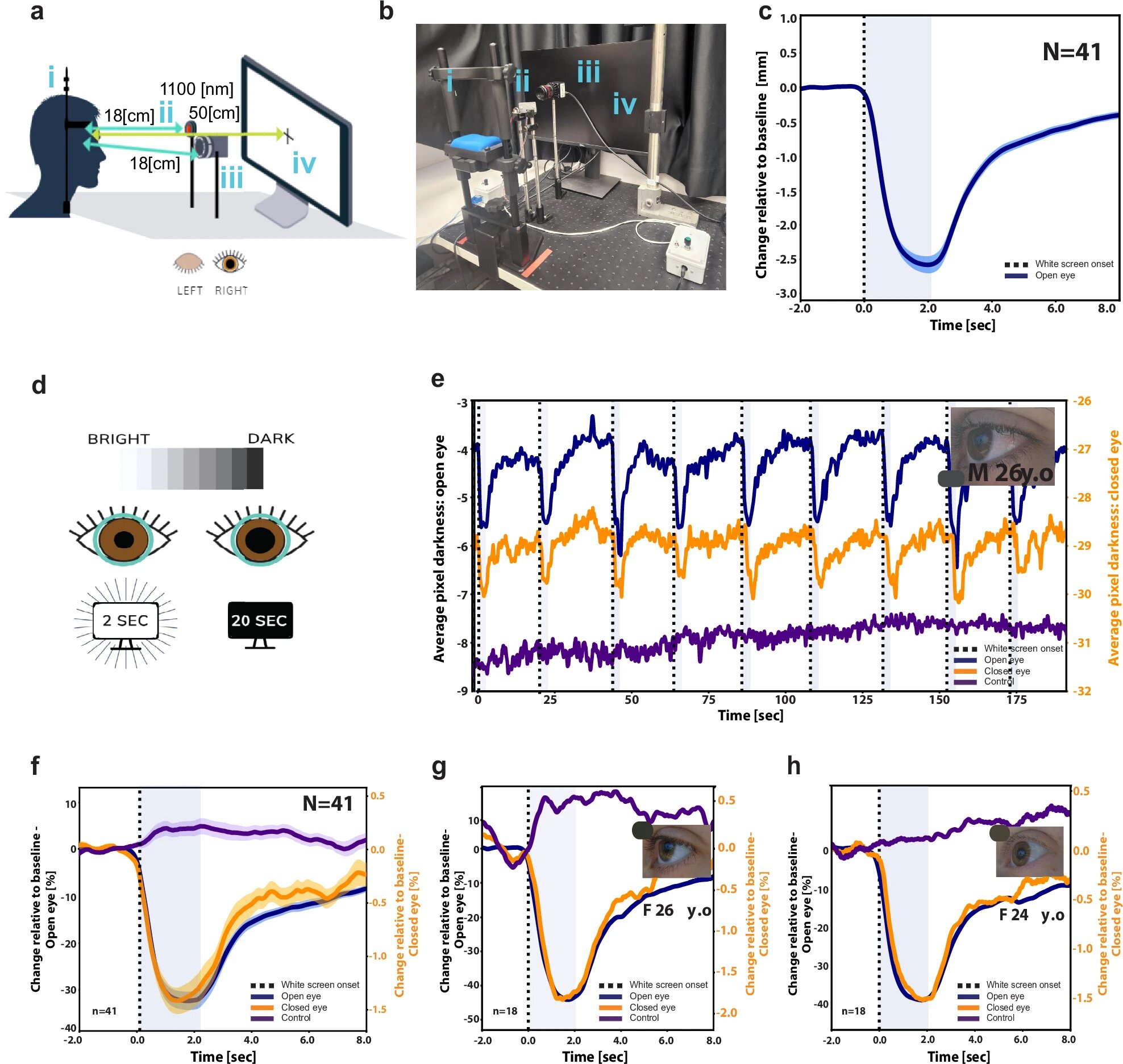
Using MRI, engineers have found a way to detect light deep in the brain.

Stressful life events, such as the death of a loved one or divorce, put a person at greater risk of developing dementia in later life, a recent study has found. But only if the stressful event happened in childhood or midlife.

Our brains process odours differently depending on the names assigned to them, according to new research. 

People with neurological disease have a greater chance of death after contracting COVID-19, according to a new study. The research also confirms a higher risk of developing new neurological disorders after COVID infection.

Children who experience chronic lack of sleep from infancy may be at increased risk of developing psychosis in early adulthood, new research shows. 

A team of brain specialists at the California Institute of Technology has developed a brain–computer interface approach to decode words “spoken” entirely in the brain by recording signals from individual neurons in real time.

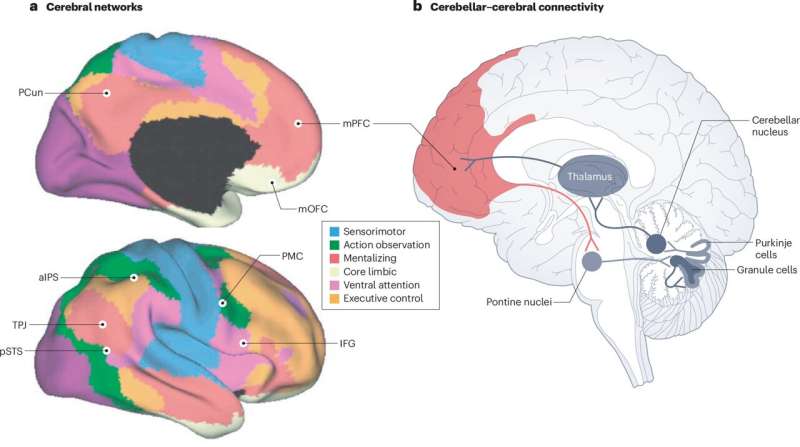
A new study shows that the cerebellum is involved in processing emotions, with implications for ataxia care.

A research team has revealed the link between the frequency of sleep apnea events during the rapid-eye-movement stage and the severity of verbal memory impairment in older adults at risk for Alzheimer’s disease. Verbal memory refers to the cognitive ability to retain and recall information presented through spoken words or written text and is particularly vulnerable to Alzheimer’s.

Results from a recent neuroplasticity study show how singing rehabilitates speech production in post-stroke aphasia.

For the first time, researchers have succeeded in explaining the propagation of traveling waves of activity in the human brain using a computer simulation. Previous studies indicate that these waves are important for various cognitive functions such as memory.

A new publication in Scientific Reports unveils a promising non-opioid pain treatment.

Repeated blows to the heads of football players can damage the small blood vessels of the brain, according to research by scientists who believe this damage may contribute to brain dysfunction in some athletes years after play has ended.

New research has shed light in the complex interplay between cell proteins, and how they impact on neurons in neurodevelopmental disorders and Alzheimer’s disease.

Artificial intelligence (AI) computer programs that process MRI results show differences in how the brains of men and women are organized at a cellular level, a new study shows. These variations were spotted in white matter, tissue primarily located in the human brain’s innermost layer, which fosters communication between regions.

Finally, this week, climate change, and its effects on weather patterns and adverse weather events is likely to negatively affect the health of people with brain conditions.