Weekly Neuroscience Update

 Credit: Radiological Society of North America

Low-level light therapy appears to affect healing in the brains of people who suffered significant brain injuries, according to a study published in Radiology.

An international team of clinicians and neuroscientists has published a new perspective on the process of neurodegeneration. Their findings review evidence for a mechanism upstream of amyloid including the key neurochemical driving this process.

A new study reveals the brain mechanisms behind speech impairment in Parkinson’s disease.

Researchers designed and implanted a transparent window in the skull of a patient, then used functional ultrasound imaging to collect high-resolution brain imaging data through the window. Their preliminary findings, published in Science Translational Medicine, suggest that this sensitive, non-invasive approach could open new avenues for patient monitoring and clinical research, as well as broader studies of how the brain functions.

New research finds that reports of cognitive decline from patients and their partners are linked to the accumulation of tau tangles, a hallmark of Alzheimer’s disease.

A new study finds a link between a diet high in ultra-processed foods and an increased risk of cognitive impairment and stroke. This association was particularly pronounced among Black participants. While more research is needed, the findings highlight the potential impact of food processing on brain health.

New research has found a distinct relationship between sleep duration, social media usage, and brain activation across brain regions that are key for executive control and reward processing.

For patients with chronic migraine, nerve decompression surgery effectively reduces the number of headache days—the outcome measure preferred by neurologists—along with other measures including the frequency and intensity of migraine attacks, reports a study in the June issue of Plastic and Reconstructive Surgery.

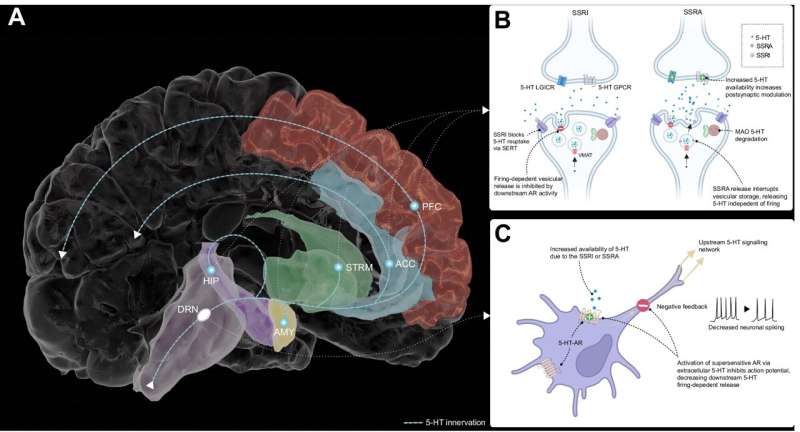
A new study uncovers a key biological process targeted by SSRIs, suggesting new clinical applications.

Researchers have reported that patients with Parkinson’s disease exhibiting sympathetic denervation in the major salivary glands and the heart tend to have more advanced non-motor symptoms as they age, suggesting that age plays an important role in disease progression.

An international study, published in Nature Communications, may facilitate the creation of new personalized treatments for people diagnosed with schizophrenia. 

A World Health Organization-commissioned systematic review finds that radio wave exposure from mobile phones does not affect learning, memory, attention span and other cognitive functions like coordination.

Researchers have leveraged the power of artificial intelligence analytical models to match a patient’s medical history to the most effective antidepressant, allowing patients to find symptom relief sooner.

A new study finds a strong association between teen cannabis use and a significantly increased risk of developing psychotic disorders. This risk appears to be age-dependent, with adolescents being particularly vulnerable to the effects of cannabis on their developing brains. While further research is needed, these findings raise concerns about early cannabis use and highlight the importance of prevention strategies.

Does sleep clear more toxins from the brain than when we’re awake? The latest research casts doubt on the theory.

A new study finds that urolithin A, a substance found in pomegranates, can improve memory and may help treat Alzheimer’s disease. This natural compound works by removing damaged mitochondria from the brain, similar to the effects of NAD supplements. While dosage is still being determined, this discovery offers promising potential for treating and preventing neurodegenerative diseases.

Finally this week, our willingness to help others is governed by a specific brain region pinpointed by researchers in a study of patients with brain damage to that region.

Weekly Neuroscience Update

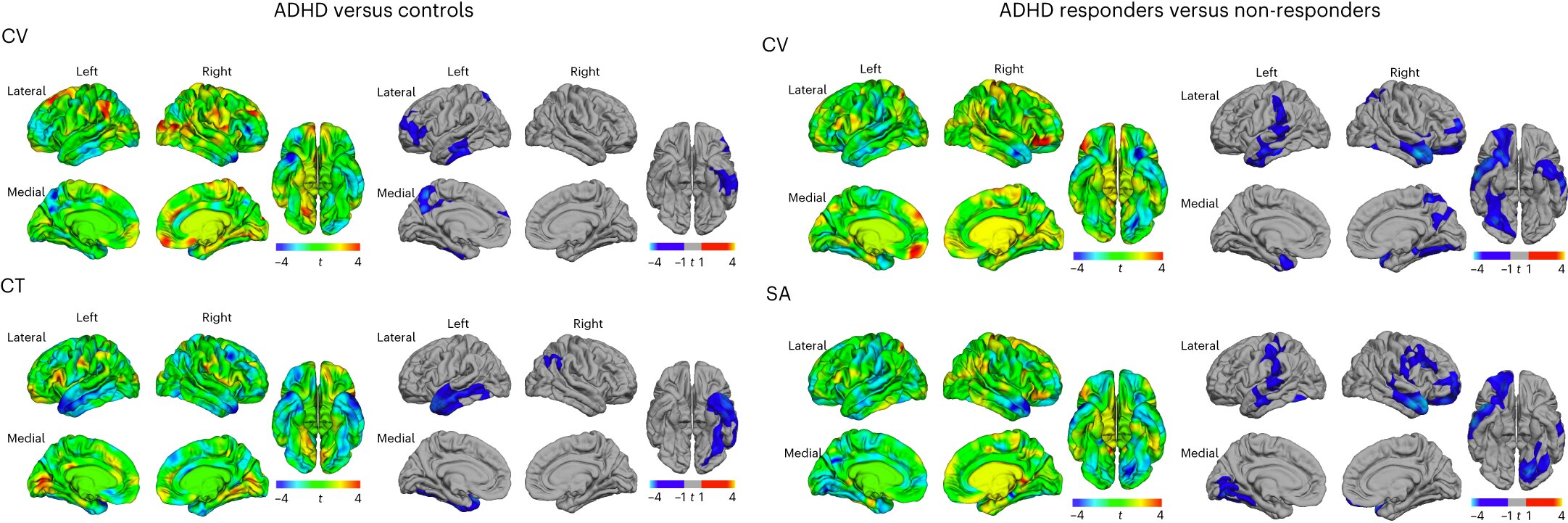
Vertex-wise comparisons between ADHD (N = 60) and controls (N = 23), and between ADHD responders (N = 42) and non-responders (N = 18). Credit: Nature Mental Health (2024).

New research has found that the effectiveness of ADHD medication may be associated with an individual’s neuroanatomy.

Although there are still some aspects pending confirmation for its use in the clinical setting, and its resolution needs to be improved slightly, a new study has shown that a method routinely used to carry out ophthalmological tests can also be used to monitor the neurodegeneration that occurs in Parkinson’s patients.

Scientists have uncovered a mechanism in the brain that allows cocaine and morphine to take over natural reward processing systems.

New research has identified a specific pattern of autoantibodies in the blood that precedes the clinical onset of multiple sclerosis (MS), potentially paving the way for early diagnosis and treatment. Their study found that 10% of MS patients displayed a unique set of autoantibodies against both human proteins and common pathogens like the Epstein-Barr Virus years before showing symptoms.

Researchers have identified a promising new approach to treating persistent neurological symptoms associated with Lyme disease.

A new study investigates why everyday actions like locking a door are often forgotten. The study revealed that while emotionally charged or unique events are initially memorable, even these can fade within 24 hours, particularly positive experiences. This research provides insight into the selective nature of memory and suggests that our brains prioritize and even forget information to manage cognitive load.

Managing a stroke patient’s blood sugar levels after they receive powerful clot-busting drugs might help them survive their health crisis, a new trial finds.

Researchers have created a thin film that combines an electrode grid and LEDs that can both track and produce a visual representation of the brain’s activity in real time during surgery. The device is designed to provide neurosurgeons with visual information about a patient’s brain to monitor brain states during surgical interventions to remove brain lesions including tumors and epileptic tissue.

A new study identifies a new metric for diagnosing autism.

New research has found a significant association between participating in low to moderate intensity exercise and reduced rates of depression.  However, this was not strongly observed for high-intensity exercise. Physical activity was also significantly associated with reduced risk of severe mental health conditions, including a reduction in psychosis/schizophrenia by 27%.

An international collaborative research team has discovered a novel mechanism underlying memory involving rapid changes in a specific DNA structure.

People who take acid-reducing drugs may have a higher risk of migraine and other severe headache than people who do not take these medications, according to a study published in the online issue of Neurology Clinical Practice

Finally this week, new research has highlighted the profound link between dietary choices and brain health.

Weekly Neuroscience Update

Findings from a mega-analysis of differences in seed-based subcortico-cortical connectivity in youths with attention deficit hyperactivity disorder (ADHD) and unaffected control subjects. Credit: American Journal of Psychiatry (2024). 

Researchers have discovered that symptoms of attention-deficit/hyperactivity disorder (ADHD) are tied to atypical interactions between the brain’s frontal cortex and information-processing centers deep in the brain.

A new study has identified a genetic mutation underlying a rare form of epilepsy and reveals novel molecular and cellular mechanisms by which the disorder manifests in patients.

For the first time, researchers have shown that non-invasive brain stimulation can change a specific brain mechanism directly related to human behavior. This is a major step forward for discovering new therapies to treat brain disorders such as schizophrenia, depression, Alzheimer’s disease, and Parkinson’s disease.

A test that shows how good or bad we are at perceiving the rhythm of language can predict the ability to acquire language, and may also help us understand individual differences in brain biology.

A new study reveals the mechanisms behind proprioception, our body’s innate ability to sense limb position and movement, critical for movement without visual cues. Utilizing musculoskeletal simulations and neural network models, researchers have advanced our understanding of how the brain integrates sensory data from muscle spindles to perceive bodily position and motion.

Specialized brain scans may accurately predict whether a psychotic patient will go on to develop treatment-resistant schizophrenia, Dutch researchers report.

Researchers have uncovered a significant correlation between social isolation and accelerated biological aging, indicating that individuals with limited social connections are at a higher risk of premature mortality.

Scientists have revealed new insights into how the brain processes speech and listening during conversations through advanced investigations using functional magnetic resonance imaging (fMRI).

A unique multicenter study, including about 3,500 youth between 10 and 25 years old from across the globe, shows that artificial intelligence—specifically machine learning—can identify individuals with anxiety disorders based on their unique brain structure.

Researchers have identified four distinct sleep patterns linked to long-term health outcomes, revealing the profound impact of sleep habits on chronic health conditions.

A new study uncovers the nuanced effects of spaced learning on memory, emphasizing the importance of the content’s variability and the intervals between learning sessions. The study contrasts the impact of learning identical content versus content with variations, across different timescales, on memory retention.

Finally, this week, spending quality time with dogs reduces stress and increases the power of brain waves associated with relaxation and concentration, according to a recent study.

Weekly Neuroscience Update

Synergetic framework. Credit: Trends in Cognitive Sciences

A new model for understanding the brain paves the way for more accurate diagnoses and treatments.

For people with drug-resistant epilepsy, having a dog companion trained in detecting seizures and other epilepsy-related tasks may reduce the amount of seizures they have, according to new research published in Neurology

New research shows that continued cocaine use disrupts communication between major brain networks.

Researchers are embarking on a pioneering study to uncover how genes associated with autism spectrum disorders (ASD) converge to affect brain neurons, particularly leading to heightened sound sensitivity. This research aims to identify common neural circuit mechanisms that may underlie the diverse genetic pathways contributing to ASD, focusing on auditory hypersensitivity, a condition that significantly impacts individuals’ lives.

Two new studies explore how closely attention and eye movements are linked and reveal how the brain coordinates the two processes.

A pioneering new study using virtual reality (VR) aims to identify early signs of Alzheimer’s disease through impaired spatial navigation in asymptomatic adults at risk. By testing 100 middle-aged adults with genetic, familial, or lifestyle risk factors for Alzheimer’s, the study discovered that spatial navigation difficulties in VR environments precede traditional cognitive decline symptoms. Notably, this impairment was more pronounced in men than women, suggesting a gender-specific vulnerability

Mounting research shows that COVID-19 leaves its mark on the brain, including significant drops in IQ scores.

A daily fiber supplement improved brain function in people over 60 in just 12 weeks. The study, published recently in Nature Communications showed that this simple and cheap addition to diet can improve performance in memory tests associated with early signs of Alzheimer’s disease.

A new study has found mutations in key brain cells among individuals with chronic opioid use that could shift how we think about treatment strategies for opioid use disorder.

According to a Mayo Clinic study published in Nature Neuroscience, the cells that act as the central nervous system’s first line of defense against harm also play a role in helping the brain awaken from anesthesia. This discovery could help pave the way for innovative methods that address post-anesthesia complications.

Scientists have trained a bank of AI models to identify patterns of brain activity that signal memory formation.

People who experience sleep apnea may be more likely to also have memory or thinking problems, according to a preliminary study that will be presented at the American Academy of Neurology’s 76th Annual Meeting taking place April 13–18, 2024.

Schizophrenia is associated with an increased risk of subsequent cardiovascular disease events, with the association stronger in women, according to a new study.

New research delves into the genetic underpinnings of language development in early childhood and its implications for later cognitive abilities and neurodevelopmental disorders such as Attention-Deficit/Hyperactivity Disorder (ADHD) and Autism Spectrum Disorder (ASD). Interestingly, the research highlights a developmental shift in the genetic associations with ADHD symptoms, suggesting that the role of genetics in language development and its impact on neurodevelopmental outcomes is complex and changes over time. This study underscores the importance of understanding the early linguistic journey as a window into a child’s future mental health and cognitive prowess.

Finally this week, a new neuroimaging study is the first to reveal how the brain gets to the creative flow state.

Weekly Neuroscience Update

Melodic pitch, pitch-change, and expectation modulate STG activity during music listening. (A) Three melodic features visualized for an example melody. (B) Electrodes across all participants (N = 8) plotted on a common brain. Color indicates the peak evoked high-frequency activity (HFA) averaged across all musical phrases. (C) Responses at three example electrodes demonstrating distinct tuning to pitch. Credit: Science Advances (2024)

Researchers have developed a precise map of what is happening in the cerebral cortex when someone hears a melody.

Scientists have made a groundbreaking discovery, identifying a rare lipid as a crucial factor in ferroptosis, a unique form of cell death. The findings provide new detail on how cells die during ferroptosis and could improve understanding of how to stop ferroptosis in contexts where it is harmfully occurring– in neurodegenerative diseases, for example– or induce it in contexts where it could be useful, such as using it to kill dangerous cancer cells.

Our brains are “programmed” to learn more from people we like – and less from those we dislike. This has been shown by researchers in cognitive neuroscience in a series of experiments.

An intensive meditation-based intervention (iMI) significantly improves positive symptoms, particularly refractory hallucinations and delusions, in male patients with schizophrenia, according to a new study.

Indigenous people may be more likely to have a stroke than non-Indigenous people, according to a systematic review that looked at populations around the world.

A new study highlights the critical link between sleep, circadian rhythms, and psychiatric disorders, suggesting that disturbances in sleep and internal body clocks can trigger or exacerbate mental health issues. The research underscores the prevalence of sleep-circadian disturbances across all psychiatric disorders, pointing to the need for holistic treatments that address these factors.

For individuals with post-COVID-19 condition, cognitive symptoms are common, according to a study published online Feb. 14 in JAMA Network Open.

Researchers have developed an artificial intelligence model that accurately determines the sex of individuals based on brain scans, with over 90% success. This breakthrough supports the theory that significant sex differences in brain organization exist, challenging long-standing controversies.

A new population-based study reveals the roles of maternal and fetal genes in the growth of a baby’s cerebral cortex.

A new study explains how dopamine influences movement sequences, offering hope for Parkinson’s disease (PD) therapies. Researchers observed that dopamine not only motivates movement but also controls the length and lateralization of actions, with different neurons activating for movement initiation and reward reception.

New research sheds light on what goes on inside people’s heads as they make decisions to obtain information about the future.

Moderate/severe and penetrating traumatic brain injury (TBI) are associated with an increased risk for subsequent development of brain cancer, according to a study published online Feb. 15 in JAMA Network Open.

For the first time, researchers have mapped out the proteins implicated in the early stages of motor neuron disease (MND).

In a study published in the Journal of Neuroscience, scientists demonstrated the effectiveness of using low-intensity focused ultrasound to modulate the activity in a critical region in the brain that processes and regulates pain signals.

Finally this week, new research shows how empathy can be socially transmitted.

Weekly Neuroscience Update

Credit: Neuron (2024). DOI: 10.1016/j.neuron.2024.01.013

A new study has found the immune system in the blood of Alzheimer’s patients is epigenetically altered. That means the patients’ behavior or environment has caused changes that affect the way their genes work.

A team of researchers has developed a breakthrough new blood test for schizophrenia, a psychiatric disorder that includes hallucinations and delusions.

Many patients continue to struggle in the wake of the pandemic as they grapple with ongoing symptoms triggered by COVID-19 infection, a condition commonly known as long COVID. However, the onset of symptoms such as brain fog, fatigue, headache, and other types of pain is not unique to COVID infection, according to a new study.

Researchers have discovered a molecular complex crucial for the transport of mitochondria within neurons, offering new insights into preventing neurodegenerative diseases. 

A landmark advancement in neural prosthetics has been made, demonstrating the ability to recall specific memories using a newly developed memory decoding model (MDM). The study, involving 14 adults with epilepsy, showed that MDM stimulation significantly improved memory performance, particularly in those with impaired memory, offering hope for treating conditions like Alzheimer’s disease, stroke, or head injury. This research signifies a major step toward creating interventions that can restore lost memory functions, potentially aiding individuals in living more independently.

A new study reveals that excessive stress during adolescence can lead to long-lasting changes in gene expression in the brain, particularly those related to bioenergy functions.

Researchers developed an innovative AI tool, DeepGO-SE, that excels in predicting the functions of unknown proteins, marking a significant advance in bioinformatics. Leveraging large language models and logical entailment, this tool can deduce molecular functions even for proteins without existing database matches, offering a groundbreaking approach to understanding cellular mechanisms.

Researchers have identified cortical gray matter thinning as a potential early biomarker for dementia. 

Smoking not only affects immune responses in the short term but also leaves a lasting imprint on the body’s defense mechanisms. This is the finding recently made by a team of scientists at the Institut Pasteur using the Milieu Intérieur cohort of 1,000 healthy volunteers, established to understand variability in immune responses.

MIT neuroscientists have found that the brain’s sensitivity to rewarding experiences—a critical factor in motivation and attention—can be shaped by socioeconomic conditions.

Taking an anticoagulant, or blood-thinning medication, can increase one’s risk of—or exacerbate—a brain bleed, also known as a brain hemorrhage, which is the deadliest type of stroke. Now, new research finds that faster treatment for these patients is associated with a greater likelihood of survival.

Finally this week, language and culture may influence how our brains process emotional faces according to new research.

Weekly Neuroscience Update

A new study unveils the existence of traveling waves of the neurochemical acetylcholine in the striatum, a region of the brain responsible for motivating actions and habitual behaviors.

Researchers have conducted a study aimed at better understanding the patterns in neural network communication associated with ‘bad’ decisions made while gambling. Their paper, published in Frontiers in Neuroscience, shows that different types of ‘bad’ decisions made while gambling, namely avoidant and approach decisions, are associated with distinct neural communication patterns.

What determines how a teenager’s brain is structured and how it evolves? Researchers have established a close link between brain activity and a maturation process called cortical thinning.

Researchers have found COVID-19 does not appear to cause direct brain damage or viral invasion. In blood or cerebrospinal fluid samples, no abnormal biomarkers were found. The findings thus suggest that post-COVID condition is not the result of ongoing infection, immune activation, or brain damage.

A recent study finds differences in functional brain connectivity in people with and without psychosis and schizophrenia that could help researchers understand the neural underpinnings of this disease.

Brain health in people over age 50 deteriorated more rapidly during the pandemic, even if they didn’t have COVID-19, according to major new research linking the pandemic to sustained cognitive decline. The cognitive decline seems to have been exacerbated by several factors during the pandemic, including an increase in loneliness and depression, a decrease in exercise, and higher alcohol consumption.

Prenatal lead exposure is associated with an increased risk for cognitive developmental delay in children, according to a new study.

Children who are too short for their age can suffer reduced cognitive ability arising from differences in brain function as early as six months of age, according to new research. Stunted growth had previously been linked with poor cognitive outcomes later in life, but this is the first time that this association has been found in infancy. It is also the first time stunted growth has been linked to functional differences in how the brain works in early development.

Finally this week, researchers have developed a new method for mapping how the parts of the brain “speak” to each other, critical to understanding behavior changes in patients with neurological disease.

Weekly Neuroscience Update

Schematic of preprocessing and model training

Researchers have, for the first time ever, used AI to develop an algorithm they term “HistoAge” which predicts age at death based on the cellular composition of human brain tissue specimens with an average accuracy of within 5.45 years. This powerful tool can also identify neuroanatomical regions vulnerable to age-related changes, an indicator of potential cognitive diseases.

Scientists have uncovered why night shift work is associated with changes in appetite. The findings could help the millions of people who work through the night and struggle with weight gain.

The brain circuitry disrupted in Alzheimer’s disease appears to influence memory through a type of brain wave known as theta oscillation, a team of researchers report. The findings, published in Nature Communications, could help researchers design and evaluate new treatments for Alzheimer’s, a condition that affects millions of people around the globe and has no cure.

A new study suggests that a healthy heart may help prevent Alzheimer’s—and this gives hope for new treatments.

Researchers have shown the potential of a new gene therapy approach to silence human sensory neurons (nerve cells) as a means of treating persistent pain. Many current drugs for chronic pain are highly addictive, which makes it important to discover new alternatives.

Scientists have developed new tools, based on AI language models, that can characterize subtle signatures in the speech of patients diagnosed with schizophrenia.

Can plant-derived nutrients alter gut bacteria to affect brain function? A team of scientists investigated this question in a study of overweight adults. Their findings, published in the journal Gut, suggest that dietary fiber can exert influence on both the composition of gut bacteria and the reward signals in the brain and associated food decision-making.

New guidance has been issued for clinicians on the determination of brain death, also known as death by neurologic criteria

Researchers have shown it is possible to detect tell-tale signs of Parkinson’s disease 20–30 years before symptoms appear. Their work opens the door to screening programs and preventative treatments long before irreversible damage is done.

Finally this week, there is evidence that some form of conscious experience is present by birth, and perhaps even in late pregnancy, an international team of researchers has found.

Weekly Neuroscience Update

 Credit: Science Advances (2023)

An international team of neuroscientists, anesthesiologists and other medical researchers has learned more about the changes that occur in brain neurotransmitter systems under the influence of psychedelics, anesthetics and cognitive enhancers by studying PET and fMRI scans of brains of people administered such drugs. The study is published in Science Advances.

With as little as 1 percent loss in body weight, a Mediterranean diet appears to slow the signs of accelerated brain aging typical of obesity, according to a new study.

Scientists have uncovered swirling spiral patterns of brain signals on the human cortex. The research indicates that these patterns, observed during both resting and cognitive states, play a crucial role in organizing brain activity and cognitive processing.

New research on why some people have allergies more than others has revealed that changing a specific protein called ETS1 can affect our body’s response to allergies.

Researchers have found compelling molecular evidence suggesting that bipolar disorder and schizophrenia, traditionally viewed as distinct conditions, may have more similarities than previously thought.

Finally this week, new research sheds light on the role of astrocytes, a type of brain cell, in olfactory perception or smell detection.

Weekly Neuroscience Update

A new study sheds light on gender differences in risk-taking behavior. The research reveals women are more averse to risk than men due to heightened sensitivity to potential losses. Conversely, men, exhibiting greater optimism, are more willing to engage in risk-taking.

Researchers have identified specific brain network connections associated with anosognosia, a condition where patients are unaware of their neurological or psychiatric deficits.

Scientists have discovered children’s ability to process emotional cues is largely established by the time they start school. Analyzing brain scans from children aged five to 15, the study revealed that such brain activity becomes increasingly similar to their peers as they reach adolescence. The research emphasizes the importance of early intervention to address issues related to understanding emotional cues.

Recent neuroscience studies underscore the profound impact of sleep and sleep disorders on memory.

In a paper published in Science Advances, an international team reveal the discovery of sequence variants in the gene ABCC9 that influence the pitch of voices. The scientists found that ABCC9 variants associate with higher voice pitch in both men and women. The same sequence variants are also linked to higher pulse pressure, a cardiovascular risk factor, highlighting links between voice pitch and health-related traits.

Researchers have discovered a promising new avenue for treating glioblastoma, a deadly brain cancer.

Research led by the University of Texas Health Science Center, San Antonio, Texas, has looked into premature brain aging in individuals with type 1 diabetes. The findings of this study show an increase in brain aging among individuals with type 1 diabetes without any early signs of AD-related neurodegeneration. These increases were associated with reduced cognitive performance, but according to the authors, the abnormal patterns observed in the samples were modest.

Finally this week, intricate links between breathing and memory recall have been unraveled by recent scientific research, painting a more complex picture of our cognitive processes.