Weekly Neuroscience Update

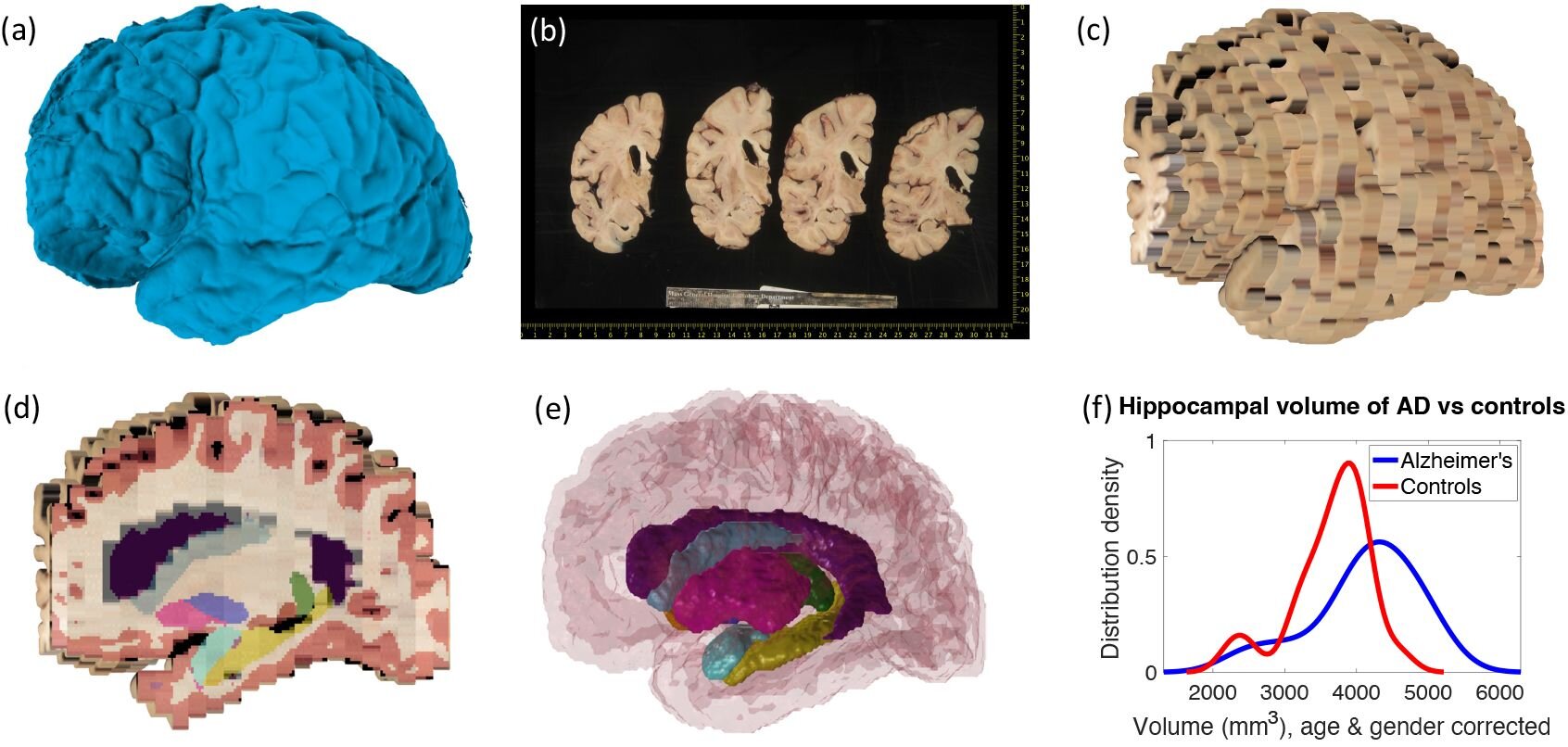
Examples of inputs and outputs from the MADRC dataset. 

Researchers have developed a suite of free tools for analyzing vast amounts of brain dissection photographs at brain banks worldwide to enhance understanding of neurodegenerative diseases.

A new study reveals a strong link between regular physical activity and enhanced brain health. Analyzing MRI scans from 10,125 individuals, researchers found that exercise, even moderate exercise like walking, is associated with increased brain volumes in crucial areas like gray matter, white matter, and the hippocampus. The study underscores exercise’s role in reducing dementia risk and maintaining brain size.

Scientists have discovered that a part of the brain associated with working memory and multisensory integration may also play an important role in how the brain processes social cues.

In a first-of-its-kind study published in Nature, researchers recorded activity from hundreds of individual neurons while participants listened to spoken sentences, giving us an unprecedented view into how the brain analyzes the sounds in words.

A new study has unveiled three distinct cognitive deficits contributing to reading difficulties in individuals with left-sided neglect dyslexia, a condition that often follows a right-hemisphere stroke.

Researchers have unveiled a significant similarity between AI memory processing and human hippocampal functions. This discovery, bridging AI and neuroscience, highlights a parallel in memory consolidation – a process crucial in transforming short-term to long-term memories – in both AI models and the human brain.

A new study highlights the significant role of imagination in evoking empathy and driving prosocial behaviour. 

A so-called pathological protein long associated with Parkinson’s disease has been found in a new study to trigger cells to increase protein synthesis, an event that eventually kills the subset of brain cells that die off in this neurodegenerative condition.

A new study presents a promising treatment for restoring the sense of smell in long-COVID patients.

Researchers have found that amyloid oligomers play a role in speeding up mitochondrial energetics during the early stages of Alzheimer’s, in contrast to what has been previously found in more advanced Alzheimer’s brain tissues. The results are published in Nature Communications.

Research led by the Karolinska Institutet, Sweden, has found an increased risk of cardiovascular disease associated with long-term ADHD medication use.

New research has uncovered a potential early marker for autism in infants: abnormally enlarged perivascular spaces (PVS) in the brain. The study found that infants with enlarged PVS had a 2.2 times greater chance of developing autism compared to those with the same genetic risk. The researchers followed infants with a higher likelihood of autism due to having an older sibling with the condition.

A pilot clinical trial has found electrical stimulation of the spinal cord is feasible, well-tolerated and shows therapeutic potential to treat depression.

Signs of injury to the brain’s white matter called white matter hyperintensities, as seen on brain scans, may be tied more strongly to vascular risk factors, brain shrinkage, and other markers of dementia in former tackle football players than in those who did not play football, according to a study published in Neurology.

Artificial intelligence, coupled with data from an iPad coloring game, could assist in early diagnosis of autism, a new study shows.

A review in the Journal of Internal Medicine explores the potential of non-invasive interventions such as light, sound, and magnets to stimulate gamma brain waves for the treatment of Alzheimer’s disease. Such strategies may be beneficial because Alzheimer’s disease is characterized by reduced fast brain oscillations in the gamma range (30–100 Hz).

Finally this week, researchers have made a significant breakthrough in understanding the genetic basis of anxiety disorders (ADs), which affect over 280 million people globally.

Weekly Neuroscience Update

Credit: Communications Biology (2023).

Researchers have demonstrated the use of AI-selected natural images and AI-generated synthetic images as neuroscientific tools for probing the visual processing areas of the brain. The goal is to apply a data-driven approach to understand how vision is organized while potentially removing biases that may arise when looking at responses to a more limited set of researcher-selected images.

A first-line therapy for obsessive-compulsive disorder (OCD) reshapes connectivity of the brain, according to a new study

A new analysis of the brain activity of people with post-traumatic stress disorder (PTSD) is the first to reveal that traumatic memories are represented in the brain in an entirely different way than sad autobiographical memories.

Researchers have identified objective evidence of how the neck muscles are involved in primary headaches.

Optimal windows exist for action and perception during the 0.8 seconds of a heartbeat, according to research published in the open-access journal PLOS Biology. The sequence of contraction and relaxation is linked to changes in the motor system and its ability to respond to stimulation, and this could have implications for treatments for depression and stroke that excite nerve cells.

In a new study, researchers say they found high levels of a repair protein present long after a traumatic brain injury such as a concussion takes place.

A new study shows that individuals who report tinnitus, which presents as a ringing in the ears in more than 1 out of 10 adults worldwide, are experiencing auditory nerve loss that is not picked up by conventional hearing tests.

An international study group has identified how three novel genes cause neurodevelopmental disorders.

A new study has demonstrated that a novel treatment is effective in most patients with major depressive symptoms even after multiple failed courses of antidepressant medication. The treatment, repetitive transcranial magnetic stimulation (rTMS), may work even more rapidly than past findings have suggested, starting to alleviate symptoms as quickly as one week.

Finally this week, newborn babies can perceive the beat in music, new research has confirmed. 

Weekly Neuroscience Update

covid-4948866_640

Researchers argue COVID-19 should be considered as an inflammatory disease as the severity of the infection is associated with a dysregulation of the inflammatory immune response.

Cortical thickness and regional brain connectivity pay an equally important role in linking brain and behavior.

Adolescents and adults whose mothers experienced depression, either during pregnancy or shortly after, had a 70% increased risk of being diagnosed with depression.

A research team has concluded that personal perception can be an important indicator for the early detection of Alzheimer’s disease. 

A pair of recently published studies add to our growing understanding of how fine particle pollution — the tiny, inhalable pollutants from cars and power plants — impacts our brains.

Scientists have discovered that humans use the visual part of their brain when processing sounds in the dark, even if they have never had sight in their lifetime.

A team of researchers has released new findings in Translational Psychiatry in an effort to better comprehend how gene expression associated with inflammation may be used to establish people with depressive disorders who are responsive to drug treatments.

Finally this week, new research shows that a patient’s pupils can reveal if they have suffered a traumatic experience in the past.


Weekly Neuroscience Update

#RespectForParentsDay (17)

Biased attention to sad faces increases the risk of teenagers developing depression, a new study reports.

Music training does not have a positive impact on children’s cognitive skills, such as memory, and academic achievement, such as maths, reading or writing, according to a study published in Memory & Cognition.

New findings show that scene selective cortical regions are more sensitive to age than face-selective regions when it comes to memory and perception.

Mapping the thalamic reticular nucleus, researchers have identified two distinct subnetworks of neurons with different functions. Findings offer insight into more specific targets for therapeutics to alleviate some sensory, sleep, and attention symptoms associated with ASD and other disorders characterized by sensory hypersensitivity.

In anxiety, neural activity becomes elevated across many specific brain regions, and normal coordination between the networks becomes decreased.

Activating p38gamma, a naturally protective enzyme in the brain, may help to prevent the development of Alzheimer’s disease symptoms. Researchers showed the naturally protective effects of p38gamma could be harnessed to improve memory in the later stages of Alzheimer’s disease.

Depending on the network state, certain neurons in the primary somatosensory cortex can be more or less excitable, which shapes stimulus processing in the brain.

Botox injections appear to improve symptoms of depression, regardless of the injection site, a new study reports. Researchers found depression was reported 40 – 88% less often in patients treated with Botox.

Finally this week, Alzheimer’s risk factors could be apparent as early as our teenage years, researchers report. 

Weekly Neuroscience Update

dimethoxyphenethylamine-867172_640

A new study provides the first evidence that rotigotine, a drug that acts on dopamine transmission in the brain, improves cognitive function in patients with mild-to-moderate Alzheimer’s disease.

Tiny eye movements can be used as an index of humans’ ability to anticipate relevant information in the environment independent of the information’s sensory modality, a team of scientists has found. The work reveals a connection between eye movements and the sense of touch.

A team of researchers has identified for the first time brain-wide neural correlates of the transition from fear to anxiety.

A new study provides evidence that hearing is the last sense to go during the process of active death. Many people become unresponsive during the final hours of life, however, EEG data revealed the dying brain responds to sounds throughout the final moments of life.

Neurological complications of Covid-19 can include delirium, brain inflammation, stroke and nerve damage, finds new research.

A new study uncovers DNA hypermethylation is responsible for reduced amygdala volume in male patients with schizophrenia and bipolar disorder.

Finally this week, new research has identified the specific brain cells that control how much sugar you eat and how much you crave sweet tasting food.

Weekly Neuroscience Update

alzheimers-iron-cognition-neurosnceews.jpg

Researchers using MRI have found that iron accumulation in the outer layer of the brain is associated with cognitive deterioration in people with Alzheimer’s disease, according to a study published in the journal Radiology.

Examining the brains of frequent cannabis users, researchers have identified a pattern of connectivity related to craving the substance.

Auditory hallucinations, a common feature of psychosis and schizophrenia, may be the result of increased connectivity between sensory and language processing areas in the brain.

Nitrous oxide may provide temporary relief to veterans suffering from PTSD, a new study reports.

Light to moderate weekly alcohol consumption during middle age could help preserve brain function as we get older. Compared to non-drinkers, those who had a drink or two a day tended to have better performance on cognitive tests over time.

Low levels of the stress hormone cortisol and the GLIZ protein can trigger chronic inflammatory responses in the body, contributing to the aging process.

The placentas of sixteen women who contracted COVID-19 during pregnancy showed evidence of significant injury, a new study reports. The placental injuries were consistent with abnormal blood flow between mother and baby in-utero, suggesting another complication of coronavirus infection in pregnant women.

Finally this week, a new study highlights the most common neurological and psychological complications that arise as a result of coronavirus infection.

Weekly Neuroscience Update

chef-939436_640.jpg

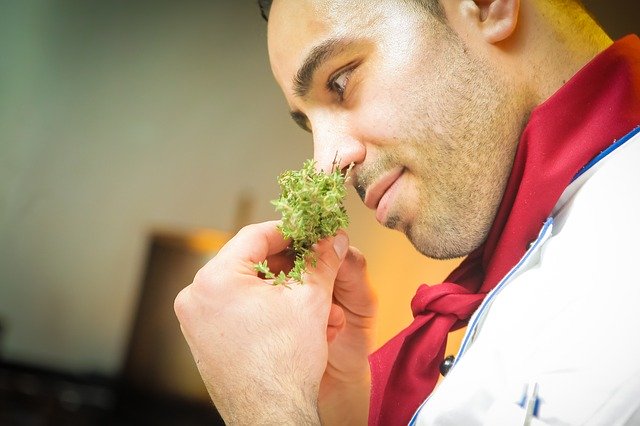
New findings suggest humans have a stereo sense of smell that subconsciously guides navigation.

The study of a man with a neurodegenerative disease that has robbed his ability to see certain numbers sheds light on how the brain processes information without any visual awareness of the stimuli.

Young adults who acquire fewer genetic mutations over time lived five years longer than those who acquired them more rapidly.

96% of patients hospitalized for coronavirus infections report experiencing PTSD as a result of their illness. Researchers also found an increased risk of depression, anxiety, and other mental health disorders in those hospitalized for COVID-19.

Genetic deletions associated with neurodevelopmental disorders may also be linked to dysfunctional organ development, a new study reports.

A new study reveals the relationship between attentional state and emotions from pupillary reactions. Visual perception elicits emotions in all attentional state, while auditory perception elicits emotions only when attention is paid to sounds.

Statins lowered the death rate and decreased the need for mechanical ventilation in patients hospitalized for severe COVID-19.

A new study has identified a different set of individual neurons in the medial frontal cortex that is responsible for memory-based decision making. The findings have implications for the treatment of Alzheimer’s disease, schizophrenia, and other disorders associated with problems in cognitive flexibility.

Elevated pulse pressure in blood traveling to the brain causes inflammation, oxidative stress, and apoptosis in the blood-brain barrier that leads to brain damage.

Researchers have found an unexpected set of mental illnesses in patients with a spectrum of a rare genetic disorder. Their study revealed the need for clinicians to consider the complexities of co-existing conditions in patients with both psychological and fragile X associated disorders.

Finally this week, people experience a flattening of emotions following a single night of poor sleep. Researchers also found a link between sleep deprivation, learning, and reaction time.

Weekly Neuroscience Update

molecular-depression-neuroscinews

Brain regions where symptoms of depression and anxiety were associated with decreased opioid receptor availability. Image is credited to Lauri Nummenmaa

New research reveals how the brain’s opioid system is linked to mood changes associated with depression and anxiety. Neuroimaging revealed, in those with depression, there is a decreased number of opioid receptors in specific areas of the brain.

Chandelier cells have an unusual direct method of communication. Unlike other neurons, chandelier cells connect directly to the part of a target neuron that initiates a spike.

Using optogenetics, researchers were able to manipulate oxytocin producing cells in a highly precise manner. They discovered oxytocin can amplify aggression as well as social friendliness.

Some coronavirus patients exhibit clinical and neurochemical signs of brain injury associated with the viral infection. 

When it comes to processing information about motion, neurons in the ventral intraparietal area of the brain are more flexible in switching between reference frames. The findings could be used to develop neural prosthetics designed for motion control.

The suicide rate for people with schizophrenia spectrum disorders (SSD) is 170 times higher than the general population according to a study published in the journal Schizophrenia Research.

Repetitive negative thinking in those aged over 55 is associated with an increased risk of cognitive decline and deposition of proteins associated with Alzheimer’s disease.

Researchers have identified a specific, front-line defense that limits the infection to the olfactory bulb and protects the neurons of the olfactory bulb from damage due to the infection.

A new study offers clues to how neurons can rewire and restore pathways following injury or illness.

Older men who have a weak or irregular circadian rhythm guiding their daily cycles of rest and activity are more likely to later develop Parkinson’s disease, according to a new study.

Finally this week, a team of researchers has created a new technology that enhances scientists’ ability to communicate with neural cells using light.

Weekly Neuroscience Update

covid-4948866_640

A new review of neurological symptoms of COVID-19 patients reveals the disease poses a global threat to the entire nervous system, reports a study in Annals of Neurology.

Researchers have combined tools from machine learning and neuroscience to discover that the brain uses a mathematical system to organize visual objects according to their principal components.

A new system for high-density EEG helps with the imaging of the origin and path of both normal and abnormal neural activity.

Brain function depends on inhibitory cells that balance or ‘brake’ excitation. These neurons allow the brain to process information and also prevent runaway seizures. A new study however, reports that in some critical structures of the developing brain, the inhibitory neurons cause excitation rather than suppression of brain activity. The findings, published in Science Advances, could have implications for the treatment of neonatal seizures.

New research shows changes in gut mucus may contribute to Alzheimer’s, Parkinson’s, and other neurological disorders.

Researchers have identified how specific genetic mutations cause ALS. The pathway, they believe, may also be responsible for the development of frontotemporal dementia.

Cancer itself, rather than chemotherapy alone, may contribute to the development of neuropathy some patients experience.

Finally this week, results from a new study suggest that whether certain genes are expressed — turned on or off– may play a role in susceptibility to post-traumatic stress disorder (PTSD).


Weekly Neuroscience Update

cell-printing-neuroscienews.jpg
 
Researchers have created a new technique that can rapidly “print’ two-dimensional arrays of cells and proteins that mimic a variety of cellular environments in the body.
 

People who develop Parkinson’s disease before age 50 may have been born with disordered brain cells that went undetected for decades, according to new research. The research points to a drug that potentially might help correct these disease processes.

A new substance named Lu AF60097 may help reduce side effects from tricyclic antidepressants in those with severe depression.

Researchers have uncovered a key role of medial prefrontal cortex corticotropin-releasing factor interneurons for bidirectionally controlling motivated behavioral styles under stress. The findings could help in the development of new treatments for PTSD.

MIT researchers have identified a protein fragment that may inhibit COVID-19’s ability to enter human lung cells. 

Researchers have developed a new method to record brain activity at scale. The new technique could help in the development of new neuroprosthetic devices to help amputees and those with movement restricting neurological conditions.

New research suggests that eye movements may come before hand movements in actions that require a two-step decision-making process. 

A new method to accurately record brain activity at scale has been developed by researchers. The technique could lead to new medical devices to help amputees, people with paralysis or people with neurological conditions such as motor neuron disease.

Stress, loneliness, and sleep loss can weaken the immune system, leaving people more susceptible to COVID-19.

Finally this week. using robotics, researchers have uncovered mechanisms in the cerebellum and spinal cord that determine how the nervous system responds to induced changes in step length. The findings could have implications for physical rehabilitation programs for people with movement disorders.