Weekly Neuroscience Update

Bacterial curli promotes the aggregation of α-synuclein through cross-seeding, which leads to mitochondrial stress and neurodegeneration. Credit: The University of Hong Kong

Growing evidence indicates that gut microbiota plays a critical role in regulating the progression of neurodegenerative diseases such as Parkinson’s disease (PD) and Alzheimer’s disease (AD), but the molecular mechanism underlying such microbe-host interaction is still unclear. Now a research team at the University of Hong Kong (HKU) has discovered that bacteria-derived curli amyloid fibril promotes neurodegeneration in the host. This new study provides direct evidence to suggest that bacteria can secrete proteins that form an amyloid fibril, which enters the host neurons and promotes protein aggregation and neurodegeneration. Inhibiting the ability of the bacteria to secrete such proteins may be a preventative treatment for neurodegenerative diseases. 

Unusual visual inspection of objects by infants 9 months of age and older is predictive of a later diagnosis of autism spectrum disorder (ASD), new research has found.

A team of scientists recently published intriguing research on a tiny, splinter-like brain implant that doctors can slide deep into the folds of the brain and use to restore both muscular control over and sensation from a paralysis patient’s limbs.

A new study has found a new way to look at brain networks using the mathematical notion of fractals, to convey communication patterns between different brain regions as people listened to a short story. 

An experimental gene therapy that involves injecting CRISPR therapy directly into visually impaired patients’ eyeballs has vastly improved most volunteers’ vision — even allowing some to see color more vividly than ever before.

Preliminary new findings are raising concerns about the long-term effect of mild COVID-19 infection on neurological health and cognition.

Use of menopausal hormone therapy (MHT, also known as hormone replacement therapy, HRT) is not associated with an increased risk of developing dementia, regardless of hormone type, dose, or duration, concludes a large UK study.

Recent research provides empirical evidence to show the brain’s predictive ability forms the basis for musical phrasing.

Memories of past events and experiences are what define us as who we are, and yet the ability to form these episodic memories declines with age, certain dementias, and brain injury. However, a new study shows that low frequency repetitive transcranial magnetic stimulation—or rTMS—delivered over the left prefrontal cortex of the brain can improve memory performance by reducing the power of low frequency brain waves as memories form.

Finally this week, a new brain imaging study shows that the hippocampus is the brain’s storyteller, connecting separate, distant events into a single narrative.


Weekly Neuroscience Update

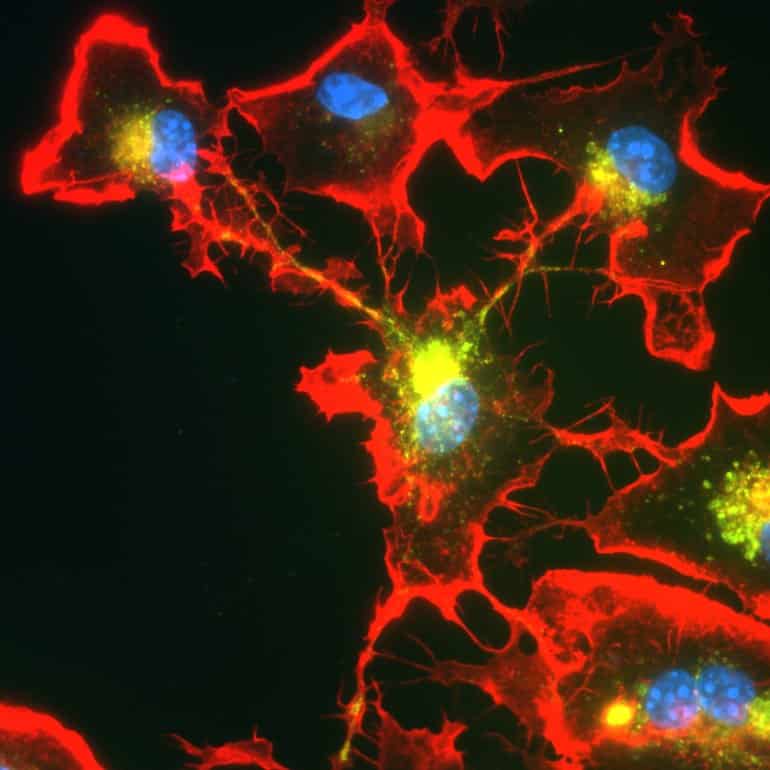
Microglial cells – (blue: the cell nuclei) can join together using tubular projections (red) to degrade dangerous proteins in a division of labor. Credit: AG Heneka/University of Bonn

To break down toxic proteins more quickly, immune cells in the brain can join together to form networks when needed. However, certain mutations associated with Parkinson’s disease can impair this process.

New work shows that neurons and other brain cells use DNA double-strand breaks, often associated with cancer, neurodegeneration and aging, to quickly express genes related to learning and memory.

New research has identified specific drug targets within the neural circuits that encode memories, paving the way for significant advances in the treatment of a broad spectrum of brain disorders.

Pioneering research shows that dopamine levels increase in response to stressful stimuli, and not just pleasurable ones, potentially rewriting facts about the “feel-good” hormone—a critical mediator of many psychiatric diseases. This discovery is cause to rethink treatment for psychiatric disease and addiction.

A new study links viral infections including mononucleosis and pneumonia experienced during adolescence with an increased risk of developing multiple sclerosis.

Researchers have discovered a new gene therapy pathway that has uncovered an important regulatory mechanism to keep our genome healthy. This pathway has the potential to protect us against serious life-limiting diseases such as cancer and dementia.

Neuroscientists have discovered specific types of neurons within the memory center of the brain that are responsible for acquiring new associative memories.

Amyloid protein made in the liver can cause neurodegeneration in the brain, according to a new study in the open-access journal PLOS Biology. Since the protein is thought to be a key contributor to development of Alzheimer’s disease (AD), the results suggest that the liver may play an important role in the onset or progression of the disease.

Higher glucose levels detected by a two-hour glucose test were an accurate predictor of poorer performance in tests of episodic memory ten years later, according to new research

A worsening cardiovascular profile after menopause may contribute to the fact that women are disproportionately affected by dementia. A new study identified a link between cardiovascular fat volume and radiodensity and cognitive function, as well as racial differences in this association.

Finally this week, a new study finds dopamine increases responses to stressful stimuli, not just pleasurable ones. The findings could have implications for the treatment of mental health disorders and addiction.


Weekly Neuroscience Update

New research shows dancing to music may halt progression of Parkinson’s disease.

A new systematic review reports that individuals with more than five symptoms during the first week of a SARS-CoV-2 infection were at increased risk of developing persistent symptoms or long COVID.

Psychologists have advanced a new theory linking neurotic unhappiness and creativity, arguing that natural worriers may also have highly active imaginations and be more creative problem-solvers.

People who practice meditation often report feeling “pure awareness” in which they say they experience consciousness itself. The state encompasses specific sensations and non-specific feelings, thoughts, and perceptions. Researchers say their findings will help explain “pure consciousness,” and work to generate a prototypical minimal model for human conscious perception.

A recent study has reveals how the brain processes information about the natural environment and generates an aesthetic appreciation.

Researchers have found longer gestational age was significantly associated with better performance in tests of math, languages, social studies, and science at age nine. Children born at 41 weeks performed better in all areas, especially mathematics.

A newly developed questionnaire can detect autism in children between the ages of 18 to 30 months.

College students who experienced a high level of adversity in childhood have lower levels of social support, such as having someone to confide in, ask for advice or go to for emotional support. When students lack these supportive relationships, they are at an increased risk of experiencing depression and anxiety.

In a world first, US researchers have developed a neuroprosthetic device that successfully translated the brain waves of a paralyzed man into complete sentences

A new wearable brain-machine interface (BMI) system could improve the quality of life for people with motor dysfunction or paralysis, even those struggling with locked-in syndrome — when a person is fully conscious but unable to move or communicate.

Finally this week, participation in elite adult rugby may be associated with changes in brain structure. This is the finding of a study of 44 elite rugby players, almost half of whom had recently sustained a mild head injury while playing.

Weekly Neuroscience Update

When perceiving rhythm, the brain makes two separate decisions based on grouping and prominence. The groupings mutually inform each other to generate an overall rhythmic perception.

Face pareidolia, a phenomenon where the brain is tricked into seeing human faces in inanimate objects, may occur as a result of the brain processing the perceived facial expression in the same sequential way it perceives a human face. Neuroscientists at the University of Sydney now say how our brains identify and analyse real human faces is conducted by the same cognitive processes that identify illusory faces.

Researchers have identified a novel population of neurons in the temporal pole that links facial perception to long-term memory.

Adults with ADHD are at higher risk of a wide range of physical conditions, including nervous system, respiratory, musculoskeletal, and metabolic diseases, according to a large register-based study from Karolinska Institutet published in The Lancet Psychiatry.

A new study reveals very young infants can perceive objects that older infants, children, and adults can not see due to a phenomenon called visual backward masking.

Infant boys with a gut bacterial composition high in Bacteroidetes were found in a new study to have more advanced cognitive and language skills one year later compared to boys with lower levels of the bacteria. The finding was specific to male children.

Brain cells snap DNA in more places and in more cell types than previously realized in order to express genes for learning and memory.

Researchers have found that a component derived from turmeric essential oil, aromatic turmerone (ar-turmerone), and its derivatives act directly on dopaminergic nerves to create a neuroprotective effect on tissue cultures of a Parkinson’s disease model.

New research shows daydreaming and mind-wandering appear to occur when parts of the brain fall asleep while other areas remain awake.

Finally this week, a diet rich in fermented foods enhances the diversity of gut microbes and decreases molecular signs of inflammation, according to researchers at the Stanford School of Medicine.

Weekly Neuroscience Update

Children who are physically active have higher cognitive function and increased functional connectivity in the brain later in life than those who are less active, a new study reports.

Canadian researchers have built and validated an online calculator that empowers individuals 55 and over to better understand the health of their brain and how they can reduce their risk of being diagnosed with dementia in the next five years. Their process was published today in the Journal of Epidemiology and Community Health, and the calculator is available at projectbiglife.ca.

Researchers studying prions–misfolded proteins that cause lethal incurable diseases–have identified for the first time surface features of human prions responsible for their replication in the brain.

Middle-aged people with depressive symptoms who carry a genetic variation called apolipoprotein (APOE) ε4 may be more at risk to develop tau protein accumulations in the brain’s emotion- and memory-controlling regions, a new study suggests.

Frequent strenuous exercise increases the risk of developing motor neuron disease (MND)/ALS in certain people, new research has found.

Combining brain scans with AI technology, researchers were able to accurately predict the likelihood of a person developing schizophrenia in those with a family history of the psychiatric disorder.

A new study reveals very young infants can perceive objects that older infants, children, and adults can not see due to a phenomenon called visual backward masking.

Subtle changes in fractal motor activity regulation in cognitively healthy women may be a sign of preclinical Alzheimer’s disease, researchers report.

Deep brain stimulation appears to be safe, effective, and provides symptom improvements for at least one year in patients with treatment-resistant schizophrenia.

New research details the interplay between proteins involved in controlling the body’s stress response and points to potential therapeutic targets when this response goes awry.

A new research paper published in the American Journal of Clinical Nutrition last week showed that a low Omega-3 Index is just as powerful in predicting early death as smoking.

Finally this week, a new study sheds light on how migraines may occur and why those who are susceptible to migraines see improvements in symptoms as they age.

Weekly Neuroscience Update

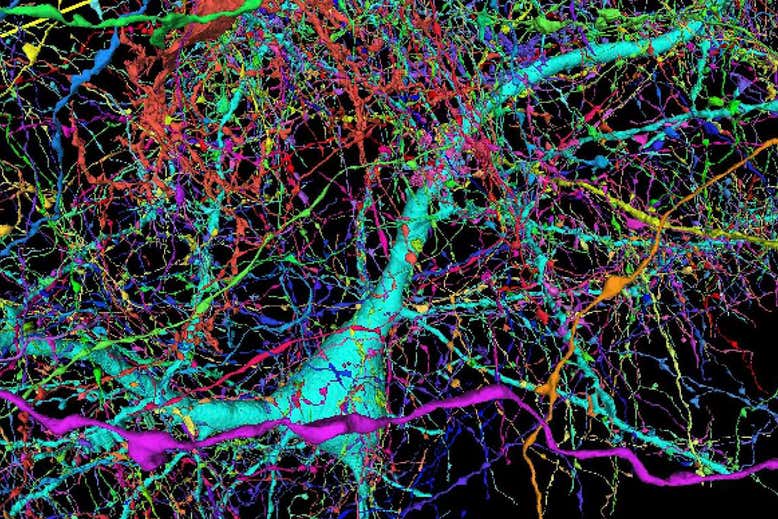
Around 4000 nerve fibres connect to this single neuron
Google/Lichtman Laboratory

Google has helped create the most detailed map yet of the connections within the human brain. It reveals a staggering amount of detail, including patterns of connections between neurons, as well as what may be a new kind of neuron.

Researchers have identified three biomarkers in blood samples that confirm the link between exercise and improved cognitive function in older adults.

A new study reveals what goes on in the brain when a person embarks on a musical collaboration project.

Chronic inflammation in the gut may propel processes in the body that give rise to Parkinson’s disease, according to new research.

The largest study of its kind has unveiled new insights into how genes are regulated in dementia, including discovering 84 new genes linked to the disease.

A new study shows that a deep neural network model can accurately predict the brain age of healthy patients based on electroencephalogram data recorded during an overnight sleep study, and EEG-predicted brain age indices display unique characteristics within populations with different diseases.

Finally this week, scientists have identified an area of the brain that drives cravings for protein-rich food.

Weekly Neuroscience Update

The place-memory network of the human brain, compared with the brain areas that process visual scenes (white). Credit: A.Steel et al.

Researchers have identified three areas of the posterior cerebral cortex that bridge the brain’s perception and memory systems.

A new study reveals that being overweight or obese significantly reduces blood flow in the brain. The study also shows that increased physical activity can positively modify, or even negate, this reduction in brain blood flow.

Soccer players who feel anxious at the thought of kicking a penalty kick and who miss the goal show more activity in the prefrontal cortex. Overthinking the shot, researchers say, could play a role in missing a goal.

Non-invasive neuromodulation delivered via low-intensity focused ultrasound can have cell-type-specific selectivity in manipulating neurons.

People born into families with members who live longer lives show better cognitive performance and a slower decline in cognitive processing speed as they age.

A new neuroimaging technique captures the brain in motion in real-time, generating a 3D view and with improved detail. The new technology could help clinicians to spot hard-to-detect neurological conditions.

Researchers found in a recent study that modulation of map-like representations in our brain’s hippocampal formation can predict contextual memory retrieval in an ambiguous environment.

A new study reports on an association between specific gut bacteria species and the manifestation of neurodegenerative disorders.

New research reveals why sleep can put people with epilepsy at increased risk of sudden death.

A new study uncovers the genetic architecture of progression and prognosis, identifying five genetic locations (loci) associated with progression. The team also developed the first risk score for predicting progression of PD over time to dementia (PDD), a major determinant of quality of life.

A newly developed artificial intelligence algorithm can accurately and reliably assess unconsciousness in patients under anesthesia based on brain activity.

Damage to highly connected regions of white matter in the brain following injury is more predictive of cognitive impairment than damage to highly connected gray matter hubs.

The cerebellum underwent evolutionary changes that may have contributed to the development of language, culture, and tool use in humans, a new study reveals.

A new study sheds light on how highly sensitive people process information. After experiencing something emotionally evocative, brain activity displayed a depth of processing while at rest. Depth of processing is a key feature of high emotional sensitivity.

Researchers have uncovered molecular clues that help explain what makes some neurons more susceptible than others in Alzheimer’s disease.

Finally this week tking a daily prebiotic supplement improves general wellbeing, reduces symptoms of anxiety, and promotes better gut health, a new study reports.

Weekly Neuroscience Update

A new algorithm that combines naturalistic driving data with machine learning is 88% accurate at predicting mild cognitive impairment and dementia in older adults.

People with schizophrenia and other neuropsychiatric disorders may have a more permissive blood-brain barrier which allows the immune system to become more actively involved in the central nervous system. The resulting inflammation may contribute to the clinical manifestation of psychosis-like symptoms.

Mindfulness programs can improve the mental health of school-age children and help them to feel more optimistic, according to new research.

A new study finds evidence of inflammation in the blood of patients during the early stages of Parkinson’s disease. The findings support the theory that inflammation is a driver of the neurodegenerative disorder. The effect was most noticeable in women with Parkinson’s.

Taking a daily prebiotic supplement improves general wellbeing, reduces symptoms of anxiety, and promotes better gut health, a new study reports.

Researchers propose a new theory of what happens in the brain when we experience familiar seeming visual stimuli. The theory, dubbed sensory referenced suppression, suggests the brain understands different levels of activation expected for sensory input and corrects for it, leaving behind the signal for familiarity.

A new study shows that heart brain interactions, measured using electroencephalography (EEG), provide a novel diagnostic avenue for patients with disorders of consciousness.

A multidecade study of young adults living in the United Kingdom has found higher rates of mental illness symptoms among those exposed to higher levels of traffic-related air pollutants, particularly nitrogen oxides, during childhood and adolescence.

The brain encodes information about our relationships and the relationships between our friends using areas involved in spatial processing, according to new research published in Journal of Neuroscience.

Weekly Neuroscience Update

Researchers used diffusion tensor imaging, which indicates the directionality of water diffusion in the brain, to examine how white matter connections lose integrity. These frontostriatal tracts are shown moving anterior to posterior (green), left to right (red) and superior to inferior (blue). Image is credited to the researchers.

As the human brain ages, the neural circuits that allow its different parts to communicate with each other gradually wear down, even in healthy adults.

Genetic risk score for bipolar disorder is associated with an increased risk of developing bipolar symptoms. The genetic risk factor for schizophrenia is linked to an increased risk of those with depression developing psychosis.

A new study into the causes of sensorimotor impairments prevalent among autistic people could pave the way for better treatment and management in the future, say psychologists.

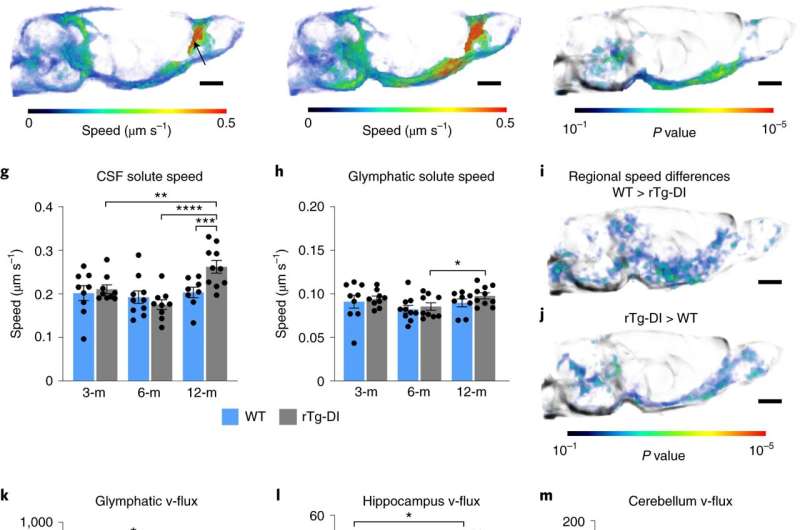
New research details how the complex set of molecular and fluid dynamics that comprise the glymphatic system – the brain’s unique process of waste removal – are synchronized with the master internal clock that regulates the sleep-wake cycle. 

Future technology may be able to monitor and modify the brain to produce enhanced team performance, while increasing the efficiency and accuracy of decisions.

Parkinson’s disease can be divided into two variants that start in different places in the body. For some, the neurodegenerative disease starts in the intestines and spreads to the brain. In others, the disease begins in the brain and spreads to the intestines and other organs.

New research released from the University of Colorado Anschutz Medical Campus proposes that Alzheimer’s disease may be driven by the overactivation of fructose made in the brain.

Anticholinergic medications, commonly used for conditions including allergies, high blood pressure, Parkinson’s disease, and motion sickness, have been linked to an increased risk of cognitive decline and memory problems, especially in those with genetic risk factors for Alzheimer’s disease.

Finally this week, a new study links brain structure to color perceptual function. Microscopy revealed ‘hue maps,’ or color palettes, in the brain that are spectrally organized arrangements of hue responses.


Weekly Neuroscience Update

drummers-642540_640

Drumming in a group stimulates behavioral and physiological synchronization, which contributes to the formation of social bonds and the ability to cooperate.

Caffeine and urate have been associated with a reduced risk of idiopathic Parkinson’s disease. Researchers noted a lower caffeine intake in idiopathic Parkinson’s patients. Increasing caffeine consumption was linked to decreased odds of being diagnosed with Parkinson’s. Lower levels of blood urate were also associated with an increased risk of Parkinson’s disease.

The endogenous compound anandamide—often referred to as the body’s own marijuana—plays a role in erasing memories of a traumatic event. 

A recent neuroimaging study reveals the neural basis for the motivation to reunite with the ones you love. The findings could lead to new therapies for disorders associated with social behaviors, and may also help explain why social distancing is so tough.

Researchers have identified a new, early biomarker for amyotrophic lateral sclerosis (ALS) on the teeth of children.

Following a one year program of aerobic exercise improves memory function and boosts blood flow to brain areas critical for cognition in older adults with risk factors for dementia.

A new blood test can help predict which patients with multiple sclerosis will see a decline in their condition over 12 months. 

In late-stage multiple sclerosis, inflammatory cells no longer enter the brain via the bloodstream, but instead the cells arise in memory from local memory cells inside the brain. The findings suggest during the late phases of multiple sclerosis, the disease is occurring entirely inside the brain.

Women who take oral birth control pills have higher levels of oxytocin than women who don’t use the pill.

Researchers have uncovered the process by which air pollution can damage brain cells, leading to an increased risk of Parkinson’s disease. Chemicals found in diesel fuel reduced autophagic flux, which is a major pathway implicated in neurodegeneration.

Finally this week, new evidence suggests the brain can update poorly formed memories with incorrect information, leading to the creation of false memories.