Weekly Neuroscience Update

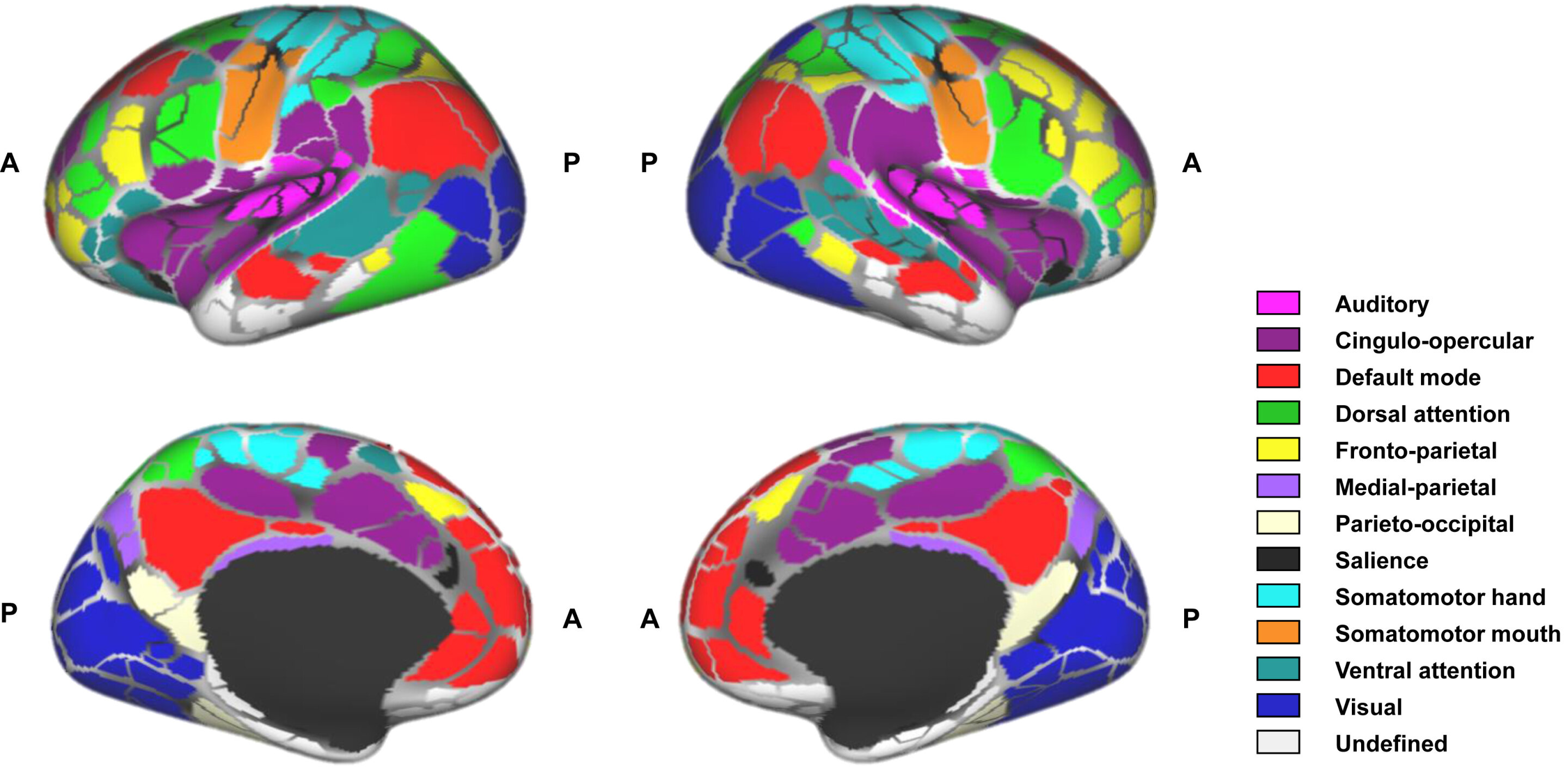
Cortical Resting-State Networks defined by Gordon’s Parcellation. Credit: Journal of the American Academy of Child & Adolescent Psychiatry (2025).

Exposure to high ambient temperatures is associated with lower connectivity in three brain networks in preadolescents, suggesting that heat may impact brain function. 

A new study reveals that consuming high-calorie, highly processed foods for just five days can reduce the brain’s sensitivity to insulin, a key factor in obesity and type 2 diabetes. Researchers found that even in healthy individuals, short-term unhealthy eating altered brain function, mimicking effects seen in people with obesity.

Scientists are exploring the role of gut-brain axis in Parkinson’s, anxiety and long COVID.

New research highlights that optimal brain health is strongly linked to cardiovascular wellness. The study underscores that dementia and cognitive decline share risk factors with heart disease, suggesting these conditions are largely preventable by managing diet, exercise, cholesterol, blood sugar, and blood pressure.

Approximately 40 percent of adults with chronic pain experience depression or anxiety, according to a review published in JAMA Network Open.

A multidisciplinary team of researchers has discovered how lateral inhibition helps our brains process visual information, and it could expand our knowledge of sensory perception, leading to applications in neuro-medicine and artificial intelligence.

Brain changes may remain visible in brain scans after recovery from concussion, a new study shows.

Researchers are using photoacoustic imaging to observe brain activity and, in the process, discovering more about how it responds to different types of learning and experiences. Photoacoustic imaging uses optics and acoustics to generate a signal in biological tissues—in this case, the brain—where the signal provides structural and functional data and allows researchers to track factors such as brain activity. 

A study exploring a new brain imaging technique is bringing stroke experts a step closer to better tailoring rehabilitation.

Scientists have uncovered new insights into how neurofilaments act like Velcro in neurodegenerative diseases, clogging up the brain and preventing normal function, according to a study published in the journal JCI Insight.

Poor sleep could have an impact on brain health, according to a new study from The Australian National University (ANU) published in the journal Sleep Medicine.

Mayo Clinic researchers have found a new way to more precisely detect and monitor brain cell activity during deep brain stimulation, a common treatment for movement disorders such as Parkinson’s disease and tremor. This precision may help doctors adjust electrode placement and stimulation in real time, providing better, more personalized care for patients receiving the surgical procedure.

A new neuroimaging study has revealed that viewing nature can help ease how people experience pain, by reducing the brain activity linked to pain perception.

An international team of scientists has revealed new clues about the neural mechanisms underlying memory formation and recognition in the developing human brain, according to a study published in Science Advances.

Poor sleep among older adults is linked to disruptions in the brain’s “waste removal system,” according to a recent study.

Research published in the Proceedings of the National Academy of Sciences  reveals that brain aging isn’t a steady decline, but rather a series of shifts with key turning points. These transition points follow an S-shaped statistical curve with clear transition points, rather than either the late-life clinical onset or gradual linear decline previously assumed, suggesting there are specific windows when intervention could be most impactful.

Finally this week, new research reveals that our brains simplify complex social interactions by using basic mental “building blocks” or shortcuts.

Weekly Neuroscience Update

Scientists have highlighted the most effective treatments for neurological diseases by overcoming one of medicine’s most difficult challenges: the blood–brain barrier. The findings offer new hope for patients with conditions including Alzheimer’s, and Parkinson’s disease, brain tumors, and epilepsy.

A study conducted in Finland showed that changes in the functioning of opioid neurotransmitters in the brain may underlie anorexia.

Poorer cardiovascular health in childhood and adolescence may be linked to early differences in brain structure, particularly in areas of the brain known to be affected in dementia in later life, according to a new scientific study.

Researchers have uncovered how specific patterns in brain activity can predict an individual’s sensitivity to pain, expanding opportunities for improved pain management strategies.

Delayed rapid eye movement (REM) sleep may be an early indicator of Alzheimer’s disease. Researchers found that participants with delayed REM sleep had higher levels of toxic proteins associated with Alzheimer’s and reduced levels of brain-derived neurotrophic factor (BDNF), which supports memory.

The microbial ecosystems in our mouths may impact cognitive function as we age, with pathogenic bacteria linked to cognitive decline.

New research suggests that mood swings in bipolar disorder are regulated by two clocks: the body’s 24-hour circadian rhythm and a dopamine-based clock that influences alertness. When these clocks align at specific intervals, they may trigger shifts between mania and depression.

A study in the Journal of Neuroscience reveals a new mechanism for how brain cells transmit signals from their tips to their nucleus, triggering gene activation crucial for learning and memory.

Investigators have discovered that activity in two widely distributed brain networks previously considered separate are actually correlated with each other and together play a key role in recognition memory, according to a study published in Cell Reports.

Cannabinoids offer new hope for safe and effective pain relief.

Researchers analyzed the genetic connection of retinal cells and several neuropsychiatric disorders. By combining different datasets, they found that schizophrenia risk genes were associated with specific neurons in the retina. The involved risk genes suggest an impairment of synapse biology, so the ability of neurons to communicate with each other. This impairment might also be present in the brains of schizophrenia patients.

Researchers at the University of Barcelona have identified a deficit in contrast perception in people with schizophrenia.

A study of nearly 1,000 people with post-COVID-19 syndrome (PCS) revealed that two-thirds still experienced significant symptoms, including reduced exercise capacity and cognitive performance, two years after infection. Persistent symptom clusters included fatigue, neurocognitive disturbances, and post-exertional malaise, with worse outcomes in individuals with obesity, lower education, or severe initial infections.

Finally this week, new research shows diets high in processed meat, fast food, and sugary drinks accelerate biological aging, even in young adults.

Weekly Neuroscience Update

A new way of mapping activity and connections between different regions of the brain has revealed fresh insights into how higher-order functions like language, thought and attention, are organized.

Researchers at the University of Copenhagen have demonstrated that the brain’s ability to learn certain skills can be significantly enhanced if both the brain and nervous system are primed by carefully-calibrated, precisely-timed electrical and magnetic stimulations. This new research has the potential to open entirely new perspectives in rehabilitation and possibly elite sports.

A study of patients with epilepsy shows how making new neurons benefits cognition.

New AI software can read the brain scans of patients who have had a stroke to more accurately pinpoint when it happened and help doctors work out whether it can be successfully treated. It is hoped that the new technology will ultimately enable faster and more accurate emergency treatment of patients in a hospital setting.

Researchers have discovered the structural details of a brain receptor called GPR6, which could lead to new treatments for Parkinson’s disease.

Living in disadvantaged neighbourhoods is associated with higher blood pressure and lower cognitive performance, even in individuals without mild cognitive impairment. Researchers analyzed over 500 adults, finding that poor social and economic resources in neighborhoods exacerbate cardiometabolic health issues and reduce brain function.

Scientists have developed a new approach to learning through noninvasive manipulation of brain activity patterns.

A new study is helping solve the mystery as to why the brain shrinks in a unique pattern, known as atrophy, in chronic traumatic encephalopathy (CTE). Published in Acta Neuropathologica, this research provides novel evidence that cumulative repetitive head impacts are driving the specific patterns of brain degeneration found at the base of the folds of the surface of the brain, known as the cortical sulcus.

A global research collaboration has revealed a hidden cause of a rare intellectual disorder associated with severe language delay, epileptic seizures, motor impairment and brain abnormalities.

A multi-sensory digital treatment protocol, incorporating sensory integration, sensory substitution, and sensory masking (e.g., blindfolding), significantly improved participants’ performance on spatial memory tasks. Resting-state fMRI analysis showed that these improvements were associated with enhanced connectivity between memory-related brain regions, executive frontal areas, and the default mode network (DMN).

People with high blood pressure who also lack sleep may be at increased risk of reduced cognitive performance and greater brain injury, new research has found.

Researchers have uncovered a groundbreaking mechanism called Electro-Calcium (E-Ca) coupling that integrates electrical and calcium signaling in brain capillaries. This process ensures precise blood flow delivery to active neurons, crucial for brain health and cognitive function.

Researchers at the University of Helsinki have made a breakthrough in understanding what neural mechanisms allow the extreme sensitivity of human vision in darkness. 

New research reveals that music can do more than trigger memories—it can alter their emotional tone. When participants recalled neutral stories while listening to emotionally charged music, they later remembered the stories as matching the music’s mood. These findings hint at music’s potential for therapeutic interventions, like reframing negative memories in depression or PTSD.

Finally this week a recent study has found that high blood sugar may impair brain health even in people without diabetes. 

Weekly Neuroscience Update

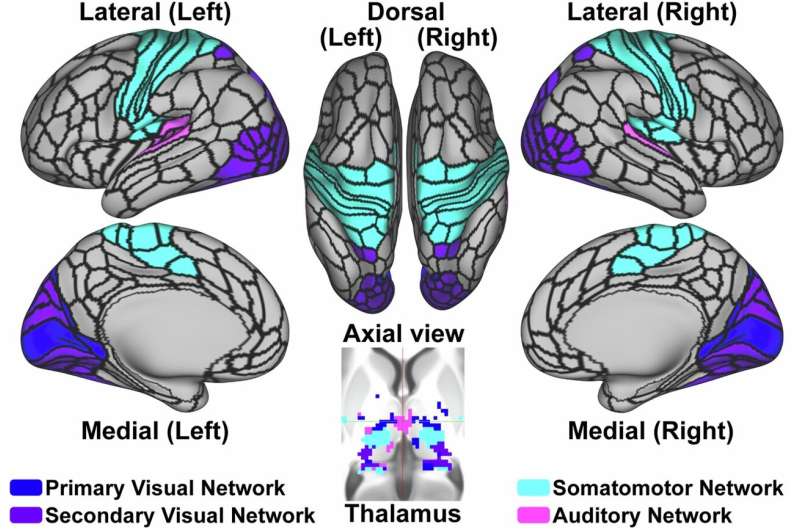
The four sensory networks of the brain network partition. The partition comprises four sensory networks, with the somatomotor network encompassing the somatosensory cortex. The thalamus contains parcels of each sensory network. Credit: Molecular Psychiatry (2024).

Researchers have uncovered a potential new biomarker for psychosis diagnosis.

A new approach to analyzing brain scans could help researchers better understand psychiatric illness using much smaller groups of patients than previously thought necessary, potentially accelerating the development of more precise mental health treatments.

A new study reveals how specific brain cells called interneurons can act as our in-built traffic controllers. The findings are published in the journal PLOS Biology.

Younger and middle-aged patients seem to be disproportionately affected by neurologic manifestations of post-acute sequelae of severe acute respiratory syndrome coronavirus 2 infection (Neuro-PASC), according to a study published in the Annals of Neurology.

Investigators have defined new biologic and clinical biomarkers for better identifying patients with different stages of Parkinson’s disease and Lewy body dementia.

Researchers have developed the most detailed 3D computational models of key brain regions, including the hippocampus and sensory cortices, to better understand their roles in memory formation and connectivity.

Healing the gut may be the key to improving long-term recovery in stroke patients, scientists at Texas A&M University have found.

New research provides critical insights into the role of sleep in motor learning for individuals recovering from traumatic brain injury (TBI). The study sheds light on how sleep, specifically a short nap, influences brain activity associated with motor skill improvement, with implications for optimizing rehabilitation strategies.

A recent study of high school football players found that concussions affect an often-overlooked but important brain signal.

Researchers have uncovered that stress changes how our brain encodes and retrieves aversive memories, and discovered a promising new way to restore appropriate memory specificity in people with post-traumatic stress disorder (PTSD).

Cognitive neuroscientists at Trinity College Dublin have published new research describing a brand new approach to making habit change achievable and lasting.

A new study uncovers constant communication between the human brain’s social cognitive network, responsible for understanding others’ thoughts, and the amygdala, known for processing fear and emotions. High-resolution brain scans revealed that this connection helps the brain integrate emotional importance into social interactions. This insight could lead to non-invasive treatments like transcranial magnetic stimulation (TMS) for anxiety and depression by targeting these regions. The findings highlight how evolutionary brain expansion enhances social understanding while linking it to ancient emotional processing centers.

Neuroscientists have demonstrated that dopamine and serotonin work in opposition to shape learning.

Researchers have identified a novel role for the brain’s ‘locus coeruleus’ in sleep and its disruptions. This brain region facilitates the transition between NREM and REM sleep states while maintaining an unconscious vigilance toward the external world. Stress disrupts its functions and negatively impacts on sleep quality.

A future treatment for Alzheimer disease may involve a nasal spray. 

A new method to profile gene activity in the living human brain has been developed by researchers at FutureNeuro, the Research Ireland Center for Translational Brain Science and RCSI University of Medicine and Health Sciences, in collaboration with international partners. This innovative approach, published in JCI Insight, opens new avenues for understanding and treating neurological conditions such as epilepsy.

A study led by the University of Glasgow has revealed differences in the brains of pediatric and adult patients that might explain the sometimes catastrophic outcomes seen in children following a traumatic brain injury.

Finally this week, new research has examined the relationship of emotion regulation to real-world responses to stress to better understand stress-related increases in suicide risk in depression.

Weekly Neuroscience Update

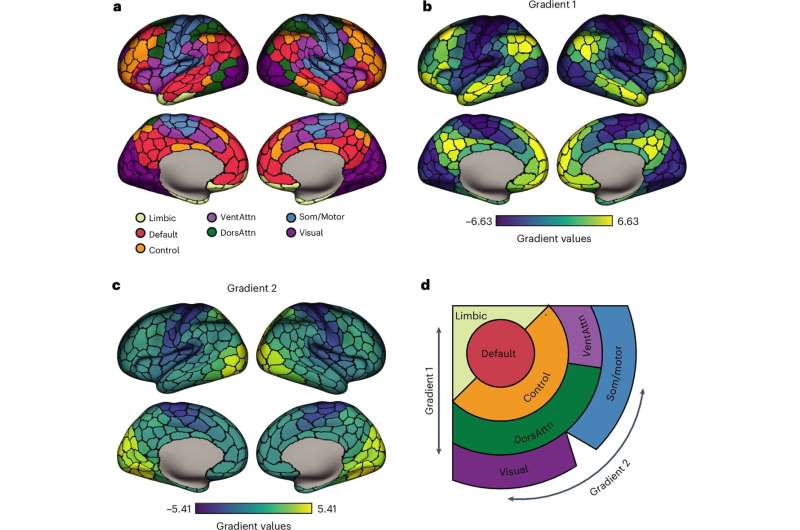
Large-scale functional networks are embedded along two principal gradients. Credit: Nature Neuroscience (2024).

Scientists have uncovered how different types of brain cells work together to form large-scale functional networks in the human brain—interconnected systems that support everything from sensory processing to complex decision-making—paving the way for new insights into brain health and disease.

A new neuroimaging marker of cerebral small vessel disease is related to general cognition and may serve to identify persons at risk of dementia in future clinical trials, a landmark study has found.

A recent study reveals that the genetic mutation causing Huntington’s disease (HD) enhances brain development and intelligence in early life, but leads to degeneration in adulthood. Children with the HD gene exhibit larger brains and higher IQs than those without the mutation.

In what could one day become a new treatment for epilepsy, researchers have used pulses of light to prevent seizure-like activity in neurons.

A team of researchers has found that certain factors are linked to faster brain shrinkage and quicker progression from normal thinking abilities to mild cognitive impairment (MCI). People with type 2 diabetes and low levels of specific proteins in their cerebrospinal fluid showed more rapid brain changes and developed MCI sooner than others.

A new study explores how brain waves reflect melody predictions while listening to music.

Neuroscientists have identified the binding site of low-dose ketamine, providing critical insight into how the medication, often described as a wonder drug, alleviates symptoms of major depression in as little as a few hours with effects lasting for several days.

New research indicates that cannabis use causes cellular damage that increases the risk of highly cancerous tumors by disrupting mitochondria and damaging DNA. 

Fampridine, used for improving walking in multiple sclerosis, may also enhance working memory in individuals with schizophrenia or depression. A study found that the drug significantly improved working memory in participants with initially poor performance, but had no effect on those with strong baseline memory.

A recent study links satellite and brain imaging data to identify how environmental factors can impact mental health, cognition and brain development in young people.

A new Alzheimer’s test collects just a few drops of blood from a finger prick, which can be mailed to a lab for analysis. The test measures biomarkers like pTau217 and has shown similar accuracy to traditional venous blood sampling.

Children born to mothers who take antiseizure medications during pregnancy may face increased risks of neurodevelopmental conditions, according to new data.

Researchers have shed light on the puzzling relationship between dopamine and rest tremor in Parkinson’s disease, finding that preserved dopamine in certain brain regions may actually contribute to tremor symptoms, challenging common beliefs.

New research has revealed the diverse assembly and regulation of Type-A GABA receptors (GABAARs), which are crucial for balancing brain activity. 

A recent study has found fascinating similarities in how the human brain and artificial intelligence models process language. The research, published in Nature Communications, suggests that the brain, like AI systems such as GPT-2, may use a continuous, context-sensitive embedding space to derive meaning from language, a breakthrough that could reshape our understanding of neural language processing.

A team of researchers has investigated the composition and communication of cells in so-called subcortical lesions, tissue damage to deep brain structures at different stages of multiple sclerosis.

Care for stroke survivors urgently needs to focus on non-motor skill outcomes such as fatigue, anxiety and reduced social participation to improve survivors’ quality of life and minimize care needs, according to a new study.

An international research collaboration has discovered how unusual spherical structures form in the brains of people with a mutation that causes a form of inherited Alzheimer’s disease. 

A new study identifies previously hidden brain network patterns in schizophrenia by focusing on nonlinear connectivity, offering potential biomarkers for early diagnosis. Traditional imaging methods often overlook these patterns, but researchers developed advanced statistical tools to uncover this new dimension of brain organization.

Finally this week, research published in the Journal of the American Geriatrics Society has identified several community-level factors that may increase people’s risk of experiencing cognitive impairment.

Weekly Neuroscience Update

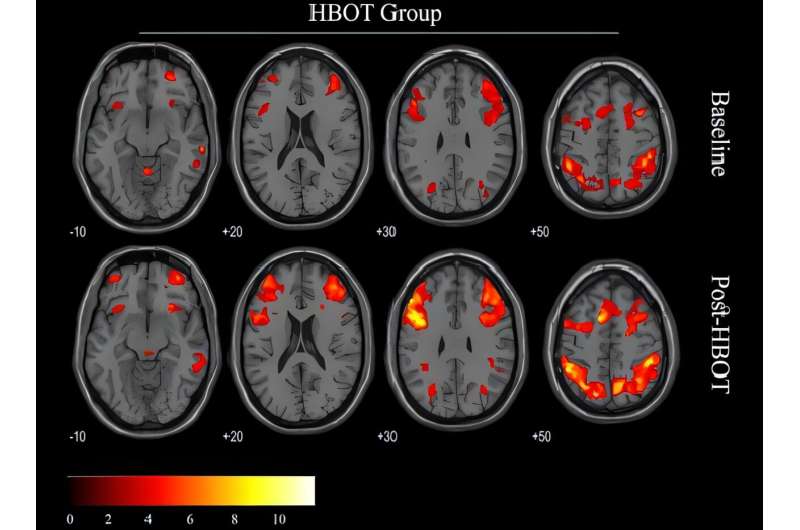
Functional MRI before and after HBOT. Credit: The Shamir Medical Center

Researchers have demonstrated that hyperbaric oxygen therapy (HBOT) improves the condition of PTSD sufferers who have not responded to psychotherapy or psychiatric medications.

Scientists have discovered for the first time a neural mechanism for memory integration that stretches across both time and personal experience. These findings, reported in Nature, demonstrate how memories stored in neural ensembles in the brain are constantly being updated and reorganized with salient information, and represent an important step in deciphering how our memories stay current with the most recently available information.

An international study has found frailty increases a person’s risk of dementia, but early intervention may be the key to prevention.

Neuroscientists have discovered brain cells that form multiple coordinate systems to tell us “where we are” in a sequence of behaviours. The findings help us understand the algorithms used by the brain to flexibly generate complex behaviors, such as planning and reasoning, and might be useful in understanding how such processes go wrong in psychiatric conditions such as schizophrenia.

New research finds that even single bouts of intense exercise can improve cognitive performance in young adults, particularly in memory, attention, and executive functioning. 

By scanning the brains of people while they watched movie clips, neuroscientists have created the most detailed functional map of the brain to date. The fMRI analysis, published in Neuron, shows how different brain networks light up when participants viewed short clips from a range of independent and Hollywood films, including Inception, The Social Network, and Home Alone.

Asthma is associated with memory difficulties in children, and early onset of asthma may exacerbate memory deficits, according to a new study.

Older adults with significant fluctuations in cholesterol levels are at increased risk for dementia and cognitive decline, even without medication changes. Researchers studied nearly 10,000 older adults, tracking their cholesterol levels and cognitive function over six years. High variability in total and LDL (“bad”) cholesterol was associated with a 60% increase in dementia and 23% increase in cognitive decline.

Scientists have successfully reprogrammed astroglia, a type of brain support cell, into neurons that mimic specific interneurons critical for brain function.

Exercise has been shown to improve brain health and reduce the risk of cognitive decline and dementia over the long-term. But engaging in everyday physical activity has immediate benefits for brain health, according to a new study.

A team of researchers has identified a potential biomarker of Parkinson’s disease progression.

New research highlights neuroglia (or glia cells) as critical players in mental health, potentially influencing conditions like depression and schizophrenia. Glia cells, long considered “support cells” in the brain, have now been shown to communicate through unique calcium signaling, impacting neuronal function and stress responses. Studies suggest that compromised astrocyte function, a glial cell type, may relate to depressive symptoms and schizophrenia.

Using deep brain stimulation techniques, neuroscientists are looking for early signals in the brain to help stop seizures.

A study investigated how cannabis use influences metabolomic patterns linked to psychotic-like experiences in adolescents. Blood samples revealed that non-cannabis users showed inflammatory metabolic changes associated with hallucinations, while cannabis users exhibited shifts in energy-related metabolites tied to brain ketogenesis.

Finally this week, a new study links satellite data with brain imaging to reveal how environmental factors like light pollution, green spaces, and urban density affect the mental health and brain development of children.

Weekly Neuroscience Update

Brain structural (MRI) scans from a selection of individuals from the Lothian Birth Cohort 1936 taken during Wave 2 (when all participants were about 73 years old). Credit: Ian J. Deary

A 25-year research program has unveiled key insights into how our brains age and what factors influence cognitive performance throughout life. The findings, published on 7 November 2024 in Genomic Psychiatry, draw from the Lothian Birth Cohorts (LBC) studies, which uniquely tracked participants’ cognitive abilities from childhood through their eighth decade of life.

A team of researchers has uncovered a mechanism in the formation of harmful protein aggregates that lead to neurodegenerative diseases such as Parkinson’s disease.

People with stronger autistic traits exhibit distinct and highly effective exploration patterns, according to a new study. These individuals tend to persist longer in curiosity-driven tasks, leading to better overall performance. In the study, participants with higher autistic traits explored consistently, even when faced with challenging learning environments, while those with lower traits engaged more briefly.

A new study shows how gut bacteria play a key role in regulating stress by interacting with circadian rhythms, opening possibilities for microbiome-based therapies for mental health.

Research led by the University of Michigan has provided compelling evidence that could solve a fundamental mystery in the makeup of fibrils that play a role in Alzheimer’s, Parkinson’s and other neurodegenerative diseases.

Researchers have developed tiny, wireless devices capable of wrapping around individual neurons, potentially aiding in the treatment of neurological disorders like multiple sclerosis.

A new international study has brought to light how blood sugar control can significantly impact brain health. The study suggests that improved blood sugar control could be one of the most important factors in slowing down age-related brain changes.

People with schizophrenia show distinct brain activity when faced with conflicting information, new research finds.

Finally this week, poor sleep quality may be associated with incidental, but not prevalent, motoric cognitive risk syndrome (MCR), a predementia syndrome characterized by slow gait speed and cognitive complaints, according to a study published in Neurology.

Weekly Neuroscience Update

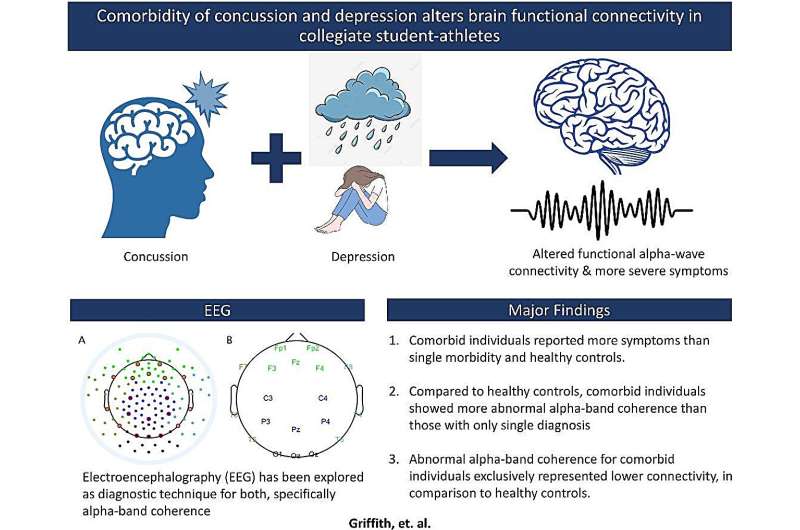
Credit: Brain Research (2024)

Researchers have demonstrated that the co-occurrence of depression and concussion was associated with significantly worse symptoms for both conditions. 

A recent study has mapped how molecules in food interact with gut bacteria, revealing why people respond differently to the same diets. By examining 150 dietary compounds, researchers found that these molecules can reshape gut microbiomes in some individuals while having little effect in others. This breakthrough could enable personalized nutrition strategies to better manage health risks. The findings offer a deeper understanding of the gut microbiome’s role in health and disease.

Scientists have independently validated a new blood test platform that can simultaneously measure more than a hundred biomarkers of Alzheimer’s disease.

A new computer simulation of how our brains develop and grow neurons has been built by scientists from the University of Surrey. Along with improving our understanding of how the brain works, researchers hope that the models will contribute to neurodegenerative disease research and, someday, stem cell research that helps regenerate brain tissue.

Brain endurance training (BET), a combined cognitive and exercise approach, has been shown to significantly improve cognitive and physical performance in older adults.

New research demonstrates that learning a second language enhances brain connectivity, particularly when started in childhood. Scientists found that bilingual individuals have more efficient communication between brain regions, notably between the cerebellum and left frontal cortex.

In a new study evaluating meditation for chronic lower back pain, researchers have discovered that men and women utilize different biological systems to relieve pain. While men relieve pain by releasing endogenous opioids, the body’s natural painkillers, women rely instead on other, non-opioid based pathways.

New research explores how traumatic brain injury may be linked to Alzheimer’s disease.

A study has identified mutations arising during brain development that may contribute to schizophrenia. Unlike inherited genes, these somatic mutations occur after conception and were found more frequently in schizophrenia patients’ brain tissue.

There is an imbalance in the gut flora of patients with epilepsy compared with healthy controls, according to a study published in the Journal of Health, Population and Nutrition.

Researchers have developed a breakthrough technology using magnetic fields to control specific brain circuits non-invasively, potentially transforming treatments for conditions like Parkinson’s and depression. This technique, termed “magnetogenetics,” delivers gene therapy to target neurons and uses magnetic fields to activate or inhibit them, allowing precise manipulation without invasive implants.

Bursts of exercise boost cognitive function according to new research.

A recent study reveals that specific brain cells respond not only to smells but also to images and written words related to those scents, providing deeper insight into human odour perception. Researchers found that neurons in the olfactory cortex and other brain regions, like the hippocampus and amygdala, distinguish between different smells and associate them with visual cues.

A collaborative study has identified genetic mutations that occur during brain development and may contribute to the development of schizophrenia.

A research team has published a randomized clinical trial demonstrating for the first time that a multidisciplinary approach integrating specific physiotherapy and cognitive-behavioral therapy is effective in improving the symptoms and physical aspects of the quality of life of patients with functional movement disorders.

Finally this week, scientists have discovered an unexpected link between genes involved in human brain evolution and developmental disorders.


Weekly Neuroscience Update

Credit: The Journal of Physiology (2024). 

The team that first recorded vagus nerve signals in humans has now isolated the electrical activity of individual neurons responsible for cardiovascular regulation. Published in the Journal of Physiology, the Monash University-led discovery paves the way for more research into how and why cardiovascular disease develops.

New research reveals that dopamine is not directly responsible for the formation of placebo analgesia, contrary to previous beliefs.

Scientists have developed a new brain-mapping tool called START, which combines transcriptomics and viral tracing to map the connections between specific neuronal subtypes with unprecedented detail. This technology allows researchers to identify distinct patterns of connectivity in inhibitory neurons within the cerebral cortex, providing a blueprint of the brain’s circuits.

A new study has demonstrated that emotion enhances memory for contextual details, challenging the view that emotion impairs the ability to remember such information.

Researchers compared the diagnostic accuracy of GPT-4 based ChatGPT and radiologists using 150 brain tumor MRI reports. ChatGPT achieved 73% accuracy, slightly outperforming neuroradiologists (72%) and general radiologists (68%).

Deep brain stimulation may provide immediate improvement in arm and hand strength and function weakened by traumatic brain injury or stroke.

People with Parkinson’s disease (PD) who experience visual hallucinations have reduced brain responses to unexpected visual changes, a marker known as visual mismatch negativity (vMMN). Using EEG, researchers compared brain activity in PD patients with and without hallucinations and discovered that those with hallucinations showed weaker vMMN signals

Lower attention ability in adolescence can predict cigarette and cannabis use in young adulthood, according to new research from Trinity College Dublin.

New research has found that frequent consumption of fizzy drinks and fruit juice significantly increases the risk of stroke. The study, which analyzed data from nearly 27,000 participants across 27 countries, showed a 22% increased risk of stroke from drinking fizzy drinks, with the risk rising further with multiple servings per day. Additionally, drinking more than four cups of coffee daily raised stroke risk by 37%, while tea consumption was associated with a reduced stroke risk. 

New research shows that even pollution levels that are below government air-quality standards are associated with differences in children’s brains.

University of Queensland researchers have made a significant step towards enabling women with epilepsy safer access to a common and highly effective anti-seizure medication.

A new study shows that brain synchronization between a neurotypical person and someone with autism is weaker compared to two neurotypical individuals interacting. Using EEG hyperscanning, researchers observed reduced inter-brain synchrony during hand movement imitation between mixed pairs, with autistic individuals more likely to follow than lead.

Certain immune cells play an important role in the early stages of multiple sclerosis, a twin study shows.

New evidence from the Centre for Healthy Brain Ageing indicates that older adults who experience a stroke for the first time will have substantial immediate and accelerated long term-cognitive decline. The new research, published iJAMA Network Open, looked at finding out exactly how a stroke impacts a person’s cognitive abilities.

A new study shows how individual brain cells in the hippocampus respond to pronouns.

Scientists are examining the brains of individuals with asymptomatic Alzheimer’s disease who, despite having amyloid plaque and tau buildup—the primary indicators of Alzheimer’s—did not show diagnosable dementia symptoms while alive. They’ve identified crucial mechanisms that may safeguard against cognitive decline in Alzheimer’s disease.

Finally this week, In a first-of-its-kind study, University of South Florida researchers are finding that music can help boost cognition in patients undergoing chemotherapy. 

Weekly Neuroscience Update

Pupillary light reflex (PLR) assessment in open-eye and closed-eye conditions. Credit: Communications Medicine (2024).

A new technological advancement now enables researchers to observe changes in pupil size and gaze direction behind closed eyelids for the first time, using non-contact infrared imaging. This capability is expected to aid in identifying wakefulness states during sleep, anesthesia, and intensive care by monitoring pupil size variations. It could also be instrumental in gauging sedation levels, detecting seizures and nightmares, and acknowledging pain or responsiveness following trauma or within intensive care settings.

Neuroscientists have uncovered serotonin’s role in resilience.

A recent study using artificial intelligence has yielded a new understanding of how the brain anticipates future occurrences and processes data. It was found that the brain’s inherent activity, even in the absence of external stimuli, is crucial to our cognitive and emotional processes.

New research shows that varied cognitive training, rather than repetitive tasks, helps older adults improve working memory.

Scientists have mapped how propofol, a widely used anesthetic, alters brain connectivity to induce unconsciousness. Using fMRI, they found that propofol disrupts connections in the thalamus, reducing complex information processing and limiting sensory integration.

Research on older individuals indicates that vision impairment may be responsible for one in five dementia cases.

A new technology that uses harmless light waves to measure activity in babies’ brains has provided the most complete picture to date of brain functions like hearing, vision and cognitive processing outside a conventional, restrictive brain scanner.

Heat waves can worsen abnormal excitability of the brain in people with epilepsy, finds a new small-scale patient study.

Scientists have developed an innovative approach to studying brain connections using functional magnetic resonance imaging (fMRI). Recently published in Cell Systemsthis work introduces a new way of understanding brain architecture through dynamic functional networks, challenging the traditional static approach.

New research identifies potential therapeutic target for amyotrophic lateral sclerosis (ALS).

A new study published in Nature Communications examines how the brain initiates spontaneous actions. In addition to demonstrating how spontaneous action emerges without environmental input, this research has implications for the origins of slow ramping of neural activity before movement onset—a commonly-observed but poorly understood phenomenon.

Researchers have published a novel study exploring the effects of delayed feedback on learning in individuals with moderate-to-severe traumatic brain injury (TBI).

A breakthrough in medical imaging is making it possible for researchers to observe brain activity during movement and pick up the early signs of disorders that affect brain-to-body coordination, such as Parkinson’s disease.

A new study investigated the origin of ataxia in the brain of patients with stroke and found a significant number of the stroke lesions in the patients were located outside the cerebellum.

Researchers have developed a noninvasive technique that could dramatically improve the way doctors monitor intracranial hypertension, a condition where increased pressure in the brain can lead to severe outcomes like strokes and hemorrhages.

Robotic ‘coaches’ aiding upper limb rehabilitation for stroke and brain injury survivors have been successfully trialed in Vienna, Austria.

Scientists have created a dynamic technique to monitor swift changes in brain activity, particularly those associated with cravings. This method differs from conventional neuroimaging by offering a continuous perspective on the variations in craving intensity. The research revealed that individuals with intense cravings tend to remain longer in brain states that intensify these cravings and do not activate the brain networks that could diminish them.

A recent study highlights the interaction between brain structure and social context, suggesting that some children are more vulnerable to social stressors than others.

With maps of the connections between neurons and artificial intelligence methods, researchers can now do what they never thought possible: predict the activity of individual neurons without making a single measurement in a living brain.

A review highlighting recent advances in genetically encoded fluorescent tools for labeling and selectively manipulating synapses has been published in Nature Reviews Neuroscience.

Researchers have investigated the correlations between outdoor nighttime light pollution and Alzheimer’s disease, finding that excessive light pollution may elevate the risk of Alzheimer’s, particularly in younger individuals.

Finally this week, brain waves can be manipulated while in rapid eye movement (REM) sleep, a sleep stage associated with memory and cognition, a new study from the University of Surrey finds.