Weekly Neuroscience Update

A cell membrane is illustrated to show the surface in red. Blue objects are proteins, including ion channels, which can send electrical impulses into cells. Lipids, or fats, are in yellow. In this cross section, an ion channel associates with a lipid raft. The function of the lipid structures is regulated by cholesterol. Mechanical force can deplete the cholesterol and release the ion channel, changing activity within the cell. Credit: Scott Hansen, Ph.D., The Wertheim UF Scripps Institute

New research shows how physical pressure on cells can reduce pain signals, while excessive cholesterol clumps in cell membranes can interfere with that process.

Researchers have advanced our understanding of the neuronal basis of spatial memory. Their research reveals that during spatial memory tasks, different types of nerve cells activate in unison, coordinated by brain waves known as “ripples.”

Researchers have unveiled a pioneering technology capable of real-time human emotion recognition, promising transformative applications in wearable devices and digital services.

Children who lived in areas with higher levels of airborne lead in their first five years of life appeared to have slightly lower IQs and less self-control, with boys showing more sensitivity to lead exposure, according to a new study.

New research challenges the conventional picture of Parkinson’s disease.

A neurotransmitter previously thought only to calm neurons may also play a role in waking them up, according to a study published in the journal PLOS Biology, a discovery that challenges the textbook view of how neurons communicate with one another in the brain.

Researchers have achieved a breakthrough in mapping the brain’s ‘dysfunctome’—key dysfunctional circuits linked to disorders like Parkinson’s, dystonia, OCD, and Tourette’s syndrome.

Scientists have delved into the world of chemical neuromodulators in the human brain, specifically dopamine and serotonin, to reveal their role in social behavior. The study revealed a previously unknown neurochemical mechanism for a well-known human tendency to make decisions based on social context—people are more likely to accept offers from computers while rejecting identical offers from human players.

New research identifies nerve endings that shed light on gut-brain communication.

Live music significantly amplifies emotional responses in the brain compared to recorded tunes. By measuring amygdala activity, researchers found that live performances evoke stronger emotional reactions, fostering a deeper cognitive and affective processing throughout the brain.

A new study reveals that oxygenation levels in the placenta during the last trimester of pregnancy are a key predictor of the development of the cerebral cortex and likely childhood cognition and behavior.

Blood vessels that cross-connect adjacent arterial trees regulate blood flow to the brain in stroke patients. Researchers have now shown that these vessels prevent brain hemorrhage following treatment to remove blood clots.

Researchers have developed a simulator that enables artificial visual observations for research into the visual prosthesis.

A cross-cultural study has revealed that music universally influences bodily sensations and emotions, transcending cultural boundaries. Researchers from Western and East Asian backgrounds discovered that emotional and structural characteristics of music consistently evoke similar bodily sensations—such as changes in the chest, limbs, and head regions—regardless of cultural background.

A new study finds concussions alter connectivity among brain regions.

New research has unveiled a crucial role of sleep: brainwaves facilitate the cleansing of the brain by flushing out waste. This discovery not only underscores the brain’s non-dormant state during sleep but also highlights a sophisticated system where neurons’ synchronized activity powers the flow of cerebrospinal fluid, effectively removing metabolic waste and potentially neurodegenerative disease-causing toxins.

Finally this week, COVID-19 may have an impact on people’s cognitive and memory abilities that lasts a year or more after infection, according to a new study by Imperial College London researchers.

Weekly Neuroscience Update

Microscopic photos observed through changes of the flourescence of the synapse sensor (SynapShot) by cultivating the neurons of an experimental rat and expressing the SynapShot. The changes in the synapse that is created when the pre- and post-synaptic terminals come into contact and the synapse that disappears after a certain period of time are measured by the fluorescence of the SynapShot. Credit: KAIST Optogenetics & RNA therapeutics Lab

New research has observed the processes of memory and cognition in real-time.

A new study reveals significant findings in the fight against Long Covid. Through a comprehensive analysis of blood serum from 113 patients, researchers discovered changes in blood serum proteins related to the complement system, coagulation, and tissue injury in Long Covid patients.

New research has found that exercising both before and after learning optimizes memory formation, with a notable 10% improvement in remembering motor skills.

A new study employs generative AI to shed light on how the human brain processes memories for learning, imagination, and planning. The study used a computational model resembling the hippocampus and neocortex’s neural networks to simulate memory encoding and retrieval.

A new study has reported that SARS-CoV-2, the virus that causes COVID, can infect dopamine neurons in the brain and trigger senescence—when a cell loses the ability to grow and divide.

Researchers have taken the first steps to treat Alzheimer’s disease, Parkinson’s disease and Type 2 diabetes by creating multiple patent-pending compounds shown to inhibit protein aggregation associated with those diseases.

A neuroscientific study is paving the way for improving the diagnosis and treatment of Alzheimer’s.

A new study reveals limitations in the current use of mathematical models for personalized medicine, particularly in schizophrenia treatment. Although these models can predict patient outcomes in specific clinical trials, they fail when applied to different trials, challenging the reliability of AI-driven algorithms in diverse settings.

Research into the nature of memory reveals how cells that store information are stabilized over time.

A new study explores how infants and toddlers acquire language. Findings reveal early comprehension begins around 6-7 months, and significant improvements in language understanding occur around a child’s first birthday.

New research looks at ways to predict when a migraine attack will occur.

Researchers at the National Institutes of Health have found overactivation in many brain regions, including the frontal and parietal lobes and the amygdala, in unmedicated children with anxiety disorders. They also showed that treatment with cognitive behavioral therapy (CBT) led to improvements in clinical symptoms and brain functioning.

An international research has proposed a new model for classifying Parkinson’s disease.

A ribbon of brain tissue called cortical gray matter grows thinner in people who go on to develop dementia, and this appears to be an accurate biomarker of the disease five to 10 years before symptoms appear, scientists report.

3D bioprinting sheds light on why blood vessel curvature may foster brain cancer metastasis.

Researchers achieved a significant advancement in robotics by replicating human-like variable speed walking using a musculoskeletal model. This model, steered by a reflex control method akin to the human nervous system, enhances our understanding of human locomotion and sets new standards for robotic technology.

There is a difference between how the brains of healthy older adults perceive color compared to younger adults, finds a new study.

Researchers conducted a study to explore the neuroscientific basis of fairness in social situations, investigating the interplay between personal interests and societal norms. By applying electric brain stimulation to 60 participants, the researchers pinpointed specific brain regions crucial to fairness decisions.

Finally this week, scientists have made a significant discovery using an artificial neural network model, suggesting that musical instinct may emerge naturally from the human brain.

Weekly Neuroscience Update

An international team of researchers has published a digital atlas showing how the normative maturation of the fetal brain occurs between 14 – 31 weeks’ gestation, a critical developmental period.

New findings suggest that measuring changes in how pupils react to light could help predict recovery from depression and personalize transcranial magnetic stimulation (TMS) treatment of major depressive disorder.

A new study has found the influence of language on human thinking could be stronger than previously assumed. 

Scientists at Imperial College London are leading the development and testing of a new method of stimulating the brain, which could provide an alternative treatment for brain diseases such as Alzheimer’s, and its associated memory loss.

Researchers report neural signaling during online exchanges is considerably reduced compared to face-to-face conversation.

Two different regions of the brain are critical to integrating semantic information while reading, which could shed more light on why people with aphasia have difficulty with semantics, according to new research.

Finally this week, researchers in Canada have examined what type of music helps to dampen pain perception.

Weekly Neuroscience Update

 Credit: Science Advances (2023)

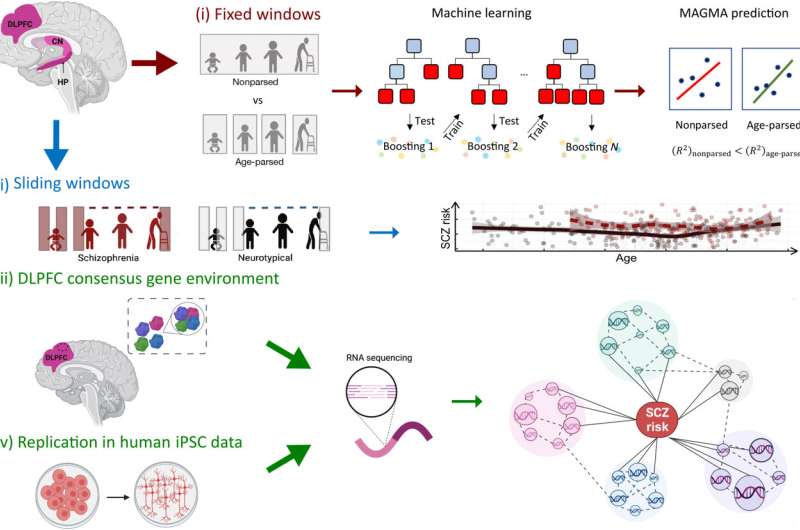
Researchers have published a study in Science Advances that looks into the genetic mechanisms behind the development of schizophrenia.

Students whose brainwaves are more in sync with their classmates and teacher are likely to learn better than those lacking this “brain-to-brain synchrony,” shows a new study by a team of psychology and education researchers. The findings, which appear in the journal Psychological Science, offer new insights into the learning process. 

Scientists are testing a new personalized immunotherapy approach that is designed to work similarly to a vaccine by training the immune system to fight glioblastoma brain cancer.

People experiencing hearing loss who are not using a hearing aid may have a higher risk of dementia than people without hearing loss, suggests a new study published in The Lancet Public Health journal. However, using a hearing aid may reduce this risk to the same level as that of people without hearing loss.

Researchers have shown for the first time that in middle-aged men, Obstructive Sleep Apnea may cause early cognitive decline, even in patients who are otherwise healthy and not obese.

In a new study, teens who added walnuts to their diet for 100 days showed improvements in attention function, and for those with ADHD, frequent walnut consumption was associated with improvements in behavior. Researchers also noted an increase in fluid intelligence in those who frequently consumed walnuts as part of their daily diet.

Listening to or practicing music had positive implications on cognitive decline in older adults by stimulating the production of gray matter in key brain areas, a new study reveals.

Researchers have used machine learning to investigate the molecular and neural mechanisms that could underlie differences among individuals diagnosed with autism spectrum disorder (ASD). Their paper, published in Nature Neuroscience, identifies different subgroups of ASD associated with distinct functional connections in the brain and symptomatology, which could be related to the expression of different ASD-related genes.

A novel imaging technique is capable of showing reactive astrocyte-neuron interactions. The technique sheds new light on Alzheimer’s pathologies and offers a potential breakthrough for the diagnosis and treatment of dementia.

An international team of 79 researchers has collaborated on a study published in Nature Medicine to delve into perivascular spaces (PVS), a poorly understood artifact seen in magnetic resonance imaging of cerebral small vessel disease, a leading cause of stroke and dementia.

Finally this week, new research findings show that probiotic supplementation could be a positive strategy to counteract oxidative stress and inflammation promoted by sleep loss.

Weekly Neuroscience Update

A study of brain function in cosmonauts reveals how the brain’s organization changes after an extended period in space, demonstrating the adaption required to live in a weightless environment.

Researchers are turning to artificial intelligence to find novel drugs that can block kappa opioid receptors with the hope to alleviate opioid addiction. The kappa opioid receptor is a protein in the brain that plays a role in pain management and addiction. When opioids bind to this receptor, it can produce a range of effects, including pain relief, as well as addiction and dependence.

Adults with high levels of attention-deficit hyperactivity disorder (ADHD) symptoms are more likely to experience anxiety and depression than adults with high levels of autistic traits, according to new research.

Scientists studying sleep difficulties have now published data in Frontiers in Neuroscience that shows that, even in an urban population experiencing disrupted sleep, humans experience longer REM sleep in winter than in summer and less deep sleep in autumn.

Regardless of the game type or length of time a child plays a video game, there is no correlation with a decline in cognitive ability, a new study reports.

Researchers have identified the in-vivo dynamics of synapses that underlie fear memory formation and extinction in the living brain. Fear memory formation and extinction are complex processes that involve changes in the connections between neurons, or synapses, in the brain. Understanding these processes at the level of individual synapses can provide important insights into the neural mechanisms of fear and anxiety disorders.

New research has found that children with conduct disorders exposed to maltreatment showed far more extensive changes in brain structure compared to children with conduct disorders who were not mistreated.

While kleptomania meets the criteria of addiction and is classified as a “Disruptive, Impulse-Control, and Conduct Disorder” by the American Psychiatry Society, few studies of the condition have been published to date. Now a team of researchers has recently found that patients with kleptomania exhibit distinct patterns of gazing and brain activity when shown images with environmental cues relevant to their symptoms. Such characteristics were not observed in healthy subjects.

Finally this week, researchers who examined the relationship between making music and mental health have found that musically active people have, on average, a slightly higher genetic risk for depression and bipolar disorder.

Weekly Neuroscience Update

Music can induce a range of emotions and help us to better understand different cultures. But what is it that makes us tune in to some songs more than others? Researchers say when we listen to a song, our brains predict what happens next, and that prediction dictates whether we like that song or not.

New research has found significant changes in fathers’ brains between the prenatal and the postpartum period. The main changes occurred in cortical areas associated with visual processing, attention, and empathy toward their baby.

Objective measurement of psychiatric disorders has long proved challenging. Yet, there is ample evidence that analysis of speech patterns can accurately diagnose depression and psychosis, measure their severity, and predict their onset, according to a literature review featured in the January/February issue of the Harvard Review of Psychiatry

Alzheimer’s disease onset may be accelerated by viruses that inflame and disrupt signals from the olfactory system to the hippocampus, a new study reports.

As many as one in four patients who receive anesthesia may suffer accidental awareness during their procedure. Researchers have identified specific brain structures that may predict whether a person will experience accidental awareness under anesthesia. The findings will help identify patients who require higher-than-average doses of anesthesia.

A new study aims to investigate the interaction between the digestive and nervous systems, or the gut-brain axis, to discover more about the links between digestive health and neurodegenerative diseases.

Neuroscientists have now shown that two distinct cell populations in the striatum are affected differently by Huntington’s disease. They believe that neurodegeneration of one of these populations leads to motor impairments, while damage to the other population, located in structures called striosomes, may account for the mood disorders that are often seen in the early stages of the disease.

Finally this week, older adults with cognitive decline who have higher levels of vitamin D in their brains had better cognitive function than their peers with lower levels of vitamin D according to a new study.

Weekly Neuroscience Update

New research suggests that the brain of a bilingual person who knows two alphabets is different from that of a bilingual person who only knows one alphabet. The differences occur in a region called the visual word form area (VWFA).

A new study reports chronic infections of the upper gastrointestinal tract could be linked to Parkinson’s disease. Researchers say alpha synuclein, a Parkinson’s linked protein, is released during upper GI infections, inducing an immune response. Findings suggest frequent chronic infections could overwhelm the body’s ability to remove the protein, leading to the onset of Parkinson’s.

New research has found significant changes in fathers’ brains between the prenatal and the postpartum period. The main changes occurred in cortical areas associated with visual processing, attention, and empathy toward their baby.

A novel deep learning method that uses graph convolutional neural networks (gCNNs) can predict cognitive function based on the brain’s size and structure. The algorithm may provide insights into the relationship between brain morphology and different cognitive functions, as well as declines in cognitive function.

A study led by researchers at the Hospital del Mar Medical Research Institute links psychological trauma in childhood with an increased risk of developing some kind of mental disorder years later.

Music can induce a range of emotions and help us to better understand different cultures. But what is it that makes us tune in to some songs more than others? Researchers say when we listen to a song, our brains predict what happens next, and that prediction dictates whether we like that song or not.

Finally this week, a new study published by University of Oxford researchers in JMIR Pediatrics and Parenting, shows that although many school-age adolescents are spending considerable time gaming, it is not having a negative impact on their well-being.

Weekly Neuroscience Update

Credit: PLOS Pathogens (2022). DOI: 10.1371/journal.ppat.1010339

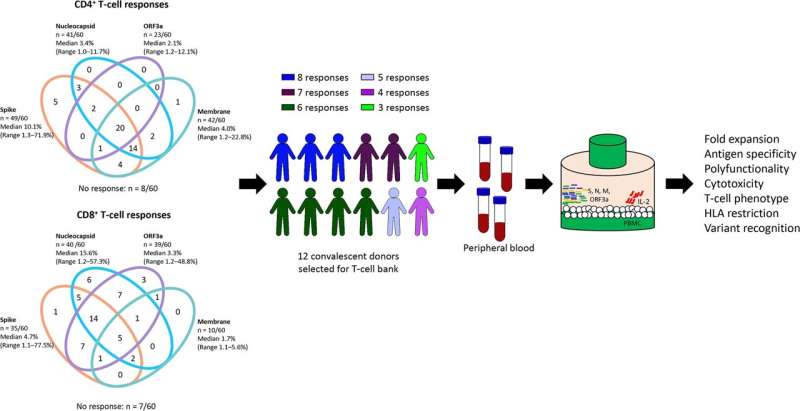
New research is providing hope to immunocompromised people who are vulnerable to COVID-19. Scientists have discovered promising evidence that T cell immunotherapy could help them to fight against multiple strains of the virus.

Treatments integrating music and auditory beat stimulation are effective in reducing state anxiety in some patients, according to a new study published in the open-access journal PLOS ONE.

The underlying molecular mechanisms that promote autoimmune diseases are multilayered and complex. Now, scientists have succeeded in deciphering new details of these processes. Their work supports the notion that excessive consumption of glucose directly promotes the pathogenic functions of certain cells of the immune system and that, conversely, a calorie-reduced diet can have a beneficial effect on immune diseases.

Teens who had an insecure attachment to their mothers as toddlers are more likely to overestimate the trustworthiness of strangers, a new study reports.

A new study reveals that oleic acid produced in the brain is an essential regulator of the process that enables learning and memory and supports proper mood regulation. The finding has paved the path to discovering potential new therapeutic strategies to counteract cognitive and mood decline in patients with neurological disorders.

A small study found people who received lithium, a drug commonly associated with the treatment of bipolar disorder, are less likely to develop dementia.

Scientists have found that people with Parkinson’s disease have a clear “genetic signature” of the disease in their memory T cells. The scientists hope that targeting these genes may open the door to new Parkinson’s treatments and diagnostics.

If you are forgetful or make mistakes when in a hurry, a new study found that meditation could help you to become less error-prone.

Older adults who take statin drugs have a lower risk of developing Parkinson’s disease or parkinsonism symptoms later in life compared to those who do not take statins. Researchers speculate this may be because statins have a neuroprotective effect on arteries in the brain.

Finally this week, researchers have developed a new, fully automated prosthetic arm that learns during normal use and adapts to varying conditions.

Weekly Neuroscience Update

Those who exercise regularly may lower their risk of developing anxiety by 60%, researchers report.

A study published in the journal Sleep shows that a deep neural network model can accurately predict the brain age of healthy patients based on electroencephalogram data recorded during an overnight sleep study, and EEG-predicted brain age indices display unique characteristics within populations with different diseases.

A new study reveals a correlation between instances of eye contact and higher levels of engagement during conversations.

Researchers have developed a deep learning-based method that can predict the possible onset of Alzheimer’s disease from brain images with an accuracy of over 99 per cent. The method was developed while analysing functional MRI images obtained from 138 subjects and performed better in terms of accuracy, sensitivity and specificity than previously developed methods.

Scientists in Japan have identified metabolic compounds within the blood that are associated with dementia.

New research published in Cortex provides evidence that a brain region known as the ventromedial prefrontal cortex contributes to cognitive biases in decision making. People with damage to this area of the brain often experience changes in personality and social behavior. But the new findings suggest that ventromedial prefrontal cortex damage can also make people more rational under some circumstances.

An immunological molecule called fractalkine can boost the production of brain cells that produce myelin, a key factor in diseases such as multiple sclerosis, according to recent research from the University of Alberta.

According to two studies conducted in Serbia during the COVID-19 lockdown, elite athletes and individuals who engaged in vigorous levels of exercise demonstrated the lowest psychological distress during this time. The findings, published in Frontiers in Psychology, further underscored the importance of adaptability, showing that athletes who reduced their training schedules during the early stages of lockdown showed lower distress than those who maintained them.

Finally this week, a new AI algorithm can predict the onset of Alzheimer’s disease with an accuracy of over 99% by analyzing fMRI brain scans.

Weekly Neuroscience Update

New research reveals that neurons in the visual cortex—the part of the brain that processes visual stimuli—change their responses to the same stimulus over time.

Menopause can mess with your memory, and a new study has identified four profiles of cognitive function that may help researchers understand why memory declines for some women and not others. This adds to the mounting evidence of the memory changes that can happen when menopause approaches and could lead to better guidance and treatment for patients experiencing memory issues.

Testing for some inflammatory proteins associated with the nervous and immune systems will help diagnose the earlier onset and progression of Alzheimer’s disease, according to a Rutgers study.

Researchers have recently carried out a study investigating the role of the X-chromosome on human brain anatomy. Their findings, published in a paper in Nature Neuroscience, highlight the key role of the X-chromosome in human neurodevelopment.

A new study explores a new non-dopamine reward circuitry in the brain.

An analysis of data from 1.5 million people has identified 579 locations in the genome associated with a predisposition to different behaviors and disorders related to self-regulation, including addiction and child behavioral problems.

Virtual reality helps to relieve pain and anxiety for children undergoing medical procedures, researchers report.

Scientists have long suspected that religiosity and spirituality could be mapped to specific brain circuits, but the location of those circuits remains unknown. Now, a new study using novel technology and the human connectome, a map of neural connections, has identified a brain circuit that seems to mediate that aspect of our personality.

Finally this week, researchers reveal the neurobiological basis of why we often find it more difficult to find the right words as we age.