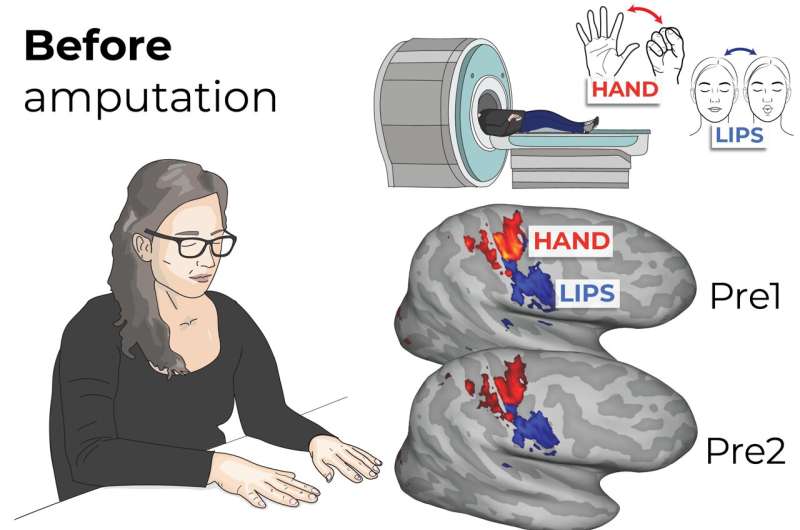
Brain activity maps for the hand (shown in red) and lips (blue) before the amputation (Pre1 and Pre2) and after amputation (three, six and 18 months post-amputation). Credit: Tamar Makin / Hunter Schone
The brain holds a “map” of the body that remains unchanged even after a limb has been amputated, contrary to the prevailing view that it rearranges itself to compensate for the loss, according to new research.
A fading sense of smell can be one of the earliest signs of Alzheimer’s disease even before cognitive impairments manifest.
Scientists have developed a computational framework that maps how the striosomal compartment of the striatum governs everyday decision-making. By integrating biology, decision theory, and mathematical modeling, different levels of striosomal activity can push individuals toward impulsive, balanced, or overly complex decisions.
A recent study has shown that the brain leaves subtle traces of creativity minutes before an “aha!” moment.
New research has raised concerns about the safety of acetaminophen use during pregnancy, linking prenatal exposure to higher risks of autism and ADHD. While the evidence does not prove causation, it highlights biological mechanisms such as oxidative stress and hormone disruption that may affect fetal brain development. Researchers recommend cautious, time-limited use under medical supervision and call for safer treatment alternatives.
A new study has found that people who lived in areas with high levels of leaded gasoline emissions in the 1960s and ’70s are more likely to report memory problems today.
A multi-institution research team reports that gaze patterns can serve as a sensitive marker of cognitive decline, with associated reductions in explorative, adaptive, and differentiated visual sampling of the environment.
New research reveals that different types of music shape the emotional tone of the memories they evoke.
A genetic study has identified more than 400 genes that drive different forms of unhealthy aging, from cognitive decline to metabolic problems. The findings show that frailty is not a single condition but multiple subtypes with distinct biological pathways.
Finally, this week, a new study suggests the brain may be a missing link in certain forms of high blood pressure or hypertension.
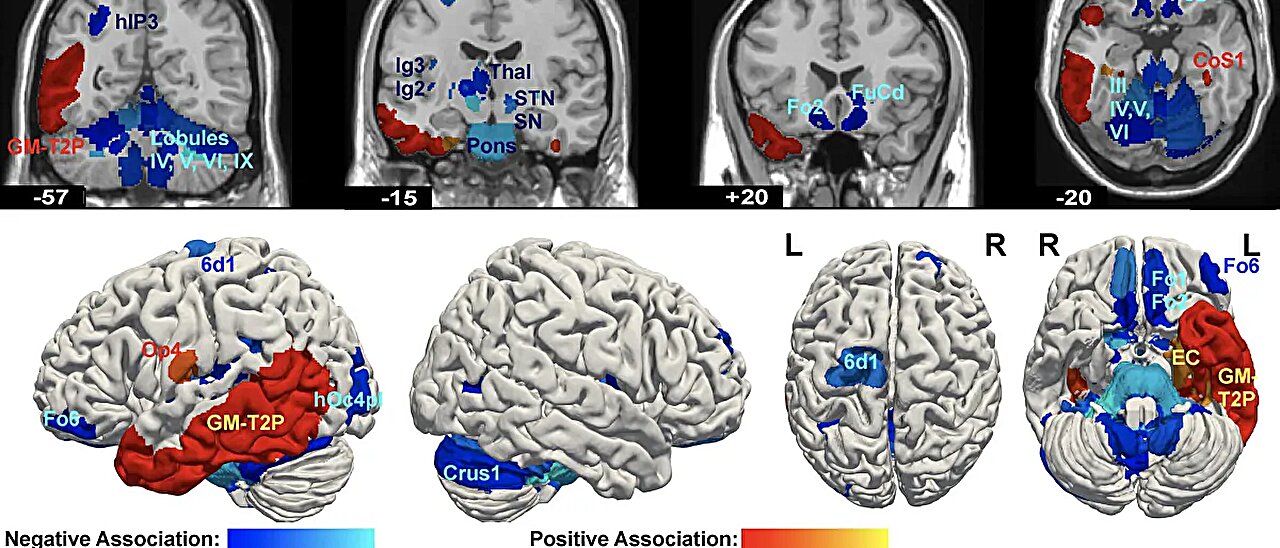
Coloured regions show where brain volume was associated with deviant lifestyle and antisocial behavior in individuals with psychopathic traits. Credit: European Archives of Psychiatry and Clinical Neuroscience (2025).
A recent study has shed light on the brain structure differences associated with psychopathy—a condition known to be one of the strongest predictors of persistent violent behaviour. The findings arepublishedin the journal European Archives of Psychiatry and Clinical Neuroscience.
Researchers are using a new approach to brain imaging that could improve how drugs are prescribed to treat Parkinson’s disease.
An analysis of over 375 trials shows that structured exercise significantly reduces depression and anxiety in children and teens. Low-intensity resistance activities like light weights were most effective for easing anxiety, while moderate mixed-mode programmes worked best for depression, especially when lasting under 12 weeks.
A new technology that uses clinical MRI machines to image metabolic activity in the brain could give researchers and clinicians unique insight into brain function and disease.
Diets rich in phosphate additives, commonly found in processed foods, can increase blood pressure by triggering a brain signaling pathway and overactivating the sympathetic nervous system that regulates cardiovascular function, UT Southwestern researchers discovered. Their findings could lead to treatment strategies for patients with hypertension caused by overconsumption of foods containing high levels of phosphates.
New research proposes a unified theory of brain function based on criticality—a state where the brain teeters between order and chaos, allowing it to learn, adapt, and process information optimally. When the brain strays from this delicate balance, cognitive performance weakens, and neurological disorders such as Alzheimer’s may begin to take hold.
A drug used for Parkinson’s disease has been shown to be effective in reducing the symptoms of difficult to treat depression, according to a study led by the University of Oxford.
A recent study shows that older adults may compensate for age-related cognitive decline by enhancing activity in a specific brain region linked to attention—the locus coeruleus (LC). In a brain imaging study, older participants showed stronger LC responses when interpreting ambiguous facial expressions, compared to younger adults.
Individuals with versus those without tinnitus have significantly lower scores on cognitive function tests, according to a recent study published in Frontiers in Neurology.
New research shows how the brain navigates emotional transitions, using music as a tool to map changing neural patterns. Scientists found that emotional responses in the brain depend heavily on the listener’s prior emotional state.
A clinical trial has revealed that Ambroxol, a common cough medicine in Europe, may help slow cognitive decline in people with Parkinson’s disease dementia.
In a study of 200 former professional rugby players (aged 30–61 years old), researchers from Imperial College London, University College London and the UK Dementia Research Institute found no cases of early-onset dementia.
Finally this week, new research findings show how synaptic connections in the cerebral cortex can strengthen during sleep, offering insight into how the brain continues learning even while we rest.
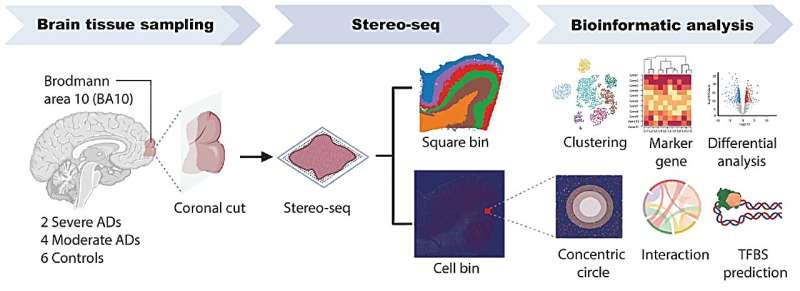
The analysis pipeline of the study, with select figures created using BioRender. Credit: Nature Communications (2025)
Scientists have developed a novel, detailed map at the subcellular level of a brain region frequently impacted by Alzheimer’s disease. This groundbreaking achievement represents a significant advancement in understanding the mechanisms underlying the development of this neurodegenerative condition.
New research shows that AI can identify complex regional pain syndrome (CRPS) with over 90% accuracy by analyzing gut microbiome patterns.
Mindfulness exercises paired with music were found to engage both neural and cardiac systems, potentially reducing symptoms of anxiety and depression. A recent study showed that live and virtual music mindfulness sessions lowered stress and altered states of consciousness, though only live sessions fostered social connection.
Researchers have developed a brain-computer interface (BCI) that enables computer cursor control and clicking, using neural signals from the speech motor cortex. One participant with amyotrophic lateral sclerosis (ALS) used the interface for daily life activities, including independent control of a personal desktop computer and text entry.
New research shows that targeting emotional processing is key to treating and managing chronic pain.
In a first-of-its-kind clinical study, researchers have shown that patients with treatment-resistant PTSD were symptom-free up to six months after completing traditional therapy paired with vagus nerve stimulation (VNS).
Scientists using living human brain tissue have shown for the first time how a toxic form of a protein linked to Alzheimer’s can stick to and damage the connections between brain cells.
People whose biological age is higher than their chronological age may be more likely to develop dementia than people whose biological age matches or is lower than their chronological age, according to a study published online in Neurology. Biological age is based on biomarkers of aging such as lung function, blood pressure and cholesterol.
A recent study reveals that oxygen tension elevation during weeks four to six promotes neurogenesis in brain organoids, regulated by neuroglobin. The research is published in Science Advances.
Obstructive sleep apnea, a condition that causes lower oxygen levels during sleep, is linked to degeneration of brain regions associated with memory through damage to the brain’s small blood vessels, according to a studypublishedin Neurology.
A new theory suggests that psychedelics promote empathy, insight, and psychological flexibility by making the brain’s right hemisphere temporarily dominant over the left.
A revolutionary microscopy method called LICONN enables scientists to reconstruct brain tissue and map synaptic connections using standard light microscopes. By embedding brain tissue in hydrogel, expanding it, and imaging at nanoscale resolution, researchers achieve a detailed view of neuronal architecture previously only possible with electron microscopy.
A new music therapy-based tool called MuSICCA may transform how healthcare teams assess consciousness in children with severe brain injuries.
Research from Emory University has identified a biological connection between inflammation and deficits in motivation in individuals with schizophrenia, offering new hope for treating symptoms that have long been resistant to existing therapies.
A Yale-led study shows that the senses stimulate a region of the brain that controls consciousness—a finding that might inform treatment for disorders related to attention, arousal, and more.
Finally this week, a new study has debunked the common myth that autistic people are less effective communicators than non-autistic individuals. Researchers found no difference in how well information was shared between autistic-only, non-autistic-only, or mixed groups.
Pioneering research has identified the brain mechanisms that enable psychosis to remit. These findings could significantly inform the development of novel intervention strategies for patients with psychosis.
Contrary to fears of “digital dementia,” new research finds that using digital technology is linked to a reduced risk of cognitive decline in older adults. A large-scale meta-analysis of over 400,000 participants revealed that digital engagement correlates with a 58% lower risk of cognitive impairment.
A simple method of brain stimulation has been shown to change how people make decisions. These were the findings of a new study published in the Journal of Cognitive Neuroscience.
A team of researchers has identified the key brain regions that are essential for logical thinking and problem solving. The findings help to increase our understanding of how the human brain supports our ability to comprehend, draw conclusions, and deal with new and novel problems—otherwise known as reasoning skills.
Medial temporal lobectomy is effective in improving seizure outcomes among patients with drug-resistant temporal lobe epilepsy, according to a recent study.
New research links fatty, sugary diets to impaired brain function. The findings build on a growing body of evidence showing the negative impact of high-fat, high-sugar (HFHS) diets on cognitive ability, adding to their well-known physical effects.
A recent study reveals that the basolateral amygdala plays a key role in calibrating prosocial behavior based on emotional closeness.
New research reveals that gut imbalances in children with autism may influence brain activity and behaviour by disrupting the production of key neurotransmitters like serotonin. Scientists found that changes in gut-derived metabolites are linked to differences in brain structure and function in children with autism.
Chronic pain is closely intertwined with depression. Individuals living with pain’s persistent symptoms may be up to four times more likely to experience depression according to a new study.
Our brains can adapt to filter out repeated distractions, according to a new EEG study. Participants learned to ignore frequent visual distractions, such as a red shape in the same location, while searching for a target.
Repetitive transcranial magnetic stimulation is showing promise in Alzheimer’s treatment.
A new international study reveals a possible connection between GLP1 receptor agonists—used in drugs like Ozempic—and increased risk of depression and suicidal ideation, especially in people with low dopamine function.
Researchers have found a potential link between the trauma of climate-related events, exemplified by devastating wildfires, and persistent effects on cognitive function.
Researchers have developed a personalized blood test that may offer a faster, less invasive way to track high-grade glioma progression. By identifying unique DNA junctions from each patient’s tumour, the test can detect tumor DNA in the bloodstream, even before changes appear on MRI scans.
A new study demonstrates for the first time that listening to favorite music activates the brain’s opioid receptors.
Promising a more personalized approach to treating major depressive disorder (MDD), a new study reveals that brain connectivity patterns, especially in the dorsal anterior cingulate cortex, can significantly predict patient response to antidepressant medications. This finding was validated in two large, independent clinical trials using brain imaging and clinical information.
Contrary to potential assumptions, recent research demonstrates that the spatial working memory of older people with autistic traits and neurotypical individuals shows no difference in change over time.
A major international study has provided the most comprehensive evidence to date on treatments for neuropathic pain —defined as pain caused by disease of the nervous system, affecting up to 10% of the population worldwide.
Finally, this week,exercise appears to be vital for maintaining sharp minds, even when a key brain energy source is lacking, according to a new study.
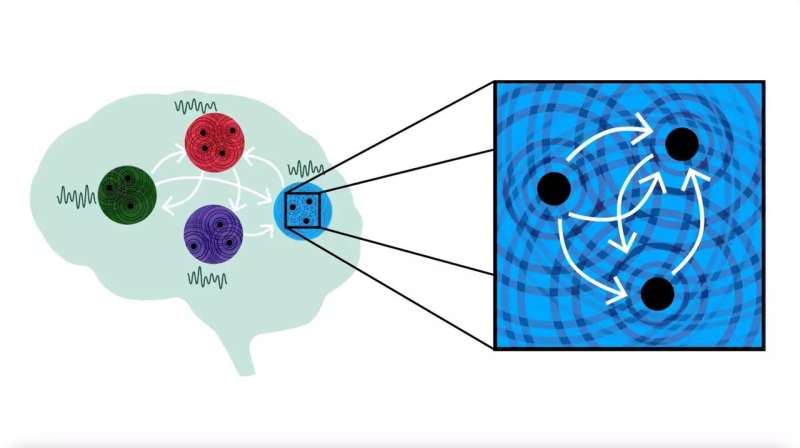
Schematic representation of the “Harmonic Oscillator Recurrent Network Model” (HORN). Credit: ESI
Researchers have made a new discovery in understanding fundamental brain processes. For the first time, the team has provided compelling evidence that the brain’s characteristic rhythmic patterns play a crucial role in information processing. While these oscillatory dynamics have long been observed in the brain, their purpose has remained mostly elusive until now.
Music has the best chance of providing pain relief when it is played at our natural rhythm, a McGill University research team has discovered.
Tiny plastic particles may accumulate at higher levels in the human brain than in the kidney and liver, with greater concentrations detected in postmortem samples from 2024 than in those from 2016, suggests a paper published in Nature Medicine. Although the potential implications for human health remain unclear, these findings may highlight a consequence of rising global concentrations of environmental plastics.
A team of scientists from the Center for Neuroscience Imaging Research (CNIR) at the Institute for Basic Science (IBS) has unveiled how the hippocampus orchestrates multiple memory processes, including encoding new information, forming memories, and retrieving them. The study ispublished in Nature Communications.
A recent study suggests that frequent treatment with intranasal oxytocin a hormone linked to empathy, may help address a key symptom in patients with frontotemporal dementia.
Could the key to easing anxiety be hidden in our gut? Scientists have discovered a crucial connection between gut microbes and anxiety-related behaviour.
People’s ability to interpret emotions or focus on performing a task is reduced by short-term exposure to particulate matter air pollution, potentially making everyday activities more challenging, according to a new study.
New research has revealed clear evidence that changes in the orchestration of brain oxygenation dynamics and neuronal function in Alzheimer’s disease contribute to the neurodegeneration.
Researchers are paving the way for the design of bionic limbs that feel natural to users. They demonstrate the connection between hand movement patterns and motoneuron control patterns. The study, published in Science Robotics, also reports the application of these findings to a soft prosthetic hand, which was successfully tested by individuals with physical impairments.
Occupational exposure to noise and/or vibrations is associated with the presence of vertigo, according to a study recently published in the Journal of Clinical Medicine.
A team of researchers recently carried out a study aimed at exploring the differences among patients with OCD. Their findings, publishedin Translational Psychiatry, allowed them to identify two broad OCD subtypes, which are associated with different patterns in gray matter volumes and disease epicenters.
A Canadian research team has revealed important new insights into the activation dynamics of neural stem cells (NSCs). These are the stem cells that build our central nervous systems and self-renew.
New research reveals that brain cells use a muscle-like signaling mechanism to relay information over long distances. Scientists discovered that dendrites, the branch-like extensions of neurons, contain a structured network of contact sites that amplify calcium signals—similar to how muscles contract. These contact sites regulate calcium release, activating key proteins involved in learning and memory.
Finally this week, a large study has found that heavy cannabis use, both recent and lifetime, is linked to reduced brain activity during working memory tasks in over 1,000 young adults.
A new way of mapping activity and connections between different regions of the brain has revealed fresh insights into how higher-order functions like language, thought and attention, are organized.
Researchers at the University of Copenhagen have demonstrated that the brain’s ability to learn certain skills can be significantly enhanced if both the brain and nervous system are primed by carefully-calibrated, precisely-timed electrical and magnetic stimulations. This new research has the potential to open entirely new perspectives in rehabilitation and possibly elite sports.
A study of patients with epilepsy shows how making new neurons benefits cognition.
New AI software can read the brain scans of patients who have had a stroke to more accurately pinpoint when it happened and help doctors work out whether it can be successfully treated. It is hoped that the new technology will ultimately enable faster and more accurate emergency treatment of patients in a hospital setting.
Researchers have discovered the structural details of a brain receptor called GPR6, which could lead to new treatments for Parkinson’s disease.
Living in disadvantaged neighbourhoods is associated with higher blood pressure and lower cognitive performance, even in individuals without mild cognitive impairment. Researchers analyzed over 500 adults, finding that poor social and economic resources in neighborhoods exacerbate cardiometabolic health issues and reduce brain function.
Scientists have developed a new approach to learning through noninvasive manipulation of brain activity patterns.
A new study is helping solve the mystery as to why the brain shrinks in a unique pattern, known as atrophy, in chronic traumatic encephalopathy (CTE). Published in Acta Neuropathologica, this research provides novel evidence that cumulative repetitive head impacts are driving the specific patterns of brain degeneration found at the base of the folds of the surface of the brain, known as the cortical sulcus.
A global research collaboration has revealed a hidden cause of a rare intellectual disorder associated with severe language delay, epileptic seizures, motor impairment and brain abnormalities.
A multi-sensory digital treatment protocol, incorporating sensory integration, sensory substitution, and sensory masking (e.g., blindfolding), significantly improved participants’ performance on spatial memory tasks. Resting-state fMRI analysis showed that these improvements were associated with enhanced connectivity between memory-related brain regions, executive frontal areas, and the default mode network (DMN).
People with high blood pressure who also lack sleep may be at increased risk of reduced cognitive performance and greater brain injury, new research has found.
Researchers have uncovered a groundbreaking mechanism called Electro-Calcium (E-Ca) coupling that integrates electrical and calcium signaling in brain capillaries. This process ensures precise blood flow delivery to active neurons, crucial for brain health and cognitive function.
Researchers at the University of Helsinki have made a breakthrough in understanding what neural mechanisms allow the extreme sensitivity of human vision in darkness.
New research reveals that music can do more than trigger memories—it can alter their emotional tone. When participants recalled neutral stories while listening to emotionally charged music, they later remembered the stories as matching the music’s mood. These findings hint at music’s potential for therapeutic interventions, like reframing negative memories in depression or PTSD.
Finally this week a recent study has found that high blood sugar may impair brain health even in people without diabetes.
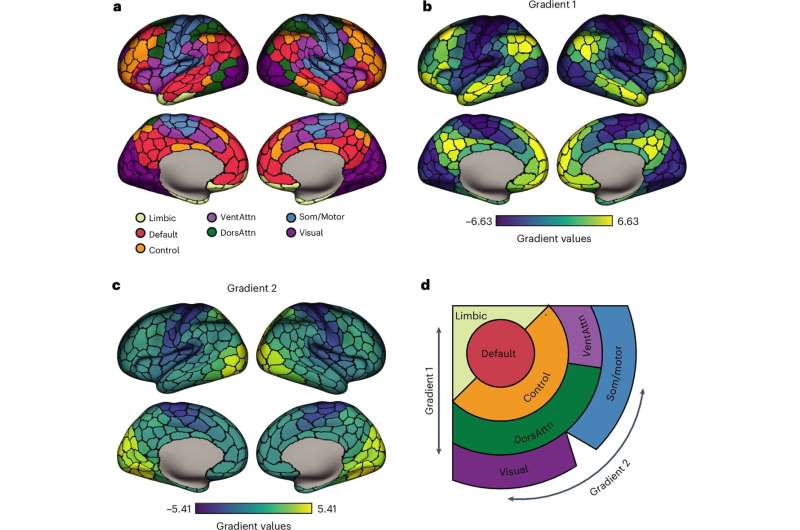
Large-scale functional networks are embedded along two principal gradients. Credit: Nature Neuroscience (2024).
Scientists have uncovered how different types of brain cells work together to form large-scale functional networks in the human brain—interconnected systems that support everything from sensory processing to complex decision-making—paving the way for new insights into brain health and disease.
A new neuroimaging marker of cerebral small vessel disease is related to general cognition and may serve to identify persons at risk of dementia in future clinical trials, a landmark study has found.
A recent study reveals that the genetic mutation causing Huntington’s disease (HD) enhances brain development and intelligence in early life, but leads to degeneration in adulthood. Children with the HD gene exhibit larger brains and higher IQs than those without the mutation.
In what could one day become a new treatment for epilepsy, researchers have used pulses of light to prevent seizure-like activity in neurons.
A team of researchers has found that certain factors are linked to faster brain shrinkage and quicker progression from normal thinking abilities to mild cognitive impairment (MCI). People with type 2 diabetes and low levels of specific proteins in their cerebrospinal fluid showed more rapid brain changes and developed MCI sooner than others.
Neuroscientists have identified the binding site of low-dose ketamine, providing critical insight into how the medication, often described as a wonder drug, alleviates symptoms of major depression in as little as a few hours with effects lasting for several days.
New research indicates that cannabis use causes cellular damage that increases the risk of highly cancerous tumors by disrupting mitochondria and damaging DNA.
Fampridine, used for improving walking in multiple sclerosis, may also enhance working memory in individuals with schizophrenia or depression. A study found that the drug significantly improved working memory in participants with initially poor performance, but had no effect on those with strong baseline memory.
A recent study links satellite and brain imaging data to identify how environmental factors can impact mental health, cognition and brain development in young people.
A new Alzheimer’s test collects just a few drops of blood from a finger prick, which can be mailed to a lab for analysis. The test measures biomarkers like pTau217 and has shown similar accuracy to traditional venous blood sampling.
Researchers have shed light on the puzzling relationship between dopamine and rest tremor in Parkinson’s disease, finding that preserved dopamine in certain brain regions may actually contribute to tremor symptoms, challenging common beliefs.
New research has revealed the diverse assembly and regulation of Type-A GABA receptors (GABAARs), which are crucial for balancing brain activity.
A recent study has found fascinating similarities in how the human brain and artificial intelligence models process language. The research, published in Nature Communications, suggests that the brain, like AI systems such as GPT-2, may use a continuous, context-sensitive embedding space to derive meaning from language, a breakthrough that could reshape our understanding of neural language processing.
A team of researchers has investigated the composition and communication of cells in so-called subcortical lesions, tissue damage to deep brain structures at different stages of multiple sclerosis.
Care for stroke survivors urgently needs to focus on non-motor skill outcomes such as fatigue, anxiety and reduced social participation to improve survivors’ quality of life and minimize care needs, according to a new study.
An international research collaboration has discovered how unusual spherical structures form in the brains of people with a mutation that causes a form of inherited Alzheimer’s disease.
A new study identifies previously hidden brain network patterns in schizophrenia by focusing on nonlinear connectivity, offering potential biomarkers for early diagnosis. Traditional imaging methods often overlook these patterns, but researchers developed advanced statistical tools to uncover this new dimension of brain organization.
Finally this week, research published in the Journal of the American Geriatrics Society has identified several community-level factors that may increase people’s risk of experiencing cognitive impairment.
The team that first recorded vagus nerve signals in humans has now isolated the electrical activity of individual neurons responsible for cardiovascular regulation. Published in the Journal of Physiology, the Monash University-led discovery paves the way for more research into how and why cardiovascular disease develops.
New research reveals that dopamine is not directly responsible for the formation of placebo analgesia, contrary to previous beliefs.
Scientists have developed a new brain-mapping tool called START, which combines transcriptomics and viral tracing to map the connections between specific neuronal subtypes with unprecedented detail. This technology allows researchers to identify distinct patterns of connectivity in inhibitory neurons within the cerebral cortex, providing a blueprint of the brain’s circuits.
A new study has demonstrated that emotion enhances memory for contextual details, challenging the view that emotion impairs the ability to remember such information.
Researchers compared the diagnostic accuracy of GPT-4 based ChatGPT and radiologists using 150 brain tumor MRI reports. ChatGPT achieved 73% accuracy, slightly outperforming neuroradiologists (72%) and general radiologists (68%).
Deep brain stimulation may provide immediate improvement in arm and hand strength and function weakened by traumatic brain injury or stroke.
People with Parkinson’s disease (PD) who experience visual hallucinations have reduced brain responses to unexpected visual changes, a marker known as visual mismatch negativity (vMMN). Using EEG, researchers compared brain activity in PD patients with and without hallucinations and discovered that those with hallucinations showed weaker vMMN signals
Lower attention ability in adolescence can predict cigarette and cannabis use in young adulthood, according to new research from Trinity College Dublin.
New research has found that frequent consumption of fizzy drinks and fruit juice significantly increases the risk of stroke. The study, which analyzed data from nearly 27,000 participants across 27 countries, showed a 22% increased risk of stroke from drinking fizzy drinks, with the risk rising further with multiple servings per day. Additionally, drinking more than four cups of coffee daily raised stroke risk by 37%, while tea consumption was associated with a reduced stroke risk.
New research shows that even pollution levels that are below government air-quality standards are associated with differences in children’s brains.
University of Queensland researchers have made a significant step towards enabling women with epilepsy safer access to a common and highly effective anti-seizure medication.
A new study shows that brain synchronization between a neurotypical person and someone with autism is weaker compared to two neurotypical individuals interacting. Using EEG hyperscanning, researchers observed reduced inter-brain synchrony during hand movement imitation between mixed pairs, with autistic individuals more likely to follow than lead.
Certain immune cells play an important role in the early stages of multiple sclerosis, a twin study shows.
New evidence from the Centre for Healthy Brain Ageing indicates that older adults who experience a stroke for the first time will have substantial immediate and accelerated long term-cognitive decline. The new research, published in JAMA Network Open, looked at finding out exactly how a stroke impacts a person’s cognitive abilities.
Scientists are examining the brains of individuals with asymptomatic Alzheimer’s disease who, despite having amyloid plaque and tau buildup—the primary indicators of Alzheimer’s—did not show diagnosable dementia symptoms while alive. They’ve identified crucial mechanisms that may safeguard against cognitive decline in Alzheimer’s disease.
Finally this week, In a first-of-its-kind study, University of South Florida researchers are finding that music can help boost cognition in patients undergoing chemotherapy.
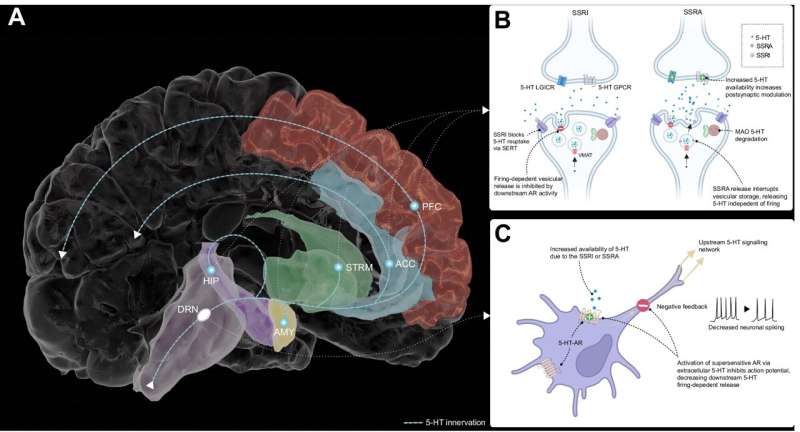
Selective serotonin releasing agent is not negated by 5-HT1A supersensitivity, resulting in a rapid onset of pro-serotonergic activity. Credit: Nature Communications (2024).
Increasing serotonin can change how people learn from negative information, as well as improving how they respond to it, according to a new study published in the journal Nature Communications.
A recent review outlines the genetic complexity of schizophrenia, highlighting nearly 300 common genetic variants and over 20 rare variants linked to the disorder. Researchers emphasize that schizophrenia’s genetic basis is multifaceted, involving multiple genes rather than a single cause. Environmental factors like lifestyle and stress also play crucial roles.
Researchers have conducted a study examining the impact of alcohol on the electrical conductivity of the brain, highlighting its sedative effects.
New research indicates that 20% of children with an older sibling diagnosed with autism are also likely to be diagnosed with autism spectrum disorder (ASD), with this rate increasing to 36% when there are multiple siblings with ASD.
An international team of researchers has investigated the neural mechanisms underlying imitative behavior: a phenomenon that facilitates interaction and social cohesion and allows people to engage spontaneously with others. The study—published in Proceedings of the National Academy of Sciences (PNAS)—has uncovered new insights into how the brain regulates this behavior, opening up new perspectives for clinical and therapeutic applications.
Advanced MRI scans, particularly diffusion tensor imaging (DTI), have shown promise in predicting which concussion patients are at risk for long-term symptoms.
A significant breakthrough in the understanding of sleep mechanism opens new promise for treating sleep disorders and associated neuropsychiatric conditions: Scientists have pinpointed the melatonin receptor MT1 as a crucial regulator of REM (Rapid Eye Movement) sleep.
Innovative new research has revealed that the activity of different versions of genes expressed in the brain is associated with the accumulation of the protein tau, which is a hallmark of Alzheimer’s disease.
Finally this week, western classical music can significantly affect brain activity, particularly in people with treatment-resistant depression. By measuring brainwaves and neural imaging, scientists discovered that music synchronizes neural oscillations between brain regions associated with sensory and emotional processing, enhancing mood.
Temporally removed goals activated the left anterior hippocampus and current goals activated the left posterior hippocampus. a Activation maps for the contrasts comparing the remote (distant future + near future + distant past + near past) > current are overlaid in yellow. b Activation maps for the contrasts comparing the current > remote are overlaid in green. c Activation for the temporally removed goals (yellow) and the current goals (green) shown concurrently on the brain. d The same goal, for instance fixing the space helmet, was anatomically dissociated along the longitudinal axis based on whether it was currently relevant, or relevant at a point removed in time. The left hippocampal region of interest (ROI) is displayed in white. Credit: Nature Communications (2024).
How does our brain distinguish between urgent and less urgent goals? Researchers have explored how our brain remembers and adjusts the goals we set for ourselves on a daily basis.
Ever heard just a snippet of a song and instantly known what comes next? Or picked up the rhythm of a chorus after just a few notes? New researchhas uncovered what happens in our brain when we recognize and predict musical sequences.
A new study provides the first anatomical, functional representation of the ocular surface in the central nervous system.
In a small study, researchers have discovered how a set of genes could cause neurons to die in sporadic amyotrophic lateral sclerosis (ALS). The results, published inNature Aging, provide insight into the root causes of ALS and may lead to new ways to halt disease progression.
New research shows that the brains of sighted and blind people adapt in a similar way when they learn to use sound echoes to understand the world without vision.
People with type 2 diabetes who are treated with GLP-1 agonists, like Ozempic have a decreased risk of developing dementia, according to a new study from Karolinska Institutet published in the journal eClinicalMedicine.
A class of drugs already on the market to lower blood pressure appears to reduce adults’ risk of developing epilepsy, a team of researchers has discovered.
In a recent study, a Yale-led research team described for the first time a rare neurodevelopmental syndrome that begins affecting patients during infancy and typically causes developmental delays, severe seizures, cardiac dysrhythmia, and recurring infection.
Not all patients with depression respond to medication. Two recently published studies provide additional information on how an alternative treatment, transcranial magnetic stimulation (TMS), could be further enhanced. TMS differs from electroconvulsive therapy (ECT), which is also used to treat depression.
New research provides insights into the brain regions involved in paranoia.
A new study reveals variations of the visual saltation illusion, where rapid light flashes in peripheral vision create perceptual errors. The study shows that our brains misplace the second flash near the midpoint, regardless of its actual position. This finding challenges our understanding of visual processing and questions the reliability of eyewitness testimony. The research opens doors for further studies on visual perception and attention.
Researchers worldwide can now create highly realistic brain cortical organoids—essentially miniature artificial brains with functioning neural networks—thanks to a newly released proprietary protocol.
A new study reveals that a balanced ratio of neural excitation (E) and inhibition (I) is crucial for brain development and cognitive performance. Researchers found that lower E/I ratios in children correlate with better memory and intelligence. This balance is vital for preventing brain disorders and was measured using a novel AI and MRI technique. The findings could inform personalized treatments for mental health conditions.
Tau positron emission tomography (PET) has the best performance as a standalone marker for prediction of progression of mild cognitive impairment (MCI) to dementia, according to a study published online in JAMA Neurology.
Murdoch University’s Center for Healthy Aging is identifying new interventions to treat resting tremor in people with Parkinson’s disease.
New research reveals that sildenafil (Viagra) enhances brain blood flow and improves blood vessel function in patients at risk of vascular dementia. This study marks a significant advancement in addressing this condition.
Finally, this week, do our brains process natural voices and deepfake voices differently? Research conducted at the University of Zurich indicates that this is the case.




 inside-the-brain.com