Weekly Neuroscience Update

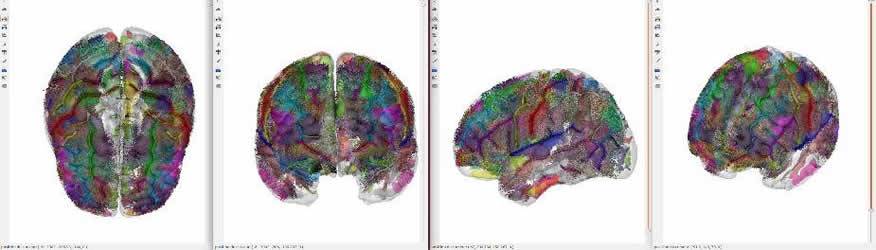
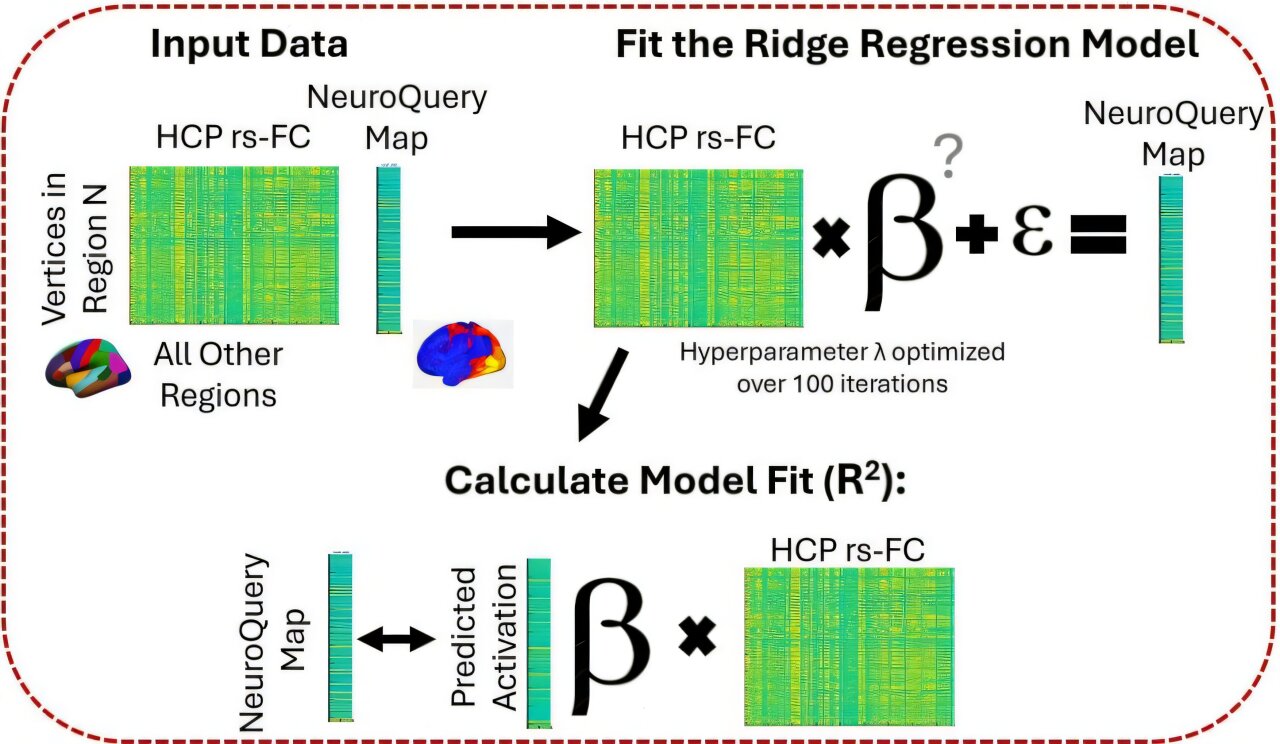
Diagram outlining the model procedures for one domain and one region. This process was repeated for all 33 domains and 82 regions. Credit: Network Neuroscience (2025).

A new study provides the best evidence to date that the connection patterns between various parts of the human brain can tell scientists the specialized functions of each region.

Researchers have discovered that problems with the brain’s waste-clearing system—the glymphatic system—may significantly raise the risk of developing dementia. In one of the most extensive studies to date, MRI data from 40,000 adults revealed that impaired cerebrospinal fluid (CSF) flow predicts dementia risk years before symptoms appear.

Statins might help protect the brain function of breast and lymphoma cancer patients for up to 2 years after their cancer treatment, according to a report in JAMA Network Open.

A study published in the journal Music and Medicine demonstrates that intraoperative music therapy significantly reduces the amount of propofol and fentanyl required during laparoscopic cholecystectomy performed under general anaesthesia. Patients exposed to therapeutic music also experienced smoother awakenings and lower physiological stress, as measured by decreased perioperative cortisol levels.

Scientists have used next-generation imaging technology to discover that when the brain is falling asleep, it shows a coordinated shift in activity.

A research team has conducted one of the most comprehensive studies on dopamine and decision-making in humans so far, providing evidence for effects of the former on the latter. Dopamine is a neurotransmitter involved in several functions, including motivation and reward.

Newly decoded brain circuits make memories more stable as part of learning, according to a new study.

Brain scans from American football players reveal subtle differences in the brain’s outer grooves when compared to scans from otherwise healthy men who never played contact or collision sports, a new study shows. Its authors say the findings could potentially predict which people are more at risk of chronic traumatic encephalopathy.

Researchers have uncovered an unexpected molecular partnership that reshapes understanding of how brain inflammation arises in Alzheimer’s disease.

Even when blood pressure is well controlled, older adults whose blood pressure fluctuates widely from one heartbeat to the next may be at greater risk for brain shrinkage and nerve cell injury, according to a recent study.

Finally, this week, new research suggests that a child’s gut microbiome at age 2 may influence their emotional health years later.
Weekly Neuroscience Update

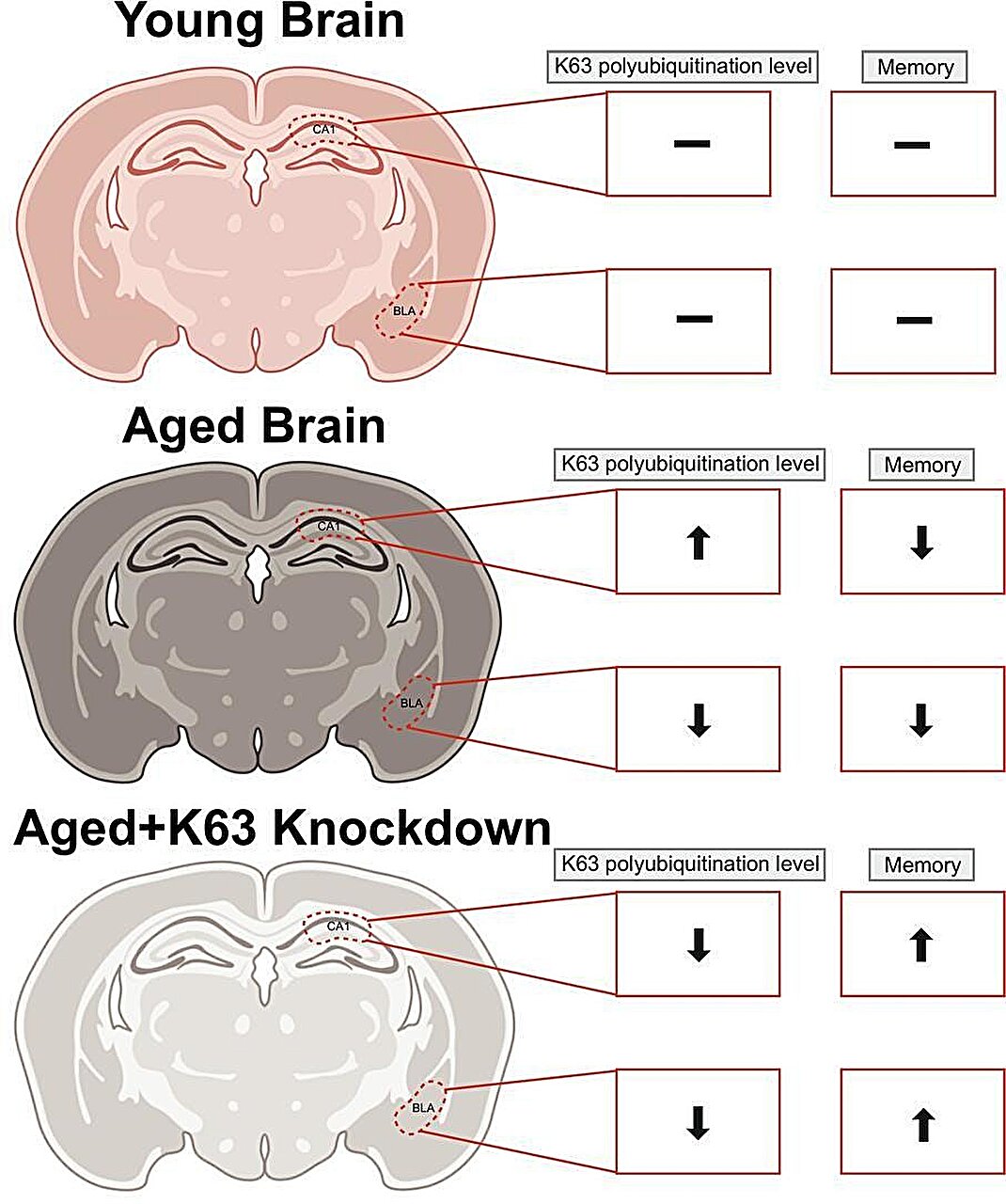
Credit: Neuroscience (2025). DOI: 10.1016/j.neuroscience.2025.06.032

Memory loss may not simply be a symptom of getting older. New research shows that it’s tied to specific molecular changes in the brain and that adjusting those processes can improve memory.

An international consortium of researchers has created the largest-ever database compiling records of brain activity during sleep and dream reports. One of the first analyses of the database confirmed that dreams do not occur only during REM sleep, but also during deeper and calmer NREM stages. In these cases, brain activity resembles wakefulness more than deep sleep, as if the brain were “partially awake.”

A smartphone app for muscle relaxation significantly reduced migraine-related disability in patients visiting the emergency department.

A new study reveals that sleep-like slow-wave brain activity can persist for years in surgically disconnected brain hemispheres of awake epilepsy patients. Using EEG recordings, researchers found that the isolated cortex exhibits patterns similar to deep sleep, anesthesia, or vegetative states—suggesting absent or reduced awareness.

People 60 and older who are excessively sleepy during the day may have more problems with memory and thinking after surgery, suggests a study presented at the ANESTHESIOLOGY 2025 annual meeting.

Doctors and researchers at the University of Pittsburgh and UPMC have developed a new treatment for epilepsy patients who don’t respond to medication and aren’t candidates for surgery. Their approach, published in Nature Communications, uses deep brain stimulation (DBS) that is tailored to each patient’s unique brain wiring. 

A new computational tool has uncovered genetic evidence directly linking Alzheimer’s disease to the loss of memory-making neurons, helping to resolve a decades-long mystery in dementia research.

While studies have linked brain areas to remembering personal experiences, brain areas involved in learning more impersonal information about the world remain unclear. In a new JNeurosci paper, researchers used fMRI on 29 human volunteers as they performed a learning task to shed light on how the brain acquires semantic, impersonal information.

Researchers have traced the earliest stages of multiple sclerosis (MS), showing that the immune system begins attacking the brain up to seven years before diagnosis.

New research has provided the strongest evidence yet that auditory verbal hallucinations—or hearing voices—in schizophrenia may stem from a disruption in the brain’s ability to recognise its own inner voice.

Adults with gum disease may be more likely to have signs of damage to the brain’s white matter than people without gum disease, according to a study published in Neurology Open Access.

A team of researchers has developed and tested a new virtual reality (VR) training task designed to help stroke survivors living with visuospatial neglect (VSN), a disabling condition that affects attention and awareness of one side of space. The exploratory case study is among the first to integrate audiovisual cues within a physiotherapy-based VR task to support rehabilitation.

Finally, this week, listening to music when you are over 70 years of age has been linked to a 39% reduction in the risk of dementia, according to a new study of over 10,800 older people.

Weekly Neuroscience Update

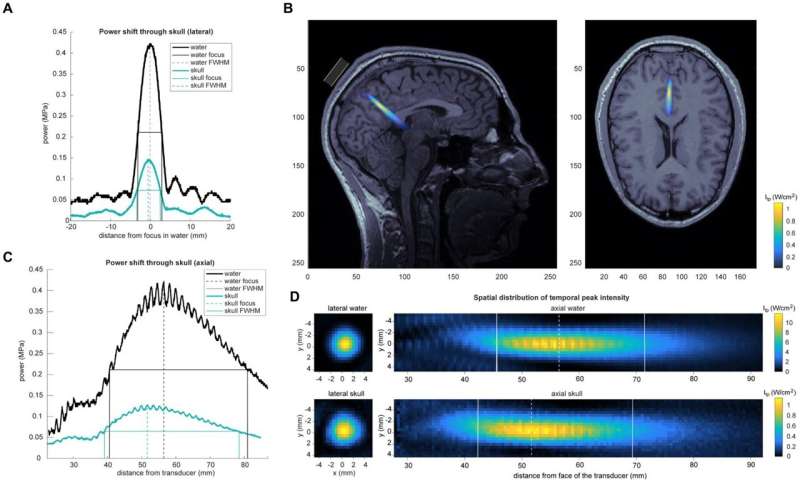
Credit: Frontiers in Human Neuroscience (2024). 

In a new study published in Frontiers in Human Neuroscience, researchers used low-intensity ultrasound technology to noninvasively alter a brain region associated with activities such as daydreaming, recalling memories and envisioning the future. They found that the technique can ultimately enhance mindfulness, marking a major advancement in the field of neuroscience.

New research finds that semaglutide, known as Ozempic/Wegovy, does not negatively impact brain health and may reduce cognitive problems and nicotine dependence.

Exposure to parental smoking (ParS) is associated with an increased risk for multiple sclerosis (MS) in later life in certain populations, according to a study presented at EAN 2024, the 10th Congress of the European Academy of Neurology, held from June 29 to July 2 in Helsinki.

Researchers have identified a new mutation in the ARPP21 gene linked to ALS. This discovery could improve ALS diagnosis and open avenues for personalized therapies. 

A new approach to improving uncertainty estimates in machine-learning models enhances prediction accuracy. The method uses the minimum description length principle to provide more reliable confidence measures for AI decisions, which is crucial in high-stakes settings like healthcare.

A recent study suggests that consciousness evolved not for individual survival, but for social purposes, helping humans communicate ideas and emotions. 

Researchers have discovered a neural activity pattern that can accurately predict and monitor the clinical status of OCD patients undergoing deep brain stimulation (DBS). This study highlights how this biomarker can guide DBS therapy, improving treatment outcomes for those with severe, treatment-resistant OCD.

New research could transform how we understand the way opioids affect the brain. 

A new study has found how the protein CGRP affects the brain’s lymphatic system, contributing to migraine pain. Their study reveals that CGRP prevents cerebrospinal fluid from draining, influencing migraine attacks.

Researchers have developed a neural network that mimics human decision-making by incorporating elements of uncertainty and evidence accumulation. 

Research published in Science Advances shows neurobiological underpinnings of sex and gender in children to better understand how sex (assigned at birth) and gender (identity and expression) influence the brain, and ultimately a person’s health.

A new study shows that by age three, children can understand others’ intentions using active mirror neurons.

For the first time, scientists have found that sleep can be detected by patterns of neuronal activity just milliseconds long, 1,000 times shorter than a second, revealing a new way to study and understand the basic brain wave patterns that govern consciousness. They also show that small regions of the brain can momentarily “flicker” awake while the rest of the brain remains asleep, and vice versa from wake to sleep.

A neuroimaging study of young people who exhibit a persistent pattern of disruptive, aggressive, and antisocial behavior, known as conduct disorder, has revealed extensive changes in brain structure.

Retired rugby players who have suffered multiple concussions have higher levels of certain proteins in their blood, which may make them more prone to developing diseases such as motor neuron disease (MND), according to a new study.

Researchers have used machine learning to define three subtypes of Parkinson’s disease based on the pace at which the disease progresses.

A new study reveals that psilocybin, the active compound in magic mushrooms, temporarily disrupts brain networks involved in introspective thinking, like daydreaming and memory. These changes persist for weeks, potentially making the brain more flexible and improving mental health. The findings could pave the way for psilocybin-based therapies for depression and PTSD. The research underscores the importance of using these drugs under medical supervision.

Scientists have established new criteria for a memory-loss syndrome in older adults that specifically impacts the brain’s limbic system.

A recent study links sleep preferences to brain performance, finding that “night owls” often score higher on cognitive tests than “morning larks.” Researchers analyzed data from over 26,000 people, highlighting that sleeping 7-9 hours a night optimizes brain function.

Finally this week, new research has demonstrated that activation of the brain’s reward system could boost recovery from a heart attack. 

Weekly Neuroscience Update

 Credit: Radiological Society of North America

Low-level light therapy appears to affect healing in the brains of people who suffered significant brain injuries, according to a study published in Radiology.

An international team of clinicians and neuroscientists has published a new perspective on the process of neurodegeneration. Their findings review evidence for a mechanism upstream of amyloid including the key neurochemical driving this process.

A new study reveals the brain mechanisms behind speech impairment in Parkinson’s disease.

Researchers designed and implanted a transparent window in the skull of a patient, then used functional ultrasound imaging to collect high-resolution brain imaging data through the window. Their preliminary findings, published in Science Translational Medicine, suggest that this sensitive, non-invasive approach could open new avenues for patient monitoring and clinical research, as well as broader studies of how the brain functions.

New research finds that reports of cognitive decline from patients and their partners are linked to the accumulation of tau tangles, a hallmark of Alzheimer’s disease.

A new study finds a link between a diet high in ultra-processed foods and an increased risk of cognitive impairment and stroke. This association was particularly pronounced among Black participants. While more research is needed, the findings highlight the potential impact of food processing on brain health.

New research has found a distinct relationship between sleep duration, social media usage, and brain activation across brain regions that are key for executive control and reward processing.

For patients with chronic migraine, nerve decompression surgery effectively reduces the number of headache days—the outcome measure preferred by neurologists—along with other measures including the frequency and intensity of migraine attacks, reports a study in the June issue of Plastic and Reconstructive Surgery.

A new study uncovers a key biological process targeted by SSRIs, suggesting new clinical applications.

Researchers have reported that patients with Parkinson’s disease exhibiting sympathetic denervation in the major salivary glands and the heart tend to have more advanced non-motor symptoms as they age, suggesting that age plays an important role in disease progression.

An international study, published in Nature Communications, may facilitate the creation of new personalized treatments for people diagnosed with schizophrenia. 

A World Health Organization-commissioned systematic review finds that radio wave exposure from mobile phones does not affect learning, memory, attention span and other cognitive functions like coordination.

Researchers have leveraged the power of artificial intelligence analytical models to match a patient’s medical history to the most effective antidepressant, allowing patients to find symptom relief sooner.

A new study finds a strong association between teen cannabis use and a significantly increased risk of developing psychotic disorders. This risk appears to be age-dependent, with adolescents being particularly vulnerable to the effects of cannabis on their developing brains. While further research is needed, these findings raise concerns about early cannabis use and highlight the importance of prevention strategies.

Does sleep clear more toxins from the brain than when we’re awake? The latest research casts doubt on the theory.

A new study finds that urolithin A, a substance found in pomegranates, can improve memory and may help treat Alzheimer’s disease. This natural compound works by removing damaged mitochondria from the brain, similar to the effects of NAD supplements. While dosage is still being determined, this discovery offers promising potential for treating and preventing neurodegenerative diseases.

Finally this week, our willingness to help others is governed by a specific brain region pinpointed by researchers in a study of patients with brain damage to that region.

Anatomy Of A Migraine Attack #BrainAwarenessWeek

brain-1845962_640.jpg

Scientists have learned a lot in recent years about what happens in the brain to explain the throbbing pain, nausea, heightened sensitivity to light or sound felt during a migraine headache and the mysterious ‘aura’ that both doctors and scientists use to describe the telltale period, starting up to an hour before a migraine attack, when a person sees dots, wavy lines, flashing lights, blind spots or difficulty with speech, sensation, or movement.

What triggers a migraine attack? 

Although researchers don’t understand exactly what triggers migraine attacks, they do know that certain foods, lack of sleep, changes in weather, and even stress can trigger a migraine attack in 1 in 200 people.

The anatomy of a migraine attack

Neuroscientists now see migraine as firstly a disturbance in nerve function rather than a disorder of the brain’s blood vessels. It is believed that in most patients, a wave of electrical activity passing through a major nerve that collects and transmits signals to the face – the trigeminal nerve – and stimulates the release of chemicals such as CGRP and other substances that cause inflammation, makes the nerves more sensitive to pain, and causes blood vessels near the brain to expand (dilate). This nerve irritation often progresses as an electrical wave from the skin to nerves located centrally in the brain.

The key to treatment is to act quickly to stop the irritation spreading.  In fact, anti-migraine drugs can offer relief only in the earlier stages of the attack, but not later, when the pain neurons in the brain have become sensitized. For this reason, patients are advised to take medication within 20 minutes of an attack and while migraine pain is still mild.

The wave that turns into a flood

A migraine attack is triggered when a wave of electrical activity that starts in the trigeminal nerve on the side of the face enters the brain and ripples across the surface of the brain. In fact, researchers have been able to demonstrate a possible link between this wave and the experience of ‘aura’ particularly as it spreads across the visual part of the brain. Several drugs used to prevent migraine attacks work by preventing this wave from spreading.


Notes

Migraine is a complex neurological condition that is classified by the World Health Organisation as the 7th most disabling disease worldwide, the 4th for women.

Migraine is the most common neurological condition in the world, affecting about 12 – 15% of people. It is three times more common in women than it is in men and is usually inherited. It is a very individual condition. Some people experience only one or two attacks per year while others suffer on a weekly basis. An attack can last from 4 to 72 hours.

For more information and support visit https://migraine.ie

Weekly Neuroscience Update

protein-synapse-imaging-neurosciencenews

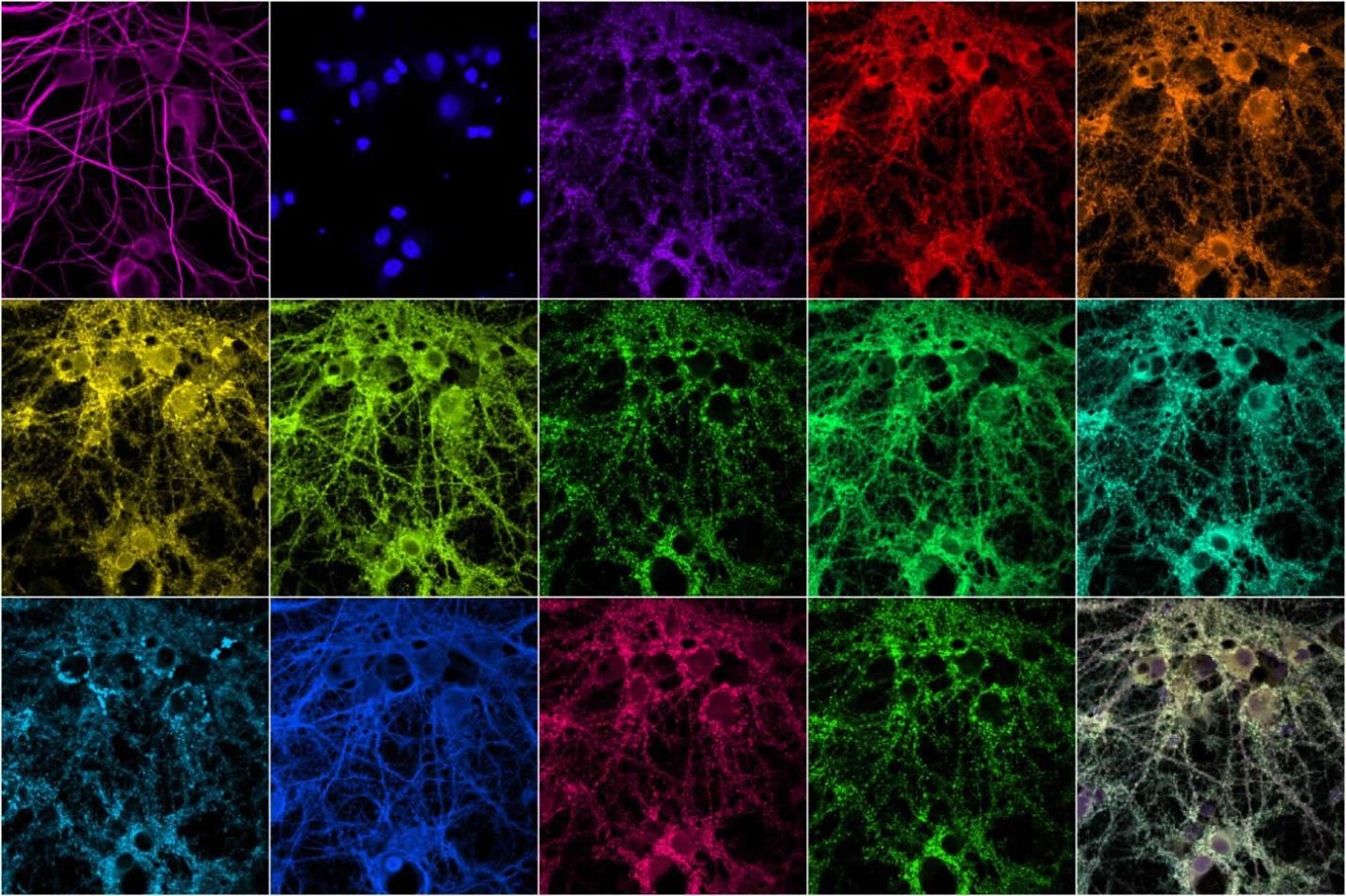
MIT engineers have developed a technique that allows them to rapidly image many different proteins within a synapse.

A new rapid imaging technique allows researchers to view synaptic proteins at high resolution.

There may be some good news for people with vestibular migraine, a type of migraine that causes vertigo and dizziness with or without headache pain. A small, preliminary study suggests that non-invasive nerve stimulation may show promise as a treatment for vestibular migraine attacks, a condition for which there are currently no approved treatments.

New research uses artificial intelligence to identify patterns of brain activity that make people less responsive to certain antidepressants.

A new study challenges the belief that epileptic seizures can be predicted by brain wave patterns. Researchers report they have found no evidence that specific brain wave patterns can be a predictive indicator of seizure onset.

New research shows prepartum and postpartum physical and mental health was associated with persistent severe sleep problems in their babies.

In a first-of-its-kind study, researchers have pieced together a road map of typical brain development in children during a critical window of maturation. The study shows how a “wave of brain maturation” directly underlies important social and behavioral changes children develop during the transition from childhood to adolescence.

Finally, this week, a new study highlights the role estrogen plays in the differences in the progression of Parkinson’s disease between men and women.

Weekly Neuroscience Update

neuroimaging-asd-model-neuroscineneews.jpg

A new study reports short distance connectivity abnormalities may be involved in social cognitive deficits in those with autism spectrum disorders.

Capitalizing on recent advances in neuroimaging and genetic biomarker research, scientists have been able to identify specific pathways by which tau and beta-amyloid, two proteins that are hallmarks of Alzheimer’s disease, accumulate in the brain over time.

A new study reports people who experience migraines with visual auras are at increased risk of atrial fibrillation.

Researchers report there are two distinct ways in which we make temporal predictions, and these rely on different parts of the brain. The findings offer a new perspective on how humans calculate when to make a move.

A 15-minute scan could help diagnose brain damage in babies up to two years earlier than current methods.

A newborn baby’s brain responds to being touched on the face, according to new research. Babies use this sense of touch — facial somatosensation — to find and latch onto their mother’s nipple, and should have this ability from birth. Premature babies often have difficulty feeding, and underdevelopment of their facial sensitivity may be one of the main causes.

MRI brain scans perform better than common clinical tests at predicting which people will go on to develop Alzheimer’s disease, according to a study.

Researchers at the University of Queensland have discovered that the thickness of the brain’s outer layer influences how individual neurons process information. The findings, published in the journal, Neuron, challenge the understanding of how brain circuits function throughout the brain.

Finally, this week, new research published in the Journal of Physiology presents a breakthrough in the treatment of Restless Legs Syndrome (RLS).


Weekly Neuroscience Update

feet-619399_960_720.jpg

A new study reveals children who are habitually barefoot show significantly different motor skills between the ages of 6-10 than those who are habitually shod. Researchers report those who habitually barefoot have better balance and jumping skills.

New research has found the natural vibrations of cars make people sleepier, affecting concentration and alertness levels just 15 minutes after drivers get behind the wheel.

Scientists have discovered a “Big Bang” of Alzheimer’s disease – the precise point at which a healthy protein becomes toxic but has not yet formed deadly tangles in the brain.

A new study reports people living in areas with more sunlight have lower rates of OCD.

Neuroscientists at the University of California-Berkeley are developing a technique that could give us the ability to fool our brain into thinking that we’d experienced something that never happened by manipulating electrical activity in the brain.

Researchers report boys on the autism spectrum tend to have lower fractal dimension in the right side of the cerebellum than those without autism.

Distinct molecular mechanisms can generate the same features in different neurons, a team of scientists has discovered. Its findings, which appear in the journal Cell, enhance our understanding of brain cell development.

Finally this week, a new study reports a short burst of exercise can dramatically improve long-term retention of new motor skills.


Weekly Neuroscience Update

guitar-869217_960_720.jpgResearchers say those who can improvise are better musicians than those who have limited improvisational experience.

Melatonin is a hormone known to promote sleep, but its underlying mechanisms are unknown. Now, researchers have discovered how melatonin suppresses neurons in the brain that keeps you awake and alert. These findings could lead to new therapies for those who suffer from insomnia.

A new study shows how specific neurons can process sensory information about temperature and facilitate a change in behavior to adapt to the climate.

Researchers have identified electrical activity in the brain that is specific to the start of migraines. The new study reports spreading depolarization can be seen as a migraine begins, and an electrical current can be used to stop it in its tracks.

Adolescent drinking is associated with changes in the metabolite profile, a new study shows. 

Scientists are using big data and artificial intelligence to map neural networks in the brain. The new technology could help to better understand the progression of neurodegenerative diseases.

Sound and object motion can be used to change perceptions about body size, according to a new study.

Researchers report impairments in the neuroprotective communication between neural blood vessels, astrocytes and neurons may be an early factor in how high blood pressure may impair cognitive function.

A new study confirms a link between a number of autoimmune diseases and an increased risk of developing psychosis.

Autonomous Sensory Meridian Response (ASMR) – the relaxing ‘brain tingles’ experienced by some people in response to specific triggers, such as whispering, tapping and slow hand movements – may have benefits for both mental and physical health, according to new research.

Researchers have developed new neural implants that enable targeted delivery of drugs deep into brain structures.

A new study reports specific alterations in signaling circuits associated with memory can induce an abnormal response in neurons, which is linked to the aging process and cognitive decline.

Researchers say the combination of low muscle mass and strength in the context of high-fat mass, could be a predictor of cognitive function in older adults. 

Obstructive sleep apnoea (OSA) is associated with changes to the structure of the brain that are also seen in the early stages of dementia, according to a study published in the European Respiratory Journal.

Finally, this week, a new study reports a mother’s diet during pregnancy may have an effect on the composition of her child’s gut bacteria. 


Weekly Neuroscience Update

deep-learning-neurosciencenews.jpg

AI research has come full circle, helping neuroscientist better understand how the human brain works, researchers say.

Babies removed from their mothers for 24 hours when they were 9 days old exhibited significant behavioral and brain structural abnormalities in adulthood, a new study reports. Researchers noted memory impairment and less communication between specific brain regions in those removed from maternal care.

Researchers have identified three genes linked to hemiplegic migraine.

People whose negative emotional responses to stress carry over to the following day are more likely to report health problems and physical limitations later in life compared with peers who are able to “let it go,” according to findings published in Psychological Science.

Using electrical fields to simulate slow wave sleep, researchers enhance memory.

A new study has identified a link between visual processing problems and an increased risk of developing a mental health disorder. The study reports the risk for mental illness increases when the visual cortex has difficulty communicating with networks associated with focus and introspection.

The superior size and complexity of the human brain compared to other mammals may actually originate from fewer initial starting materials, new research has suggested.

According to researchers, dopamine neurons may play a key role in the formation of episodic memory. The findings could help in the development of new treatments for neurodegenerative disorders that affect memory.

A new study reveals up to 25% of rhythmic genes lose their biological rhythm following a 4-day night shift simulation.

Damage to some of the pathways that carry information throughout the brain may be responsible for attention deficit in patients who have had a subcortical stroke in the brain’s right hemisphere, according to a study published online in the journal Radiology. Researchers hope the findings may provide a measure for selecting suitable patients for early interventions aimed at reducing cognitive decline following a stroke.

Finally this week, a new machine learning study has revealed a novel combination of factors that can increase a person’s risk of developing dementia.