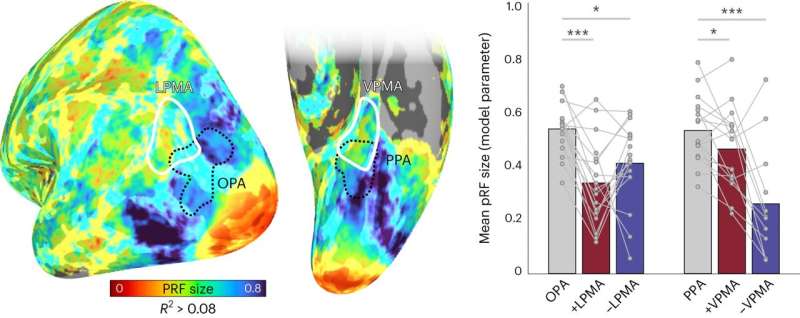
Variant definition, splitting and classification as border or ectopic. Credit: Nature Neuroscience (2024)
A new study has revealed brain differences that may explain why humans demonstrate a variety of cognitive abilities and behaviors. The research shows that two forms of individual differences may predict cognitive abilities, explain behavioral differences and even pinpoint biomarkers of brain disease.
A team of neuroscientists has found that so-called superagers maintain memory as they grow older because they do not experience a decline in the integrity of their white brain matter.
Researchers have developed an artificial intelligence technique that can effectively estimate an individual’s brain age based on electroencephalogram (EEG) brain scans. The technology could help to make early, regular screening for degenerative brain diseases more accessible.
A simple blood test could allow doctors to determine whether a person may be at higher risk for stroke or cognitive decline during their lifetime, according to a new study.
A brief episode of anger triggered by remembering past experiences may negatively impact the blood vessels’ ability to relax, which is essential for proper blood flow, according to new research published in the Journal of the American Heart Association.
An individual’s experience of pain from medical treatment can be heightened by witnessing other people’s responses to the same treatment, with this negative experience subsequently spreading to others, scientists have discovered.
Researchers have found a way to better control the preclinical generation of key neurons depleted in Parkinson’s disease, pointing toward a new approach for a disease with no cure and few effective treatments.
An international research team led by Karolinska Institutet has mapped the early genetic development of the brain and can now present an atlas of embryonic development between weeks 6 and 13.
Researchers have identified a key mechanism in brain stem cells that prevents identity conflicts during gene expression. This mechanism allows the cells to retain stemness while being primed for neuronal differentiation. The discovery includes finding that keeping neuronal gene messengers within the nucleus, while allowing stem cell gene messengers to be translated, avoids premature differentiation.
A new study demonstrates the potential of virtual reality in treating major depressive disorder.
Exercise prompts muscles to release molecular cargo that boosts brain cell function and connection, but the process is not well understood. Now new research has found that the nerves that tell muscles to move also prompt them to release more of the brain-boosting factors.
A pattern of brain activity that helps prevent us from getting lost has been identified in a new study, published in Nature Human Behaviour.
A new study highlights a novel mechanism of brain plasticity involving chondroitin sulfate clusters outside nerve cells. Researchers identified these cartilage-like structures as crucial for the brain’s ability to adapt and store information.
Finally this week, a new computer model may have cracked the code on helpful memory cues.
Exposure to higher levels of light can help people feel more awake and increase cognitive performance, probably by influencing the activity of parts of a brain region called the hypothalamus, according to new research.
Researchers have developed a new tool to better understand how chemicals like dopamine and epinephrine interact with neurons.
Bursts of brain rhythms with “beta” frequencies control where and when neurons in the cortex process sensory information and plan responses. Studying these bursts would improve understanding of cognition and clinical disorders, researchers argue in a new review.
Why do we move slower the older we get? A new study delivers answers.
People with a history of cognitively stimulating occupations during their 30s, 40s, 50s, and 60s had a lower risk of mild cognitive impairment (MCI) and dementia after age 70, according to a new study. The findings highlight the importance of cognitive stimulation during midlife for maintaining cognitive function in old age.
An inpatient, epilepsy-related rehabilitation program shows lasting effects on several aspects of adaptation to epilepsy and quality of life, according to a study published in the journal Epilepsia.
A recent study reveals that high body mass index (BMI) is associated with changes in physiological brain pulsations. These pulsations play a crucial role in maintaining brain fluid circulation and the clearance of metabolic waste from the brain.
Engaging in conversation with others can activate various brain functions in socially isolated older adults, even if the interactions occur via the internet. This finding comes from a recent clinical trial conducted by Massachusetts General Hospital, with the results published in The Gerontologist.
Neuroscientists have revealed that recency bias in working memory naturally leads to central tendency bias, the phenomenon where people’s (and animals’) judgements are biased towards the average of previous observations. Their findings may hint at why the phenomenon is so ubiquitous.
A new study has found that a brain network condition called “explosive synchronization” could be the cause of extreme pain crises in people with sickle cell disease.
Researchers have developed tiny, flexible devices that can wrap around individual nerve fibers without damaging them. These devices could be used for the diagnosis and treatment of a range of disorders, including epilepsy and chronic pain, or the control of prosthetic limbs.
Scientists have discovered the mechanism that allows adult brain stem cells to express genes that maintain their identity and those for neuronal differentiation without conflicts in cellular activity.
A new study aims to examine the role of napping in brain development among infants and preschoolers. By tracking changes in the hippocampus, the research aims to prove how critical naps are for memory retention and brain growth in young children.
Finally this week, neuroscientists have confirmed that different strategies are employed when choosing between primary and secondary rewards, with impulsivity being a key factor.
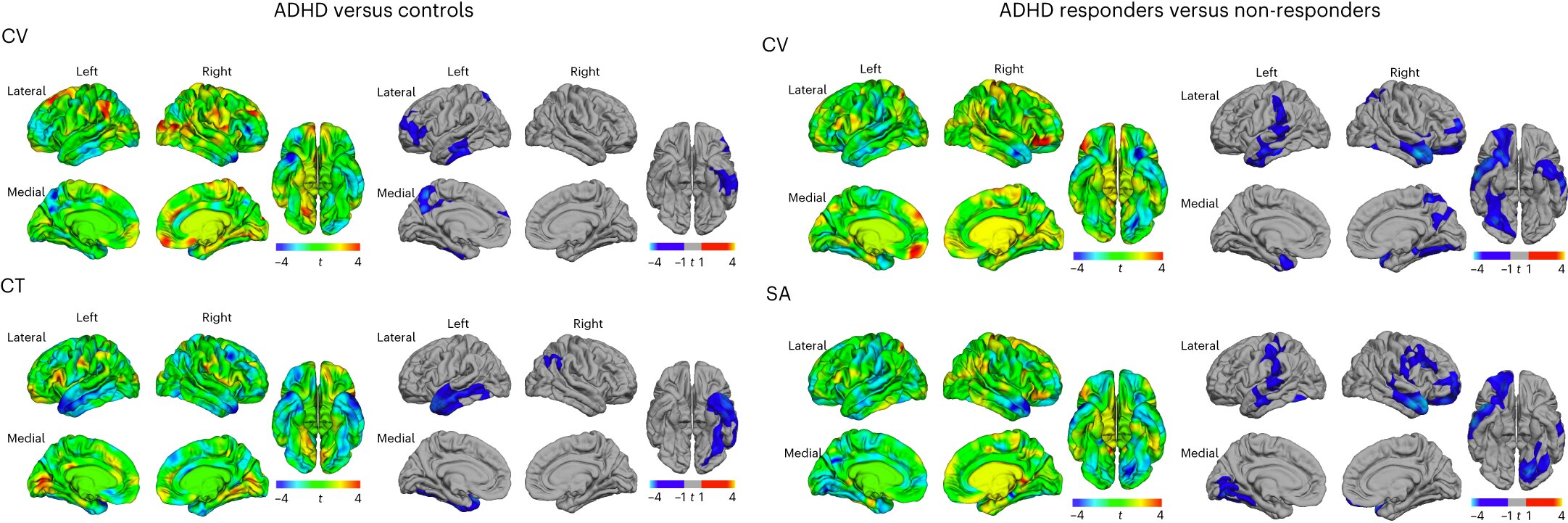
Vertex-wise comparisons between ADHD (N = 60) and controls (N = 23), and between ADHD responders (N = 42) and non-responders (N = 18). Credit: Nature Mental Health (2024).
New research has found that the effectiveness of ADHD medication may be associated with an individual’s neuroanatomy.
Although there are still some aspects pending confirmation for its use in the clinical setting, and its resolution needs to be improved slightly, a new study has shown that a method routinely used to carry out ophthalmological tests can also be used to monitor the neurodegeneration that occurs in Parkinson’s patients.
Scientists have uncovered a mechanism in the brain that allows cocaine and morphine to take over natural reward processing systems.
New research has identified a specific pattern of autoantibodies in the blood that precedes the clinical onset of multiple sclerosis (MS), potentially paving the way for early diagnosis and treatment. Their study found that 10% of MS patients displayed a unique set of autoantibodies against both human proteins and common pathogens like the Epstein-Barr Virus years before showing symptoms.
Researchers have identified a promising new approach to treating persistent neurological symptoms associated with Lyme disease.
A new study investigates why everyday actions like locking a door are often forgotten. The study revealed that while emotionally charged or unique events are initially memorable, even these can fade within 24 hours, particularly positive experiences. This research provides insight into the selective nature of memory and suggests that our brains prioritize and even forget information to manage cognitive load.
Managing a stroke patient’s blood sugar levels after they receive powerful clot-busting drugs might help them survive their health crisis, a new trial finds.
Researchers have created a thin film that combines an electrode grid and LEDs that can both track and produce a visual representation of the brain’s activity in real time during surgery. The device is designed to provide neurosurgeons with visual information about a patient’s brain to monitor brain states during surgical interventions to remove brain lesions including tumors and epileptic tissue.
New research has found a significant association between participating in low to moderate intensity exercise and reduced rates of depression. However, this was not strongly observed for high-intensity exercise. Physical activity was also significantly associated with reduced risk of severe mental health conditions, including a reduction in psychosis/schizophrenia by 27%.
An international collaborative research team has discovered a novel mechanism underlying memory involving rapid changes in a specific DNA structure.
People who take acid-reducing drugs may have a higher risk of migraine and other severe headache than people who do not take these medications, according to a study published in the online issue of Neurology Clinical Practice.
Findings from a mega-analysis of differences in seed-based subcortico-cortical connectivity in youths with attention deficit hyperactivity disorder (ADHD) and unaffected control subjects. Credit: American Journal of Psychiatry (2024).
Researchers have discovered that symptoms of attention-deficit/hyperactivity disorder (ADHD) are tied to atypical interactions between the brain’s frontal cortex and information-processing centers deep in the brain.
A new study has identified a genetic mutation underlying a rare form of epilepsy and reveals novel molecular and cellular mechanisms by which the disorder manifests in patients.
For the first time, researchers have shown that non-invasive brain stimulation can change a specific brain mechanism directly related to human behavior. This is a major step forward for discovering new therapies to treat brain disorders such as schizophrenia, depression, Alzheimer’s disease, and Parkinson’s disease.
A test that shows how good or bad we are at perceiving the rhythm of language can predict the ability to acquire language, and may also help us understand individual differences in brain biology.
A new study reveals the mechanisms behind proprioception, our body’s innate ability to sense limb position and movement, critical for movement without visual cues. Utilizing musculoskeletal simulations and neural network models, researchers have advanced our understanding of how the brain integrates sensory data from muscle spindles to perceive bodily position and motion.
Specialized brain scans may accurately predict whether a psychotic patient will go on to develop treatment-resistant schizophrenia, Dutch researchers report.
Researchers have uncovered a significant correlation between social isolation and accelerated biological aging, indicating that individuals with limited social connections are at a higher risk of premature mortality.
Scientists have revealed new insights into how the brain processes speech and listening during conversations through advanced investigations using functional magnetic resonance imaging (fMRI).
A unique multicenter study, including about 3,500 youth between 10 and 25 years old from across the globe, shows that artificial intelligence—specifically machine learning—can identify individuals with anxiety disorders based on their unique brain structure.
Researchers have identified four distinct sleep patterns linked to long-term health outcomes, revealing the profound impact of sleep habits on chronic health conditions.
A new study uncovers the nuanced effects of spaced learning on memory, emphasizing the importance of the content’s variability and the intervals between learning sessions. The study contrasts the impact of learning identical content versus content with variations, across different timescales, on memory retention.
Finally, this week, spending quality time with dogs reduces stress and increases the power of brain waves associated with relaxation and concentration, according to a recent study.
Microscopic photos observed through changes of the flourescence of the synapse sensor (SynapShot) by cultivating the neurons of an experimental rat and expressing the SynapShot. The changes in the synapse that is created when the pre- and post-synaptic terminals come into contact and the synapse that disappears after a certain period of time are measured by the fluorescence of the SynapShot. Credit: KAIST Optogenetics & RNA therapeutics Lab
A new study reveals significant findings in the fight against Long Covid. Through a comprehensive analysis of blood serum from 113 patients, researchers discovered changes in blood serum proteins related to the complement system, coagulation, and tissue injury in Long Covid patients.
A new study employs generative AI to shed light on how the human brain processes memories for learning, imagination, and planning. The study used a computational model resembling the hippocampus and neocortex’s neural networks to simulate memory encoding and retrieval.
A new study has reported that SARS-CoV-2, the virus that causes COVID, can infect dopamine neurons in the brain and trigger senescence—when a cell loses the ability to grow and divide.
Researchers have taken the first steps to treat Alzheimer’s disease, Parkinson’s disease and Type 2 diabetes by creating multiple patent-pending compounds shown to inhibit protein aggregation associated with those diseases.
A neuroscientific study is paving the way for improving the diagnosis and treatment of Alzheimer’s.
A new study reveals limitations in the current use of mathematical models for personalized medicine, particularly in schizophrenia treatment. Although these models can predict patient outcomes in specific clinical trials, they fail when applied to different trials, challenging the reliability of AI-driven algorithms in diverse settings.
Research into the nature of memory reveals how cells that store information are stabilized over time.
A new study explores how infants and toddlers acquire language. Findings reveal early comprehension begins around 6-7 months, and significant improvements in language understanding occur around a child’s first birthday.
New research looks at ways to predict when a migraine attack will occur.
Researchers at the National Institutes of Health have found overactivation in many brain regions, including the frontal and parietal lobes and the amygdala, in unmedicated children with anxiety disorders. They also showed that treatment with cognitive behavioral therapy (CBT) led to improvements in clinical symptoms and brain functioning.
A ribbon of brain tissue called cortical gray matter grows thinner in people who go on to develop dementia, and this appears to be an accurate biomarker of the disease five to 10 years before symptoms appear, scientists report.
3D bioprinting sheds light on why blood vessel curvature may foster brain cancer metastasis.
Researchers achieved a significant advancement in robotics by replicating human-like variable speed walking using a musculoskeletal model. This model, steered by a reflex control method akin to the human nervous system, enhances our understanding of human locomotion and sets new standards for robotic technology.
Researchers conducted a study to explore the neuroscientific basis of fairness in social situations, investigating the interplay between personal interests and societal norms. By applying electric brain stimulation to 60 participants, the researchers pinpointed specific brain regions crucial to fairness decisions.
Finally this week, scientists have made a significant discovery using an artificial neural network model, suggesting that musical instinct may emerge naturally from the human brain.
Three experiments to test how dopamine affects cognitive performance during acute exercise. Credit: The Journal of Physiology (2024)
A study exploring the mechanisms behind why cognitive performance improves in response to exercise, has found that dopamine plays a key role.
Researchers have discovered that children with autism spectrum disorders (ASD) develop distinct attentional preferences compared to typically developing children, focusing more on non-social stimuli like objects and textures.
Recent research contrasts the learning mechanisms of the human brain with those of deep learning in AI. Despite having fewer layers and slower, noisier dynamics, the brain can perform complex classification tasks as effectively as AI with hundreds of layers.
A new study uncovers a unique aspect of human memory: our ability to recall events is sharper after experiencing negative emotions.
A major clinical trial has shown that by using MRI and tracking to guide the delivery of magnetic stimulation to the brains of people with severe depression, patients will see their symptoms ease for at least six months, which could vastly improve their quality of life.
New research reveals that coming off antidepressants like Prozac can cause not only physical symptoms but also emotional, cognitive, and social difficulties.
Through transcriptomic profiling of more than 300,000 cells in human substantia nigra, a part of the brain that helps control the body’s movements, a research team has identified a previously unreported neuron type with vulnerability in Parkinson’s disease. This novel finding could help explain the complexity of the disease symptoms and direct new therapeutics development.
Researchers have found evidence suggesting that children exposed to elevated levels of early life adversity exhibit an accelerated pattern of brain development during the preschool years.
New research for the first time reveals the function of a little-understood junction between cells in the brain that could have important treatment implications for conditions ranging from multiple sclerosis to Alzheimer’s disease, to a type of brain cancer known as glioma.
Finally this week, a third major study finds that multivitamin supplements improve memory and slow cognitive aging in older adults.
A new study has identified a neural coding mechanism that allows the transfer of information back and forth between perceptual regions to memory areas of the brain. The results are published in Nature Neuroscience.
Perceived time has a significant impact on the actual time it takes to heal physical wounds, according to new research.
Researchers have identified a wide range of risk factors for young-onset dementia. The findings challenge the notion that genetics are the sole cause of the condition, laying the groundwork for new prevention strategies.
Researchers have developed a groundbreaking synaptic transistor inspired by the human brain. This device can simultaneously process and store information, mimicking the brain’s capacity for higher-level thinking.
People who have more disrupted sleep in their 30s and 40s may be more likely to have memory and thinking problems a decade later, according to new research published in Neurology.
With help from an artificial language network, neuroscientists have discovered what kind of sentences are most likely to fire up the brain’s key language processing centers. The new study reveals that more complex sentences, either because of unusual grammar or unexpected meaning, generate stronger responses in these language processing centers. Very straightforward sentences barely engage these regions, and nonsensical sequences of words don’t do much for them either.
Finally this week, scientists have identified a molecular anchor that stabilizes mitochondria near synapses to support memory formation.
This video explores the storage, suppression, and rekindling of memories, drawing upon groundbreaking research from Trinity College Dublin.
In pursuit of perfect memory, we tend to categorize forgetfulness as a sign of cognitive weakness. However, emerging research suggests a paradigm shift in our understanding of memory and forgetfulness. In contrast to popular belief, forgetting is not a sign of a faulty memory, but rather the brain orchestrating a purposeful act to optimize our cognitive abilities.
This shift could revolutionize the way we perceive memory and its role in our daily lives. Instead of viewing forgetfulness as a shortcoming, it could be seen as a strategic mechanism, honed by evolution to filter and prioritize information. Imagine the implications this could have on education, where traditional methods often emphasize rote memorization. If forgetting is indeed a natural and adaptive process, educators might need to reconsider their approach to learning and information retention.
Furthermore, the understanding of forgetting and its purpose can hold profound implications for disciplines such as psychology and neurology. Expanding our comprehension of the mechanisms and functions of forgetting may serve to reshape the approaches taken toward memory-related disorders and therapeutic interventions. This, in turn, could potentially open up new avenues for research and treatment, propelling advancements in these crucial fields.
Neuroplasticity at Work Neuroplasticity, the brain’s ability to reorganize itself by forming new neural connections, plays a pivotal role in understanding the purposeful nature of forgetfulness. In a world where information overload is a daily reality, the brain must prioritize and organize data to function efficiently. This remarkable ability allows the brain to filter out irrelevant information and focus on what’s essential. The brain’s plasticity enables it to form new neural connections and reorganize existing ones, facilitating adaptation to new environments and learning new skills. Understanding the brain’s capacity for adaptation and prioritization sheds light on its incredible resilience and capability to thrive in diverse and demanding circumstances.
Learning from Mistakes Forgetfulness also serves as a valuable tool in learning from our mistakes. It allows us to filter out the less important information and retain only the most crucial lessons from our experiences. This process of selective forgetfulness aids in simplifying complex situations and extracting the key takeaways, ultimately contributing to a more refined learning process. By discarding superfluous details, our minds are better equipped to discern patterns and identify the core factors that contributed to specific outcomes. This, in turn, empowers us to make more informed decisions in the future and navigate similar situations more effectively. It’s fascinating to consider how our brains have evolved this adaptive mechanism to optimize the learning process and enable us to continuously improve our responses to various challenges.
The Role of Emotions Emotions play a significant role in the encoding and retrieval of memories. The brain tends to retain emotionally charged experiences more vividly, while less emotionally significant details may fade away. Forgetfulness, therefore, is not an indiscriminate process but rather a nuanced response influenced by the emotional context of our memories. This phenomenon highlights the interconnectedness of our emotional experiences and memory formation. The amygdala, a key player in processing emotions, is closely linked to the encoding and storage of emotional memories. When we encounter a particularly emotional event, the amygdala sends a signal to the hippocampus, a region crucial for forming new memories, enhancing the vividness and strengthening the imprint of that experience in our minds.
Understanding the impact of emotions on memory not only provides insight into the workings of the human mind but also has practical implications. For instance, educators can leverage emotionally charged experiences to enhance students’ retention of material. Similarly, in therapeutic settings, acknowledging the emotional context of memories is essential to address and process traumatic experiences effectively.
In reevaluating our understanding of forgetfulness, it becomes clear that our brains are not simply fallible machines prone to glitches. Instead, forgetfulness is a purposeful act orchestrated by our brains to optimize cognitive function in an ever-changing environment. When we consider the concept of forgetfulness in this light, we start to recognize the remarkable abilities of our brains to prioritize and adapt in response to the constant influx of new information and experiences. Rather than viewing forgetfulness as a shortcoming, we can appreciate it as a strategic process that allows our minds to maintain efficiency and relevance in a dynamic reality. This perspective invites us to explore the interplay between forgetting and remembering, shedding light on the delicate balance that sustains our cognitive prowess.
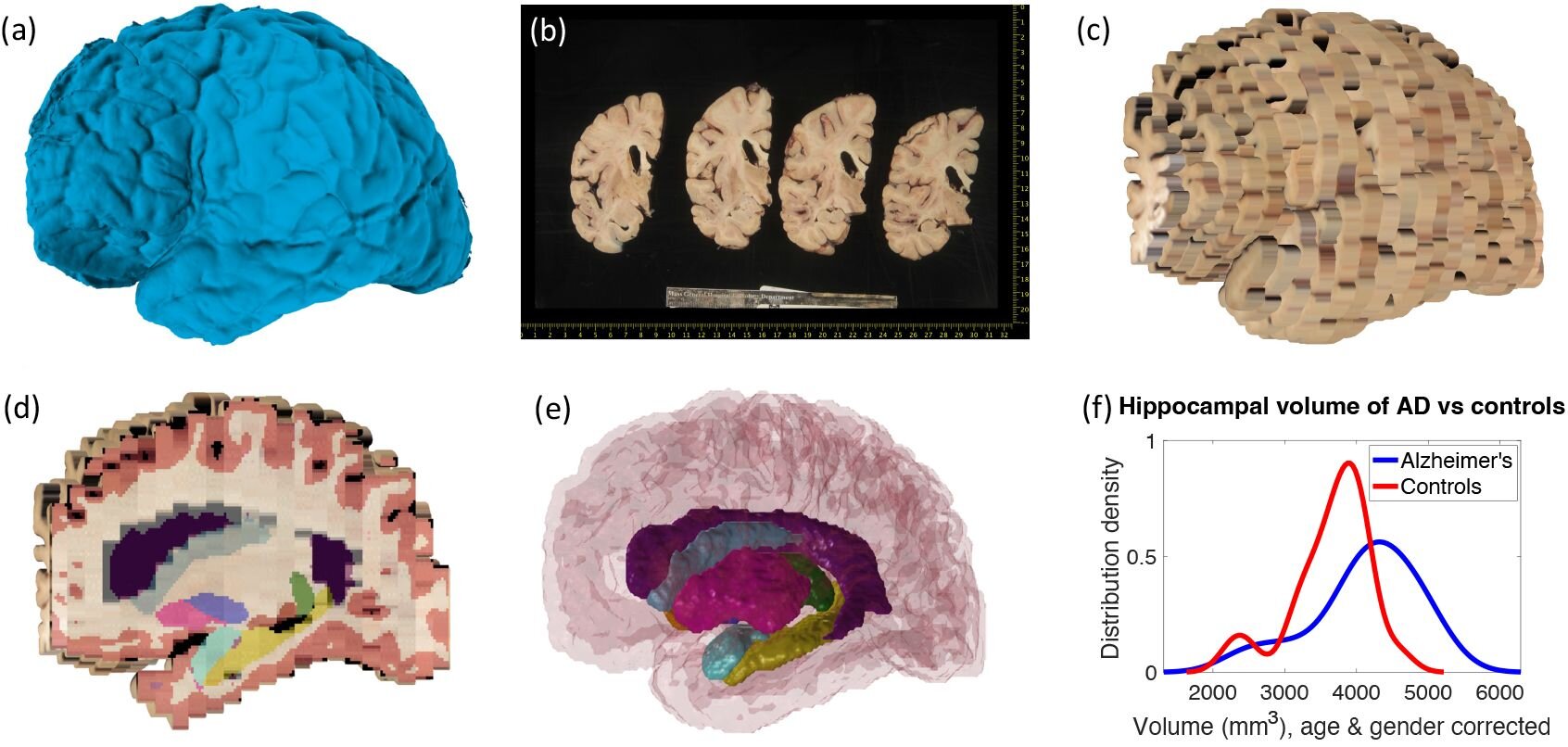
Examples of inputs and outputs from the MADRC dataset.
Researchers have developed a suite of free tools for analyzing vast amounts of brain dissection photographs at brain banks worldwide to enhance understanding of neurodegenerative diseases.
A new study reveals a strong link between regular physical activity and enhanced brain health. Analyzing MRI scans from 10,125 individuals, researchers found that exercise, even moderate exercise like walking, is associated with increased brain volumes in crucial areas like gray matter, white matter, and the hippocampus. The study underscores exercise’s role in reducing dementia risk and maintaining brain size.
Scientists have discovered that a part of the brain associated with working memory and multisensory integration may also play an important role in how the brain processes social cues.
In a first-of-its-kind study published in Nature, researchers recorded activity from hundreds of individual neurons while participants listened to spoken sentences, giving us an unprecedented view into how the brain analyzes the sounds in words.
A new study has unveiled three distinct cognitive deficits contributing to reading difficulties in individuals with left-sided neglect dyslexia, a condition that often follows a right-hemisphere stroke.
Researchers have unveiled a significant similarity between AI memory processing and human hippocampal functions. This discovery, bridging AI and neuroscience, highlights a parallel in memory consolidation – a process crucial in transforming short-term to long-term memories – in both AI models and the human brain.
A new study highlights the significant role of imagination in evoking empathy and driving prosocial behaviour.
A so-called pathological protein long associated with Parkinson’s disease has been found in a new study to trigger cells to increase protein synthesis, an event that eventually kills the subset of brain cells that die off in this neurodegenerative condition.
A new study presents a promising treatment for restoring the sense of smell in long-COVID patients.
Researchers have found that amyloid oligomers play a role in speeding up mitochondrial energetics during the early stages of Alzheimer’s, in contrast to what has been previously found in more advanced Alzheimer’s brain tissues. The results are publishedin Nature Communications.
Research led by the Karolinska Institutet, Sweden, has found an increased risk of cardiovascular disease associated with long-term ADHD medication use.
New research has uncovered a potential early marker for autism in infants: abnormally enlarged perivascular spaces (PVS) in the brain. The study found that infants with enlarged PVS had a 2.2 times greater chance of developing autism compared to those with the same genetic risk. The researchers followed infants with a higher likelihood of autism due to having an older sibling with the condition.
Signs of injury to the brain’s white matter called white matter hyperintensities, as seen on brain scans, may be tied more strongly to vascular risk factors, brain shrinkage, and other markers of dementia in former tackle football players than in those who did not play football, according to a study published in Neurology.
Artificial intelligence, coupled with data from an iPad coloring game, could assist in early diagnosis of autism, a new study shows.
A review in the Journal of Internal Medicine explores the potential of non-invasive interventions such as light, sound, and magnets to stimulate gamma brain waves for the treatment of Alzheimer’s disease. Such strategies may be beneficial because Alzheimer’s disease is characterized by reduced fast brain oscillations in the gamma range (30–100 Hz).
Finally this week, researchers have made a significant breakthrough in understanding the genetic basis of anxiety disorders (ADs), which affect over 280 million people globally.
Loneliness, often considered a pervasive and silent epidemic, extends its influence far beyond emotions. Recent research has delved into the relationship between loneliness and the brain, revealing a complex interplay between loneliness and our brain’s neural patterns. The findings reveal that irrespective of social connections, lonely individuals exhibit distinct brain responses, underscoring the profound influence of this emotional state on neurological function.
The Stress Response and Cortisol
Loneliness emerges as a trigger for the stress response embedded in the brain’s complex architecture. This emotional state sets off a cascade of physiological reactions, with the release of stress hormones, particularly cortisol. Cortisol, often referred to as the “stress hormone,” serves as a vital player in the body’s response to challenging situations. However, when loneliness becomes a persistent companion, the continuous surge of cortisol can become a double-edged sword, influencing various aspects of brain health.
Memory, a fundamental component of cognitive function, becomes susceptible to the influence of heightened cortisol levels. Chronic exposure to stress hormones has been associated with memory impairment, affecting both the formation of new memories and the retrieval of existing ones. The toll on memory processes paints a vivid picture of how loneliness, as a chronic stressor, can compromise cognitive abilities.
Moreover, the prefrontal cortex, a pivotal region of the brain responsible for higher-order functions such as decision-making, emotional regulation, and social behavior, becomes a focal point of the impact of loneliness. Prolonged exposure to elevated cortisol levels has been linked to structural changes in the prefrontal cortex, including a reduction in size. This structural alteration may contribute to difficulties in decision-making and emotional regulation, creating a cognitive landscape where the challenges faced by lonely individuals extend beyond mere feelings of isolation.
Inflammation: Loneliness’s Silent Companion
Loneliness has been linked to a silent companion—increased levels of inflammation in both the body and the brain. This chronic inflammatory state may have broader implications for neurological health, potentially contributing to cognitive decline and various neurological conditions.
In response to chronic loneliness, the body’s immune system becomes activated, leading to a persistent state of inflammation. This inflammatory response is not confined to peripheral tissues; it permeates the central nervous system, reaching the brain. The intricate crosstalk between the immune system and the brain reveals the far-reaching consequences of loneliness on neurological health.
The chronic inflammatory state associated with loneliness is of particular concern due to its potential implications for cognitive function. Research suggests that prolonged exposure to elevated levels of inflammation may contribute to cognitive decline and an increased risk of various neurological conditions. The brain, normally resilient and adaptive, can become vulnerable to the systemic effects of inflammation, leading to disruptions in neural circuits and cognitive processes.
In the context of loneliness, the inflammatory response may compromise the integrity of the blood-brain barrier, a protective barrier that regulates the passage of substances between the bloodstream and the brain. This compromise can allow inflammatory molecules to enter the brain, where they may trigger localized inflammation and disrupt normal neural function.
Moreover, the chronic inflammatory state linked to loneliness may contribute to oxidative stress—a condition characterized by an imbalance between free radicals and antioxidants in the body. Oxidative stress is known to play a role in neurodegenerative processes and has been implicated in conditions such as Alzheimer’s disease and other cognitive disorders.
Structural Changes in the Brain
Loneliness isn’t merely a psychological state—it extends its influence to cognitive performance. A growing body of research paints a compelling picture of the relationship between loneliness and cognitive performance, emphasizing that loneliness isn’t merely a psychological state—it’s a cognitive challenge that leaves its mark on the brain.
As previously stated, the brain, intricately sensitive to the nuances of social connection, undergoes structural changes in response to loneliness. The hippocampus, a vital region for learning and memory, appears to be particularly susceptible. Research suggests that alterations in the volume of the hippocampus may occur in lonely individuals. These structural changes may not only be markers of the cognitive challenges associated with loneliness but could also contribute to a cycle where loneliness begets cognitive difficulties, and cognitive difficulties perpetuate feelings of isolation.
Lonely individuals, it appears, may navigate a more demanding cognitive landscape compared to their socially connected counterparts. Executive functions, the high-order cognitive processes responsible for tasks such as decision-making, problem-solving, and planning, may be particularly vulnerable in the face of loneliness. Research suggests that lonely individuals may encounter challenges in efficiently executing these cognitive processes, potentially impacting their ability to navigate complex situations and make sound decisions.
Attention, a cornerstone of cognitive performance, also falls under the sway of loneliness. Lonely individuals may exhibit difficulties in sustaining attention and may be more prone to distractions, contributing to decreased cognitive efficiency. The persistent feeling of social isolation can divert cognitive resources towards monitoring social threats or interpreting ambiguous social cues, leaving fewer resources available for tasks that require sustained attention and focus.
Memory, another pillar of cognitive function, is not immune to the influence of loneliness. Studies indicate that lonely individuals may experience alterations in memory processes, affecting both the encoding and retrieval of information. The emotional toll of loneliness can introduce a cognitive bias, influencing the way memories are stored and recalled, potentially contributing to a distorted perception of social experiences.
Sleep Disturbances and Cognitive Consequences
Poor sleep quality, a well-established consequence of loneliness, is more than just a nightly inconvenience. It is a significant factor influencing overall brain health. During sleep, the brain undergoes crucial processes that contribute to cognitive functioning, memory consolidation, and emotional regulation. Disruptions in these processes due to poor sleep quality can result in cognitive consequences that exacerbate the challenges faced by lonely individuals.
Attention, concentration, and decision-making—all critical components of cognitive function—can be impaired when sleep quality is suboptimal. The brain’s ability to process information, learn new things, and adapt to changing circumstances may suffer, amplifying the cognitive challenges faced by those contending with both loneliness and sleep disturbances.
The link between loneliness and sleep disturbances is multifaceted. The emotional distress associated with loneliness can manifest as heightened arousal, anxiety, or rumination during the night, impeding the ability to initiate or maintain restful sleep. Individuals grappling with loneliness may find themselves caught in a cycle where the quiet solitude of the night magnifies their feelings of isolation, further complicating their struggle for a peaceful night’s sleep.
Mental Health and the Loneliness Connection
Loneliness, far from being a fleeting emotion, is intricately intertwined with mental health, and the consequences of this connection reverberate deep within the neural circuits of the brain. Research consistently underscores the heightened risk of mental health issues, particularly depression and anxiety, in individuals grappling with loneliness. The psychological distress stemming from a perceived lack of social connection can cast a shadow over an individual’s thoughts and emotions, contributing to the development or exacerbation of these conditions.
At the neurobiological level, loneliness influences neurotransmitter levels, the chemical messengers that facilitate communication between nerve cells in the brain. Dopamine, serotonin, and norepinephrine, crucial players in regulating mood and emotional states, are particularly affected. Loneliness may lead to imbalances in these neurotransmitter systems, contributing to the manifestation of depressive symptoms and heightened anxiety.
Furthermore, loneliness disrupts the delicate neural circuits responsible for mood regulation. The brain regions involved in emotional processing, such as the amygdala and the prefrontal cortex, experience altered activity in response to chronic loneliness. The amygdala, known for its role in processing emotions, may become hyperactive, amplifying the perception of social threats and fostering a heightened state of emotional arousal. Meanwhile, the prefrontal cortex, essential for regulating emotional responses, may exhibit decreased function, leading to difficulties in emotion regulation and decision-making.
The neural changes associated with loneliness create a feedback loop, reinforcing emotional distress and further compromising mental well-being. Prolonged exposure to these alterations can contribute to the persistence and exacerbation of mental health conditions, creating a challenging cycle for individuals trapped in the grip of loneliness.
Social Pain and Pleasure Systems
Neuroscientific studies reveal that loneliness triggers brain regions associated with physical pain. The neural patterns that activate during experiences of loneliness mirror those observed in response to physical distress, reinforcing the concept of loneliness as a form of social pain. The brain, it seems, interprets social isolation with a response akin to physical injury.
Conversely, positive social interactions, genuine connections, and shared moments of companionship activate the brain’s reward centers. The pleasure derived from such interactions is not merely subjective; it is deeply rooted in the brain’s intricate circuitry. Dopaminergic pathways, particularly those associated with the brain’s reward system, light up, releasing neurotransmitters that generate feelings of happiness, satisfaction, and contentment.
The neurological impact of loneliness is a multifaceted phenomenon, with implications that extend beyond emotional well-being. Understanding and addressing the neuroscience of loneliness becomes imperative for fostering a healthier, more resilient brain.




 inside-the-brain.com