Weekly Neuroscience Update

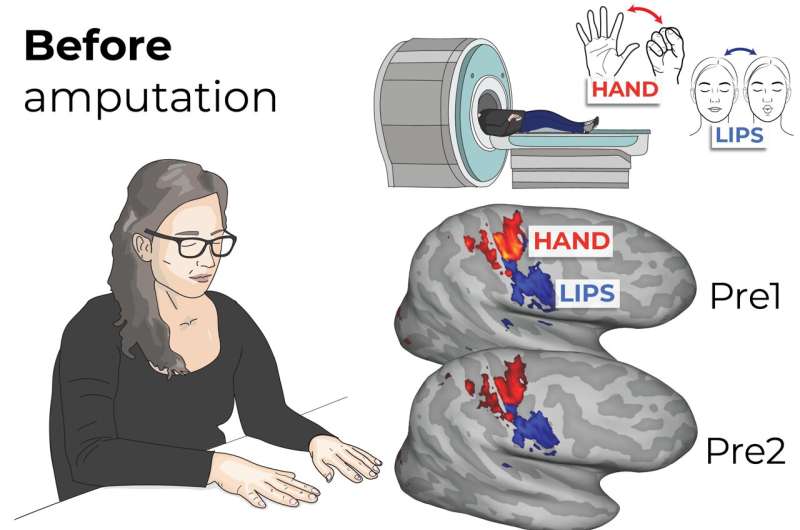
Brain activity maps for the hand (shown in red) and lips (blue) before the amputation (Pre1 and Pre2) and after amputation (three, six and 18 months post-amputation). Credit: Tamar Makin / Hunter Schone

The brain holds a “map” of the body that remains unchanged even after a limb has been amputated, contrary to the prevailing view that it rearranges itself to compensate for the loss, according to new research.

A fading sense of smell can be one of the earliest signs of Alzheimer’s disease even before cognitive impairments manifest. 

Scientists have developed a computational framework that maps how the striosomal compartment of the striatum governs everyday decision-making. By integrating biology, decision theory, and mathematical modeling, different levels of striosomal activity can push individuals toward impulsive, balanced, or overly complex decisions.

A recent study has shown that the brain leaves subtle traces of creativity minutes before an “aha!” moment.

New research has raised concerns about the safety of acetaminophen use during pregnancy, linking prenatal exposure to higher risks of autism and ADHD. While the evidence does not prove causation, it highlights biological mechanisms such as oxidative stress and hormone disruption that may affect fetal brain development. Researchers recommend cautious, time-limited use under medical supervision and call for safer treatment alternatives.

A new study has found that people who lived in areas with high levels of leaded gasoline emissions in the 1960s and ’70s are more likely to report memory problems today.

A multi-institution research team reports that gaze patterns can serve as a sensitive marker of cognitive decline, with associated reductions in explorative, adaptive, and differentiated visual sampling of the environment.

New research reveals that different types of music shape the emotional tone of the memories they evoke. 

A genetic study has identified more than 400 genes that drive different forms of unhealthy aging, from cognitive decline to metabolic problems. The findings show that frailty is not a single condition but multiple subtypes with distinct biological pathways.

Finally, this week, a new study suggests the brain may be a missing link in certain forms of high blood pressure or hypertension.

Weekly Neuroscience Update

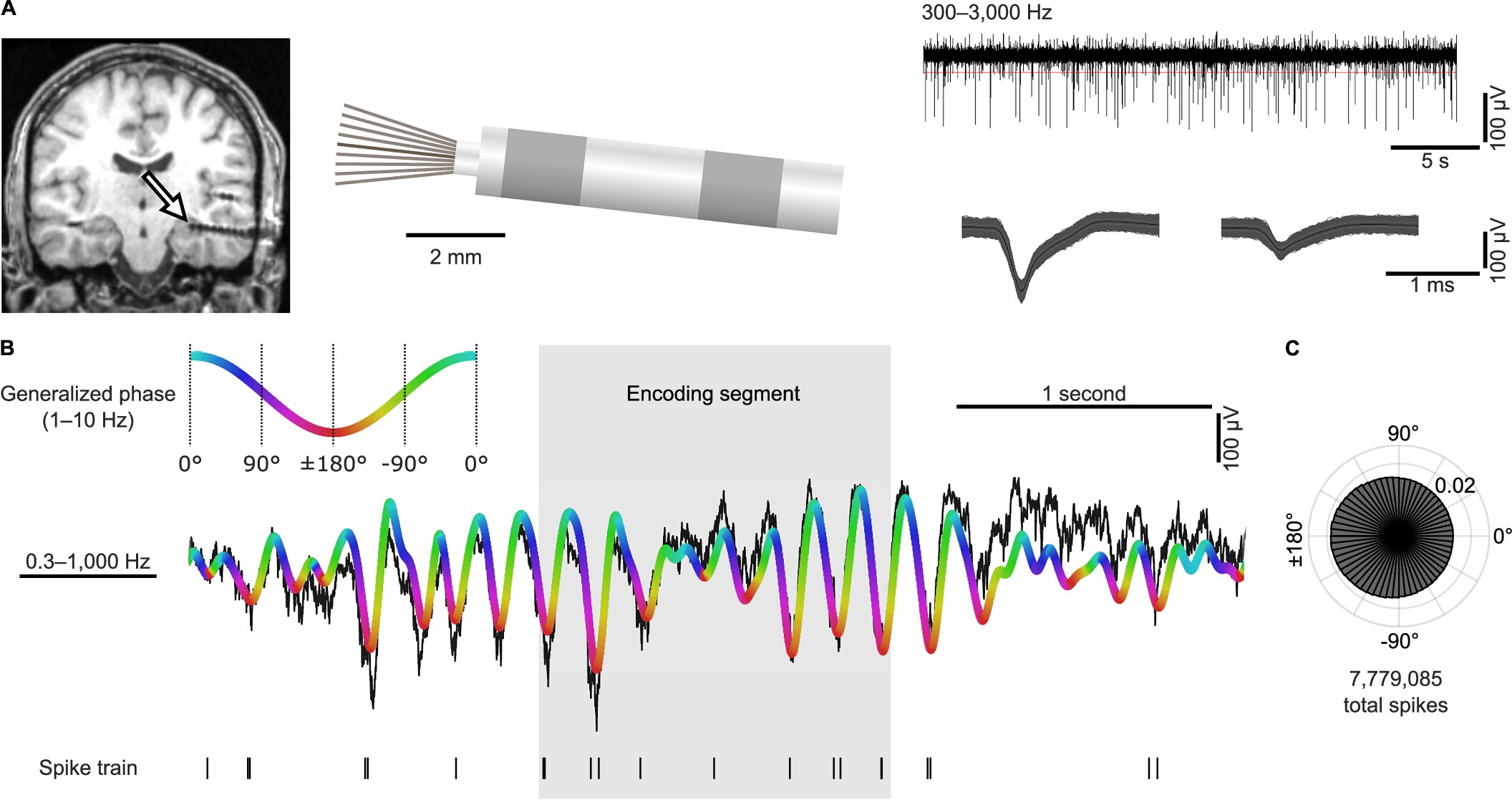
Neural recordings and general theta-phase locking. Credit: Nature Communications (2025). 

A research team has gained new insights into the brain processes involved in encoding and retrieving new memory content. The study is based on measurements of individual nerve cells in people with epilepsy and shows how they follow an internal rhythm.

A new study published in the Proceedings of the National Academy of Sciences offers insight into how past stress impacts a person’s response to new stress.

Stimulating the vagus nerve with a device attached to the outer ear can help make compassion meditation training more effective at boosting people’s capacity for self-kindness and mindfulness, finds a new study.

A world-first study into young adults’ brain activity has found that TV and gaming are associated with increased focus, while social media is associated with decreased focus.

Researchers have discovered that whether you are right- or left-handed influences which side of your brain processes fine visual details. The new “action asymmetry hypothesis” proposes that brain specialization for high- and low-frequency visual information develops from the everyday way we use our hands. In right-handers, the left hemisphere processes high-frequency vision; in left-handers, this is reversed. The findings challenge long-standing theories that such asymmetries develop in the womb or are tied directly to language processing.

Scientists have identified a promising nonpharmaceutical treatment that rejuvenates aging brain cells and clears away the buildup of harmful proteins associated with Alzheimer’s disease.

It may be time to rethink certain genetic mutations associated with two devastating neurodegenerative disorders—amyotrophic lateral sclerosis (ALS) and frontotemporal dementia (FTD)—according to a new Nature Neuroscience study.

Research has shed new light on an age-old question: what makes the human brain unique? The study is published online in Science Advances.

Athletes who participate in combat sports like boxing and mixed martial arts and grow up in disadvantaged neighborhoods may be more likely to show signs of brain changes associated with neurodegeneration than athletes from affluent neighborhoods, according to a study published in Neurology Open Access.

A team of researchers has developed a data-driven method for optimizing deep brain stimulation (DBS) settings that significantly improved walking performance in people with Parkinson’s disease.

Scientists have built the first “microwave brain” chip capable of processing both ultrafast data and wireless communication signals at once. By harnessing analog, nonlinear microwave physics instead of conventional digital circuitry, the chip can decode radio signals, track radar targets, and classify high-speed data streams in real time.

Finally, this week, stronger coordination between the brain and the stomach’s natural rhythm is linked to higher levels of anxiety, depression, and stress, according to the largest study of its kind.

Weekly Neuroscience Update

Researchers at King’s College London have found that exposure to higher levels of air pollution during midlife is associated with slower processing speed, lower scores on a cognitive screening tool, and differences in brain structure later in life.

People who use psychedelic substances may think about themselves in a different way — not just psychologically, but also neurologically.

A large Danish study shows that most mental illnesses—like schizophrenia, bipolar disorder, and depression—occur in people with no close family history of the condition. Analyzing data from over 3 million individuals, researchers found that while heredity increases risk, most diagnosed individuals do not have affected relatives.

Living through the Covid-19 pandemic may have accelerated brain ageing, even in people who were never infected, a new study finds.

Scientists developed a computational “aging clock” that measures the biological age of brain cells and identifies compounds with rejuvenating potential. By analyzing gene activity from healthy and neurodegenerative brain tissue, they pinpointed 453 interventions predicted to reverse cellular aging.

Adolescents who use e-cigarettes or conventional tobacco products are significantly more likely to report symptoms of depression and anxiety than non-users, according to a recent study.

For the first time, researchers have identified what happens in neural networks deep within the brain during obsessive thoughts and compulsive behaviours. Using electrodes implanted in the brain, they observed how specific brain waves became active. These brain waves serve as a biomarker for obsessive-compulsive disorder (OCD) and are an important step towards more targeted treatments.

In a breakthrough that reimagines the way the gut and brain communicate, scientists have uncovered what they call a “neurobiotic sense.”

A new study reveals that a brain circuit driving negative emotions during cocaine withdrawal plays a key role in relapse. Researchers found that this “anti-reward” network becomes hyperactive during abstinence, amplifying distress and pushing users back toward the drug.

Researchers have made a significant breakthrough in understanding how the human brain forms, stores and recalls visual memories.

A new study finds that inflammation affects how cannabis impacts anxiety and sleep quality. Researchers observed no significant changes in inflammation levels after 4 weeks of cannabis use, but initial inflammation influenced the results.

Finally, this week, Alzheimer’s disease spreads unevenly through the brain, and novel mathematical modelling may help explain why.

Weekly Neuroscience Update

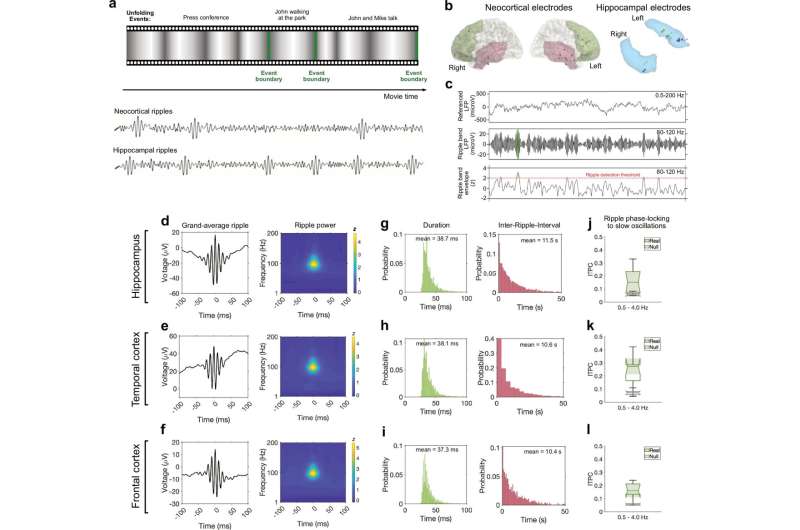
Experimental design, ripple detection, and ripple properties. Credit: Nature Communications (2025)

A research team has identified, for the first time in humans a key neurophysiological mechanism in memory formation: ripple-type brain waves—high-frequency electrical oscillations that mark and organize the different episodes or fragments of information that the brain stores as memories.

Scientists have discovered how a key protein helps maintain strong connections between brain cells that are crucial for learning and memory.

New research shows that signs of Alzheimer’s disease can already be detected in the blood of people as young as their 40s. Finnish scientists found elevated Alzheimer’s-related biomarkers in middle-aged adults, especially among those with maternal history or kidney disease.

A new study questions whether playing youth football leads to harmful protein buildup in the brain.

Receiving six or more prescriptions of the drug gabapentin for low back pain is associated with significantly increased risks of developing dementia and mild cognitive impairment, finds a large medical records study.

A large genetic study reveals that cannabis use disorder is strongly linked to increased risk for multiple psychiatric disorders, including depression, PTSD, ADHD, and schizophrenia.

A common sugar substitute, erythritol, widely used in “sugar-free” and low-carb products, may increase stroke risk by damaging brain blood vessel cells. A new study found that erythritol exposure reduced nitric oxide, increased vessel constrictors, impaired clot-busting abilities, and boosted free radical production in these cells.

Finally, this week, neuroscientists have discovered a signature ‘wave’ of activity as the brain awakens from sleep.

Weekly Neuroscience Update

After following a protocol of sensory-motor activities with cognitive engagement for two months, eleven children aged 10 to 12 who were diagnosed with dyslexia showed improvement in reading speed. This initiative combined recreational activities that incorporated motor and social skills, demonstrating promise in improving children’s reading performance.

Parkinson’s disease often starts on one side of the body, and new research shows this asymmetry influences how non-motor symptoms progress. 

Memory helps us make sense of the present by retrieving past experiences based on either surface-level similarities or deeper conceptual connections. A recent study reveals that when a familiar mental category — like excuses or conflicts — is available, memory prioritizes structural, abstract links over superficial cues.

A device combining ultrasound and advanced imaging to provide information for the safe delivery of drugs into the brain has been developed by University of Queensland researchers.

A new study has upended decades of neuroscience dogma, revealing that dopamine, a neurotransmitter critical for movement, motivation, learning and mood, communicates in the brain with extraordinary precision, not broad diffusion as previously believed.

Researchers have found a new drug that may boost the brain’s ability to heal itself after injury. The discovery could lead to significant advances in treating traumatic brain injuries, or TBIs.

A study published in iScience suggests that the magic of live performance art may be reflected in our brains. When people watched a live contemporary dance performance, their brainwaves synced up, signaling shared focus and attention—but that synchrony didn’t occur when people watched the same performance alone on video.

A research team has developed a novel deep learning framework that significantly improves the accuracy and interpretability of detecting neurological disorders through speech.

A new study reveals that our organs age at different speeds, and those differences can predict future disease risk and even life expectancy. Using blood-based protein signatures from over 44,000 participants, researchers developed an algorithm to estimate the biological age of 11 organ systems.

Finally this week, a study in the journal Science presents compelling new evidence that neurons in the brain’s memory center, the hippocampus, continue to form well into late adulthood.

Weekly Neuroscience Update

Credit: Cell Reports (2025).

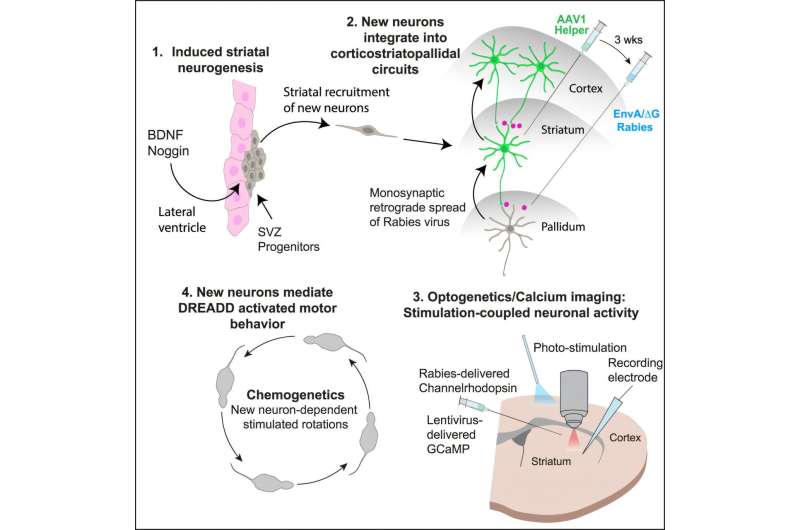
New research shows that the adult brain can generate new neurons that integrate into key motor circuits. The findings demonstrate that stimulating natural brain processes may help repair damaged neural networks in Huntington’s and other diseases.

A study published in Brain Communications highlights a new approach to treating drug-resistant epilepsy.

A novel human study with intracranial recordings demonstrates the thalamus’s pivotal role, especially its higher-order regions, in the onset of conscious perception, with activation preceding that of the prefrontal cortex.

New findings reveal that long-term obesity patterns have distinct impacts on brain structure, function, and cognition. 

Researchers have discovered new potential therapeutic targets for multiple sclerosis (MS). While current treatments prevent further damage, the current findings may form the starting point for the development of new treatments for tissue recovery in MS. The research is published in the journal Brain.

Research published in the Journal of Magnetic Resonance Imaging has uncovered changes in brain connectivity during chemotherapy in patients with breast cancer.

Mass General Brigham investigators have linked difficult early life experiences with reduced quality and quantity of the white matter communication highways throughout the adolescent brain. This reduced connectivity is also associated with lower performance on cognitive tasks.

A team of engineers has developed a microscale brain–computer interface that is small enough to be placed between hair follicles on a user’s head.

Researchers have identified specific high-order thalamic nuclei that drive human conscious perception by activating the prefrontal cortex. Their findings enhance understanding of how the brain forms conscious experience, offering new empirical support for theories that assign a central role to thalamic structures rather than cortical areas alone.

A natural compound found in everyday fruits and vegetables may hold the key to protecting nerve cells—and it’s showing promise as a potential treatment for ALS and dementia.

New research highlights how smartphones are transforming memory science by capturing real-world data on sleep, emotion, and daily experiences. Studies show that replaying memories before sleep, experiencing novel events, and feeling positive emotions can all strengthen autobiographical memory.

An artificial intelligence tool that can help interpret and assess how well treatments are working for patients with multiple sclerosis has been developed by UCL researchers.

A recent study indicates that brain cells possess a higher degree of plasticity than previously understood. This suggests that the brain’s ability to adapt and change throughout life is more extensive than earlier scientific models suggested.

Researchers have discovered that increased blood flow leads to stiffness in the hippocampus, a region of the brain that plays important roles in learning and memory. 

By mapping the presynaptic inputs to single neurons within the primary somatosensory cortex researchers have shown how these neurons integrate brain-wide signals related to behavior, offering a more nuanced understanding of cortical activity.

Seventeen modifiable risk factors are shared by stroke, dementia, and late-life depression, according to a review published in the Journal of Neurology, Neurosurgery & Psychiatry.

A recent study has shown how aspects of brain function change with age, revealing that excitatory processes in the brain decrease, while inhibitory processes increase as children get older. The findings are an important step in understanding disorders like autism.

Finally this week, research shows that a blow to the head can significantly impact a child’s or adolescent’s future education. Even a mild concussion can have far-reaching consequences.

Weekly Neuroscience Update

Illustration of the wearable rTMS device. Credit: Nature Communications (2025).

A new wearable brain stimulation device is being developed, aiming to make therapeutic brain stimulation portable and accessible. This technology could potentially allow for on-the-go treatment of various neurological and psychiatric conditions, moving brain stimulation therapy out of clinical settings and into everyday life.

A recent study provides the first detailed cellular insights into how psilocin, the active ingredient in magic mushrooms, promotes the growth and networking of human nerve cells.

Scientists have developed tiny, magnetically controlled robots designed for minimally invasive brain surgery. These robots can perform precise actions like gripping and cutting tissue, guided by external magnetic fields, potentially eliminating the need for large skull openings. The technology aims to significantly reduce patient recovery time and risks associated with traditional neurosurgery.

Marking a breakthrough in the field of brain-computer interfaces (BCIs), a team of researchers has unlocked a way to restore naturalistic speech for people with severe paralysis.

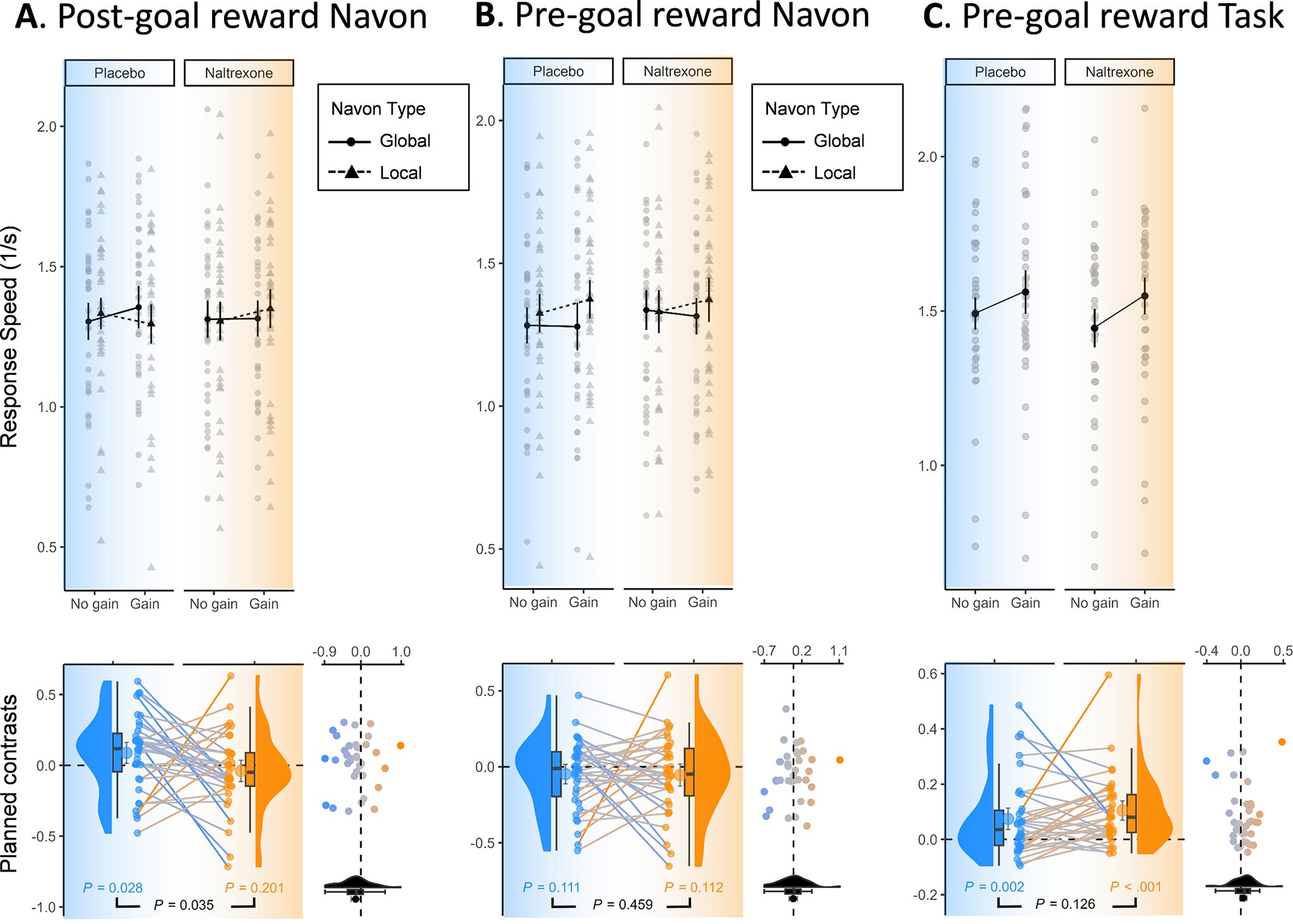
For the first time, scientists have confirmed a neurobiochemical link between dopamine and cognitive flexibility, according to new research published in The Journal of Nuclear Medicine. PET imaging shows that the brain increases dopamine production when completing cognitively demanding tasks, and that the more dopamine released, the more efficiently the tasks are completed. Armed with this information, physicians may soon be able to develop more precise treatment strategies for neurological and psychiatric disorders.

The risk of a full-blown stroke will remain high for at least a decade after a person has a slight brush with stroke, in the form of a transient ischemic attack or minor stroke, a new study says.

By analyzing DNA and proteins in the blood of people with and without acute spinal cord injuries (SCIs), researchers have developed a novel blood test that has the potential to rapidly predict the severity and likelihood of sensory and motor recovery within six months in a cost-effective manner.

A new study has demonstrated that the brains of people who experience migraines and other types of headaches cannot modulate visual stimulation in the same way a person without these conditions can.

Scientists have developed a way to map how individual connections between neurons change across the entire brain during learning, giving scientists a new view into how changes in behaviour show up in the brain. The new imaging method, DELTA, provides scientists with a brain-wide map of how individual synaptic proteins change over time. Proteins important for synaptic plasticity are known to be degraded or synthesized as synaptic connections change.

Research has found that metal particles from artificial joint implants can enter the central nervous system and accumulate in cerebrospinal fluid, raising concerns about potential neurological effects.

Though Alzheimer’s disease is often described as a buildup of proteins in the brain in the form of plaques and tangles, a new study has shown that blood vessels in the brain might hold another important clue to the disease.

Finally this week, virtual reality reveals that curiosity is key in shaping our spatial memory and mental map formation, according to new research.

Weekly Neuroscience Update

Cortical Resting-State Networks defined by Gordon’s Parcellation. Credit: Journal of the American Academy of Child & Adolescent Psychiatry (2025).

Exposure to high ambient temperatures is associated with lower connectivity in three brain networks in preadolescents, suggesting that heat may impact brain function. 

A new study reveals that consuming high-calorie, highly processed foods for just five days can reduce the brain’s sensitivity to insulin, a key factor in obesity and type 2 diabetes. Researchers found that even in healthy individuals, short-term unhealthy eating altered brain function, mimicking effects seen in people with obesity.

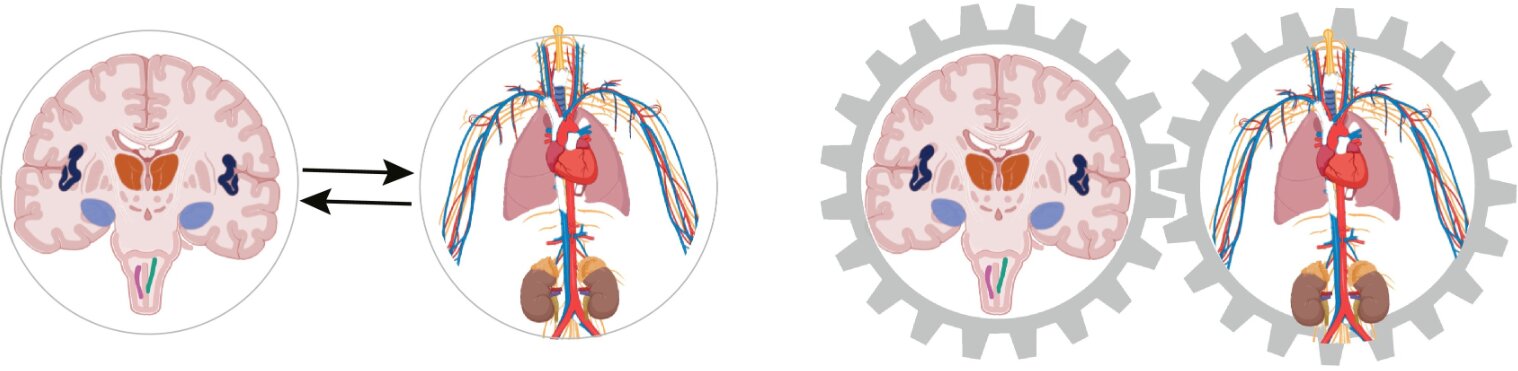
Scientists are exploring the role of gut-brain axis in Parkinson’s, anxiety and long COVID.

New research highlights that optimal brain health is strongly linked to cardiovascular wellness. The study underscores that dementia and cognitive decline share risk factors with heart disease, suggesting these conditions are largely preventable by managing diet, exercise, cholesterol, blood sugar, and blood pressure.

Approximately 40 percent of adults with chronic pain experience depression or anxiety, according to a review published in JAMA Network Open.

A multidisciplinary team of researchers has discovered how lateral inhibition helps our brains process visual information, and it could expand our knowledge of sensory perception, leading to applications in neuro-medicine and artificial intelligence.

Brain changes may remain visible in brain scans after recovery from concussion, a new study shows.

Researchers are using photoacoustic imaging to observe brain activity and, in the process, discovering more about how it responds to different types of learning and experiences. Photoacoustic imaging uses optics and acoustics to generate a signal in biological tissues—in this case, the brain—where the signal provides structural and functional data and allows researchers to track factors such as brain activity. 

A study exploring a new brain imaging technique is bringing stroke experts a step closer to better tailoring rehabilitation.

Scientists have uncovered new insights into how neurofilaments act like Velcro in neurodegenerative diseases, clogging up the brain and preventing normal function, according to a study published in the journal JCI Insight.

Poor sleep could have an impact on brain health, according to a new study from The Australian National University (ANU) published in the journal Sleep Medicine.

Mayo Clinic researchers have found a new way to more precisely detect and monitor brain cell activity during deep brain stimulation, a common treatment for movement disorders such as Parkinson’s disease and tremor. This precision may help doctors adjust electrode placement and stimulation in real time, providing better, more personalized care for patients receiving the surgical procedure.

A new neuroimaging study has revealed that viewing nature can help ease how people experience pain, by reducing the brain activity linked to pain perception.

An international team of scientists has revealed new clues about the neural mechanisms underlying memory formation and recognition in the developing human brain, according to a study published in Science Advances.

Poor sleep among older adults is linked to disruptions in the brain’s “waste removal system,” according to a recent study.

Research published in the Proceedings of the National Academy of Sciences  reveals that brain aging isn’t a steady decline, but rather a series of shifts with key turning points. These transition points follow an S-shaped statistical curve with clear transition points, rather than either the late-life clinical onset or gradual linear decline previously assumed, suggesting there are specific windows when intervention could be most impactful.

Finally this week, new research reveals that our brains simplify complex social interactions by using basic mental “building blocks” or shortcuts.

Weekly Neuroscience Update

Schematic representation of the “Harmonic Oscillator Recurrent Network Model” (HORN). Credit: ESI

Researchers have made a new discovery in understanding fundamental brain processes. For the first time, the team has provided compelling evidence that the brain’s characteristic rhythmic patterns play a crucial role in information processing. While these oscillatory dynamics have long been observed in the brain, their purpose has remained mostly elusive until now.

Music has the best chance of providing pain relief when it is played at our natural rhythm, a McGill University research team has discovered.

Tiny plastic particles may accumulate at higher levels in the human brain than in the kidney and liver, with greater concentrations detected in postmortem samples from 2024 than in those from 2016, suggests a paper published in Nature Medicine. Although the potential implications for human health remain unclear, these findings may highlight a consequence of rising global concentrations of environmental plastics.

The first-ever ethics checklist developed for portable MRI brain researchers.

A team of scientists from the Center for Neuroscience Imaging Research (CNIR) at the Institute for Basic Science (IBS) has unveiled how the hippocampus orchestrates multiple memory processes, including encoding new information, forming memories, and retrieving them. The study is published in Nature Communications.

A recent study suggests that frequent treatment with intranasal oxytocin a hormone linked to empathy, may help address a key symptom in patients with frontotemporal dementia.

Researchers using intracranial electroencephalogram (EEG) recordings from deep within the brain found that meditation led to changes in activity in the amygdala and hippocampus, key brain regions involved in emotional regulation and memory.

Could the key to easing anxiety be hidden in our gut? Scientists have discovered a crucial connection between gut microbes and anxiety-related behaviour.

People’s ability to interpret emotions or focus on performing a task is reduced by short-term exposure to particulate matter air pollution, potentially making everyday activities more challenging, according to a new study.

New research has revealed clear evidence that changes in the orchestration of brain oxygenation dynamics and neuronal function in Alzheimer’s disease contribute to the neurodegeneration.

Researchers are paving the way for the design of bionic limbs that feel natural to users. They demonstrate the connection between hand movement patterns and motoneuron control patterns. The study, published in Science Robotics, also reports the application of these findings to a soft prosthetic hand, which was successfully tested by individuals with physical impairments.

Occupational exposure to noise and/or vibrations is associated with the presence of vertigo, according to a study recently published in the Journal of Clinical Medicine.

A team of researchers recently carried out a study aimed at exploring the differences among patients with OCD. Their findings, published in Translational Psychiatry, allowed them to identify two broad OCD subtypes, which are associated with different patterns in gray matter volumes and disease epicenters.

A Canadian research team has revealed important new insights into the activation dynamics of neural stem cells (NSCs). These are the stem cells that build our central nervous systems and self-renew.

New research reveals that brain cells use a muscle-like signaling mechanism to relay information over long distances. Scientists discovered that dendrites, the branch-like extensions of neurons, contain a structured network of contact sites that amplify calcium signals—similar to how muscles contract. These contact sites regulate calcium release, activating key proteins involved in learning and memory.

Finally this week, a large study has found that heavy cannabis use, both recent and lifetime, is linked to reduced brain activity during working memory tasks in over 1,000 young adults.

Weekly Neuroscience Update

Scientists have highlighted the most effective treatments for neurological diseases by overcoming one of medicine’s most difficult challenges: the blood–brain barrier. The findings offer new hope for patients with conditions including Alzheimer’s, and Parkinson’s disease, brain tumors, and epilepsy.

A study conducted in Finland showed that changes in the functioning of opioid neurotransmitters in the brain may underlie anorexia.

Poorer cardiovascular health in childhood and adolescence may be linked to early differences in brain structure, particularly in areas of the brain known to be affected in dementia in later life, according to a new scientific study.

Researchers have uncovered how specific patterns in brain activity can predict an individual’s sensitivity to pain, expanding opportunities for improved pain management strategies.

Delayed rapid eye movement (REM) sleep may be an early indicator of Alzheimer’s disease. Researchers found that participants with delayed REM sleep had higher levels of toxic proteins associated with Alzheimer’s and reduced levels of brain-derived neurotrophic factor (BDNF), which supports memory.

The microbial ecosystems in our mouths may impact cognitive function as we age, with pathogenic bacteria linked to cognitive decline.

New research suggests that mood swings in bipolar disorder are regulated by two clocks: the body’s 24-hour circadian rhythm and a dopamine-based clock that influences alertness. When these clocks align at specific intervals, they may trigger shifts between mania and depression.

A study in the Journal of Neuroscience reveals a new mechanism for how brain cells transmit signals from their tips to their nucleus, triggering gene activation crucial for learning and memory.

Investigators have discovered that activity in two widely distributed brain networks previously considered separate are actually correlated with each other and together play a key role in recognition memory, according to a study published in Cell Reports.

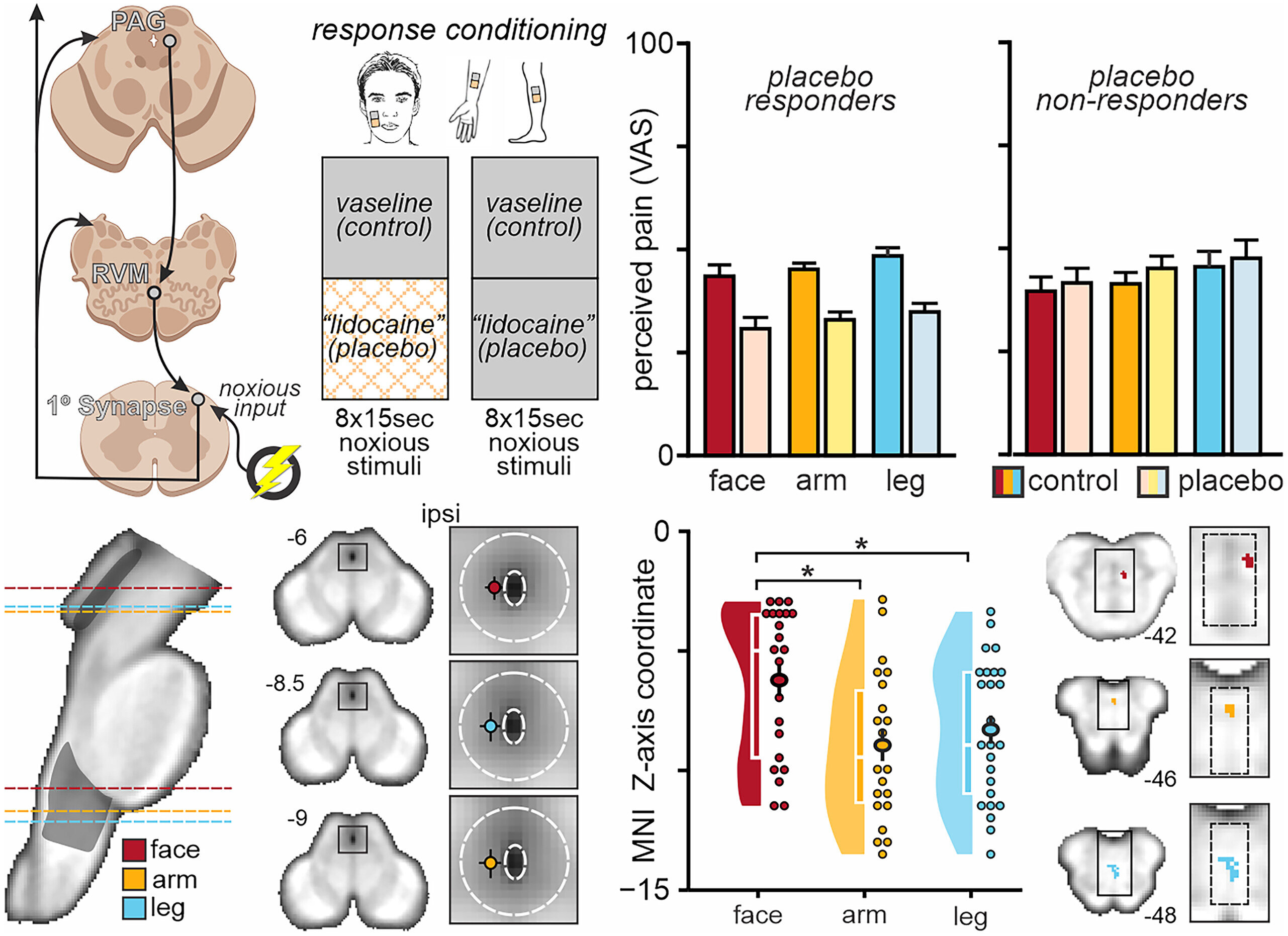
Cannabinoids offer new hope for safe and effective pain relief.

Researchers analyzed the genetic connection of retinal cells and several neuropsychiatric disorders. By combining different datasets, they found that schizophrenia risk genes were associated with specific neurons in the retina. The involved risk genes suggest an impairment of synapse biology, so the ability of neurons to communicate with each other. This impairment might also be present in the brains of schizophrenia patients.

Researchers at the University of Barcelona have identified a deficit in contrast perception in people with schizophrenia.

A study of nearly 1,000 people with post-COVID-19 syndrome (PCS) revealed that two-thirds still experienced significant symptoms, including reduced exercise capacity and cognitive performance, two years after infection. Persistent symptom clusters included fatigue, neurocognitive disturbances, and post-exertional malaise, with worse outcomes in individuals with obesity, lower education, or severe initial infections.

Finally this week, new research shows diets high in processed meat, fast food, and sugary drinks accelerate biological aging, even in young adults.