Brain Matters: 6 Ways to Boost Brain Health for World Brain Day

On World Brain Day, take a moment to reflect on how you’re caring for your brain. Small, consistent choices today lay the foundation for lifelong neurological well-being.

Here are six evidence-backed ways to boost your brainpower and support long-term neurological health.

1. Move Your Body, Support Your Brain

Regular aerobic exercise has been shown to increase the volume of the hippocampus. In a landmark study published in PNAS (Erickson et al., 2011), older adults who engaged in moderate aerobic activity three times a week showed a 2% increase in hippocampal volume over one year. In contrast, a control group performing only stretching exercises experienced 1.4% hippocampal shrinkage, a common pattern with age. Notably, the exercise group also demonstrated improvements in spatial memory, directly correlating with brain growth.

Practical Recommendations

  • Aim for at least 3 sessions per week of moderate aerobic activity (e.g., brisk walking, cycling, swimming).
  • Sessions of 30–60 minutes appear most effective for cognitive benefits.
  • Long-term, regular exercise yields the greatest hippocampal and cognitive gains.

2. Prioritise Restorative Sleep

Restorative sleep is increasingly recognised as a core pillar of brain health—not just a luxury, but a biological necessity. It supports memory consolidation, mood regulation, and the brain’s glymphatic system, which clears neurotoxic waste, including beta-amyloid. Poor sleep has been linked to increased risk of Alzheimer’s disease, making sleep a modifiable risk factor for cognitive decline. A regular, high-quality sleep routine is as essential as exercise and nutrition in maintaining long-term neurological function.

Practical Recommendations

  • Maintain a regular sleep-wake cycle, even on weekends.
  • Aim for 7–9 hours per night for adults, as recommended by sleep experts.
  • Seek treatment for sleep disorders like insomnia or sleep apnea, which can impair brain function over time.

3. Keep Learning and Challenging Yourself

The brain thrives on novelty and complexity. Lifelong mental stimulation helps preserve cognitive flexibility and may delay or prevent the onset of dementia. Longitudinal studies, such as the Nun Study, show that individuals who engage in continuous intellectual activities throughout life enjoy better cognitive outcomes in older age. These activities promote cognitive reserve—the brain’s ability to adapt and find new pathways even in the presence of damage.

Practical Recommendations

  • Prioritise activities that are mentally challenging and unfamiliar, such as learning a new language, musical instrument, or strategic game (e.g., chess).
  • Combine learning with social interaction (e.g., group classes, book clubs), which has additional cognitive and emotional benefits.
  • Consistency matters; regular, incremental learning is more beneficial than sporadic activity.

4. Nourish Your Brain

What we eat profoundly shapes brain health. Diets rich in antioxidants, healthy fats, and low-glycaemic foods combat oxidative stress and neuroinflammation, both of which are implicated in neurodegenerative diseases. The MIND diet—an evidence-based hybrid of the Mediterranean and DASH diets—has been shown to reduce Alzheimer’s risk by up to 53% in those who follow it closely. Even moderate adherence is linked to slower cognitive decline.

Practical Recommendations

  • Increase consumption of berries, leafy green vegetables, nuts, beans, whole grains, fish, poultry, and olive oil.
  • Consider adopting dietary patterns consistent with the MIND, Mediterranean, or DASH diets for long-term brain support.
  • Combine nutritional improvements with other lifestyle strategies—synergy matters in neuroprotection.

5. Manage Stress Proactively

Prolonged stress harms both the structure and function of the brain. Elevated cortisol levels can impair memory, shrink the hippocampus, and interfere with emotional regulation. However, stress is not an inevitable decline—it can be managed. Mindfulness-Based Stress Reduction (MBSR) has been shown to increase grey matter density in regions linked to learning and emotional processing (Hölzel et al., 2011), offering a tangible tool for resilience.

Practical Recommendations

  • Just 10 minutes of focused breathing or mindfulness meditation can lower cortisol levels and calm the nervous system. Apps like Headspace or Calm offer easy guided sessions.
  • Physical activity, such as a brisk 10-minute walk, boosts mood-regulating endorphins and helps reduce stress hormones.
  • Create clear boundaries around screen time and work, especially in the evenings, to give your brain space to decompress and recover.

6. Stay Connected

Human connection isn’t just emotionally fulfilling—it’s biologically protective. Social interaction activates brain regions involved in memory, empathy, and executive function, while loneliness has been identified as a significant risk factor for cognitive decline. Research by Cacioppo and Hawkley (2009) found that frequent social engagement is associated with slower memory loss and better overall cognitive performance in older adults.

Practical Recommendations

  • Make time for meaningful conversations and shared experiences—these stimulate the brain more than passive interactions.
  • Join community activities, clubs, or volunteer groups to build social networks, particularly after major life transitions.
  • Prioritise quality over quantity—even a few close, supportive relationships offer substantial brain benefits.

Protecting Brain Health Is a Lifelong Investment

Your brain shapes how you move through the world—how you think, feel, connect, and remember. While some risk factors for neurological disease are beyond our control, many protective habits are not. As this evidence shows, brain health is something we can influence every day, through simple, sustainable choices that build resilience over time.


References

Erickson, K. I., et al. (2011). Exercise training increases size of hippocampus and improves memory. Proceedings of the National Academy of Sciences, 108(7), 3017-3022.

Ju, Y.-E. S., et al. (2013). Sleep quality and preclinical Alzheimer disease. JAMA Neurol., 70(5), 587-593.

Morris, M. C., et al. (2015). MIND diet associated with reduced incidence of Alzheimer’s disease. Alzheimer’s & Dementia, 11(9), 1007-1014.

Holzel, B. K., et al. (2011). Mindfulness practice leads to increases in regional brain gray matter density. Psychiatry Research: Neuroimaging, 191(1), 36-43.

Cacioppo, J. T., & Hawkley, L. C. (2009). Perceived social isolation and cognition. Trends in Cognitive Sciences, 13(10), 447-454.


Weekly Neuroscience Update

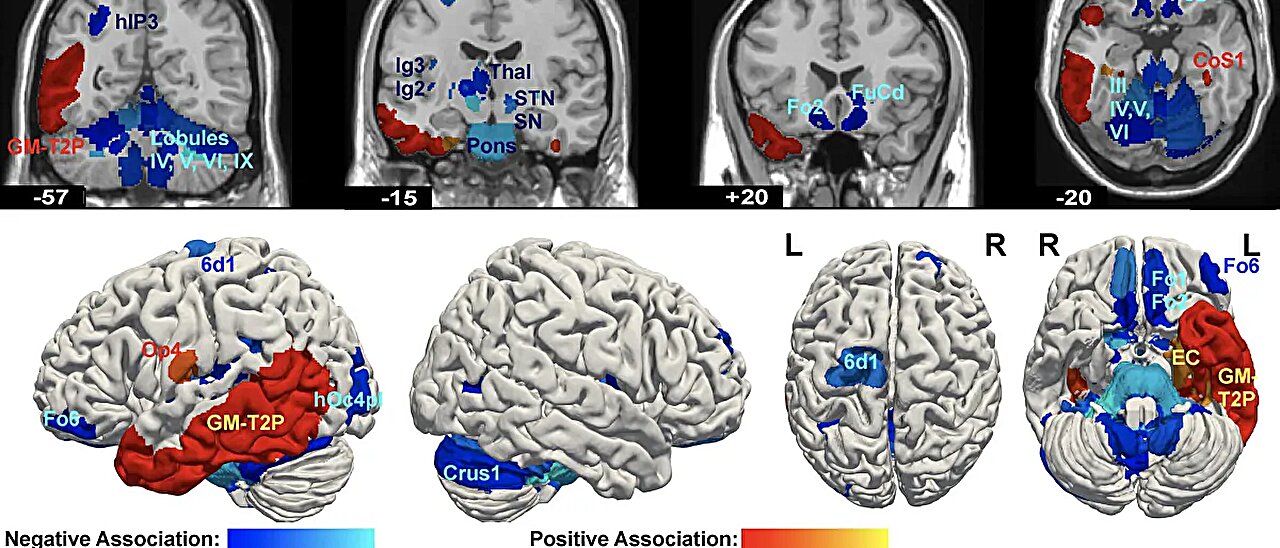
Coloured regions show where brain volume was associated with deviant lifestyle and antisocial behavior in individuals with psychopathic traits. Credit: European Archives of Psychiatry and Clinical Neuroscience (2025).

A recent study has shed light on the brain structure differences associated with psychopathy—a condition known to be one of the strongest predictors of persistent violent behaviour. The findings are published in the journal European Archives of Psychiatry and Clinical Neuroscience.

Researchers are using a new approach to brain imaging that could improve how drugs are prescribed to treat Parkinson’s disease.

An analysis of over 375 trials shows that structured exercise significantly reduces depression and anxiety in children and teens. Low-intensity resistance activities like light weights were most effective for easing anxiety, while moderate mixed-mode programmes worked best for depression, especially when lasting under 12 weeks.

A new technology that uses clinical MRI machines to image metabolic activity in the brain could give researchers and clinicians unique insight into brain function and disease.

Diets rich in phosphate additives, commonly found in processed foods, can increase blood pressure by triggering a brain signaling pathway and overactivating the sympathetic nervous system that regulates cardiovascular function, UT Southwestern researchers discovered. Their findings could lead to treatment strategies for patients with hypertension caused by overconsumption of foods containing high levels of phosphates.

The long-standing belief that left-handed people are more creative has been challenged by a new meta-analysis of over a century of research. 

New research proposes a unified theory of brain function based on criticality—a state where the brain teeters between order and chaos, allowing it to learn, adapt, and process information optimally. When the brain strays from this delicate balance, cognitive performance weakens, and neurological disorders such as Alzheimer’s may begin to take hold.

A drug used for Parkinson’s disease has been shown to be effective in reducing the symptoms of difficult to treat depression, according to a study led by the University of Oxford.

A recent study shows that older adults may compensate for age-related cognitive decline by enhancing activity in a specific brain region linked to attention—the locus coeruleus (LC). In a brain imaging study, older participants showed stronger LC responses when interpreting ambiguous facial expressions, compared to younger adults.

Individuals with versus those without tinnitus have significantly lower scores on cognitive function tests, according to a recent study published in Frontiers in Neurology.

New research shows how the brain navigates emotional transitions, using music as a tool to map changing neural patterns. Scientists found that emotional responses in the brain depend heavily on the listener’s prior emotional state.

A clinical trial has revealed that Ambroxol, a common cough medicine in Europe, may help slow cognitive decline in people with Parkinson’s disease dementia.

In a study of 200 former professional rugby players (aged 30–61 years old), researchers from Imperial College London, University College London and the UK Dementia Research Institute found no cases of early-onset dementia.

Finally this week, new research findings show how synaptic connections in the cerebral cortex can strengthen during sleep, offering insight into how the brain continues learning even while we rest.

Weekly Neuroscience Update

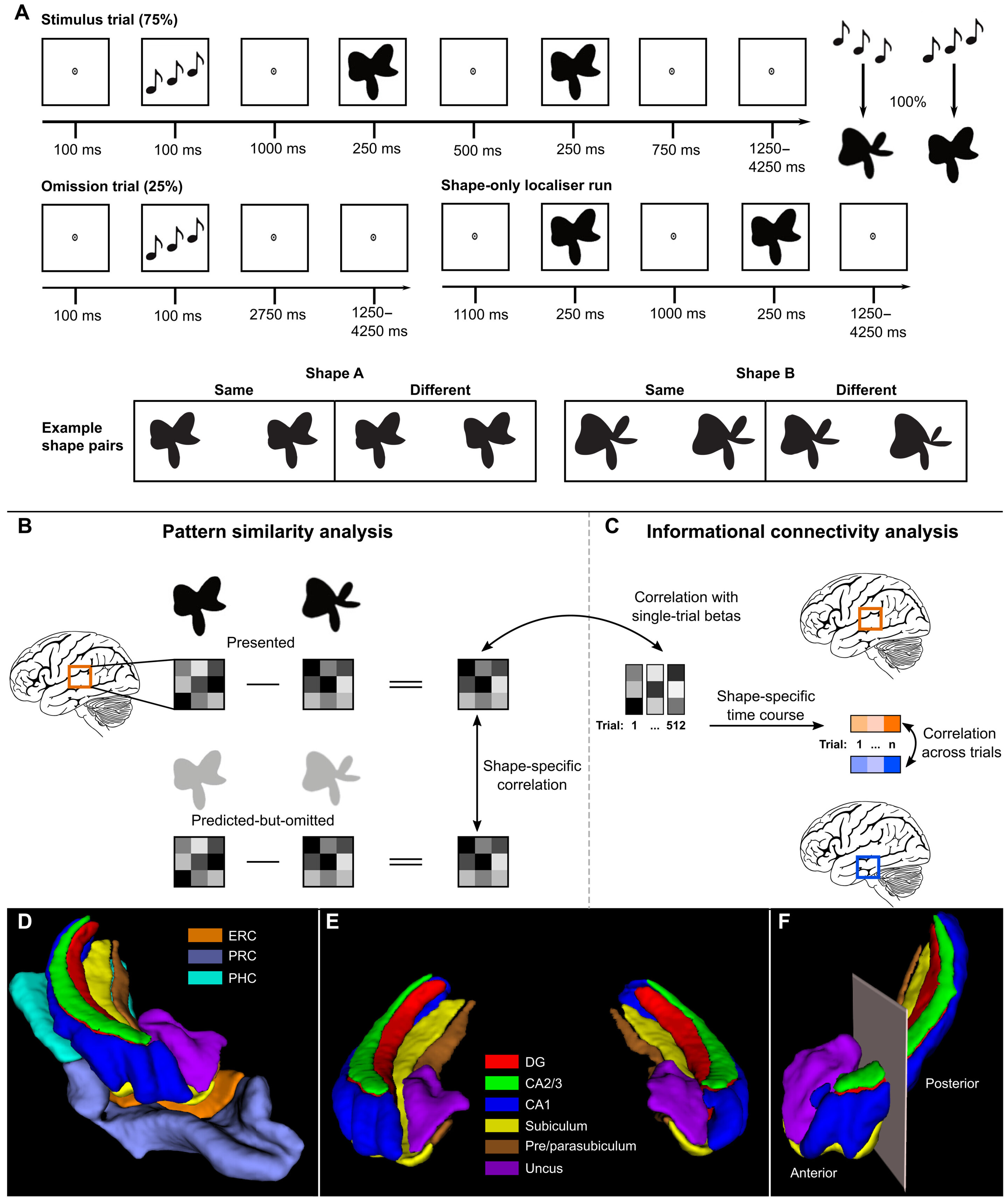
Overview of experimental paradigm and analysis. Credit: Science Advances

A recent study has shown that the hippocampus sends signals to the visual cortex to predict what we are about to see.

Researchers have achieved a significant milestone in the treatment of depression, demonstrating the effectiveness of personalized transcranial magnetic stimulation (TMS) therapy offering a new treatment option for people who have had little success with other therapies.

A large study suggests that following the MIND diet—rich in leafy greens, berries, nuts, and olive oil—significantly reduces the risk of Alzheimer’s and related dementias.

New research finds that patients with insomnia often retain accurate sleep-wake perception and intact regulatory systems, despite feeling as though they sleep poorly. Using serial awakenings during sleep lab monitoring, researchers found no significant difference in sleep perception between healthy individuals and those with insomnia.

A recent study has found that physical exercise helps maintain brain size as we age, regardless of body mass.

Emerging research indicates that psychedelics such as psilocybin don’t just change brain activity; they also modify the communication network between the brain and the immune system. Scientists have pinpointed a mechanism where persistent stress interferes with signals from the amygdala, setting off immune reactions that amplify feelings of fear and anxiety.

A large study suggests that following the MIND diet—rich in leafy greens, berries, nuts, and olive oil—significantly reduces the risk of Alzheimer’s and related dementias. 

By pinpointing hospitalized patients at high risk for delirium, an artificial intelligence (AI) model has quadrupled the rate at which the condition is both detected and treated. The model’s alerts prompt a dedicated team to assess these patients and implement a treatment plan if needed, leading to significantly better outcomes.

Areas of the brain that help a person differentiate between what is real and what is imaginary have been uncovered in a recent study.

A new predictive model combining genetics with developmental milestones may help forecast which autistic children are at risk of developing intellectual disabilities. In a large study of over 5,600 children, researchers were able to correctly predict 10% of such cases and differentiate between low and high-risk groups twice as well as current methods.

New research finds that elevated cortisol levels in midlife are linked to increased brain amyloid deposition—a key marker of Alzheimer’s disease—specifically in post-menopausal women

Scientists explored the associations between telomere length—which decreases as a person ages or is exposed to unhealthy environments—and the risk for age-related brain diseases and found evidence suggesting that healthier lifestyle choices could mitigate telomere length-associated risks.

Finally this week, greater symptoms of depression are linked to less microbial diversity in the mouth, according to a recent study.

Weekly Neuroscience Update

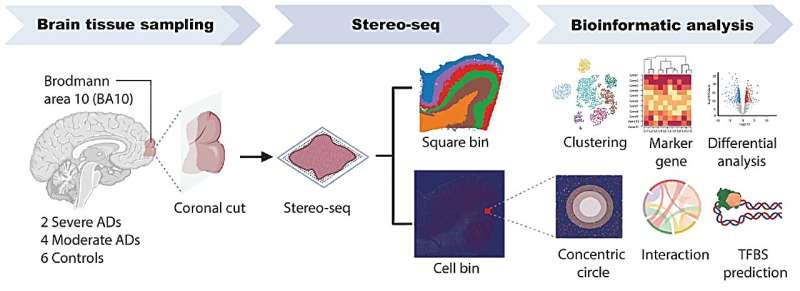
The analysis pipeline of the study, with select figures created using BioRender. Credit: Nature Communications (2025)

Scientists have developed a novel, detailed map at the subcellular level of a brain region frequently impacted by Alzheimer’s disease. This groundbreaking achievement represents a significant advancement in understanding the mechanisms underlying the development of this neurodegenerative condition.

New research shows that AI can identify complex regional pain syndrome (CRPS) with over 90% accuracy by analyzing gut microbiome patterns. 

Mindfulness exercises paired with music were found to engage both neural and cardiac systems, potentially reducing symptoms of anxiety and depression. A recent study showed that live and virtual music mindfulness sessions lowered stress and altered states of consciousness, though only live sessions fostered social connection.

A long-term study shows that teenagers who maintain or increase physical activity levels are less likely to develop symptoms of depression.

Researchers have developed a brain-computer interface (BCI) that enables computer cursor control and clicking, using neural signals from the speech motor cortex. One participant with amyotrophic lateral sclerosis (ALS) used the interface for daily life activities, including independent control of a personal desktop computer and text entry.

New research shows that targeting emotional processing is key to treating and managing chronic pain.

In a first-of-its-kind clinical study, researchers have shown that patients with treatment-resistant PTSD were symptom-free up to six months after completing traditional therapy paired with vagus nerve stimulation (VNS).

Scientists using living human brain tissue have shown for the first time how a toxic form of a protein linked to Alzheimer’s can stick to and damage the connections between brain cells.

People whose biological age is higher than their chronological age may be more likely to develop dementia than people whose biological age matches or is lower than their chronological age, according to a study published online in Neurology. Biological age is based on biomarkers of aging such as lung function, blood pressure and cholesterol.

A recent study reveals that oxygen tension elevation during weeks four to six promotes neurogenesis in brain organoids, regulated by neuroglobin. The research is published in Science Advances.

Obstructive sleep apnea, a condition that causes lower oxygen levels during sleep, is linked to degeneration of brain regions associated with memory through damage to the brain’s small blood vessels, according to a study published in Neurology.

A new theory suggests that psychedelics promote empathy, insight, and psychological flexibility by making the brain’s right hemisphere temporarily dominant over the left. 

A revolutionary microscopy method called LICONN enables scientists to reconstruct brain tissue and map synaptic connections using standard light microscopes. By embedding brain tissue in hydrogel, expanding it, and imaging at nanoscale resolution, researchers achieve a detailed view of neuronal architecture previously only possible with electron microscopy.

A new music therapy-based tool called MuSICCA may transform how healthcare teams assess consciousness in children with severe brain injuries. 

Research from Emory University has identified a biological connection between inflammation and deficits in motivation in individuals with schizophrenia, offering new hope for treating symptoms that have long been resistant to existing therapies.

A Yale-led study shows that the senses stimulate a region of the brain that controls consciousness—a finding that might inform treatment for disorders related to attention, arousal, and more.

Finally this week, a new study has debunked the common myth that autistic people are less effective communicators than non-autistic individuals. Researchers found no difference in how well information was shared between autistic-only, non-autistic-only, or mixed groups.

Weekly Neuroscience Update

Credit: Nature Mental Health (2025)

Pioneering research has identified the brain mechanisms that enable psychosis to remit. These findings could significantly inform the development of novel intervention strategies for patients with psychosis.

Contrary to fears of “digital dementia,” new research finds that using digital technology is linked to a reduced risk of cognitive decline in older adults. A large-scale meta-analysis of over 400,000 participants revealed that digital engagement correlates with a 58% lower risk of cognitive impairment.

A simple method of brain stimulation has been shown to change how people make decisions. These were the findings of a new study published in the Journal of Cognitive Neuroscience.

A team of researchers has identified the key brain regions that are essential for logical thinking and problem solving. The findings help to increase our understanding of how the human brain supports our ability to comprehend, draw conclusions, and deal with new and novel problems—otherwise known as reasoning skills.

Medial temporal lobectomy is effective in improving seizure outcomes among patients with drug-resistant temporal lobe epilepsy, according to a recent study.

New research links fatty, sugary diets to impaired brain function. The findings build on a growing body of evidence showing the negative impact of high-fat, high-sugar (HFHS) diets on cognitive ability, adding to their well-known physical effects.

A recent study reveals that the basolateral amygdala plays a key role in calibrating prosocial behavior based on emotional closeness.

New research reveals that gut imbalances in children with autism may influence brain activity and behaviour by disrupting the production of key neurotransmitters like serotonin. Scientists found that changes in gut-derived metabolites are linked to differences in brain structure and function in children with autism.

Chronic pain is closely intertwined with depression. Individuals living with pain’s persistent symptoms may be up to four times more likely to experience depression according to a new study.

Our brains can adapt to filter out repeated distractions, according to a new EEG study. Participants learned to ignore frequent visual distractions, such as a red shape in the same location, while searching for a target.

Repetitive transcranial magnetic stimulation is showing promise in Alzheimer’s treatment.

A new international study reveals a possible connection between GLP1 receptor agonists—used in drugs like Ozempic—and increased risk of depression and suicidal ideation, especially in people with low dopamine function.

Researchers have found a potential link between the trauma of climate-related events, exemplified by devastating wildfires, and persistent effects on cognitive function.

Researchers have developed a personalized blood test that may offer a faster, less invasive way to track high-grade glioma progression. By identifying unique DNA junctions from each patient’s tumour, the test can detect tumor DNA in the bloodstream, even before changes appear on MRI scans.

A new study demonstrates for the first time that listening to favorite music activates the brain’s opioid receptors.

Promising a more personalized approach to treating major depressive disorder (MDD), a new study reveals that brain connectivity patterns, especially in the dorsal anterior cingulate cortex, can significantly predict patient response to antidepressant medications. This finding was validated in two large, independent clinical trials using brain imaging and clinical information.

Contrary to potential assumptions, recent research demonstrates that the spatial working memory of older people with autistic traits and neurotypical individuals shows no difference in change over time.

A major international study has provided the most comprehensive evidence to date on treatments for neuropathic pain —defined as pain caused by disease of the nervous system, affecting up to 10% of the population worldwide.

Finally, this week, exercise appears to be vital for maintaining sharp minds, even when a key brain energy source is lacking, according to a new study.

Weekly Neuroscience Update

A global research collaboration has revealed how certain gut cells switch on pain signals, which can linger long after the initial trigger has passed, potentially contributing to chronic pain in conditions like irritable bowel syndrome (IBS) and inflammatory bowel disease (IBD).

Researchers have identified specific neuronal cells that are essential to our understanding of other people.

A new study reveals that older adults experience the least attention difficulties when home temperatures remain between 68–75 ˚F (20–24 ˚C). Deviations beyond this range double the risk of attention lapses, highlighting how even current climate conditions may harm cognitive health. This risk is especially pronounced for low-income seniors who may lack the means to regulate indoor temperatures.

How the brain feels about the world around it is the subject of a new paper published in Proceedings of the National Academy of Sciences.

Striking brain similarities have been found in patients with long COVID and Myalgic Encephalomyelitis/Chronic Fatigue Syndrome (ME/CFS), in particular, a larger than normal hippocampus. The research also reported the hippocampal volume was associated with symptom severity in both patient groups.

A recent study suggests that first-time transient ischemic attacks (TIA) are associated with long-term cognitive decline.

A new international and multidisciplinary study has unveiled a novel framework for understanding the concept of time persistence in the human brain, shedding light on its essential role in brain functioning and cognition. This research, which explores how long the brain’s functional networks remain in a particular state before transitioning to another, opens new doors to our understanding of human cognition and behavior.

Stress hormones shift neuron types in the developing brain, a new study suggests.

Researchers have developed a new method for deep brain stimulation. The technique, called “DeepFocus,” uses transcranial electrical stimulation (TES) on the scalp and transnasal electrical stimulation (TnES) to achieve more accurate electrical stimulation in the brain.

A new study has found that a short-term, high-caloric diet impairs brain insulin responsiveness and increases liver fat in healthy-weight men, with effects extending beyond the consumption period.

Even when within the normal range, lower levels of vitamin B12 may contribute to cognitive decline, according to a new study that found that older adults with lower biologically active B12 had slower cognitive processing and more white matter.

Researchers have developed an AI that accelerates the identification of genes that contribute to neurodevelopmental conditions such as autism spectrum disorder, epilepsy and developmental delay.

A new study based on data from 18,740 dementia patients suggests that antidepressants may accelerate cognitive decline. Researchers found that patients taking antidepressants, particularly SSRIs like escitalopram, citalopram, and sertraline, experienced faster deterioration compared to those not on medication.

A decade-long study reveals how childhood adversity alters brain development, increasing risks for mental health disorders and substance use. 

The brain may play a role in helping the ear regulate its sensitivity to sound and compensate for hearing loss by sending a signal to a structure in the inner ear known as the cochlea, according to a study that was published in the Journal of Neuroscience.

The symptoms of schizophrenia vary greatly from person to person. A recent study shows how these differences manifest themselves in the structure of the brain.

Researchers have discovered a fundamental mechanism that affects the size of the pupil, namely our breathing. The study, published in the Journal of Physiology, shows that the pupil is smallest during inhalation and largest during exhalation—something that could affect our vision.

Finally this week, a large study found that people who engage in moderate to vigorous physical activity are less likely to develop dementia, stroke, anxiety, depression, and sleep disorders.

Weekly Neuroscience Update

Scientists have highlighted the most effective treatments for neurological diseases by overcoming one of medicine’s most difficult challenges: the blood–brain barrier. The findings offer new hope for patients with conditions including Alzheimer’s, and Parkinson’s disease, brain tumors, and epilepsy.

A study conducted in Finland showed that changes in the functioning of opioid neurotransmitters in the brain may underlie anorexia.

Poorer cardiovascular health in childhood and adolescence may be linked to early differences in brain structure, particularly in areas of the brain known to be affected in dementia in later life, according to a new scientific study.

Researchers have uncovered how specific patterns in brain activity can predict an individual’s sensitivity to pain, expanding opportunities for improved pain management strategies.

Delayed rapid eye movement (REM) sleep may be an early indicator of Alzheimer’s disease. Researchers found that participants with delayed REM sleep had higher levels of toxic proteins associated with Alzheimer’s and reduced levels of brain-derived neurotrophic factor (BDNF), which supports memory.

The microbial ecosystems in our mouths may impact cognitive function as we age, with pathogenic bacteria linked to cognitive decline.

New research suggests that mood swings in bipolar disorder are regulated by two clocks: the body’s 24-hour circadian rhythm and a dopamine-based clock that influences alertness. When these clocks align at specific intervals, they may trigger shifts between mania and depression.

A study in the Journal of Neuroscience reveals a new mechanism for how brain cells transmit signals from their tips to their nucleus, triggering gene activation crucial for learning and memory.

Investigators have discovered that activity in two widely distributed brain networks previously considered separate are actually correlated with each other and together play a key role in recognition memory, according to a study published in Cell Reports.

Cannabinoids offer new hope for safe and effective pain relief.

Researchers analyzed the genetic connection of retinal cells and several neuropsychiatric disorders. By combining different datasets, they found that schizophrenia risk genes were associated with specific neurons in the retina. The involved risk genes suggest an impairment of synapse biology, so the ability of neurons to communicate with each other. This impairment might also be present in the brains of schizophrenia patients.

Researchers at the University of Barcelona have identified a deficit in contrast perception in people with schizophrenia.

A study of nearly 1,000 people with post-COVID-19 syndrome (PCS) revealed that two-thirds still experienced significant symptoms, including reduced exercise capacity and cognitive performance, two years after infection. Persistent symptom clusters included fatigue, neurocognitive disturbances, and post-exertional malaise, with worse outcomes in individuals with obesity, lower education, or severe initial infections.

Finally this week, new research shows diets high in processed meat, fast food, and sugary drinks accelerate biological aging, even in young adults.

Weekly Neuroscience Update

Cortical gray matter volume trajectories based on the functional location of the changes in gestational mothers (N = 179). Credit: Nature Communications (2025).

A new study has analyzed the brains of women during pregnancy for the first time using neuroimaging techniques. The research shows that there is a reduction and partial recovery of almost 5% of gray matter in 94% of the total gray matter volume of the brain, especially in regions linked to social cognition.

An international team has shown the relationship of activity of neurotransmitters to how humans process the emotional content of language.

More than half of 23-year-olds in a European study show restrictive, emotional or uncontrolled eating behaviours, according to new research led by the Institute of Psychiatry, Psychology & Neuroscience (IoPPN) at King’s College London. Structural brain differences appear to play a role in the development of these eating habits.

A new framework links brainwaves to individual cognitive states.

In a recent study, scientists have shown neurotransmitters in the human brain are active during the processing of the emotional content of language, providing new understanding into how people interpret the significance of words.

A new study shows stem cell therapy ‘jump-start’ brain repair after stroke.

Researchers have developed a flexible, biodegradable electrode capable of stimulating neural precursor cells in the brain, offering a safer and more precise alternative for neural repair. The electrode dissolves naturally after seven days, eliminating the need for surgical removal while promoting tissue regeneration.

Music supports babies in neonatal intensive care units, according to a recent neuroimaging study.

A study analyzing data from over 130 million individuals found that antibiotics, antivirals, vaccines, and anti-inflammatory medications are associated with a reduced risk of dementia. This supports the idea that infections and inflammation contribute to dementia and highlights the potential of repurposing existing drugs for prevention or treatment.

New research has uncovered psychological profiles associated with mental and brain health in middle-aged and older adults.

An experimental treatment for depression that triggers seizures with magnets significantly improved mental health in patients without some cognitive effects associated with electroconvulsive therapy (ECT), according to a clinical trial led by UT Southwestern Medical Center.

A research team has gathered new insight into the neural underpinnings of human cooperation.

A new study has identified three psychological profiles that influence brain health, cognitive decline, and dementia risk in aging adults. Profiles with high protective traits, like purpose and openness, show better cognition and brain integrity, while those with low protective traits or high negative traits face accelerated brain atrophy and mental health issues.

Stanford Medicine scientists are generating a periodic table of sorts for psychiatric disorders, providing a better understanding of these conditions and paving the way toward targeted treatment.

A study analyzing data from over 2 million veterans found that GLP-1 receptor agonists, popular weight-loss drugs like Ozempic and Wegovy, provide significant neurological and behavioral health benefits, including reduced risks of addiction, Alzheimer’s, and dementia. However, they also pose risks for pancreatitis and kidney conditions.

Finally, this week, a brain signal that lights up when we anticipate rewards may hold the secret to helping people overcome depression, and researchers are working to unlock its potential.

Weekly Neuroscience Update

A new study has shown neurotransmitters in the human brain are released during the processing of the emotional content of language, providing new insights into how people interpret the significance of words.

Researchers have identified how cerebrovascular disease disrupts brain connectivity, contributing to cognitive decline and neurodegeneration alongside Alzheimer’s disease. 

There may be a link between hearing impairment and an increased risk of developing Parkinson’s according to research led by Lancaster University.  Researchers analyzed data from over 159,000 individuals, finding that every 10-decibel increase in hearing loss corresponded to a 57% higher risk of Parkinson’s. While the findings highlight a strong association, the causality between hearing loss and Parkinson’s remains unclear.

A new systematic literature search has identified the highest priority clinical actions aimed at improving post-acute care for non-hospitalized traumatic brain injury.

Researchers are making strides in restoring touch sensations to prosthetic limbs through brain stimulation. By using electrodes in the brain’s touch center, they can evoke stable, precise sensations, even allowing users to feel the shape and motion of objects.

Increasing physical fitness levels has a causal link with better language comprehension, according to the first study to show this effect.

New research reveals that certain cells inactivate one parent’s copy of a gene, leading to a bias in gene activity that may explain why some individuals with disease-causing mutations remain symptom-free. This selective gene inactivation, known as monoallelic expression, affects about 1 in 20 genes and varies between cell types.

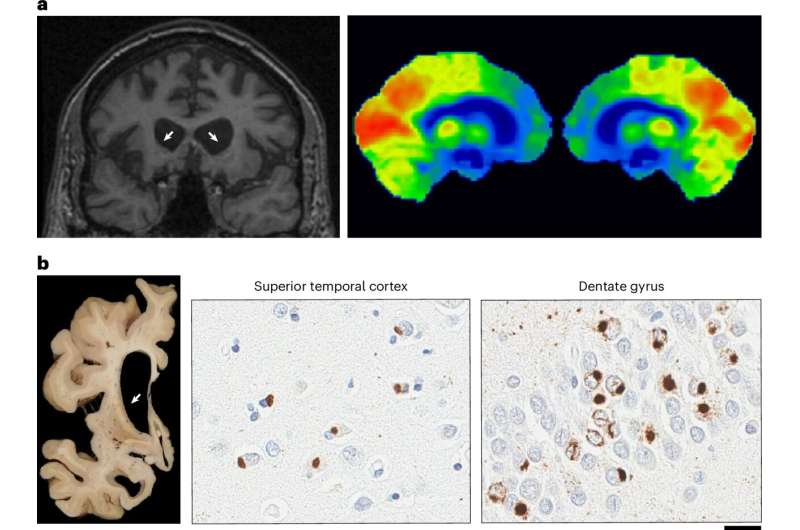
A new study from Karolinska Institutet and Mayo Clinic has revealed important insights into brain degeneration in dementia with Lewy bodies.

Tourette syndrome is currently diagnosed about three times more frequently in males than in females. A new study finds that females are less likely to be diagnosed with the syndrome, take longer to receive a diagnosis and are older when they are diagnosed than male individuals.

Finally this week, a new study has found that eating greater quantities of red meat, especially in processed forms, increases the risk for dementia.

10 Things You Can Do for Better Brain Health in 2025

Your brain is the most complex organ in your body, responsible for everything you think, feel, and do. Keeping it healthy is essential for a fulfilling life. Here are 10 things you can do to boost your brainpower:

1. Engage in Regular Exercise

Physical activity isn’t just good for your body; it’s also a powerful brain booster. Exercise increases blood flow to the brain, delivering essential nutrients and oxygen. It also stimulates the growth of new brain cells and improves cognitive function.

Aim for at least 30 minutes of moderate-intensity exercise most days of the week.

2. Prioritize Quality Sleep

Sleep is crucial for consolidating memories and clearing out brain waste products. Aim for 7-9 hours of quality sleep each night.

Establish a regular sleep schedule, create a relaxing bedtime routine, and optimize your sleep environment.

3. Challenge Your Mind

Just like muscles, your brain needs to be challenged to stay strong. Engage in activities that require mental effort, such as:

  • Learning a new language
  • Playing brain games
  • Reading challenging books
  • Solving puzzles

4. Eat a Brain-Healthy Diet

Nutritious foods provide the fuel your brain needs to function optimally. Include plenty of fruits, vegetables, whole grains, and lean protein in your diet.

Limit processed foods, sugary drinks, and excessive alcohol.

5. Manage Stress

Chronic stress can damage brain cells and impair cognitive function. Find healthy ways to manage stress, such as:

  • Meditation
  • Yoga
  • Spending time in nature
  • Listening to music

6. Stay Socially Connected

Social interaction is essential for brain health. Spending time with loved ones, friends, and community members provides mental stimulation and emotional support.

Join clubs, volunteer, or participate in social activities.

7. Learn a New Skill

Learning new things keeps your brain flexible and adaptable. Take a class, learn a musical instrument, or pick up a new hobby.

The challenge of learning something new helps to form new neural connections.

8. Protect Your Head

Head injuries can have serious consequences for brain health. Wear a helmet when engaging in activities that carry a risk of head injury, such as biking, skateboarding, or playing contact sports.

9. Limit Screen Time

Excessive screen time can be detrimental to brain health, especially for children.

*Set limits on screen time and encourage activities that don’t involve screens.

10. Consult a Healthcare Professional

If you have concerns about your brain health, talk to your doctor. They can assess your risk factors and recommend strategies for maintaining optimal brain function.

Early intervention can be crucial for managing conditions that affect brain health.

By incorporating these tips into your daily life, you can take steps to protect your brain and ensure a healthier, happier future.