This video examines the vital role of dopamine and serotonin in influencing our social behavior, featuring a groundbreaking study with Parkinson’s disease patients undergoing awake brain surgery.
Directed by computational neuroscientist Read Montague and a global team, the study reveals the complex interplay of neurotransmitters that shape our decision-making in social situations. By studying the role of dopamine and serotonin, we can gain a deeper understanding of the biochemical processes that influence our social behavior.
The insights gained from this study could lead to advancements in the treatment of neurological conditions like Parkinson’s disease. For instance, understanding how these neurotransmitters affect decision-making could help in developing more targeted therapies.
The research could also have significant implications for psychiatric conditions. Many psychiatric disorders, such as depression and anxiety, are linked to imbalances in neurotransmitters like dopamine and serotonin. A better understanding of these processes could lead to improved treatments.
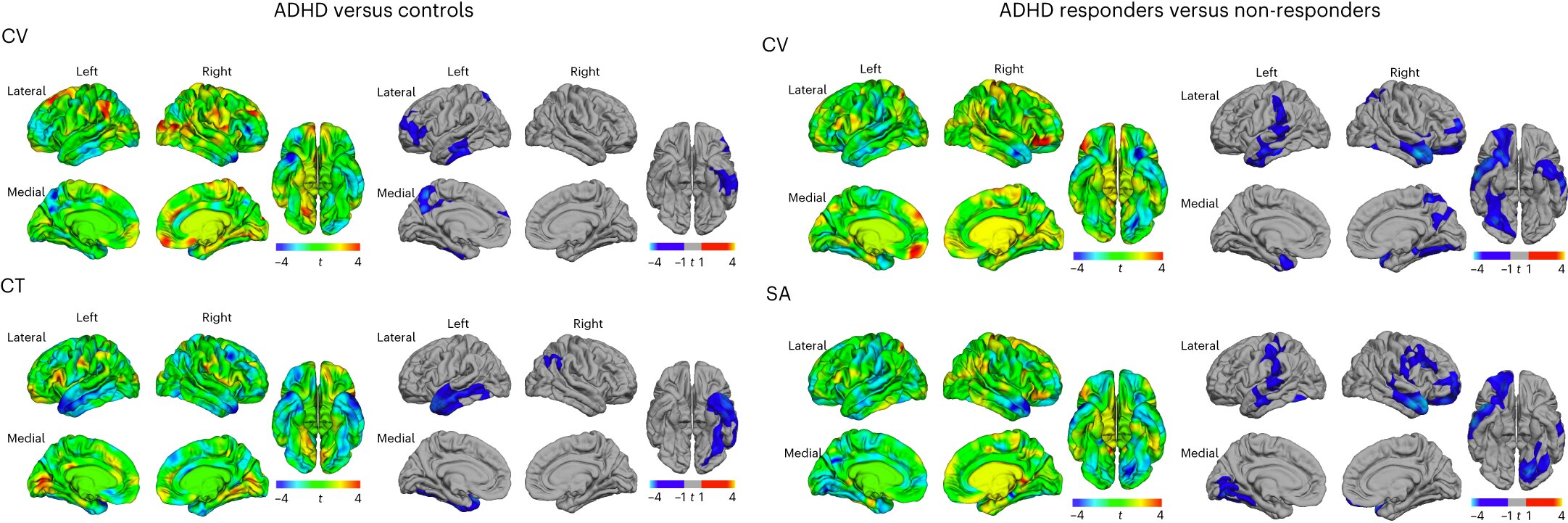
Vertex-wise comparisons between ADHD (N = 60) and controls (N = 23), and between ADHD responders (N = 42) and non-responders (N = 18). Credit: Nature Mental Health (2024).
New research has found that the effectiveness of ADHD medication may be associated with an individual’s neuroanatomy.
Although there are still some aspects pending confirmation for its use in the clinical setting, and its resolution needs to be improved slightly, a new study has shown that a method routinely used to carry out ophthalmological tests can also be used to monitor the neurodegeneration that occurs in Parkinson’s patients.
Scientists have uncovered a mechanism in the brain that allows cocaine and morphine to take over natural reward processing systems.
New research has identified a specific pattern of autoantibodies in the blood that precedes the clinical onset of multiple sclerosis (MS), potentially paving the way for early diagnosis and treatment. Their study found that 10% of MS patients displayed a unique set of autoantibodies against both human proteins and common pathogens like the Epstein-Barr Virus years before showing symptoms.
Researchers have identified a promising new approach to treating persistent neurological symptoms associated with Lyme disease.
A new study investigates why everyday actions like locking a door are often forgotten. The study revealed that while emotionally charged or unique events are initially memorable, even these can fade within 24 hours, particularly positive experiences. This research provides insight into the selective nature of memory and suggests that our brains prioritize and even forget information to manage cognitive load.
Managing a stroke patient’s blood sugar levels after they receive powerful clot-busting drugs might help them survive their health crisis, a new trial finds.
Researchers have created a thin film that combines an electrode grid and LEDs that can both track and produce a visual representation of the brain’s activity in real time during surgery. The device is designed to provide neurosurgeons with visual information about a patient’s brain to monitor brain states during surgical interventions to remove brain lesions including tumors and epileptic tissue.
New research has found a significant association between participating in low to moderate intensity exercise and reduced rates of depression. However, this was not strongly observed for high-intensity exercise. Physical activity was also significantly associated with reduced risk of severe mental health conditions, including a reduction in psychosis/schizophrenia by 27%.
An international collaborative research team has discovered a novel mechanism underlying memory involving rapid changes in a specific DNA structure.
People who take acid-reducing drugs may have a higher risk of migraine and other severe headache than people who do not take these medications, according to a study published in the online issue of Neurology Clinical Practice.
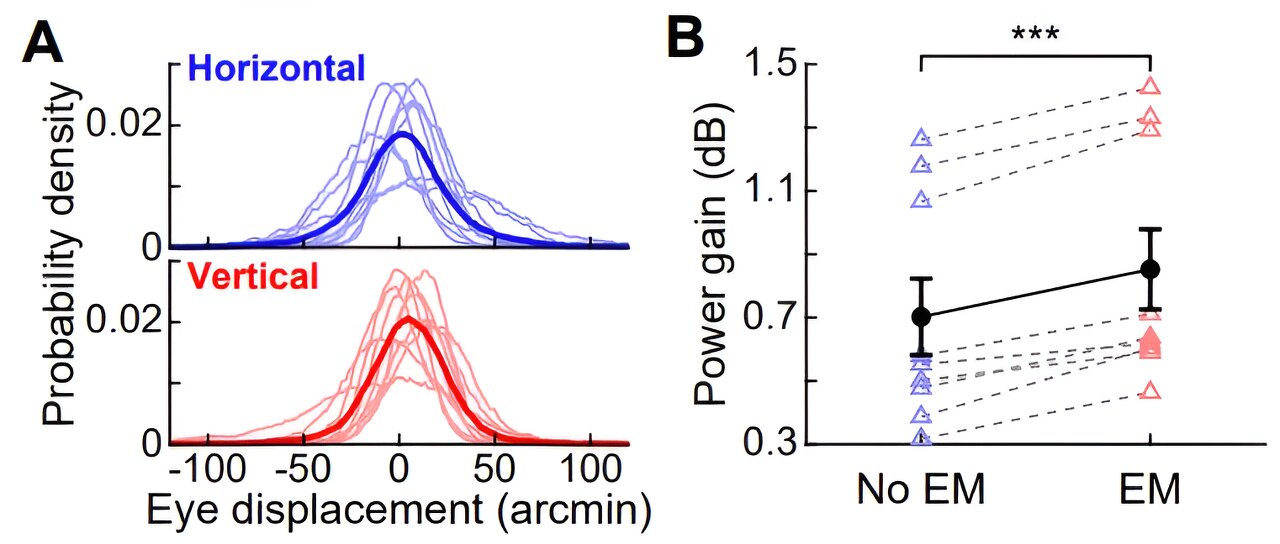
Eye movements associated with blinks and their consequences on luminance transients. (A) Distributions of blink-induced gaze displacements. Data represent the offsets in horizontal (top) and vertical eye position (bottom) between the times at which the eyelid starts moving and its return to normal opening. (B) Contributions of eye movements to the strength of the luminance modulations caused by blinks. Credit: Proceedings of the National Academy of Sciences
Scientists at the University of Rochester, in the U.S., have found that eye blinking does more than simply wet the eyes—it also helps to keep vision sharp by maintaining the strength of visual signals.
A new study investigates the brain’s mechanisms behind deep focus. The research employs fMRI to explore low-frequency fluctuations in brain networks during focused and less-focused states. The team discovered that certain brain networks synchronize and desynchronize, affecting an individual’s ability to maintain attention. This insight into the dynamic nature of brain activity could lead to better strategies for enhancing focus and attention in various cognitive tasks.
Researchers released new findings on how sex and gender influence cognitive abilities. The research found that while spatial cognition correlates more with biological factors such as sex at birth and hormones, verbal cognition is more influenced by sociocultural factors like gender identity.
Scientists have published a study in Neuron that identified two types of interneurons, the inhibitory neurons of the brain, as instructors of a key developmental process in the brain.
A new study involving jazz guitarists has explored the brain processes that enable creative flow. The research reveals that achieving flow requires a solid foundation of expertise, after which one must learn to relax conscious control to allow creativity to flourish.
Researchers have developed a groundbreaking approach using Diffusion MRI to explore the brain structures of individuals with autism spectrum disorder (ASD).
A new study emphasizes the importance of brain rhythms in understanding cognition. The research explores how rhythmic electrical fields, generated by neurons, influence and align neighboring neurons, enhancing cognitive function.
The harder your brain works at your job, the less likely you may be to have memory and thinking problems later in life, according to a new study published in Neurology.
Researchers have shed light on how individuals with treatment-resistant depression (TRD) process emotions differently due to abnormalities in the amygdala and prefrontal cortex. By using stereotactic electroencephalography (sEEG), they were able to observe how these brain regions react to positive and negative stimuli, revealing a significant imbalance in emotional processing.
Researchers have linked a region in the brain to how humans redirect thoughts and attention when distracted. The connection is important because it offers insights into the cognitive and behavioral side effects of a technique being used to treat patients with Parkinson’s disease.
Finally this week, some people with tough-to-treat epilepsy might benefit if doctors target a brain region newly linked to the disorder, a new study suggests.
Scientists have been working on neural speech prostheses, special devices that can help people who have trouble speaking by translating brain activity into speech.
New research findings provide a novel understanding of how the human brain regulates emotions, distinguishing between emotion generation and regulation. By analyzing fMRI studies, researchers identified specific brain regions, including areas of the anterior prefrontal cortex, that are key to emotion regulation.
The sense of smell is highly influenced by the cues from other senses, while the sense of sight and hearing are affected to a much lesser extent, shows a new study in Journal of Neuroscience.
Researchers have uncovered a previously unknown source of two key brain waves crucial for deep sleep: slow waves and sleep spindles. Traditionally believed to originate from one brain circuit linking the thalamus and cortex, the team’s findings,published in Scientific Reports, suggest that the axons in memory centers of the hippocampus play a role.
Earlier menopause combined with a higher risk of cardiovascular disease is linked to an increased risk of thinking and memory problems later, according to new research.
A noninvasive brain stimulation treatment improved depression and anxiety symptoms among older adults in a new study. The findings, published in the journal Brain Stimulation, suggest the treatment, known as transcranial direct current stimulation, or tDCS, holds promise as a noninvasive, drug-free option to treat depression and anxiety symptoms, which affect 1 in 4 older adults.
A new study explores the influence of personalized music on cognitive arousal and performance.
Three experiments to test how dopamine affects cognitive performance during acute exercise. Credit: The Journal of Physiology (2024)
A study exploring the mechanisms behind why cognitive performance improves in response to exercise, has found that dopamine plays a key role.
Researchers have discovered that children with autism spectrum disorders (ASD) develop distinct attentional preferences compared to typically developing children, focusing more on non-social stimuli like objects and textures.
Recent research contrasts the learning mechanisms of the human brain with those of deep learning in AI. Despite having fewer layers and slower, noisier dynamics, the brain can perform complex classification tasks as effectively as AI with hundreds of layers.
A new study uncovers a unique aspect of human memory: our ability to recall events is sharper after experiencing negative emotions.
A major clinical trial has shown that by using MRI and tracking to guide the delivery of magnetic stimulation to the brains of people with severe depression, patients will see their symptoms ease for at least six months, which could vastly improve their quality of life.
New research reveals that coming off antidepressants like Prozac can cause not only physical symptoms but also emotional, cognitive, and social difficulties.
Through transcriptomic profiling of more than 300,000 cells in human substantia nigra, a part of the brain that helps control the body’s movements, a research team has identified a previously unreported neuron type with vulnerability in Parkinson’s disease. This novel finding could help explain the complexity of the disease symptoms and direct new therapeutics development.
Researchers have found evidence suggesting that children exposed to elevated levels of early life adversity exhibit an accelerated pattern of brain development during the preschool years.
New research for the first time reveals the function of a little-understood junction between cells in the brain that could have important treatment implications for conditions ranging from multiple sclerosis to Alzheimer’s disease, to a type of brain cancer known as glioma.
Finally this week, a third major study finds that multivitamin supplements improve memory and slow cognitive aging in older adults.
Researchers carried out a study exploring the impact of context on goal-directed decision-making. Their findings, published in Neuron, suggest that goal-seeking ‘compresses’ spatial maps in the hippocampus and orbitofrontal cortices in the brain.
Learning a second language strengthens neural connections in the language network, a new study shows.
A recent review highlights significant advancements in wearable electroencephalogram (EEG) technologies for non-invasive brain-computer interfaces (BCIs). This review is particularly valuable for researchers and clinicians new to BCI applications, offering insights into mainstream wearable non-invasive BCIs and the latest research reports.
New research may create some respite for patients of two medically unexplained fatigue-inducing conditions: myalgic encephalomyelitis/chronic fatigue syndrome (ME/CFS) and fibromyalgia (FM).
A new study has found that people with obesity who underwent bariatric surgery had stable cognition two years later suggesting that bariatric surgery may mitigate the natural history of cognitive decline expected in people with obesity.
Researchers have discovered that a protein called phosphorylated α-synuclein, which is associated with several neurodegenerative diseases such as Parkinson’s disease and Lewy body dementia, is also involved in the normal processes of how neurons communicate with each other in a healthy brain.
Adults with posttraumatic stress disorder (PTSD) have smaller cerebellums, according to new research from a brain imaging study.
A recent study published in Molecular Psychiatry has identified previously unknown alterations in neural connectivity that promote psychomotor disturbance—a slowing or reduction in movement—in individuals with major depressive disorder.
Finally this week, new research explores the potential of aesthetic chills, intense emotional responses characterized by shivers and goosebumps, as a novel intervention for depression.
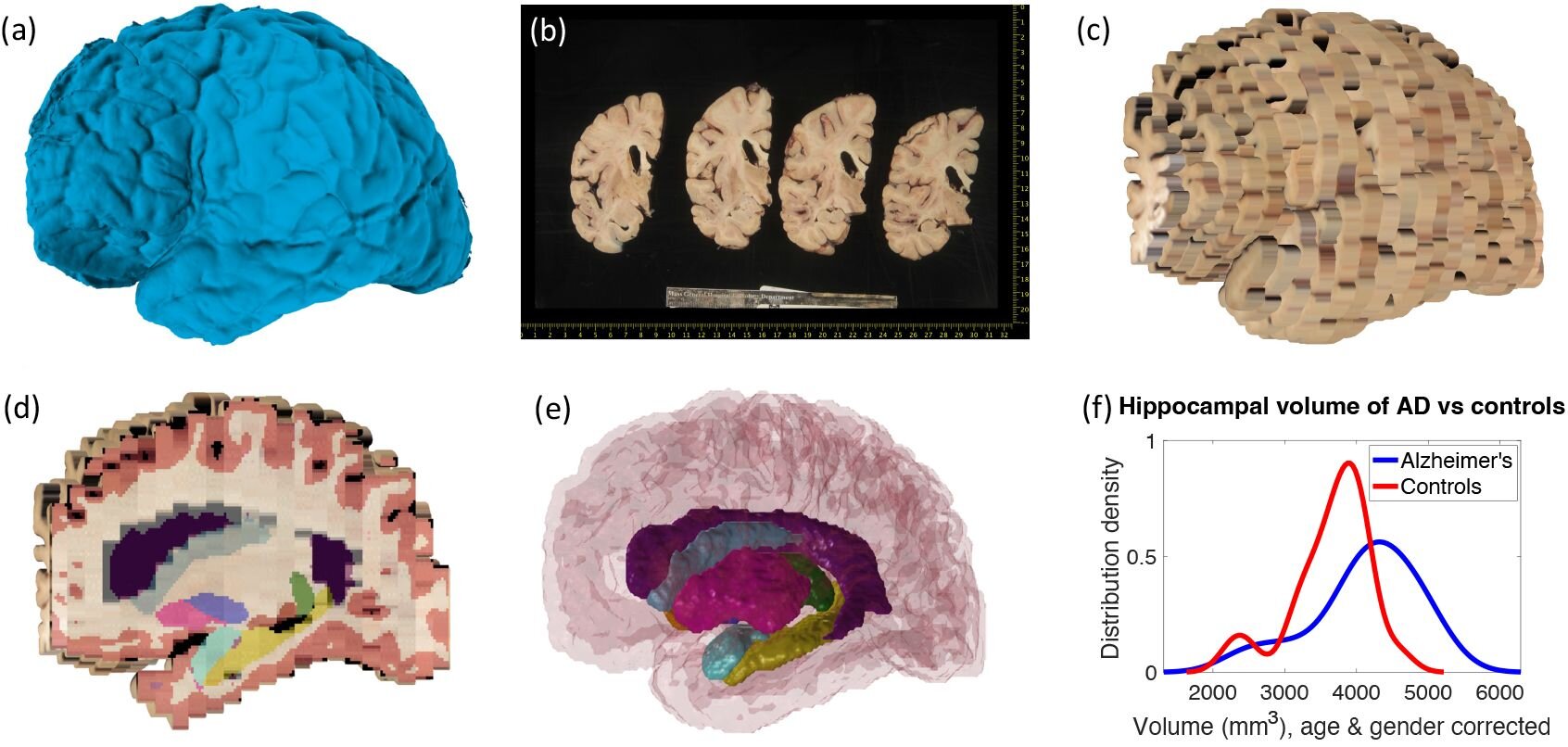
Examples of inputs and outputs from the MADRC dataset.
Researchers have developed a suite of free tools for analyzing vast amounts of brain dissection photographs at brain banks worldwide to enhance understanding of neurodegenerative diseases.
A new study reveals a strong link between regular physical activity and enhanced brain health. Analyzing MRI scans from 10,125 individuals, researchers found that exercise, even moderate exercise like walking, is associated with increased brain volumes in crucial areas like gray matter, white matter, and the hippocampus. The study underscores exercise’s role in reducing dementia risk and maintaining brain size.
Scientists have discovered that a part of the brain associated with working memory and multisensory integration may also play an important role in how the brain processes social cues.
In a first-of-its-kind study published in Nature, researchers recorded activity from hundreds of individual neurons while participants listened to spoken sentences, giving us an unprecedented view into how the brain analyzes the sounds in words.
A new study has unveiled three distinct cognitive deficits contributing to reading difficulties in individuals with left-sided neglect dyslexia, a condition that often follows a right-hemisphere stroke.
Researchers have unveiled a significant similarity between AI memory processing and human hippocampal functions. This discovery, bridging AI and neuroscience, highlights a parallel in memory consolidation – a process crucial in transforming short-term to long-term memories – in both AI models and the human brain.
A new study highlights the significant role of imagination in evoking empathy and driving prosocial behaviour.
A so-called pathological protein long associated with Parkinson’s disease has been found in a new study to trigger cells to increase protein synthesis, an event that eventually kills the subset of brain cells that die off in this neurodegenerative condition.
A new study presents a promising treatment for restoring the sense of smell in long-COVID patients.
Researchers have found that amyloid oligomers play a role in speeding up mitochondrial energetics during the early stages of Alzheimer’s, in contrast to what has been previously found in more advanced Alzheimer’s brain tissues. The results are publishedin Nature Communications.
Research led by the Karolinska Institutet, Sweden, has found an increased risk of cardiovascular disease associated with long-term ADHD medication use.
New research has uncovered a potential early marker for autism in infants: abnormally enlarged perivascular spaces (PVS) in the brain. The study found that infants with enlarged PVS had a 2.2 times greater chance of developing autism compared to those with the same genetic risk. The researchers followed infants with a higher likelihood of autism due to having an older sibling with the condition.
Signs of injury to the brain’s white matter called white matter hyperintensities, as seen on brain scans, may be tied more strongly to vascular risk factors, brain shrinkage, and other markers of dementia in former tackle football players than in those who did not play football, according to a study published in Neurology.
Artificial intelligence, coupled with data from an iPad coloring game, could assist in early diagnosis of autism, a new study shows.
A review in the Journal of Internal Medicine explores the potential of non-invasive interventions such as light, sound, and magnets to stimulate gamma brain waves for the treatment of Alzheimer’s disease. Such strategies may be beneficial because Alzheimer’s disease is characterized by reduced fast brain oscillations in the gamma range (30–100 Hz).
Finally this week, researchers have made a significant breakthrough in understanding the genetic basis of anxiety disorders (ADs), which affect over 280 million people globally.
Loneliness, often considered a pervasive and silent epidemic, extends its influence far beyond emotions. Recent research has delved into the relationship between loneliness and the brain, revealing a complex interplay between loneliness and our brain’s neural patterns. The findings reveal that irrespective of social connections, lonely individuals exhibit distinct brain responses, underscoring the profound influence of this emotional state on neurological function.
The Stress Response and Cortisol
Loneliness emerges as a trigger for the stress response embedded in the brain’s complex architecture. This emotional state sets off a cascade of physiological reactions, with the release of stress hormones, particularly cortisol. Cortisol, often referred to as the “stress hormone,” serves as a vital player in the body’s response to challenging situations. However, when loneliness becomes a persistent companion, the continuous surge of cortisol can become a double-edged sword, influencing various aspects of brain health.
Memory, a fundamental component of cognitive function, becomes susceptible to the influence of heightened cortisol levels. Chronic exposure to stress hormones has been associated with memory impairment, affecting both the formation of new memories and the retrieval of existing ones. The toll on memory processes paints a vivid picture of how loneliness, as a chronic stressor, can compromise cognitive abilities.
Moreover, the prefrontal cortex, a pivotal region of the brain responsible for higher-order functions such as decision-making, emotional regulation, and social behavior, becomes a focal point of the impact of loneliness. Prolonged exposure to elevated cortisol levels has been linked to structural changes in the prefrontal cortex, including a reduction in size. This structural alteration may contribute to difficulties in decision-making and emotional regulation, creating a cognitive landscape where the challenges faced by lonely individuals extend beyond mere feelings of isolation.
Inflammation: Loneliness’s Silent Companion
Loneliness has been linked to a silent companion—increased levels of inflammation in both the body and the brain. This chronic inflammatory state may have broader implications for neurological health, potentially contributing to cognitive decline and various neurological conditions.
In response to chronic loneliness, the body’s immune system becomes activated, leading to a persistent state of inflammation. This inflammatory response is not confined to peripheral tissues; it permeates the central nervous system, reaching the brain. The intricate crosstalk between the immune system and the brain reveals the far-reaching consequences of loneliness on neurological health.
The chronic inflammatory state associated with loneliness is of particular concern due to its potential implications for cognitive function. Research suggests that prolonged exposure to elevated levels of inflammation may contribute to cognitive decline and an increased risk of various neurological conditions. The brain, normally resilient and adaptive, can become vulnerable to the systemic effects of inflammation, leading to disruptions in neural circuits and cognitive processes.
In the context of loneliness, the inflammatory response may compromise the integrity of the blood-brain barrier, a protective barrier that regulates the passage of substances between the bloodstream and the brain. This compromise can allow inflammatory molecules to enter the brain, where they may trigger localized inflammation and disrupt normal neural function.
Moreover, the chronic inflammatory state linked to loneliness may contribute to oxidative stress—a condition characterized by an imbalance between free radicals and antioxidants in the body. Oxidative stress is known to play a role in neurodegenerative processes and has been implicated in conditions such as Alzheimer’s disease and other cognitive disorders.
Structural Changes in the Brain
Loneliness isn’t merely a psychological state—it extends its influence to cognitive performance. A growing body of research paints a compelling picture of the relationship between loneliness and cognitive performance, emphasizing that loneliness isn’t merely a psychological state—it’s a cognitive challenge that leaves its mark on the brain.
As previously stated, the brain, intricately sensitive to the nuances of social connection, undergoes structural changes in response to loneliness. The hippocampus, a vital region for learning and memory, appears to be particularly susceptible. Research suggests that alterations in the volume of the hippocampus may occur in lonely individuals. These structural changes may not only be markers of the cognitive challenges associated with loneliness but could also contribute to a cycle where loneliness begets cognitive difficulties, and cognitive difficulties perpetuate feelings of isolation.
Lonely individuals, it appears, may navigate a more demanding cognitive landscape compared to their socially connected counterparts. Executive functions, the high-order cognitive processes responsible for tasks such as decision-making, problem-solving, and planning, may be particularly vulnerable in the face of loneliness. Research suggests that lonely individuals may encounter challenges in efficiently executing these cognitive processes, potentially impacting their ability to navigate complex situations and make sound decisions.
Attention, a cornerstone of cognitive performance, also falls under the sway of loneliness. Lonely individuals may exhibit difficulties in sustaining attention and may be more prone to distractions, contributing to decreased cognitive efficiency. The persistent feeling of social isolation can divert cognitive resources towards monitoring social threats or interpreting ambiguous social cues, leaving fewer resources available for tasks that require sustained attention and focus.
Memory, another pillar of cognitive function, is not immune to the influence of loneliness. Studies indicate that lonely individuals may experience alterations in memory processes, affecting both the encoding and retrieval of information. The emotional toll of loneliness can introduce a cognitive bias, influencing the way memories are stored and recalled, potentially contributing to a distorted perception of social experiences.
Sleep Disturbances and Cognitive Consequences
Poor sleep quality, a well-established consequence of loneliness, is more than just a nightly inconvenience. It is a significant factor influencing overall brain health. During sleep, the brain undergoes crucial processes that contribute to cognitive functioning, memory consolidation, and emotional regulation. Disruptions in these processes due to poor sleep quality can result in cognitive consequences that exacerbate the challenges faced by lonely individuals.
Attention, concentration, and decision-making—all critical components of cognitive function—can be impaired when sleep quality is suboptimal. The brain’s ability to process information, learn new things, and adapt to changing circumstances may suffer, amplifying the cognitive challenges faced by those contending with both loneliness and sleep disturbances.
The link between loneliness and sleep disturbances is multifaceted. The emotional distress associated with loneliness can manifest as heightened arousal, anxiety, or rumination during the night, impeding the ability to initiate or maintain restful sleep. Individuals grappling with loneliness may find themselves caught in a cycle where the quiet solitude of the night magnifies their feelings of isolation, further complicating their struggle for a peaceful night’s sleep.
Mental Health and the Loneliness Connection
Loneliness, far from being a fleeting emotion, is intricately intertwined with mental health, and the consequences of this connection reverberate deep within the neural circuits of the brain. Research consistently underscores the heightened risk of mental health issues, particularly depression and anxiety, in individuals grappling with loneliness. The psychological distress stemming from a perceived lack of social connection can cast a shadow over an individual’s thoughts and emotions, contributing to the development or exacerbation of these conditions.
At the neurobiological level, loneliness influences neurotransmitter levels, the chemical messengers that facilitate communication between nerve cells in the brain. Dopamine, serotonin, and norepinephrine, crucial players in regulating mood and emotional states, are particularly affected. Loneliness may lead to imbalances in these neurotransmitter systems, contributing to the manifestation of depressive symptoms and heightened anxiety.
Furthermore, loneliness disrupts the delicate neural circuits responsible for mood regulation. The brain regions involved in emotional processing, such as the amygdala and the prefrontal cortex, experience altered activity in response to chronic loneliness. The amygdala, known for its role in processing emotions, may become hyperactive, amplifying the perception of social threats and fostering a heightened state of emotional arousal. Meanwhile, the prefrontal cortex, essential for regulating emotional responses, may exhibit decreased function, leading to difficulties in emotion regulation and decision-making.
The neural changes associated with loneliness create a feedback loop, reinforcing emotional distress and further compromising mental well-being. Prolonged exposure to these alterations can contribute to the persistence and exacerbation of mental health conditions, creating a challenging cycle for individuals trapped in the grip of loneliness.
Social Pain and Pleasure Systems
Neuroscientific studies reveal that loneliness triggers brain regions associated with physical pain. The neural patterns that activate during experiences of loneliness mirror those observed in response to physical distress, reinforcing the concept of loneliness as a form of social pain. The brain, it seems, interprets social isolation with a response akin to physical injury.
Conversely, positive social interactions, genuine connections, and shared moments of companionship activate the brain’s reward centers. The pleasure derived from such interactions is not merely subjective; it is deeply rooted in the brain’s intricate circuitry. Dopaminergic pathways, particularly those associated with the brain’s reward system, light up, releasing neurotransmitters that generate feelings of happiness, satisfaction, and contentment.
The neurological impact of loneliness is a multifaceted phenomenon, with implications that extend beyond emotional well-being. Understanding and addressing the neuroscience of loneliness becomes imperative for fostering a healthier, more resilient brain.
A team of international neuroscientists has obtained the first direct recordings of the human brain in the minutes before and after a brain hub crucial for language meaning was surgically disconnected. The results reveal the importance of brain hubs in neural networks and the remarkable way in which the human brain attempts to compensate when a hub is lost, with immediacy not previously observed.
A new study, published in Cell Reports, describes a novel molecular link between vitamin B12 and multiple sclerosis that takes place in astrocytes—important non-neuronal glial cells in the brain.
Australian researchers have flagged potential concerns over the use of social chatbots, calling for more studies into the impact of AI software on neurodiverse people and those who find human interaction difficult.
An exploratory study has shown that light, regular exercise can improve the cognitive as well as physical health of adults with Down syndrome.
Researchers at Linköping University, Sweden, have examined the brains of 16 patients previously hospitalised for COVID-19 with persisting symptoms. They have found differences in brain tissue structure between patients with persisting symptoms after COVID-19 and healthy people.
Scientists have discovered a new way a ribonucleic acid (RNA) impacts fear-related learning and memory.
Comparing PET scans of more than 90 adults with and without mild cognitive impairment (MCI), researchers say relatively lower levels of the so-called “happiness” chemical, serotonin, in parts of the brain of those with MCI may play a role in memory problems including Alzheimer’s disease.
A new study reveals a significant association between adverse childhood experiences and symptoms of muscle dysmorphia in adolescents and young adults.
Using electrochemical techniques and machine learning, scientists measured dopamine levels in real time during a computer game involving rewards and penalties. The findings shed light on the intricate role of dopamine in human behavior and could have implications for understanding psychiatric and neurological disorders.
A new study sheds light on the significant role of patients’ beliefs in the effectiveness of neurostimulation treatments for conditions like depression and ADHD. Analyzing five studies, the research team found that patients’ perceptions of receiving real or placebo treatments often had more impact on outcomes than the treatments themselves.
New research has found that smoking causes the brain to shrink and age prematurely, a condition not reversible even after quitting smoking.
Researchers have discovered a key player in alcohol addiction: pituitary adenylate cyclase-activating polypeptide (PACAP). This peptide, found in the “bed nucleus of the stria terminalis” (BNST), is linked to heavy alcohol drinking and withdrawal.
Finally this week, new research reveals that moderate exercise improves cognitive performance even under conditions of sleep deprivation and low oxygen levels.
Researchers have demonstrated the use of AI-selected natural images and AI-generated synthetic images as neuroscientific tools for probing the visual processing areas of the brain. The goal is to apply a data-driven approach to understand how vision is organized while potentially removing biases that may arise when looking at responses to a more limited set of researcher-selected images.
A first-line therapy for obsessive-compulsive disorder (OCD) reshapes connectivity of the brain, according to a new study
A new analysis of the brain activity of people with post-traumatic stress disorder (PTSD) is the first to reveal that traumatic memories are represented in the brain in an entirely different way than sad autobiographical memories.
Researchers have identified objective evidence of how the neck muscles are involved in primary headaches.
Optimal windows exist for action and perception during the 0.8 seconds of a heartbeat, according to research published in the open-access journalPLOS Biology. The sequence of contraction and relaxation is linked to changes in the motor system and its ability to respond to stimulation, and this could have implications for treatments for depression and stroke that excite nerve cells.
In a new study, researchers say they found high levels of a repair protein present long after a traumatic brain injury such as a concussion takes place.
A new study shows that individuals who report tinnitus, which presents as a ringing in the ears in more than 1 out of 10 adults worldwide, are experiencing auditory nerve loss that is not picked up by conventional hearing tests.
A new study has demonstrated that a novel treatment is effective in most patients with major depressive symptoms even after multiple failed courses of antidepressant medication. The treatment, repetitive transcranial magnetic stimulation (rTMS), may work even more rapidly than past findings have suggested, starting to alleviate symptoms as quickly as one week.
Finally this week, newborn babies can perceive the beat in music, new research has confirmed.





 inside-the-brain.com