Weekly Neuroscience Update

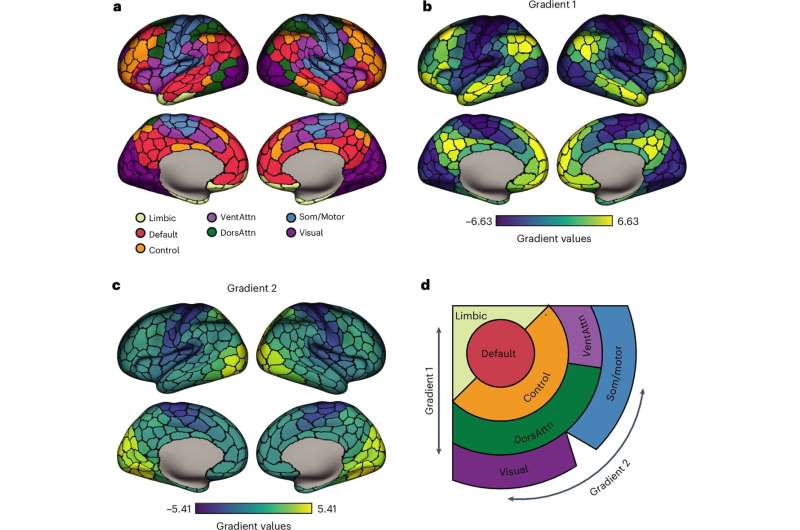
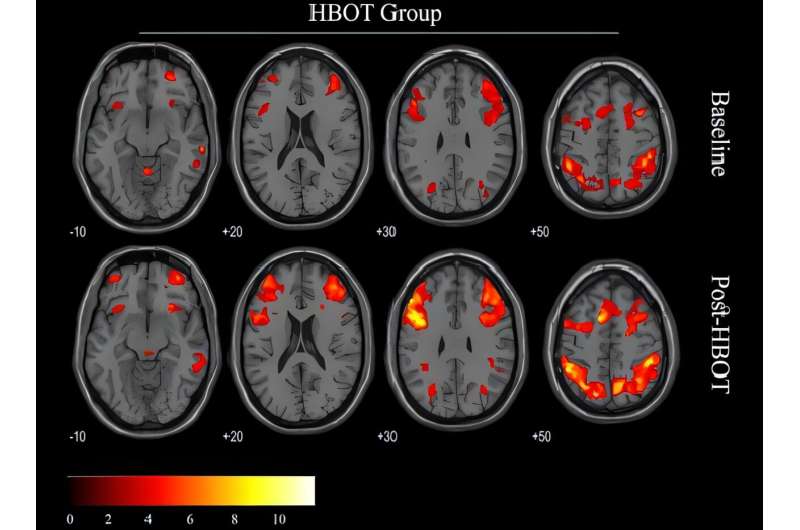
Functional MRI before and after HBOT. Credit: The Shamir Medical Center

Researchers have demonstrated that hyperbaric oxygen therapy (HBOT) improves the condition of PTSD sufferers who have not responded to psychotherapy or psychiatric medications.

Scientists have discovered for the first time a neural mechanism for memory integration that stretches across both time and personal experience. These findings, reported in Nature, demonstrate how memories stored in neural ensembles in the brain are constantly being updated and reorganized with salient information, and represent an important step in deciphering how our memories stay current with the most recently available information.

An international study has found frailty increases a person’s risk of dementia, but early intervention may be the key to prevention.

Neuroscientists have discovered brain cells that form multiple coordinate systems to tell us “where we are” in a sequence of behaviours. The findings help us understand the algorithms used by the brain to flexibly generate complex behaviors, such as planning and reasoning, and might be useful in understanding how such processes go wrong in psychiatric conditions such as schizophrenia.

New research finds that even single bouts of intense exercise can improve cognitive performance in young adults, particularly in memory, attention, and executive functioning. 

By scanning the brains of people while they watched movie clips, neuroscientists have created the most detailed functional map of the brain to date. The fMRI analysis, published in Neuron, shows how different brain networks light up when participants viewed short clips from a range of independent and Hollywood films, including Inception, The Social Network, and Home Alone.

Asthma is associated with memory difficulties in children, and early onset of asthma may exacerbate memory deficits, according to a new study.

Older adults with significant fluctuations in cholesterol levels are at increased risk for dementia and cognitive decline, even without medication changes. Researchers studied nearly 10,000 older adults, tracking their cholesterol levels and cognitive function over six years. High variability in total and LDL (“bad”) cholesterol was associated with a 60% increase in dementia and 23% increase in cognitive decline.

Scientists have successfully reprogrammed astroglia, a type of brain support cell, into neurons that mimic specific interneurons critical for brain function.

Exercise has been shown to improve brain health and reduce the risk of cognitive decline and dementia over the long-term. But engaging in everyday physical activity has immediate benefits for brain health, according to a new study.

A team of researchers has identified a potential biomarker of Parkinson’s disease progression.

New research highlights neuroglia (or glia cells) as critical players in mental health, potentially influencing conditions like depression and schizophrenia. Glia cells, long considered “support cells” in the brain, have now been shown to communicate through unique calcium signaling, impacting neuronal function and stress responses. Studies suggest that compromised astrocyte function, a glial cell type, may relate to depressive symptoms and schizophrenia.

Using deep brain stimulation techniques, neuroscientists are looking for early signals in the brain to help stop seizures.

A study investigated how cannabis use influences metabolomic patterns linked to psychotic-like experiences in adolescents. Blood samples revealed that non-cannabis users showed inflammatory metabolic changes associated with hallucinations, while cannabis users exhibited shifts in energy-related metabolites tied to brain ketogenesis.

Finally this week, a new study links satellite data with brain imaging to reveal how environmental factors like light pollution, green spaces, and urban density affect the mental health and brain development of children.

Weekly Neuroscience Update

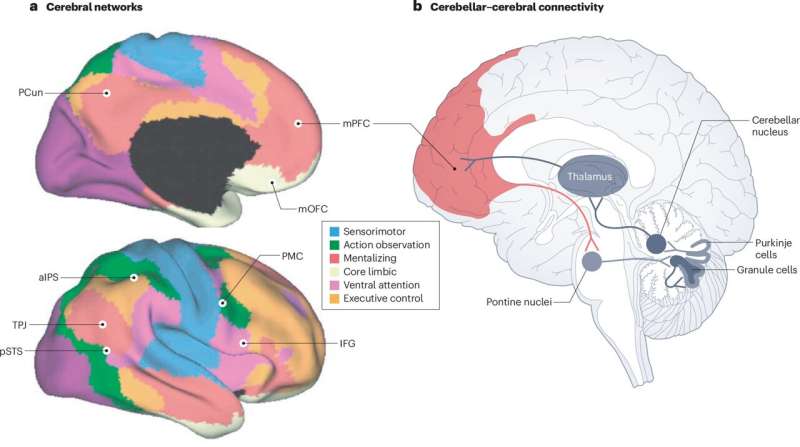
Cerebral networks and reciprocal connectivity between the cerebellum and cerebrum, supporting social and emotional learning. Credit: Nature Reviews Neuroscience (2024).

A recent publication in Nature Reviews Neuroscience sheds light on the often-overlooked role of the cerebellum in both motor and social-cognitive processes.

New research has shown that Alzheimer’s disease impacts the brain in two primary phases: an early, gradual phase that damages select cell types and a late phase marked by rapid, widespread damage as symptoms emerge.

Playing video games may boost your cognitive abilities and exercise can improve your mental health, but not the other way around, a large-scale study has found.

A large meta-analysis of over 600,000 people shows that experiencing loneliness significantly raises the risk of developing dementia by 31%. Researchers found that loneliness is a key factor in cognitive decline, contributing to conditions like Alzheimer’s disease, regardless of age or sex.

Researchers have found that senescent cells—non-dividing “zombie” cells—accumulate in the skin as people age and may influence aging in other parts of the body.

A new study reveals that visual clutter alters how information flows between neurons in the brain’s primary visual cortex, but not the order in which it’s processed. Researchers found that the efficiency of information transfer changes depending on the location of clutter in the visual field.

An innovative study, published in Nature Communications, reveals the mechanism behind two seemingly contradictory effects of fear memories: the inability to forget yet the difficulty to recall.

After only one to three days of a whiplash injury, scientists can predict which patients will develop chronic pain based on the extent of cross “talk” between two regions of the brain, and the person’s anxiety level after the injury, according to a new Northwestern Medicine study.

Women who began an aerobic exercise program during chemotherapy for breast cancer reported improved cognitive function and quality of life compared to those who received standard care. 

A new study reveals that setting reminders can eliminate some age-related declines in memory. The findings offer a significant breakthrough in addressing the cognitive challenges faced by older adults, particularly in the context of prospective memory, which is the ability to remember to perform an intended action at the right moment, like taking medication or attending appointments.

Concussion researchers have recognized a new concussion sign that could identify up to 33% of undiagnosed concussions. 

In a study published in the journal Bilingualism: Language and Cognition, Concordia researchers use neuroimaging methods to examine brain resilience in regions of the brain linked to language and aging. They found that the hippocampus in bilinguals with Alzheimer’s disease was noticeably larger than those who were monolingual when matched for age, education, cognitive function and memory.

People in early middle age who have poor sleep quality, including having difficulty falling or staying asleep, have more signs of poor brain health in late middle age, according to a recent study.

New research shows that prolonged mental exertion weakens connectivity between the brain’s frontal and parietal lobes, impacting cognitive efficiency. However, the brain has built-in compensatory mechanisms that adjust neural connections to preserve function under fatigue.

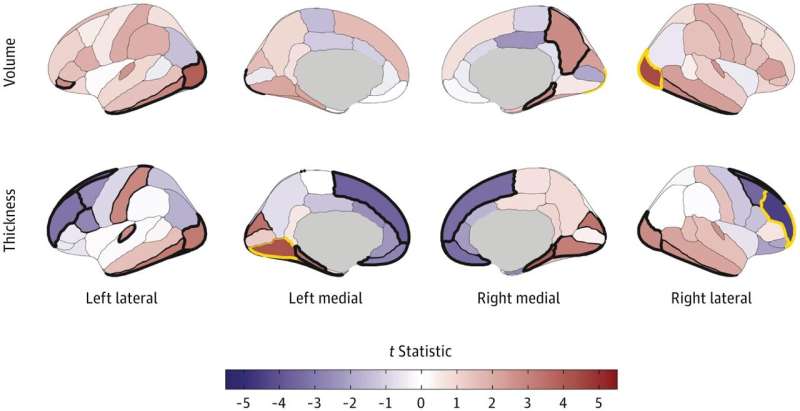
Finally this week, cannabis use may lead to thinning of the cerebral cortex in adolescents, according to a recent study published in The Journal of Neuroscience.


Weekly Neuroscience Update

Mapped is the proportion of participants with a high rate of atrophy in cortical (left) and subcortical (right) areas. AD, Alzheimer’s disease; MCI, mild cognitive impairment. Credit: Alzheimer’s & Dementia (2024).

The way in which brains shrink in those who develop Alzheimer’s disease follows no specific or uniform pattern, finds a new study by researchers at UCL and Radboud University in the Netherlands.

A McGill University study has shown that hearing plays a crucial role in how people coordinate and control speech movements in real-time. Published in The Journal of the Acoustical Society of America, the research shows that when people cannot hear their own speech, even briefly, their ability to move their jaw and tongue in a coordinated manner is impaired.

Recent research offers novel insights about the biological mechanisms behind major depressive disorder and especially on the role of the immune system.

A new analysis from Imperial’s human challenge study of COVID-19 has revealed subtle differences in the memory and cognition scores of healthy volunteers infected with SARS-CoV-2, which lasted up to a year after infection. The findings, published in the journal eClinicalMedicine, show a small but measurable difference following highly intensive cognitive testing of 18 healthy young people with infection compared to those who did not become infected, monitored under controlled clinical conditions

A simple scoring system may help doctors predict which patients will likely become seizure-free after minimally invasive epilepsy surgery.

The European Commission has released the 10-year assessment of the Human Brain Project (HBP), an EU-Flagship initiative that concluded in 2023. The report highlights that the HBP made major contributions and had a transformative impact on brain research. One of the main outcomes of the HBP is EBRAINS, the open research infrastructure that continues to push neuroscience research forward.

A new, large study from France underscores the link between adult hearing loss and dementia. In addition, hearing loss is linked to loss of volume in critical areas of the brain.

Scientists are investigating the extraordinary longevity of neurons, which can survive for over 90 years, in a new research project. The findings could not only improve understanding of neural aging but also lead to treatments for neurodegenerative diseases like Parkinson’s and ALS. The research could potentially expand beyond neurons, offering insights into extending the health span of other cell types.

Bright light therapy is an effective adjunctive treatment for nonseasonal depressive disorder, according to a review published in JAMA Psychiatry.

A recent study has shown that conscious thought relies on synchronized brain rhythms to maintain communication between sensory and cognitive brain regions. Under general anesthesia, this rhythm-based communication breaks down, disrupting the brain’s ability to detect and process surprising stimuli.

A new trial reveals that weekly injections of the weight-loss drug Wegovy (semaglutide) lowered the risk of death from COVID-19 by about a third and reduced overall mortality by 19%.

In a breakthrough study, researchers have imaged a network of pathways in the human brain believed to clear waste proteins that can lead to Alzheimer’s and dementia. Using advanced MRI techniques, they revealed perivascular channels that guide cerebrospinal fluid through the brain, providing strong evidence of the glymphatic system’s role in waste removal.

New research has discovered that disruptions in the brain’s salience network, often tied to tau protein buildup, correlate strongly with behavioural changes in people with early-stage dementia.

A research team has published a comprehensive review on the application of brain network models (BNMs) in the medical field. This study summarizes recent advances and challenges in using BNMs to simulate brain activities, understand neuropathological mechanisms, evaluate therapeutic effects, and predict disease progression.

New research reveals that immune responses play a crucial role in the formation of Lewy bodies, protein aggregates that mark Parkinson’s disease and other neurological conditions. 

A new study has found microplastics in human brains for the first time, raising concerns about the potential health impact. Researchers analyzed samples from autopsies and discovered an accumulation of plastic particles in brain tissue, likely due to exposure through food, water, and air. Although the study is still in its preliminary stages, it highlights the need for further investigation into the effects of microplastics on brain health. While microplastics have been shown to cause inflammation and damage in laboratory experiments, their long-term impact on human health remains unclear.

Finally this week, researchers are working on a novel gene therapy that holds potential in treating patients with epilepsy.

Weekly Neuroscience Update

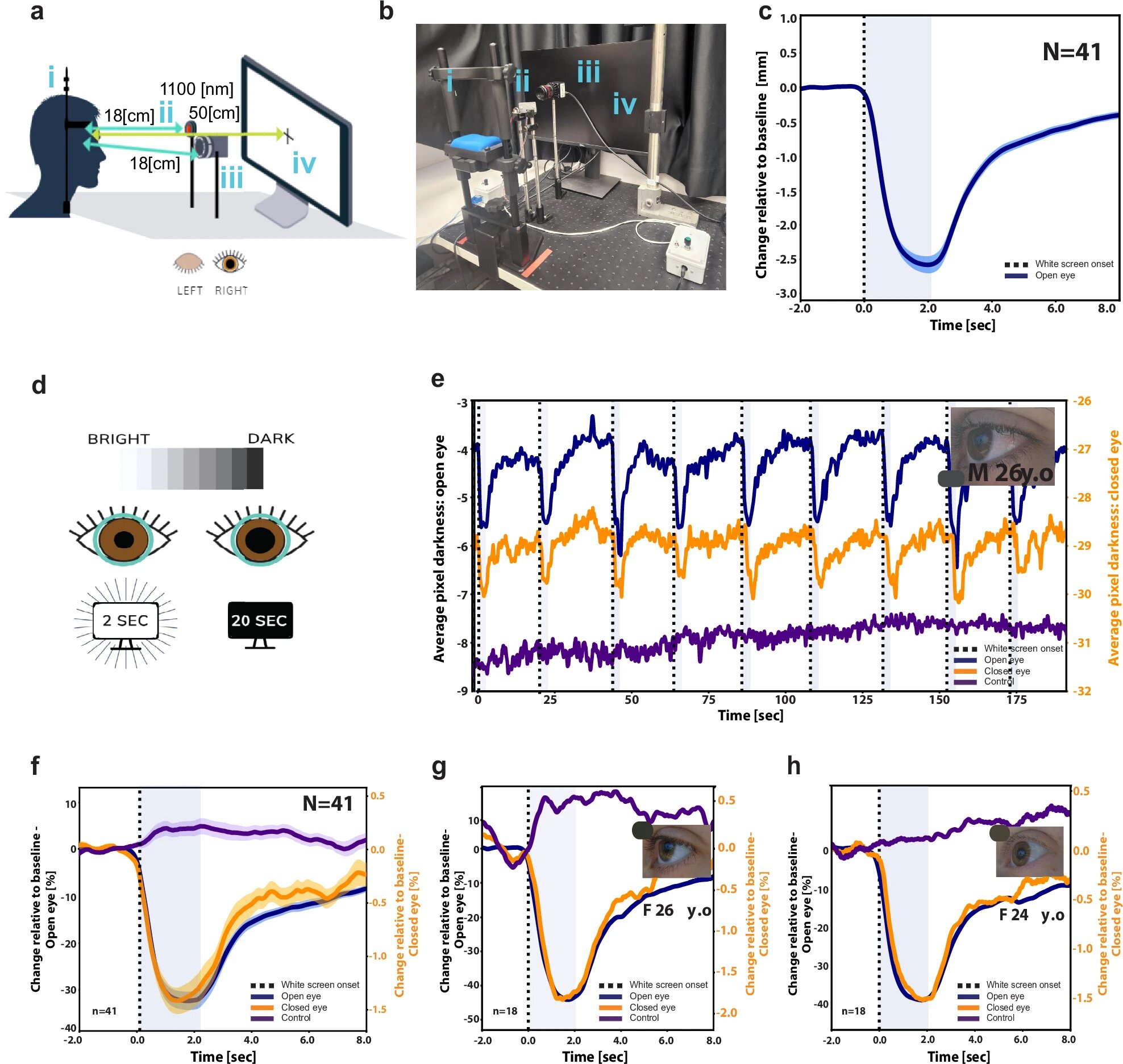
Pupillary light reflex (PLR) assessment in open-eye and closed-eye conditions. Credit: Communications Medicine (2024).

A new technological advancement now enables researchers to observe changes in pupil size and gaze direction behind closed eyelids for the first time, using non-contact infrared imaging. This capability is expected to aid in identifying wakefulness states during sleep, anesthesia, and intensive care by monitoring pupil size variations. It could also be instrumental in gauging sedation levels, detecting seizures and nightmares, and acknowledging pain or responsiveness following trauma or within intensive care settings.

Neuroscientists have uncovered serotonin’s role in resilience.

A recent study using artificial intelligence has yielded a new understanding of how the brain anticipates future occurrences and processes data. It was found that the brain’s inherent activity, even in the absence of external stimuli, is crucial to our cognitive and emotional processes.

New research shows that varied cognitive training, rather than repetitive tasks, helps older adults improve working memory.

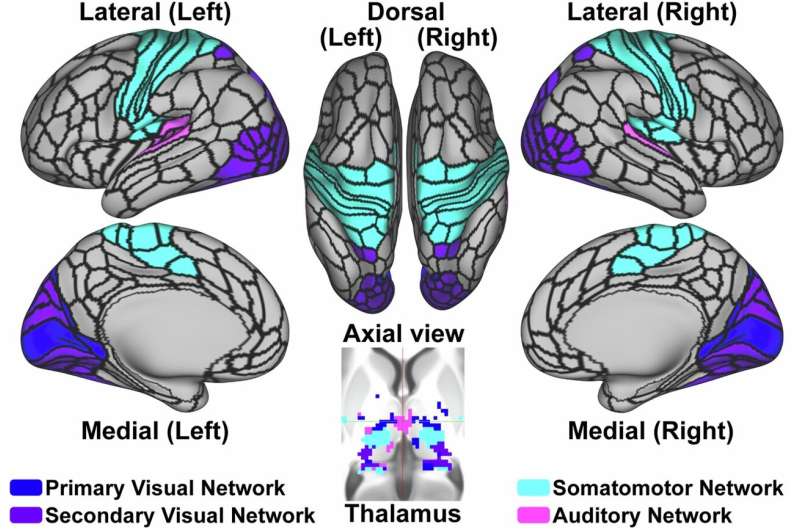
Scientists have mapped how propofol, a widely used anesthetic, alters brain connectivity to induce unconsciousness. Using fMRI, they found that propofol disrupts connections in the thalamus, reducing complex information processing and limiting sensory integration.

Research on older individuals indicates that vision impairment may be responsible for one in five dementia cases.

A new technology that uses harmless light waves to measure activity in babies’ brains has provided the most complete picture to date of brain functions like hearing, vision and cognitive processing outside a conventional, restrictive brain scanner.

Heat waves can worsen abnormal excitability of the brain in people with epilepsy, finds a new small-scale patient study.

Scientists have developed an innovative approach to studying brain connections using functional magnetic resonance imaging (fMRI). Recently published in Cell Systemsthis work introduces a new way of understanding brain architecture through dynamic functional networks, challenging the traditional static approach.

New research identifies potential therapeutic target for amyotrophic lateral sclerosis (ALS).

A new study published in Nature Communications examines how the brain initiates spontaneous actions. In addition to demonstrating how spontaneous action emerges without environmental input, this research has implications for the origins of slow ramping of neural activity before movement onset—a commonly-observed but poorly understood phenomenon.

Researchers have published a novel study exploring the effects of delayed feedback on learning in individuals with moderate-to-severe traumatic brain injury (TBI).

A breakthrough in medical imaging is making it possible for researchers to observe brain activity during movement and pick up the early signs of disorders that affect brain-to-body coordination, such as Parkinson’s disease.

A new study investigated the origin of ataxia in the brain of patients with stroke and found a significant number of the stroke lesions in the patients were located outside the cerebellum.

Researchers have developed a noninvasive technique that could dramatically improve the way doctors monitor intracranial hypertension, a condition where increased pressure in the brain can lead to severe outcomes like strokes and hemorrhages.

Robotic ‘coaches’ aiding upper limb rehabilitation for stroke and brain injury survivors have been successfully trialed in Vienna, Austria.

Scientists have created a dynamic technique to monitor swift changes in brain activity, particularly those associated with cravings. This method differs from conventional neuroimaging by offering a continuous perspective on the variations in craving intensity. The research revealed that individuals with intense cravings tend to remain longer in brain states that intensify these cravings and do not activate the brain networks that could diminish them.

A recent study highlights the interaction between brain structure and social context, suggesting that some children are more vulnerable to social stressors than others.

With maps of the connections between neurons and artificial intelligence methods, researchers can now do what they never thought possible: predict the activity of individual neurons without making a single measurement in a living brain.

A review highlighting recent advances in genetically encoded fluorescent tools for labeling and selectively manipulating synapses has been published in Nature Reviews Neuroscience.

Researchers have investigated the correlations between outdoor nighttime light pollution and Alzheimer’s disease, finding that excessive light pollution may elevate the risk of Alzheimer’s, particularly in younger individuals.

Finally this week, brain waves can be manipulated while in rapid eye movement (REM) sleep, a sleep stage associated with memory and cognition, a new study from the University of Surrey finds. 

Weekly Neuroscience Update

Three modes of salience network expansion in depression. Credit: Nature (2024)

By repeatedly scanning the brains of a small group of patients for a year and a half, researchers have identified a distinct pattern of neuronal interactions that appears to predispose some people to developing depression.

A new study reveals that higher levels of inequality—whether economic, environmental, or health-related—are associated with faster brain aging, particularly in countries with greater disparities

Researchers have published a new clinical protocol examining the combination of aerobic exercise and cognitive rehabilitation to improve learning and memory in individuals with multiple sclerosis (MS) who have mobility disability.

A new study reveals that the protein Tau – a key player implicated in several neurodegenerative conditions including Alzheimer’s disease – also plays a positive role in the brain.

Scientists have revealed new insights into the mechanisms behind cerebral small vessel disease, a condition that affects the smaller blood vessels in the brain and causes approximately half of all dementia cases.

Sports-related concussions may not be associated with long-term cognitive risks for non-professional athletes, a new study suggests.

Researchers have discovered that the Tau protein, often linked to neurodegenerative diseases like Alzheimer’s, also has a protective role in the brain. Tau helps combat oxidative stress by aiding in the formation of lipid droplets in glial cells, which sequester toxic lipids and protect neurons.

Scientists have developed an integrated optical sensor capable of detecting dopamine directly from an unprocessed blood sample.

A recent study has mapped genes linked to schizophrenia and uncovered a mechanism that disrupts synaptic plasticity in affected individuals. The researchers showed the role of three proteins in mediating the impairments of plasticity in schizophrenia. The findings may hold promise for the development of new treatments.

Finally this week, researchers have identified a protein called OSER1 that plays a key role in regulating longevity, offering new insights into why some people live longer than others. 

Weekly Neuroscience Update

Serotonin changes how people learn and respond to negative information

Selective serotonin releasing agent is not negated by 5-HT1A supersensitivity, resulting in a rapid onset of pro-serotonergic activity. Credit: Nature Communications (2024).

Increasing serotonin can change how people learn from negative information, as well as improving how they respond to it, according to a new study published in the journal Nature Communications.

A recent review outlines the genetic complexity of schizophrenia, highlighting nearly 300 common genetic variants and over 20 rare variants linked to the disorder. Researchers emphasize that schizophrenia’s genetic basis is multifaceted, involving multiple genes rather than a single cause. Environmental factors like lifestyle and stress also play crucial roles.

Researchers have conducted a study examining the impact of alcohol on the electrical conductivity of the brain, highlighting its sedative effects.

New research indicates that 20% of children with an older sibling diagnosed with autism are also likely to be diagnosed with autism spectrum disorder (ASD), with this rate increasing to 36% when there are multiple siblings with ASD.

A new study suggests that the risk of developing dementia in Parkinson’s disease patients may be lower or occur later than previously reported.

An international team of researchers has investigated the neural mechanisms underlying imitative behavior: a phenomenon that facilitates interaction and social cohesion and allows people to engage spontaneously with others. The study—published in Proceedings of the National Academy of Sciences (PNAS)—has uncovered new insights into how the brain regulates this behavior, opening up new perspectives for clinical and therapeutic applications.

Advanced MRI scans, particularly diffusion tensor imaging (DTI), have shown promise in predicting which concussion patients are at risk for long-term symptoms. 

A significant breakthrough in the understanding of sleep mechanism opens new promise for treating sleep disorders and associated neuropsychiatric conditions: Scientists have pinpointed the melatonin receptor MT1 as a crucial regulator of REM (Rapid Eye Movement) sleep.

Innovative new research has revealed that the activity of different versions of genes expressed in the brain is associated with the accumulation of the protein tau, which is a hallmark of Alzheimer’s disease.

Finally this week, western classical music can significantly affect brain activity, particularly in people with treatment-resistant depression. By measuring brainwaves and neural imaging, scientists discovered that music synchronizes neural oscillations between brain regions associated with sensory and emotional processing, enhancing mood.

Weekly Neuroscience Update

Coupling between speaker and listener brains. Credit: Neuron / Zada et al.

When two individuals interact, their brain activities tend to synchronize. Previously, it was uncertain how much of this “brain-to-brain coupling” resulted from linguistic information versus other factors like body language or tone of voice. However, researchers reported in the journal Neuron that this coupling during conversation could be modeled by considering the words used and the context of their use.

Worsening air quality and temperature extremes are linked to increased stroke burden, according to a new study.

A team of scientists has pinpointed how different areas of the neuron age differently, with a potential knock-on effect on healthy cell function and the development of neurodegenerative conditions. The paper is published in the journal Aging Cell.

The inflammatory activity in the body caused by rheumatoid arthritis is linked to specific cognitive impairments, finds a small comparative study.

An interdisciplinary team of scientists has found changes in the strength of neural pathways in an area of the brain involved in reward processing and movement coordination when someone has Parkinson’s disease.

New research links diets rich in vitamins and minerals, with low added sugar, to younger biological age.

For patients with major depressive disorder (MDD), seizure duration of 60 to 69 seconds induced by electroconvulsive therapy (ECT) is associated with the highest remission rates compared with seizure duration of less than 20 seconds, according to a studpublished in JAMA Network Open.

A new study reveals that the part of the brain that receives and processes visual information in sighted people develops a unique connectivity pattern in people born blind.

New research finds that specialized MRI scans can detect early brain changes that indicate a higher risk for Alzheimer’s disease (AD) before significant cognitive decline occurs. Researchers discovered that cortical microstructural changes in the brain closely resemble patterns seen in AD pathology.

A recent study reveals that certain genetic factors may protect against ALS, enabling partial or full recovery. 

A new report highlights that addressing 14 modifiable risk factors from childhood could prevent or delay nearly half of dementia cases. The study identifies high LDL cholesterol and untreated vision loss as new significant risks.

The general anesthetic propofol may hold the keys to developing new treatment strategies for epilepsy and other neurological disorders, according to a new study.

Researchers have developed a computer model that mimics how the hippocampus stores new episodic memories without erasing old ones. The findings reveal insights into how the brain organizes personal experiences and maintains stability despite constant updates. The model shows promise for enhancing our understanding of memory retention and cognitive processing.

Finally this week, new research highlights the critical role of healthy blood vessels in maintaining brain health and addressing age-related cognitive decline.

Weekly Neuroscience Update

Mapping network connectivity to cycles of seizure likelihood. Credit: Nature Medicine (2024)

A team of epilepsy specialists has developed a method to forecast the risk of a seizure within 24 hours. The researchers demonstrated that the surge of brain activity indicative of a seizure is preceded by unusual communication among certain brain regions. By examining a mere 90 seconds of these atypical brain signals, the researchers were able to predict the likelihood of a seizure.

A significant discovery by Australian scientists has the potential to improve the effectiveness of drugs currently used to manage cognitive decline in patients with Alzheimer’s disease.

A new study reveals that quick learners of motor skills have distinct brain activity patterns. Using brain-monitoring electrodes, they found that visual processing plays a crucial role in learning new movements. Fast learners showed higher activity in brain regions linked to visual information and muscle movement planning. These findings highlight the importance of vision in acquiring motor skills and its implications for older adults.

Exercising our brains with daily habits like naps and memory workouts, instead of relying on smartphones, can reduce the risk of age-related dementia. 

Star-shaped glial cells, so-called astrocytes, are more than just a supporting cell of the brain. They are actively involved in learning processes and interact with nerve cells. Now scientists are using a biophysical model to clarify how astrocytes interact with nerve cells to regulate rapid adaptation to new information. The results of the study have now been published in Communications Biology.

New research shows that inflammation outside the brain, such as that caused by common infections such as colds and urine infections, is linked to the progression of multiple sclerosis (MS).

Recent advances in the study of proteomes (i.e., the entire range of proteins expressed by human cells and tissues) have opened new opportunities for identifying the biological markers of specific diseases or mental disorders. This could in turn inform the prevention, diagnosis and treatment of these medical conditions.

A new experimental cancer drug could ease cognitive difficulties for those with Rett syndrome, a rare autism-linked disorder, by enhancing brain cell functions. 

An MIT study published in Nature provides new evidence for how specific cells and circuits become vulnerable in Alzheimer’s disease, and hones in on other factors that may help some people show resilience to cognitive decline, even amid clear signs of disease pathology.

Neuroscientists have discovered the brain circuitry of placebo effect for pain relief.

A new study demonstrates how the external representation of physiological signals (interoception) can affect our perception of them and teach us how to improve them in order to balance the body in stressful situations, for example. The study was recently published in the journal Scientific Reports.

An interdisciplinary team of scientists has found differences between male and female brain structure in areas associated with decision-making, memory processing and handling emotions.

A new study proposes a novel approach to studying consciousness through behavioural observations and learning curves, highlighting that learning often occurs in sudden leaps, suggesting these “eureka moments” are preceded by conscious cognitive processes.

Finally this week, there is a potential connection between a diagnosis of certain gastrointestinal (GI) syndromes and the formation and rupture of intracranial (brain) aneurysms according to new research.

Weekly Neuroscience Update

Temporally removed goals activated the left anterior hippocampus and current goals activated the left posterior hippocampus. a Activation maps for the contrasts comparing the remote (distant future + near future + distant past + near past) > current are overlaid in yellow. b Activation maps for the contrasts comparing the current > remote are overlaid in green. c Activation for the temporally removed goals (yellow) and the current goals (green) shown concurrently on the brain. d The same goal, for instance fixing the space helmet, was anatomically dissociated along the longitudinal axis based on whether it was currently relevant, or relevant at a point removed in time. The left hippocampal region of interest (ROI) is displayed in white. Credit: Nature Communications (2024).

How does our brain distinguish between urgent and less urgent goals? Researchers have explored how our brain remembers and adjusts the goals we set for ourselves on a daily basis.

Ever heard just a snippet of a song and instantly known what comes next? Or picked up the rhythm of a chorus after just a few notes? New research has uncovered what happens in our brain when we recognize and predict musical sequences.

A new study provides the first anatomical, functional representation of the ocular surface in the central nervous system.

In a small study, researchers have discovered how a set of genes could cause neurons to die in sporadic amyotrophic lateral sclerosis (ALS). The results, published in Nature Aging, provide insight into the root causes of ALS and may lead to new ways to halt disease progression.

New research shows that the brains of sighted and blind people adapt in a similar way when they learn to use sound echoes to understand the world without vision.

People with type 2 diabetes who are treated with GLP-1 agonists, like Ozempic have a decreased risk of developing dementia, according to a new study from Karolinska Institutet published in the journal eClinicalMedicine.

A class of drugs already on the market to lower blood pressure appears to reduce adults’ risk of developing epilepsy, a team of researchers has discovered.

In a recent study, a Yale-led research team described for the first time a rare neurodevelopmental syndrome that begins affecting patients during infancy and typically causes developmental delays, severe seizures, cardiac dysrhythmia, and recurring infection.

Using sound to stimulate certain brain waves has the potential to help those with dementia or cognitive decline sleep better, reveals a new study.

Not all patients with depression respond to medication. Two recently published studies provide additional information on how an alternative treatment, transcranial magnetic stimulation (TMS), could be further enhanced. TMS differs from electroconvulsive therapy (ECT), which is also used to treat depression.

New research provides insights into the brain regions involved in paranoia.

A new study reveals variations of the visual saltation illusion, where rapid light flashes in peripheral vision create perceptual errors. The study shows that our brains misplace the second flash near the midpoint, regardless of its actual position. This finding challenges our understanding of visual processing and questions the reliability of eyewitness testimony. The research opens doors for further studies on visual perception and attention.

Researchers worldwide can now create highly realistic brain cortical organoids—essentially miniature artificial brains with functioning neural networks—thanks to a newly released proprietary protocol.

A new study reveals that a balanced ratio of neural excitation (E) and inhibition (I) is crucial for brain development and cognitive performance. Researchers found that lower E/I ratios in children correlate with better memory and intelligence. This balance is vital for preventing brain disorders and was measured using a novel AI and MRI technique. The findings could inform personalized treatments for mental health conditions.

A new ultra-high-performance brain PET system allows for the direct measurement of brain nuclei as never before seen or quantified.

Tau positron emission tomography (PET) has the best performance as a standalone marker for prediction of progression of mild cognitive impairment (MCI) to dementia, according to a study published online in JAMA Neurology.

Murdoch University’s Center for Healthy Aging is identifying new interventions to treat resting tremor in people with Parkinson’s disease.

New research reveals that sildenafil (Viagra) enhances brain blood flow and improves blood vessel function in patients at risk of vascular dementia. This study marks a significant advancement in addressing this condition.

Finally, this week, do our brains process natural voices and deepfake voices differently? Research conducted at the University of Zurich indicates that this is the case.

Weekly Neuroscience Update

Reading Pleasure and Pain from the Brain

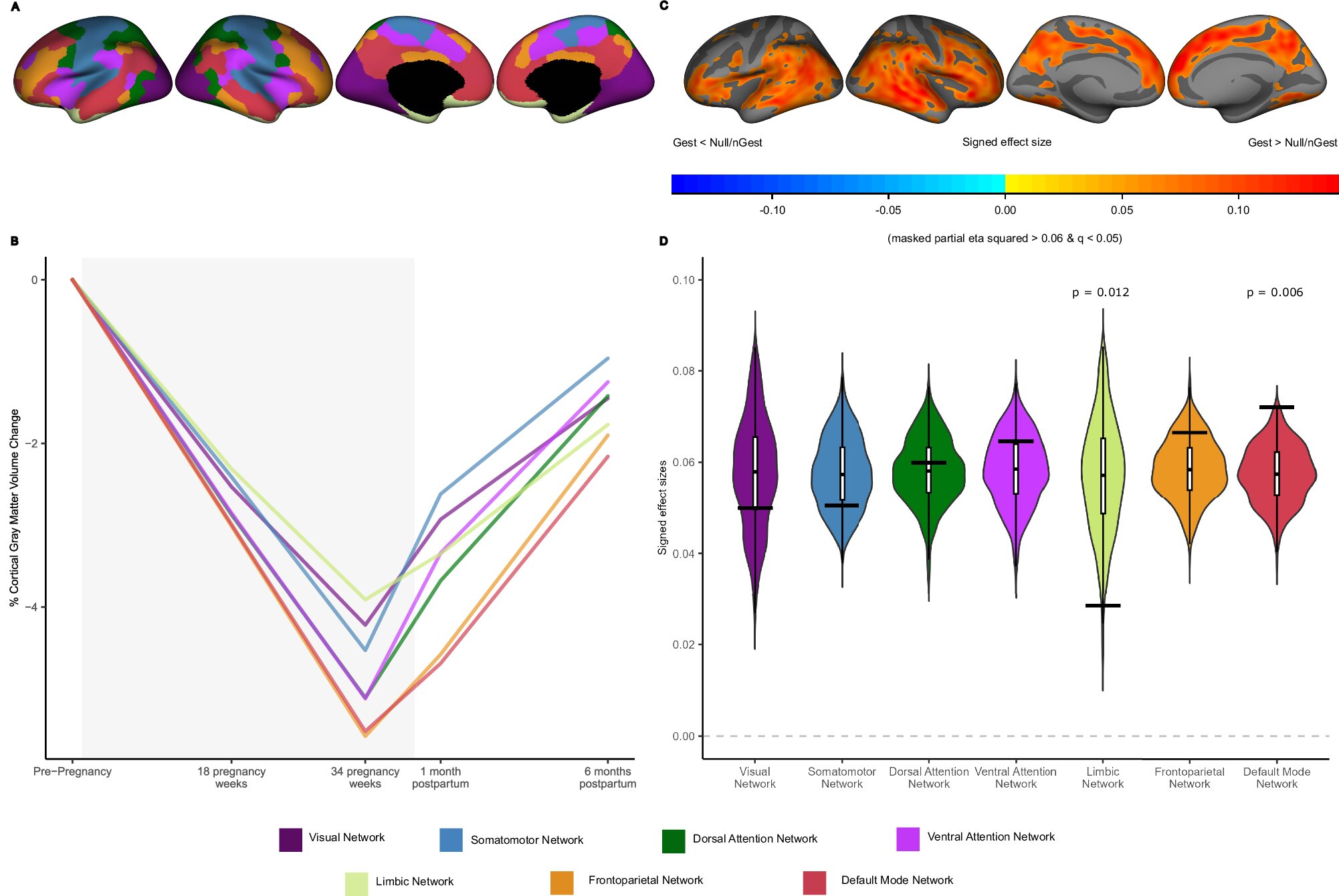
Functional brain networks that are connected to the affective intensity and valence information. Left: The affective valence information is connected to the limbic and default mode networks, and the affective intensity information is connected to the ventral attention network. Right: The probability that the affective intensity and valence is connected to each of seven functional brain networks. Credit: Proceedings of the National Academy of Sciences (2024).

A team of researchers has revealed how the brain processes emotional information of sustained pain and pleasure.

Scientists have uncovered the inner relay of a molecular switch that protects the brain against the development of Parkinson’s disease. The research provides new potential strategies to develop drugs that may benefit patients with Parkinson’s.

Brain-to-brain technology boosts brain-computer interface performance, a new study demonstrates.

Researchers have identified, for the first time, disease-specific reduction in emotional expressivity in Lewy body dementia by quantifying vocal expression of emotions using deep neural network techniques. This reduction in vocal emotional expressions was associated with cognitive impairment and specific brain region atrophy and could serve as a distinguishing factor for individuals with Lewy body dementia.

A new study finds the timing of brain waves shapes the words we hear.

New research has given a precise picture of young children’s developing brains, using a wearable brain scanner to map electrical brain activity. The work opens up new possibilities for tracking how critical developmental milestones, like walking and talking, are underpinned by changing brain function, and how neurodevelopmental conditions like autism emerge.

A new AI technique can identify seizure types, including rare forms of epilepsy.

A new study reveals that a poor quality diet may lead to brain changes associated with depression and anxiety. Researchers found that unhealthy eating habits reduce grey matter and alter neurotransmitter levels in the brain.

Research sheds new light on the contribution of dopamine to reinforcement learning.

A new study uncovered neural mechanisms used in planning, revealing an interplay between the prefrontal cortex and hippocampus. The study shows how the brain imagines future outcomes to guide decisions.

Losing the ability to smell properly—a common sensory deficit as people age—may help predict or even contribute to the development of heart failure, new research suggests.

A new study reveals that the main psychoactive component in cannabis or marijuana disrupts the normal connections and activity of the brain’s prefrontal cortex, a region that is crucial for decision-making and self-control.

Finally this week, people tend to underutilize their visual working memory rather than maxing out its capabilities according to new research.