Weekly Neuroscience Update

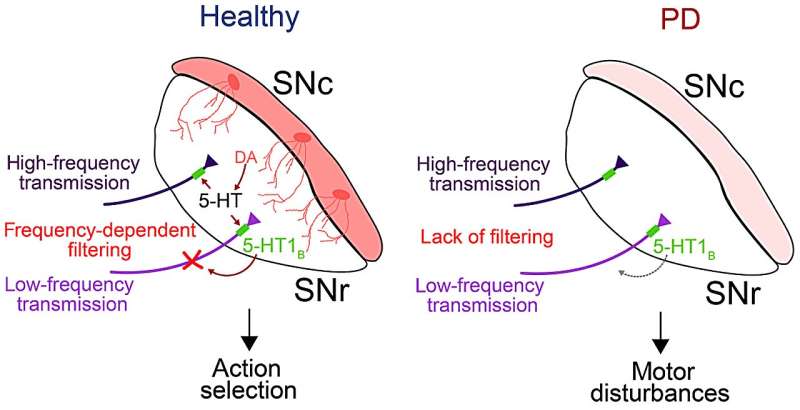
Illustration depicting a model of how DA and serotonin cotransmission shapes behaviour through frequency-dependent filtering of D1-MSN axons. Credit: Science Advances (2025)

Scientists have uncovered a previously unknown mechanism by which dopamine, a key brain chemical vital for movement and motivation, can affect brain activity indirectly by boosting serotonin.

New brain imaging research shows that structural damage in schizophrenia spectrum disorders may begin in specific “epicenter” regions before spreading across connected brain networks. Individuals with the condition showed widespread reductions in structural similarity between key cognitive and emotional brain regions.

Researchers have uncovered new insights into how brain wiring differs in children and young adults with autism, offering more precise ways to understand the condition.

There is new hope for people who have lost their smell. Scientists have successfully tested a breakthrough device that lets people detect the presence of certain odors. This innovative system helps them “smell” again by translating odors into feelings (like touch) inside the nose.

Lockdown and social distancing measures during the COVID-19 pandemic were associated with increased developmental concerns about young children in Scotland, research suggests.

Researchers have identified two receptors in the brain that control the breakdown of amyloid beta, a substance that accumulates in Alzheimer’s disease. The study could pave the way for future drugs that are both safer and cheaper than current antibody treatments.

Patients with major depressive disorder, including non-responders to first-line antidepressants, may benefit from short-term nitrous oxide treatment.

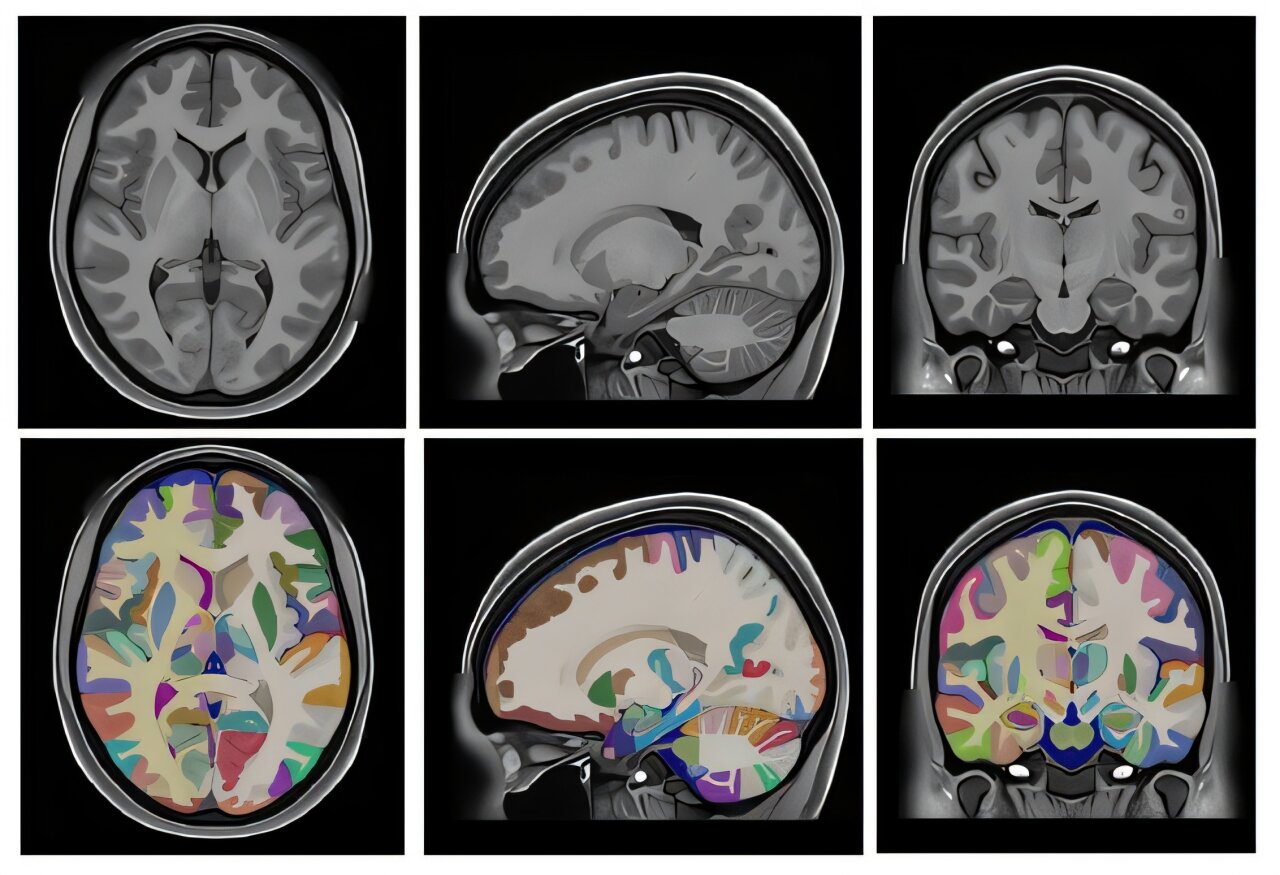
A new study has achieved a long-standing goal in neuroscience: showing how the brain’s smallest components build the systems that shape thought, emotion and behaviour. The research, published in the journal Nature Communications, could transform how scientists understand cognition and aging, as well as mental health disorders like depression and schizophrenia.

Neuroscientists have identified five “major epochs” of brain structure over the course of a human life, as our brains rewire to support different ways of thinking.

New longitudinal research shows that Alzheimer’s disease blood biomarkers rise up to 95 percent faster in people with obesity than in those without. While baseline tests initially appeared lower due to blood dilution, long-term tracking revealed a significantly accelerated build-up of neurodegeneration and amyloid pathology.

Using in-vehicle driving data may be a new way to identify people who are at risk of cognitive decline, according to a study published on November 26, 2025, in Neurology.

Researchers have developed an AI system that can reconstruct fine hand muscle activity using only standard video footage. Traditionally, this type of measurement required intrusive electrodes attached to the skin, but the new method eliminates that need entirely.

A large population analysis found that older adults who received the shingles vaccine were significantly less likely to develop dementia over the following seven years.

A new review explores how episodic memories are formed, stored, and reshaped over time, revealing why our recollections of past events often change. Rather than functioning like fixed files, memories consist of multiple components that can lie dormant until triggered by environmental cues.

Finally this week, a multi-institutional team of researchers report that extensive musical training can steady the body in space, both with and without guiding sounds, during a blindfolded stepping test.

Weekly Neuroscience Update

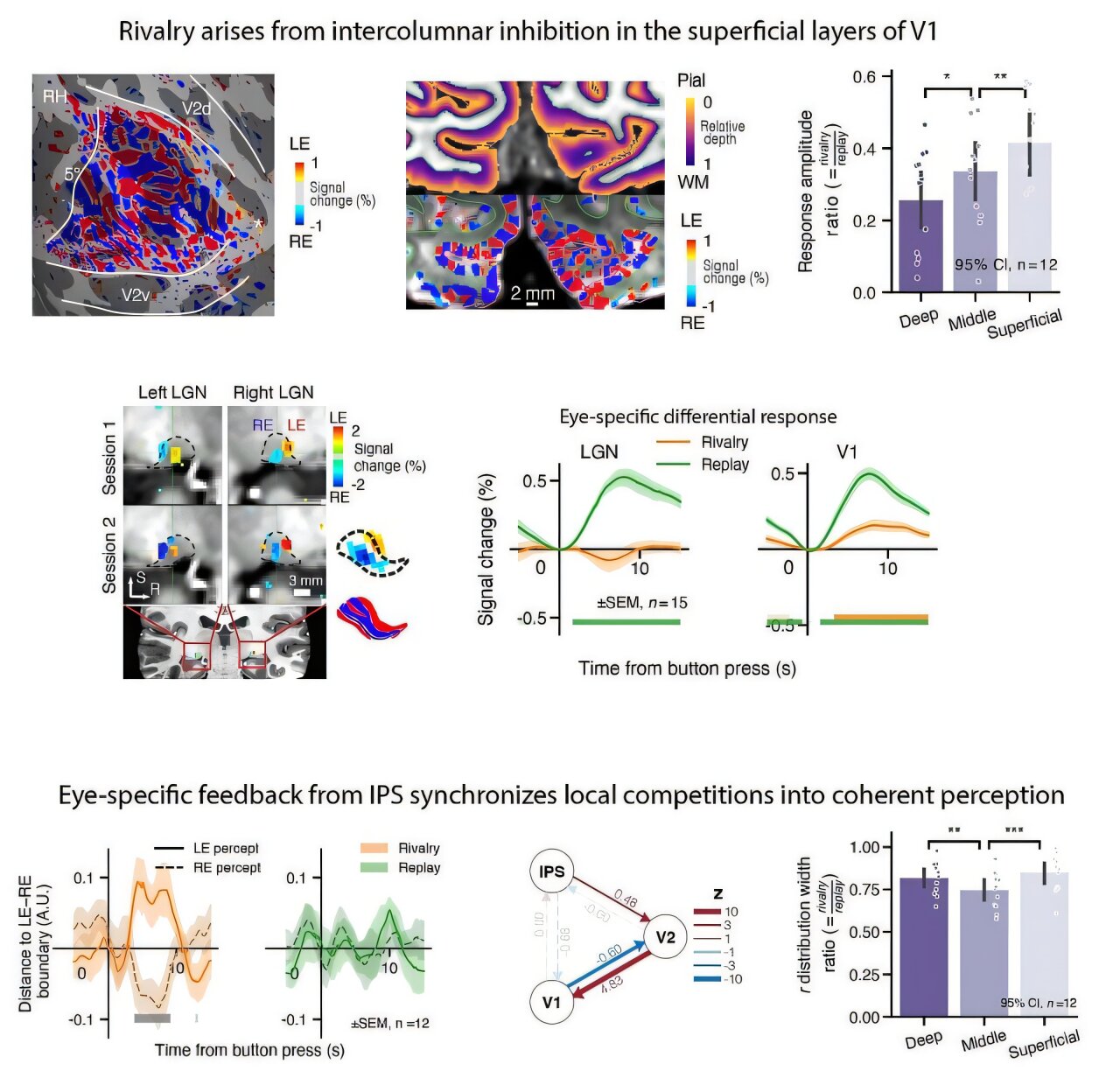
Mesoscale neural mechanisms of binocular rivalry in humans. Credit: Zhang Peng’s group

A research group has revealed how the human brain resolves perceptual conflicts and generates conscious perception through local inhibition in the sensory cortex and feedback integration from the parietal cortex.

A new clinical trial shows that deep brain stimulation (DBS) improved symptoms in half of adults with treatment-resistant depression, with one-third reaching remission.

A large-scale analysis of nearly 1,900 children found that those with a family history of substance use disorder show early differences in how their brains transition between activity states, long before any drug exposure. Girls with a family history showed increased transition energy in introspective networks, suggesting greater difficulty shifting out of internal, stress-linked states.

New research shows that spontaneous eye blinks naturally sync to the beat of music, revealing a hidden form of auditory-motor synchronisation that occurs even without conscious movement.

An extensive, two-year study of nearly 12,000 children found that higher screen time at ages 9–10 predicts an increase in ADHD symptoms, independent of a child’s starting symptom level. Brain imaging revealed that heavy screen use is associated with smaller cortical volume and disrupted development in regions critical for attention, cognition, and reward processing.

Researchers have identified five major phases of human brain wiring that unfold from birth to old age, marked by four major turning points at ages 9, 32, 66, and 83.

A new study shows that when two people work together toward a shared goal, their brains begin to process information in increasingly similar ways. Using EEG recordings, researchers found that while all participants showed similar early responses to visual patterns, only collaborating pairs developed sustained neural alignment linked to the rules they agreed upon.

A large analysis of more than 11 million medical records found that people with untreated obstructive sleep apnea face a substantially higher risk of developing Parkinson’s disease over time.

New research has revealed that Parkinson’s disease causes significant and progressive changes to blood vessels in the brain, changing our understanding of the disease which may lead to new treatment methods.

Diesel exhaust particles disrupt the function of the brain’s immune cells, a new study shows.

Researchers have developed a “virtual clinical trial” exploring a unique pharmacological treatment in patients who do not fully regain consciousness after a coma. The proposed treatment involves employing psychedelic drugs, such as psilocybin and lysergic acid diethylamide (LSD) that have intense, consciousness-altering effects in healthy volunteers.

A new meta-analysis shows that lithium supplementation does not significantly slow cognitive decline in people with mild cognitive impairment or Alzheimer’s disease.

New research shows that young adults with obesity already display biological patterns associated with liver stress, chronic inflammation, and early neural injury—changes typically seen in older adults with cognitive impairment. Participants with obesity also had unusually low blood choline levels, a nutrient critical for liver function, inflammation control, and long-term brain health.

A new study demonstrates that an AI assistant can conduct psychiatric assessment interviews with greater diagnostic accuracy than widely used mental health rating scales.

New brain imaging research shows that structural damage in schizophrenia spectrum disorders may begin in specific “epicenter” regions before spreading across connected brain networks. Individuals with the condition showed widespread reductions in structural similarity between key cognitive and emotional brain regions.

Finally, this week, researchers are exploring whether a person’s genetic risk for depression can help predict how multiple sclerosis (MS) progresses.

Weekly Neuroscience Update

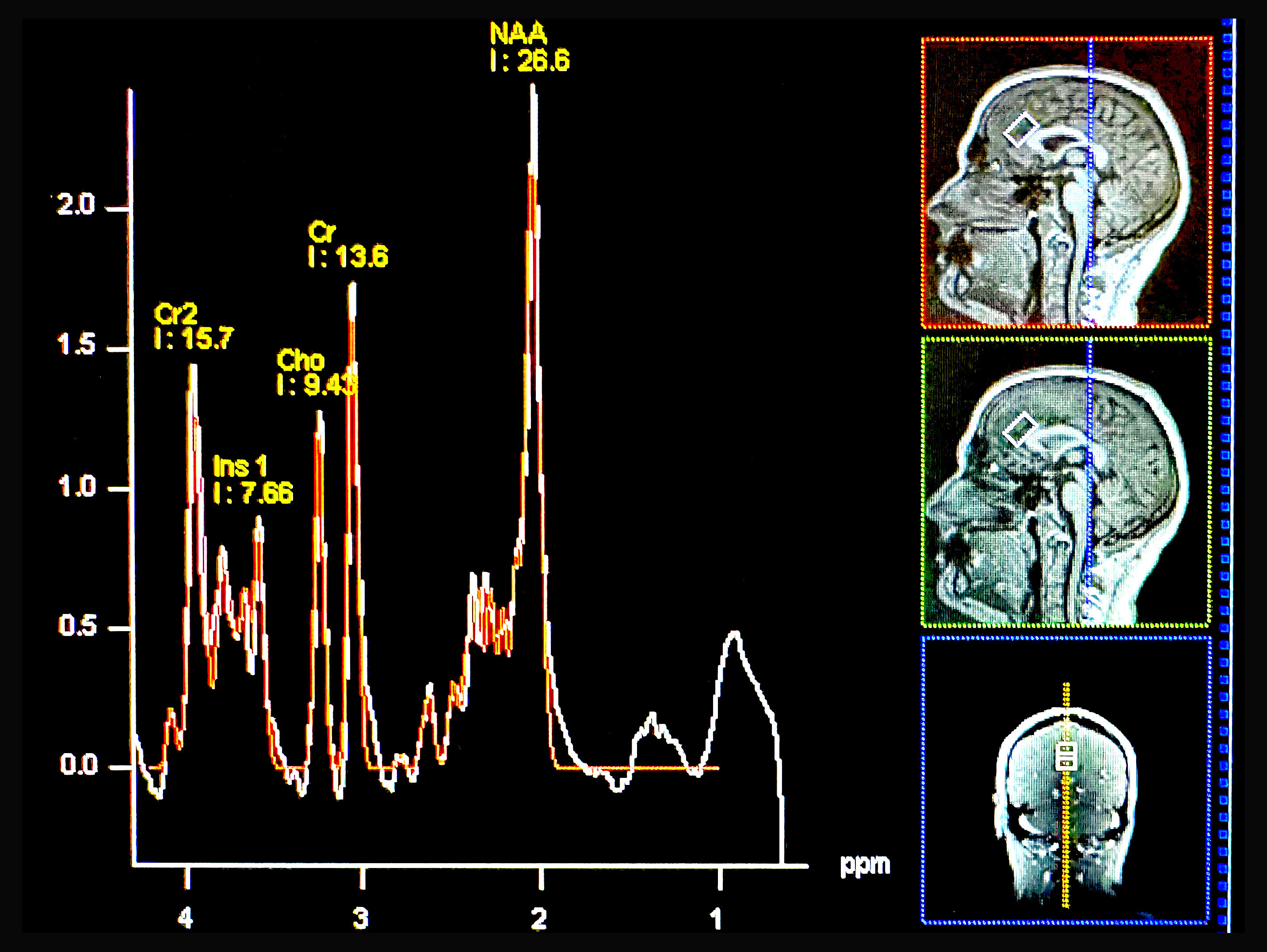
A non-invasive imaging technique, 1H-MRS, can detect chemicals in different parts of the brain. Choline is represented by “Cho” in the above graph. Credit: UC Regents

A new study shows that people with anxiety disorders tend to have lower levels of a chemical called choline in their brains compared to people without anxiety. Choline is a nutrient that plays an important role in brain function. It helps produce acetylcholine, a neurotransmitter involved in memory, mood regulation, and muscle control. It’s also a component of cell membranes, helping brain cells communicate efficiently.

Researchers have developed a highly sensitive diagnostic that predicts a person’s stage of dementia based on neurovascular and metabolic changes.

The way we speak in everyday conversation may hold important clues about brain health, according to a new study that found that subtle features of speech timing, such as pauses, fillers (‘uh,’ ‘um’) and word-finding difficulty, are strongly linked to executive function, the set of mental skills that support memory, planning and flexible thinking. 

ADHD symptoms are influenced by socioeconomic factors in regions affected by conflict and resource limitations, a new study focusing on non-Western populations has found.

Infants born deaf or hard of hearing show adverse changes in how their brains organise and specialise, which can significantly affect their cognitive and linguistic development. However, recent studies indicate that timely exposure to sound and language, even in modified forms, can considerably help these children develop more normally and bridge the gap in their learning processes.

A research team has discovered extensive genetic links between neurological disorders like migraine, stroke and epilepsy, and psychiatric illnesses such as schizophrenia and depression.

New research reveals that trait shyness is linked to reduced spontaneous neural activity in the cerebellum, a brain region traditionally associated with motor control but increasingly recognised for its role in emotion and social cognition.

Scientists have developed the most detailed molecular map yet of how the brain develops and reacts to inflammation, revealing that disease processes can “reawaken” genes from early life.

A new brain decoding method called mind captioning can generate accurate text descriptions of what a person is seeing or recalling—without relying on the brain’s language system. Instead, it uses semantic features from vision-related brain activity and deep learning models to translate nonverbal thoughts into structured sentences.

Researchers have found that living in a socioeconomically deprived neighbourhood can harm brain health as early as midlife.

A new study reveals that autism symptom severity correlates with shared brain-connectivity patterns in children with autism or ADHD. Stronger autistic traits are linked to increased connectivity between frontoparietal and default-mode networks, which are vital for social cognition and executive functions.

Mayo Clinic researchers have developed a new tool that can estimate a person’s risk of developing memory and thinking problems associated with Alzheimer’s disease years before symptoms appear.

Using full-genome sequencing data from more than 347,000 individuals, researchers have quantified how much genetic variation explains human traits such as height, body mass index, fertility, and disease risk. The results show that genes account for roughly 30% of the variation between individuals, with higher estimates for traits like height and lower for fertility.

Finally this week, a large-scale study of more than 86,000 Europeans found that speaking multiple languages may help slow biological and cognitive aging. 

Weekly Neuroscience Update

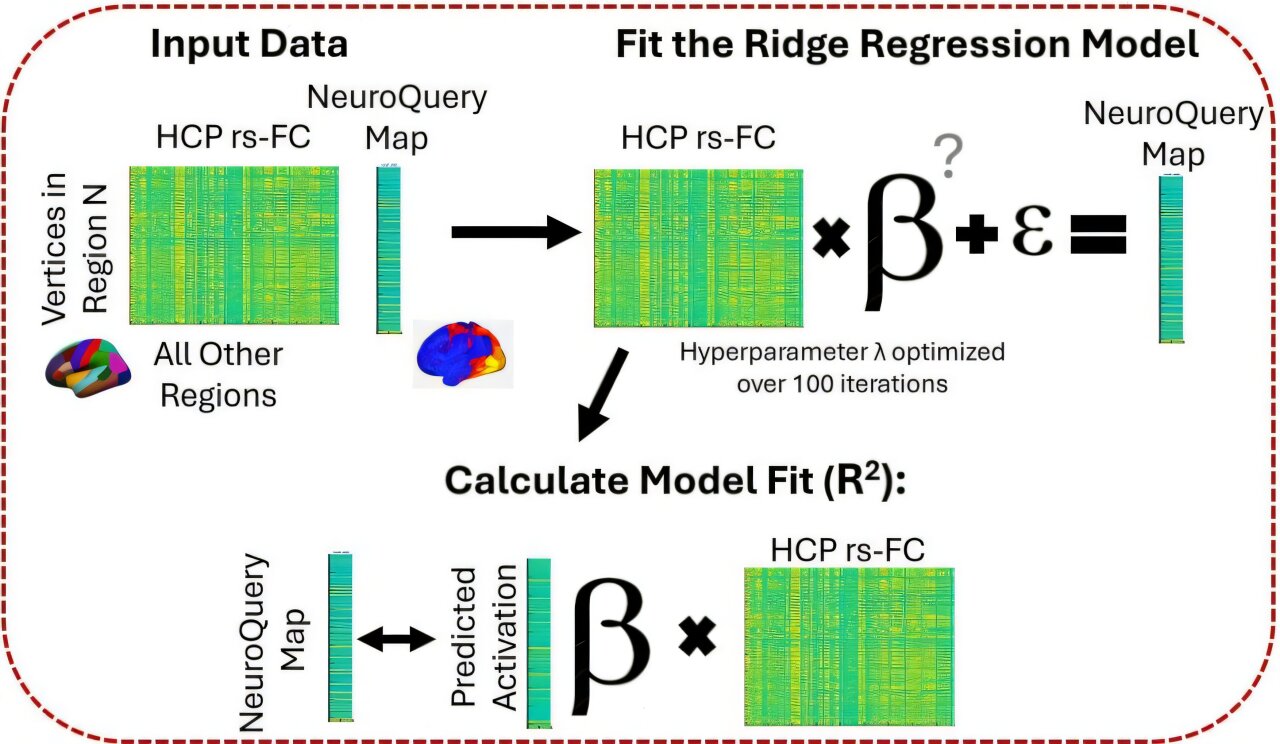
Diagram outlining the model procedures for one domain and one region. This process was repeated for all 33 domains and 82 regions. Credit: Network Neuroscience (2025).

A new study provides the best evidence to date that the connection patterns between various parts of the human brain can tell scientists the specialized functions of each region.

Researchers have discovered that problems with the brain’s waste-clearing system—the glymphatic system—may significantly raise the risk of developing dementia. In one of the most extensive studies to date, MRI data from 40,000 adults revealed that impaired cerebrospinal fluid (CSF) flow predicts dementia risk years before symptoms appear.

Statins might help protect the brain function of breast and lymphoma cancer patients for up to 2 years after their cancer treatment, according to a report in JAMA Network Open.

A study published in the journal Music and Medicine demonstrates that intraoperative music therapy significantly reduces the amount of propofol and fentanyl required during laparoscopic cholecystectomy performed under general anaesthesia. Patients exposed to therapeutic music also experienced smoother awakenings and lower physiological stress, as measured by decreased perioperative cortisol levels.

Scientists have used next-generation imaging technology to discover that when the brain is falling asleep, it shows a coordinated shift in activity.

A research team has conducted one of the most comprehensive studies on dopamine and decision-making in humans so far, providing evidence for effects of the former on the latter. Dopamine is a neurotransmitter involved in several functions, including motivation and reward.

Newly decoded brain circuits make memories more stable as part of learning, according to a new study.

Brain scans from American football players reveal subtle differences in the brain’s outer grooves when compared to scans from otherwise healthy men who never played contact or collision sports, a new study shows. Its authors say the findings could potentially predict which people are more at risk of chronic traumatic encephalopathy.

Researchers have uncovered an unexpected molecular partnership that reshapes understanding of how brain inflammation arises in Alzheimer’s disease.

Even when blood pressure is well controlled, older adults whose blood pressure fluctuates widely from one heartbeat to the next may be at greater risk for brain shrinkage and nerve cell injury, according to a recent study.

Finally, this week, new research suggests that a child’s gut microbiome at age 2 may influence their emotional health years later.

Weekly Neuroscience Update

Credit: Neuroscience (2025). DOI: 10.1016/j.neuroscience.2025.06.032

Memory loss may not simply be a symptom of getting older. New research shows that it’s tied to specific molecular changes in the brain and that adjusting those processes can improve memory.

An international consortium of researchers has created the largest-ever database compiling records of brain activity during sleep and dream reports. One of the first analyses of the database confirmed that dreams do not occur only during REM sleep, but also during deeper and calmer NREM stages. In these cases, brain activity resembles wakefulness more than deep sleep, as if the brain were “partially awake.”

A smartphone app for muscle relaxation significantly reduced migraine-related disability in patients visiting the emergency department.

A new study reveals that sleep-like slow-wave brain activity can persist for years in surgically disconnected brain hemispheres of awake epilepsy patients. Using EEG recordings, researchers found that the isolated cortex exhibits patterns similar to deep sleep, anesthesia, or vegetative states—suggesting absent or reduced awareness.

People 60 and older who are excessively sleepy during the day may have more problems with memory and thinking after surgery, suggests a study presented at the ANESTHESIOLOGY 2025 annual meeting.

Doctors and researchers at the University of Pittsburgh and UPMC have developed a new treatment for epilepsy patients who don’t respond to medication and aren’t candidates for surgery. Their approach, published in Nature Communications, uses deep brain stimulation (DBS) that is tailored to each patient’s unique brain wiring. 

A new computational tool has uncovered genetic evidence directly linking Alzheimer’s disease to the loss of memory-making neurons, helping to resolve a decades-long mystery in dementia research.

While studies have linked brain areas to remembering personal experiences, brain areas involved in learning more impersonal information about the world remain unclear. In a new JNeurosci paper, researchers used fMRI on 29 human volunteers as they performed a learning task to shed light on how the brain acquires semantic, impersonal information.

Researchers have traced the earliest stages of multiple sclerosis (MS), showing that the immune system begins attacking the brain up to seven years before diagnosis.

New research has provided the strongest evidence yet that auditory verbal hallucinations—or hearing voices—in schizophrenia may stem from a disruption in the brain’s ability to recognise its own inner voice.

Adults with gum disease may be more likely to have signs of damage to the brain’s white matter than people without gum disease, according to a study published in Neurology Open Access.

A team of researchers has developed and tested a new virtual reality (VR) training task designed to help stroke survivors living with visuospatial neglect (VSN), a disabling condition that affects attention and awareness of one side of space. The exploratory case study is among the first to integrate audiovisual cues within a physiotherapy-based VR task to support rehabilitation.

Finally, this week, listening to music when you are over 70 years of age has been linked to a 39% reduction in the risk of dementia, according to a new study of over 10,800 older people.

Weekly Neuroscience Update

Participants were more likely to perceive the avatar’s expression as angry when they actively avoided the avatar, compared to when the avatar moved away from them. Credit: (C)Toyohashi University Of Technology.

A research team from the Cognitive Neurotechnology Unit and the Visual Perception and Cognition Laboratory at Toyohashi University of Technology has found that approach–avoidance behavior in a virtual reality (VR) environment modulates how individuals recognize facial expressions.

A McGill University-led clinical trial is the first in humans to show online brain training exercises can improve brain networks affecting learning and memory.

A new study reveals that the human brain synchronizes more accurately with rhythm when listening to music than when feeling it through touch. When people tap along to sound, slow rhythmic brain waves align with the perceived beat, helping maintain steady timing.

Psilocybin could be the future of mental health care, with promising findings emerging from Australia’s first research trial using psychedelics to treat depression.

An international research team led by a University of Ottawa Faculty of Medicine investigator has revealed intricate details about how nerve signals activate at the neuromuscular junction. This specialized synapse connects motor neurons to skeletal muscle fibers.

A ‘digital twin’ of your brain could predict mental health issues and slow cognitive decline.

A study published in Environment International concludes that air pollution during pregnancy is associated with slower brain maturation in newborns. It is the first study to analyze brain development within the first month of life.

A new clinical trial is investigating how advanced brain monitoring could improve the diagnosis and management of epilepsy.

University of California San Diego of Medicine researchers, in collaboration with the genetic testing company 23andMe, have identified regions of the human genome associated with cannabis use, uncovering new relationships with psychiatric, cognitive and physical health.

The conditions where you live may influence your brain health and risk for dementia, according to a new study.

Women are affected by severe depression twice as often as men. The reasons for this have not yet been fully clarified. One potential factor is sex-specific differences in the blood-brain barrier. Scientists are conducting research on the project “Leaky blood-brain barrier in major depressive disorder.” A particular focus is on sex-specific differences.

New research reveals how uniquely wired human brains can perceive the world in strikingly similar ways.

A new study published in Scientific Reports indicates that amyotrophic lateral sclerosis (ALS) and multiple sclerosis (MS) have an extremely high geographic association, even after controlling for race, gender, wealth, latitude, and access to neurological health care.

Finally, this week, a ‘ flight simulator‘ for the brain reveals how we learn—and why minds sometimes go off course.

Weekly Neuroscience Update

Experimental design, ripple detection, and ripple properties. Credit: Nature Communications (2025)

A research team has identified, for the first time in humans a key neurophysiological mechanism in memory formation: ripple-type brain waves—high-frequency electrical oscillations that mark and organize the different episodes or fragments of information that the brain stores as memories.

Scientists have discovered how a key protein helps maintain strong connections between brain cells that are crucial for learning and memory.

New research shows that signs of Alzheimer’s disease can already be detected in the blood of people as young as their 40s. Finnish scientists found elevated Alzheimer’s-related biomarkers in middle-aged adults, especially among those with maternal history or kidney disease.

A new study questions whether playing youth football leads to harmful protein buildup in the brain.

Receiving six or more prescriptions of the drug gabapentin for low back pain is associated with significantly increased risks of developing dementia and mild cognitive impairment, finds a large medical records study.

A large genetic study reveals that cannabis use disorder is strongly linked to increased risk for multiple psychiatric disorders, including depression, PTSD, ADHD, and schizophrenia.

A common sugar substitute, erythritol, widely used in “sugar-free” and low-carb products, may increase stroke risk by damaging brain blood vessel cells. A new study found that erythritol exposure reduced nitric oxide, increased vessel constrictors, impaired clot-busting abilities, and boosted free radical production in these cells.

Finally, this week, neuroscientists have discovered a signature ‘wave’ of activity as the brain awakens from sleep.

Weekly Neuroscience Update

Coloured regions show where brain volume was associated with deviant lifestyle and antisocial behavior in individuals with psychopathic traits. Credit: European Archives of Psychiatry and Clinical Neuroscience (2025).

A recent study has shed light on the brain structure differences associated with psychopathy—a condition known to be one of the strongest predictors of persistent violent behaviour. The findings are published in the journal European Archives of Psychiatry and Clinical Neuroscience.

Researchers are using a new approach to brain imaging that could improve how drugs are prescribed to treat Parkinson’s disease.

An analysis of over 375 trials shows that structured exercise significantly reduces depression and anxiety in children and teens. Low-intensity resistance activities like light weights were most effective for easing anxiety, while moderate mixed-mode programmes worked best for depression, especially when lasting under 12 weeks.

A new technology that uses clinical MRI machines to image metabolic activity in the brain could give researchers and clinicians unique insight into brain function and disease.

Diets rich in phosphate additives, commonly found in processed foods, can increase blood pressure by triggering a brain signaling pathway and overactivating the sympathetic nervous system that regulates cardiovascular function, UT Southwestern researchers discovered. Their findings could lead to treatment strategies for patients with hypertension caused by overconsumption of foods containing high levels of phosphates.

The long-standing belief that left-handed people are more creative has been challenged by a new meta-analysis of over a century of research. 

New research proposes a unified theory of brain function based on criticality—a state where the brain teeters between order and chaos, allowing it to learn, adapt, and process information optimally. When the brain strays from this delicate balance, cognitive performance weakens, and neurological disorders such as Alzheimer’s may begin to take hold.

A drug used for Parkinson’s disease has been shown to be effective in reducing the symptoms of difficult to treat depression, according to a study led by the University of Oxford.

A recent study shows that older adults may compensate for age-related cognitive decline by enhancing activity in a specific brain region linked to attention—the locus coeruleus (LC). In a brain imaging study, older participants showed stronger LC responses when interpreting ambiguous facial expressions, compared to younger adults.

Individuals with versus those without tinnitus have significantly lower scores on cognitive function tests, according to a recent study published in Frontiers in Neurology.

New research shows how the brain navigates emotional transitions, using music as a tool to map changing neural patterns. Scientists found that emotional responses in the brain depend heavily on the listener’s prior emotional state.

A clinical trial has revealed that Ambroxol, a common cough medicine in Europe, may help slow cognitive decline in people with Parkinson’s disease dementia.

In a study of 200 former professional rugby players (aged 30–61 years old), researchers from Imperial College London, University College London and the UK Dementia Research Institute found no cases of early-onset dementia.

Finally this week, new research findings show how synaptic connections in the cerebral cortex can strengthen during sleep, offering insight into how the brain continues learning even while we rest.

Weekly Neuroscience Update

The analysis pipeline of the study, with select figures created using BioRender. Credit: Nature Communications (2025)

Scientists have developed a novel, detailed map at the subcellular level of a brain region frequently impacted by Alzheimer’s disease. This groundbreaking achievement represents a significant advancement in understanding the mechanisms underlying the development of this neurodegenerative condition.

New research shows that AI can identify complex regional pain syndrome (CRPS) with over 90% accuracy by analyzing gut microbiome patterns. 

Mindfulness exercises paired with music were found to engage both neural and cardiac systems, potentially reducing symptoms of anxiety and depression. A recent study showed that live and virtual music mindfulness sessions lowered stress and altered states of consciousness, though only live sessions fostered social connection.

A long-term study shows that teenagers who maintain or increase physical activity levels are less likely to develop symptoms of depression.

Researchers have developed a brain-computer interface (BCI) that enables computer cursor control and clicking, using neural signals from the speech motor cortex. One participant with amyotrophic lateral sclerosis (ALS) used the interface for daily life activities, including independent control of a personal desktop computer and text entry.

New research shows that targeting emotional processing is key to treating and managing chronic pain.

In a first-of-its-kind clinical study, researchers have shown that patients with treatment-resistant PTSD were symptom-free up to six months after completing traditional therapy paired with vagus nerve stimulation (VNS).

Scientists using living human brain tissue have shown for the first time how a toxic form of a protein linked to Alzheimer’s can stick to and damage the connections between brain cells.

People whose biological age is higher than their chronological age may be more likely to develop dementia than people whose biological age matches or is lower than their chronological age, according to a study published online in Neurology. Biological age is based on biomarkers of aging such as lung function, blood pressure and cholesterol.

A recent study reveals that oxygen tension elevation during weeks four to six promotes neurogenesis in brain organoids, regulated by neuroglobin. The research is published in Science Advances.

Obstructive sleep apnea, a condition that causes lower oxygen levels during sleep, is linked to degeneration of brain regions associated with memory through damage to the brain’s small blood vessels, according to a study published in Neurology.

A new theory suggests that psychedelics promote empathy, insight, and psychological flexibility by making the brain’s right hemisphere temporarily dominant over the left. 

A revolutionary microscopy method called LICONN enables scientists to reconstruct brain tissue and map synaptic connections using standard light microscopes. By embedding brain tissue in hydrogel, expanding it, and imaging at nanoscale resolution, researchers achieve a detailed view of neuronal architecture previously only possible with electron microscopy.

A new music therapy-based tool called MuSICCA may transform how healthcare teams assess consciousness in children with severe brain injuries. 

Research from Emory University has identified a biological connection between inflammation and deficits in motivation in individuals with schizophrenia, offering new hope for treating symptoms that have long been resistant to existing therapies.

A Yale-led study shows that the senses stimulate a region of the brain that controls consciousness—a finding that might inform treatment for disorders related to attention, arousal, and more.

Finally this week, a new study has debunked the common myth that autistic people are less effective communicators than non-autistic individuals. Researchers found no difference in how well information was shared between autistic-only, non-autistic-only, or mixed groups.

Weekly Neuroscience Update

Credit: Cell Reports (2025).

New research shows that the adult brain can generate new neurons that integrate into key motor circuits. The findings demonstrate that stimulating natural brain processes may help repair damaged neural networks in Huntington’s and other diseases.

A study published in Brain Communications highlights a new approach to treating drug-resistant epilepsy.

A novel human study with intracranial recordings demonstrates the thalamus’s pivotal role, especially its higher-order regions, in the onset of conscious perception, with activation preceding that of the prefrontal cortex.

New findings reveal that long-term obesity patterns have distinct impacts on brain structure, function, and cognition. 

Researchers have discovered new potential therapeutic targets for multiple sclerosis (MS). While current treatments prevent further damage, the current findings may form the starting point for the development of new treatments for tissue recovery in MS. The research is published in the journal Brain.

Research published in the Journal of Magnetic Resonance Imaging has uncovered changes in brain connectivity during chemotherapy in patients with breast cancer.

Mass General Brigham investigators have linked difficult early life experiences with reduced quality and quantity of the white matter communication highways throughout the adolescent brain. This reduced connectivity is also associated with lower performance on cognitive tasks.

A team of engineers has developed a microscale brain–computer interface that is small enough to be placed between hair follicles on a user’s head.

Researchers have identified specific high-order thalamic nuclei that drive human conscious perception by activating the prefrontal cortex. Their findings enhance understanding of how the brain forms conscious experience, offering new empirical support for theories that assign a central role to thalamic structures rather than cortical areas alone.

A natural compound found in everyday fruits and vegetables may hold the key to protecting nerve cells—and it’s showing promise as a potential treatment for ALS and dementia.

New research highlights how smartphones are transforming memory science by capturing real-world data on sleep, emotion, and daily experiences. Studies show that replaying memories before sleep, experiencing novel events, and feeling positive emotions can all strengthen autobiographical memory.

An artificial intelligence tool that can help interpret and assess how well treatments are working for patients with multiple sclerosis has been developed by UCL researchers.

A recent study indicates that brain cells possess a higher degree of plasticity than previously understood. This suggests that the brain’s ability to adapt and change throughout life is more extensive than earlier scientific models suggested.

Researchers have discovered that increased blood flow leads to stiffness in the hippocampus, a region of the brain that plays important roles in learning and memory. 

By mapping the presynaptic inputs to single neurons within the primary somatosensory cortex researchers have shown how these neurons integrate brain-wide signals related to behavior, offering a more nuanced understanding of cortical activity.

Seventeen modifiable risk factors are shared by stroke, dementia, and late-life depression, according to a review published in the Journal of Neurology, Neurosurgery & Psychiatry.

A recent study has shown how aspects of brain function change with age, revealing that excitatory processes in the brain decrease, while inhibitory processes increase as children get older. The findings are an important step in understanding disorders like autism.

Finally this week, research shows that a blow to the head can significantly impact a child’s or adolescent’s future education. Even a mild concussion can have far-reaching consequences.