
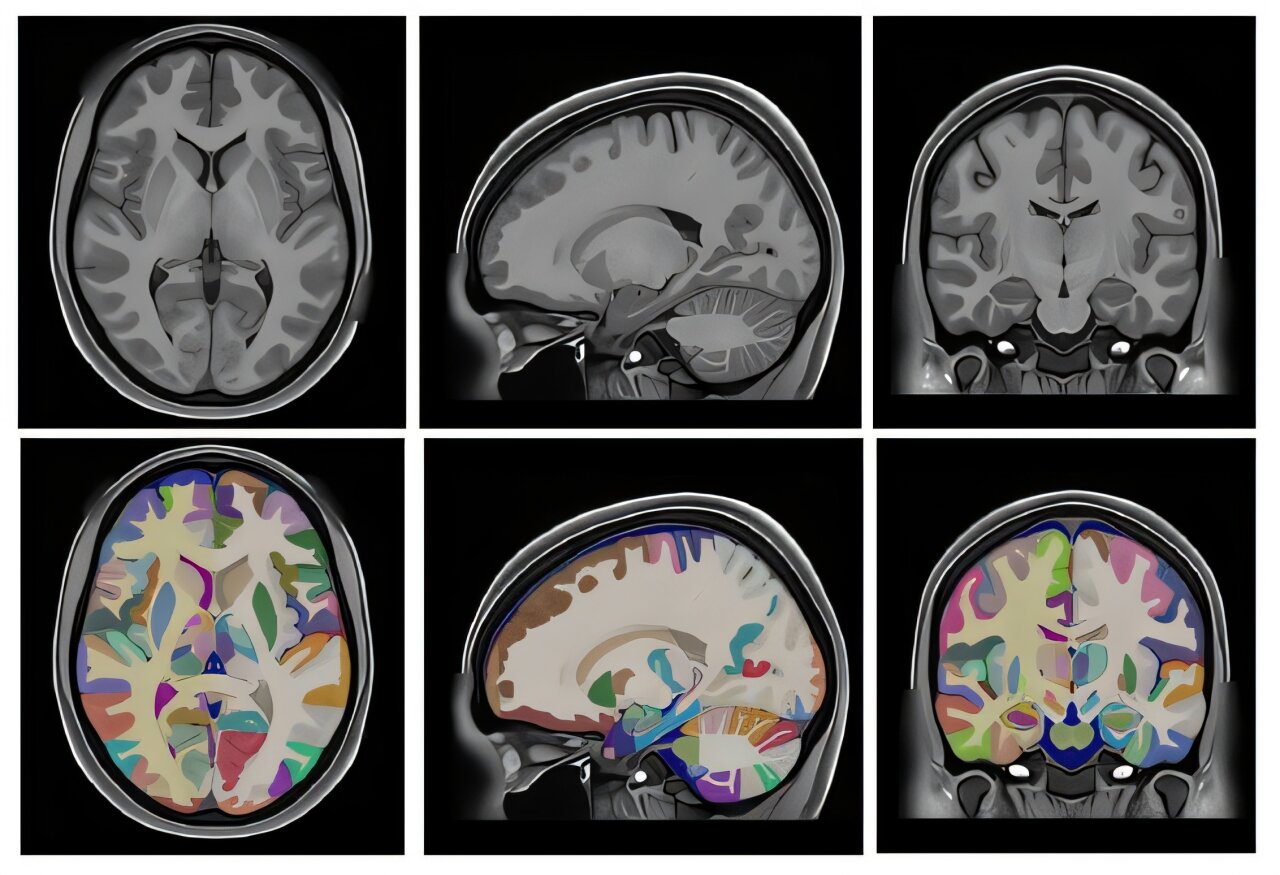
An international team has developed one of the most comprehensive and detailed structural atlases of the human brain to date. Known as HoliAtlas, it will be particularly useful for the study and early diagnosis of neurological and neurodegenerative diseases, such as Alzheimer’s or Parkinson’s.
A large-scale study found that severe, hospital-treated infections are linked to an increased risk of dementia.
Scientists have uncovered a strategy that the brain uses for chemical signalling. In a new study, researchers found that in the striatum, a brain region central to learning and movement, one signalling system can seize control of another, promoting the coordinated release of both.
A meta-analysis has confirmed that exposure to nature—real, virtual, or imagined—reduces negative emotions and boosts brain health.
A massive study of over 2.2 million individuals has fundamentally redefined how we understand the genetics of addiction. The research reveals that most genetic risk for substance use disorders (SUD) isn’t about how the body reacts to a specific drug, but how the brain is “wired” for behavioural disinhibition.
A meta-analysis found no link between hormonal contraception and idiopathic intracranial hypertension (IIH), a serious condition marked by increased pressure around the brain, potentially causing chronic headaches and vision loss.
A machine-learning analysis of brain waves recorded during sleep may help identify people at high risk of developing dementia, according to a recent study. The study found that when a person’s “brain age,” estimated from sleep signals using EEG, exceeded their actual age, the risk of dementia increased.
A major study has found that treating ADHD with stimulant medication during childhood may actually lower the long-term risk of developing serious psychotic disorders, such as schizophrenia.
New research shows that the long-term neurological impact of childhood trauma is not permanently etched onto the brain. An analysis of brain communication patterns in individuals with childhood adversity indicates that lifetime physical activity can reshape neural connectivity, strengthening internal communication and optimizing stress response. The findings from the study in Biological Psychiatry: Cognitive Neuroscience and Neuroimaging highlight physical activity as a modifiable lifestyle factor linked to neurobiological adaptation.
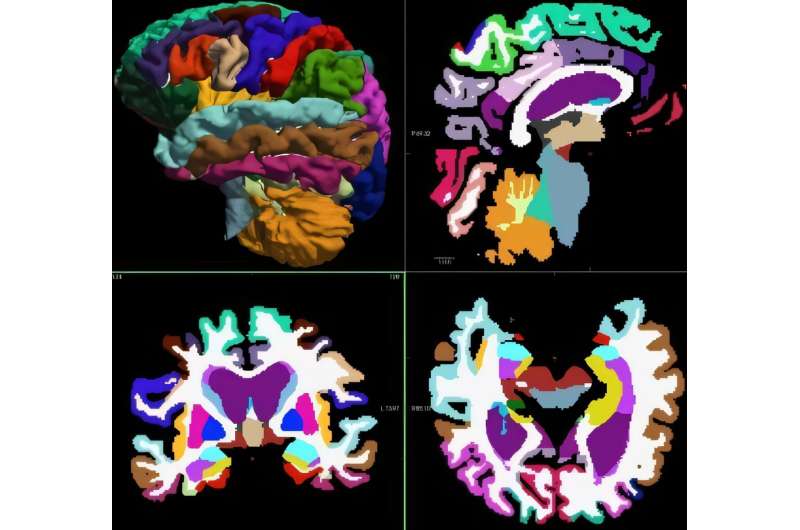
An international team has completed a massive “blueprint” of the human neocortex, the brain’s outer layer responsible for high-level thinking, decision-making, and sensory processing.
A clinical decision support tool that uses artificial intelligence (AI) to analyze scans after a stroke alongside treatment recommendations is associated with better quality care and long-term outcomes for patients compared with usual care, finds a recent study published in The BMJ.
Can a stroke make part of your brain younger? New research using deep learning reveals that undamaged brain regions reorganise and show “youthful” structural patterns to compensate for severe stroke damage.
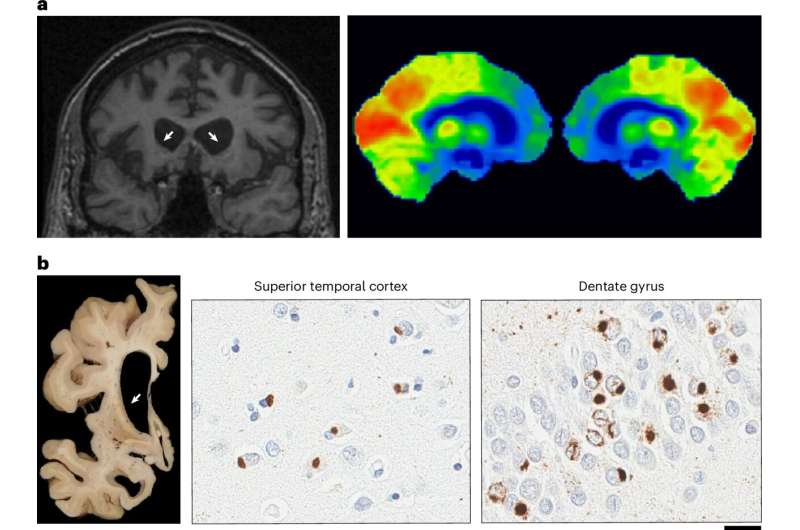
New research identifies a leaky blood-brain barrier as the primary link between repetitive head injuries and long-term cognitive decline in retired athletes. MRI scans compared with post-mortem tissue from athletes with Chronic Traumatic Encephalopathy reveal that this barrier remains compromised even years after retirement.
Scientists have identified a new genetic disease characterised by premature ageing and deficits in brain function.
Consciousness and its impairment from brain injuries are not well understood, making disorders of consciousness (DOC), like coma and vegetative states, challenging to treat. A new study published in Nature Neuroscience suggests that AI may help researchers tackle this issue. The research team developed an adversarial AI framework to better understand states of reduced consciousness and explore potential solutions.
Finally this week, new research shows that periodontal tissue status, peripheral immune response, and cognitive functions are closely interconnected.

 inside-the-brain.com