Weekly Neuroscience Update

A cell membrane is illustrated to show the surface in red. Blue objects are proteins, including ion channels, which can send electrical impulses into cells. Lipids, or fats, are in yellow. In this cross section, an ion channel associates with a lipid raft. The function of the lipid structures is regulated by cholesterol. Mechanical force can deplete the cholesterol and release the ion channel, changing activity within the cell. Credit: Scott Hansen, Ph.D., The Wertheim UF Scripps Institute

New research shows how physical pressure on cells can reduce pain signals, while excessive cholesterol clumps in cell membranes can interfere with that process.

Researchers have advanced our understanding of the neuronal basis of spatial memory. Their research reveals that during spatial memory tasks, different types of nerve cells activate in unison, coordinated by brain waves known as “ripples.”

Researchers have unveiled a pioneering technology capable of real-time human emotion recognition, promising transformative applications in wearable devices and digital services.

Children who lived in areas with higher levels of airborne lead in their first five years of life appeared to have slightly lower IQs and less self-control, with boys showing more sensitivity to lead exposure, according to a new study.

New research challenges the conventional picture of Parkinson’s disease.

A neurotransmitter previously thought only to calm neurons may also play a role in waking them up, according to a study published in the journal PLOS Biology, a discovery that challenges the textbook view of how neurons communicate with one another in the brain.

Researchers have achieved a breakthrough in mapping the brain’s ‘dysfunctome’—key dysfunctional circuits linked to disorders like Parkinson’s, dystonia, OCD, and Tourette’s syndrome.

Scientists have delved into the world of chemical neuromodulators in the human brain, specifically dopamine and serotonin, to reveal their role in social behavior. The study revealed a previously unknown neurochemical mechanism for a well-known human tendency to make decisions based on social context—people are more likely to accept offers from computers while rejecting identical offers from human players.

New research identifies nerve endings that shed light on gut-brain communication.

Live music significantly amplifies emotional responses in the brain compared to recorded tunes. By measuring amygdala activity, researchers found that live performances evoke stronger emotional reactions, fostering a deeper cognitive and affective processing throughout the brain.

A new study reveals that oxygenation levels in the placenta during the last trimester of pregnancy are a key predictor of the development of the cerebral cortex and likely childhood cognition and behavior.

Blood vessels that cross-connect adjacent arterial trees regulate blood flow to the brain in stroke patients. Researchers have now shown that these vessels prevent brain hemorrhage following treatment to remove blood clots.

Researchers have developed a simulator that enables artificial visual observations for research into the visual prosthesis.

A cross-cultural study has revealed that music universally influences bodily sensations and emotions, transcending cultural boundaries. Researchers from Western and East Asian backgrounds discovered that emotional and structural characteristics of music consistently evoke similar bodily sensations—such as changes in the chest, limbs, and head regions—regardless of cultural background.

A new study finds concussions alter connectivity among brain regions.

New research has unveiled a crucial role of sleep: brainwaves facilitate the cleansing of the brain by flushing out waste. This discovery not only underscores the brain’s non-dormant state during sleep but also highlights a sophisticated system where neurons’ synchronized activity powers the flow of cerebrospinal fluid, effectively removing metabolic waste and potentially neurodegenerative disease-causing toxins.

Finally this week, COVID-19 may have an impact on people’s cognitive and memory abilities that lasts a year or more after infection, according to a new study by Imperial College London researchers.

Weekly Neuroscience Update

Melodic pitch, pitch-change, and expectation modulate STG activity during music listening. (A) Three melodic features visualized for an example melody. (B) Electrodes across all participants (N = 8) plotted on a common brain. Color indicates the peak evoked high-frequency activity (HFA) averaged across all musical phrases. (C) Responses at three example electrodes demonstrating distinct tuning to pitch. Credit: Science Advances (2024)

Researchers have developed a precise map of what is happening in the cerebral cortex when someone hears a melody.

Scientists have made a groundbreaking discovery, identifying a rare lipid as a crucial factor in ferroptosis, a unique form of cell death. The findings provide new detail on how cells die during ferroptosis and could improve understanding of how to stop ferroptosis in contexts where it is harmfully occurring– in neurodegenerative diseases, for example– or induce it in contexts where it could be useful, such as using it to kill dangerous cancer cells.

Our brains are “programmed” to learn more from people we like – and less from those we dislike. This has been shown by researchers in cognitive neuroscience in a series of experiments.

An intensive meditation-based intervention (iMI) significantly improves positive symptoms, particularly refractory hallucinations and delusions, in male patients with schizophrenia, according to a new study.

Indigenous people may be more likely to have a stroke than non-Indigenous people, according to a systematic review that looked at populations around the world.

A new study highlights the critical link between sleep, circadian rhythms, and psychiatric disorders, suggesting that disturbances in sleep and internal body clocks can trigger or exacerbate mental health issues. The research underscores the prevalence of sleep-circadian disturbances across all psychiatric disorders, pointing to the need for holistic treatments that address these factors.

For individuals with post-COVID-19 condition, cognitive symptoms are common, according to a study published online Feb. 14 in JAMA Network Open.

Researchers have developed an artificial intelligence model that accurately determines the sex of individuals based on brain scans, with over 90% success. This breakthrough supports the theory that significant sex differences in brain organization exist, challenging long-standing controversies.

A new population-based study reveals the roles of maternal and fetal genes in the growth of a baby’s cerebral cortex.

A new study explains how dopamine influences movement sequences, offering hope for Parkinson’s disease (PD) therapies. Researchers observed that dopamine not only motivates movement but also controls the length and lateralization of actions, with different neurons activating for movement initiation and reward reception.

New research sheds light on what goes on inside people’s heads as they make decisions to obtain information about the future.

Moderate/severe and penetrating traumatic brain injury (TBI) are associated with an increased risk for subsequent development of brain cancer, according to a study published online Feb. 15 in JAMA Network Open.

For the first time, researchers have mapped out the proteins implicated in the early stages of motor neuron disease (MND).

In a study published in the Journal of Neuroscience, scientists demonstrated the effectiveness of using low-intensity focused ultrasound to modulate the activity in a critical region in the brain that processes and regulates pain signals.

Finally this week, new research shows how empathy can be socially transmitted.

Weekly Neuroscience Update

Credit: Neuron (2024). DOI: 10.1016/j.neuron.2024.01.013

A new study has found the immune system in the blood of Alzheimer’s patients is epigenetically altered. That means the patients’ behavior or environment has caused changes that affect the way their genes work.

A team of researchers has developed a breakthrough new blood test for schizophrenia, a psychiatric disorder that includes hallucinations and delusions.

Many patients continue to struggle in the wake of the pandemic as they grapple with ongoing symptoms triggered by COVID-19 infection, a condition commonly known as long COVID. However, the onset of symptoms such as brain fog, fatigue, headache, and other types of pain is not unique to COVID infection, according to a new study.

Researchers have discovered a molecular complex crucial for the transport of mitochondria within neurons, offering new insights into preventing neurodegenerative diseases. 

A landmark advancement in neural prosthetics has been made, demonstrating the ability to recall specific memories using a newly developed memory decoding model (MDM). The study, involving 14 adults with epilepsy, showed that MDM stimulation significantly improved memory performance, particularly in those with impaired memory, offering hope for treating conditions like Alzheimer’s disease, stroke, or head injury. This research signifies a major step toward creating interventions that can restore lost memory functions, potentially aiding individuals in living more independently.

A new study reveals that excessive stress during adolescence can lead to long-lasting changes in gene expression in the brain, particularly those related to bioenergy functions.

Researchers developed an innovative AI tool, DeepGO-SE, that excels in predicting the functions of unknown proteins, marking a significant advance in bioinformatics. Leveraging large language models and logical entailment, this tool can deduce molecular functions even for proteins without existing database matches, offering a groundbreaking approach to understanding cellular mechanisms.

Researchers have identified cortical gray matter thinning as a potential early biomarker for dementia. 

Smoking not only affects immune responses in the short term but also leaves a lasting imprint on the body’s defense mechanisms. This is the finding recently made by a team of scientists at the Institut Pasteur using the Milieu Intérieur cohort of 1,000 healthy volunteers, established to understand variability in immune responses.

MIT neuroscientists have found that the brain’s sensitivity to rewarding experiences—a critical factor in motivation and attention—can be shaped by socioeconomic conditions.

Taking an anticoagulant, or blood-thinning medication, can increase one’s risk of—or exacerbate—a brain bleed, also known as a brain hemorrhage, which is the deadliest type of stroke. Now, new research finds that faster treatment for these patients is associated with a greater likelihood of survival.

Finally this week, language and culture may influence how our brains process emotional faces according to new research.

Weekly Neuroscience Update

Credit: Cell Stem Cell (2024). DOI: 10.1016/j.stem.2023.12.009

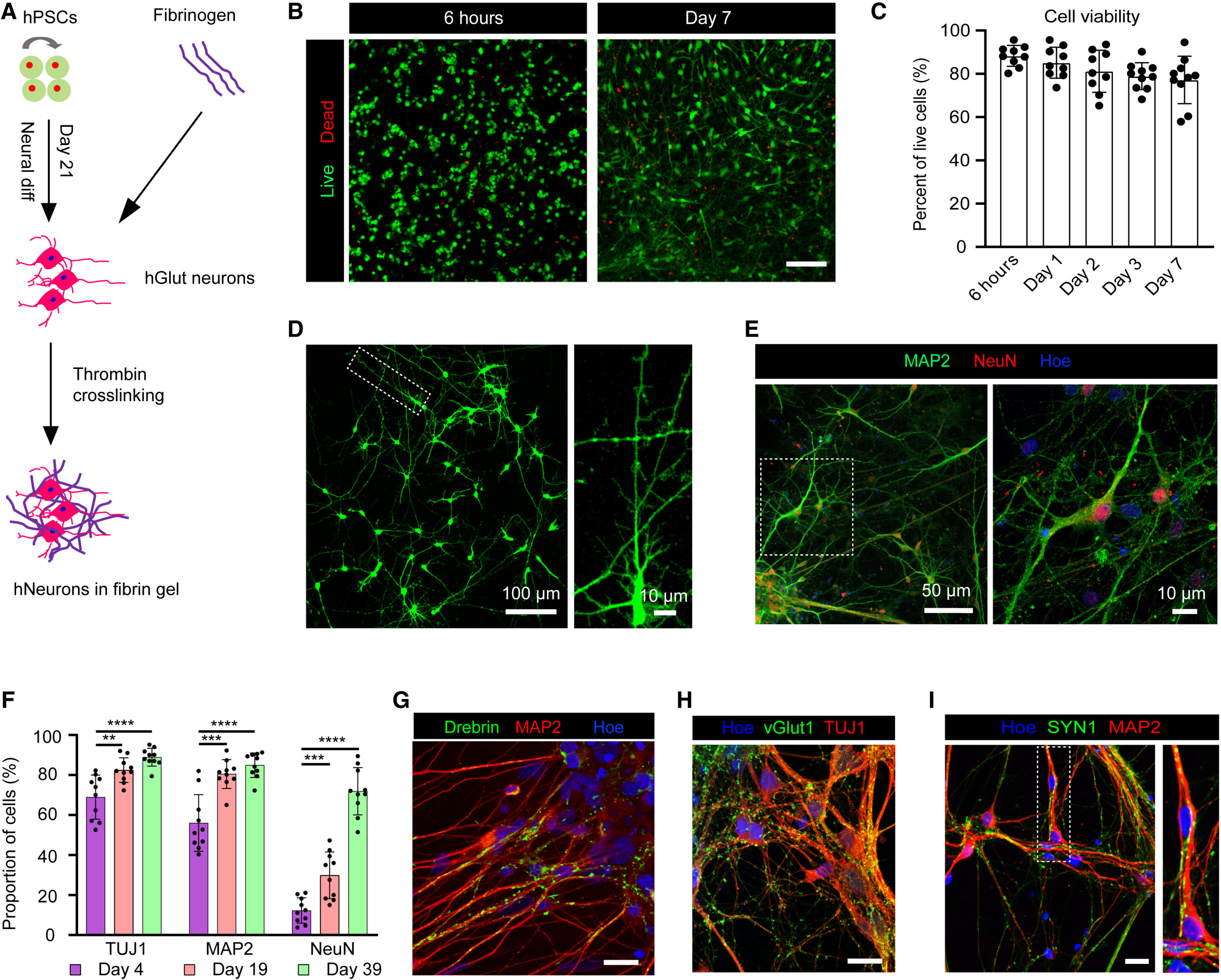
Researchers have developed the world’s first 3D-printed brain tissue that grows and behaves similarly to natural brain tissue, marking a significant leap forward for neurological and neurodevelopmental disorder research.

For patients with Parkinson disease differences in quality of life outcomes are seen with deep brain stimulation of the subthalamic nucleus (STN-DBS), according to a recent study.

New findings published in the journal Nature Neuroscience have shed light on a mysterious pathway between the reward center of the brain that is key to how we form habits, known as the basal ganglia, and another anatomically distinct region where nearly three-quarters of the brain’s neurons reside and assist in motor learning, known as the cerebellum.

Researchers have shown that a blood test can pinpoint the underlying cause of brain injury in newborns.

A new study suggests that high-intensity training (HIT), compared to conventional training, may improve walking ability in patients with chronic traumatic brain injury (TBI). Possible secondary benefits may include improved aerobic capacity/efficiency and cognition.

A team of scientists has unveiled a potential game-changer in the fight against glioblastoma, the most common and currently incurable form of brain cancer.

Combining brain stimulation with intense physical rehabilitation helped stroke survivors recover movement in their arms and hands and maintain these improvements for one year, according to a study to be presented at the American Stroke Association’s International Stroke Conference 2024.

Psychologists have investigated the extent to which neuromodulation of the brain with ultrasound waves influences people’s behavior. The results can also be used as a basis for therapeutic purposes.

A preliminary study reveals that intravenous injections of ginkgo biloba components could significantly improve early cognitive recovery in ischemic stroke patients. Conducted across multiple centers in China, the research tested the effects of ginkgo diterpene lactone meglumine (GDLM) on 3,163 stroke survivors, showing notable improvements in cognitive scores compared to a placebo group.

The brains and blood of people with a history of excessive drinking show cellular evidence of premature aging.

A new study gives insights into the underlying mechanisms of the formation of protein clumps in Alzheimer’s disease. The study could pave the way for new treatments for this devastating neurodegenerative disorder.

Finally, this week, engaging in music throughout your life is associated with better brain health in older age, according to a new study.

Weekly Neuroscience Update

Microscopic photos observed through changes of the flourescence of the synapse sensor (SynapShot) by cultivating the neurons of an experimental rat and expressing the SynapShot. The changes in the synapse that is created when the pre- and post-synaptic terminals come into contact and the synapse that disappears after a certain period of time are measured by the fluorescence of the SynapShot. Credit: KAIST Optogenetics & RNA therapeutics Lab

New research has observed the processes of memory and cognition in real-time.

A new study reveals significant findings in the fight against Long Covid. Through a comprehensive analysis of blood serum from 113 patients, researchers discovered changes in blood serum proteins related to the complement system, coagulation, and tissue injury in Long Covid patients.

New research has found that exercising both before and after learning optimizes memory formation, with a notable 10% improvement in remembering motor skills.

A new study employs generative AI to shed light on how the human brain processes memories for learning, imagination, and planning. The study used a computational model resembling the hippocampus and neocortex’s neural networks to simulate memory encoding and retrieval.

A new study has reported that SARS-CoV-2, the virus that causes COVID, can infect dopamine neurons in the brain and trigger senescence—when a cell loses the ability to grow and divide.

Researchers have taken the first steps to treat Alzheimer’s disease, Parkinson’s disease and Type 2 diabetes by creating multiple patent-pending compounds shown to inhibit protein aggregation associated with those diseases.

A neuroscientific study is paving the way for improving the diagnosis and treatment of Alzheimer’s.

A new study reveals limitations in the current use of mathematical models for personalized medicine, particularly in schizophrenia treatment. Although these models can predict patient outcomes in specific clinical trials, they fail when applied to different trials, challenging the reliability of AI-driven algorithms in diverse settings.

Research into the nature of memory reveals how cells that store information are stabilized over time.

A new study explores how infants and toddlers acquire language. Findings reveal early comprehension begins around 6-7 months, and significant improvements in language understanding occur around a child’s first birthday.

New research looks at ways to predict when a migraine attack will occur.

Researchers at the National Institutes of Health have found overactivation in many brain regions, including the frontal and parietal lobes and the amygdala, in unmedicated children with anxiety disorders. They also showed that treatment with cognitive behavioral therapy (CBT) led to improvements in clinical symptoms and brain functioning.

An international research has proposed a new model for classifying Parkinson’s disease.

A ribbon of brain tissue called cortical gray matter grows thinner in people who go on to develop dementia, and this appears to be an accurate biomarker of the disease five to 10 years before symptoms appear, scientists report.

3D bioprinting sheds light on why blood vessel curvature may foster brain cancer metastasis.

Researchers achieved a significant advancement in robotics by replicating human-like variable speed walking using a musculoskeletal model. This model, steered by a reflex control method akin to the human nervous system, enhances our understanding of human locomotion and sets new standards for robotic technology.

There is a difference between how the brains of healthy older adults perceive color compared to younger adults, finds a new study.

Researchers conducted a study to explore the neuroscientific basis of fairness in social situations, investigating the interplay between personal interests and societal norms. By applying electric brain stimulation to 60 participants, the researchers pinpointed specific brain regions crucial to fairness decisions.

Finally this week, scientists have made a significant discovery using an artificial neural network model, suggesting that musical instinct may emerge naturally from the human brain.

Weekly Neuroscience Update

Three experiments to test how dopamine affects cognitive performance during acute exercise. Credit: The Journal of Physiology (2024)

A study exploring the mechanisms behind why cognitive performance improves in response to exercise, has found that dopamine plays a key role.

Researchers have discovered that children with autism spectrum disorders (ASD) develop distinct attentional preferences compared to typically developing children, focusing more on non-social stimuli like objects and textures.

Brain structure predicts treatment response to antidepressant and placebo medications, according to a new study.

Recent research contrasts the learning mechanisms of the human brain with those of deep learning in AI. Despite having fewer layers and slower, noisier dynamics, the brain can perform complex classification tasks as effectively as AI with hundreds of layers.

A new study uncovers a unique aspect of human memory: our ability to recall events is sharper after experiencing negative emotions.

A major clinical trial has shown that by using MRI and tracking to guide the delivery of magnetic stimulation to the brains of people with severe depression, patients will see their symptoms ease for at least six months, which could vastly improve their quality of life.

New research reveals that coming off antidepressants like Prozac can cause not only physical symptoms but also emotional, cognitive, and social difficulties.

Through transcriptomic profiling of more than 300,000 cells in human substantia nigra, a part of the brain that helps control the body’s movements, a research team has identified a previously unreported neuron type with vulnerability in Parkinson’s disease. This novel finding could help explain the complexity of the disease symptoms and direct new therapeutics development.

Researchers have found evidence suggesting that children exposed to elevated levels of early life adversity exhibit an accelerated pattern of brain development during the preschool years.

New research for the first time reveals the function of a little-understood junction between cells in the brain that could have important treatment implications for conditions ranging from multiple sclerosis to Alzheimer’s disease, to a type of brain cancer known as glioma.

Finally this week, a third major study finds that multivitamin supplements improve memory and slow cognitive aging in older adults.

Weekly Neuroscience Update

Credit: Nature Neuroscience (2024)

A new study has identified a neural coding mechanism that allows the transfer of information back and forth between perceptual regions to memory areas of the brain. The results are published in Nature Neuroscience.

Perceived time has a significant impact on the actual time it takes to heal physical wounds, according to new research.

Researchers have identified a wide range of risk factors for young-onset dementia. The findings challenge the notion that genetics are the sole cause of the condition, laying the groundwork for new prevention strategies.

Scientists have uncovered a key brain pathway mediating panic disorder symptoms.

Researchers have developed a groundbreaking synaptic transistor inspired by the human brain. This device can simultaneously process and store information, mimicking the brain’s capacity for higher-level thinking.

People who have more disrupted sleep in their 30s and 40s may be more likely to have memory and thinking problems a decade later, according to new research published in Neurology. 

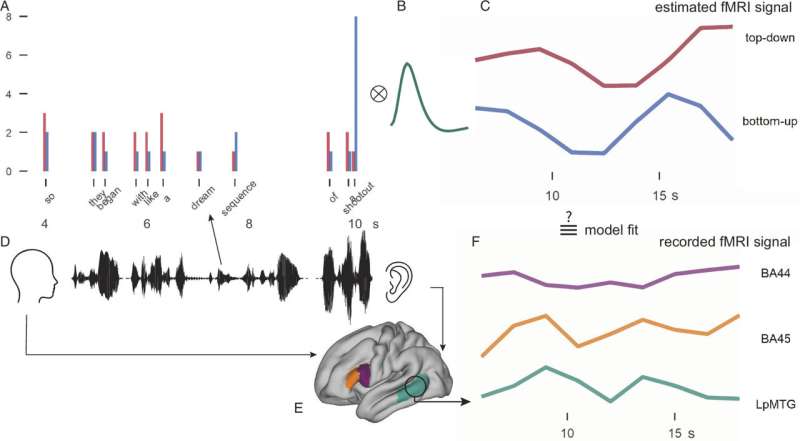
With help from an artificial language network, neuroscientists have discovered what kind of sentences are most likely to fire up the brain’s key language processing centers. The new study reveals that more complex sentences, either because of unusual grammar or unexpected meaning, generate stronger responses in these language processing centers. Very straightforward sentences barely engage these regions, and nonsensical sequences of words don’t do much for them either.

Finally this week, scientists have identified a molecular anchor that stabilizes mitochondria near synapses to support memory formation.

Weekly Neuroscience Update

Credit: Science Advances (2023). DOI: 10.1126/sciadv.adg3754

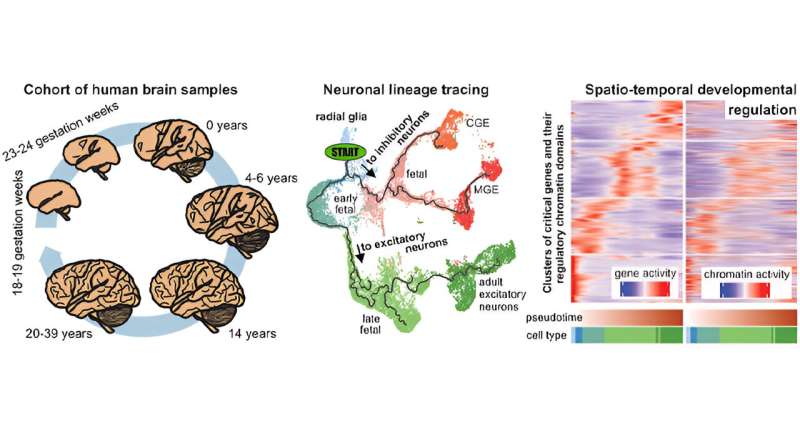
A team of researchers has created the first “multiome” atlas of brain cell development in the human cerebral cortex across six broad developmental time points from fetal development into adulthood, shedding new light on their roles during brain development and disease. “Multiome” refers to the simultaneous analysis of multiple types of genetic information within the same biological sample. They can include the genome, the DNA encoded in our cells; the transcriptome, the RNA copies that the cell makes from the genome; and the epigenome, chemical modifications and regulatory factors that determine the accessibility of chromatin.

Scientists have established how the activity of our brain during imaginary movement differs from that during real action.

A new study reveals ancestries around the world possess a shared genetic architecture for problematic alcohol use (PAU)—habitual heavy drinking, accompanied by harmful consequences. The findings, published in Nature Medicine, could help scientists understand the genetic basis of PAU, a major cause of health problems in many age groups.

Researchers have demonstrated that differences in the gut microbiome are associated with overall cognitive function and brain structure in healthy children.

In an innovative study, researchers have conducted the first systematic investigation of the effects of cognitive fatigue by using two different tasks across three distinct populations: multiple sclerosis, traumatic brain injury, and controls.

A new study details that markers of brain injury are present in the blood many months after COVID-19 infection, despite inflammation blood tests being normal. 

Finally this week, new research investigates the impact of binaural beat (BB) on language skills. BB is a sound that occurs when two slightly mismatched pure tones are heard. There is a growing interest in using BB as a non-invasive neuromodulation to enhance cognitive performance.

Weekly Neuroscience Update

Examples of inputs and outputs from the MADRC dataset. 

Researchers have developed a suite of free tools for analyzing vast amounts of brain dissection photographs at brain banks worldwide to enhance understanding of neurodegenerative diseases.

A new study reveals a strong link between regular physical activity and enhanced brain health. Analyzing MRI scans from 10,125 individuals, researchers found that exercise, even moderate exercise like walking, is associated with increased brain volumes in crucial areas like gray matter, white matter, and the hippocampus. The study underscores exercise’s role in reducing dementia risk and maintaining brain size.

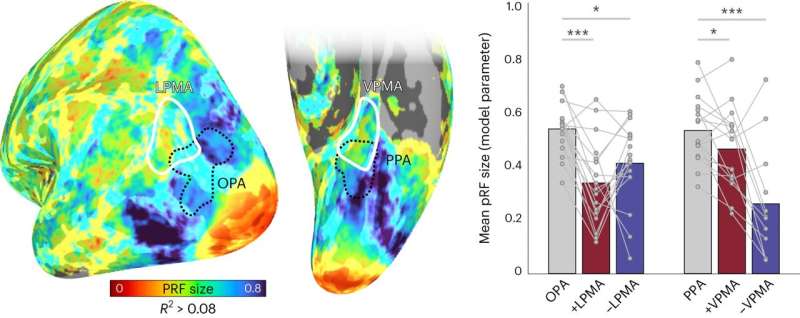
Scientists have discovered that a part of the brain associated with working memory and multisensory integration may also play an important role in how the brain processes social cues.

In a first-of-its-kind study published in Nature, researchers recorded activity from hundreds of individual neurons while participants listened to spoken sentences, giving us an unprecedented view into how the brain analyzes the sounds in words.

A new study has unveiled three distinct cognitive deficits contributing to reading difficulties in individuals with left-sided neglect dyslexia, a condition that often follows a right-hemisphere stroke.

Researchers have unveiled a significant similarity between AI memory processing and human hippocampal functions. This discovery, bridging AI and neuroscience, highlights a parallel in memory consolidation – a process crucial in transforming short-term to long-term memories – in both AI models and the human brain.

A new study highlights the significant role of imagination in evoking empathy and driving prosocial behaviour. 

A so-called pathological protein long associated with Parkinson’s disease has been found in a new study to trigger cells to increase protein synthesis, an event that eventually kills the subset of brain cells that die off in this neurodegenerative condition.

A new study presents a promising treatment for restoring the sense of smell in long-COVID patients.

Researchers have found that amyloid oligomers play a role in speeding up mitochondrial energetics during the early stages of Alzheimer’s, in contrast to what has been previously found in more advanced Alzheimer’s brain tissues. The results are published in Nature Communications.

Research led by the Karolinska Institutet, Sweden, has found an increased risk of cardiovascular disease associated with long-term ADHD medication use.

New research has uncovered a potential early marker for autism in infants: abnormally enlarged perivascular spaces (PVS) in the brain. The study found that infants with enlarged PVS had a 2.2 times greater chance of developing autism compared to those with the same genetic risk. The researchers followed infants with a higher likelihood of autism due to having an older sibling with the condition.

A pilot clinical trial has found electrical stimulation of the spinal cord is feasible, well-tolerated and shows therapeutic potential to treat depression.

Signs of injury to the brain’s white matter called white matter hyperintensities, as seen on brain scans, may be tied more strongly to vascular risk factors, brain shrinkage, and other markers of dementia in former tackle football players than in those who did not play football, according to a study published in Neurology.

Artificial intelligence, coupled with data from an iPad coloring game, could assist in early diagnosis of autism, a new study shows.

A review in the Journal of Internal Medicine explores the potential of non-invasive interventions such as light, sound, and magnets to stimulate gamma brain waves for the treatment of Alzheimer’s disease. Such strategies may be beneficial because Alzheimer’s disease is characterized by reduced fast brain oscillations in the gamma range (30–100 Hz).

Finally this week, researchers have made a significant breakthrough in understanding the genetic basis of anxiety disorders (ADs), which affect over 280 million people globally.

Weekly Neuroscience Update

Credit: Communications Biology (2023).

Researchers have demonstrated the use of AI-selected natural images and AI-generated synthetic images as neuroscientific tools for probing the visual processing areas of the brain. The goal is to apply a data-driven approach to understand how vision is organized while potentially removing biases that may arise when looking at responses to a more limited set of researcher-selected images.

A first-line therapy for obsessive-compulsive disorder (OCD) reshapes connectivity of the brain, according to a new study

A new analysis of the brain activity of people with post-traumatic stress disorder (PTSD) is the first to reveal that traumatic memories are represented in the brain in an entirely different way than sad autobiographical memories.

Researchers have identified objective evidence of how the neck muscles are involved in primary headaches.

Optimal windows exist for action and perception during the 0.8 seconds of a heartbeat, according to research published in the open-access journal PLOS Biology. The sequence of contraction and relaxation is linked to changes in the motor system and its ability to respond to stimulation, and this could have implications for treatments for depression and stroke that excite nerve cells.

In a new study, researchers say they found high levels of a repair protein present long after a traumatic brain injury such as a concussion takes place.

A new study shows that individuals who report tinnitus, which presents as a ringing in the ears in more than 1 out of 10 adults worldwide, are experiencing auditory nerve loss that is not picked up by conventional hearing tests.

An international study group has identified how three novel genes cause neurodevelopmental disorders.

A new study has demonstrated that a novel treatment is effective in most patients with major depressive symptoms even after multiple failed courses of antidepressant medication. The treatment, repetitive transcranial magnetic stimulation (rTMS), may work even more rapidly than past findings have suggested, starting to alleviate symptoms as quickly as one week.

Finally this week, newborn babies can perceive the beat in music, new research has confirmed.